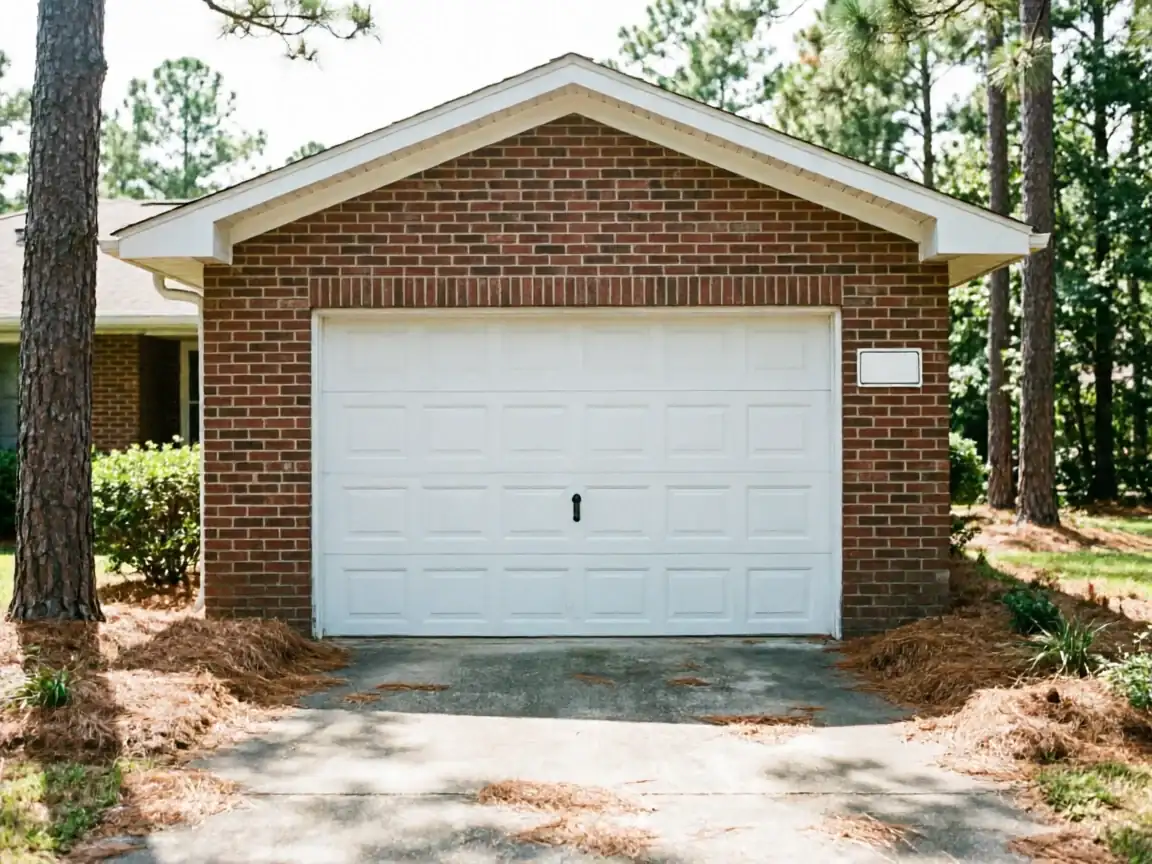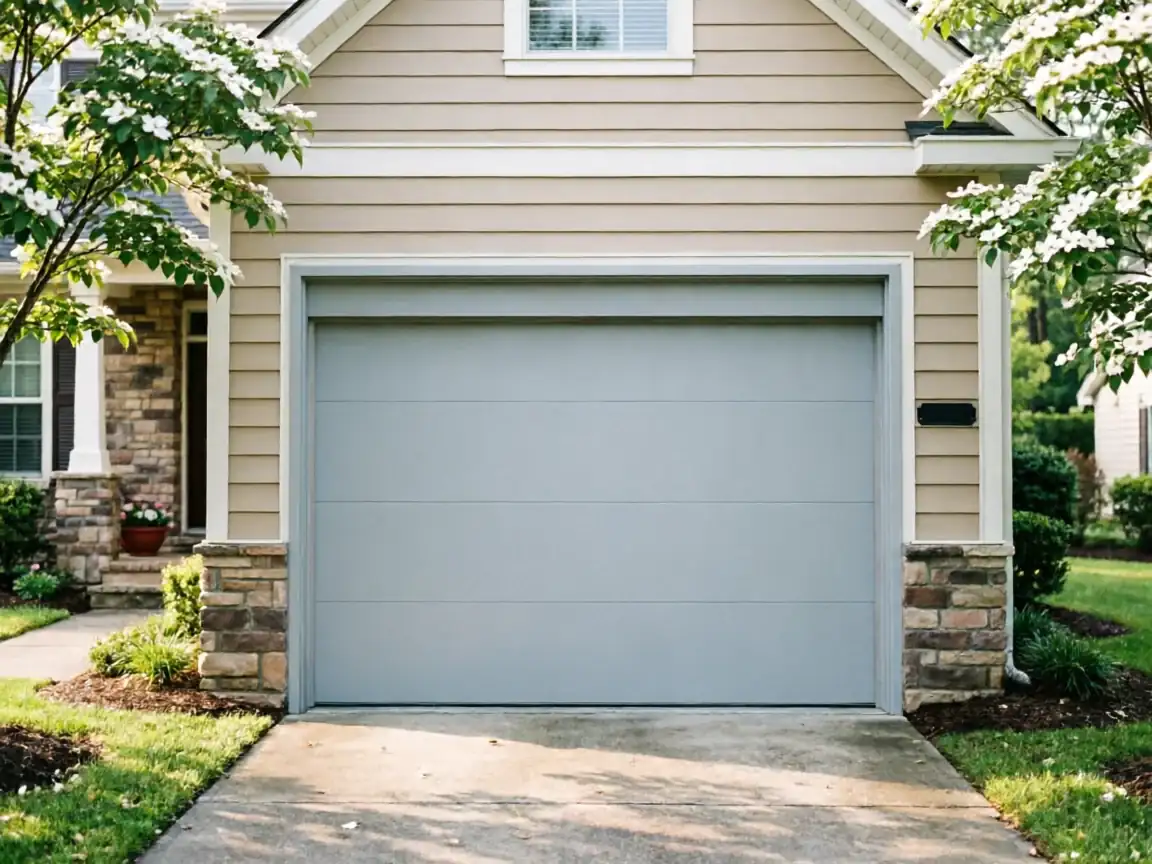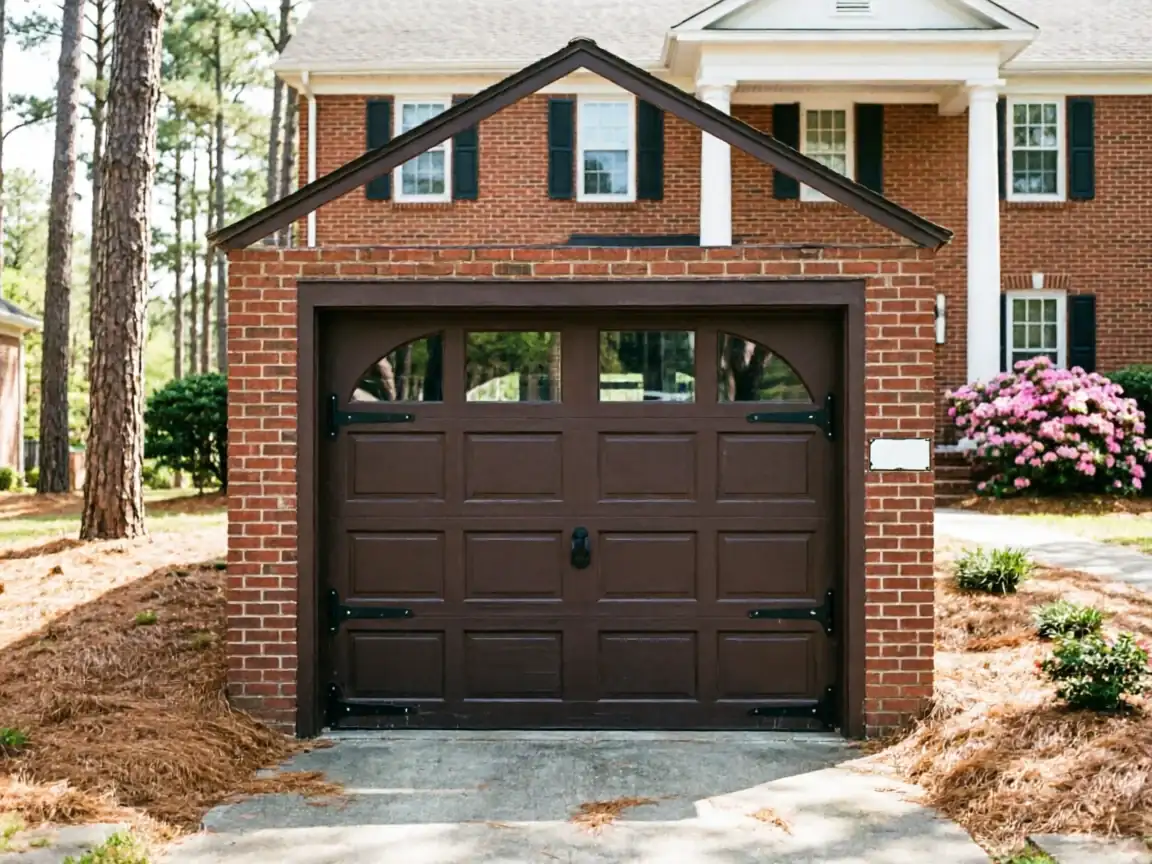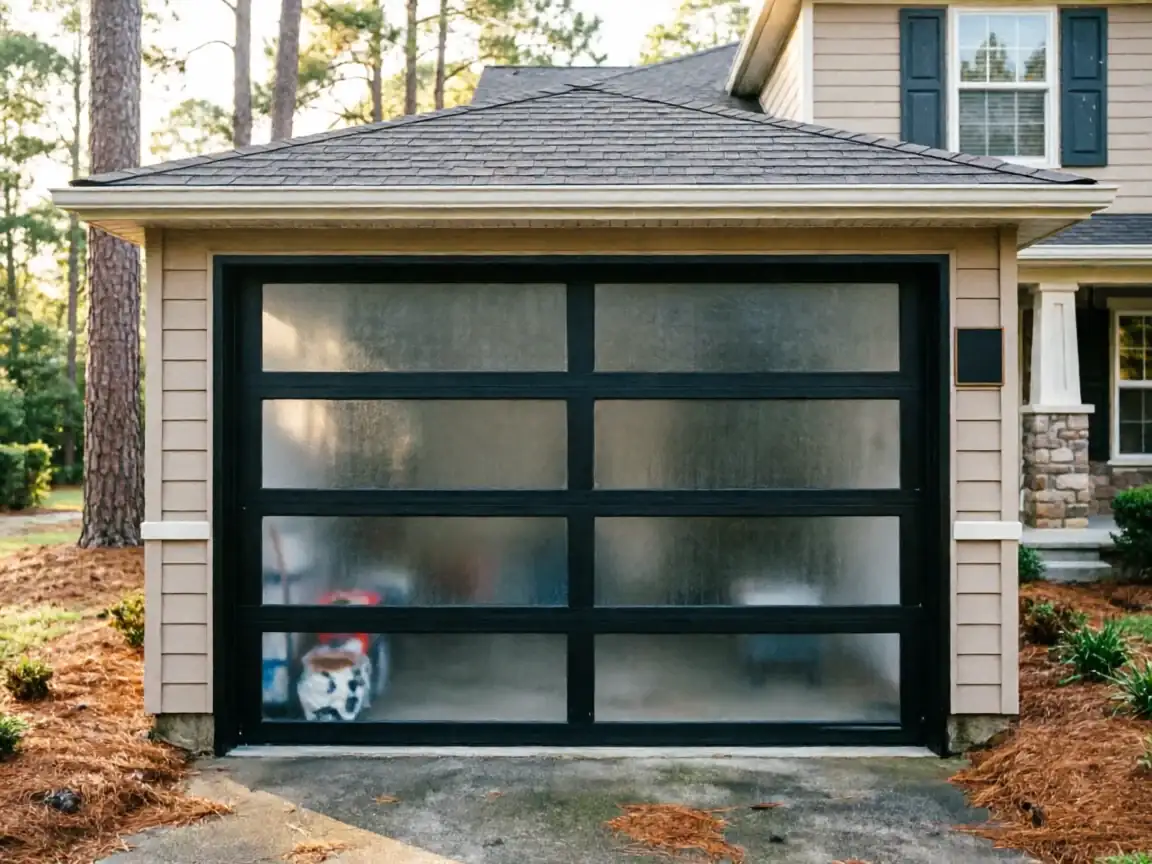
How That Shows Up in the Door
Villa Rica sits about 12 miles out from Douglasville
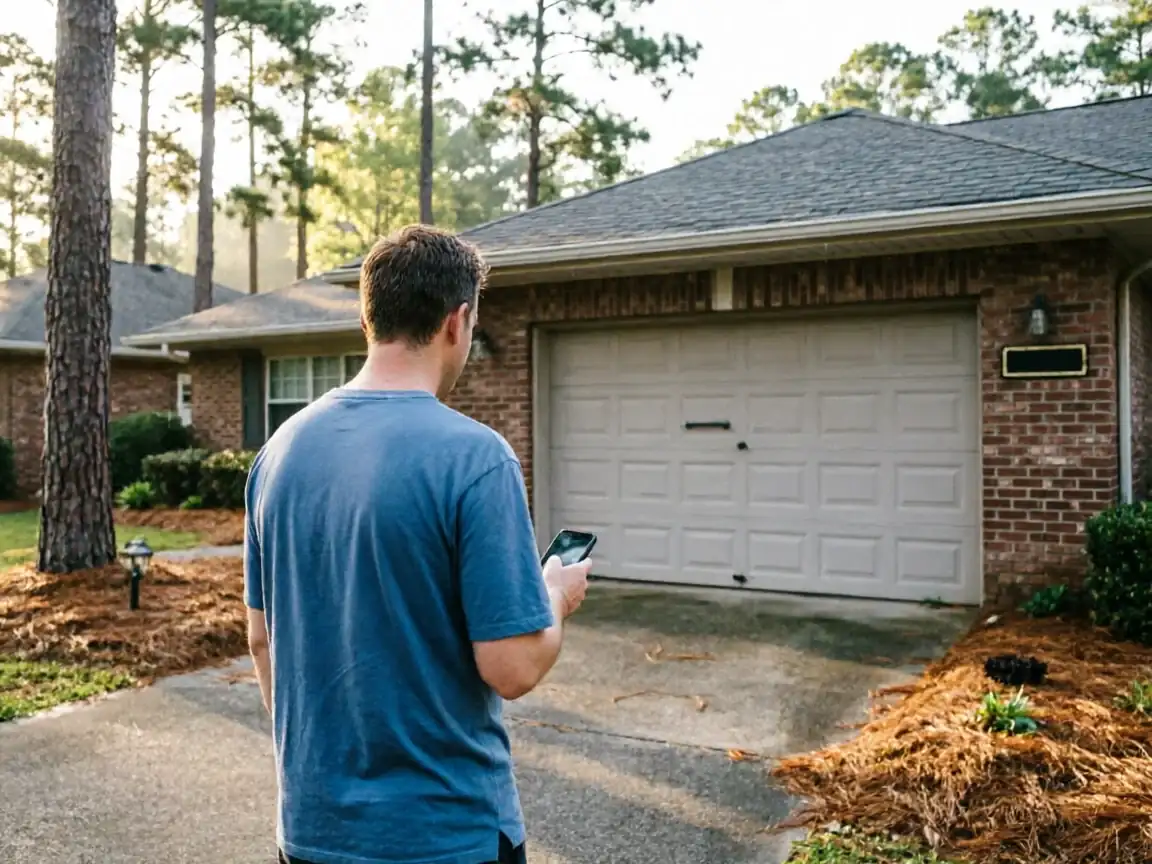
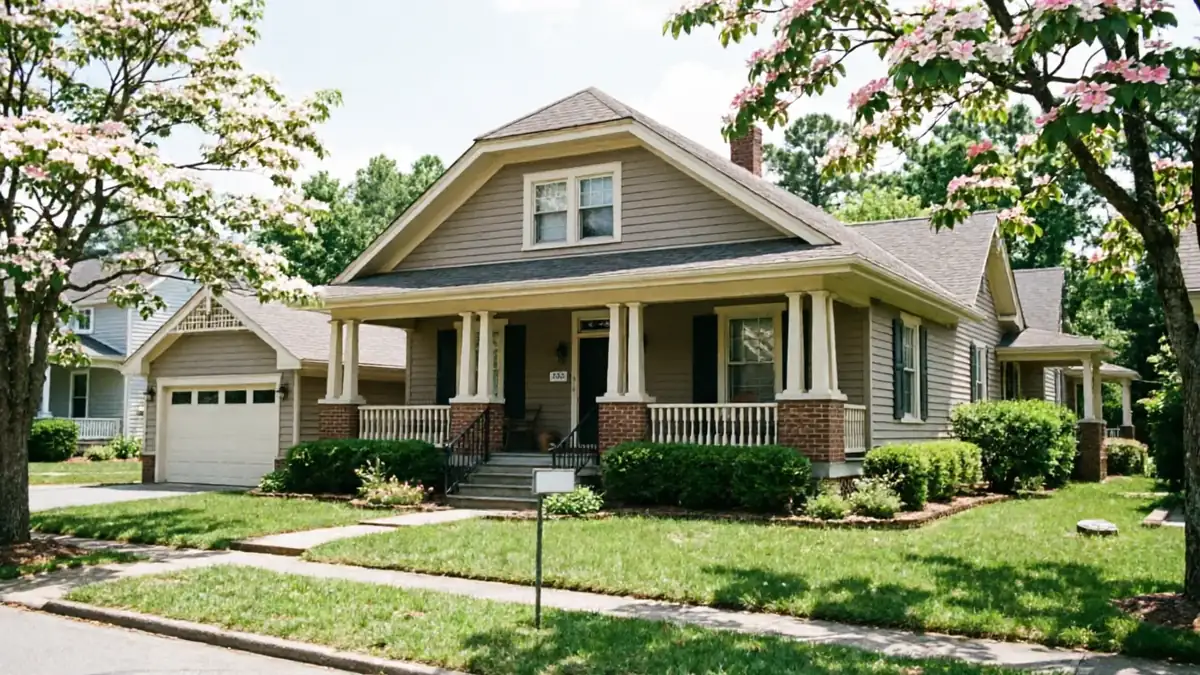
And the houses here run newer than a lot of the rest of our coverage area. The service area as a whole spans homes built from 1966 to 2004, with a median around 1994, but Villa Rica's median build year lands closer to 2003 - almost a decade newer. That matters more than it sounds like it should.
- 12 miles
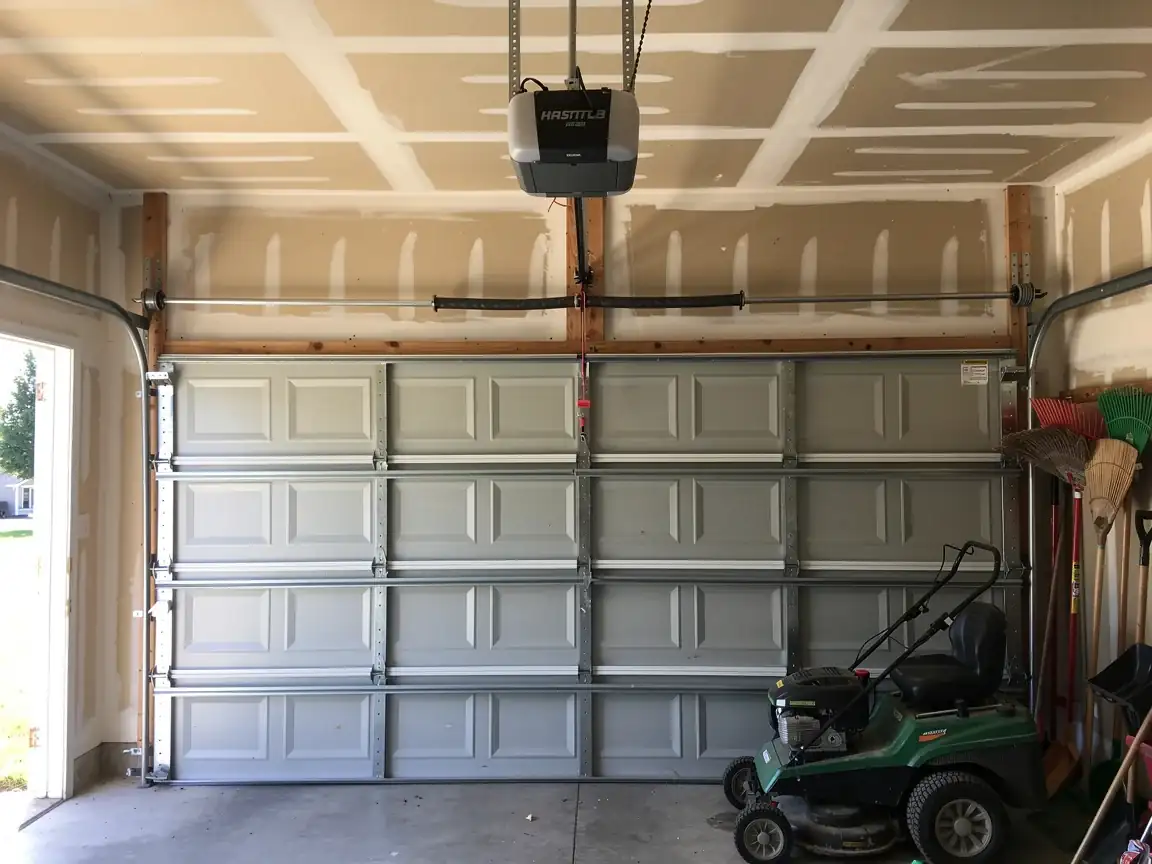
A house built in 2003 almost always came with a factory-installed steel sectional door on a torsion spring system
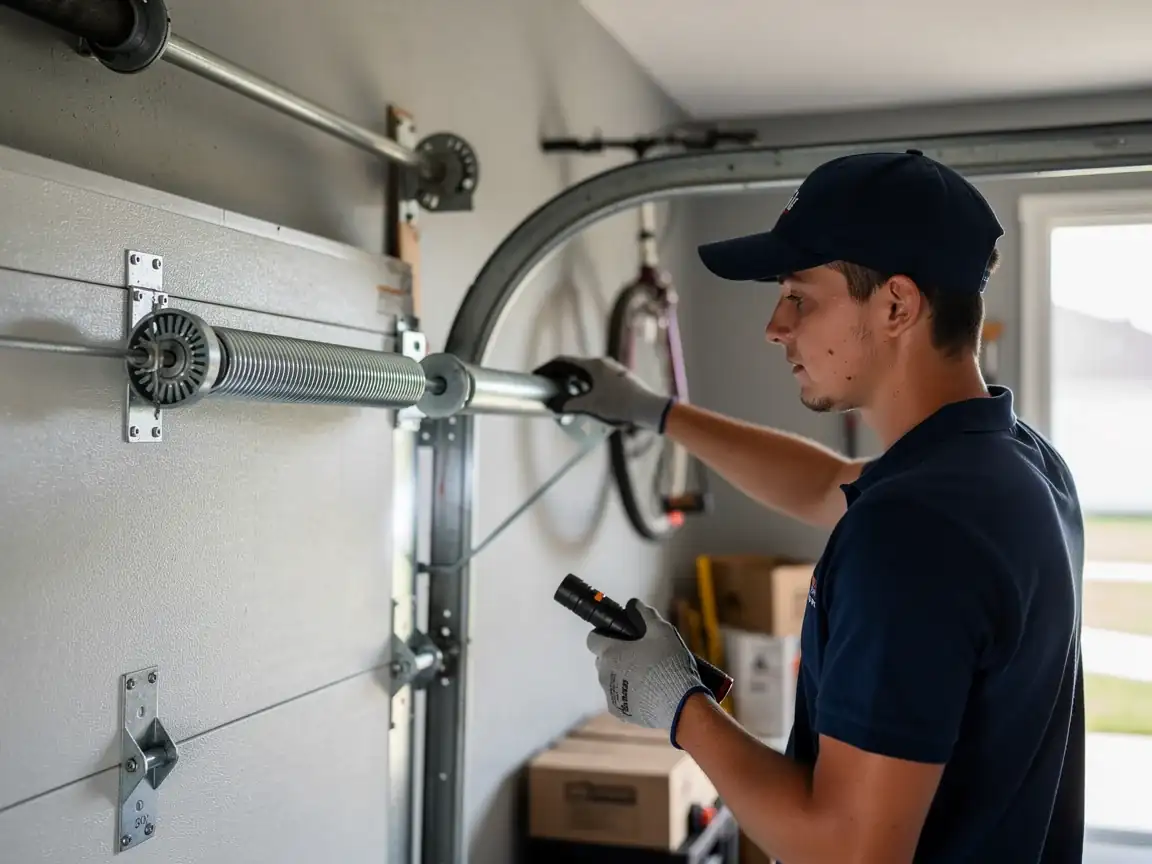
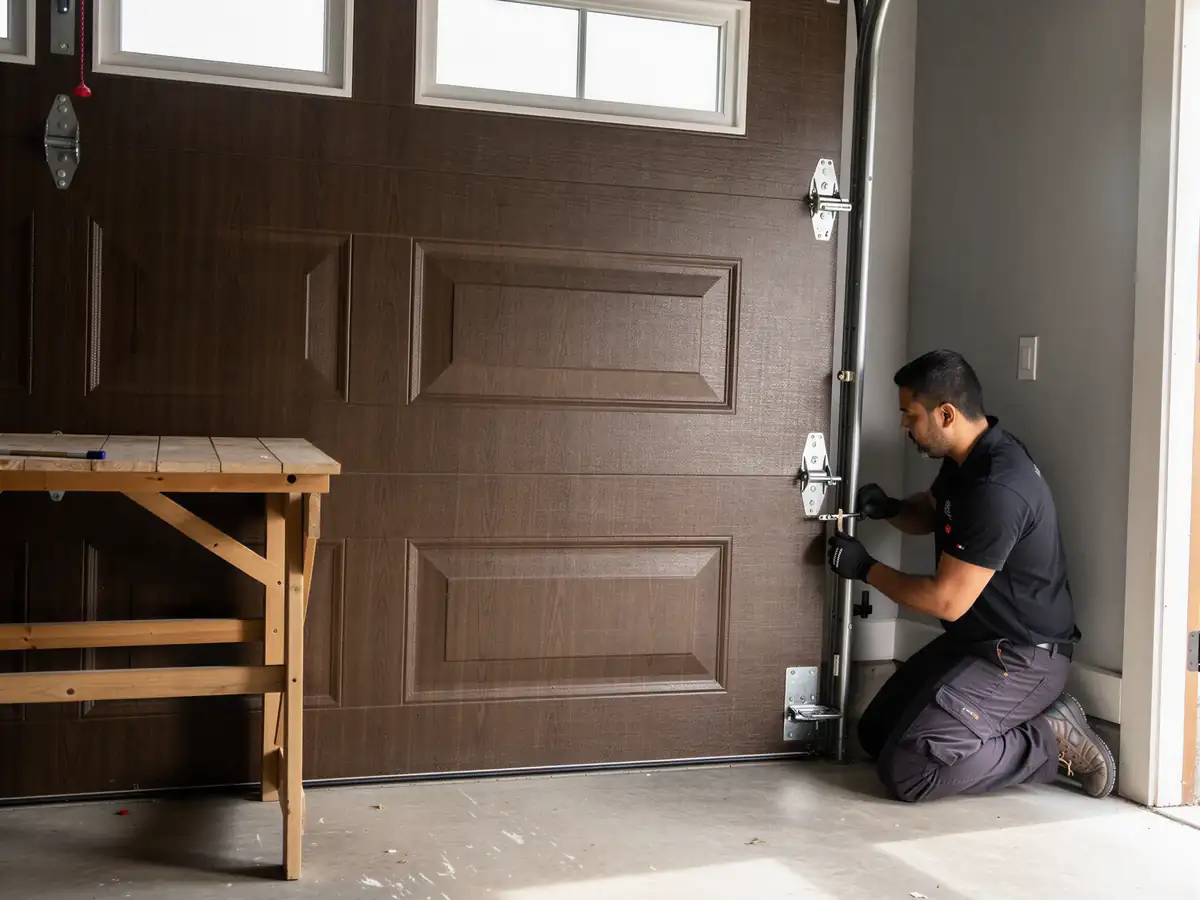
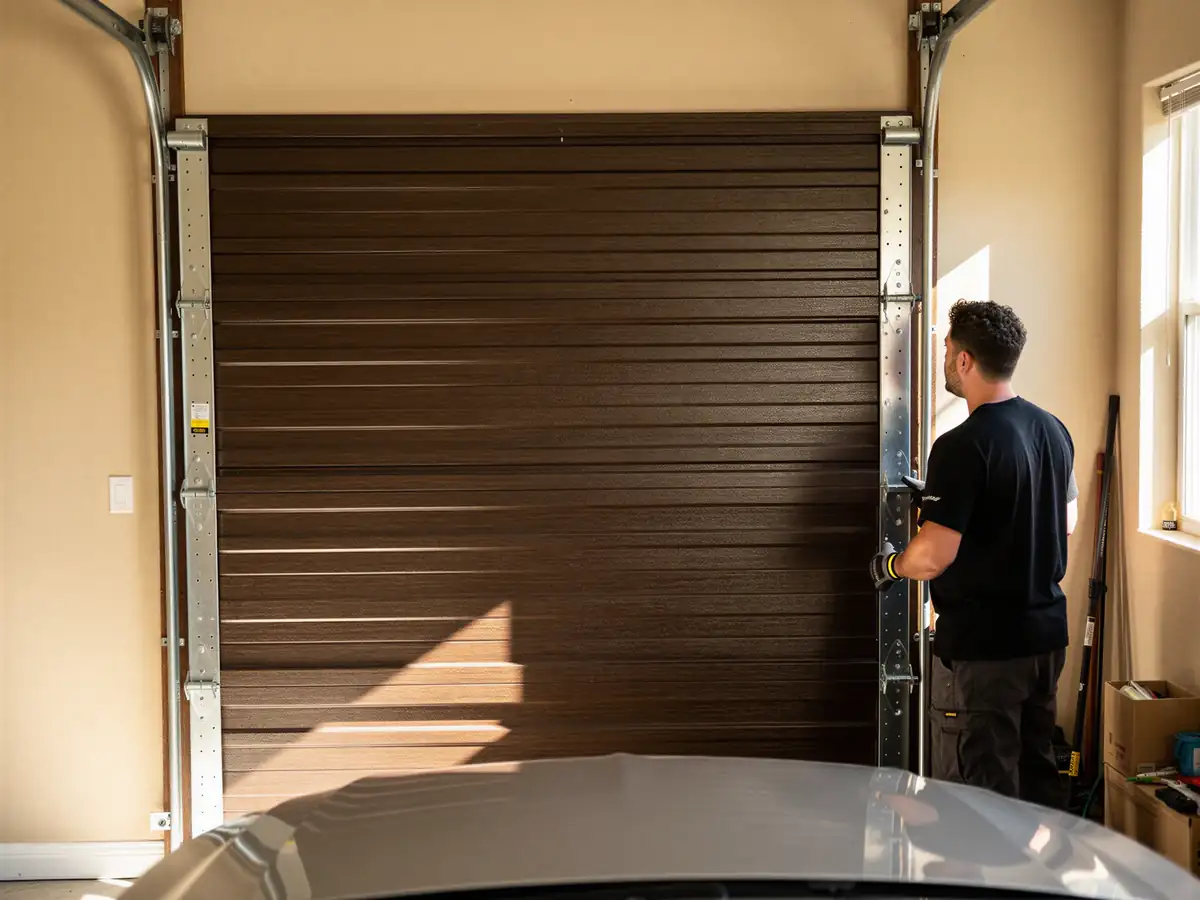
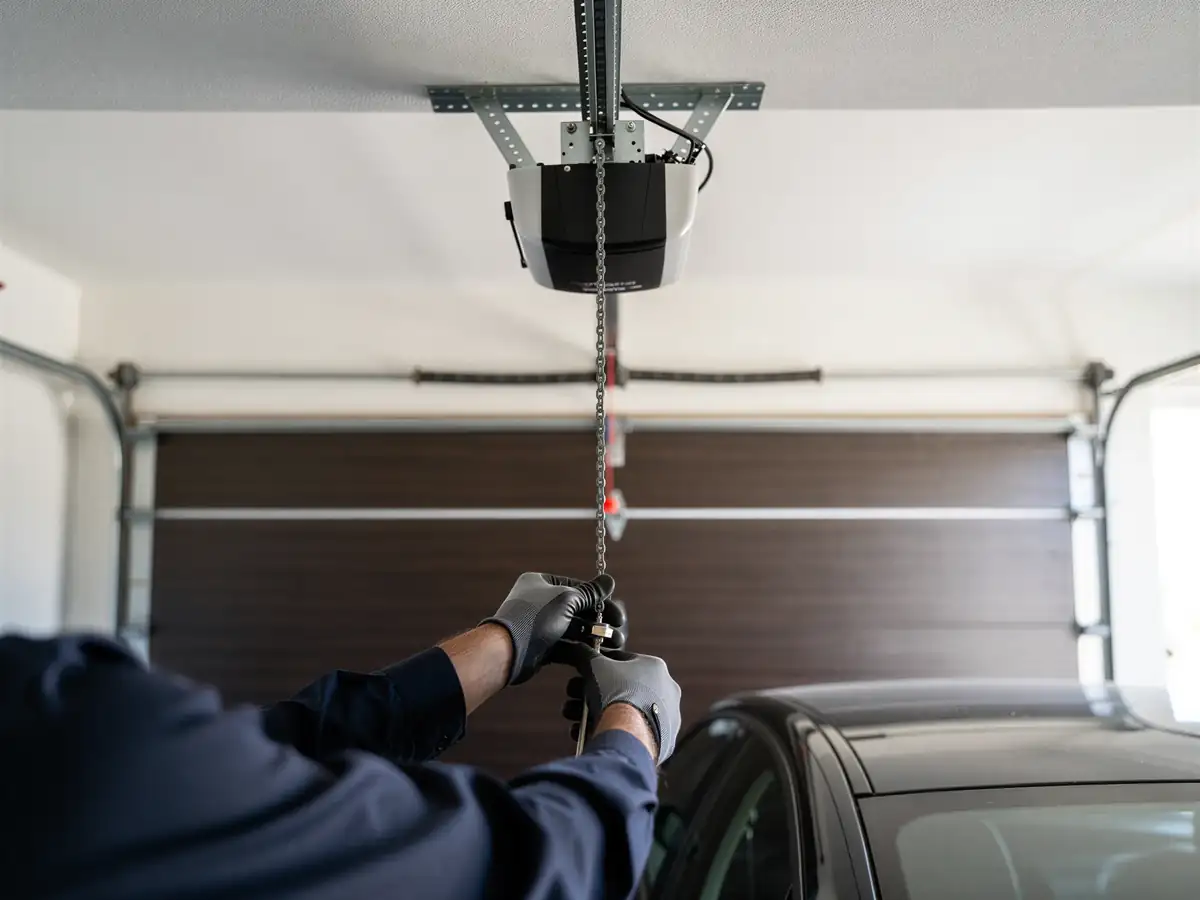
Usually with a chain or belt-drive opener already mounted. You're not dealing with the older extension-spring setups or the side-mounted hardware we see on homes from the 60s and 70s closer in. The failure points are different too: rollers wearing out on tracks that are still square and true, openers hitting the 15-20 year mark where the logic board or motor gives out before the mechanical parts do, and torsion springs that are rated for a heavier insulated door than some builders actually installed.
- 20 year
We still get calls on older stock out this way
Villa Rica isn't uniform - but the newer-build pattern is what we plan a truck around when we're heading out to this part of the coverage area.
What We Do Not Do
We don't keep a crew or a stocked van sitting in Villa Rica. Every job out here is a dispatch from Douglasville, roughly 12 miles each way, so same-day availability depends on the schedule that day - we won't promise a window we can't back up.
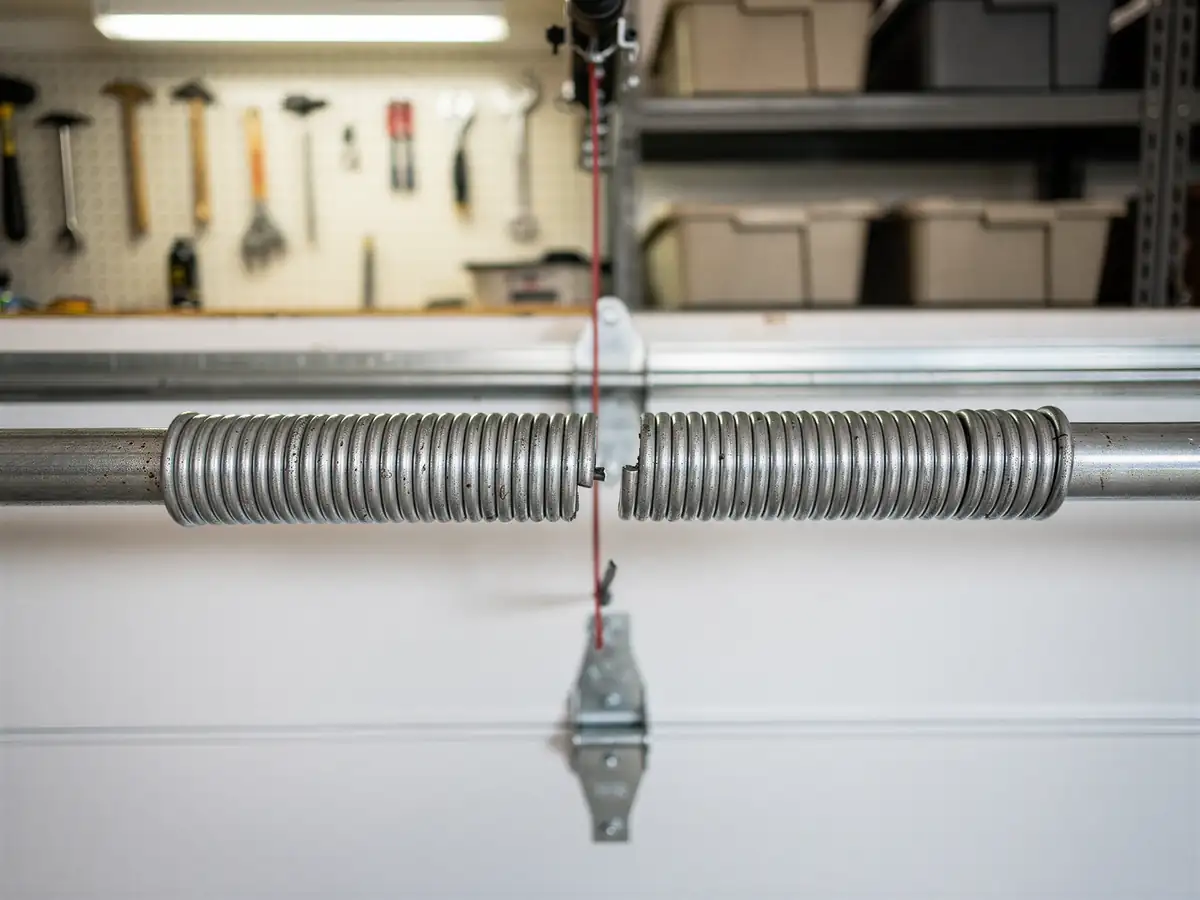
We also don't try to repair a torsion spring system that's mismatched to the door weight just to save a visit. If a previous installer put in a residential-grade spring under a heavier insulated steel door - which happens more than you'd think on builder-grade installs from the early 2000s - we'll tell you that's what's wrong instead of patching around it. Re-tensioning the wrong spring is a short-term fix and a safety risk.
Finally, we don't do cosmetic refinishing or painting. If your door's mechanically sound but the panels are faded or dented, that's outside what we handle.
The Calls We Get From Here
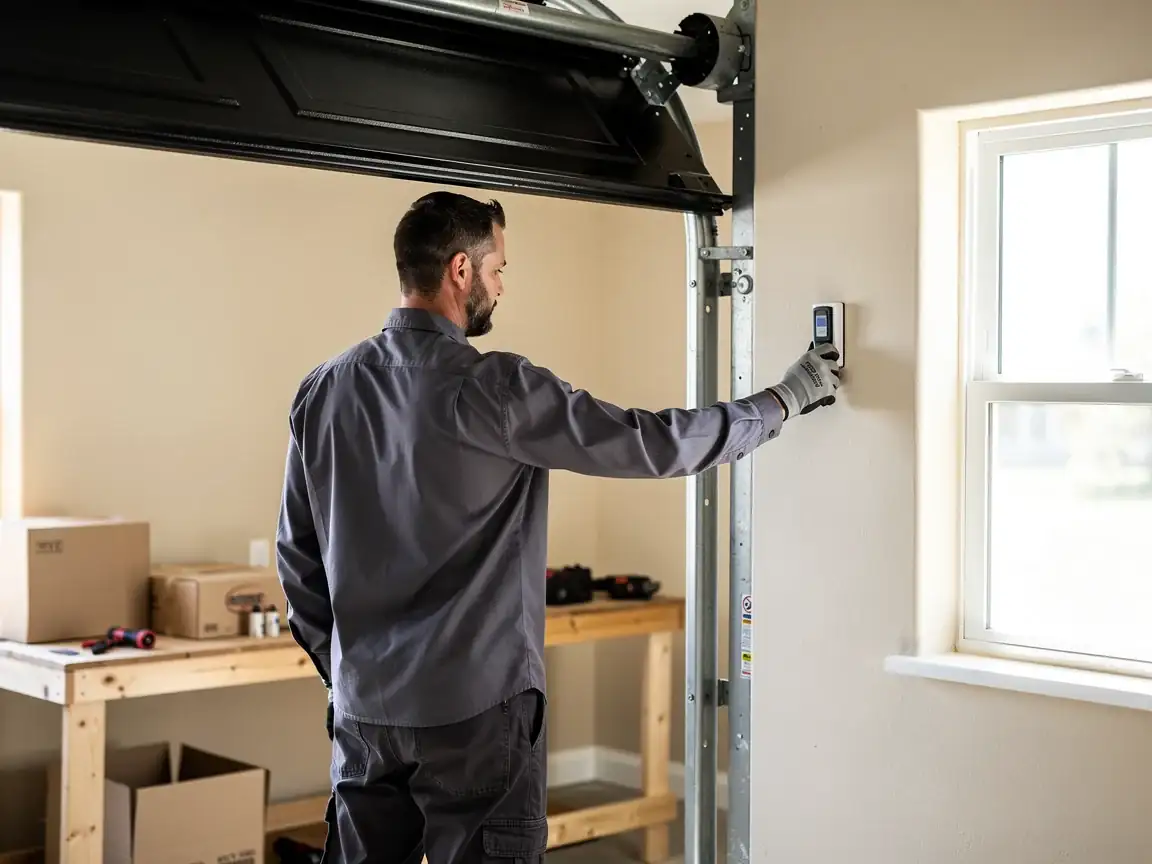
Most Villa Rica calls come in on openers, not springs - which tracks with the newer build year. A chain-drive unit installed when the house was built in the early 2000s is now past its expected service life, and we see logic boards failing, drive gears stripping, and safety sensors drifting out of alignment on units that are otherwise fine mechanically.
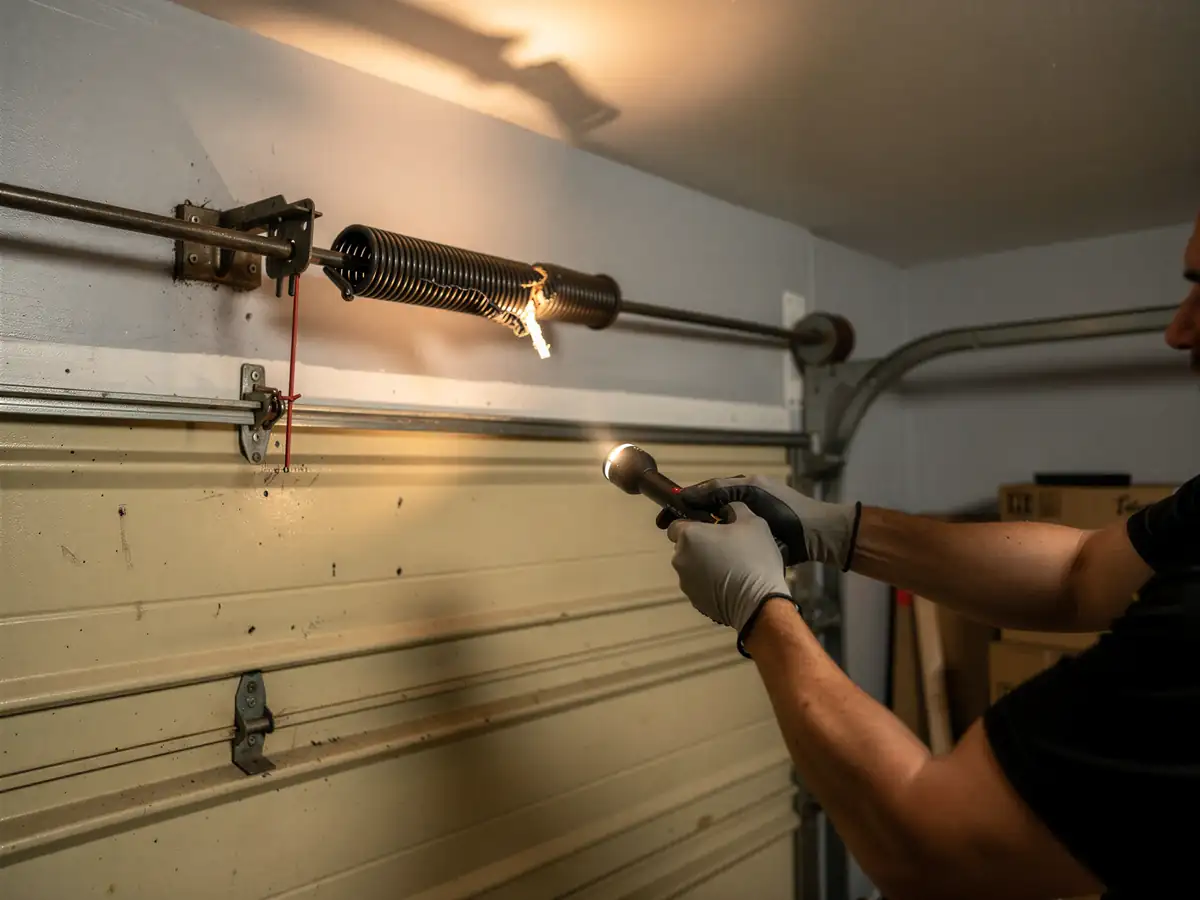
The second most common call is a torsion spring that's undersized for the door - usually a heavier insulated panel door that got a lighter spring at install. You'll notice it as a door that feels heavy to lift manually, or an opener that strains and takes longer to close than it used to.
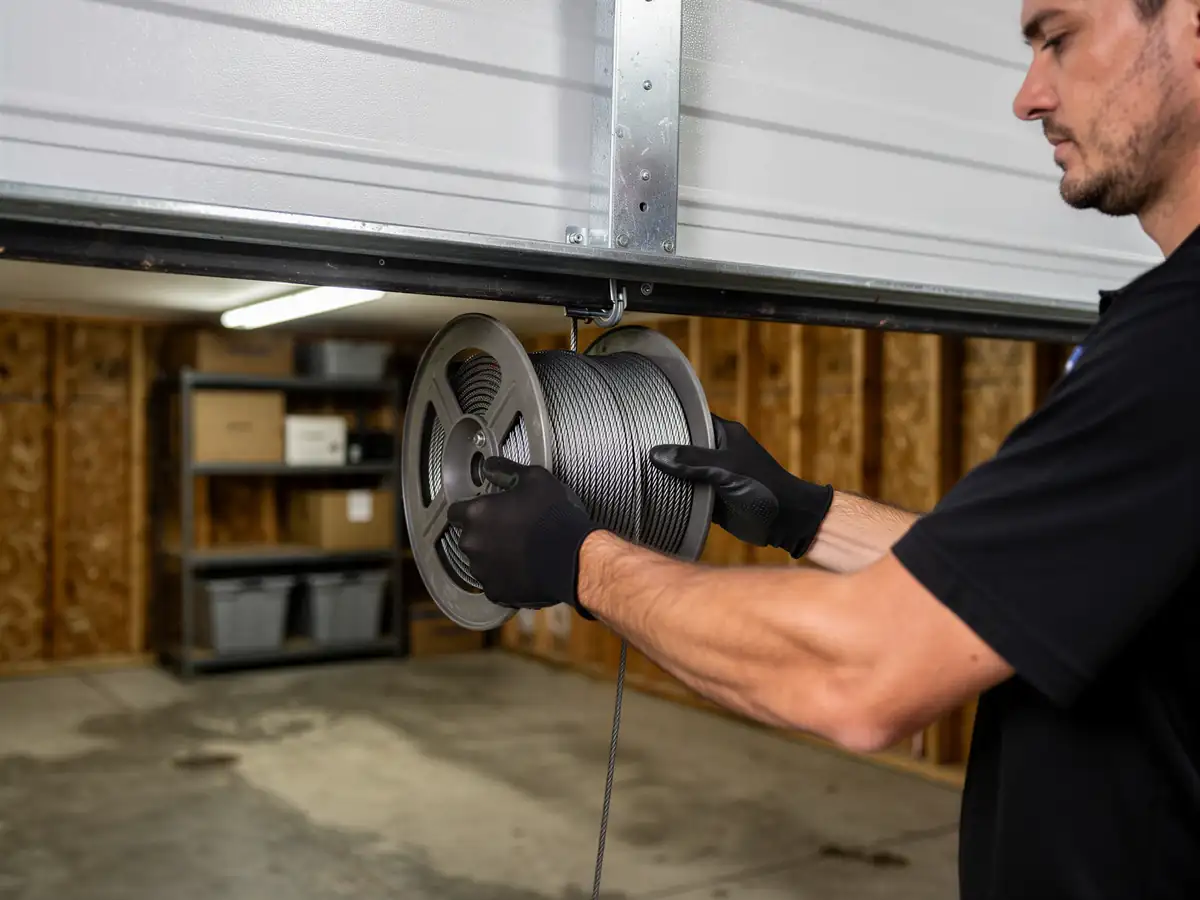
We get fewer broken-cable and off-track calls out here than in the older parts of our coverage area, which lines up with newer track hardware that hasn't had 40-50 years to wear.
The Houses Here
With a median household income of $86,052 and 6,077 households
Villa Rica runs ahead of the broader service area's median of $73,889 across its 67,263 households. That income gap shows up in the doors - more insulated steel and composite doors with higher-end hardware, fewer bare single-layer panels.
The area sits in the same cold-moderate climate band as the rest of our coverage
So winter stiffness in nylon rollers and summer expansion in wood jambs are still real, even on a newer house. What's different is that a 2003-era door usually has better weatherstripping and insulation to begin with, so the symptoms show up later and look more like hardware fatigue than structural failure.
We don't have Villa-Rica-specific data on which of the 14 named areas in the broader service territory it falls under
So we're not going to guess at a subdivision name or a build pattern finer than what the Census numbers actually tell us.