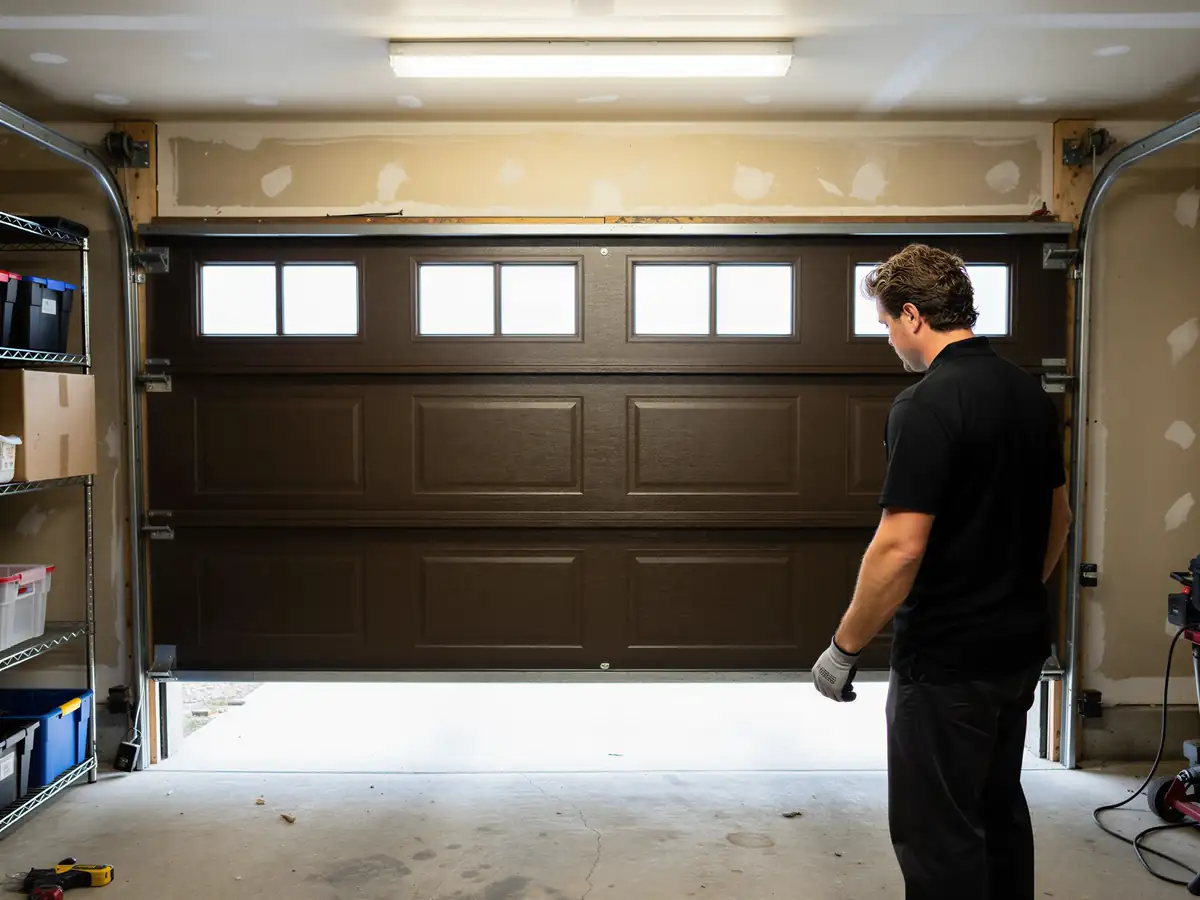
Why This Fails Locally
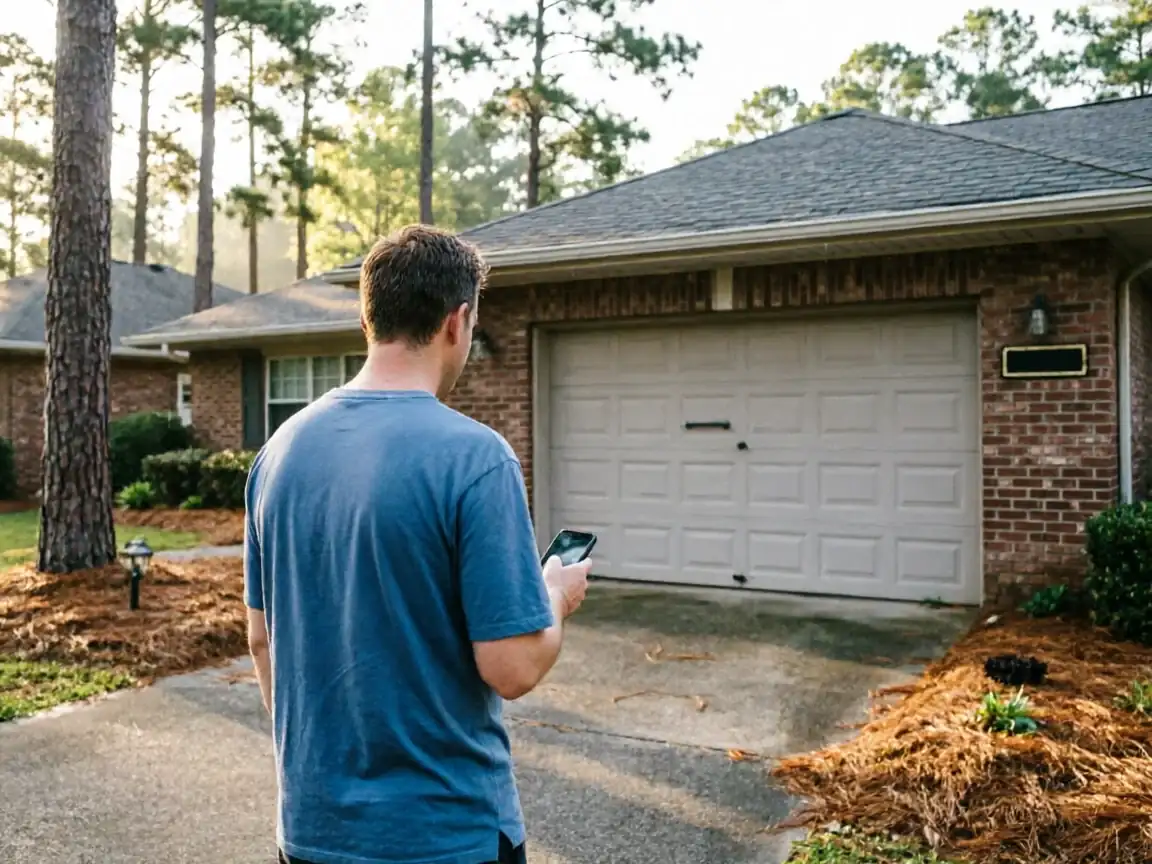
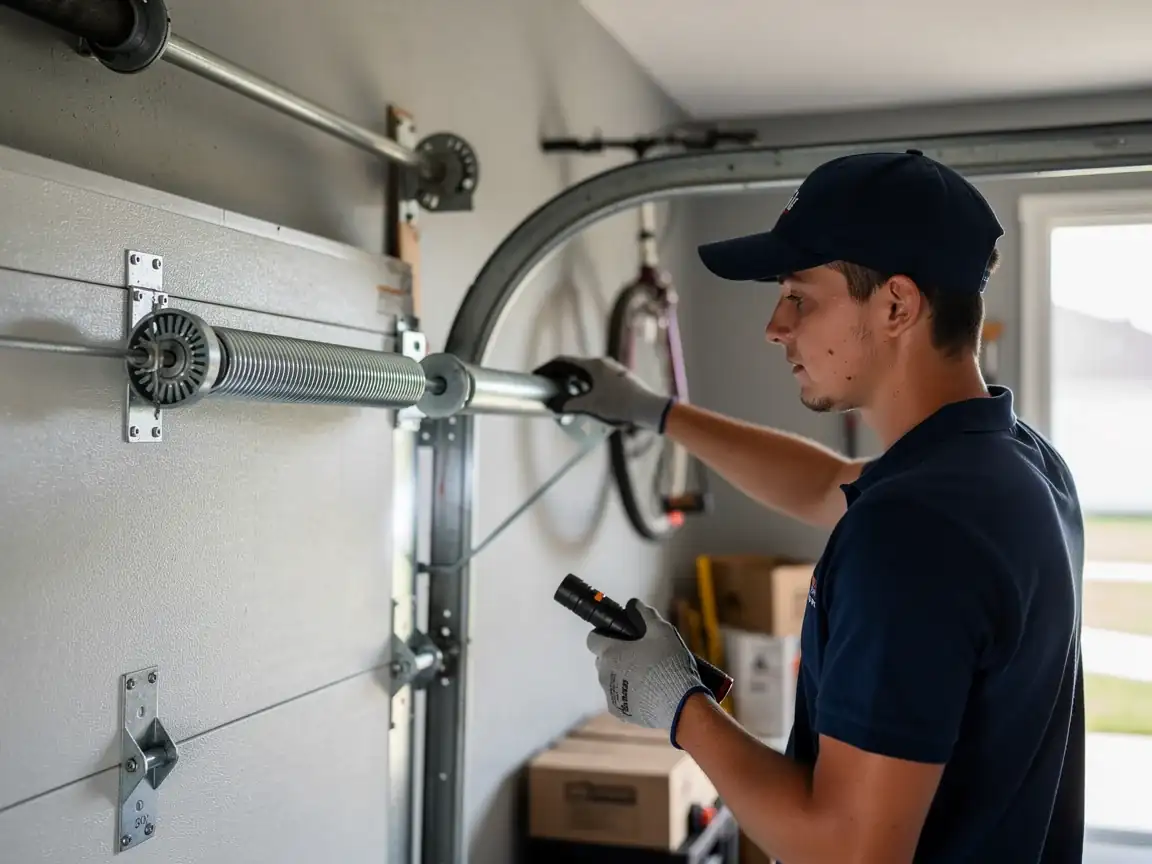
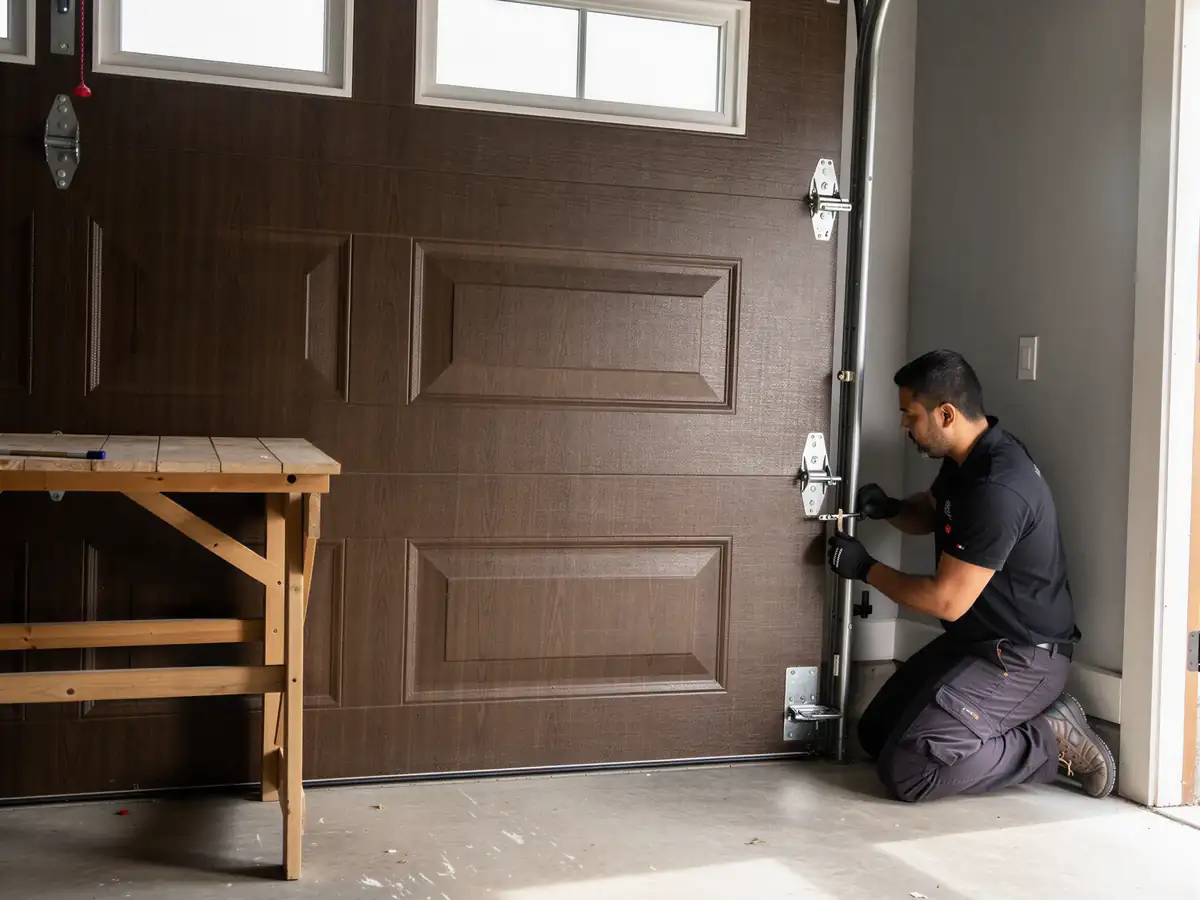
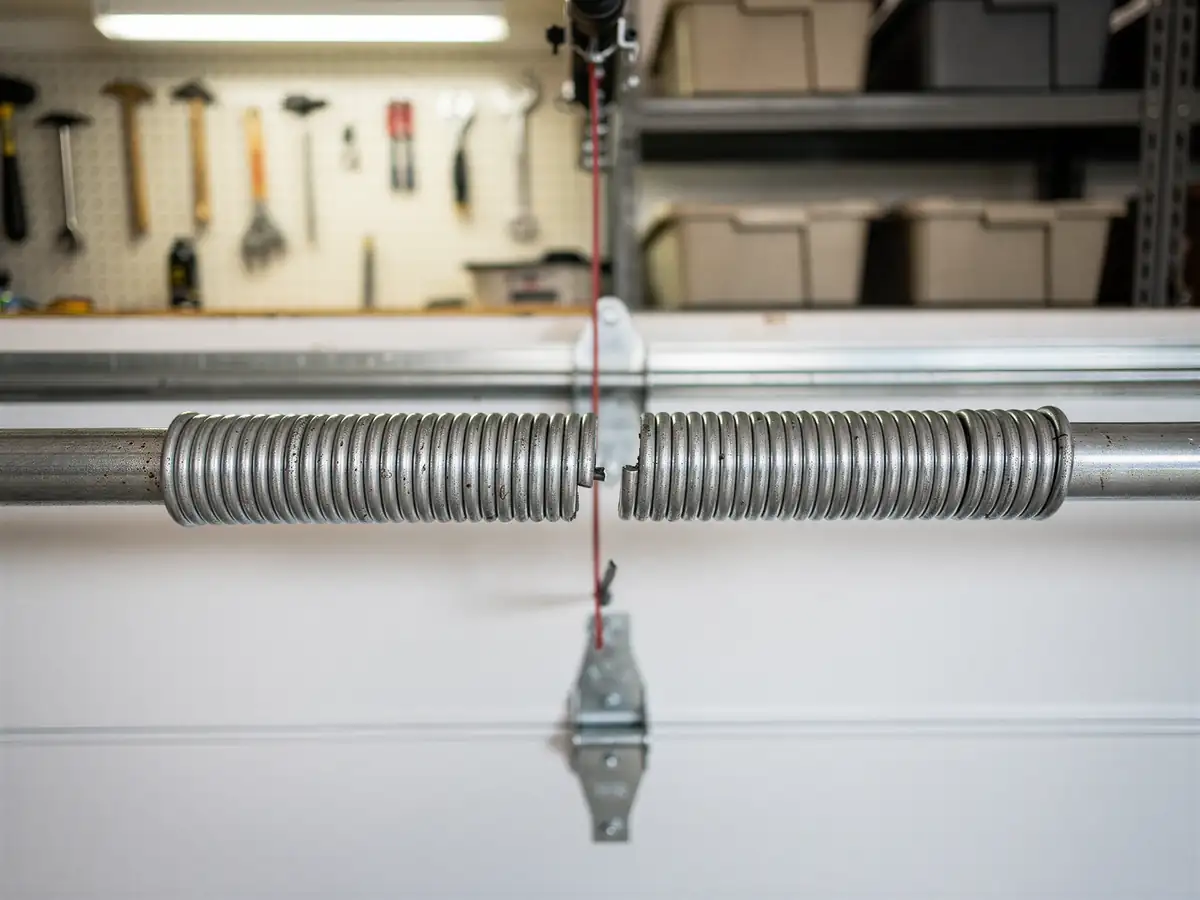
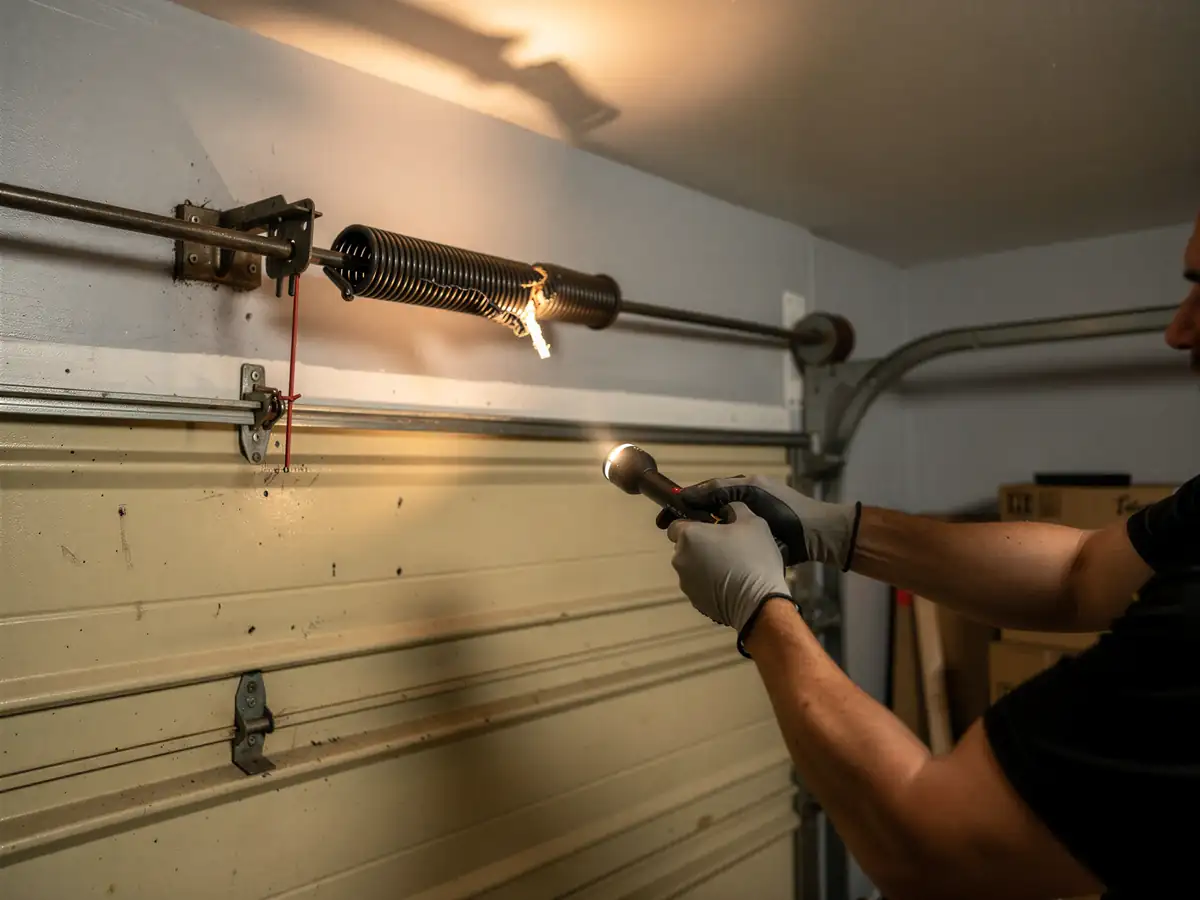
A door that's roughly twenty years old is at the point where the original spring is near the end of its rated cycle count, even if nobody's touched it since the house was built. Springs don't fail because they're old in years - they fail because they've opened and closed a set number of times, and a home built in 2003 has had two decades of daily use to get there. In the cold moderate climate this area sits in, steel also contracts in winter, which adds stress to a spring that's already near its limit. That combination - original-era spring, two decades of cycles, seasonal temperature swing - is the actual failure path here, not general wear.
Where This Job Goes Sideways
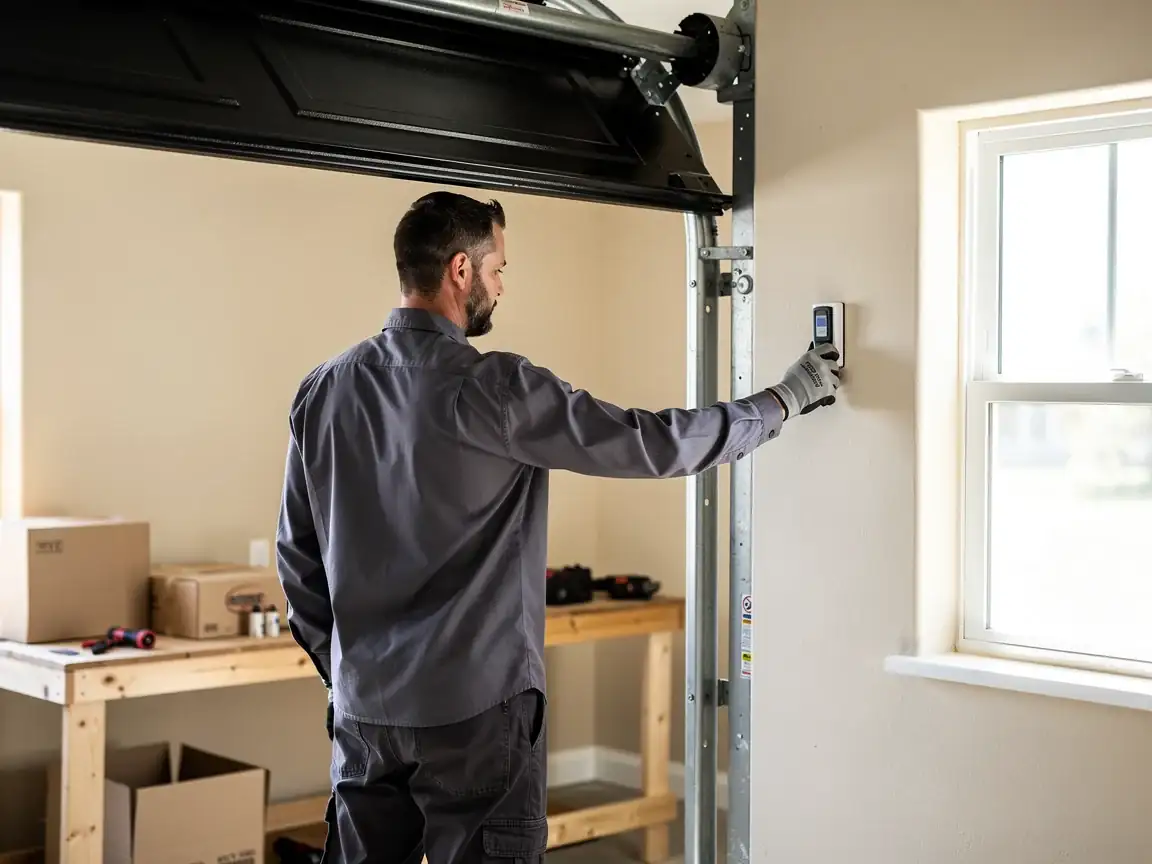
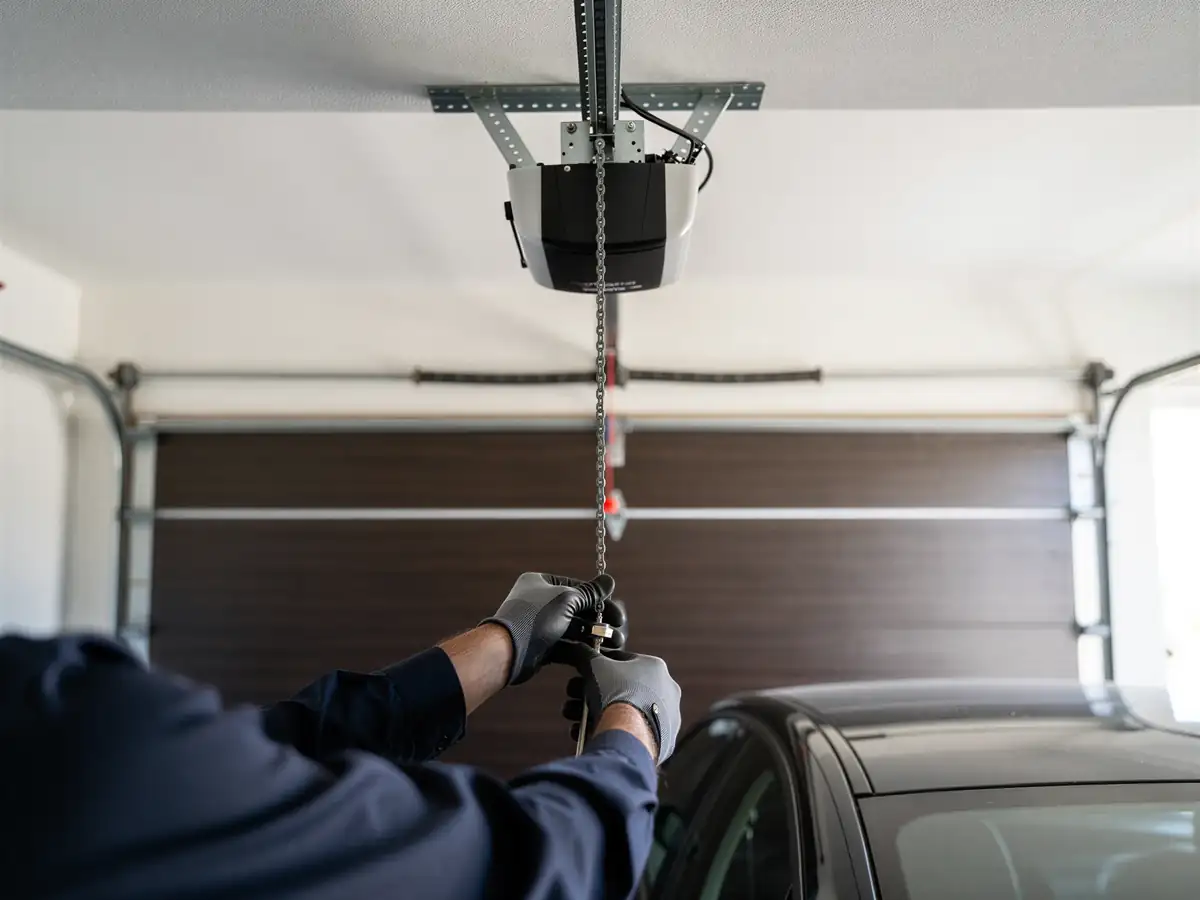
The trouble spot on a door this age is usually the opener, not the door itself. A chain-drive unit from the early 2000s is mechanically simple, but the circuit board and the safety sensor wiring are original too, and that's the part most owners never think to check. A technician who only looks at the spring and skips the opener logic board can sign off on a door that still won't close reliably. The honest limitation here: if the opener's circuit board has failed outright, that's a replacement part, not a repair, and lead time on a matching board for a 20-year-old unit isn't something this crew controls.
What the Repair Takes
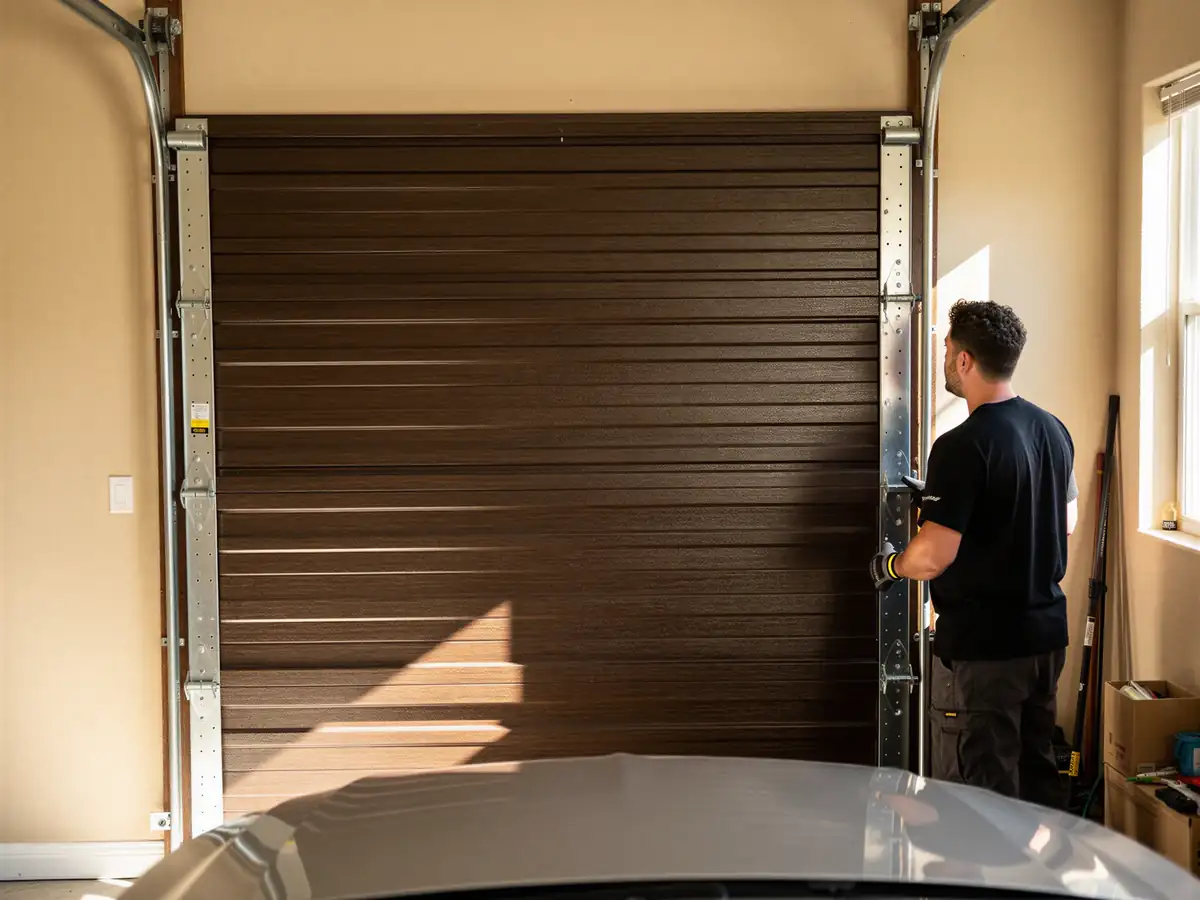
Most Villa Rica maintenance calls on houses from this era need tension adjustment and lubrication rather than parts replacement, since the hardware hasn't hit end-of-life yet. Where a part does need swapping, it's usually the opener's safety sensors going out of alignment from two decades of settling, not the spring. Villa Rica's median household income, at $86,052, runs higher than the $73,889 median across the wider service area, and some owners here opt to replace an aging opener outright rather than keep servicing one - that's a call a homeowner makes, not something this crew pushes.
What You Are Seeing
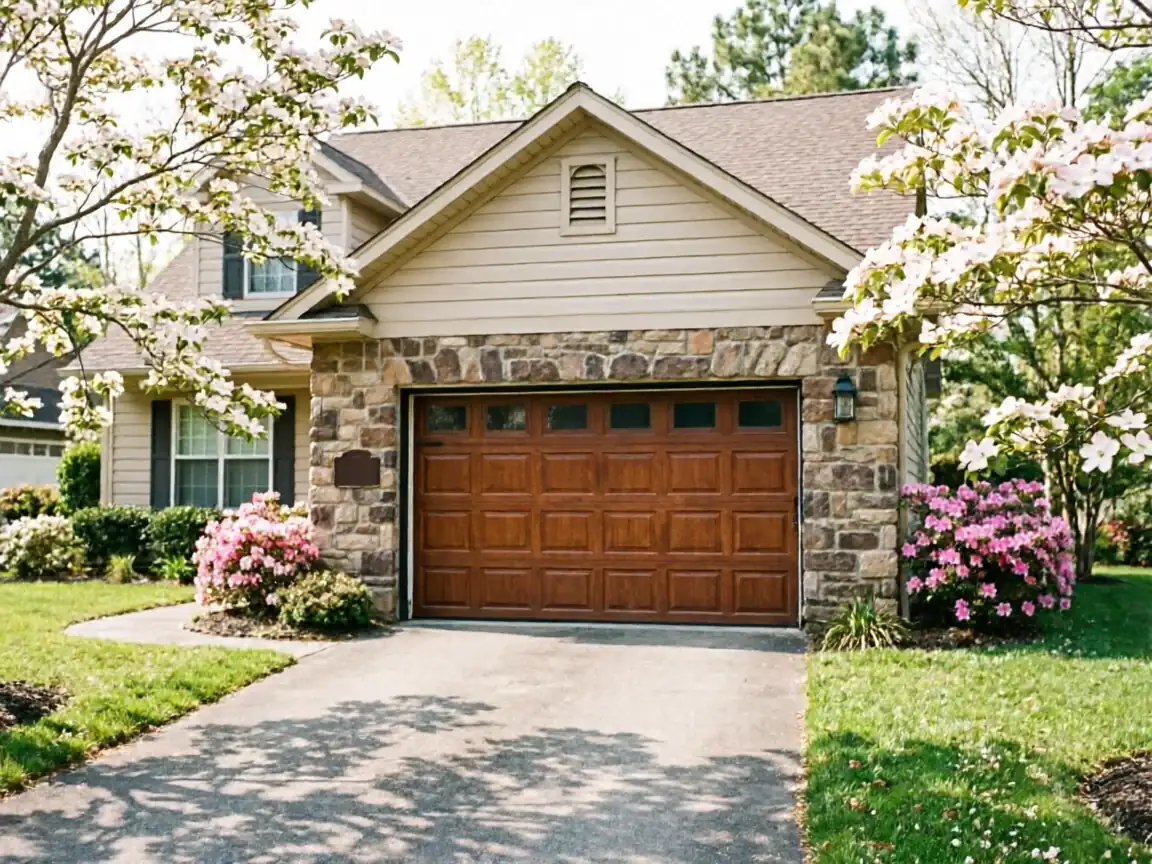
If your door is slow to close, reverses partway, or the opener motor runs longer than it used to before the door moves, that points to sensor or chain tension issues typical of an early-2000s unit, not a dying spring. A spring on its way out usually shows up as the door feeling heavier to lift by hand, or the opener straining audibly. On a house built around 2003, you're far more likely looking at original hardware reaching the end of its service life on schedule than at damage from any one event.