Why This Fails Locally
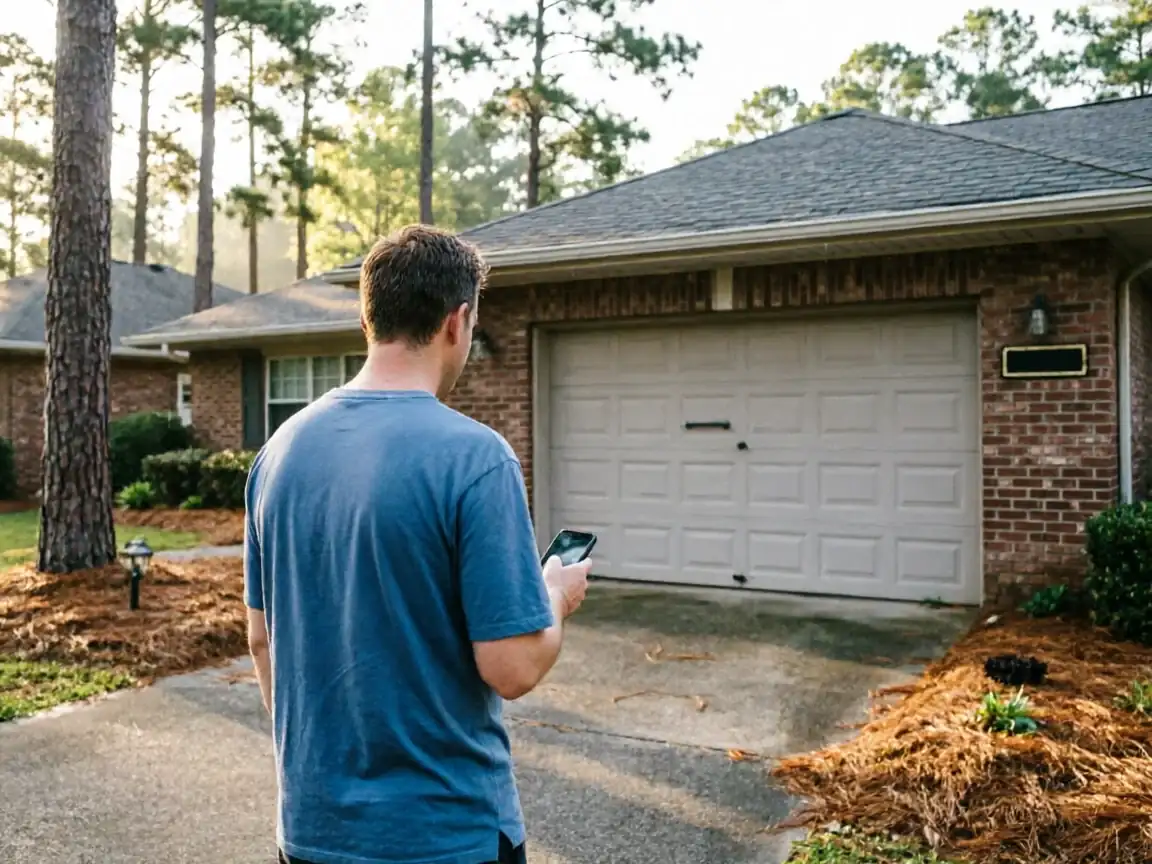
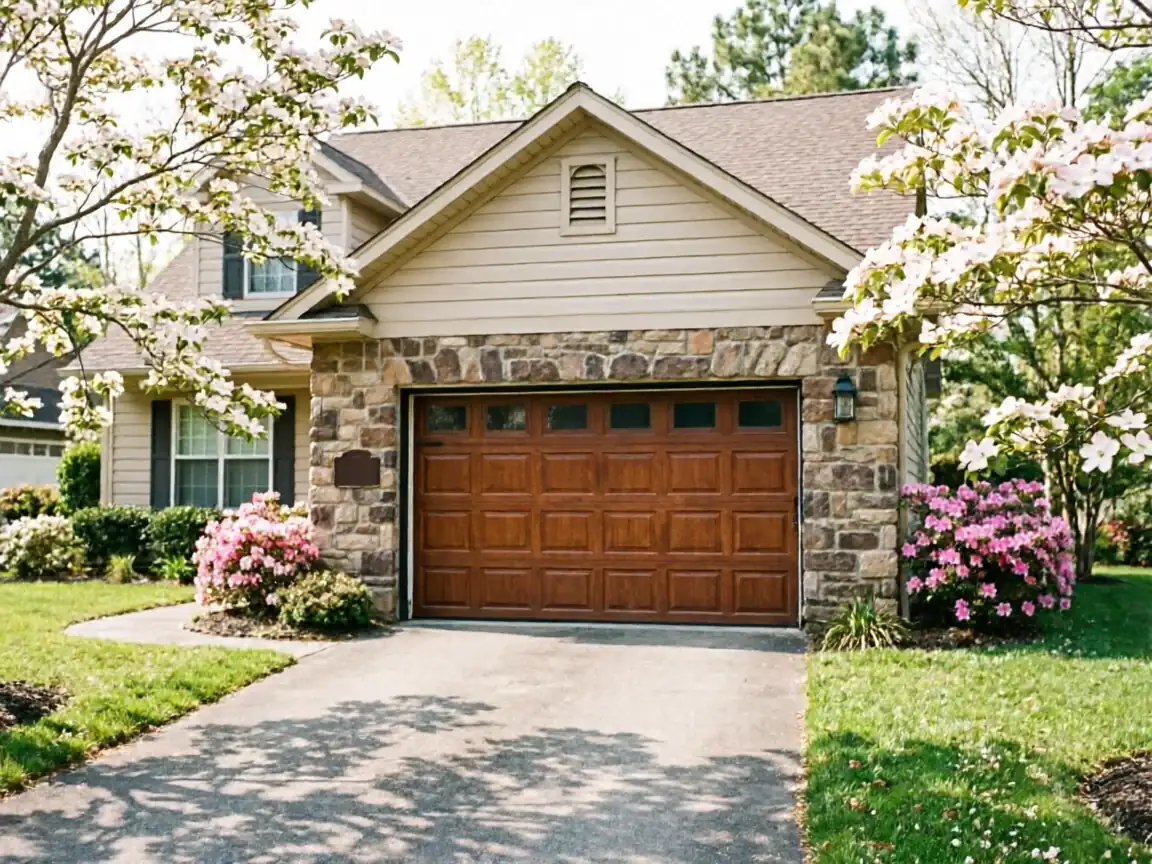
Most of the houses we work on in this service area went up between 1966 and 2004
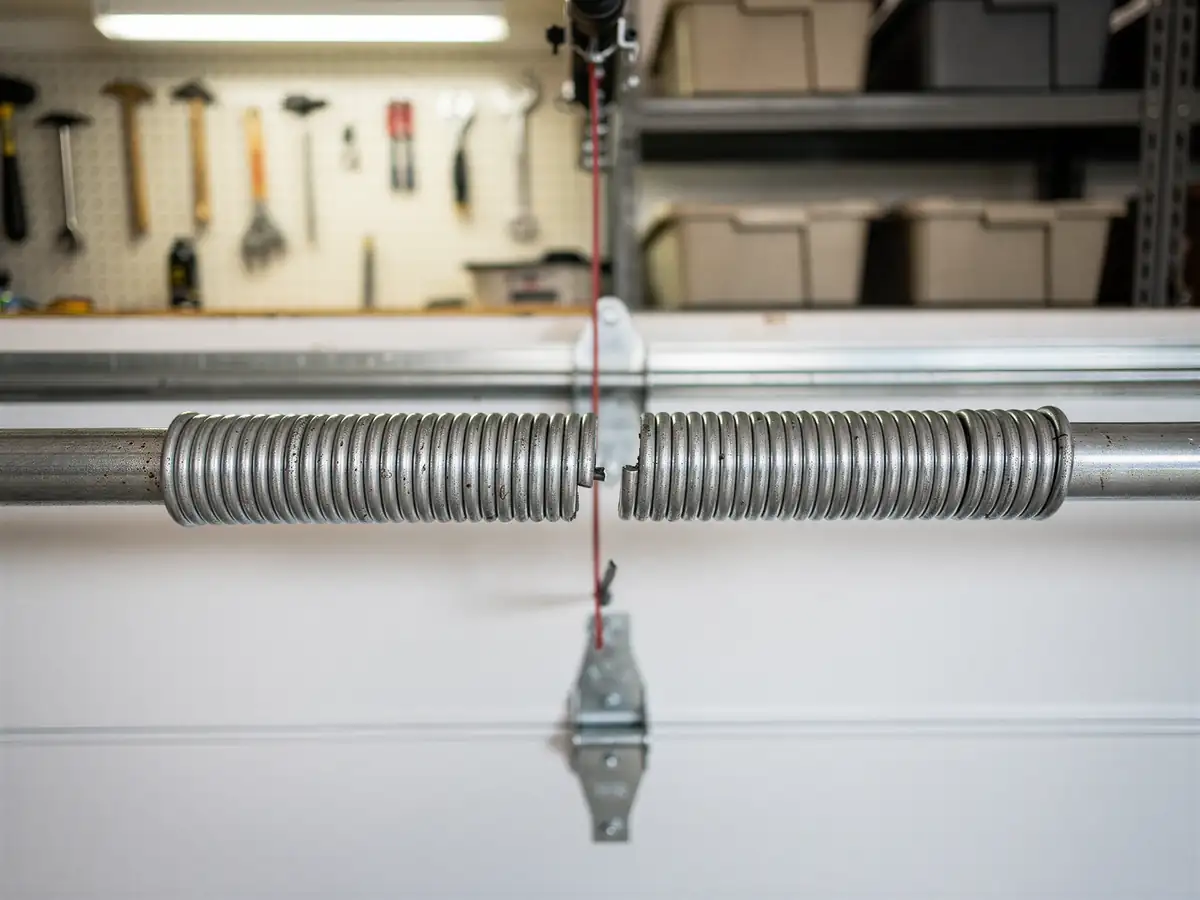
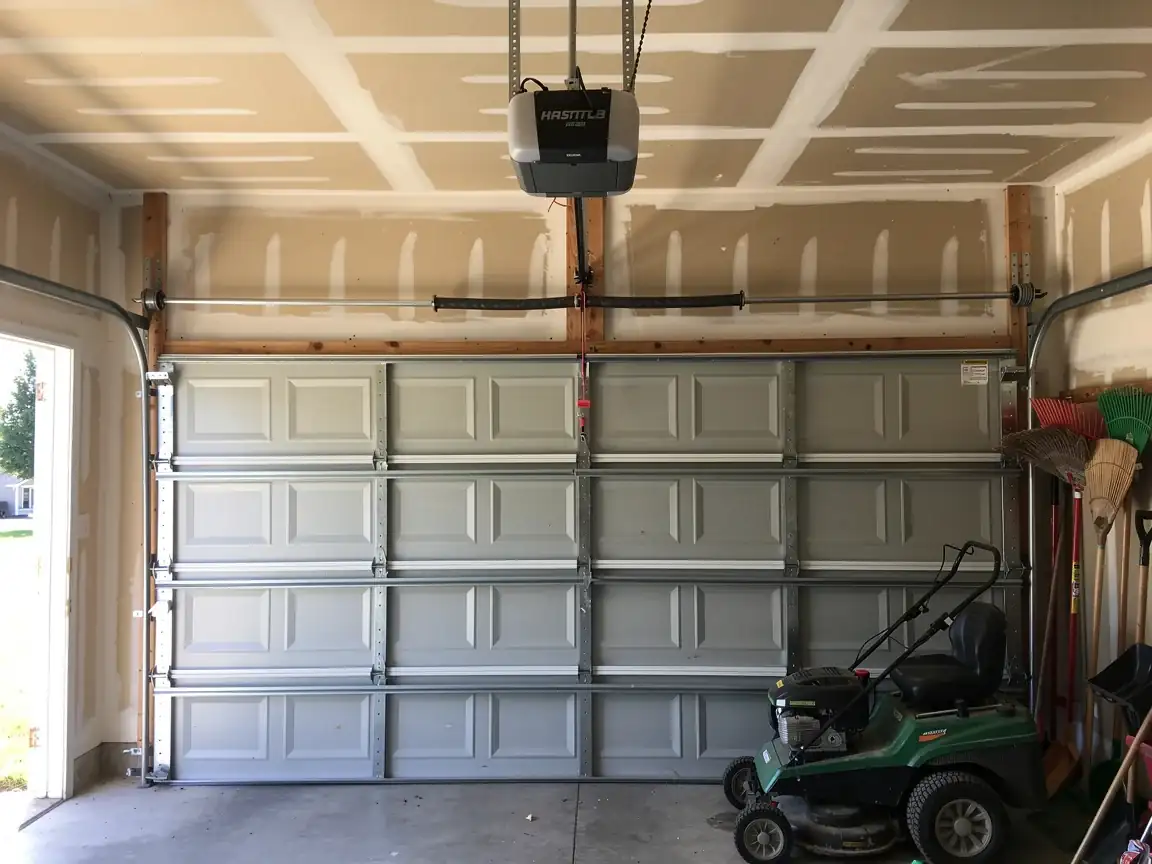
With the bulk of the stock dating to the 1980s and 90s across the 14 communities we cover. That's a 20-to-40-year-old door system on most properties, which means original springs, rollers, and cable drums that have never been serviced. Builders in that era spec'd torsion springs rated for a fixed number of cycles, usually somewhere around 10,000. Nobody tracks cycle counts, so by the time a spring is on its last few hundred openings, the owner has no warning.
- 14 communities
The climate here doesn't help
We sit in a moderate-cold band, which means real temperature swings through the year - not Alabama mild, not Minnesota brutal, but enough freeze-thaw and humidity change to stress metal and dry out lubricant twice a season instead of once. A spring that might coast another two years in a stable climate starts showing metal fatigue cracks sooner here because it's expanding and contracting with the weather, not just cycling with use.
Put those two things together
A 20-to-40-year-old door and a climate that works the hardware harder than a mild one would - and you get the pattern we see on service calls: springs that let go without warning, rollers that have gone from steel-on-steel quiet to grinding, and openers straining to lift doors that used to open in three seconds flat.
What You Are Seeing
The signs show up gradually, then all at once. A door that used to glide now hesitates a few inches off the floor, or jerks partway up before the opener's safety sensors kick in and reverse it. That's usually a spring that's lost tension, not a motor problem, even though the opener gets blamed first. Rollers on original 1980s and 90s hardware are often steel, not nylon, and after two or three decades they develop flat spots that show up as a rhythmic thump every time the door moves.
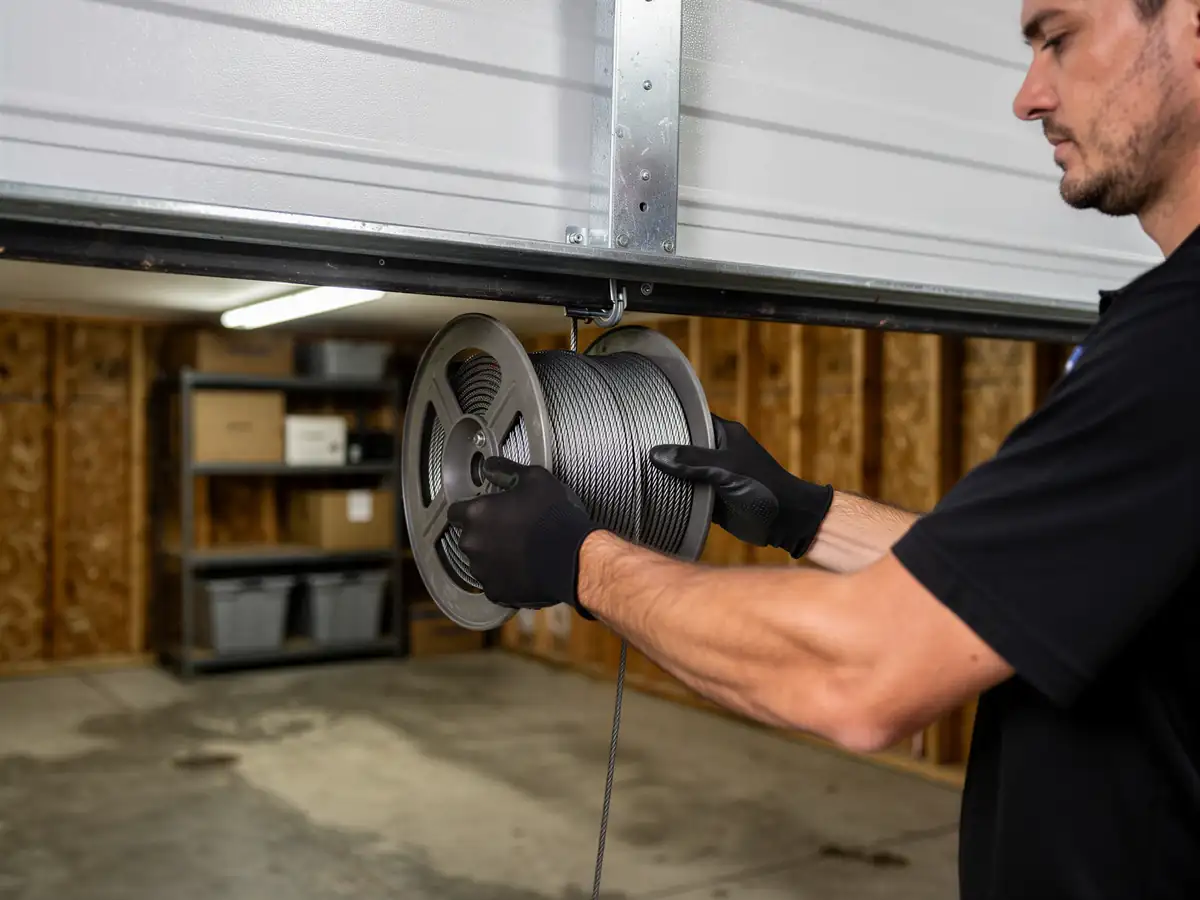
You might also notice the door is harder to lift by hand when the opener is disconnected - that's the spring telling you it's not doing its job anymore, since a properly tensioned spring should let a door this size lift with one hand. Cables fraying near the bottom bracket are another one; they're easy to miss because they're low and out of sight, but they're often the first thing to go on a door that's never had the hardware checked.
None of these are emergencies by themselves. They're wear signs. The problem is that on a door this age, in a climate that cycles the metal through seasonal swings, wear signs tend to stack up quietly until the spring actually snaps - usually on the coldest morning of the year, when the metal is least forgiving.
Can You Do This Yourself
Some of it, yes. Wiping down tracks and checking for visible rust, vacuuming debris out of the bottom seal, and listening for new noises are things any homeowner can do without tools. Lubricating hinges and rollers with the right garage-door-specific lubricant (not WD-40, which washes grease out rather than adding it) is a ten-minute job worth doing twice a year given how our climate swings.
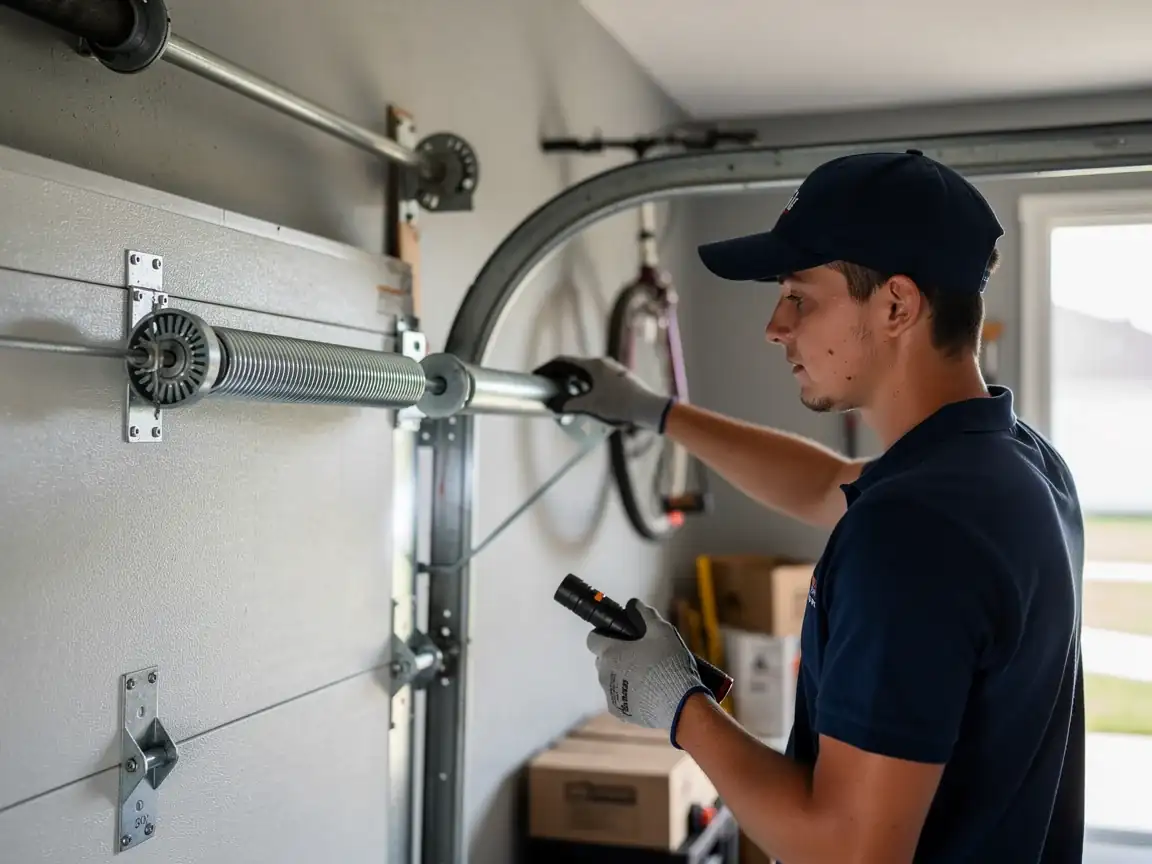
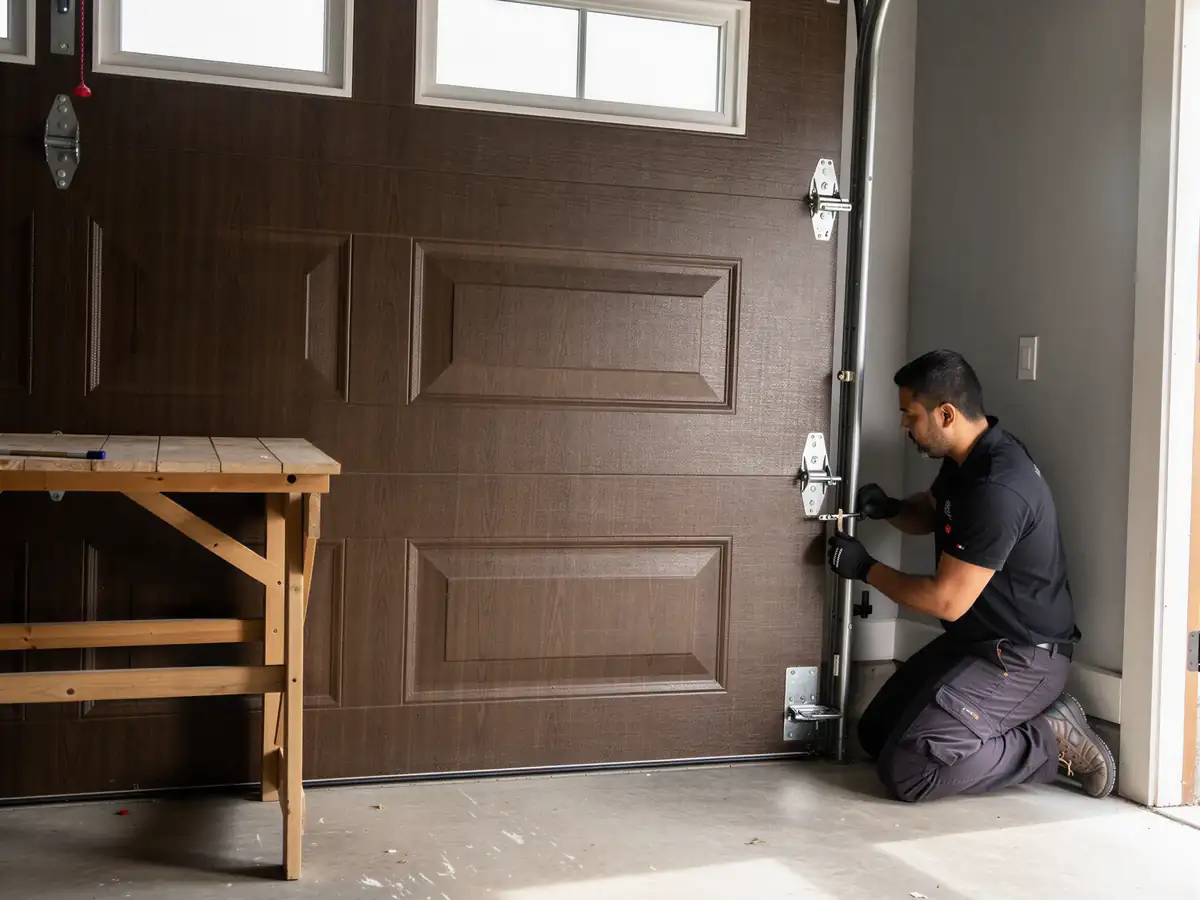
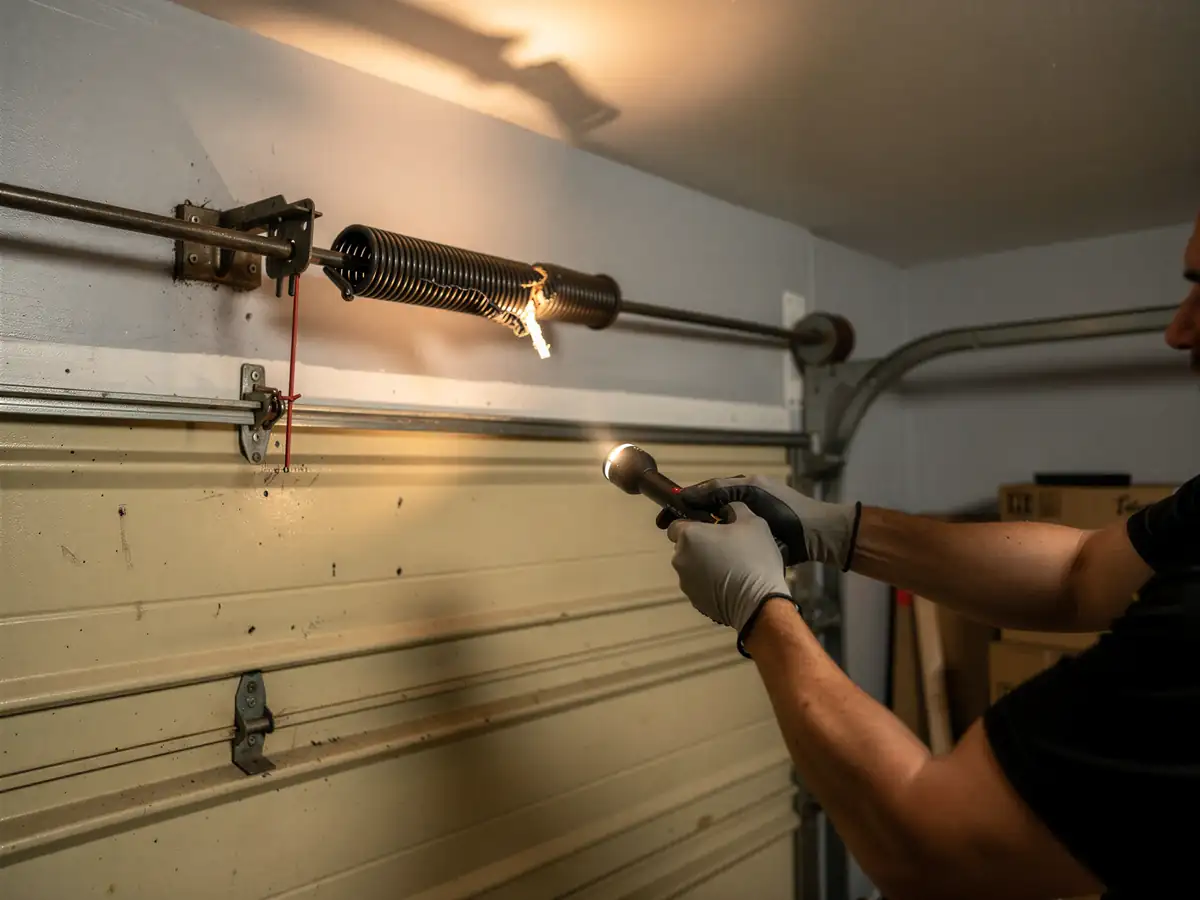
What you shouldn't touch is the torsion spring itself. These are wound under enough tension to cause serious injury, and on the 1966-2004 housing stock we see most, the hardware holding that spring in place is often original and more fatigued than it looks. Adjusting cable tension or trying to re-seat a cable off a drum carries the same risk. If a door is binding in the track or the opener is straining, that's also a call-it-in job - forcing it usually turns a $200 repair into a $600 one.
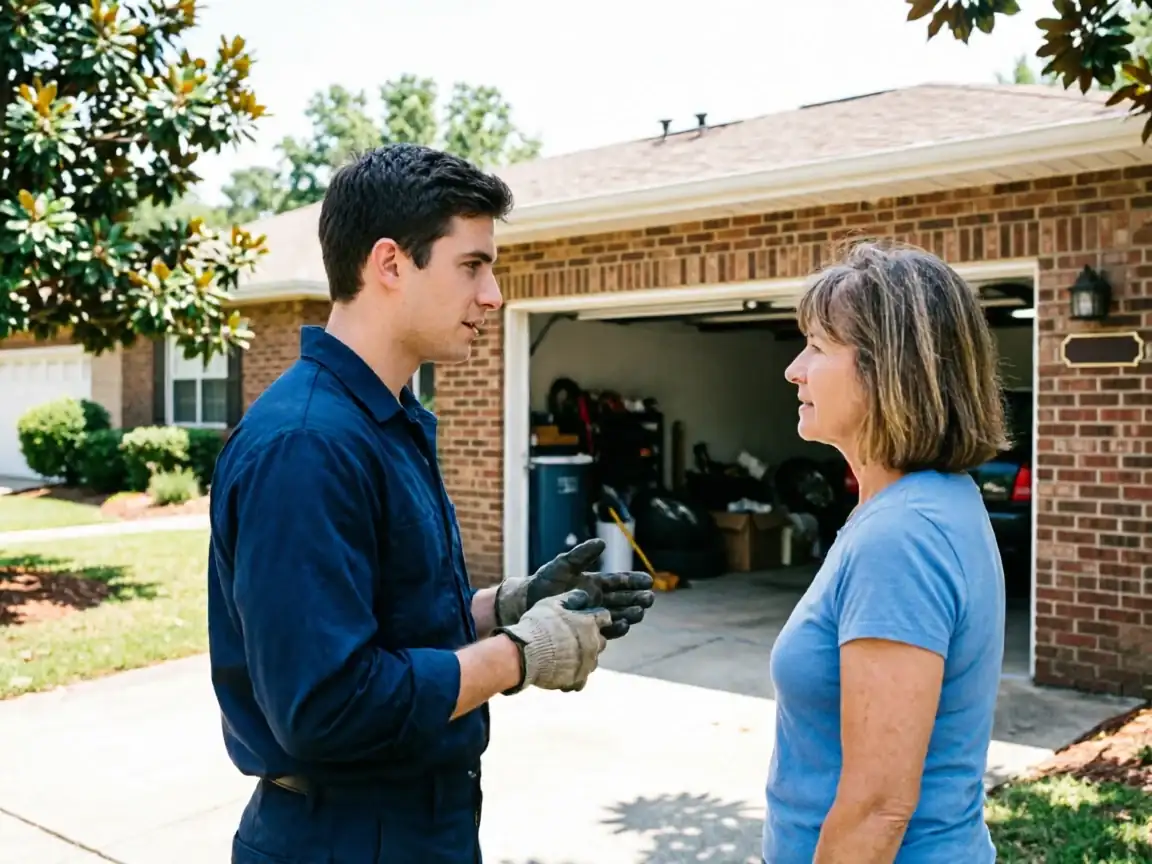
Our honest limit here: if your opener and spring system are both original to a house built in the early 1990s or before, a maintenance visit might turn into a recommendation to replace rather than patch. We'll tell you straight if that's the case instead of billing you for a tune-up on hardware that's done.
What the Repair Takes
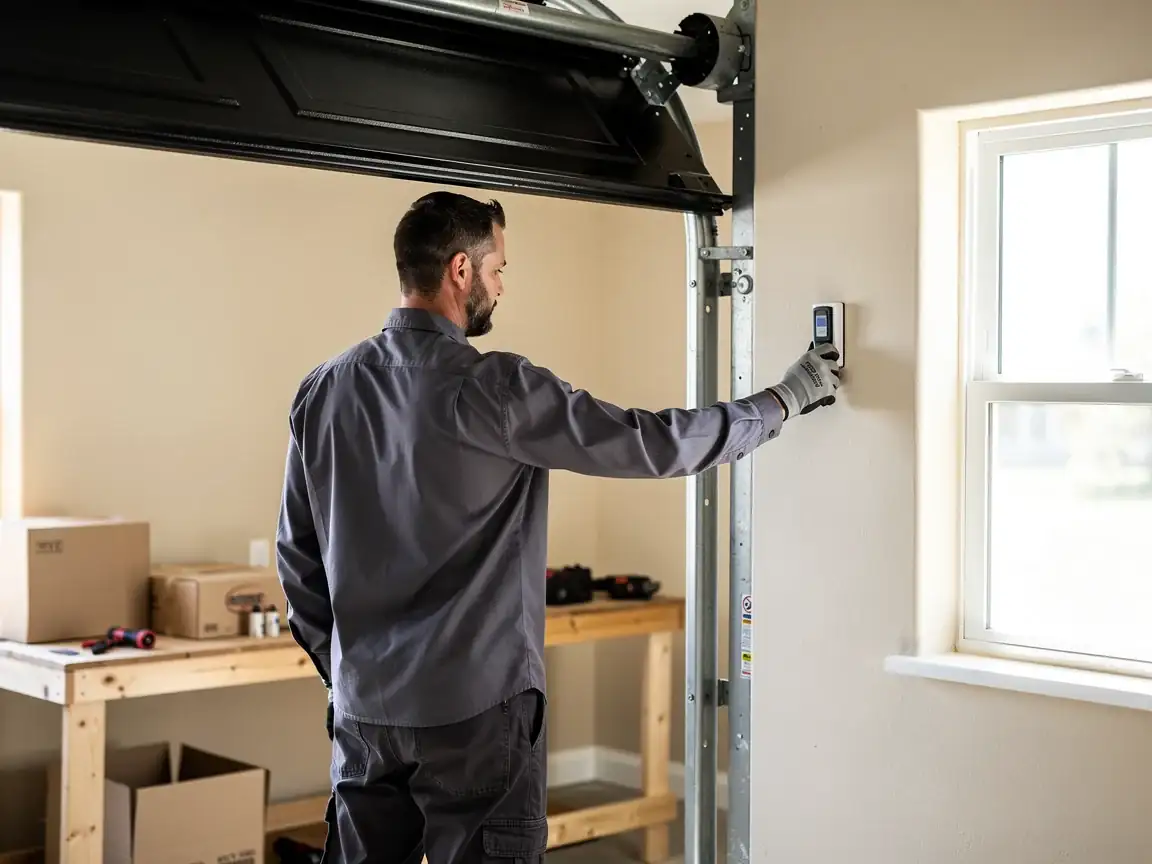
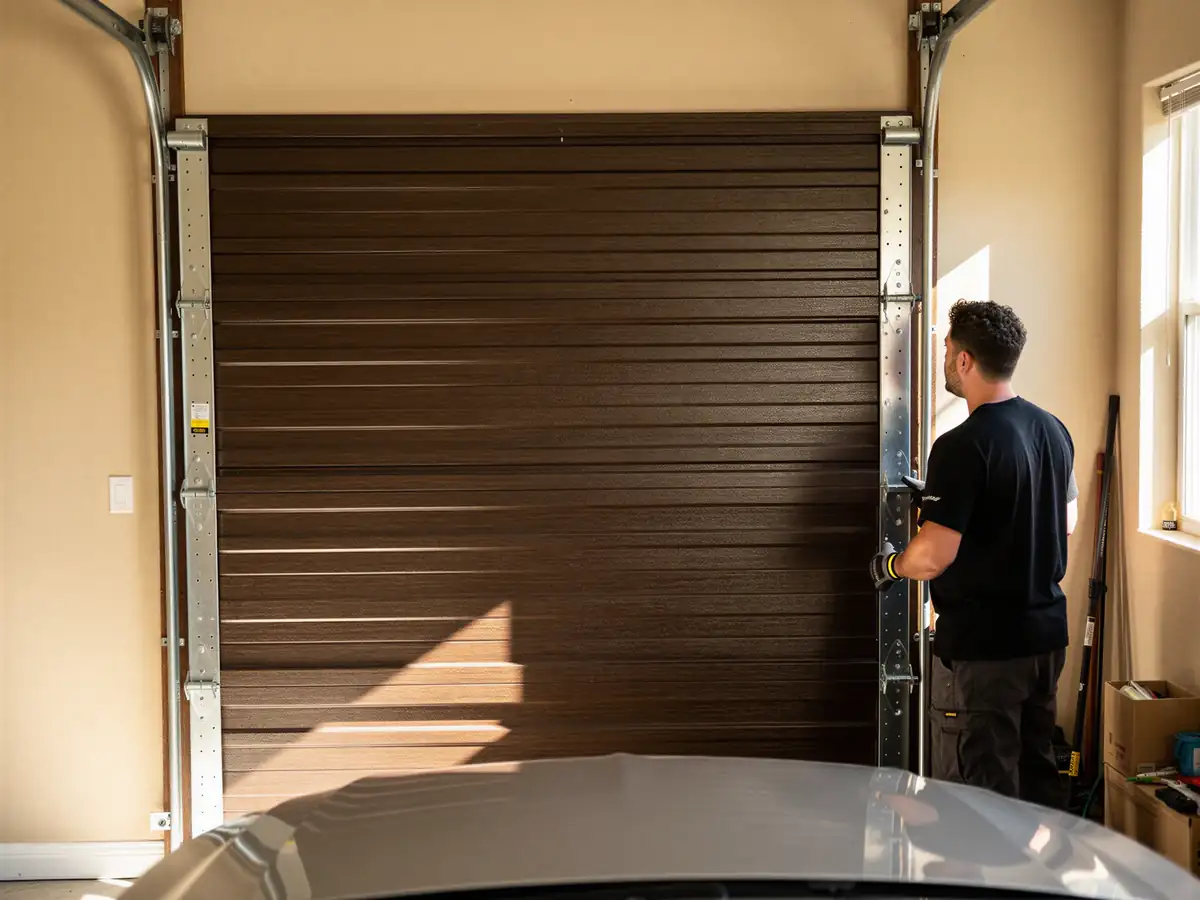
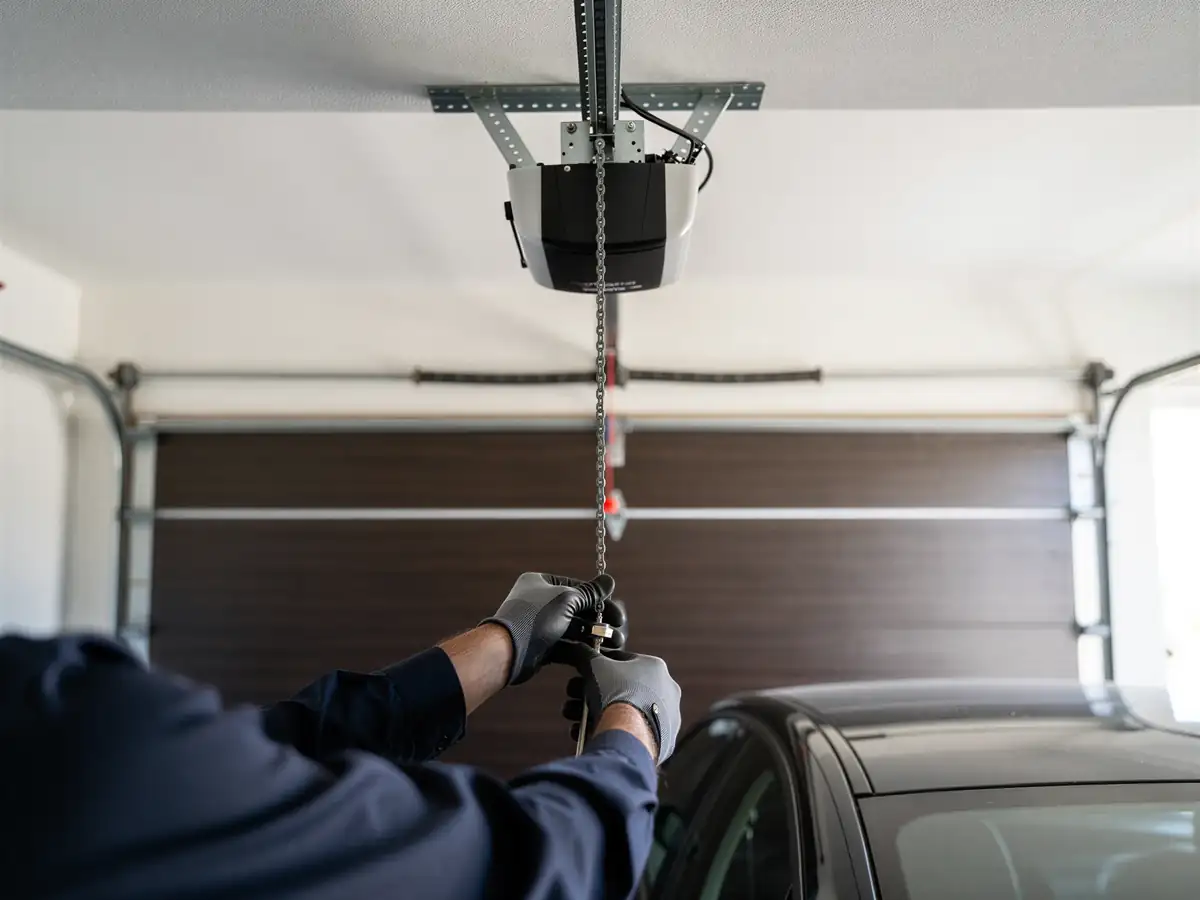
A standard maintenance visit covers spring tension check, roller and hinge inspection, track alignment, cable condition, and opener force and travel settings
All adjusted for the specific wear pattern of a door built in the 1966-2004 window. On original hardware we're often re-lubricating and re-tensioning parts that haven't been touched since installation, which takes longer than servicing a five-year-old door but costs less than replacing failed parts after the fact.
If a spring is already showing fatigue cracks or a cable is frayed
That gets flagged for replacement rather than left for next time - this region's temperature swings don't give worn metal a break, and a spring that's cracking in March won't make it to next winter.
Across the service area
Homes in Lithia Springs, Austell, Powder Springs, Hiram, Villa Rica, Union City, Palmetto, Fairburn, College Park, Fair Oaks, Vinings, Hapeville, and Tyrone - the housing stock runs the same 1966-2004 range, so the maintenance checklist and the parts we carry on the truck stay consistent from one job to the next, even though each town has its own mix of ages within that span.