Why This Fails Locally
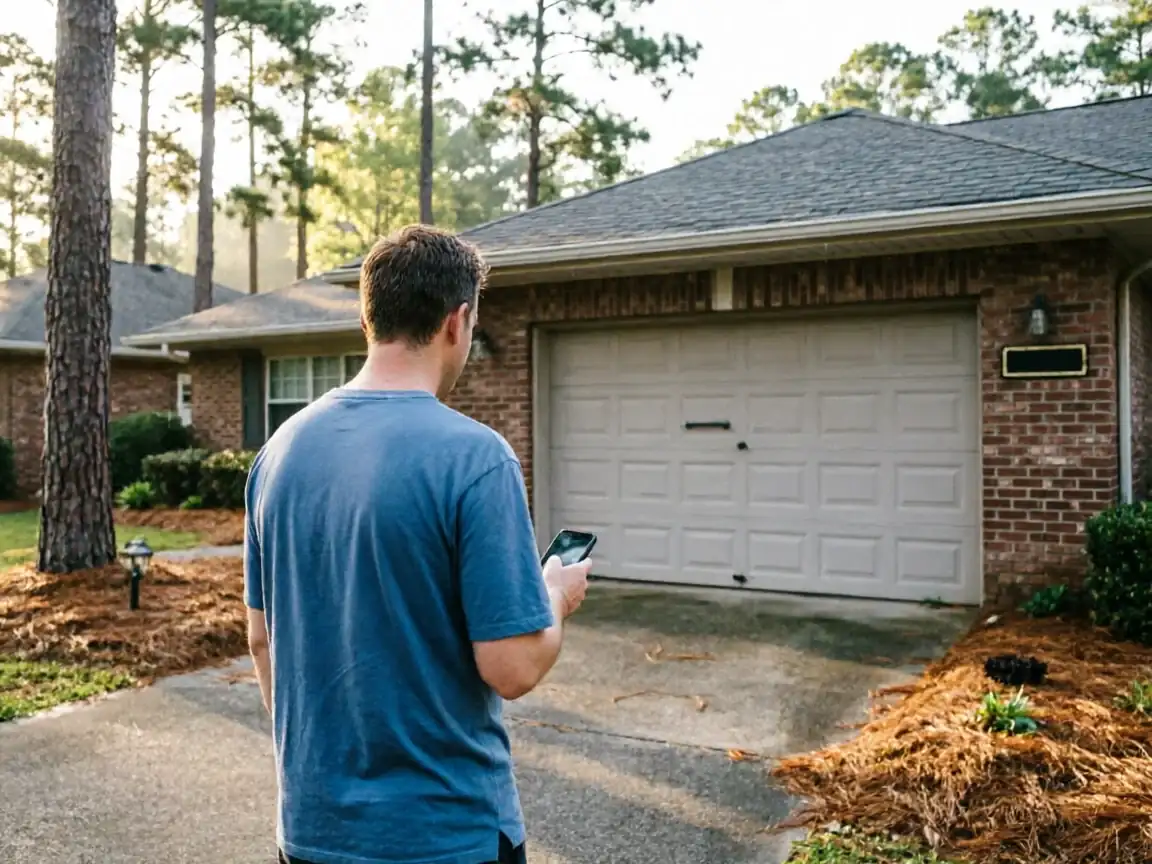
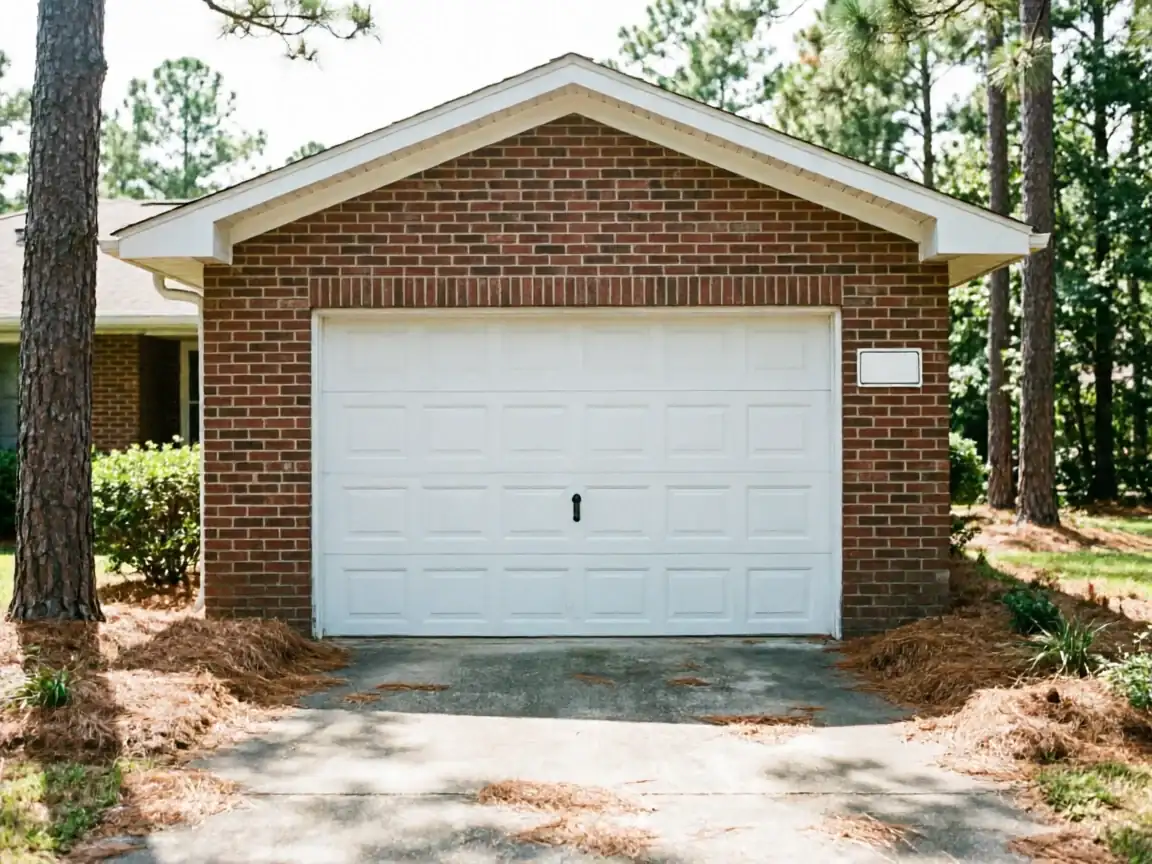
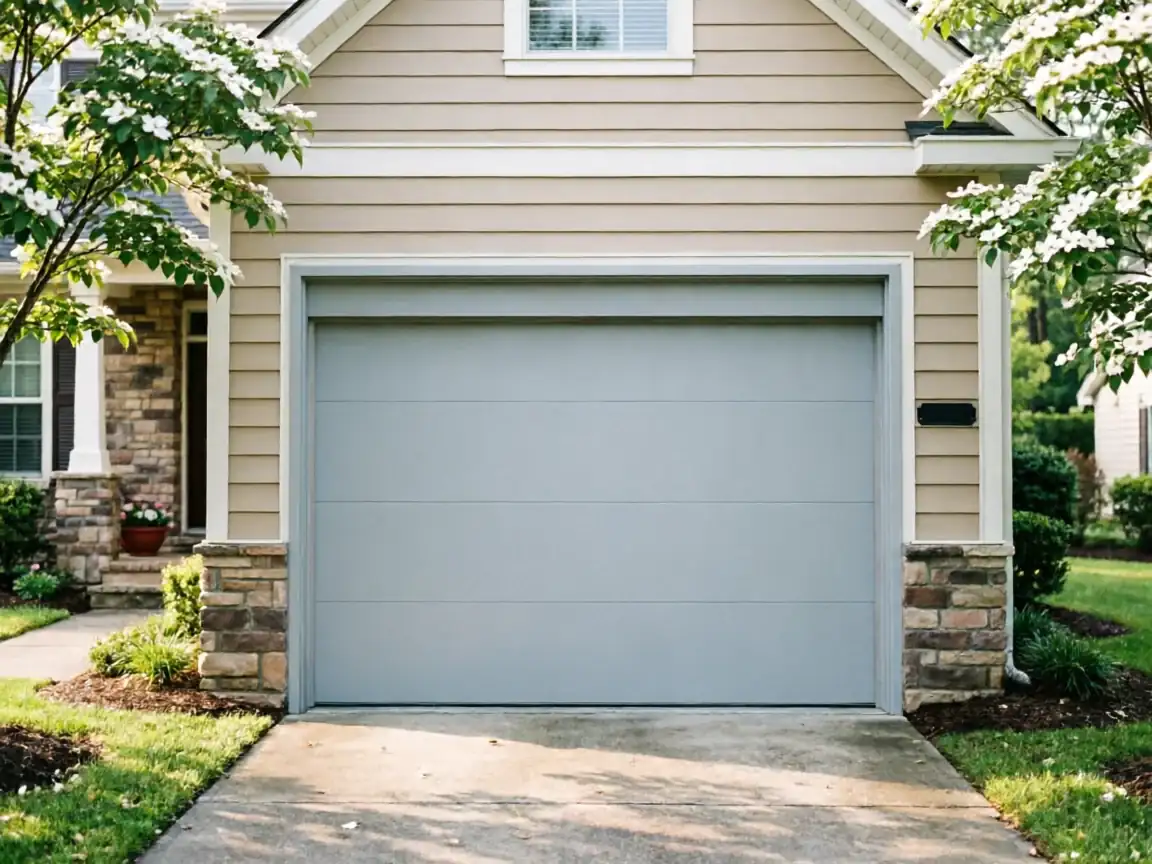
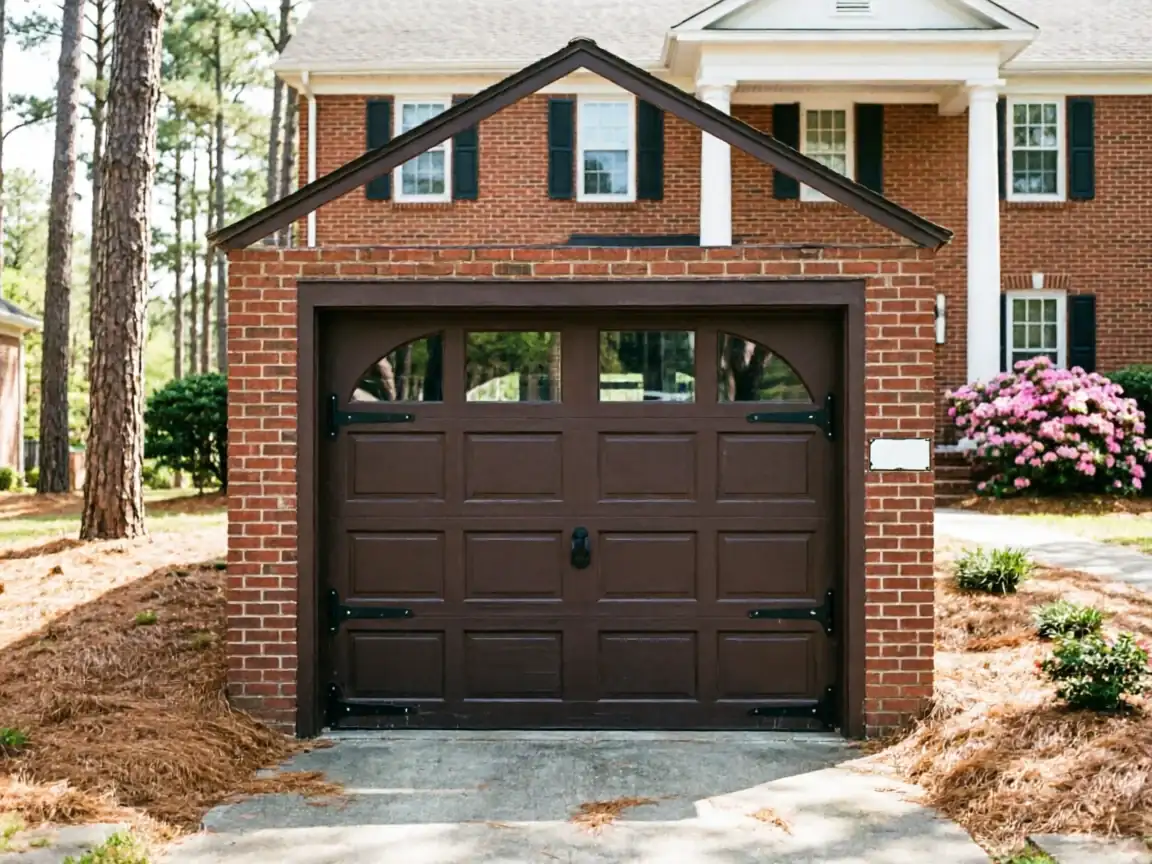
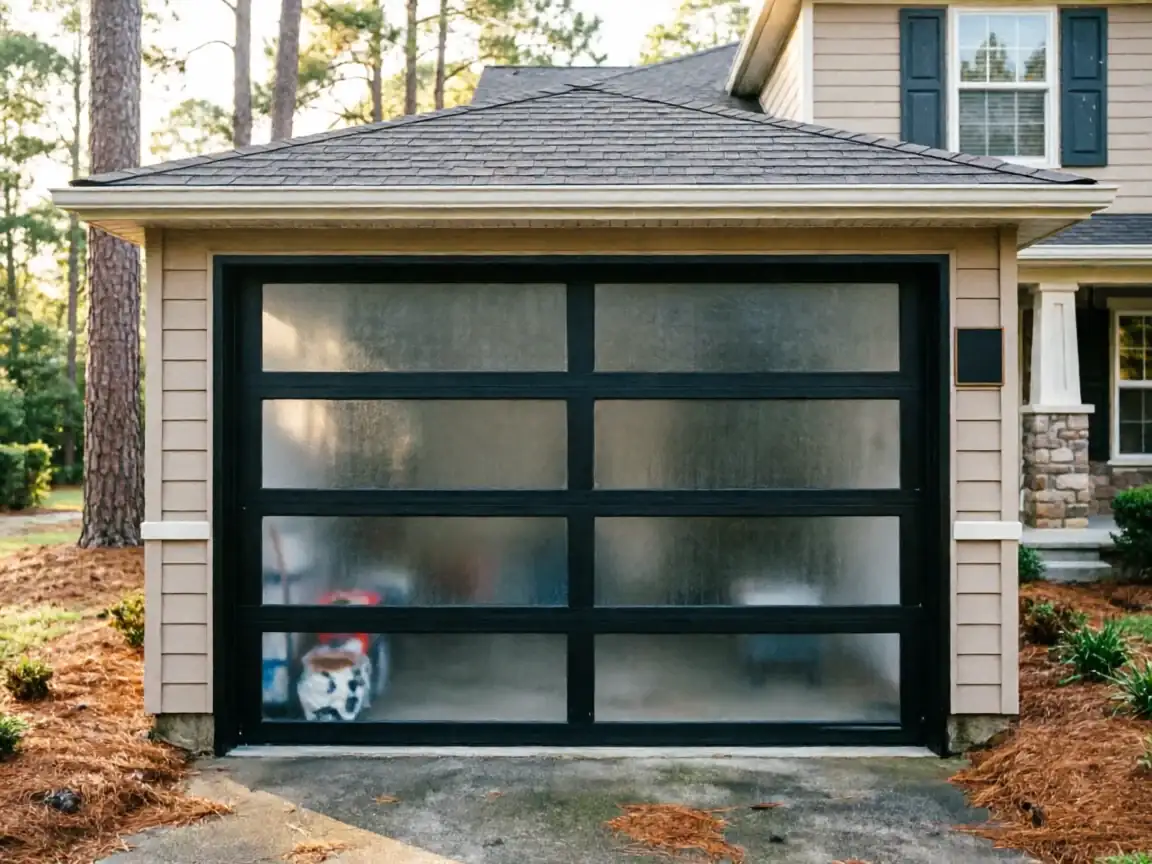
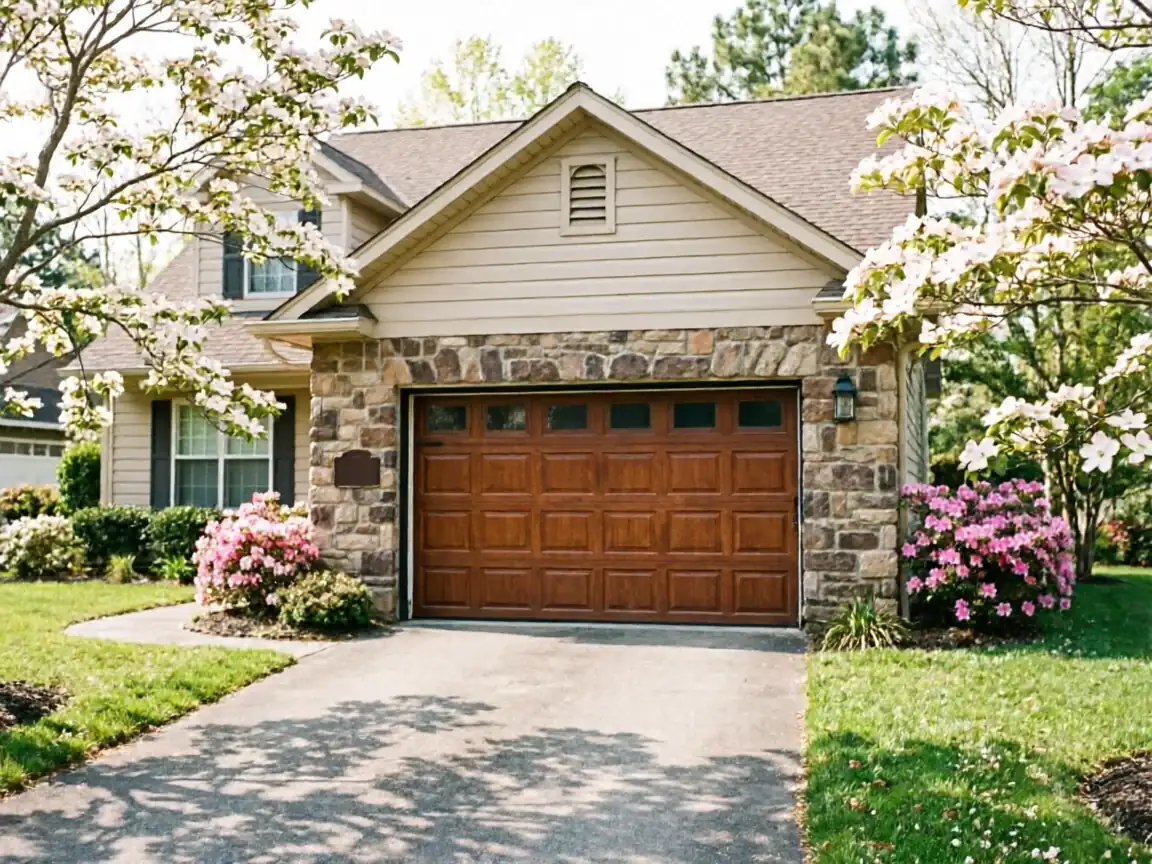
A door installed when a Villa Rica subdivision went up around 2003 is now old enough that its original torsion spring has likely already been replaced once, maybe twice - torsion springs in this cold-moderate climate band typically run seven to ten years before fatigue cracks the coil. That's not a Villa Rica quirk, it's physics on a known install date. What is specific to here is the income and build pattern together: this part of the service area shows median household income well above the $73,889 figure for the broader territory, which usually tracks with more owners choosing full spring and opener replacement over a patched repair when a part fails. The other local factor is simpler math. A house built in 2003 is old enough for steel fatigue in springs and cables, but young enough that the opener is likely a mid-2000s chain or belt unit with a logic board rather than the older relay-and-switch openers found on houses from the 1970s and 80s elsewhere in the territory. Diagnosing a 2003 door means starting with spring fatigue and board age, not hinge wear on an old wood panel door.
Where This Job Goes Sideways
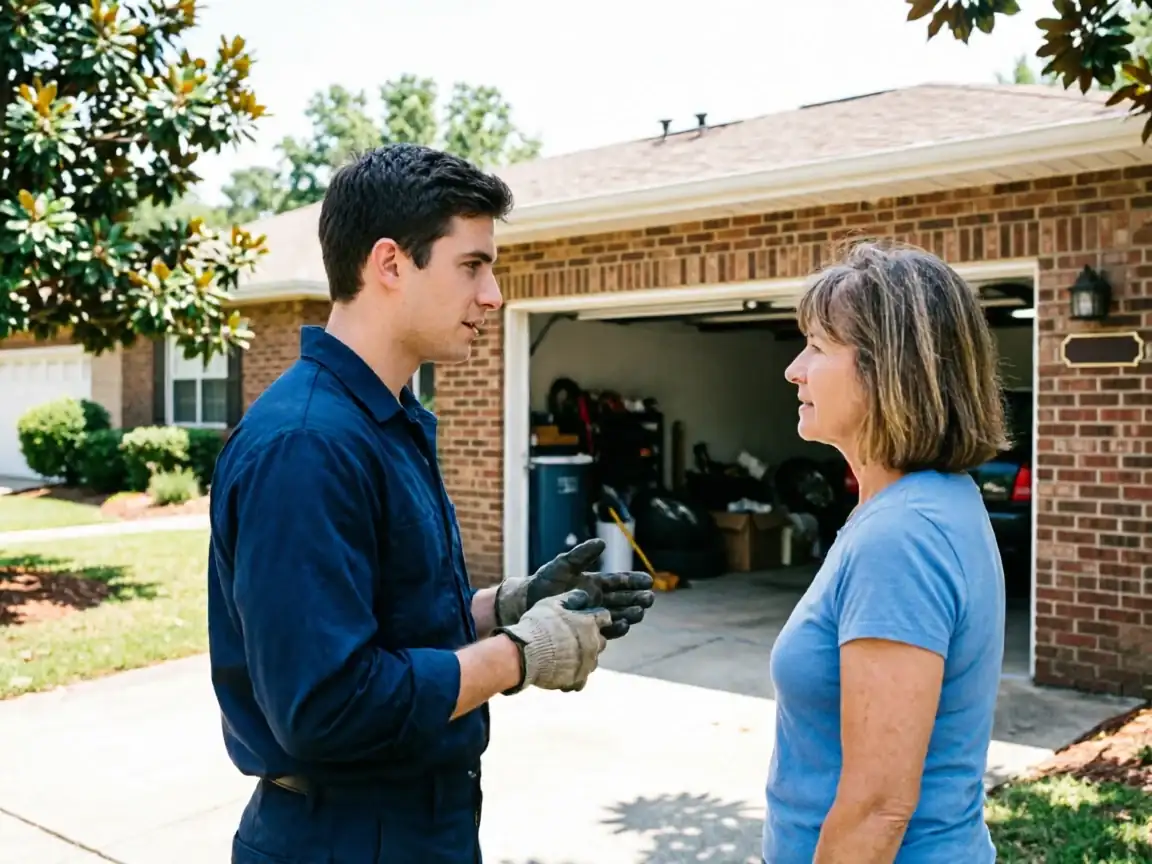
Villa Rica sits about 12 miles out from Douglasville, which is close enough that travel isn't the main risk, but it does shape how the call gets scheduled. A straightforward spring swap on a standard torsion setup is a planned trip. Where it goes sideways is when the first visit turns up a second problem - a cracked drum, a bent track section, an opener board that was already failing before the spring went - and that second part isn't on the truck because the call was booked as a spring job. At 12 miles each way, a parts run back to Douglasville and out again eats most of an afternoon. The other way this goes sideways: a homeowner books a repair for a door that's actually due for replacement. On a 2003 build, a steel sectional door with surface rust at the bottom panel or a warped track from age is often a replacement call dressed up as a repair, and we'll say so rather than patch something that'll fail again in six months.
What the Repair Takes
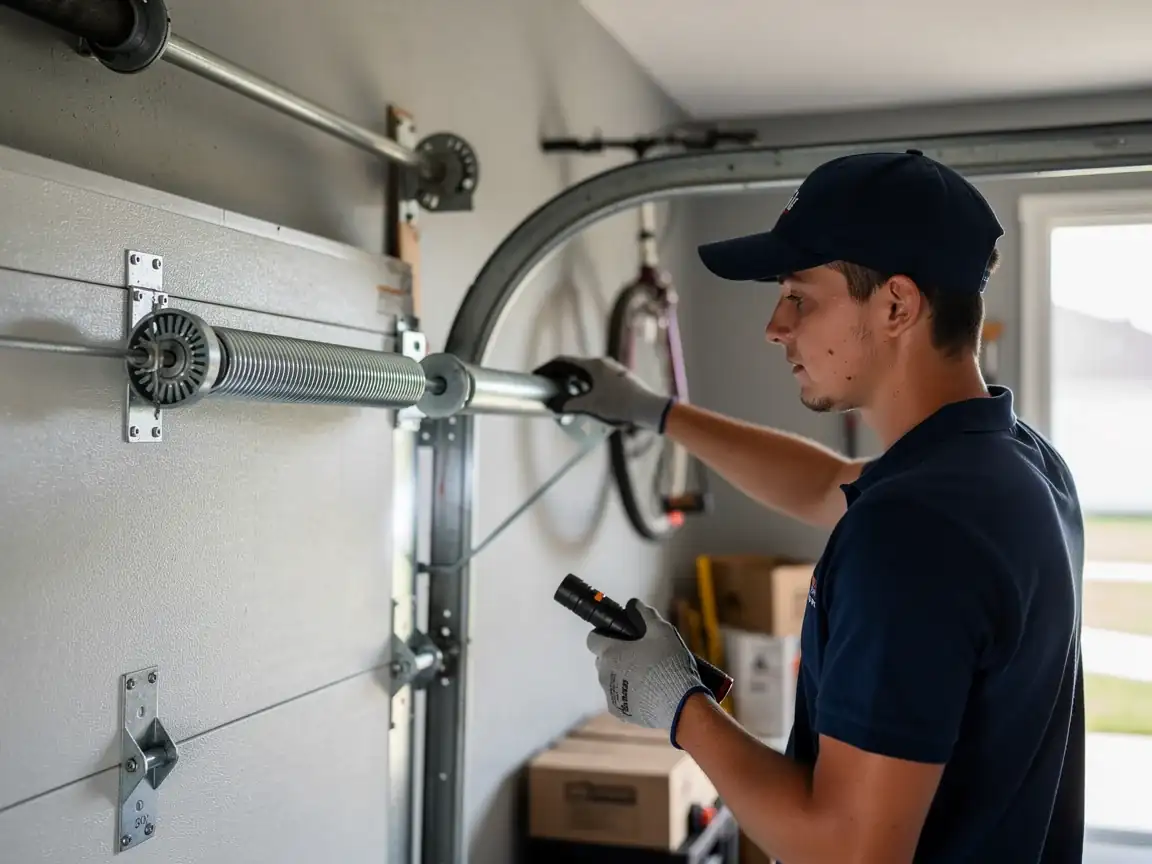
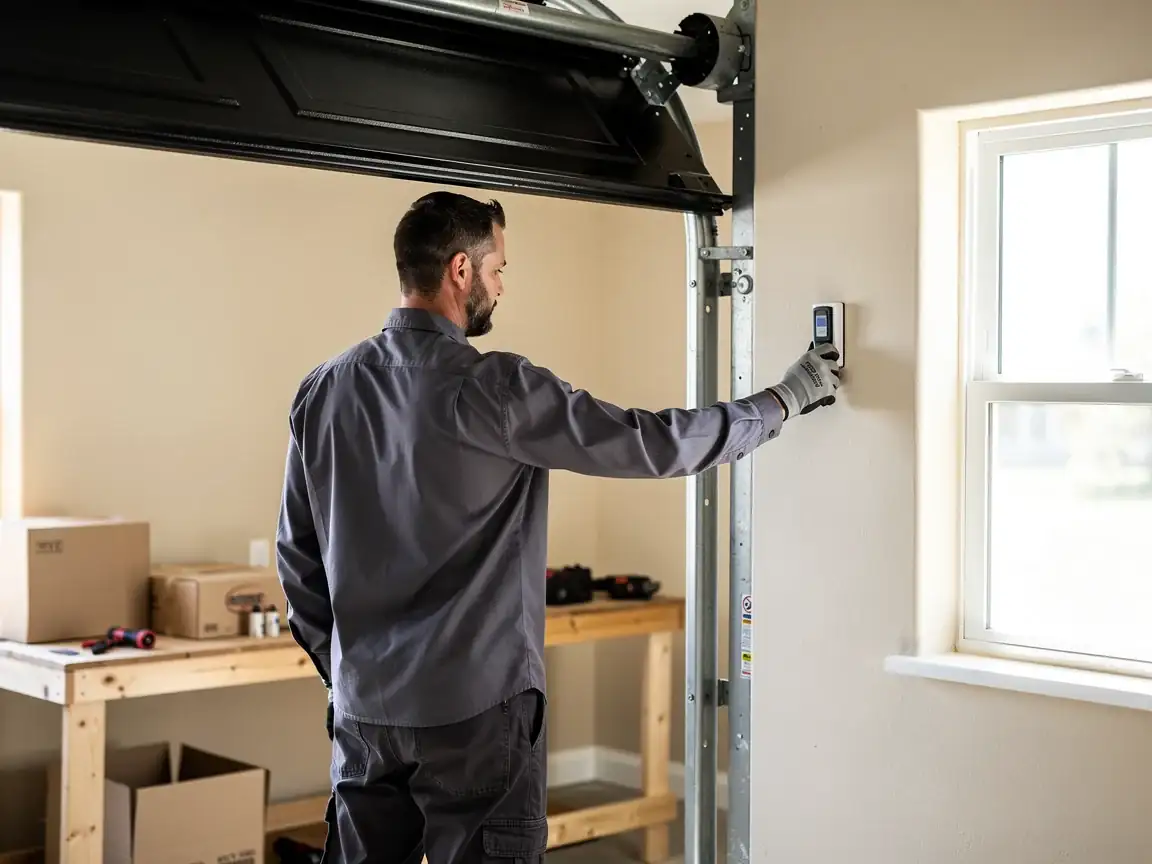
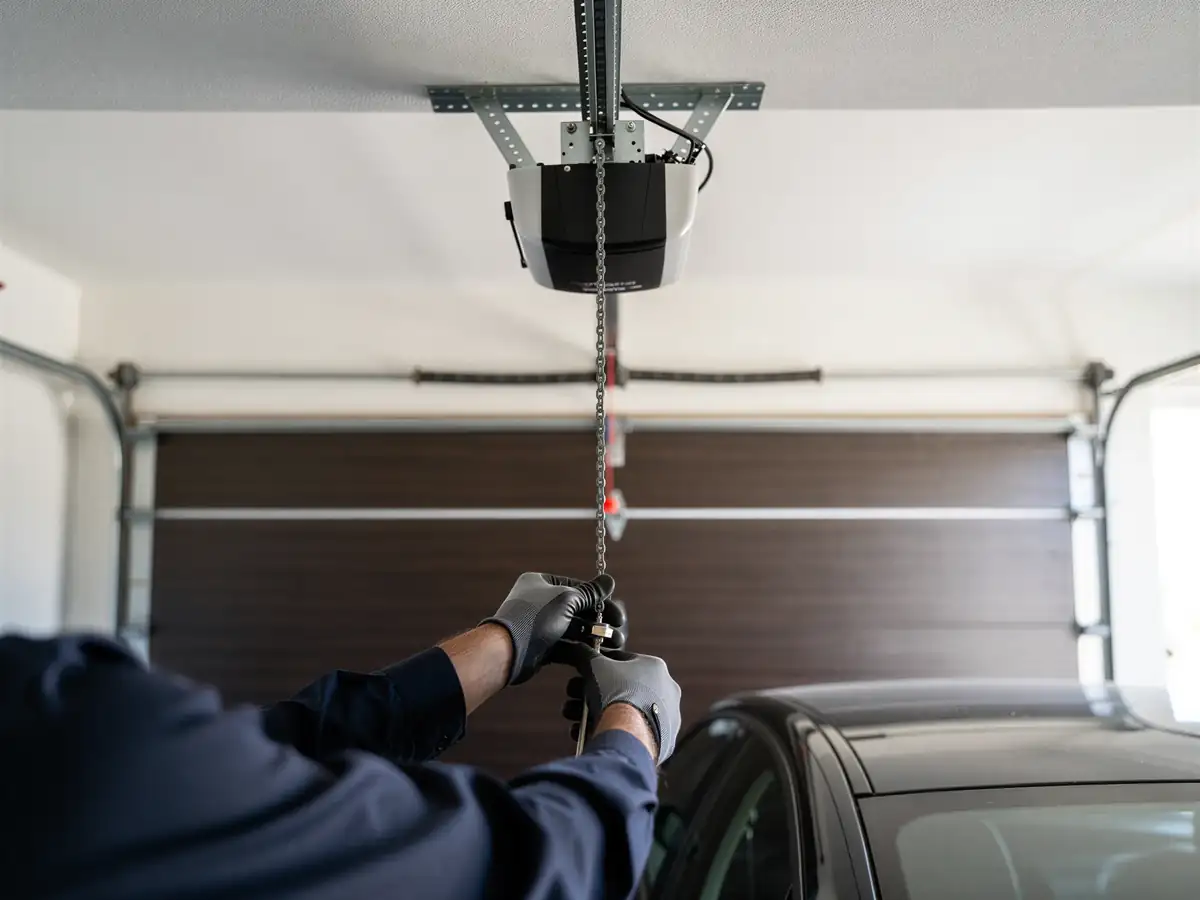
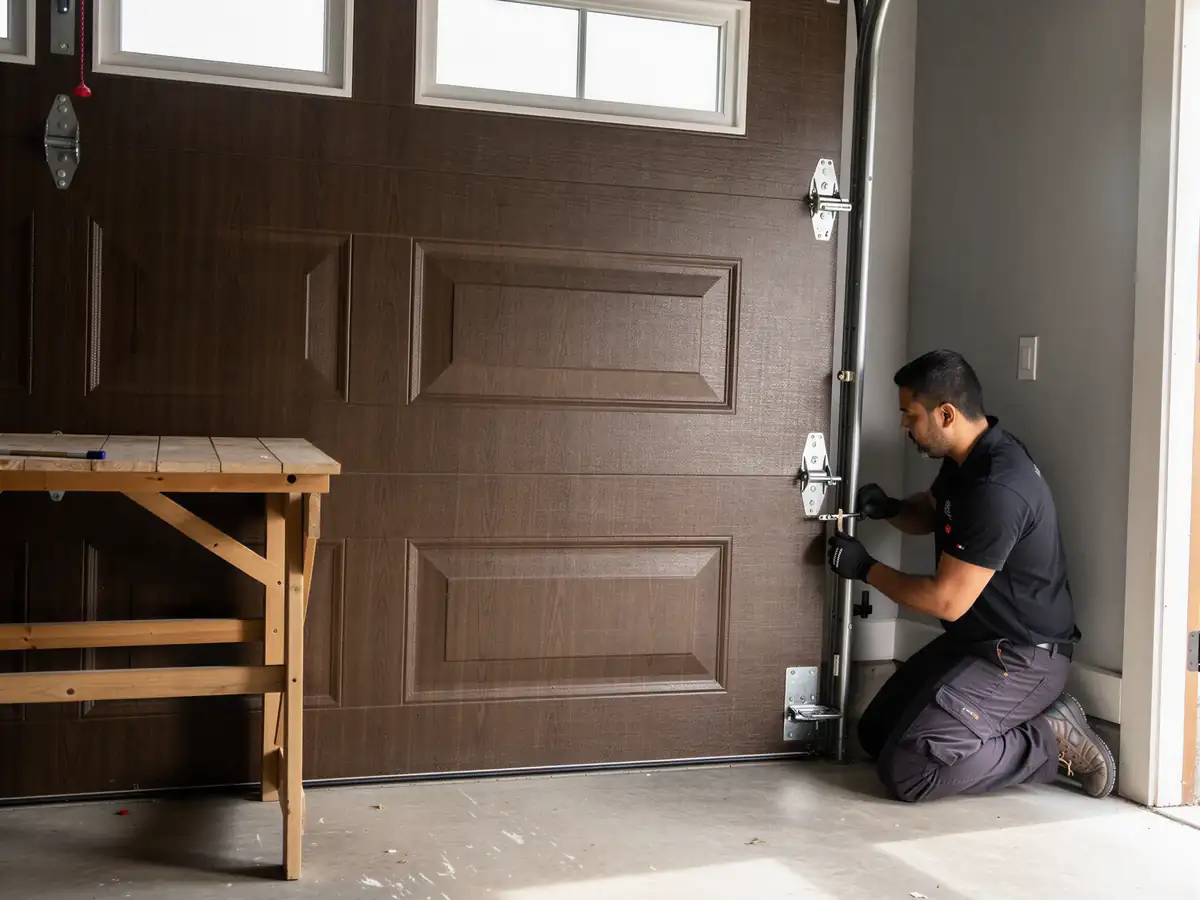
For the torsion spring jobs that make up most of what comes out of a 2003-built Villa Rica house, the work is: unload spring tension safely, pull the old coil, match the new spring to the door weight and drum size, wind it to the correct turns, and run the door through a full cycle to check balance. For opener issues on a mid-2000s unit, it's usually a board swap or a sensor realignment, followed by a force and limit reset so the door doesn't slam or stall. None of this is exotic work - it's routine for hardware this age - but it does require the right spring size on the truck the first time, which is why knowing the build era before rolling out matters more here than it might elsewhere. What it doesn't take: guesswork on wind direction or drum size, since a mismatched torsion spring on a door this age is the single most common comeback call. We balance the door before we leave, full stop, not as an upsell.
What You Are Seeing
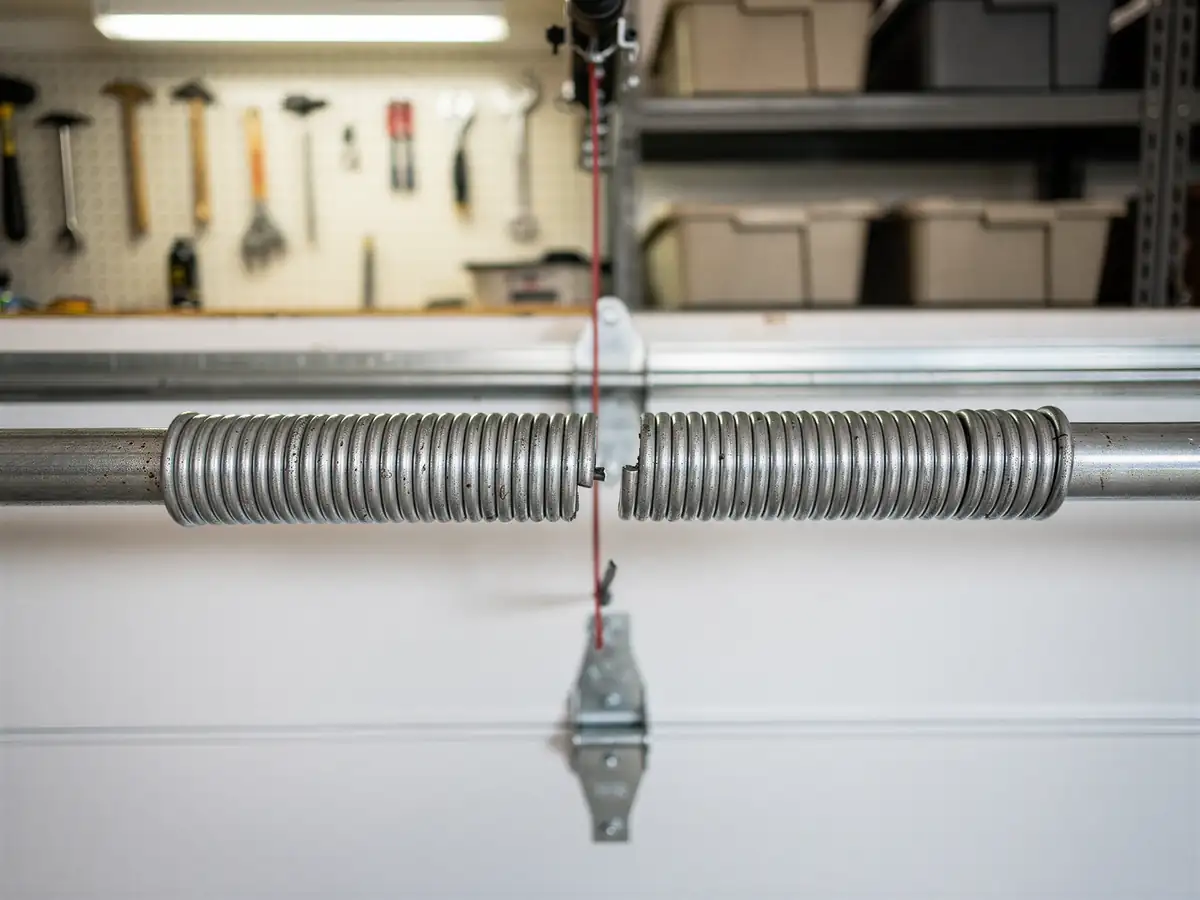
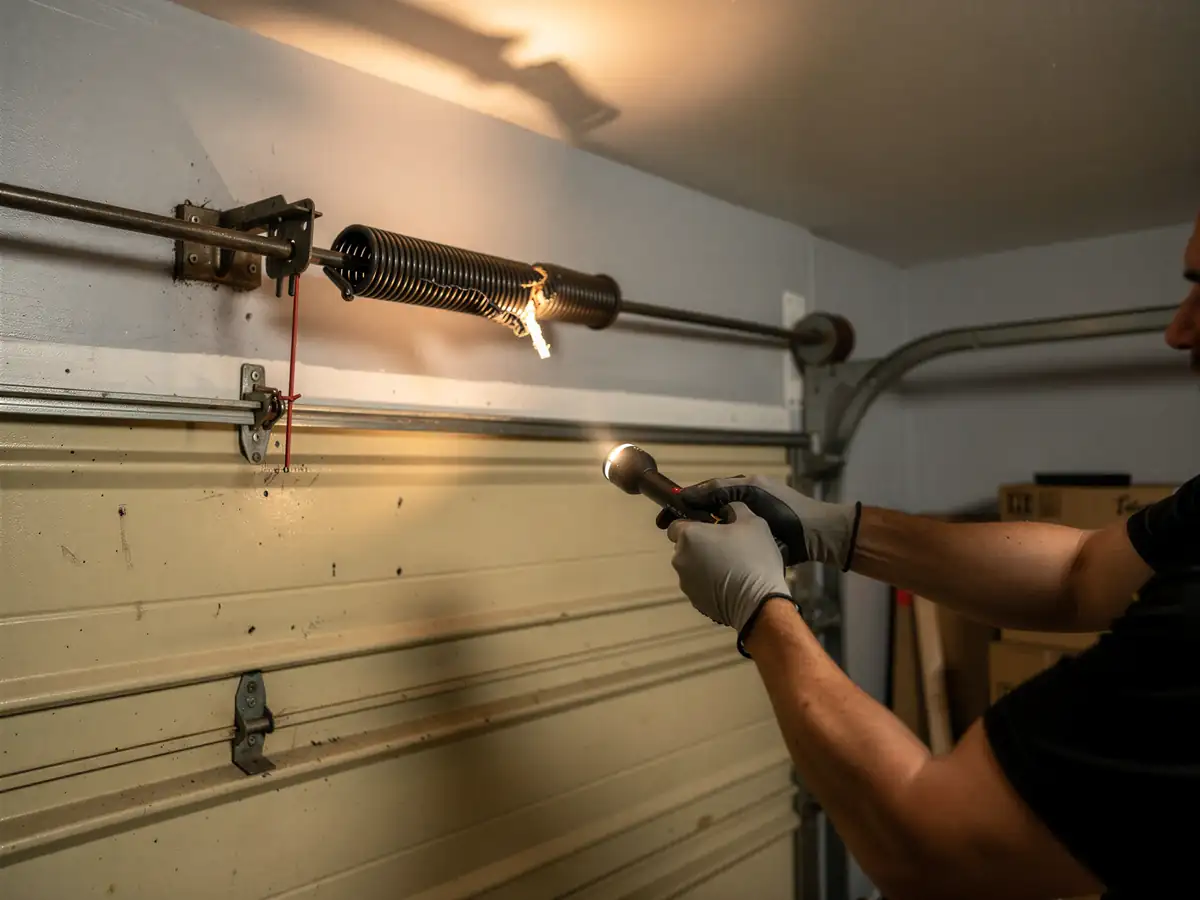
If the door won't open past a few inches and the opener motor strains, that's almost always a torsion spring that's lost tension - expected on a house built around 2003, now past the point where the original spring was rated to last. If the door drops suddenly partway through its cycle, check whether one side looks slack at the top; that's often a snapped cable rather than the spring itself. A door that opens fine but the opener light blinks or the unit won't respond to the remote is more likely a logic board or sensor issue typical of mid-2000s openers reaching the end of their service life. Grinding or a loud bang followed by the door refusing to move at all is the classic sign of a spring that's fully broken - safe to leave closed, not safe to force. None of these point to the oldest-style hardware you'd find on a 1970s house elsewhere in the territory; on a build this age, springs, cables, and opener electronics are the first three things worth ruling out, in that order.