How Local Conditions Play In
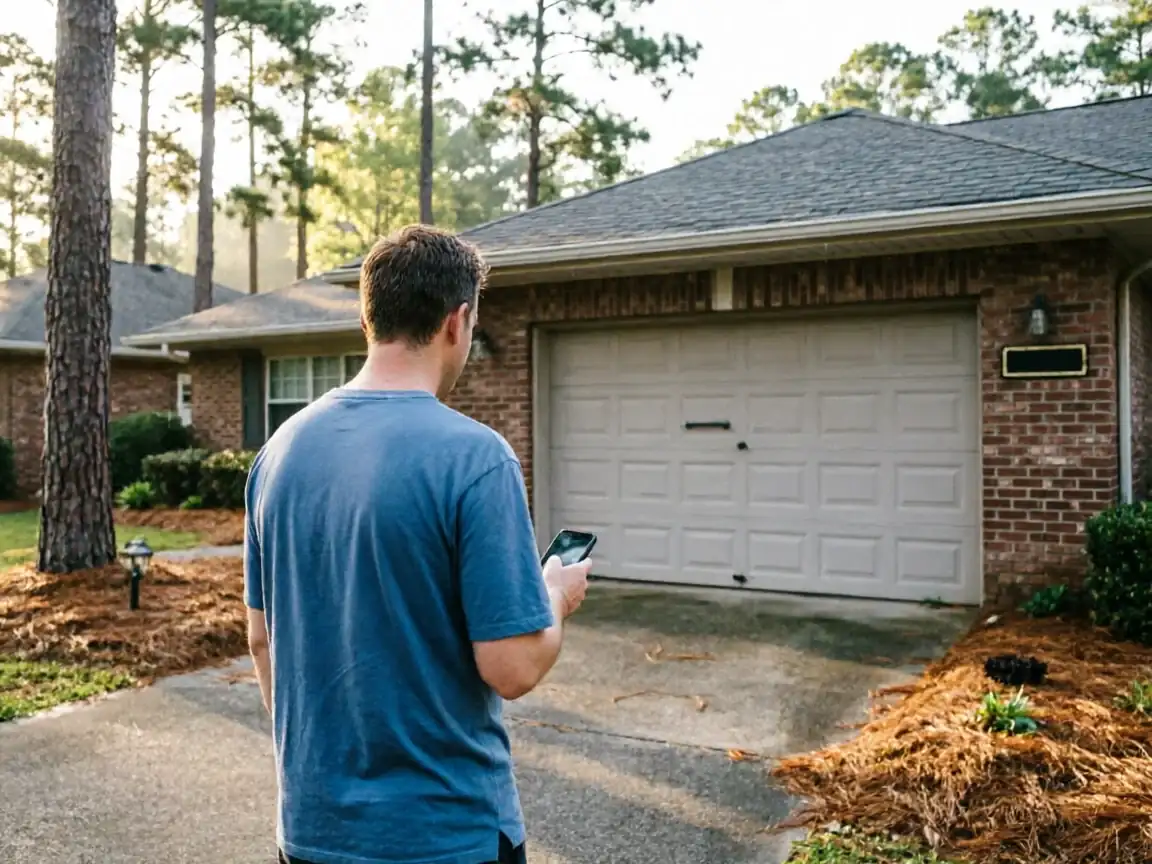
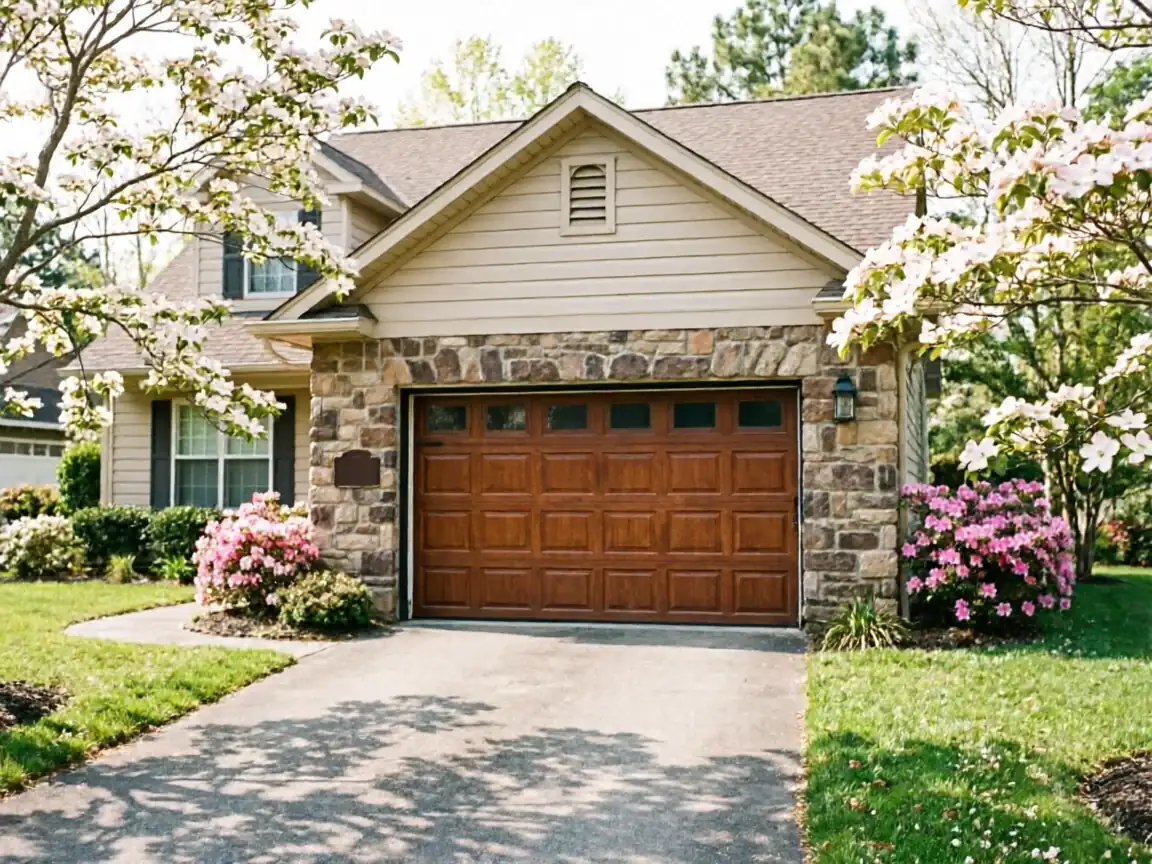
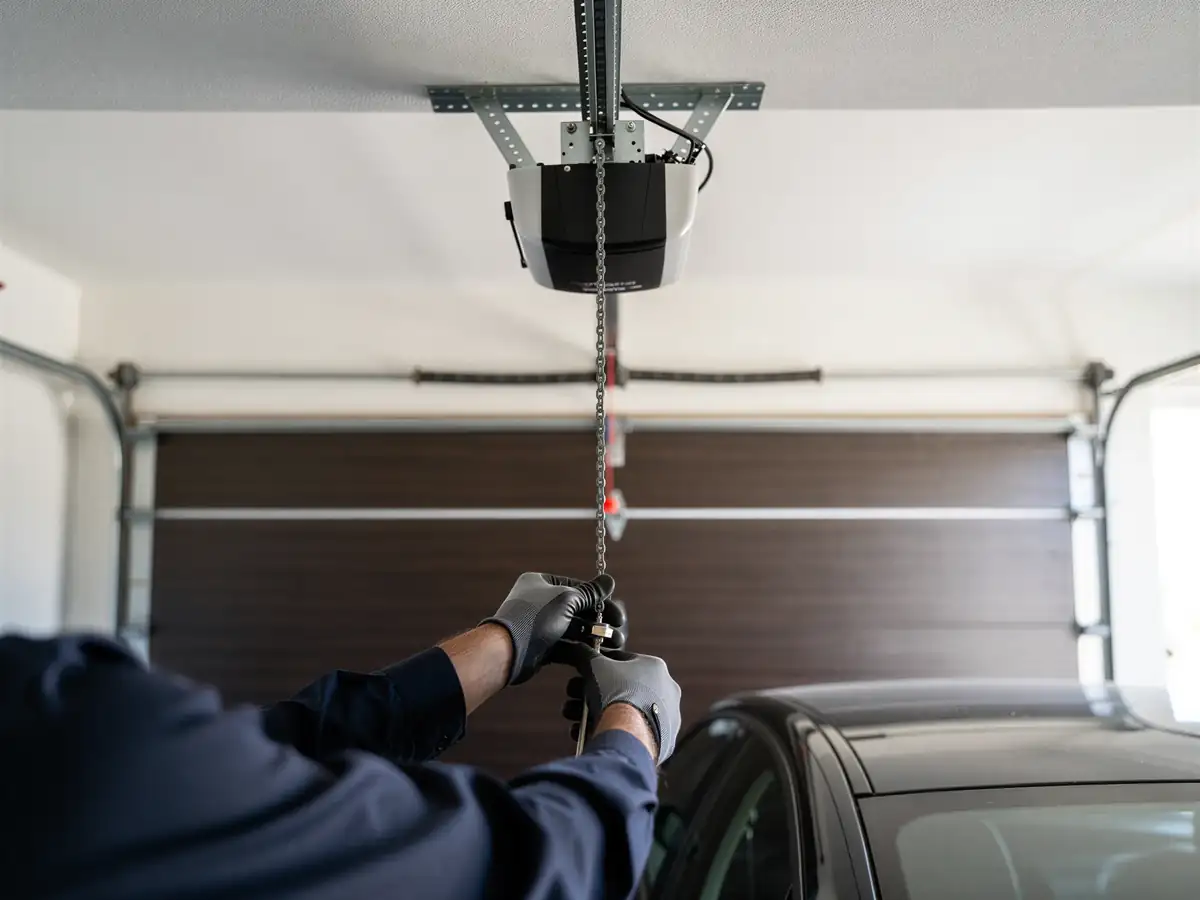
This area sits in a cold-moderate climate band, which means winter storms bring the kind of wind and ice that knock out power on a circuit-by-circuit basis rather than a whole grid going down. That's relevant because a lot of the opener units installed in this housing stock's peak years - the late 80s through the 90s - predate battery backup as a standard feature. If your opener was installed or replaced before backup battery packs became common, a power cut means a dead unit with no fallback, full stop. Newer installs in houses built closer to 2004 are more likely to have backup capability built in, but it's never guaranteed, and plenty of owners in older sections never upgraded the opener even after other renovations. The practical result: a cold-season outage is exactly when you find out which decade your opener belongs to.
When It Stops Being a DIY Job
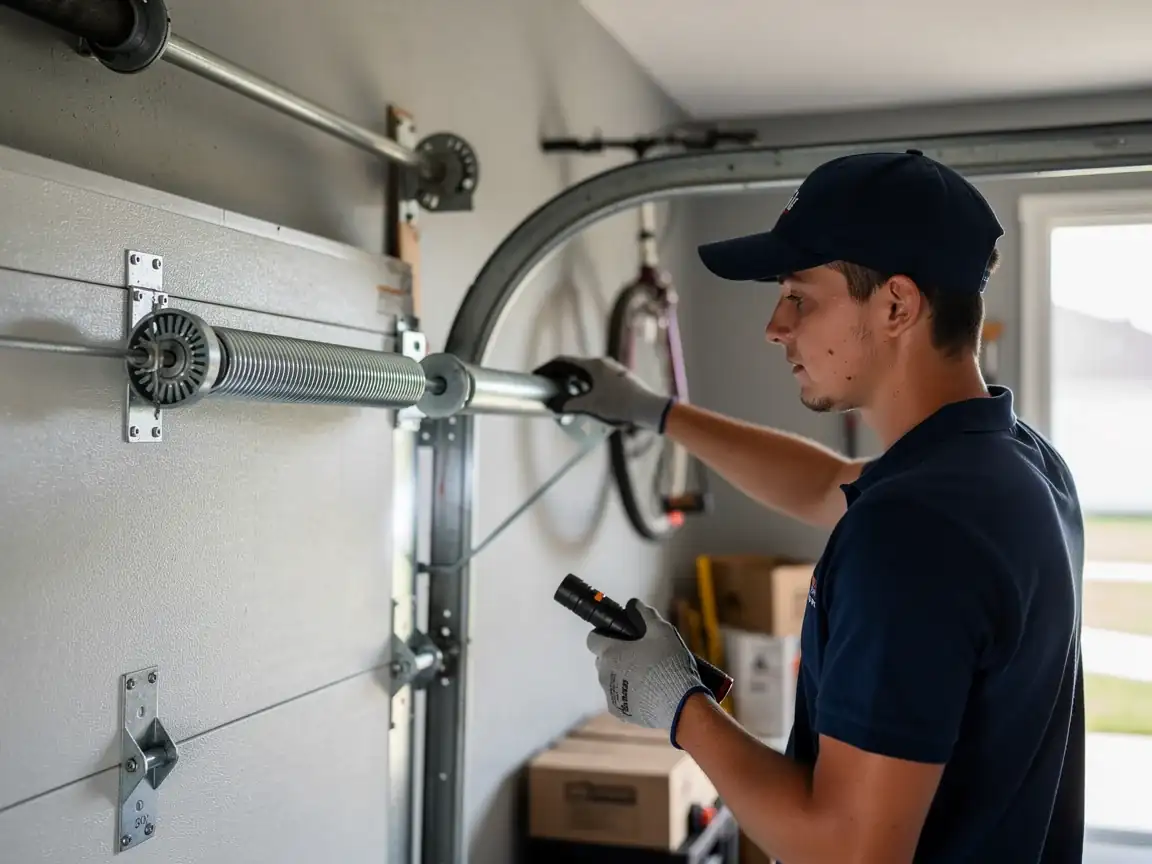
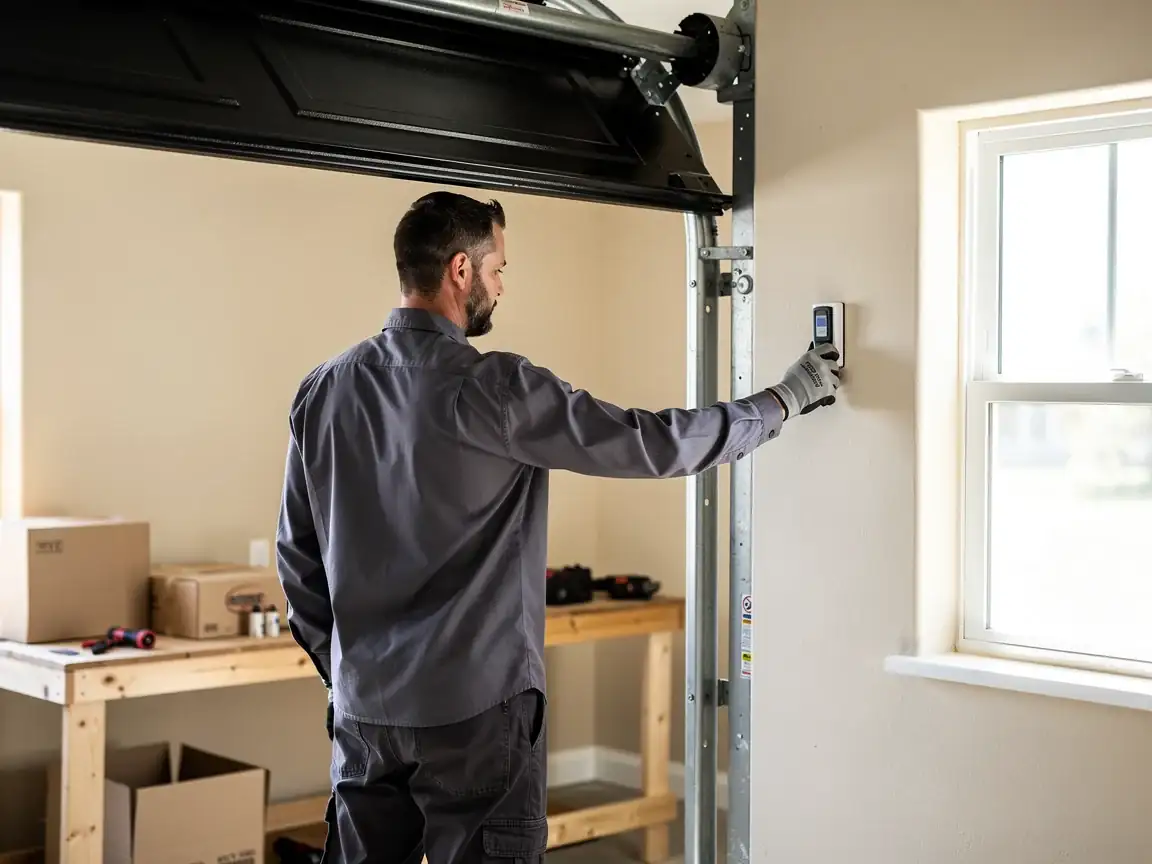
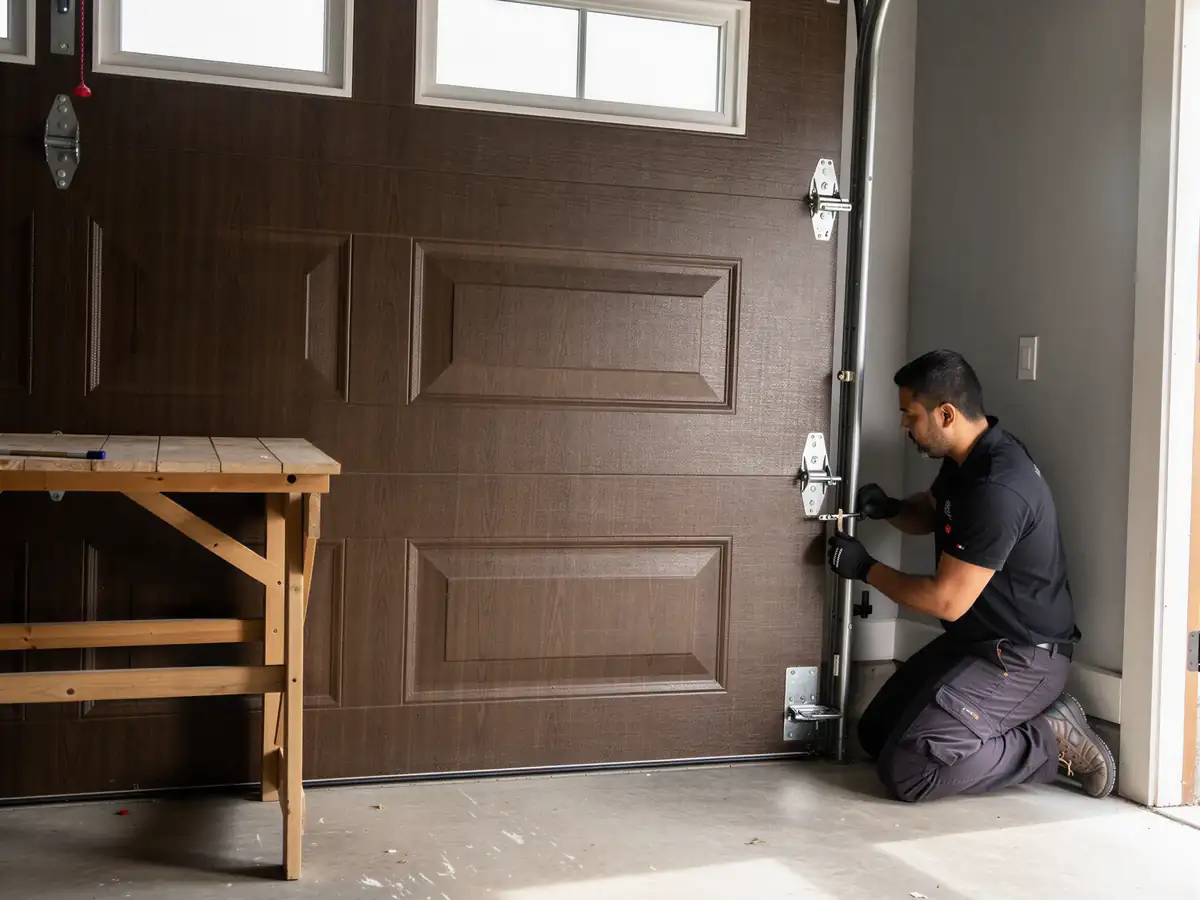
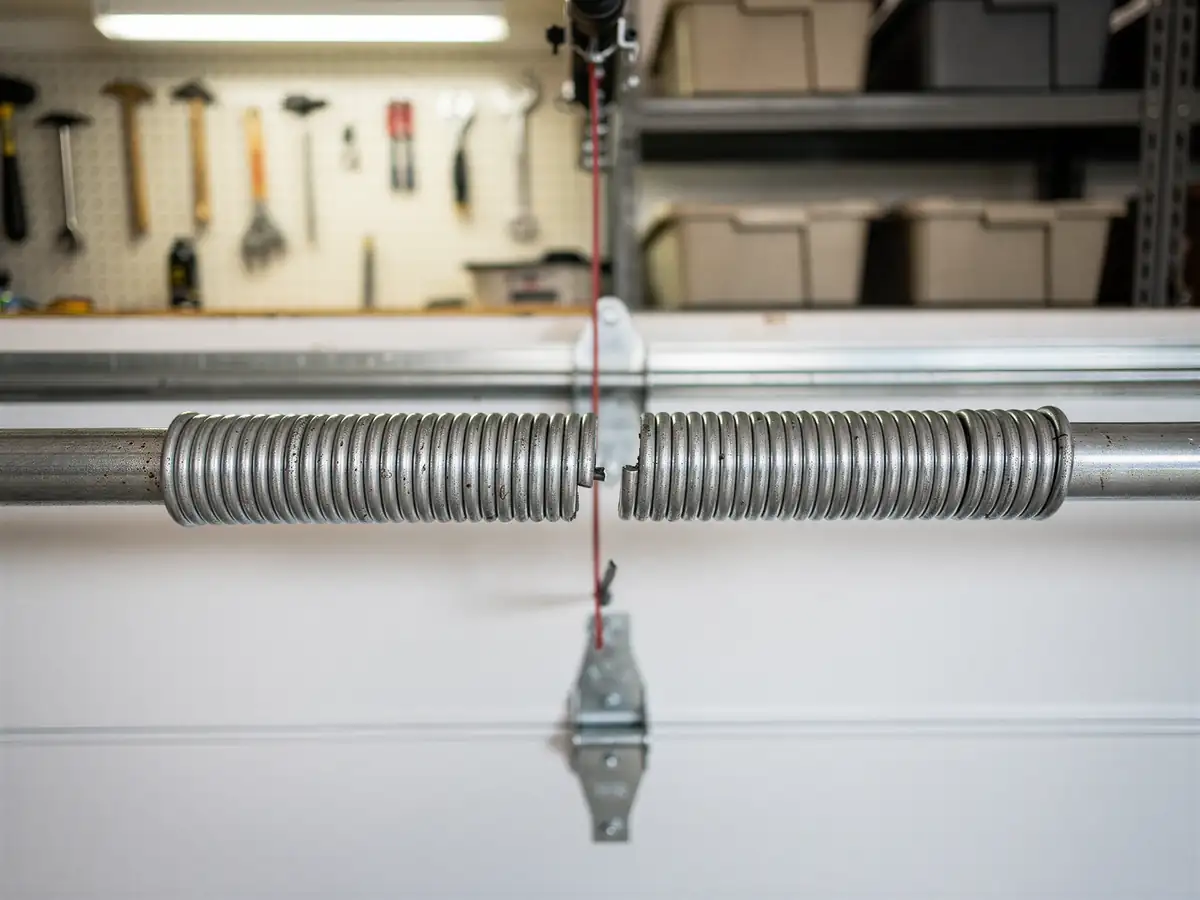
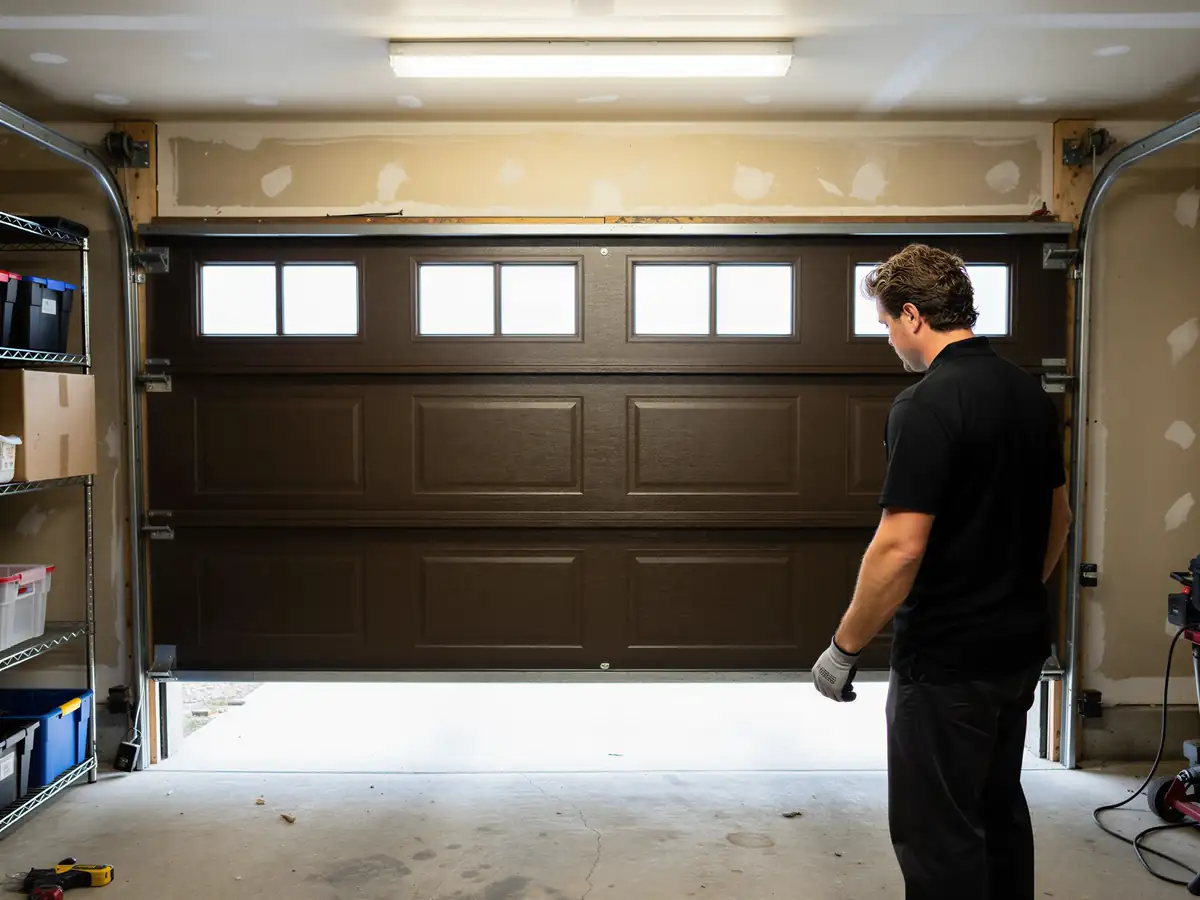
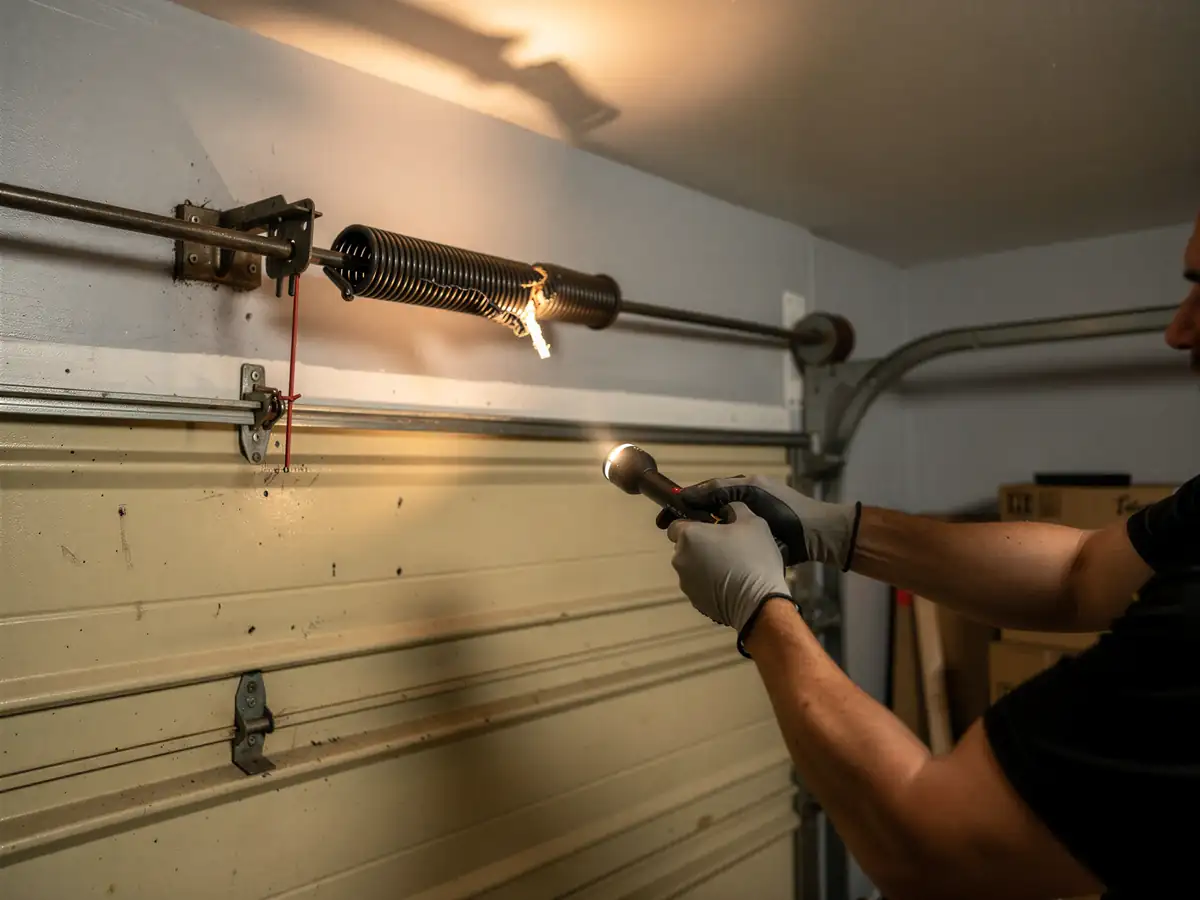
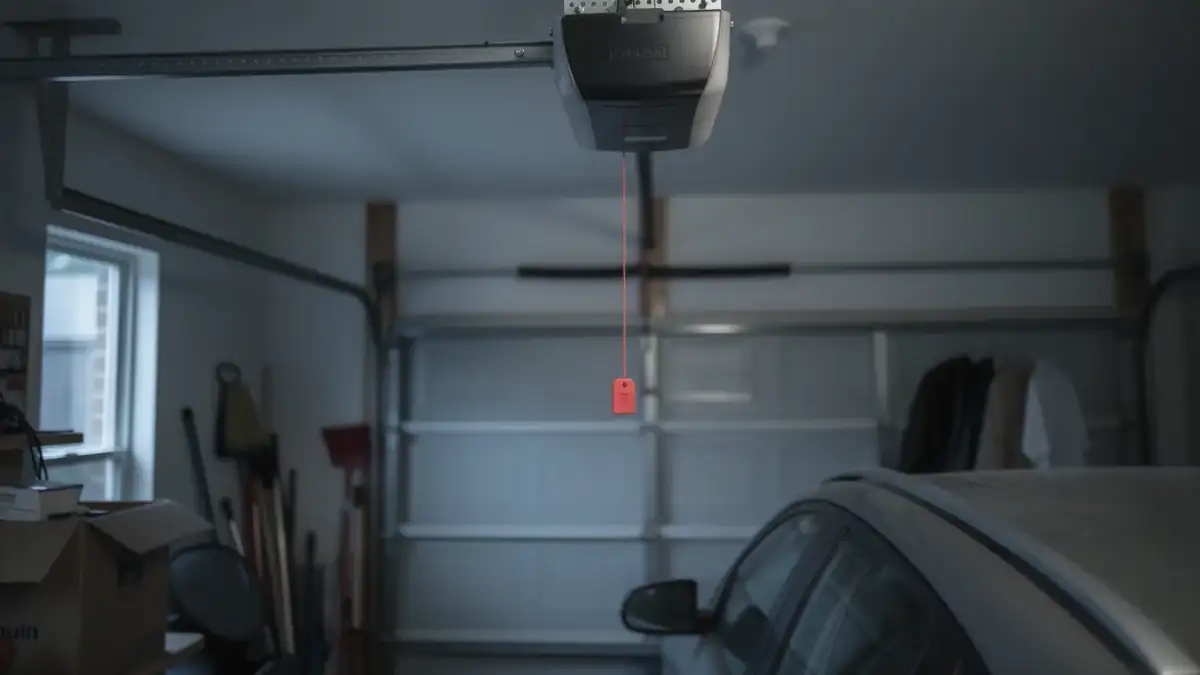
Pulling the manual release and lifting the door by hand is fine for a one-time power cut. It stops being a DIY job the moment the door won't lift smoothly even after release - that's a spring problem, not an opener problem, and a torsion spring under tension is not something to troubleshoot solo. It's also not a DIY job if the opener's circuit board has been fried by a surge during the outage, which happens more than people expect with older units that lack surge protection built in. And if you've got one of the chain-drive units common in the 80s-90s stock here, forcing a release lever that's seized from age can bend the trolley arm, turning a free fix into a $150+ parts problem. Honest line: if the door won't move freely by hand within a minute of trying, stop and call. Forcing it costs more than the service call.