Why This Fails Locally
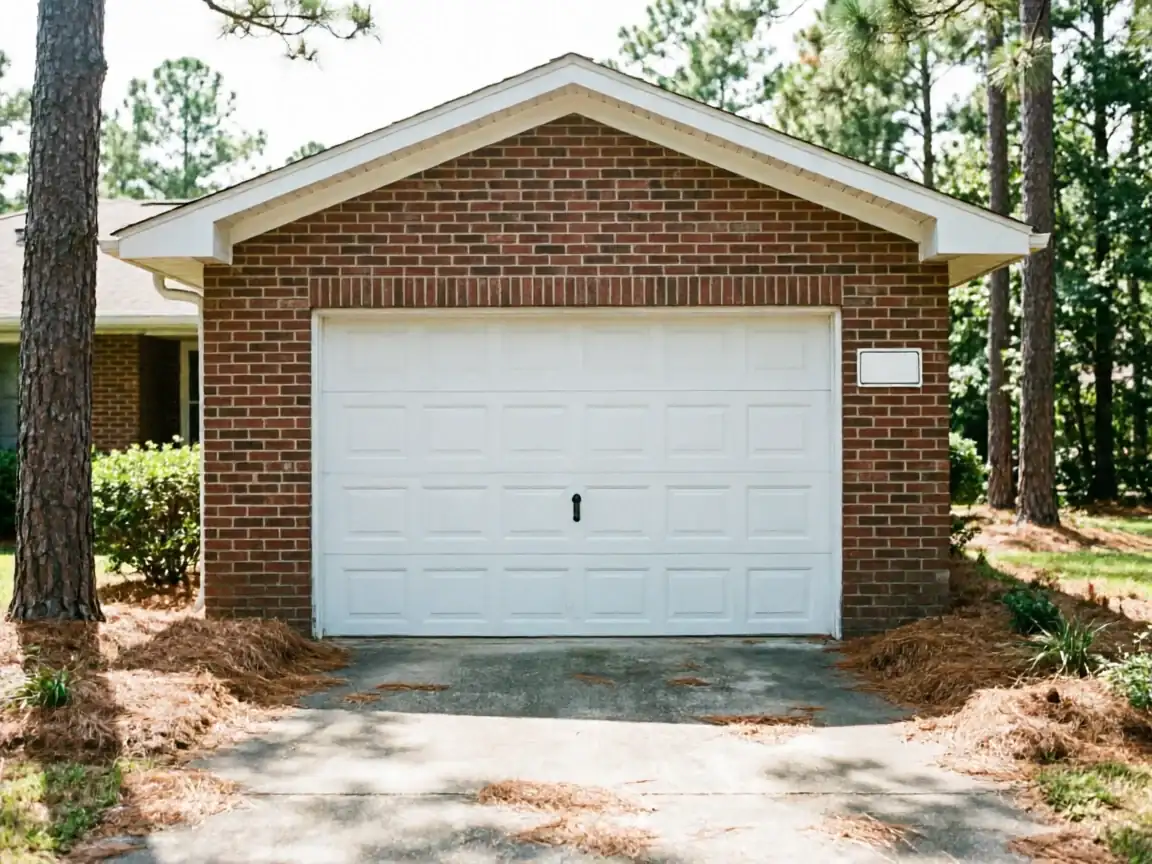
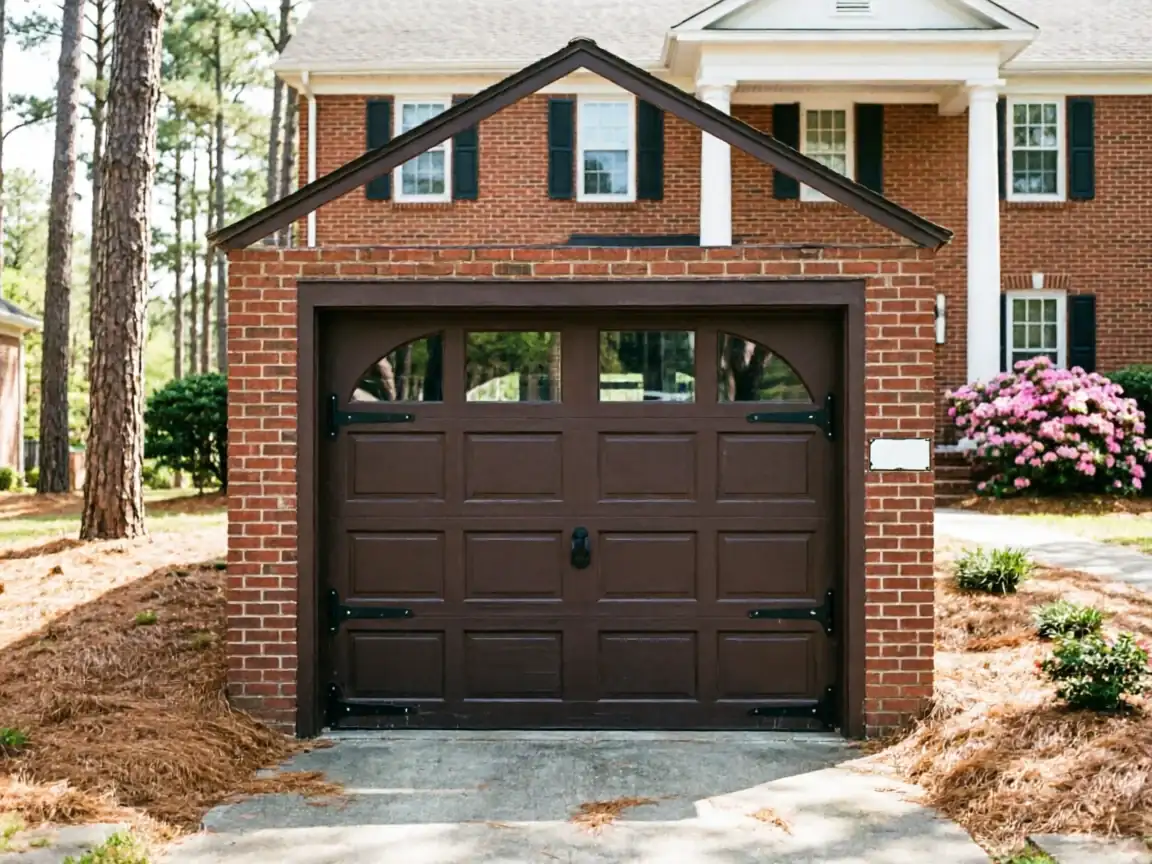
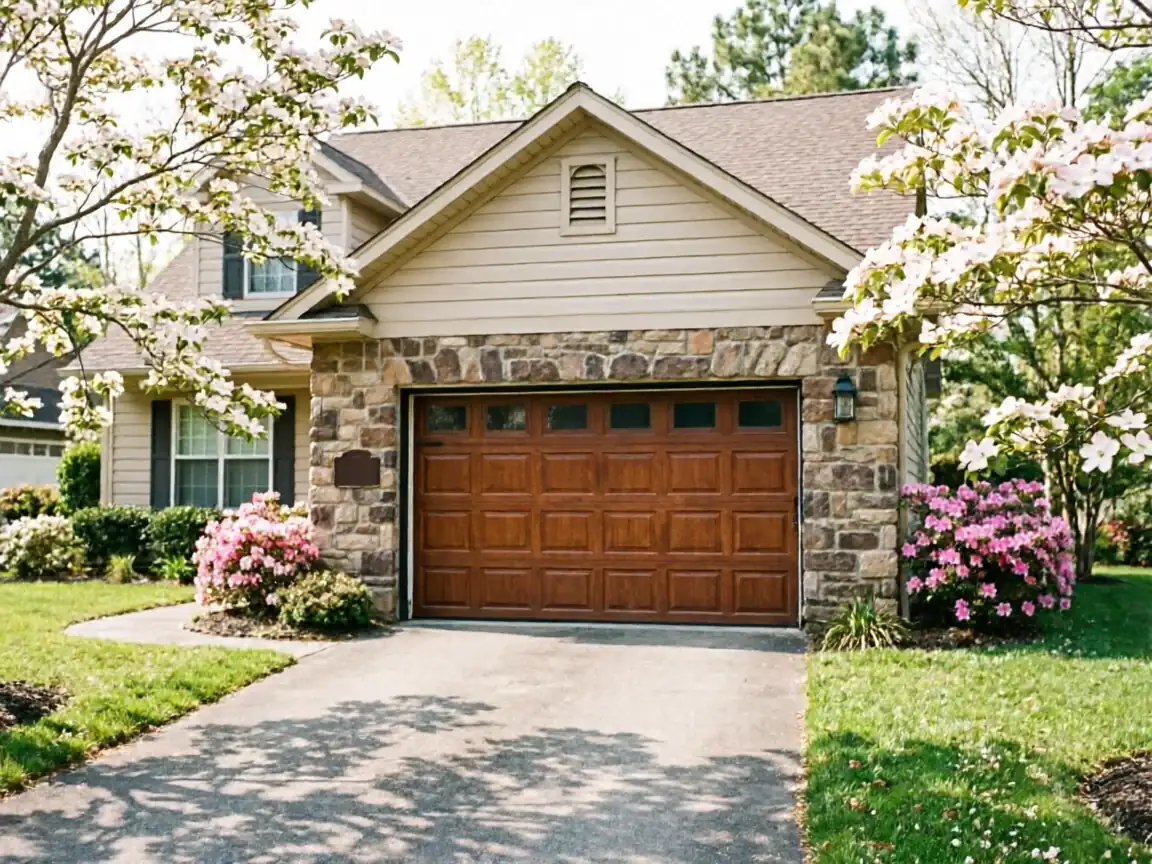
Most of the housing across this service area went up between 1966 and 2004
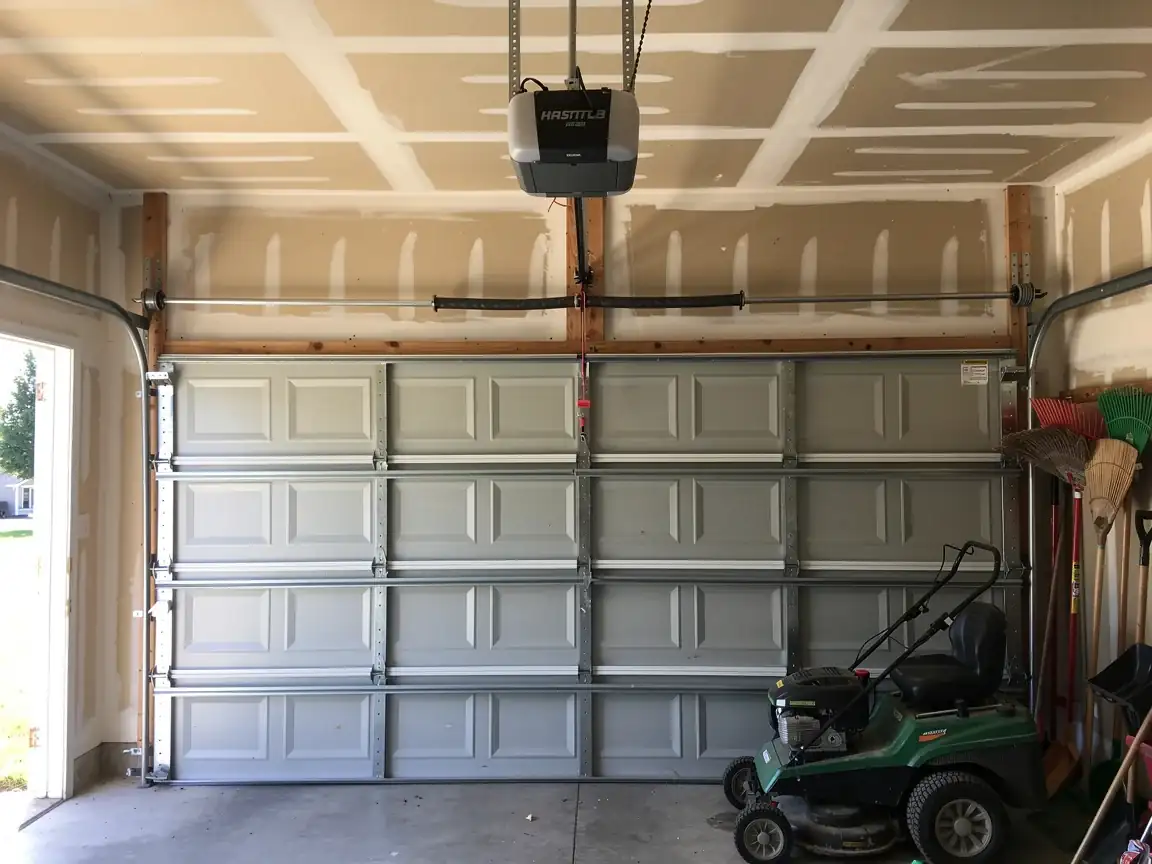
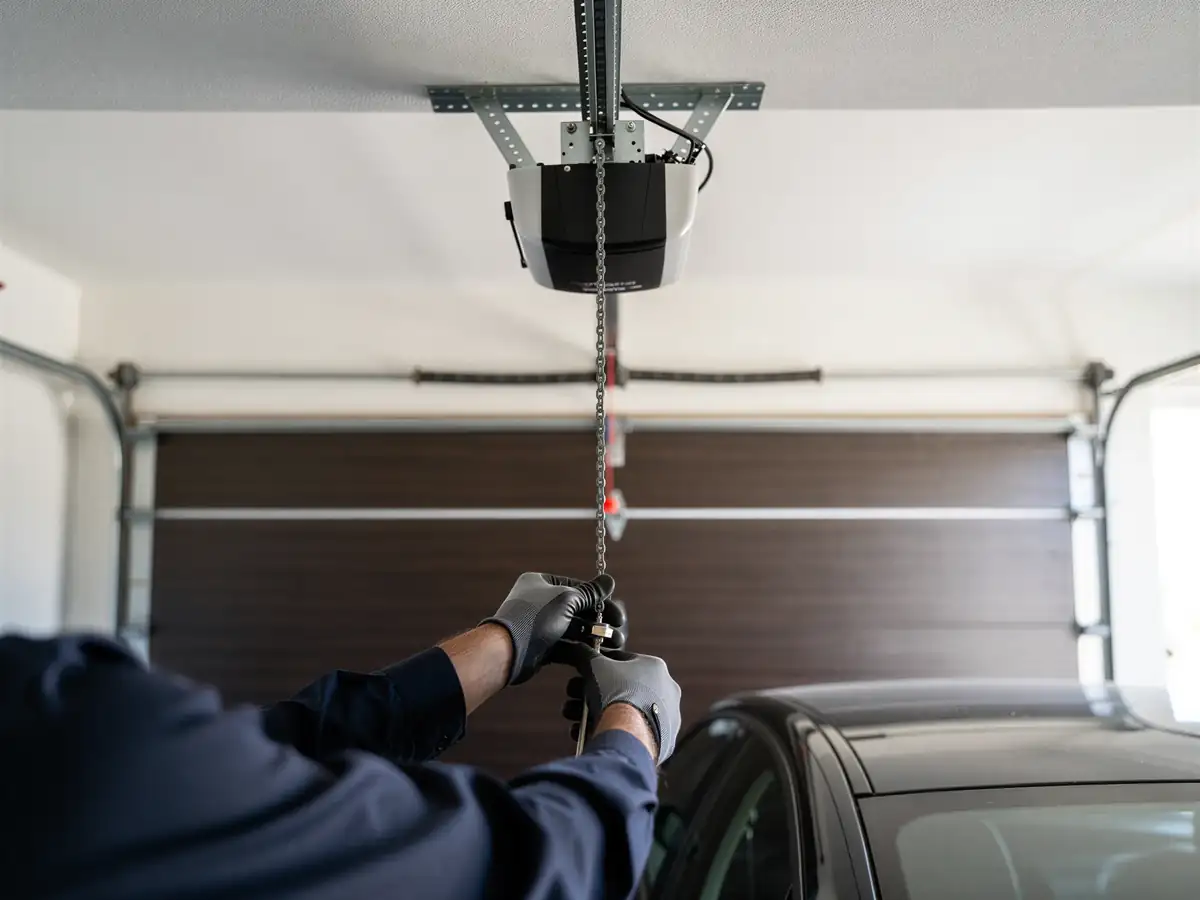
With the bulk of it landing in the 1980s and 90s. That matters for openers because it means a huge share of garages in Douglasville and the surrounding towns still have the chain-drive units that came standard with that era of construction, or a direct swap-in replacement bought in the 2000s. Those units use logic boards and limit switches that were never built to last forever, and twenty-plus years of use is exactly when the capacitor on the circuit board starts failing, the limit switch drifts, or the gear inside the motor housing strips.
Add the climate
This area sits in a cold-moderate band, which means the opener isn't just dealing with heat in July - it's cycling through freeze-thaw swings in winter too. Metal gears contract, plastic housings crack at the mounting bracket, and condensation inside an older logic board housing corrodes contacts over a few winters. A door that worked fine in October and won't respond to the remote in January isn't a coincidence. It's the same fault pattern showing up on schedule across houses built in that same stretch of decades.
What You Are Seeing
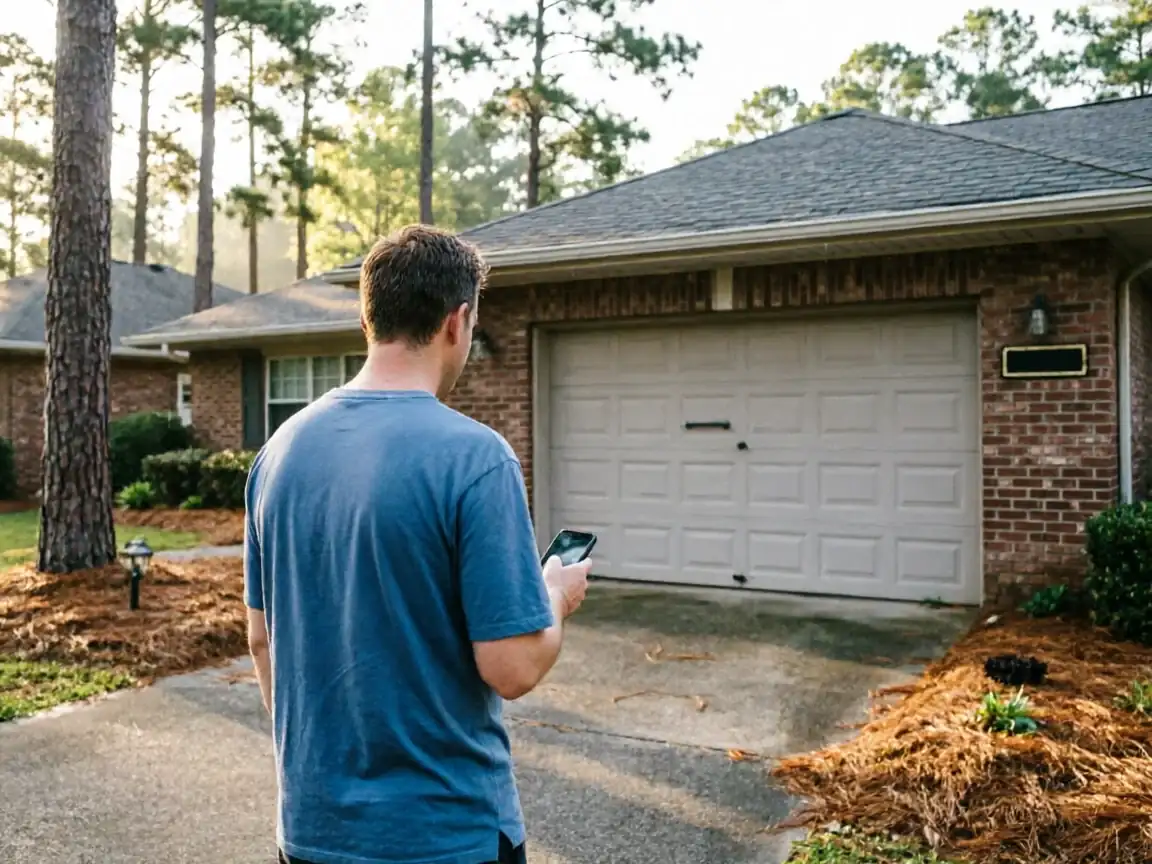
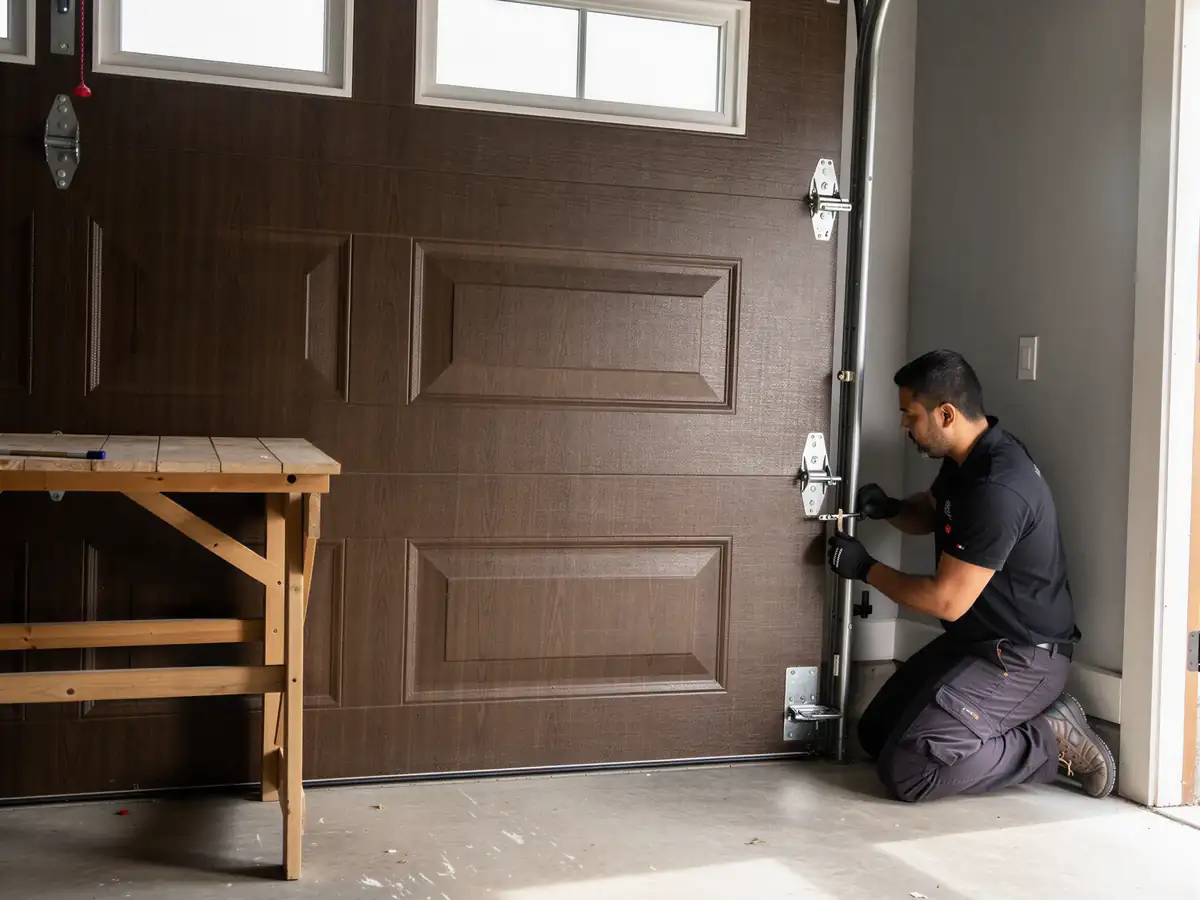
The opener runs but the door doesn't move - that's usually a stripped gear, common once a chain-drive unit from the 80s or 90s crosses the twenty-year mark. The light blinks but nothing happens - that's often a logic board fault, the same board that's been absorbing winter humidity in an unheated garage for two decades. The door reverses before it touches the floor - a limit switch out of calibration, which happens gradually and then all at once. The remote works from the driveway but not from the street - a worn antenna wire or a receiver board losing sensitivity, again more common on older units.
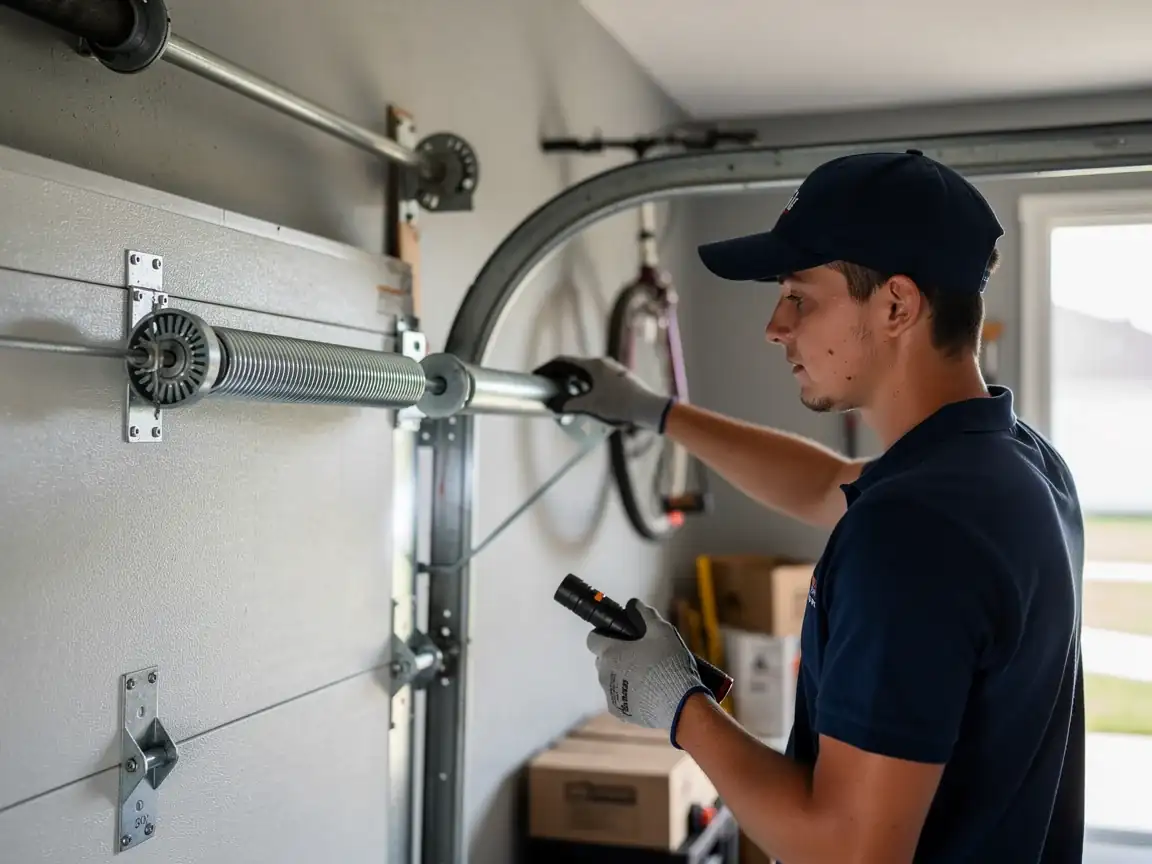
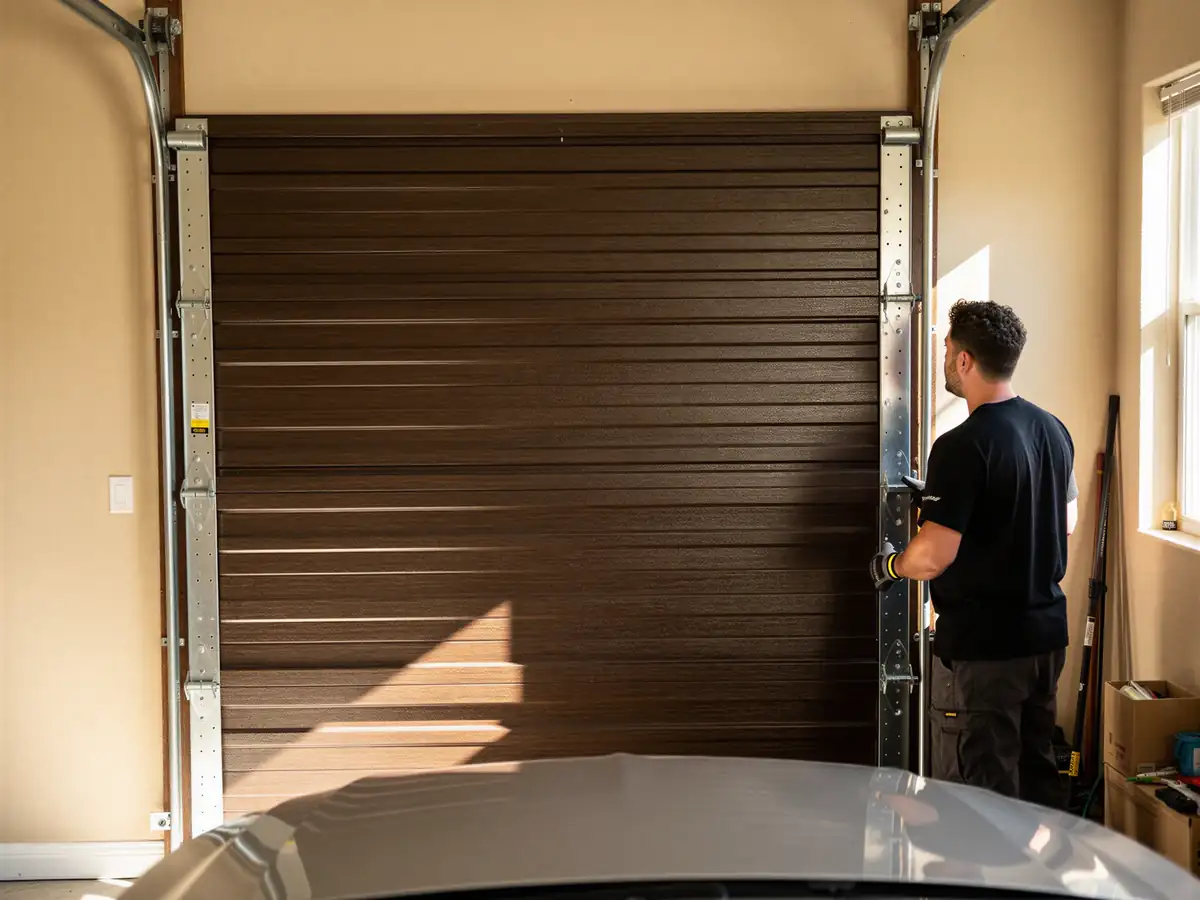
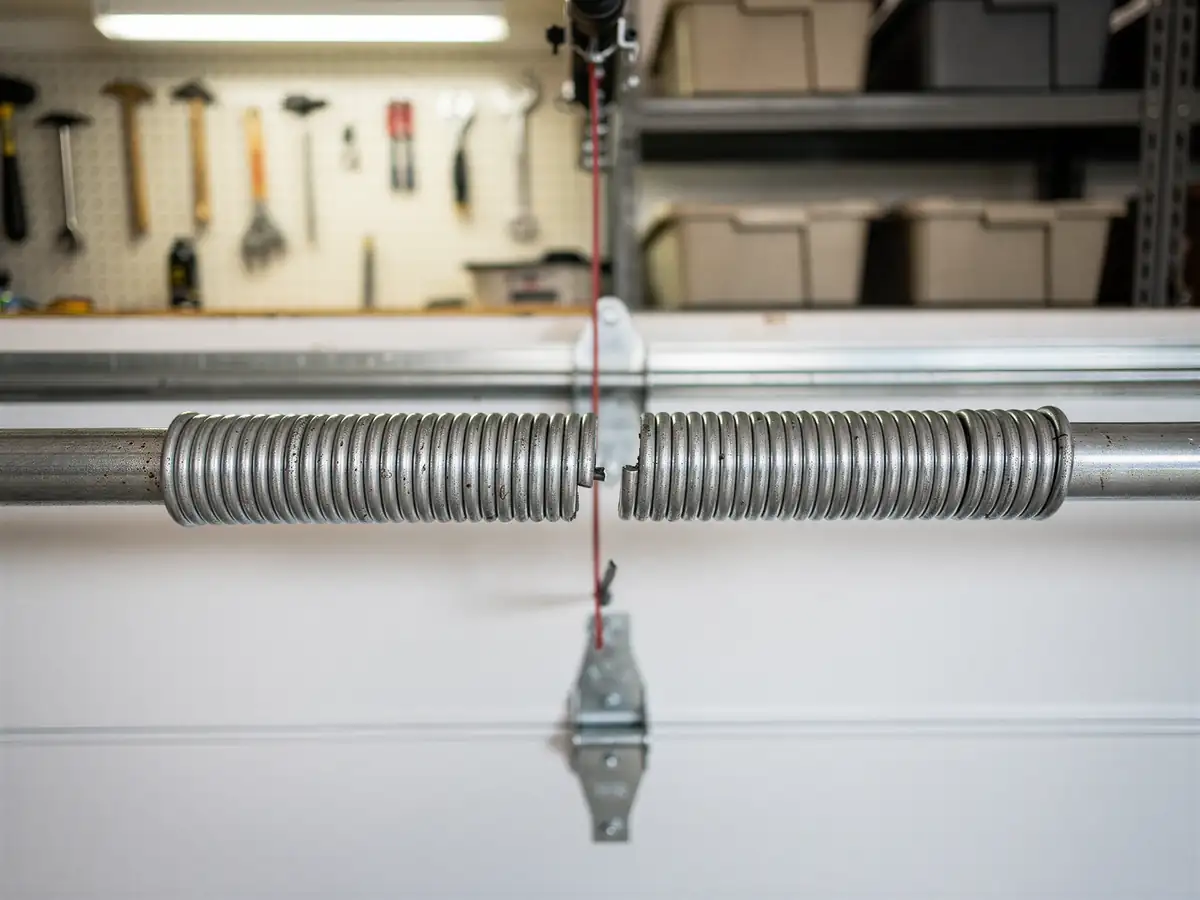
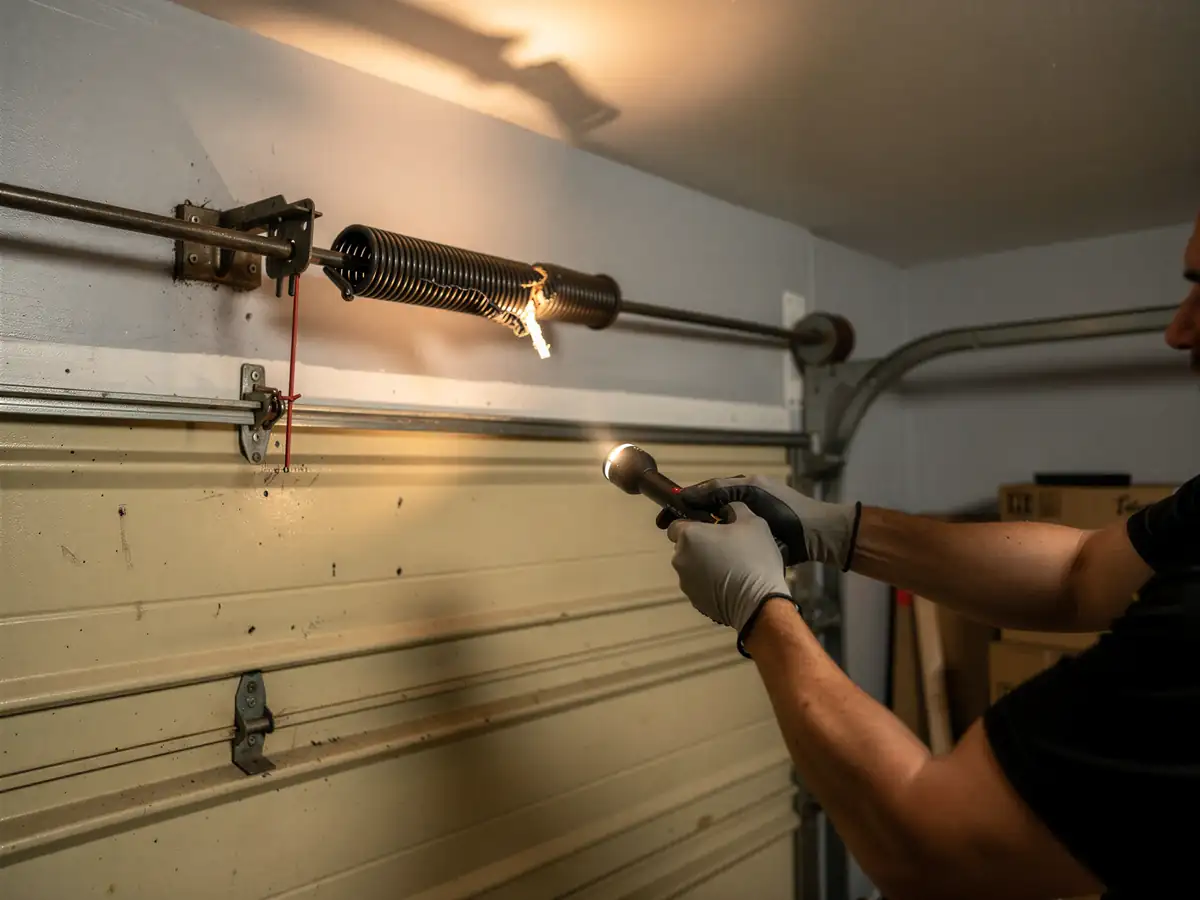
Some of this looks electrical and is really mechanical, and the reverse is just as common. A door that slams down instead of lowering smoothly can read like an opener problem when the real cause is a spring losing tension, putting extra load on a motor that was never sized to lift the door's full weight. Sorting out which one you've actually got - opener fault versus spring fault wearing an opener costume - is most of the diagnostic work on a call like this.
Can You Do This Yourself
Resetting the remote code or reprogramming the keypad is something most owners can do themselves, and the manual usually walks you through it. Checking that the photo-eye sensors near the floor are aligned and not covered in dust is also fair game - a blinking light and a door that won't close is sometimes nothing more than a cobweb across the sensor lens.
Opening the logic board housing, replacing a capacitor, or adjusting travel limits on the circuit board is where we'd tell you to stop. These boards vary by manufacturer and by the production year of the unit, and getting the travel limits wrong on a reassembled board can cause the door to over-travel and jump the track. If the opener is original to a house built in the 80s or 90s, the part numbers on the board may not even be listed anywhere current, which is its own problem - more on that below. Honest limitation: if your opener predates the mid-90s, we may not be able to source an exact replacement board, and the more practical fix at that point is a new opener unit rather than a board repair.
What the Repair Takes
A straightforward opener call
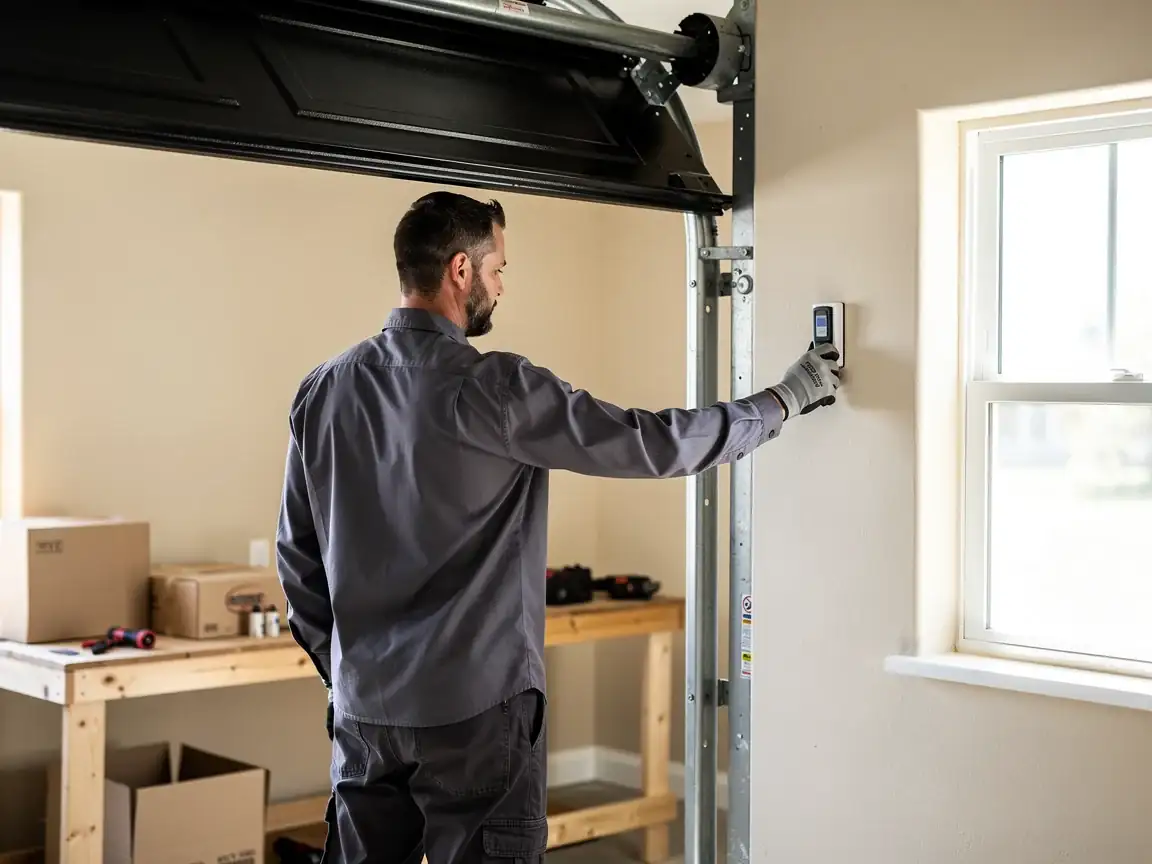
Logic board replacement, limit switch reset, gear swap - usually runs in one visit once we've confirmed the fault isn't actually a spring or cable issue hiding behind it. We bring common logic boards and drive gears for the chain and belt-drive units that match the housing stock built here between 1966 and 2004, since that covers the overwhelming majority of the openers we see on these calls.
Where it takes longer
Openers old enough that the manufacturer has stopped making that exact board. At that point we're not waiting on us, we're waiting on a part that may not exist anymore, and replacement of the whole unit is usually the faster and cheaper path anyway. We'll tell you straight if that's where your unit has landed rather than stringing out a repair that won't hold. For households across this area - and there are 24,043 owner-occupied houses out of roughly 67,263 total here - that's a call worth making before a full opener swap, not after.
- 24,043 owner-occupied