The Problem
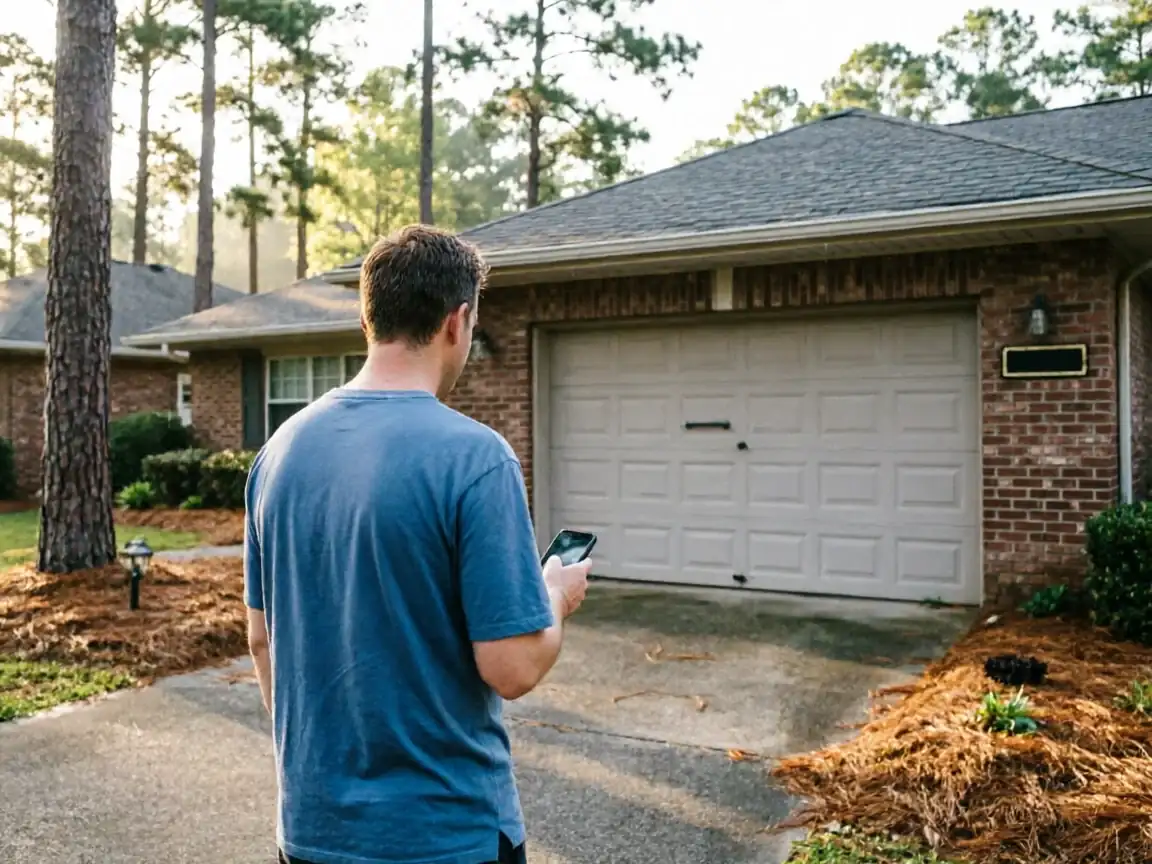
Most of the calls we run in Douglasville trace back to the same thing: the house
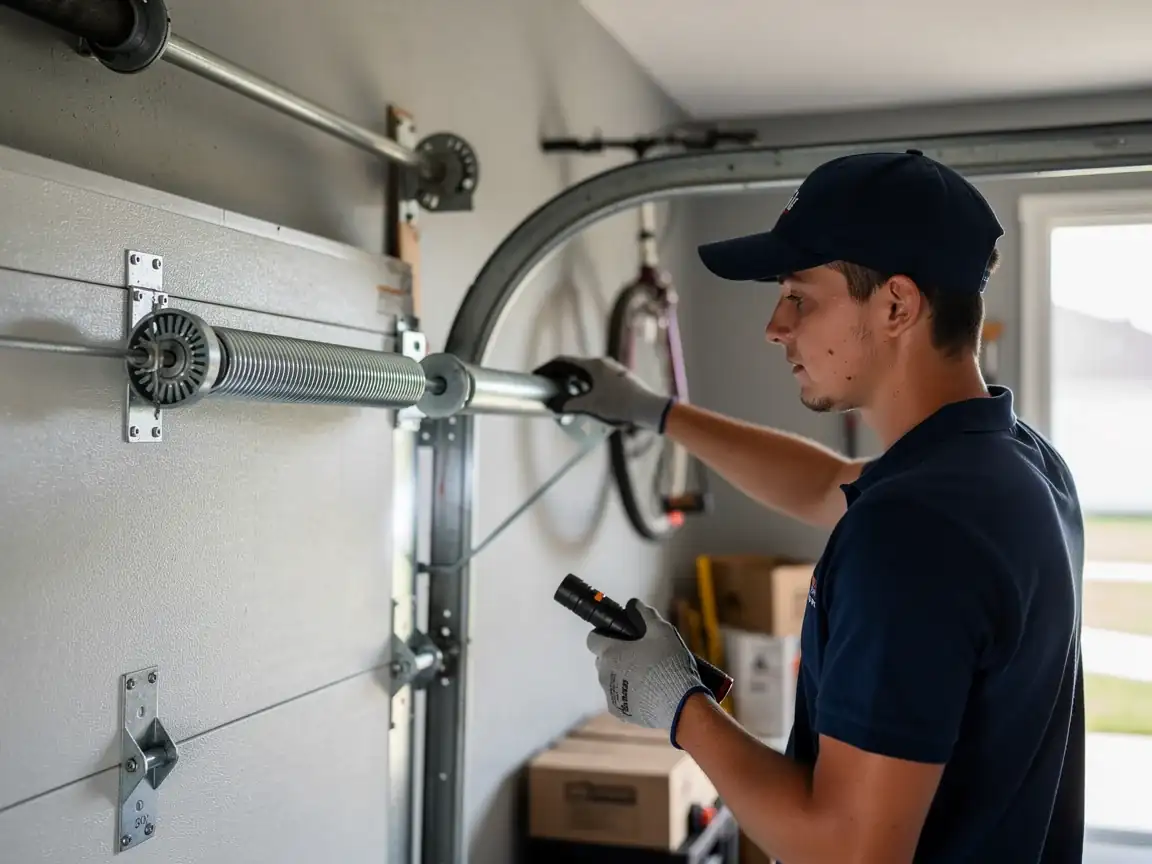
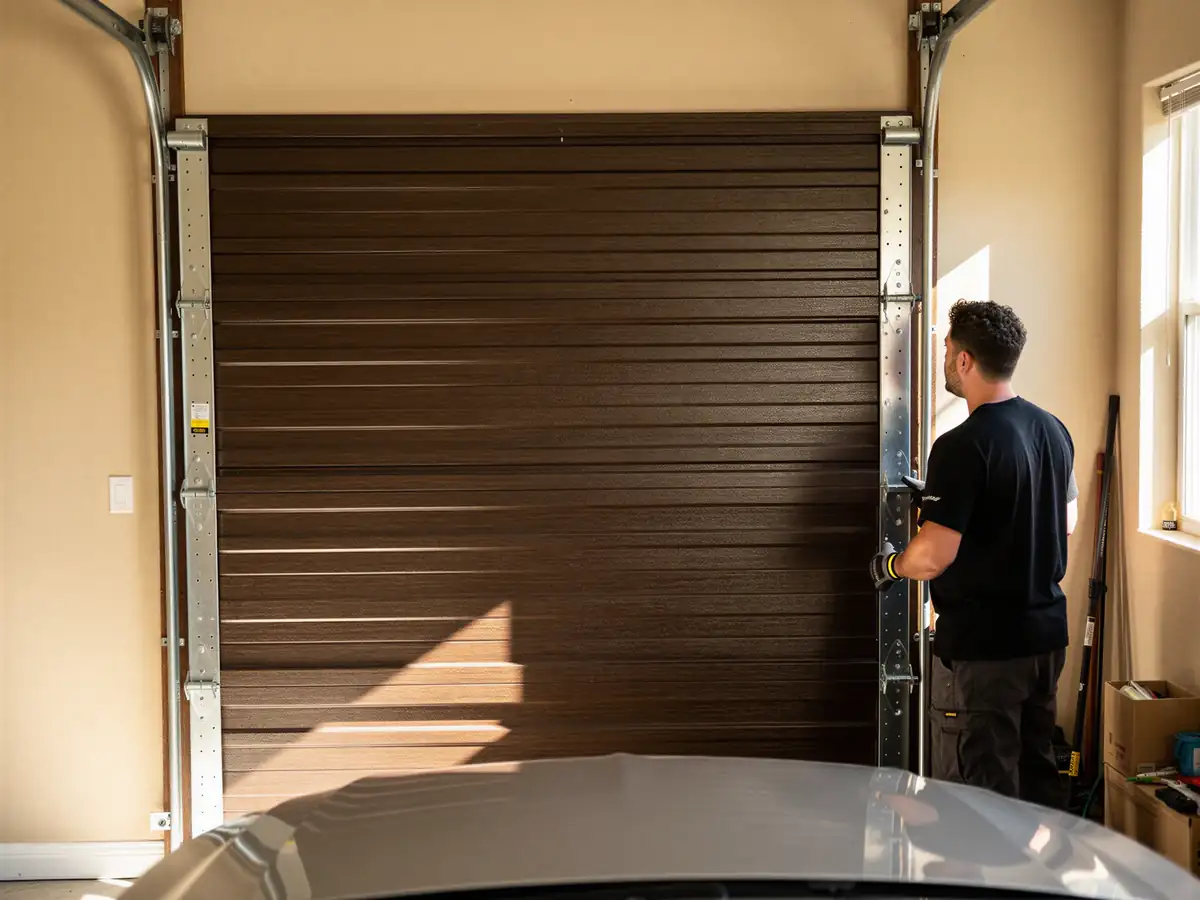
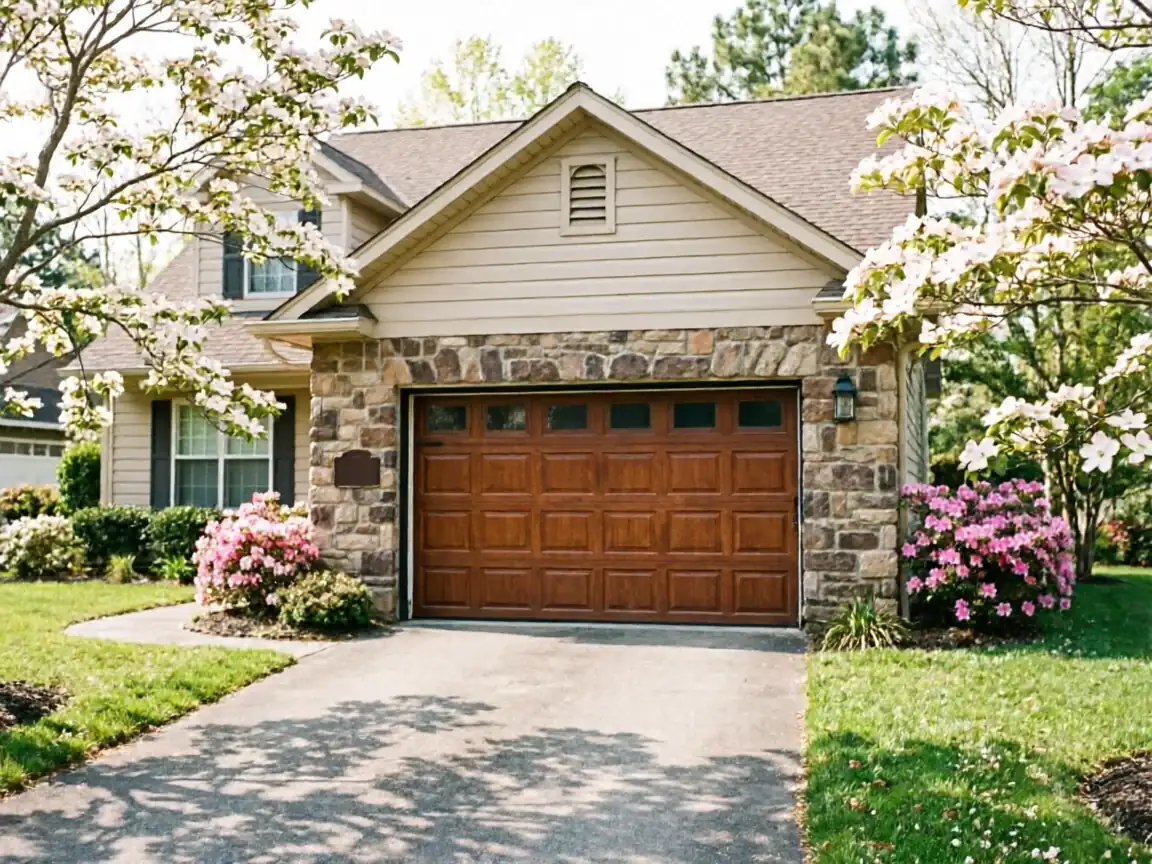
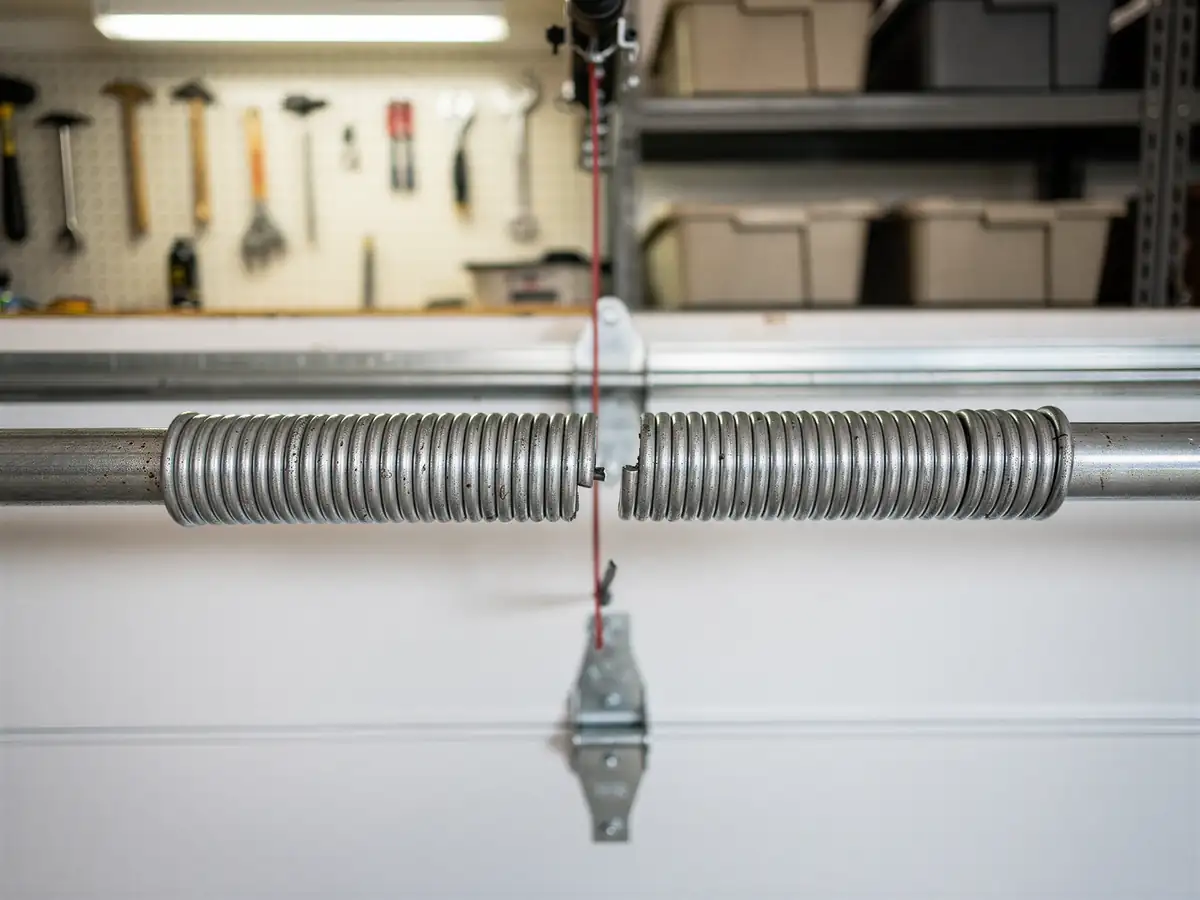
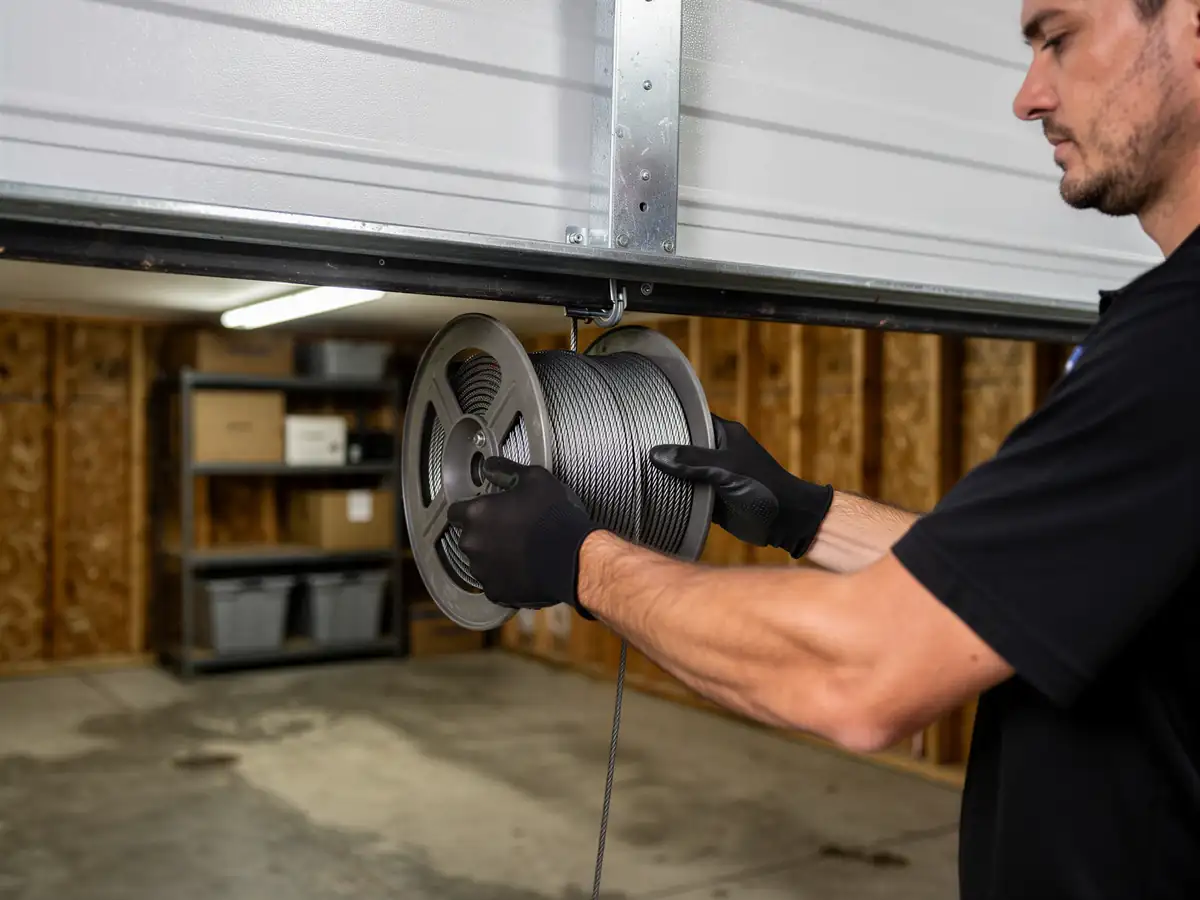
Housing stock in this area was built mostly between 1966 and 2004, with the median landing around 1994, and across the service area's 14 named communities the bulk of that building happened in the 1980s and 90s. That means a lot of original torsion springs, original openers, and original track hardware are still in these garages, just worn down from thirty-plus years of daily cycles. A spring doesn't fail out of nowhere - it fatigues a little every time the door goes up and down, and after a few thousand cycles on a spring from a 1980s build, something gives. The door gets heavy, the opener strains, a cable frays. By the time someone calls us, it's usually not a mystery noise - it's a part that's done the job it was built for and is now past it.
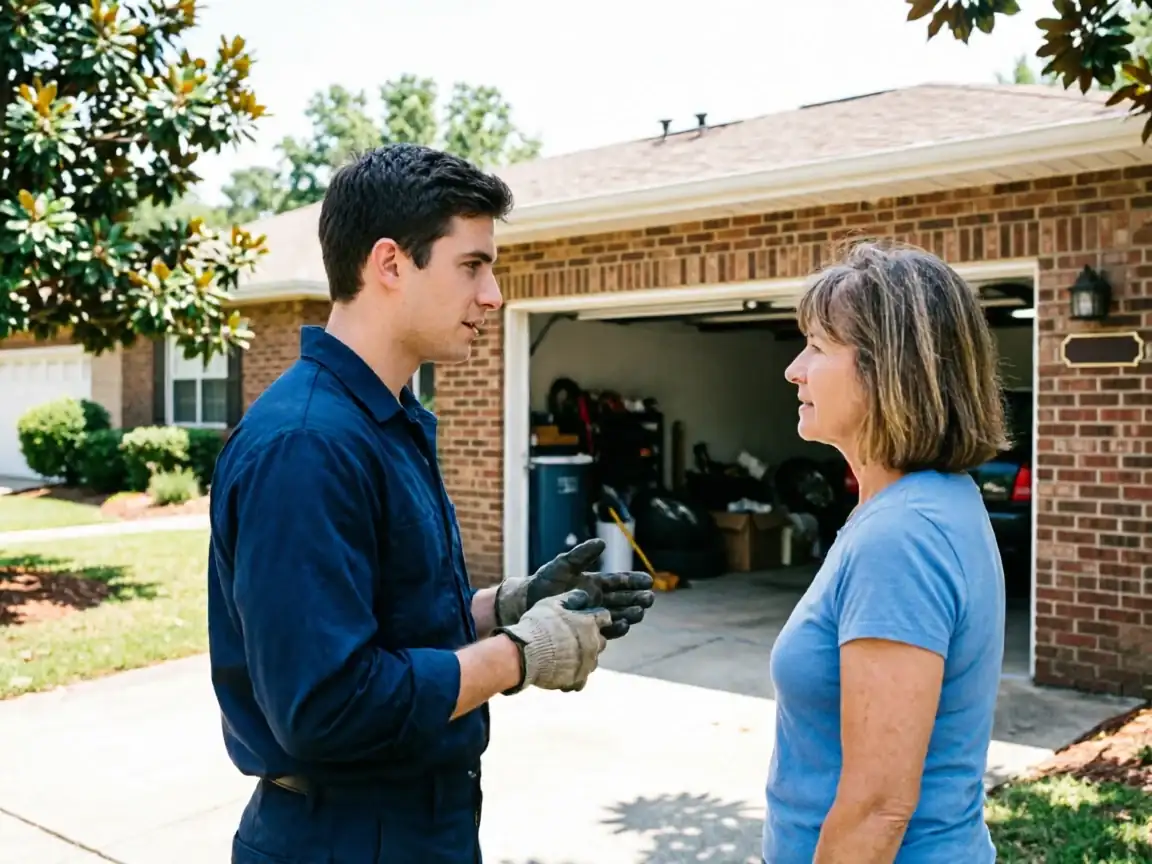
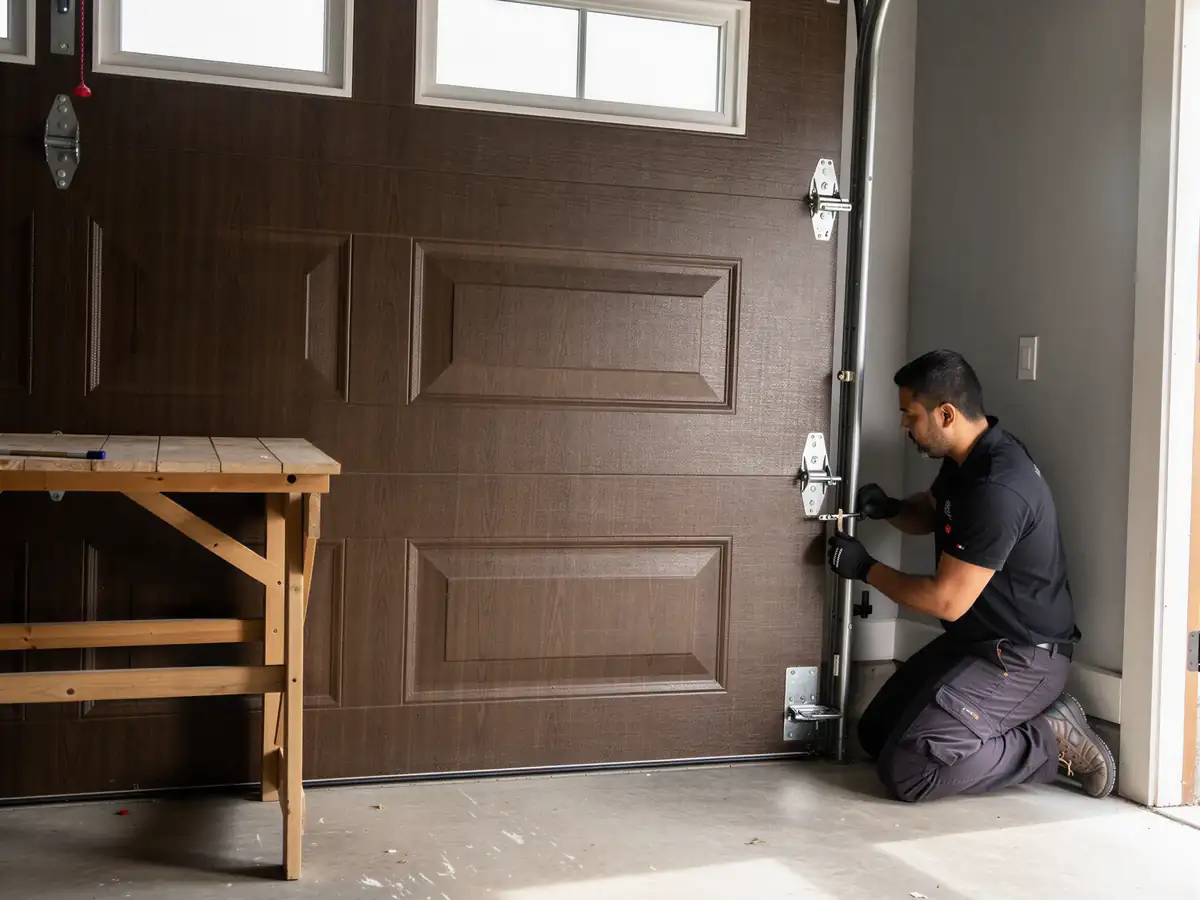
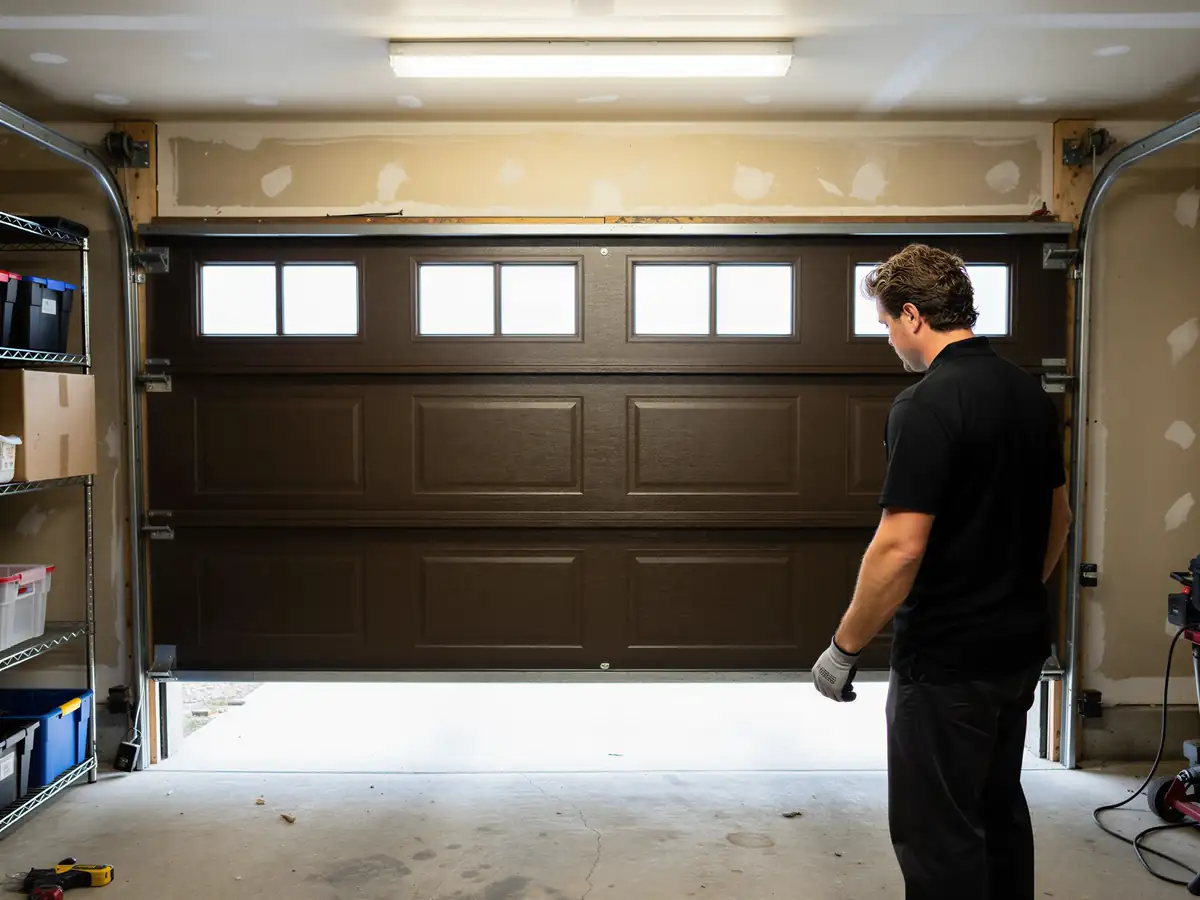
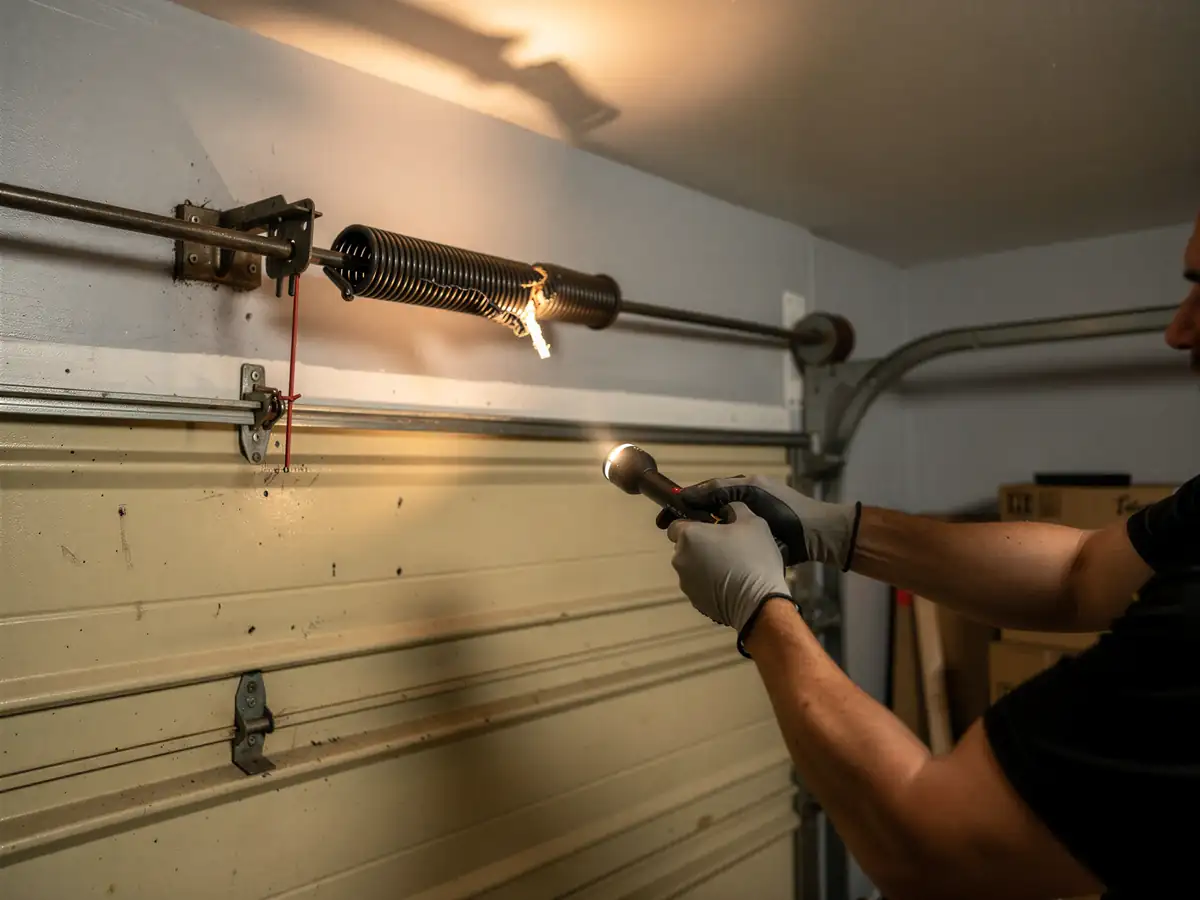
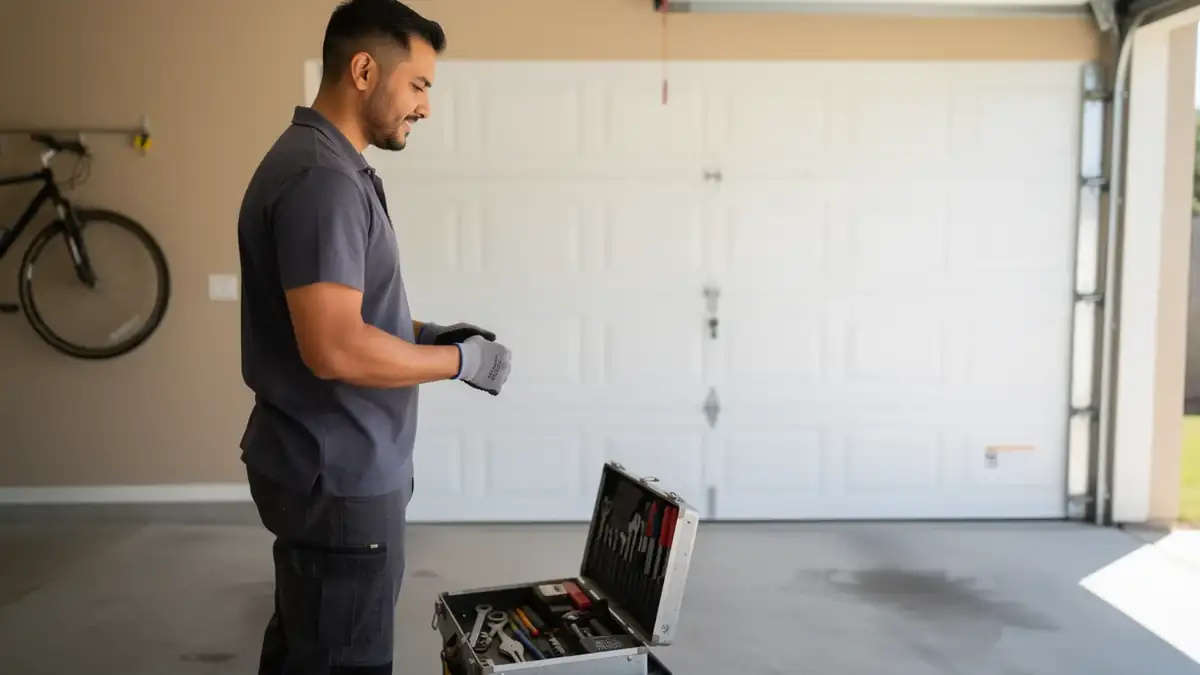
The service call itself starts with figuring out which part failed and why
Not just swapping whatever looks worn. On a house this age, that often means checking whether the spring size still matches the door weight, since doors get heavier over the decades with added insulation or hardware upgrades that the original spring was never sized for.
How Local Conditions Play In
This area sits in a moderate cold climate band - not the deep freeze you'd get further north, but cold enough in winter that it changes how a garage door behaves. Grease in rollers and hinges stiffens up, metal in tracks and springs contracts slightly, and a door that ran smooth in August can start binding or grinding in January. That's not damage exactly, it's physics, but it does mean a door that's already got worn rollers or a slightly misaligned track will show its problems sooner once the temperature drops.
For a house built in the 80s or 90s, this matters because the original hardware wasn't always built with today's weatherstripping or insulation standards in mind. On a service call, we're checking whether the door is sealing against cold air at the bottom and sides, not just whether it opens and closes. A door that opens fine but lets a draft through isn't really doing its job in a moderate-cold climate, even if nothing is technically broken yet.
When It Stops Being a DIY Job
Changing a broken roller or tightening a loose bracket is reasonable weekend work. A torsion spring under load is not - the spring is wound tight enough to cause real injury if it lets go while you're working on it, and on a door from the 1966-2004 era, you're also dealing with hardware that may not match anything on a hardware store shelf anymore. If the spring size, the drum, or the mounting bracket is a discontinued style, you need someone who can identify it correctly before ordering a replacement, not guess and hope.
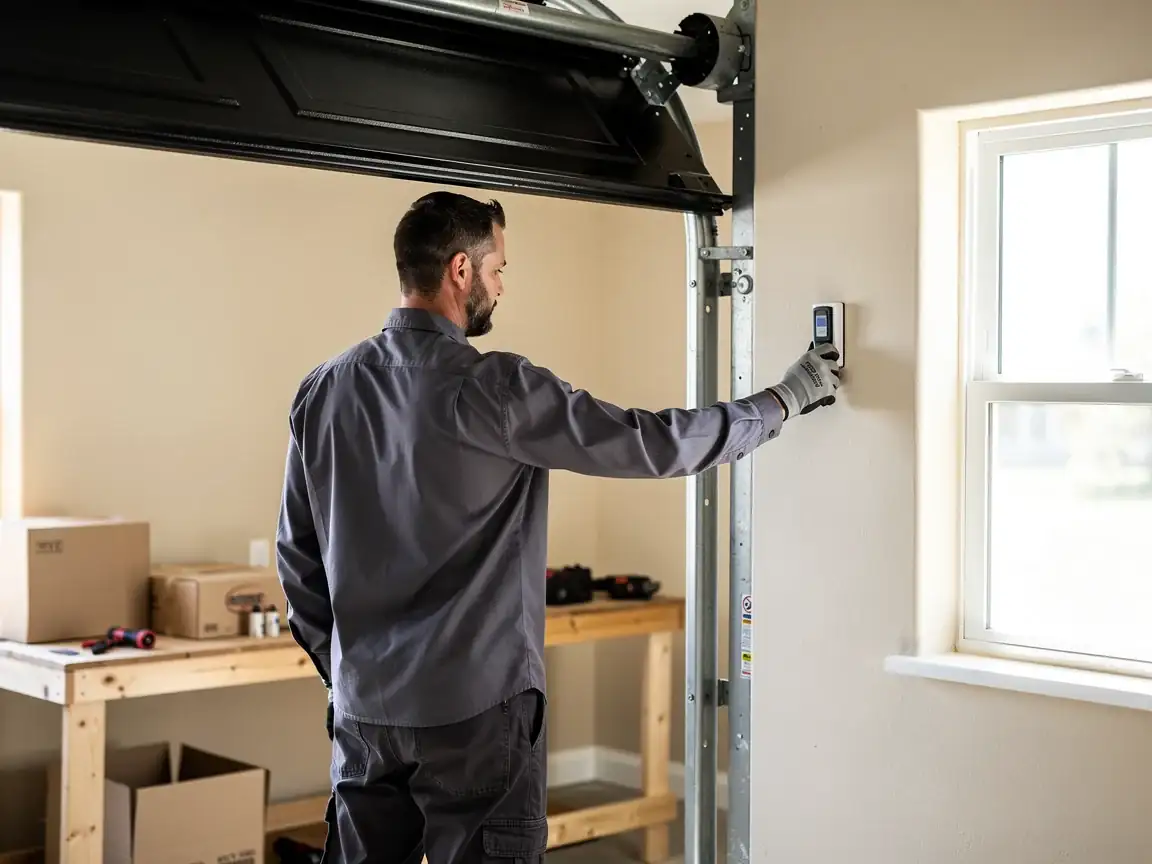
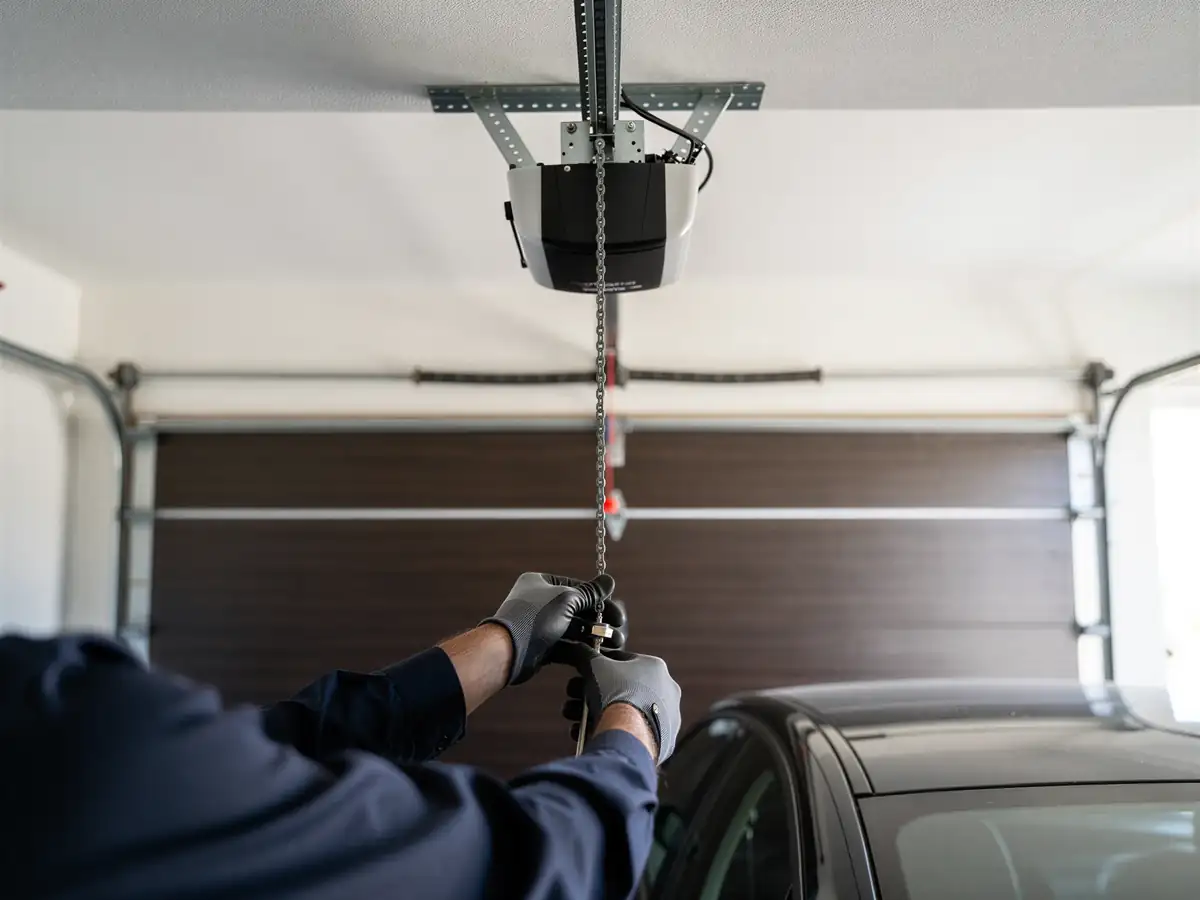
The other line is the opener. Swapping a dead opener for a new one is straightforward. Diagnosing why an opener keeps reversing, or why it works some days and not others, usually means testing the travel limits, the force settings, and the safety sensors together - and getting that wrong can leave you with a door that doesn't stop when it should. If you're not sure which side of that line you're on, that's a fair reason to call rather than keep going.
What You Pay
We don't have a price list to hand you here
Because what a job costs depends on what's actually wrong - a roller swap and a full spring-and-cable job aren't in the same category, and we're not going to pretend otherwise. What we can tell you is what drives the cost on a house like yours: age of the door and opener, whether the part is a common size or something older that takes a day or two to source, and whether one thing broke or whether it dragged a second part down with it, which happens more often on doors original to a 1980s or 90s build.
Median household income across this area runs around $73,889
And most of the calls we see reflect that - people want the door fixed right, not replaced on a whim, so we quote the repair first and only talk replacement when the repair genuinely doesn't make sense anymore, usually when the door itself is original to the house and the frame or panels are failing along with the hardware.