Stocked Parts
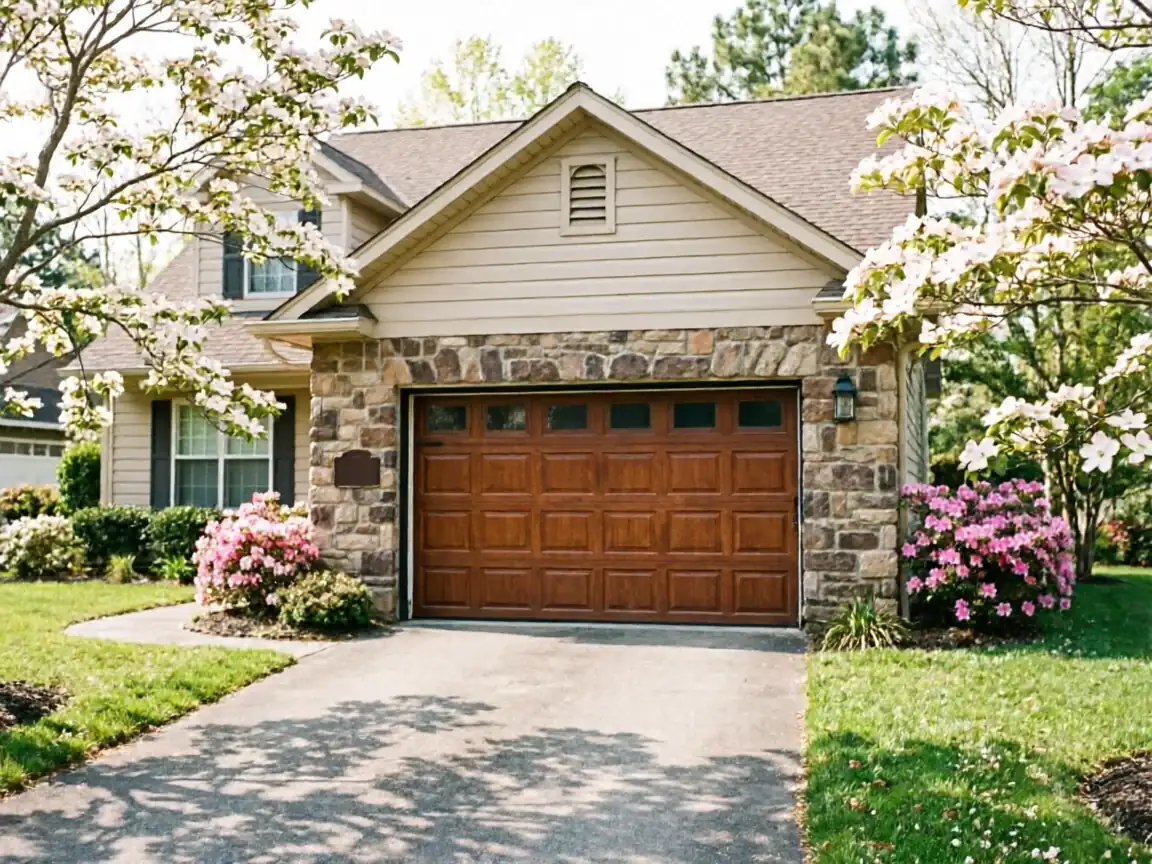
Villa Rica is a smaller piece of the territory we cover
6,077 households against the 67,263 spread across the wider area. That smaller number doesn't mean less work, it means a tighter band of what breaks, because most of the housing here went up around the same stretch of years rather than across six decades like some of the older suburbs.
- 6,077 households
Because the median build year in Villa Rica sits at 2003
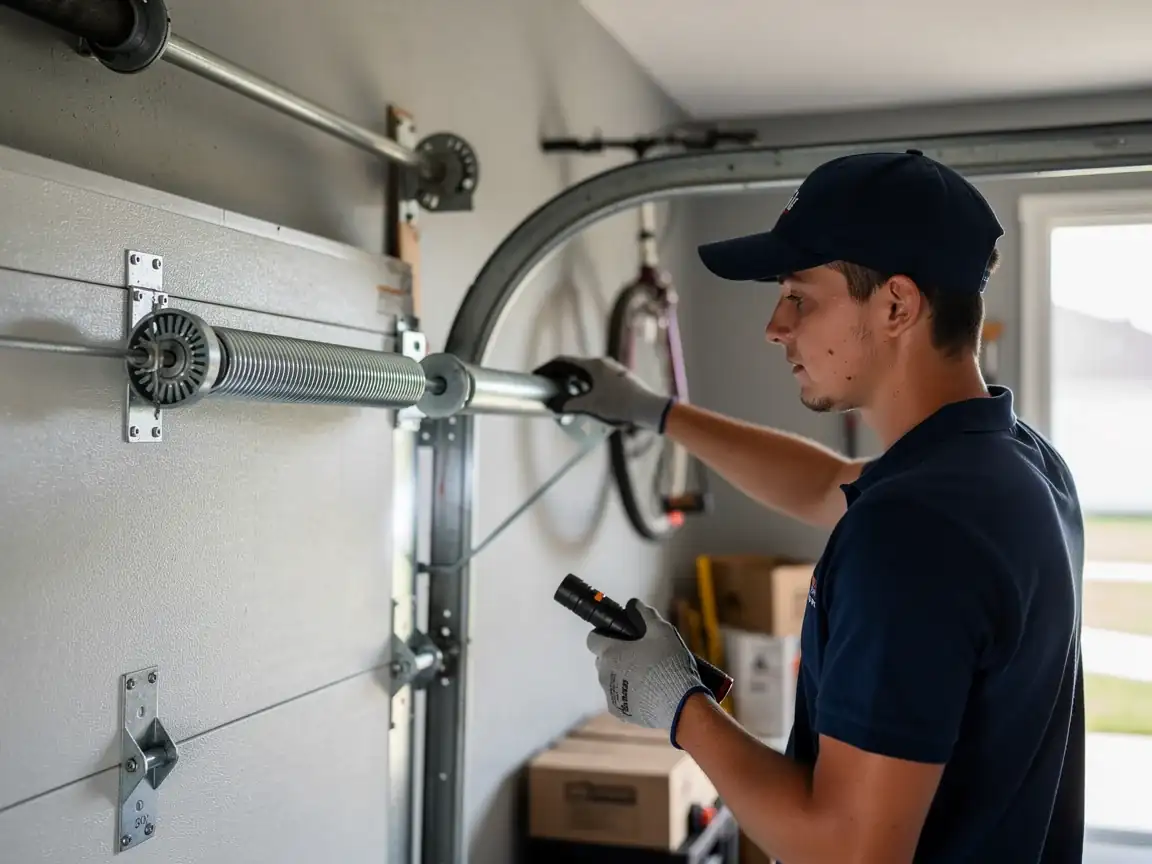
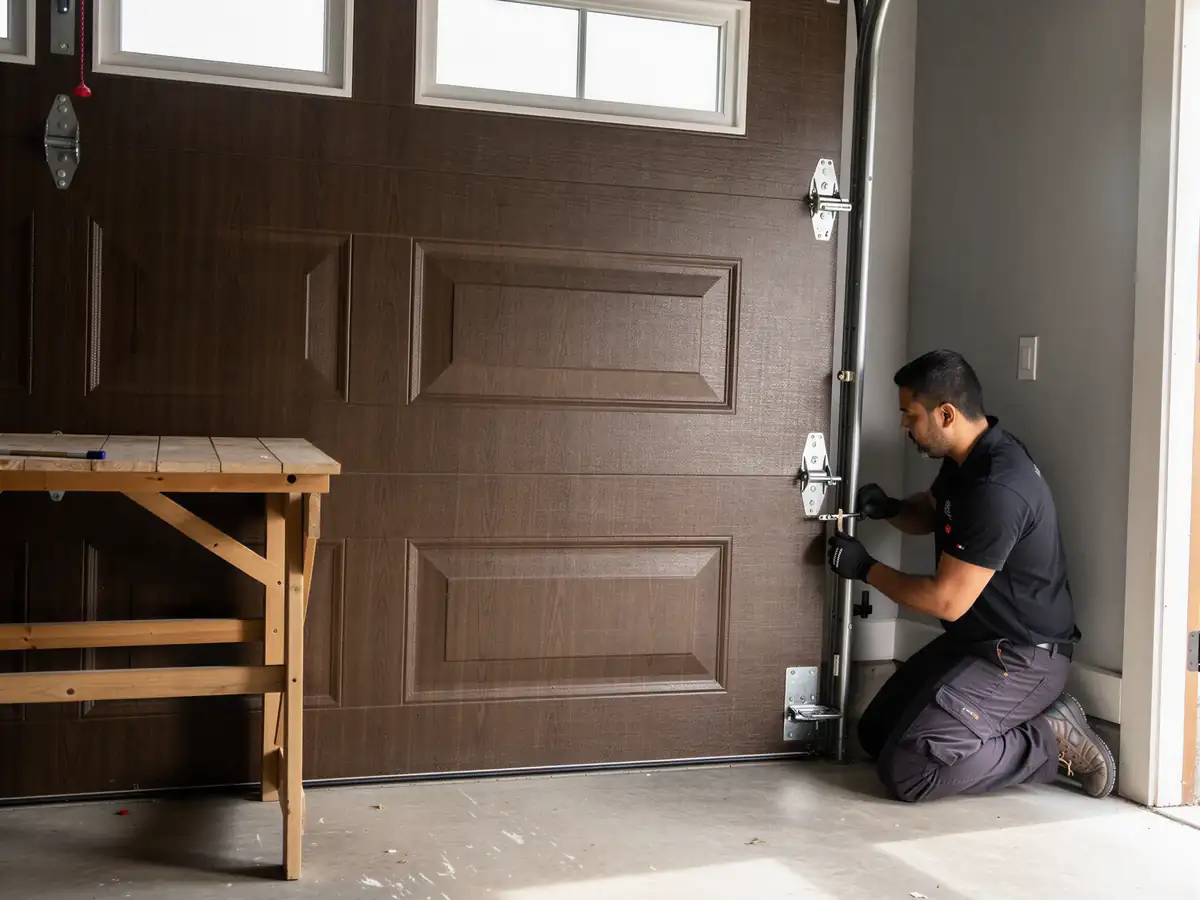
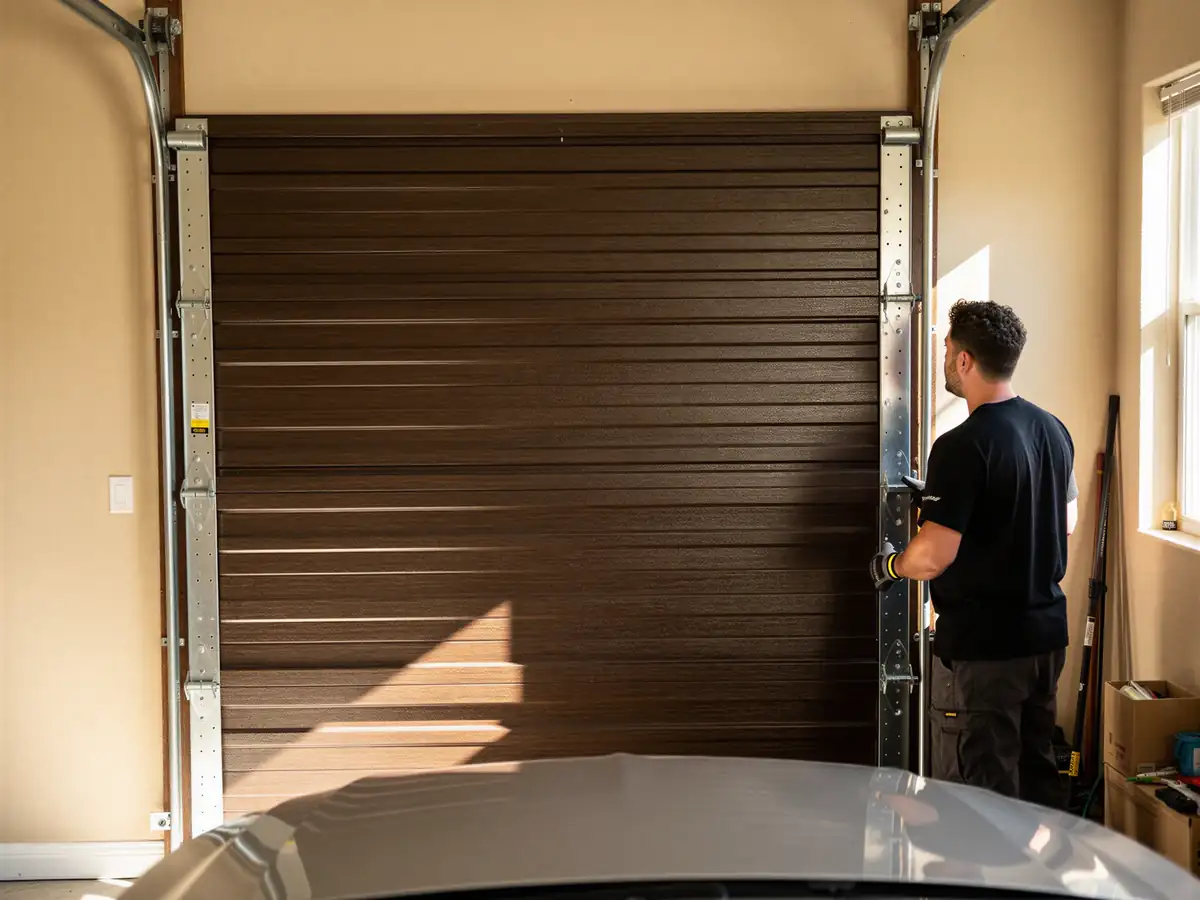
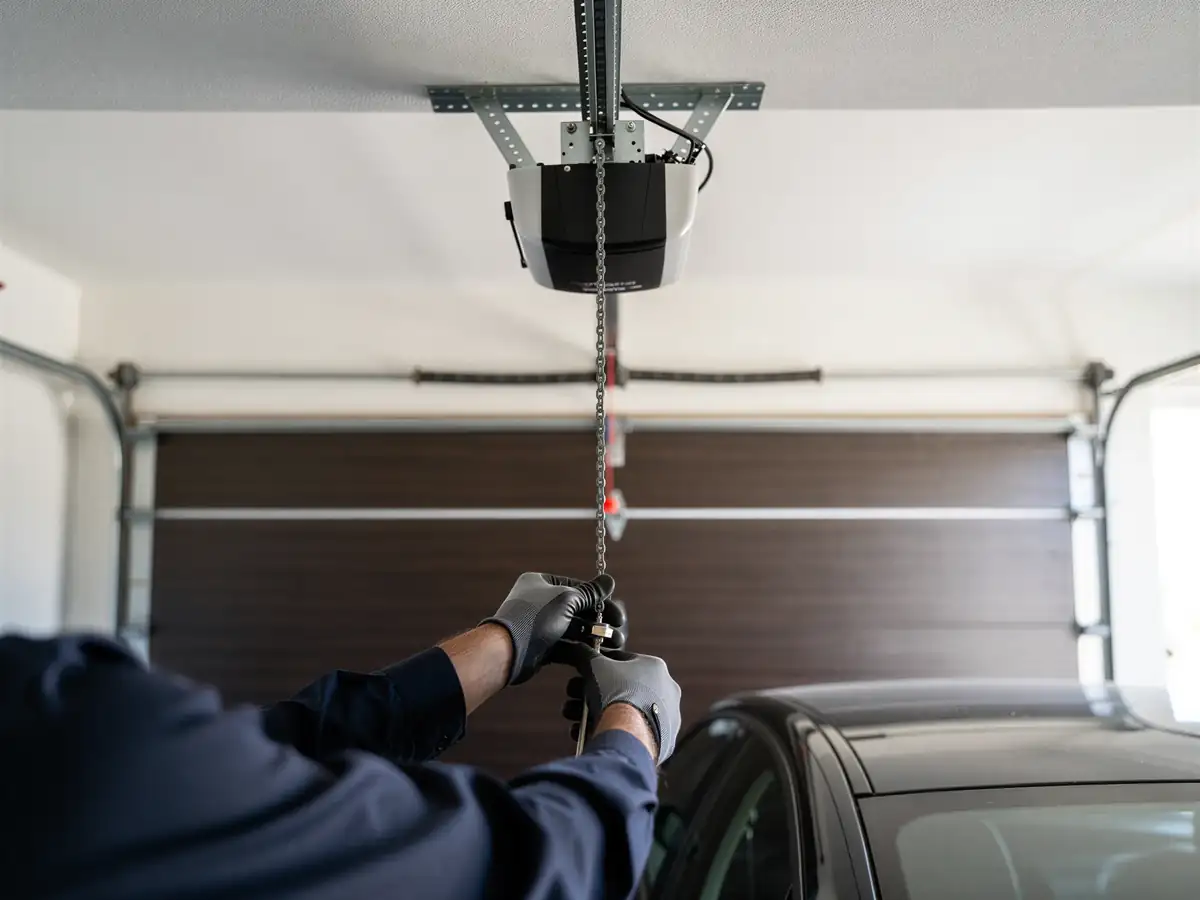
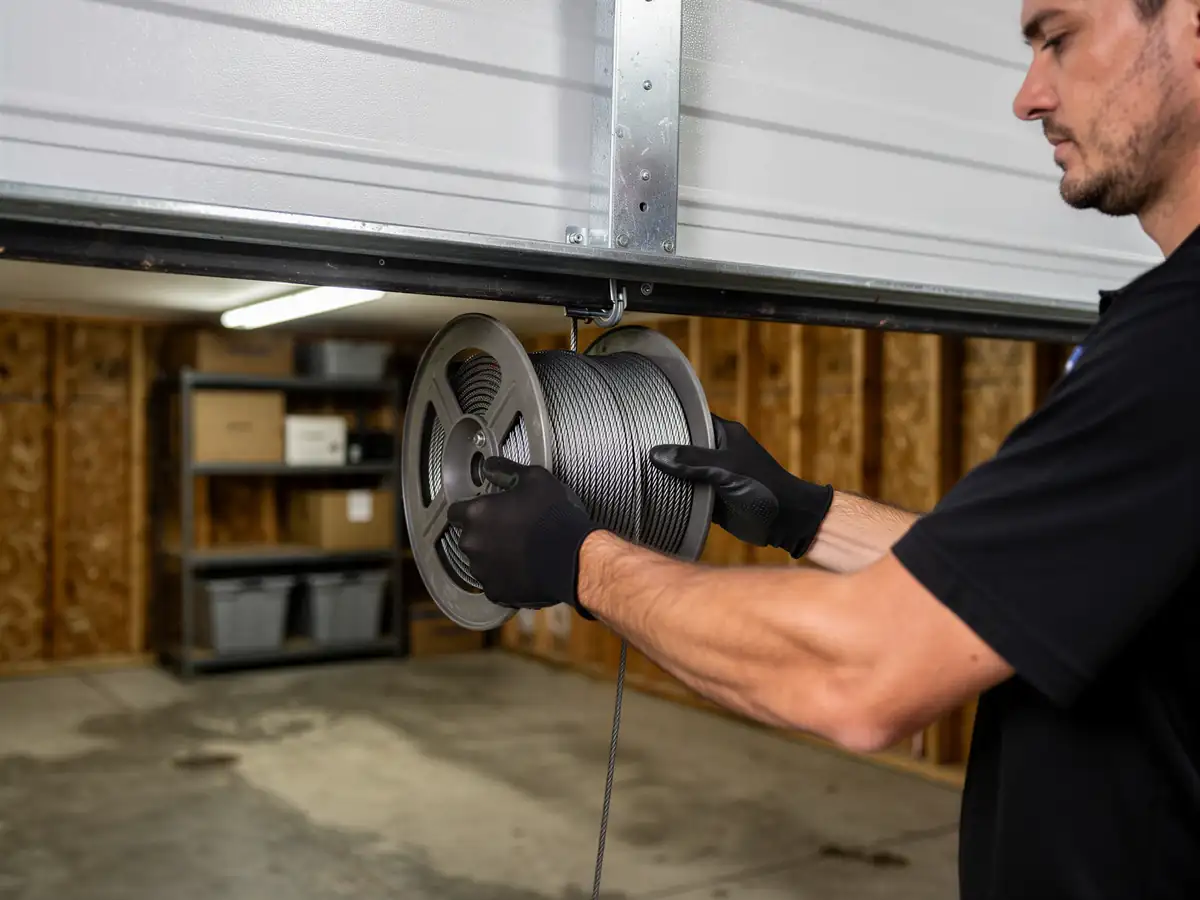
A full decade newer than the 1994 median for the broader area - the truck carries torsion springs sized for the 7-foot sectional doors that were standard in production builds of that era, along with the steel rollers and nylon-bushed hinges that shipped on them. We also carry opener logic boards and safety-sensor kits compatible with the early-2000s photo-eye systems, since that's the generation of opener hitting failure age in houses built around then.
What we don't carry on the truck
Decorative panel inserts or window units matching discontinued 2000s-era profiles. Those get special-ordered, and that's a lead-time conversation up front, not a surprise at the end of the job.
Why This Fails Locally
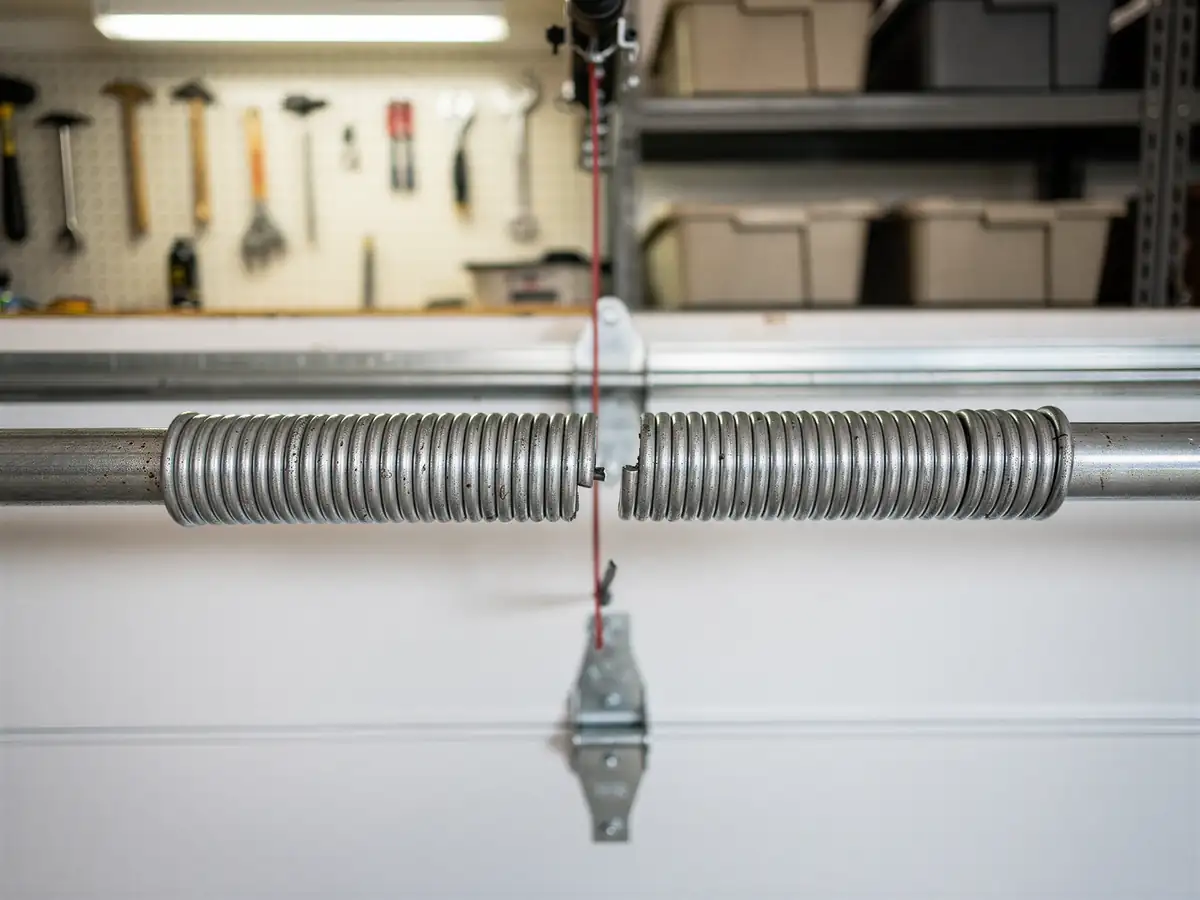
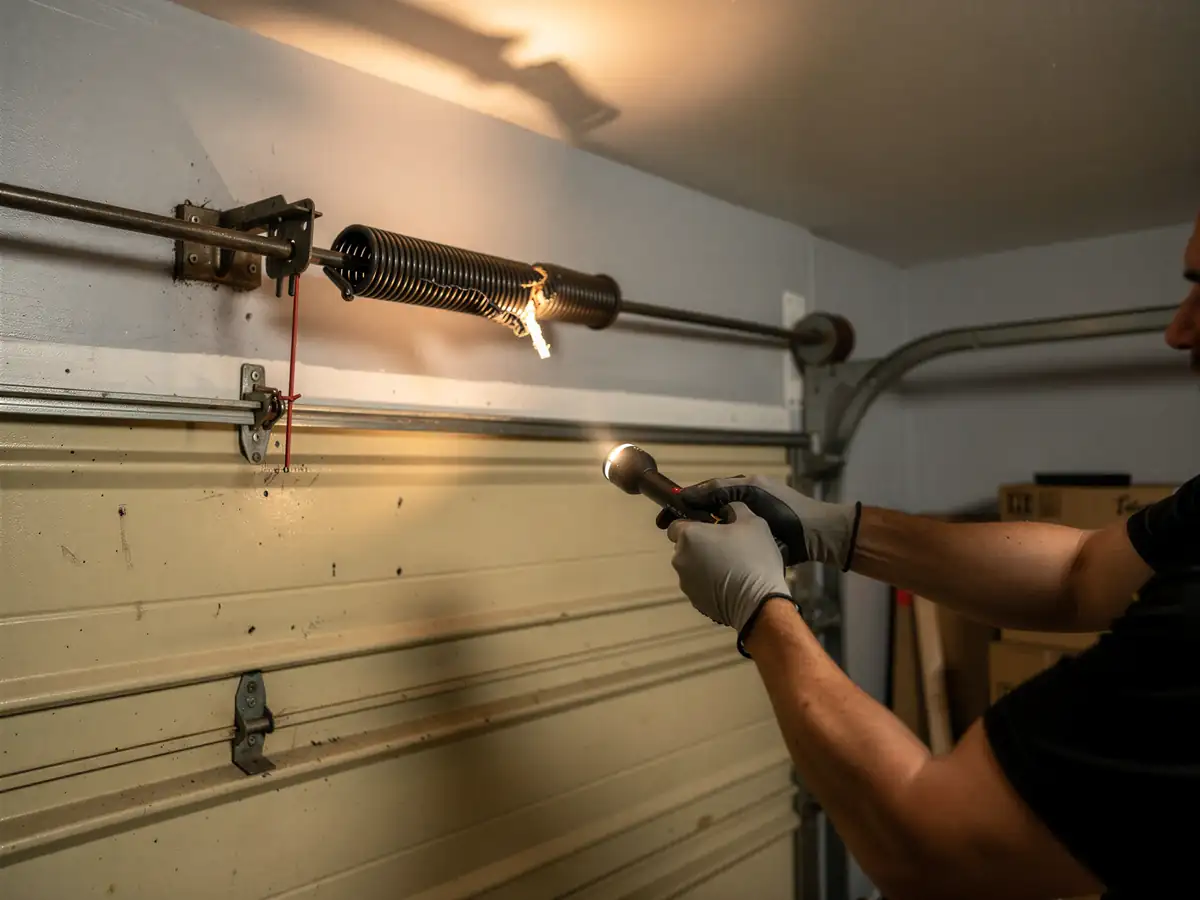
A door installed when a house was built in 2003 is now into its second decade of daily cycles, and the parts that fail first are predictable. Torsion springs from that generation are rated for a set number of cycles - typically 10,000 - and a lot of Villa Rica doors are past that mark now, which shows up as a door that won't lift, or lifts and then drops.
The climate here is cold-moderate, not brutal, but moisture and temperature swing still matter to galvanized spring coating and to the grease in nylon rollers from that production era, which thins out and lets the roller bind in the track.
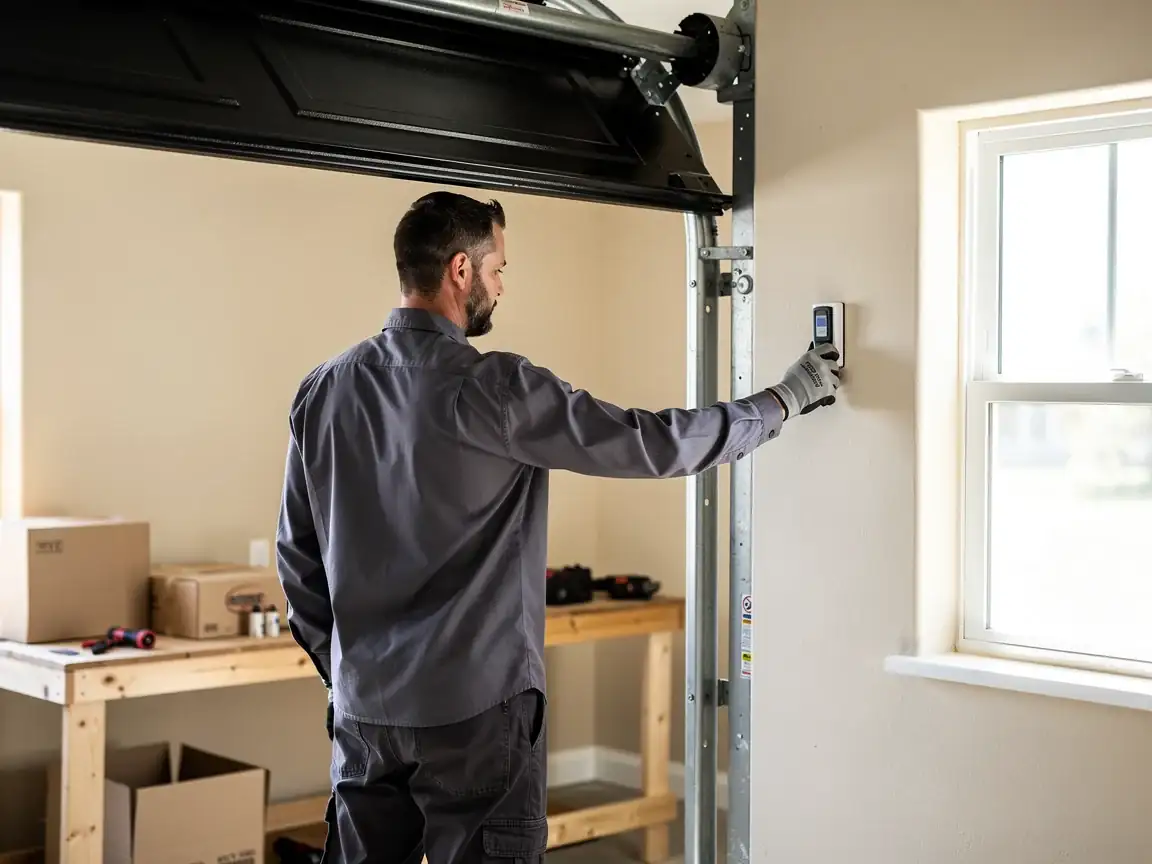
Openers bought around 2003 are also at the point where the circuit board capacitors degrade - you'll see a motor that hums but doesn't move the door, or a remote that works intermittently. That's an opener problem, not a door problem, and it's common enough in houses of that vintage that it's usually the first thing we check before touching springs or cables.
Where This Job Goes Sideways
The most common misdiagnosis on a 2003-era door is treating a bad opener like a bad spring, or the reverse. If the door is heavy to lift by hand with the opener disconnected, that's spring tension, full stop - no opener fix changes that. If the door lifts fine by hand but the opener won't run it, that's the opener or the sensors, and replacing springs does nothing.
Another place it goes wrong: safety sensor alignment on doors from this build era drifts over the years as the slab settles slightly or the bracket gets bumped by a car bumper or a stored bike. The opener reads that as an obstruction and refuses to close, and homeowners sometimes assume the whole unit is dying when it's a sensor a quarter-inch out of line.
The honest limitation here: if the track itself is bent from an impact, straightening it rarely holds for long on steel this age. We'll tell you when replacement beats a patch rather than billing you twice for the same symptom to come back.
How Long It Takes
Spring replacement on a standard torsion setup from a 2003-era build runs about the same regardless of town
It's a bolted, known system. What changes job to job is whether the cable drums or bearing plates have also worn past spec, which is common once a door's past its original spring-cycle rating, and that adds time on site.
Opener swaps take longer when the mounting bracket or rail length doesn't match current stock
Which happens more often with houses built in the early 2000s than newer ones, since bracket spacing and header clearance varied more before manufacturers standardized.
We don't quote a fixed arrival window here since this is a job Douglasville dispatches out to
Not a branch location - the drive out is about 12 miles, and scheduling depends on what's already on the truck for the parts your door needs. We'll confirm that when we look at the door, not before.
- 12 miles
What the Repair Takes
For a broken torsion spring on a door from this build era: matching spring wire size and wind direction to the original, checking the drums and shaft for wear from the extra strain a snapped spring puts on them, and lubricating or replacing rollers while the door is already disassembled, since labor is the expensive part and parts are cheap by comparison.
For an opener from around 2003: diagnosing whether it's the board, the sensors, or the drive gear before replacing anything, since a full opener swap costs more than a sensor realignment and we'd rather confirm which one you actually need.
Household income in this part of the coverage area runs higher than the broader territory - $86,052 median here against $73,889 across the wider area - and that shows up less in what jobs cost and more in what gets asked for: insulated panel upgrades and quieter belt-drive opener swaps come up more often here than bare-minimum repairs.
What You Are Seeing
A door that's heavy and slow, or that one person can't lift by hand anymore, is a spring losing tension - common once a door built around 2003 is past its original cycle count. A door that slams the last foot of travel instead of settling is the same problem from the other direction.
An opener that hums without moving the door, or a remote that only works standing right under it, points to a failing circuit board or a dying capacitor - typical for openers original to houses from this build window, since those boards weren't built to run two decades.
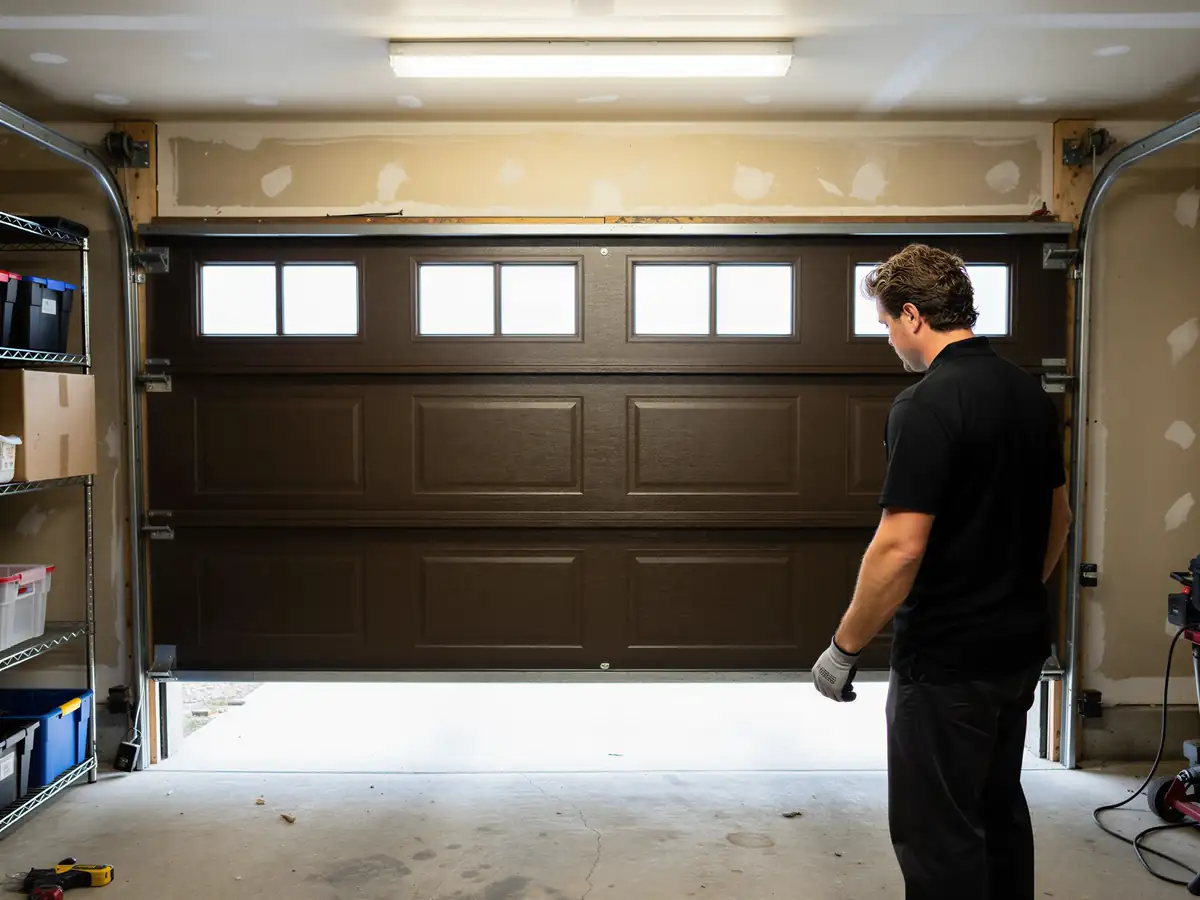
A door that stops a few inches from the floor and reverses is almost always a sensor out of alignment, not a safety fault with the opener itself. And grinding or popping on the way up usually means a roller from the original build has worn its bearing out - a cheap fix if caught before it takes the track with it.