Why This Fails Locally
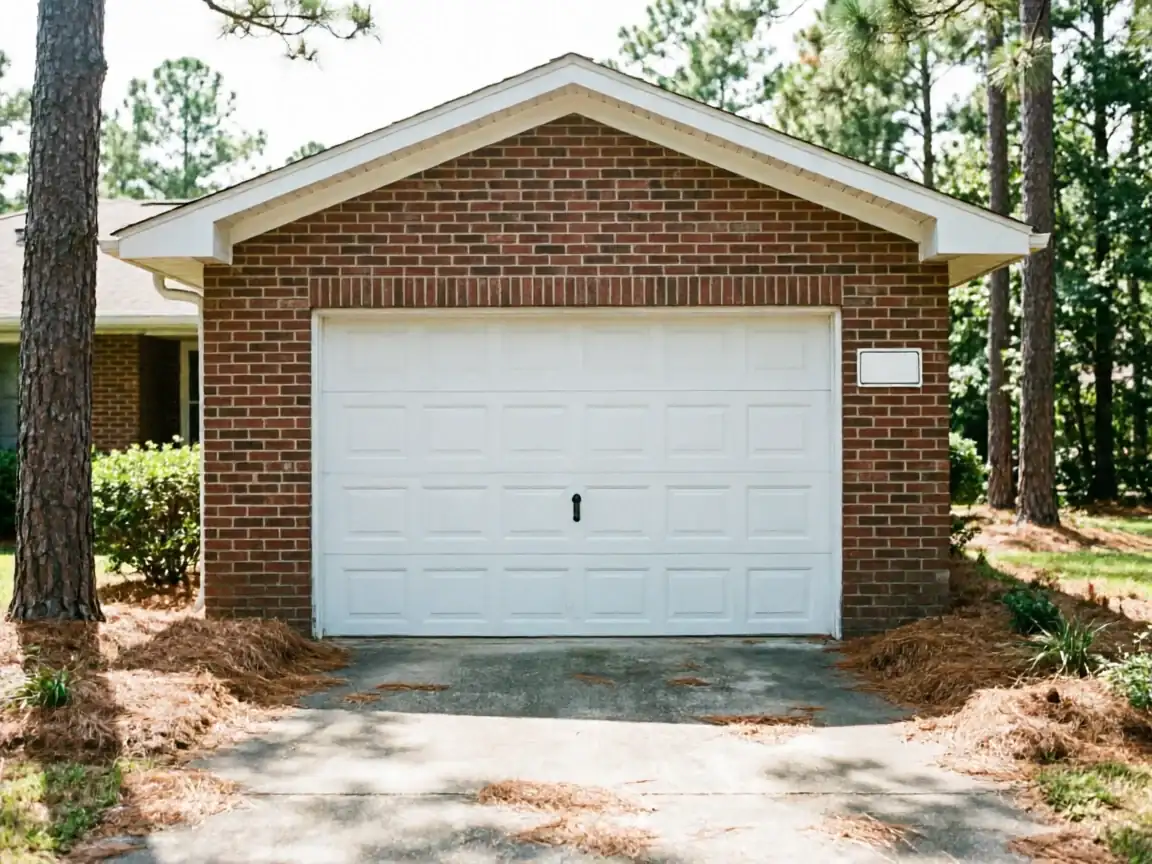
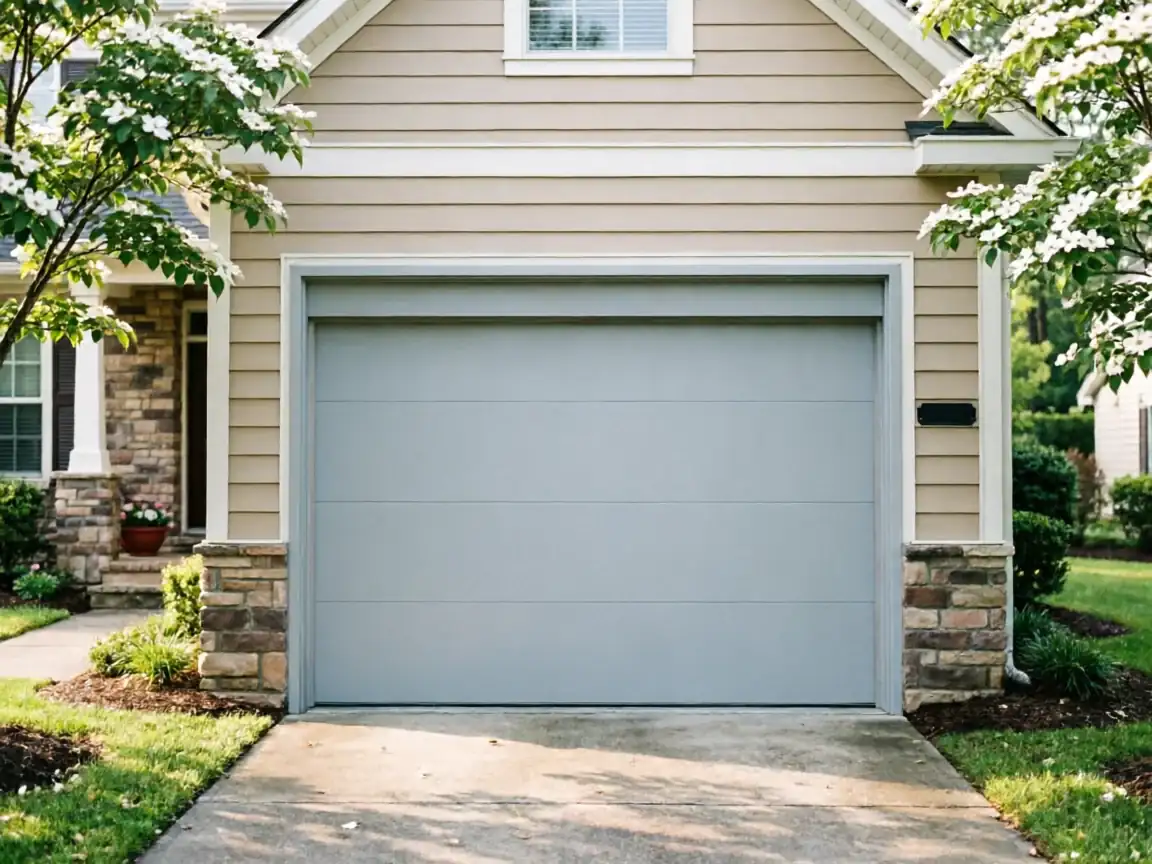
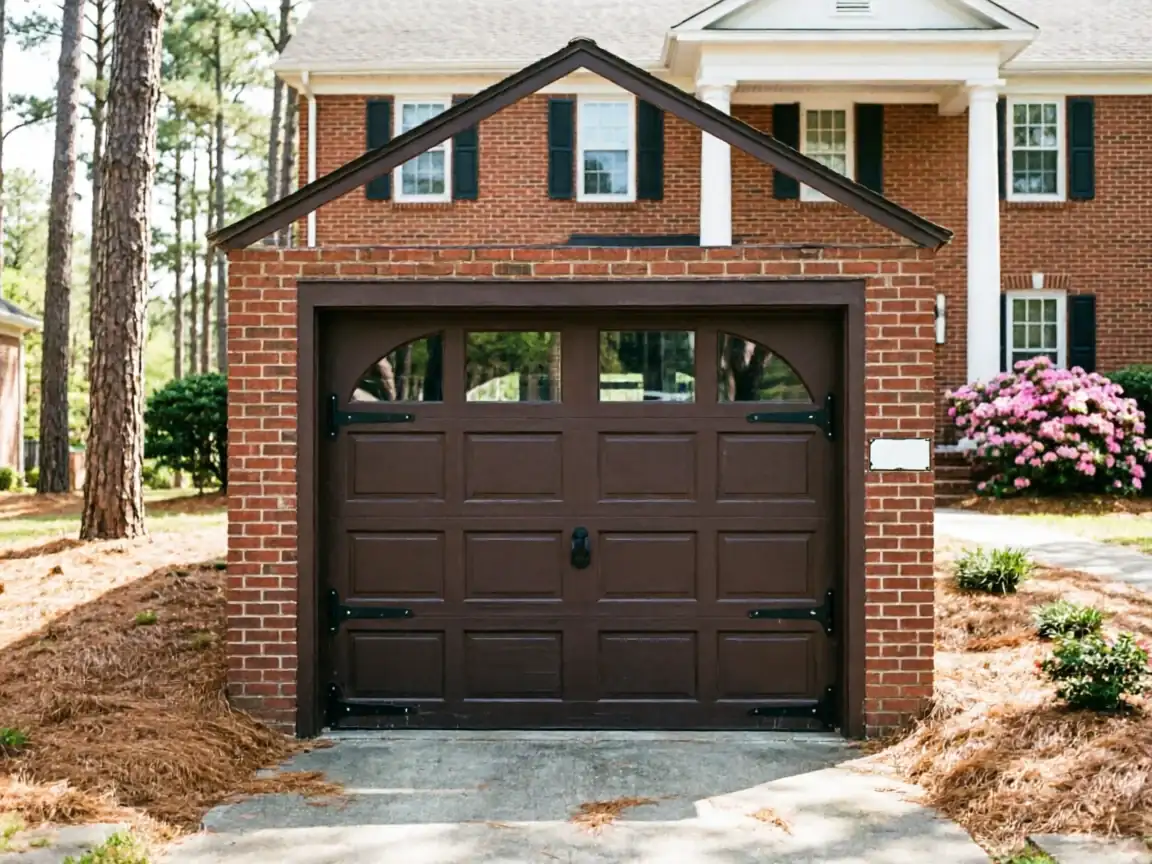
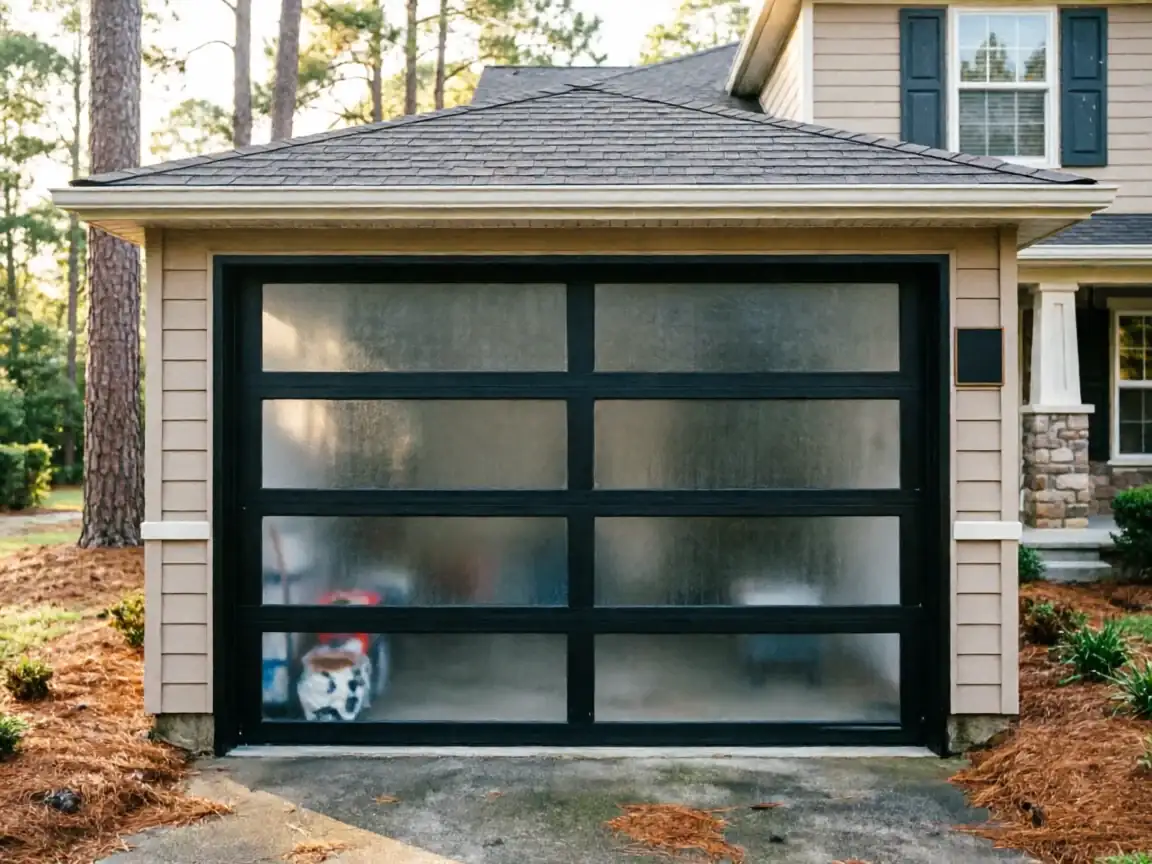
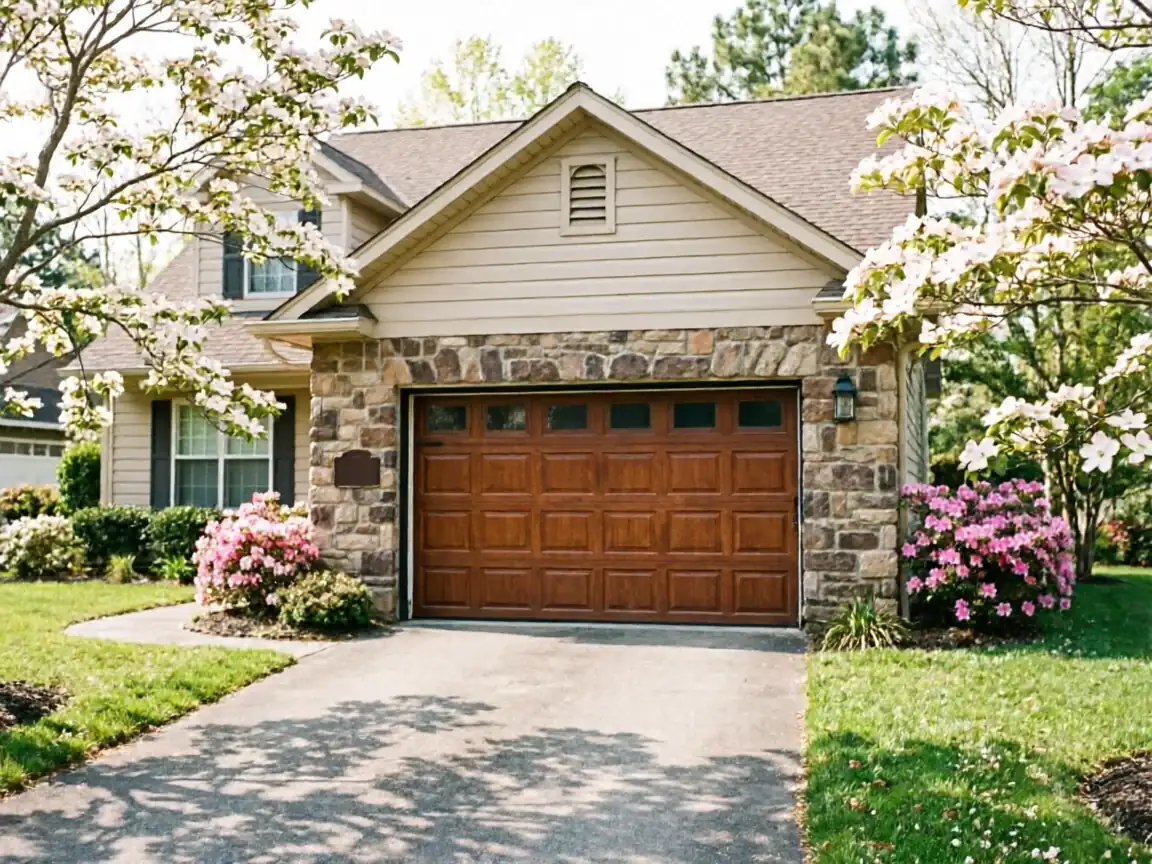
Most houses across this service area went up between 1966 and 2004
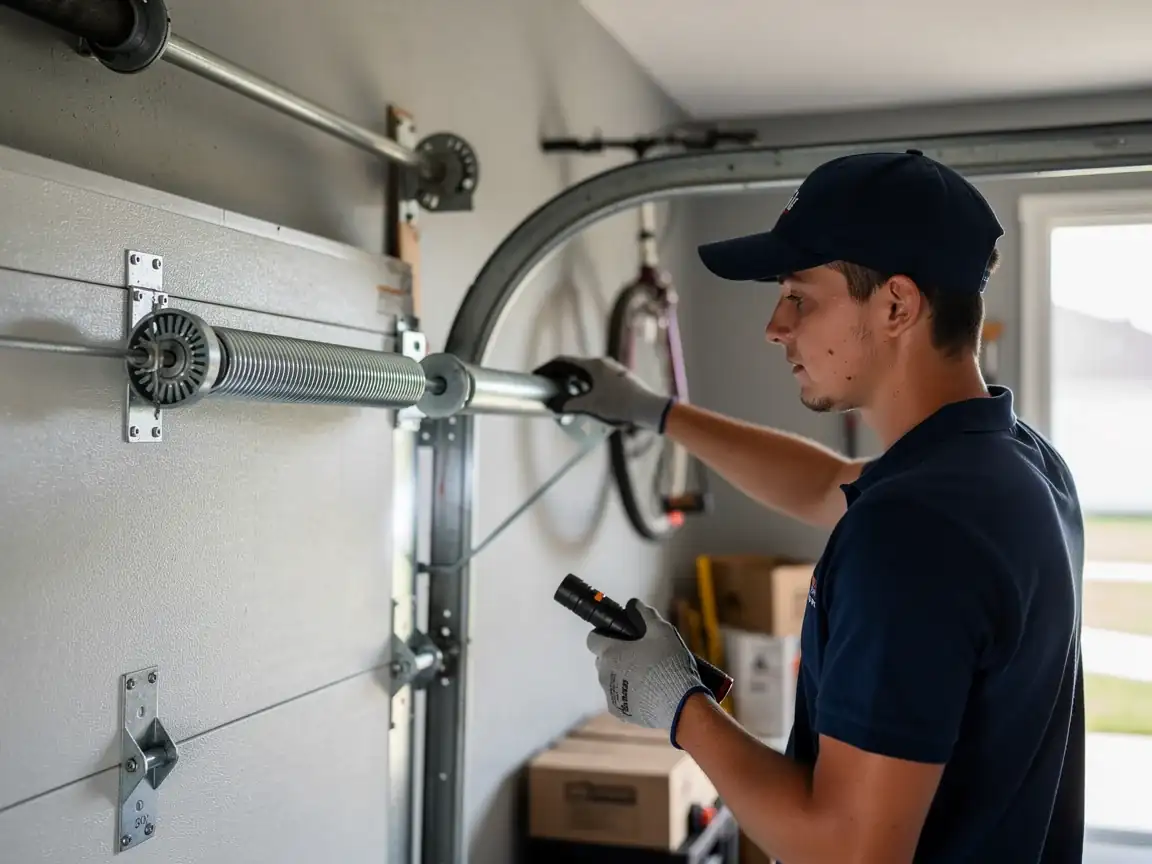
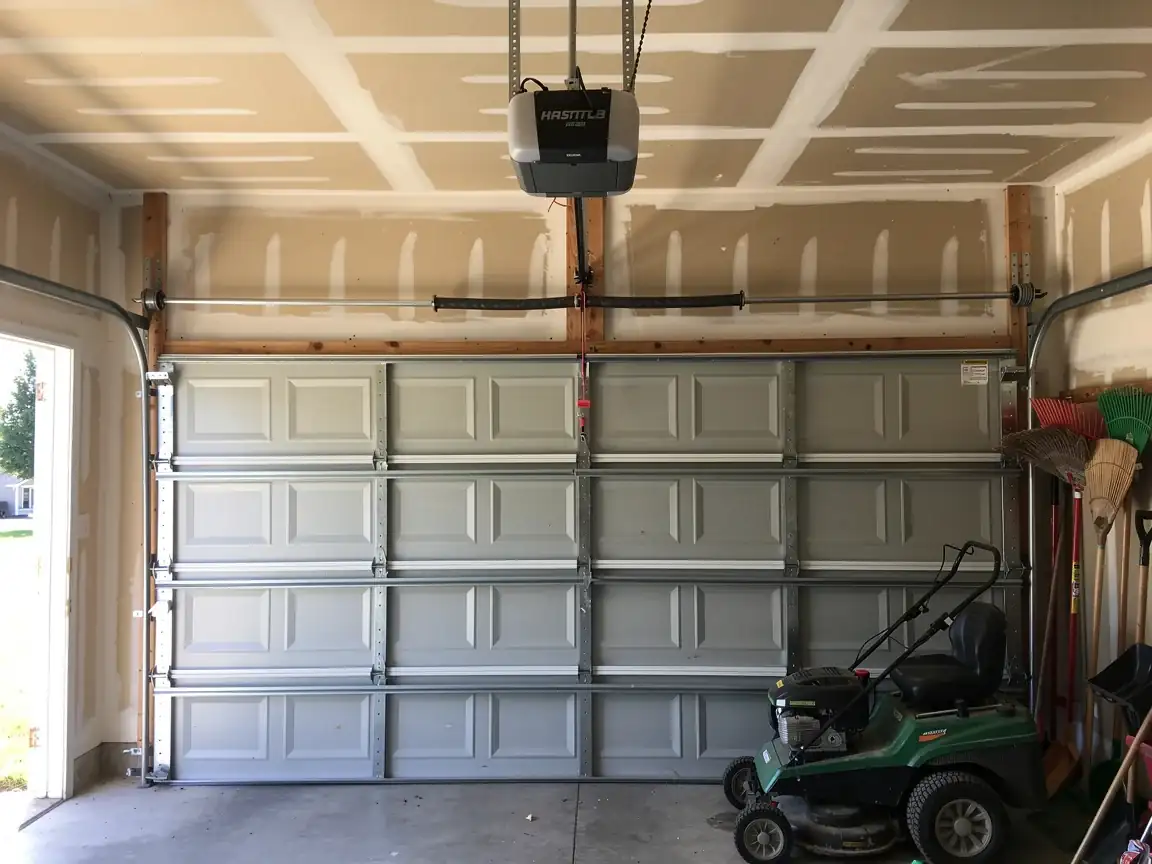
With the bulk of the stock dating to the 1980s and 90s. That matters for emergency calls because those decades mark a shift in garage door hardware - a lot of homes still carry their second or even original torsion spring setup, and those springs are rated for a cycle count that's long since expired on a 30-to-40-year-old door. A spring doesn't wear out evenly. It snaps, usually without warning, often on the coldest morning of the year or the hottest afternoon, because metal fatigue follows temperature swings.
We sit in a cold-moderate climate band
Which means the region doesn't get the brutal freeze-thaw cycling of the upper Midwest, but it does get enough winter cold snaps to stiffen old lubricant and tighten metal tolerances on a door that was already due for a spring. Combine a 20-to-30-year-old torsion spring with a cold night and a door that gets used twice a day, and the failure isn't random - it's predictable. Across the 14 named areas this company serves, that same housing-age pattern repeats, which is why this call comes in constantly and why it isn't a one-off weird event. It's what aging stock does.
What You Are Seeing
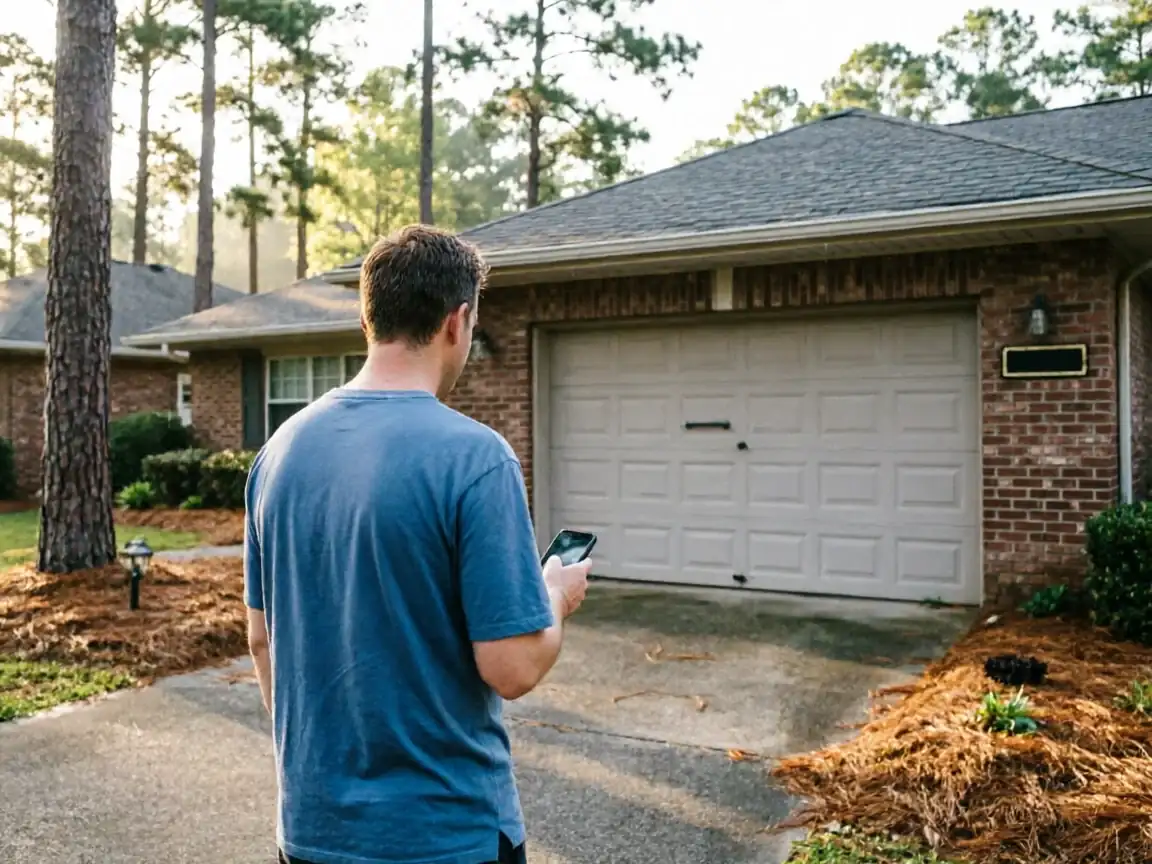
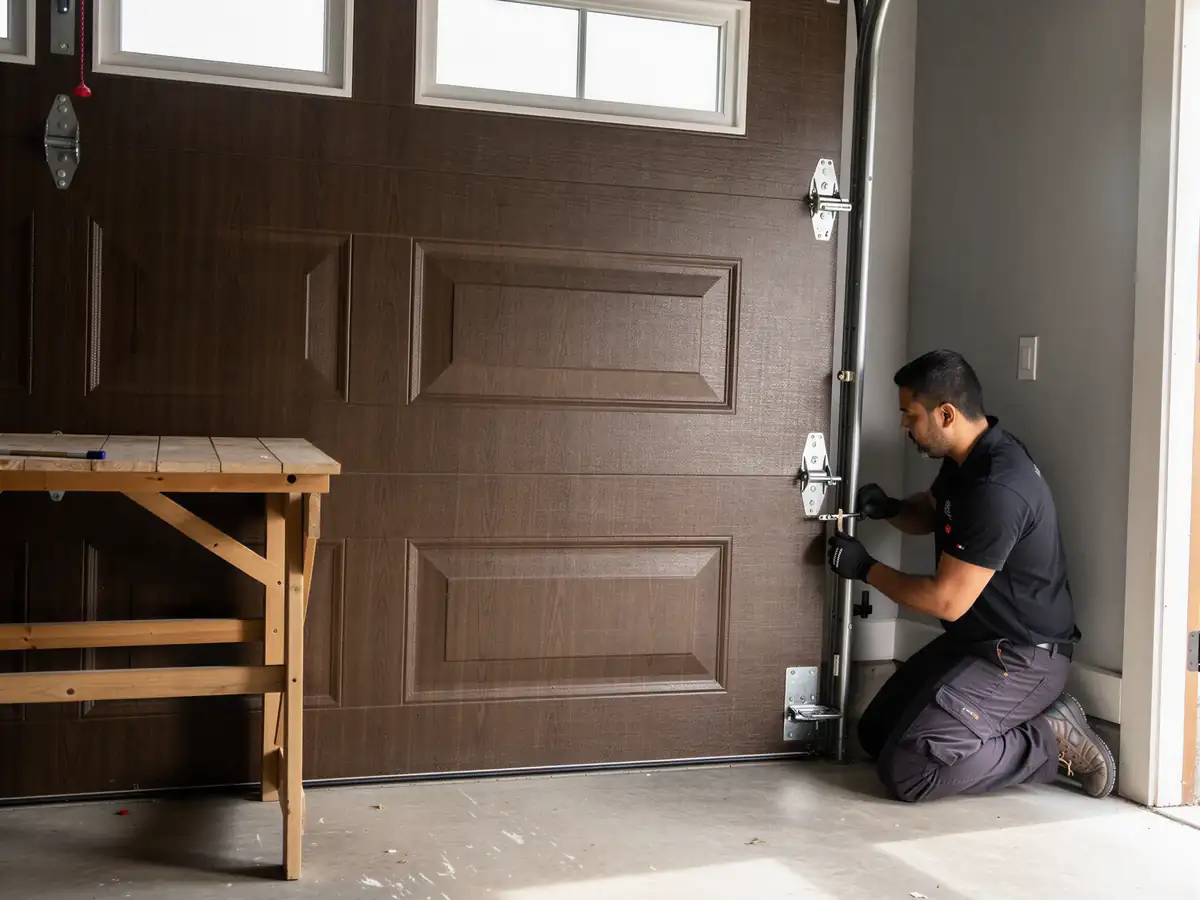
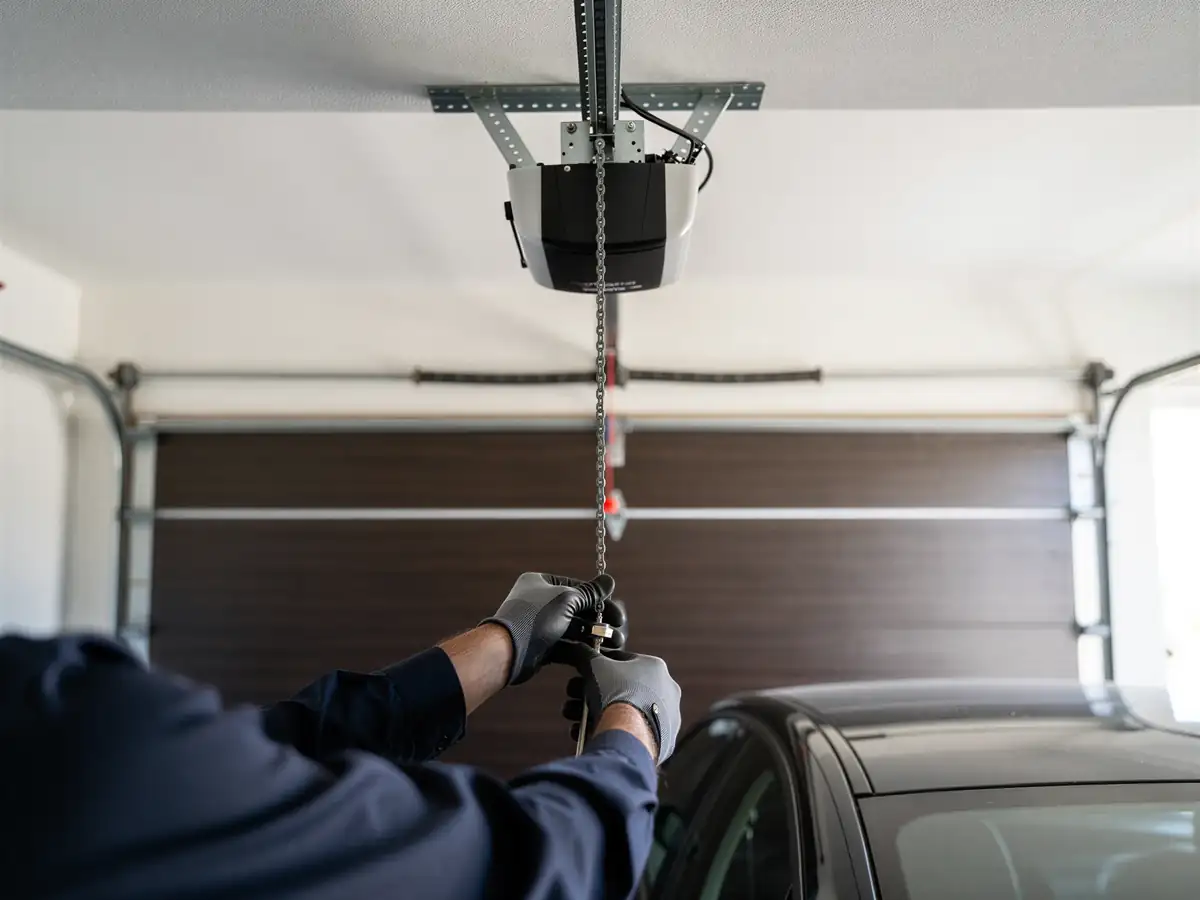
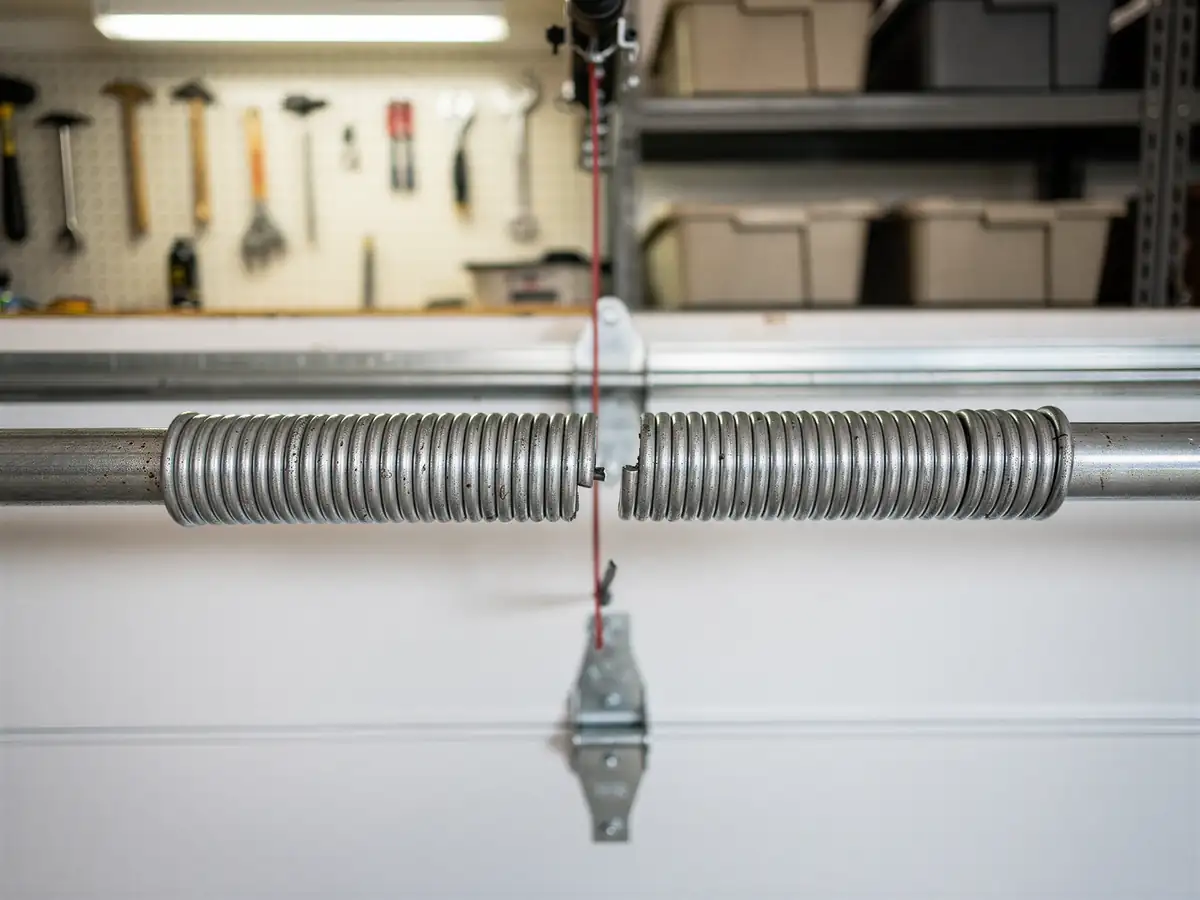
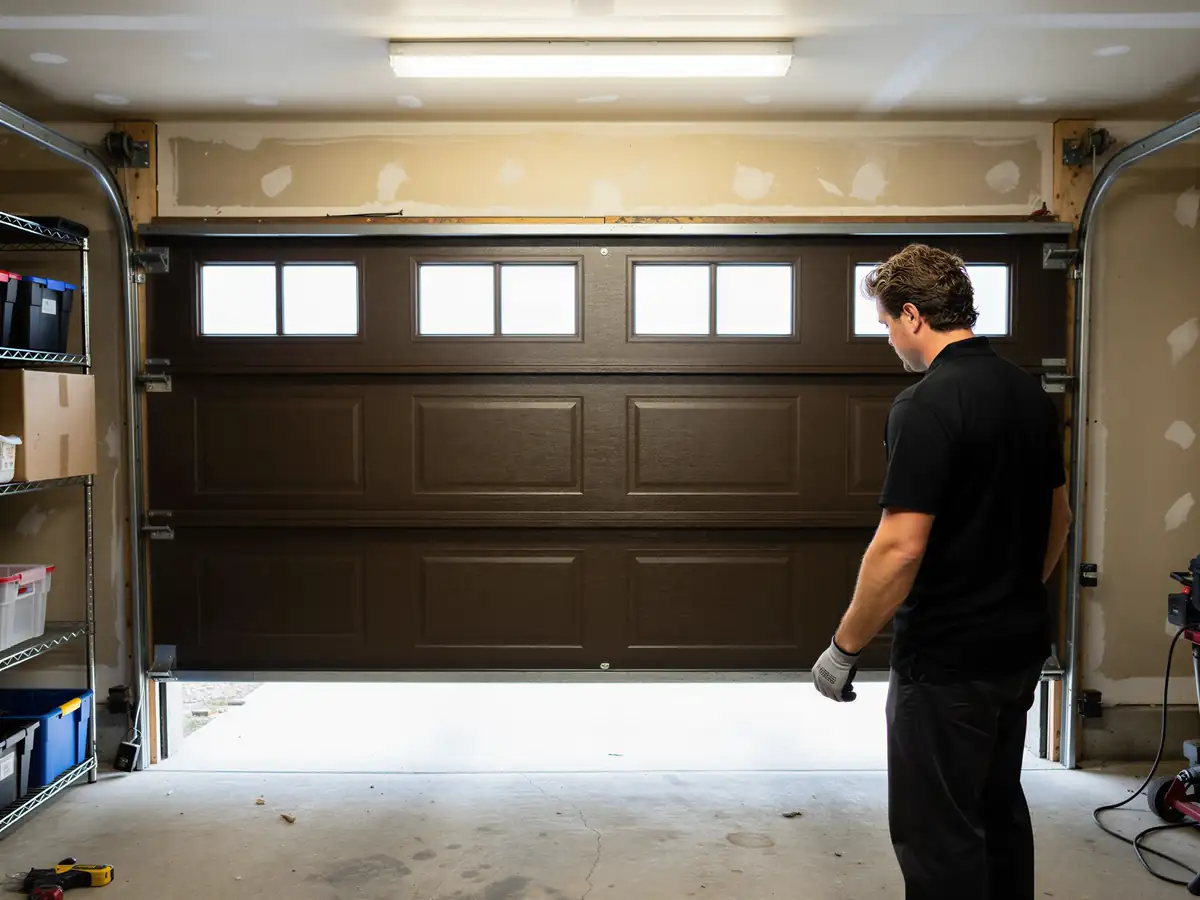
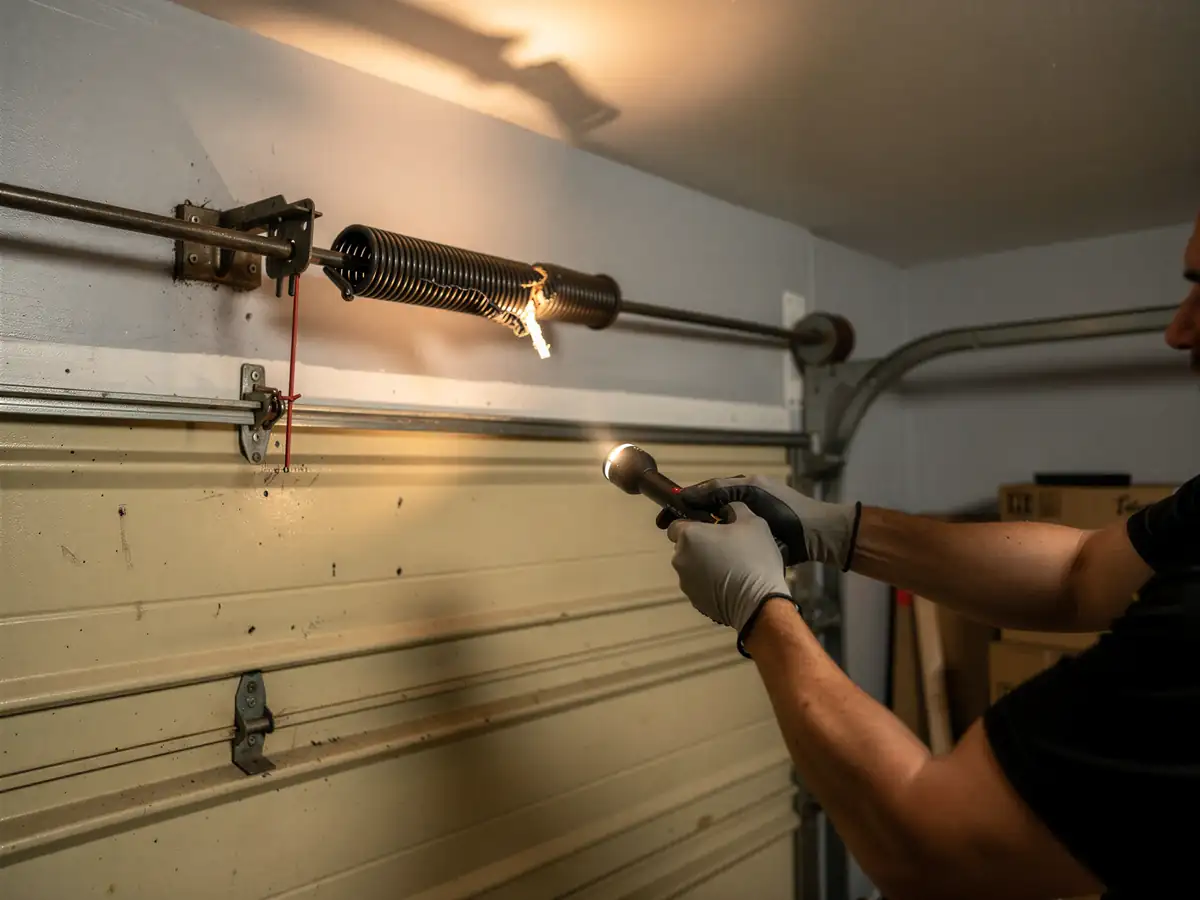
The classic version: the door won't budge, the opener motor hums or clicks but nothing moves, and if you look up you see a gap in the torsion spring above the door - that's a snapped spring, and it's the single most common emergency call we get. A second pattern is the door that slams down fast and hard instead of lowering slowly; that's usually a broken cable or a spring that's lost tension, and it's dangerous to stand under.
A third pattern, more common on homes closer to the 1966 end of the build range, is a track that's pulled away from the wall or a roller that's jumped the track entirely, often from a bent track rather than a bad roller. None of these are cosmetic. A door stuck half-open is a security gap and a door that won't close is one more too. If the opener light is blinking a code, that's diagnostic information worth noting before you call - it narrows down whether it's a sensor issue or a mechanical one.
Can You Do This Yourself
A torsion spring is not a DIY repair. It's wound under enough tension to break bones or worse if it lets go while you're working on it, and we mean that plainly, not as a sales line. If you see a broken spring, the safe move is to leave the door alone, keep the opener off, and call.
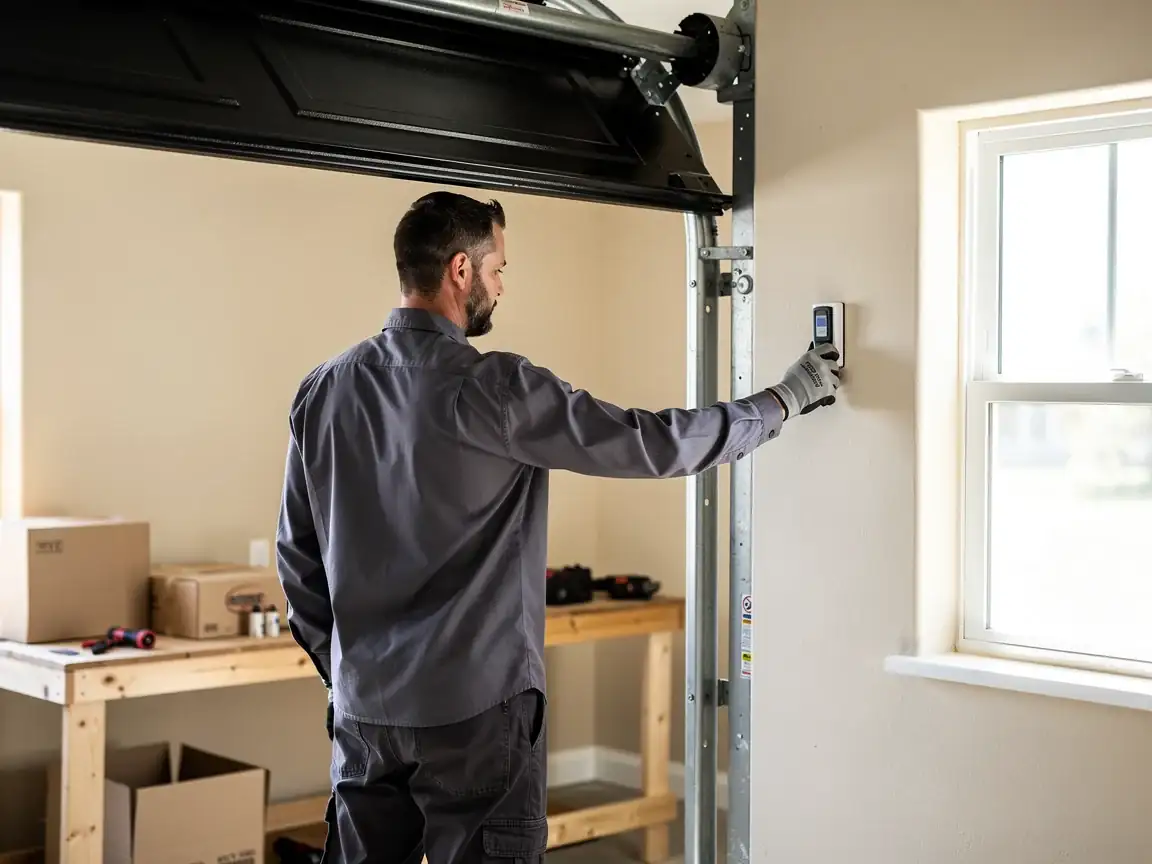
There are a few things you can safely check yourself first. If the door won't respond to the opener at all, check whether the opener is actually getting power - a tripped breaker or unplugged cord looks exactly like a mechanical failure from the outside. If a sensor light near the floor is blinking, wipe the lenses and make sure nothing's blocking the beam between them; a cobweb or a stray leaf is enough to stop the door from closing. Beyond that - springs, cables, bent tracks, off-track doors - this is a two-person job with the right bars and clamps, not a Saturday project. We won't talk anyone through a spring repair over the phone, and if a company offers to, that's a reason to hang up.
What the Repair Takes
A straight spring replacement on a standard door is usually a same-visit fix once we're on site
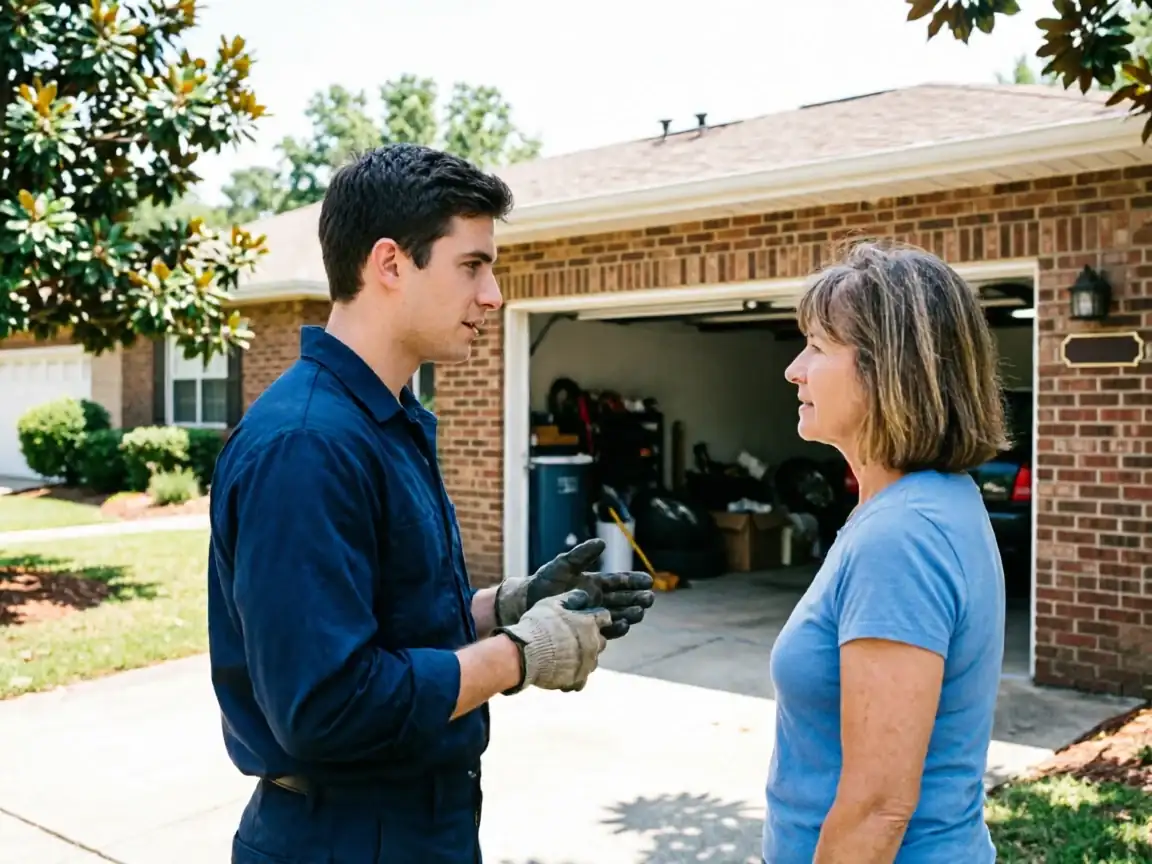
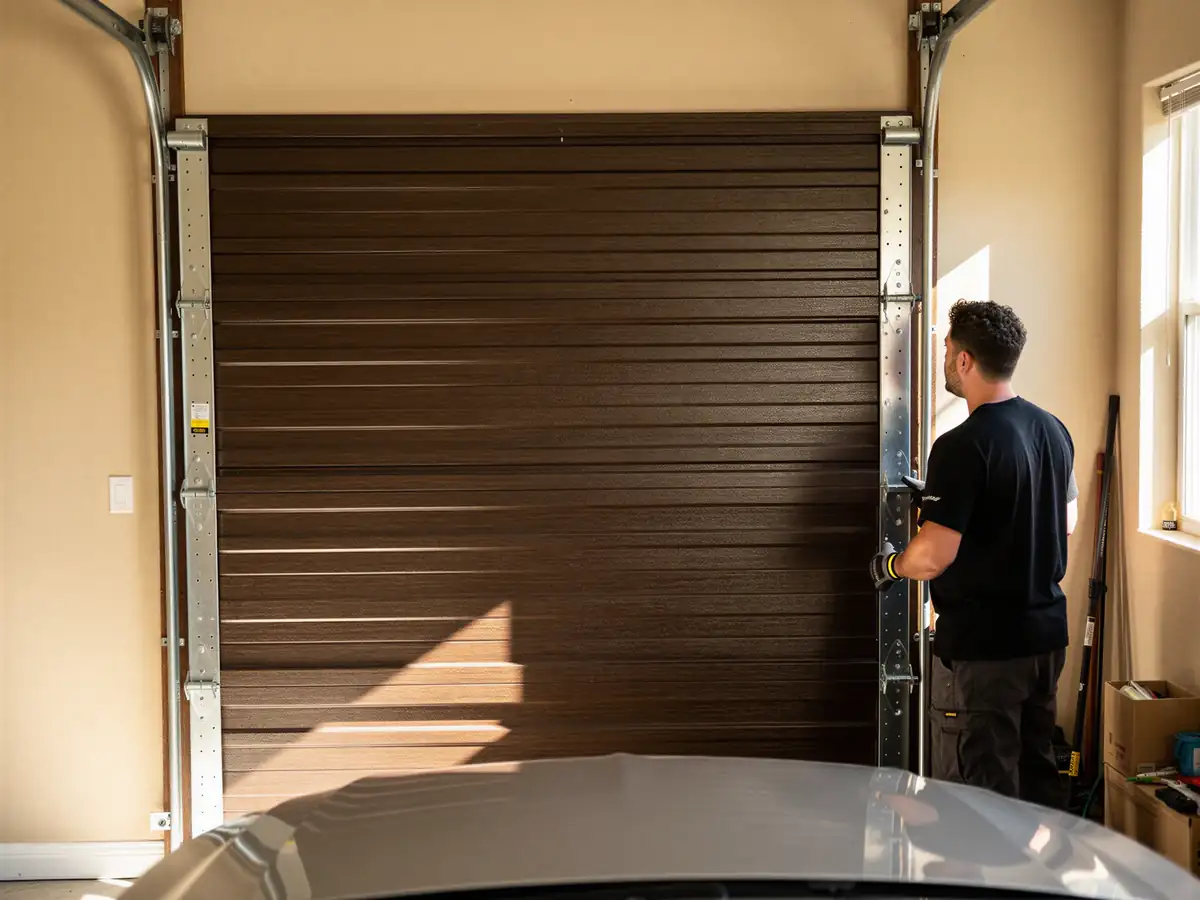
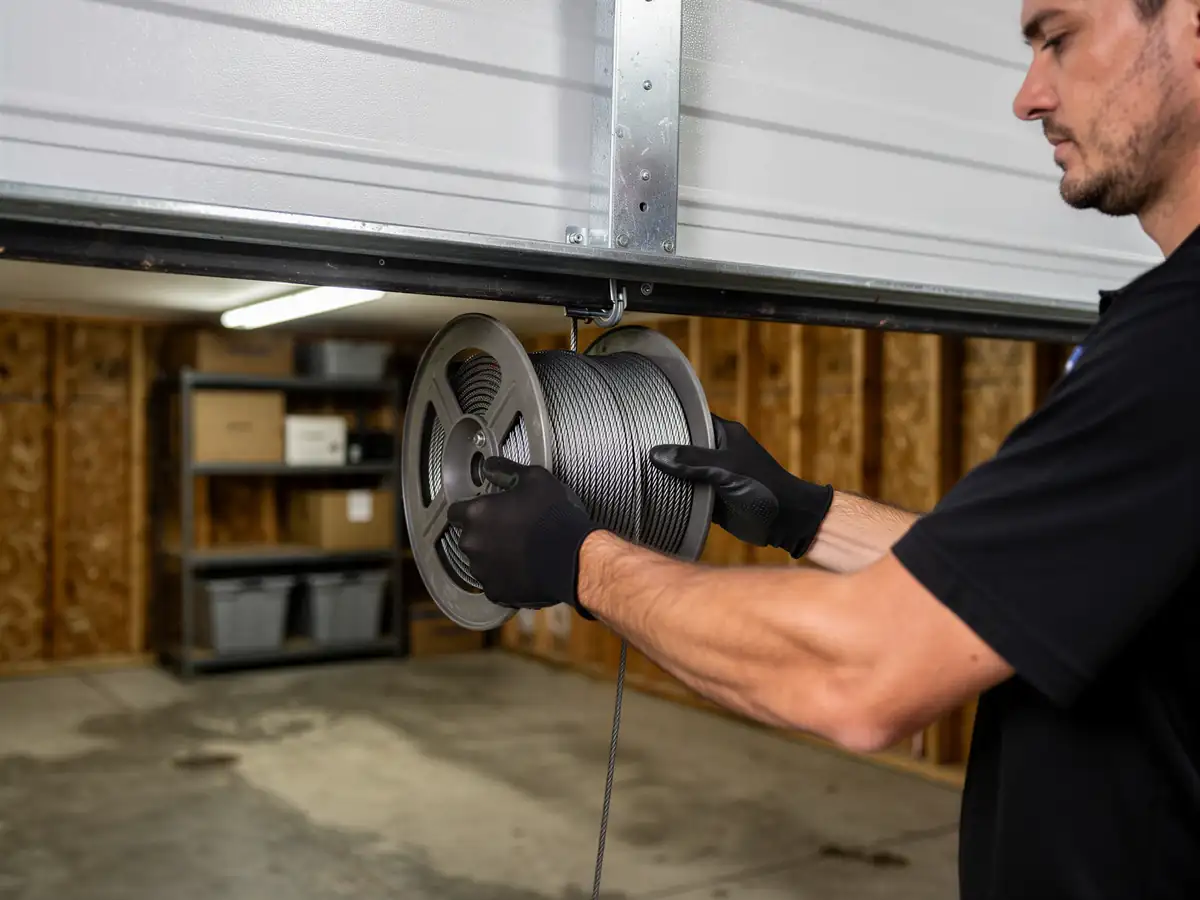
We carry common spring sizes for the door ages typical of this area's 1966-to-2004 housing stock. Where it takes longer is when the spring failure has already damaged something else: a cable that snapped under the sudden load, a bent track from the door dropping unevenly, or an opener gear stripped from fighting a dead spring for weeks before it finally gave out.
One honest limitation
If a part is a less common size or an older proprietary opener part, that can mean a short wait on parts rather than a same-day finish, and we'll tell you that up front rather than promise something we can't deliver that day. Across the area - Lithia Springs, Austell, Powder Springs, Hiram, Villa Rica, and the other towns we reach from here - the hardware patterns repeat enough that we stock for them, but we're not going to claim every job wraps in an hour. Most do. Some don't, and it's better to hear that before the truck arrives than after.