The Problem
Douglasville's housing stock runs 1966 through 2004
With a median build year of 1994, spread across 14 named areas in the service territory. That's a 38-year window, and it matters because garage door hardware changed a lot over those decades. A house from the late 1960s or 1970s likely still has its original jamb framing and header sizing, even if the door itself has been swapped once or twice. A house from the 1990s, closer to the median, usually has a wider opening and heavier sectional door than its older neighbors, which means a different spring size and a different failure pattern.
The issue we see is mismatch
A replacement door or opener installed without checking what the original header and track spacing were built for. On the older end of the stock, that shows up as doors that bind on one side or openers straining against a spring that's slightly wrong for the weight. On the newer end, it's more often wear - rollers, cables, hinges - rather than structural mismatch. Knowing which decade a house falls into tells us what to check first before we ever touch a spring.
How Local Conditions Play In
This area sits in a cold-moderate climate band, which means real winter cold snaps but not the extreme sustained freeze you'd get further north. That's enough to matter for garage doors in a specific way: steel contracts in cold weather, and on an older door with original weatherstripping, the gap at the bottom panel widens just enough to let in wind and moisture. On a 1970s or 80s door, that weatherstripping has usually hardened and cracked by now, which isn't a safety issue but is an energy and moisture one - cold air and condensation reaching whatever's stored against that wall.
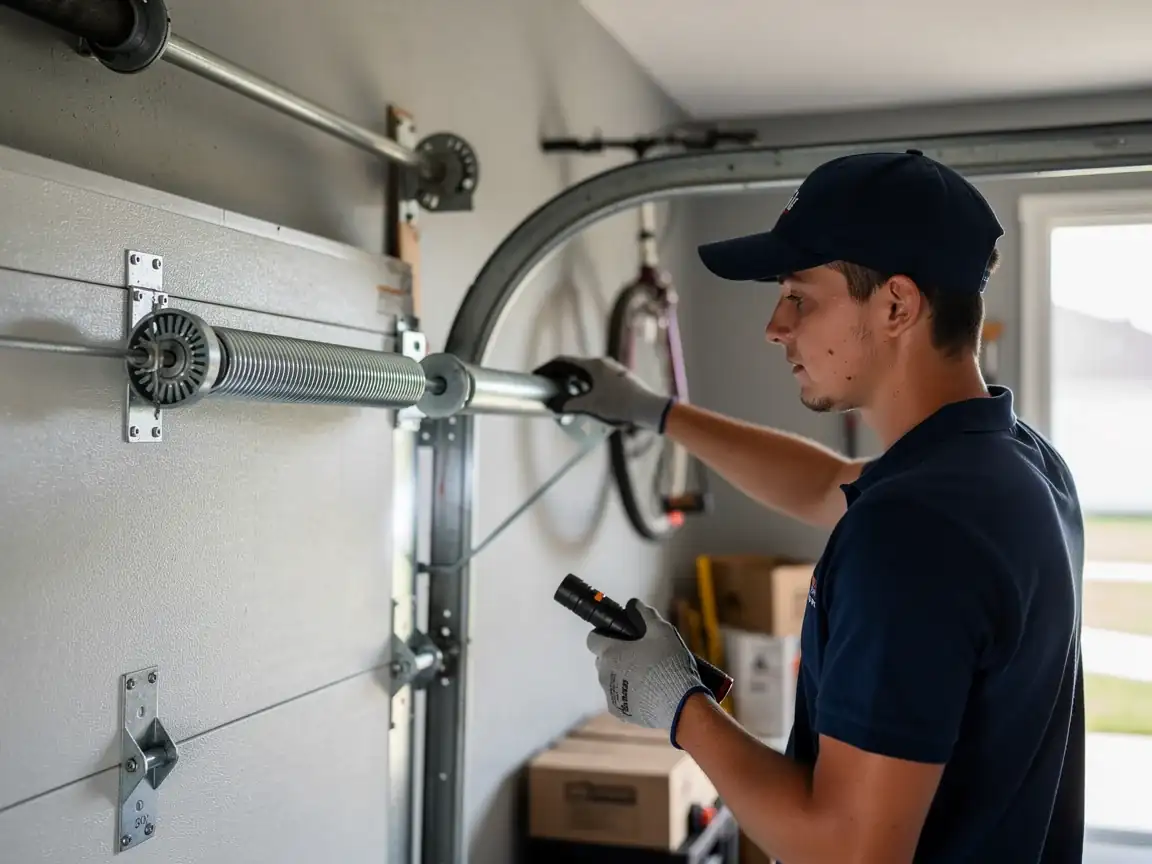
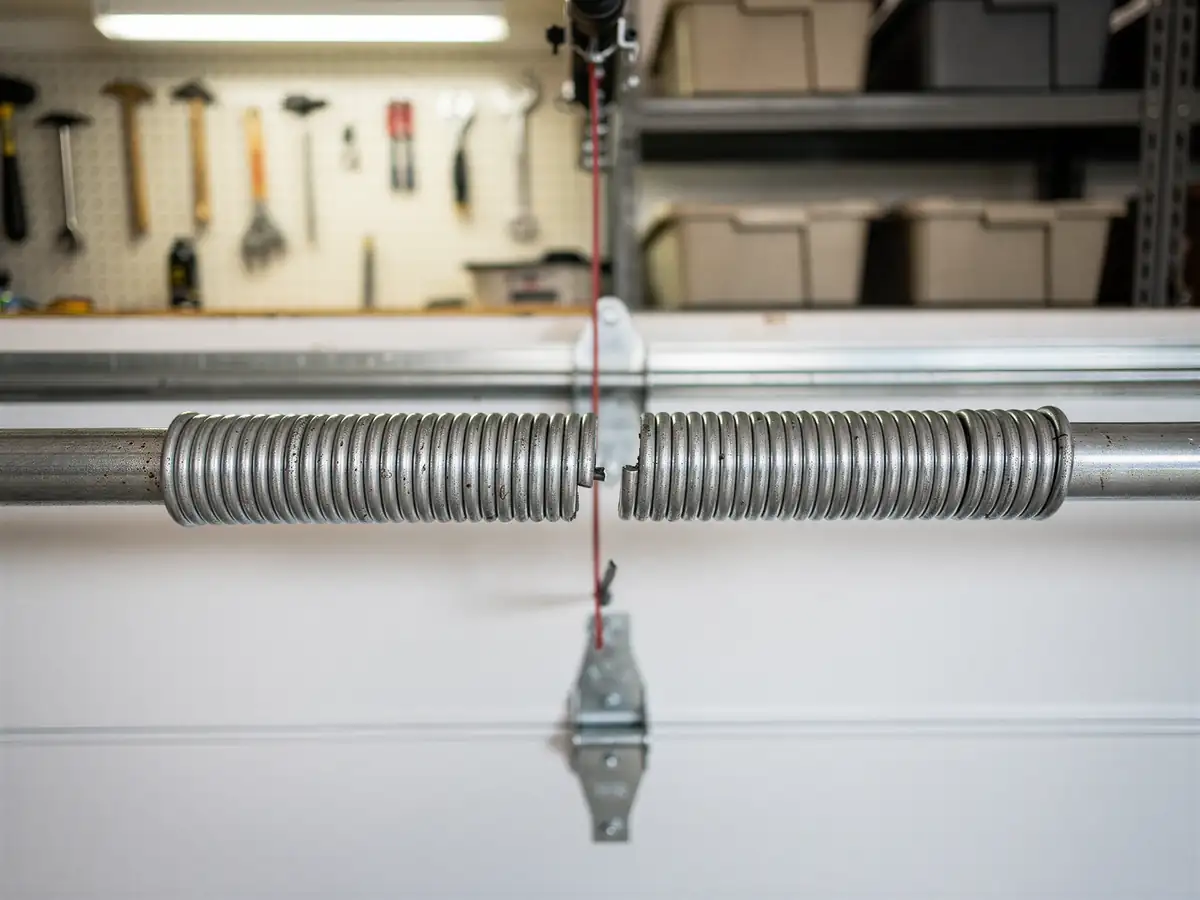
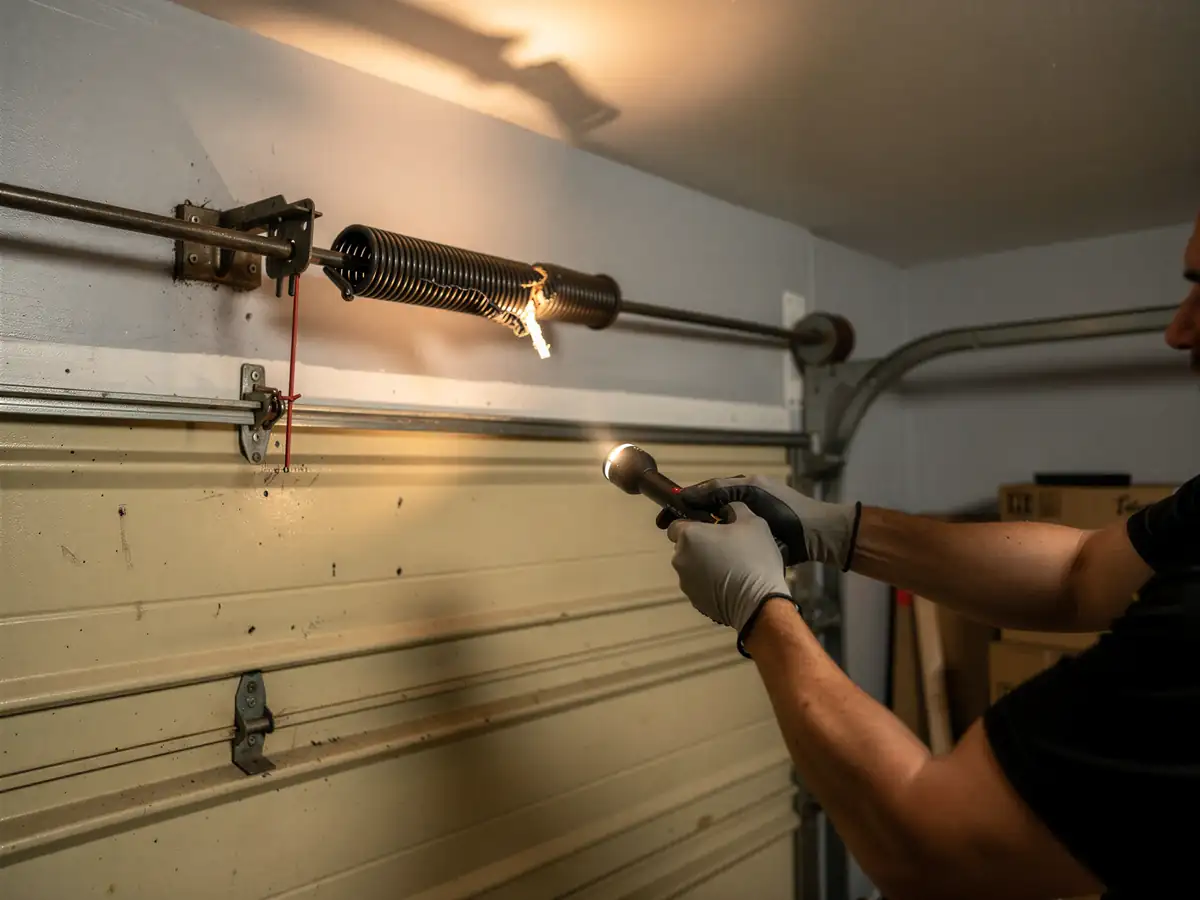
The bigger mechanical effect is on springs and lubrication. Cold makes steel springs stiffer and slightly more brittle, which is part of why torsion springs on older houses (the ones that have never been replaced) tend to finally let go during a cold snap rather than in July. If your door is original to a house built in the 1970s or 80s, the spring has already outlived its expected cycle count regardless of temperature - cold weather just tends to be when it finally shows.
When It Stops Being a DIY Job
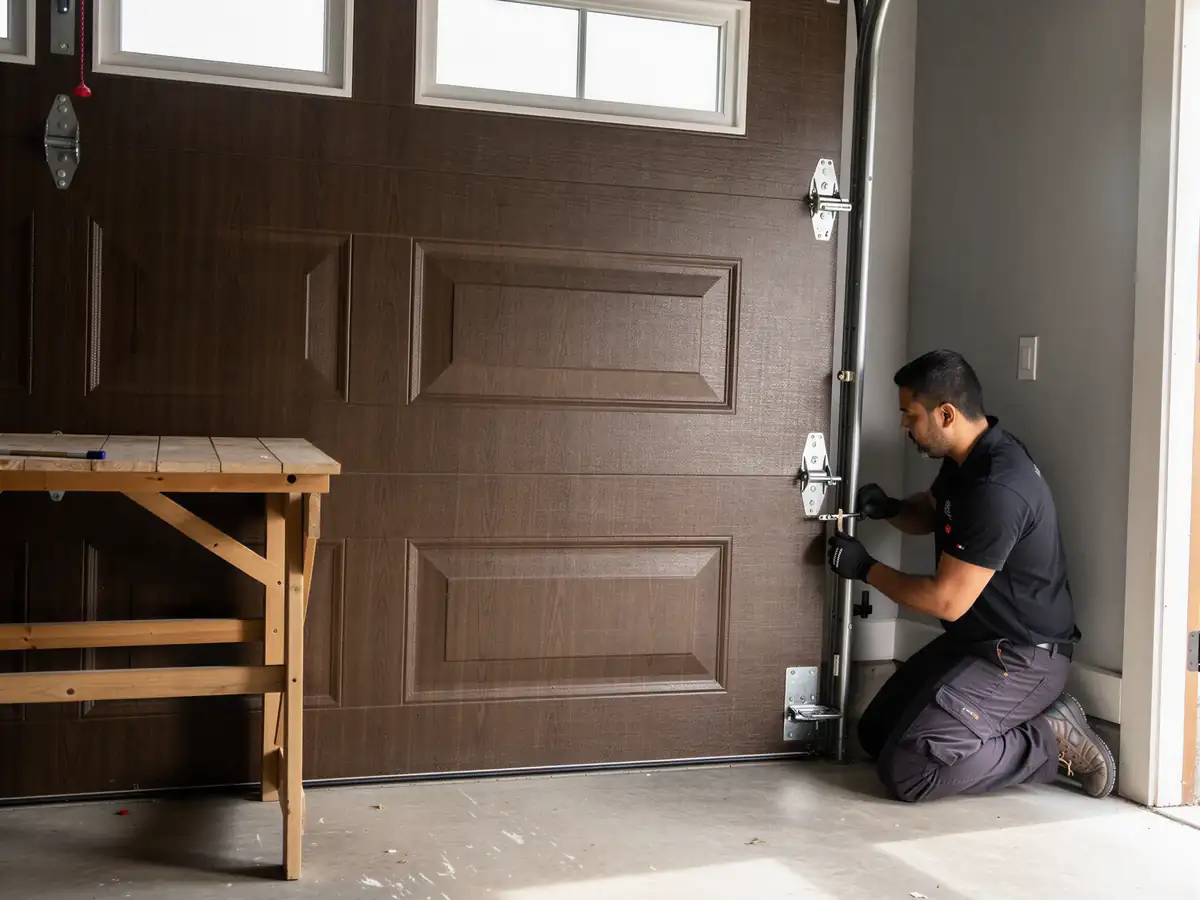
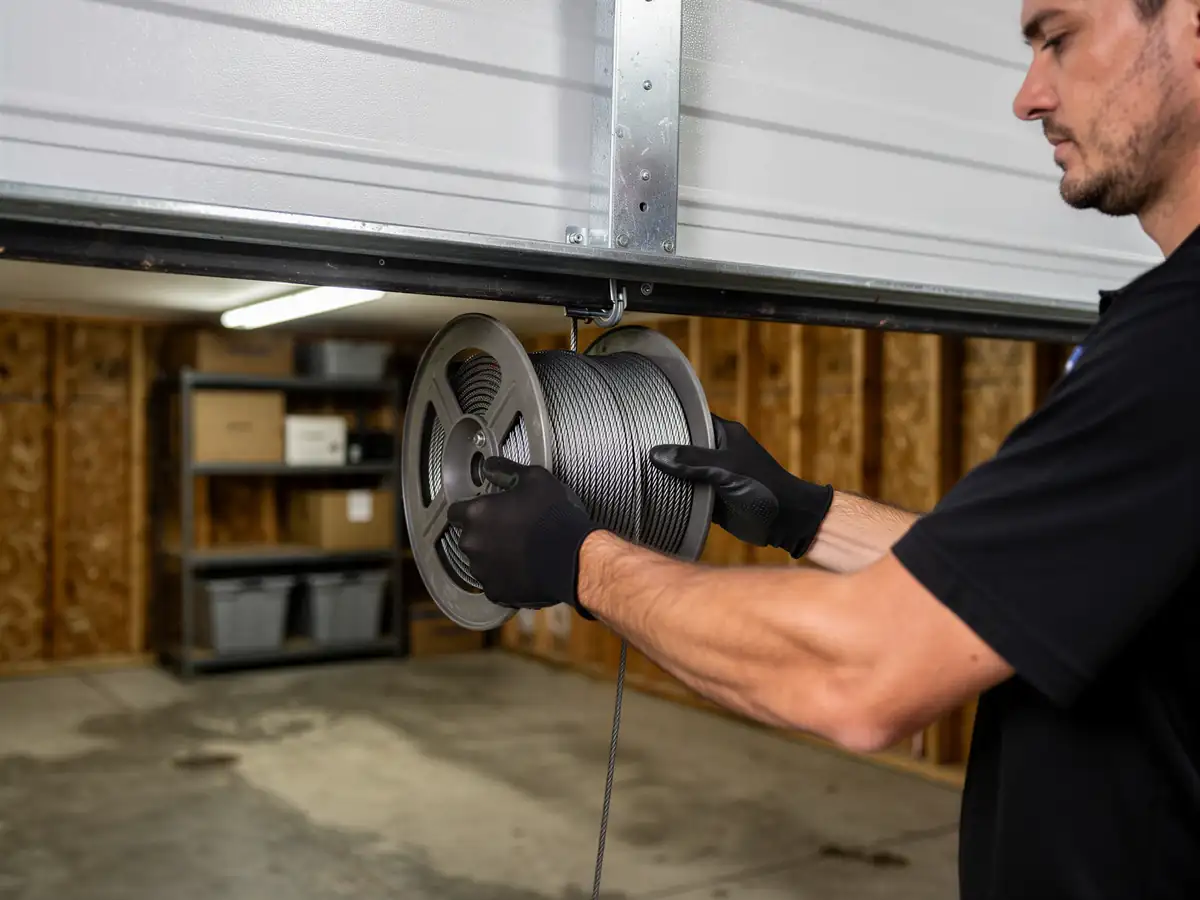
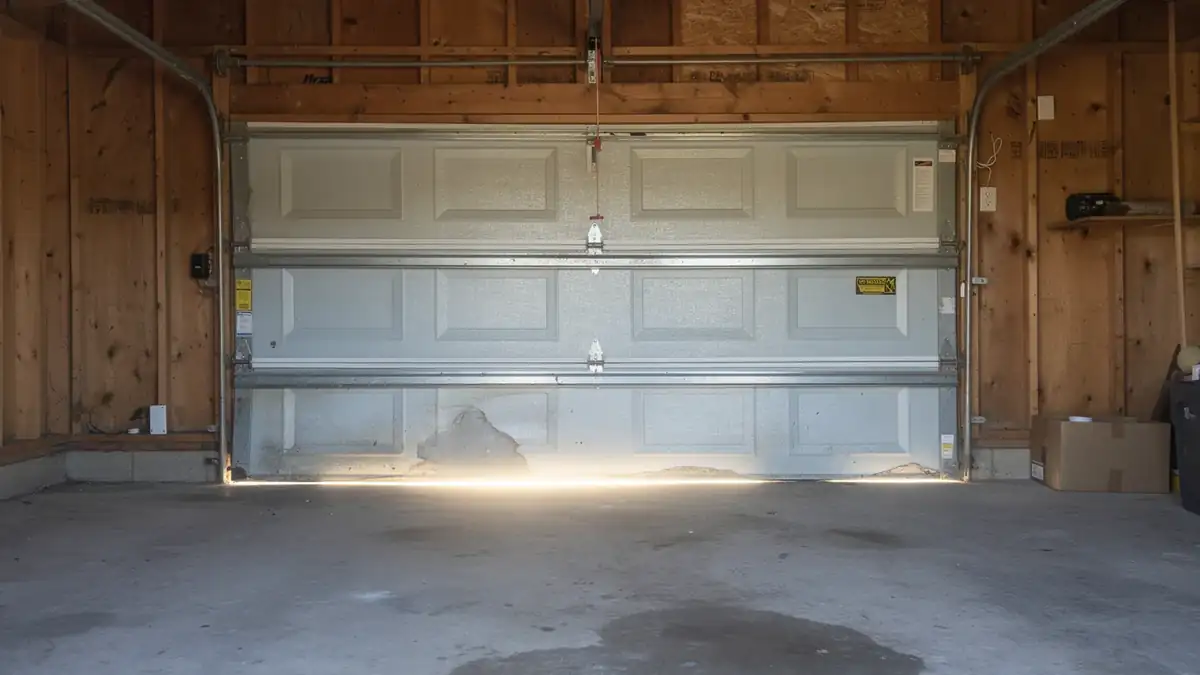
A torsion spring under tension can put someone in the ER - that's true on any door, any age. But on houses from this area's older stock, there's a second reason to stop: hardware from the 1960s through 1980s sometimes doesn't match anything a hardware store carries today. Track brackets, drum sizes, and spring winding cones changed over the decades, and guessing at a replacement part on a door that old is how you end up with hardware under load that wasn't engineered to carry it.
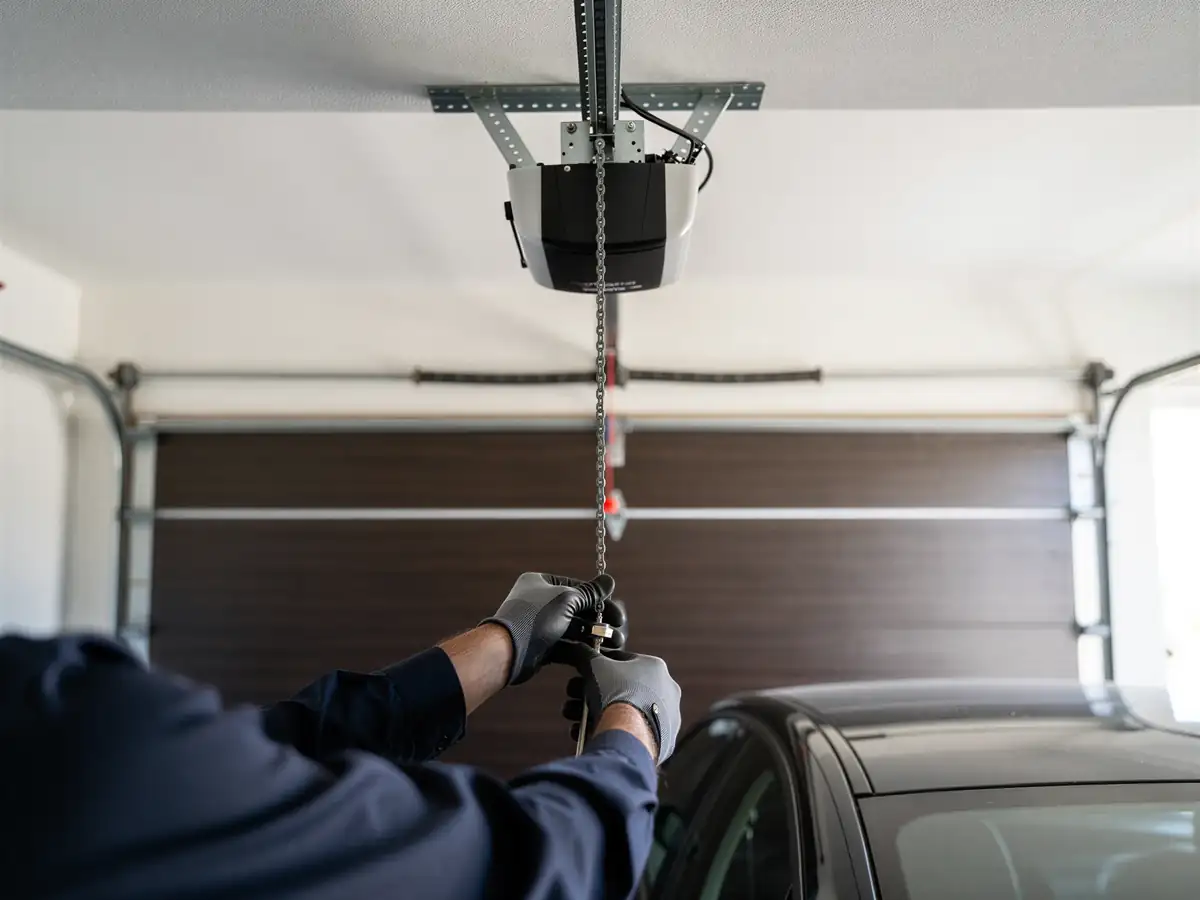
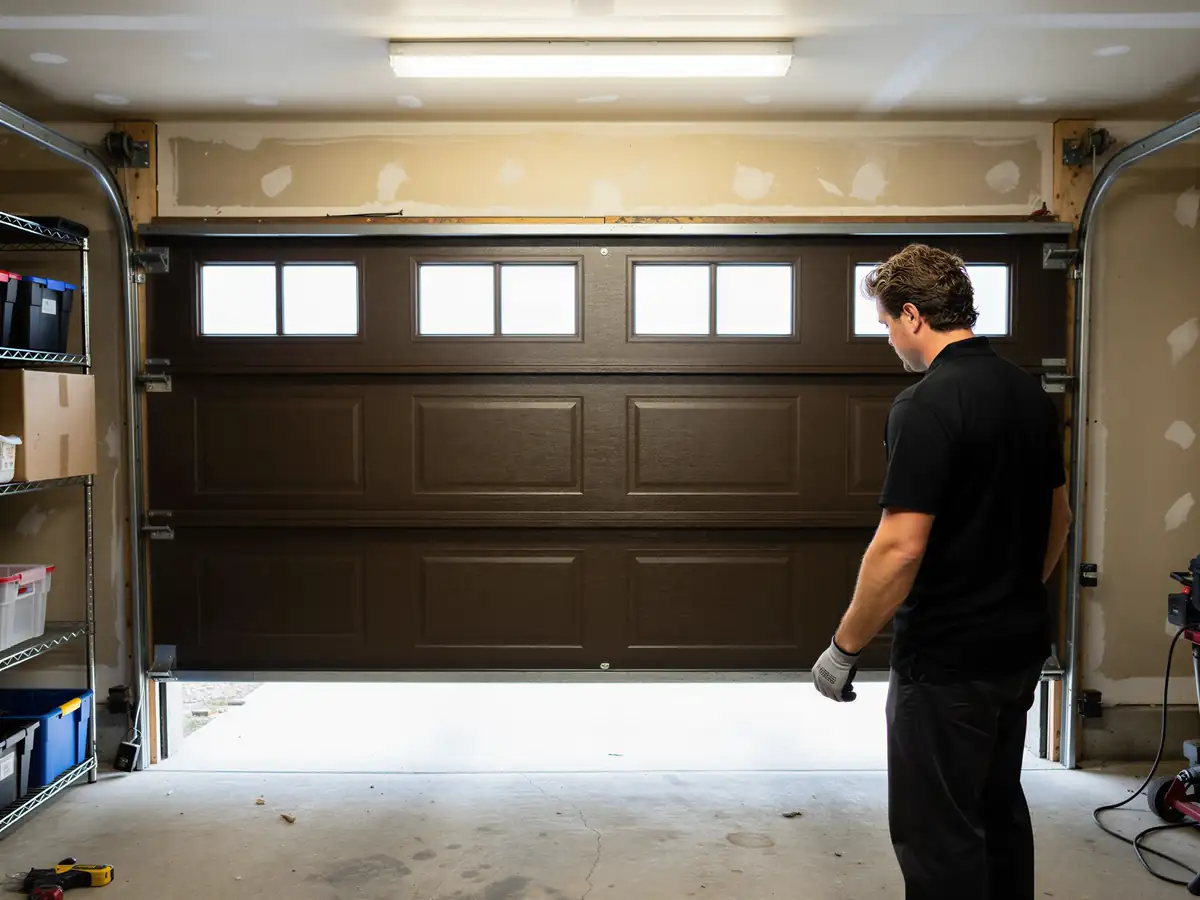
If your opener is straining, reversing on its own, or the door is visibly racked to one side, that's not a tighten-a-bolt fix - something upstream is already compromised. We'll also say plainly: if a door from the 1960s-80s era needs more than a spring or a cable, replacement is usually the better call than chasing parts for hardware that age. We don't stock parts for every obsolete system, and sourcing them can take longer than most homeowners want to wait.
What You Pay
We can't give you a number here without knowing your door's age, size, and what's actually failed
The gap between a cable adjustment and a full torsion system replacement is large, and the facts available to us don't include our rate sheet. What we can tell you is what drives the cost on houses in this area: original-era hardware (1960s-80s builds) usually costs more to service because parts aren't off-the-shelf, while doors from the 1990s median era are closer to modern standard sizing and usually cheaper to repair because the parts are common stock.
Household income in the service area runs a median of $73,889
And across the roughly 67,263 households here, about 24,043 are owner-occupied houses - the group actually making these repair-versus-replace calls instead of a landlord. If you want a real number, the honest answer is a look at the door in person. We won't quote a repair over the phone sight unseen, because on a door this old, the number can change once we see what's actually behind the panel.
- 67,263 households