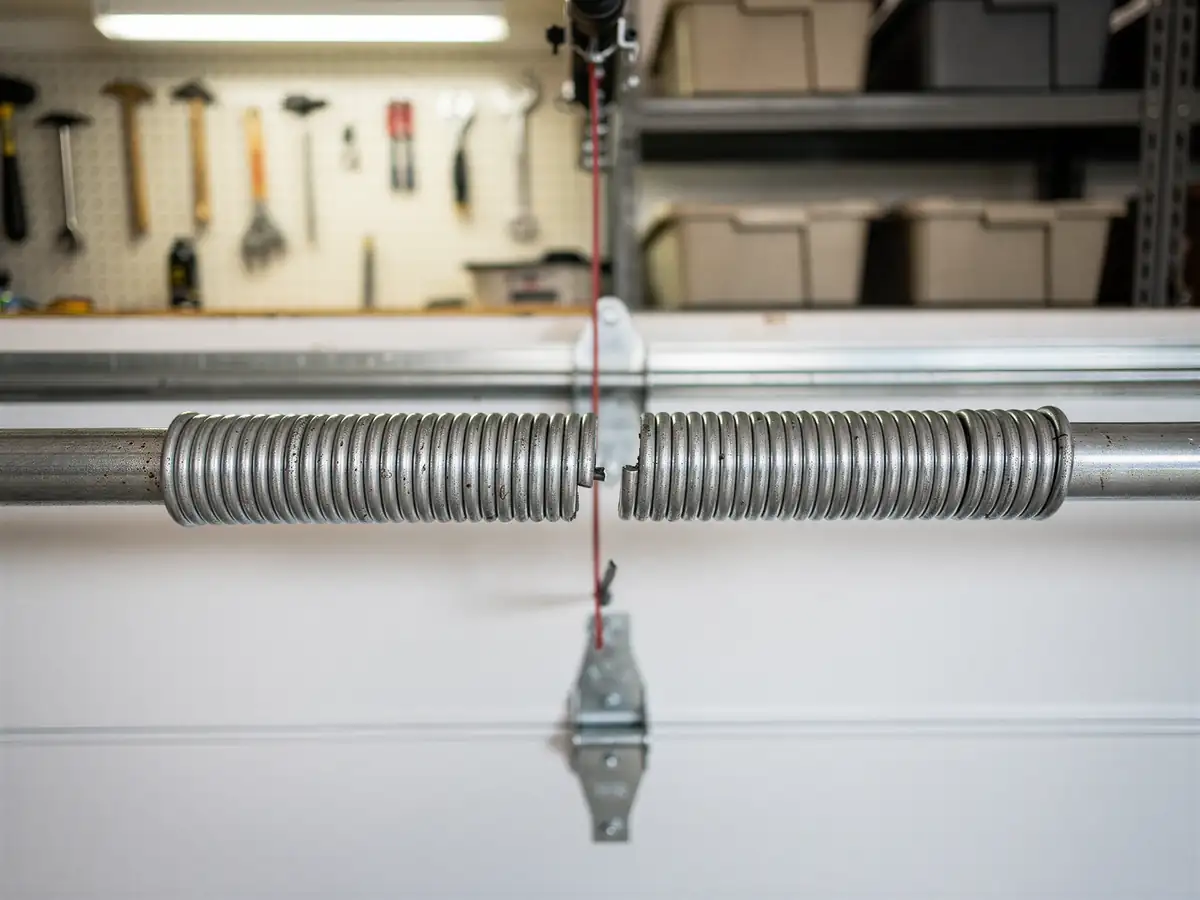
Why This Fails Locally
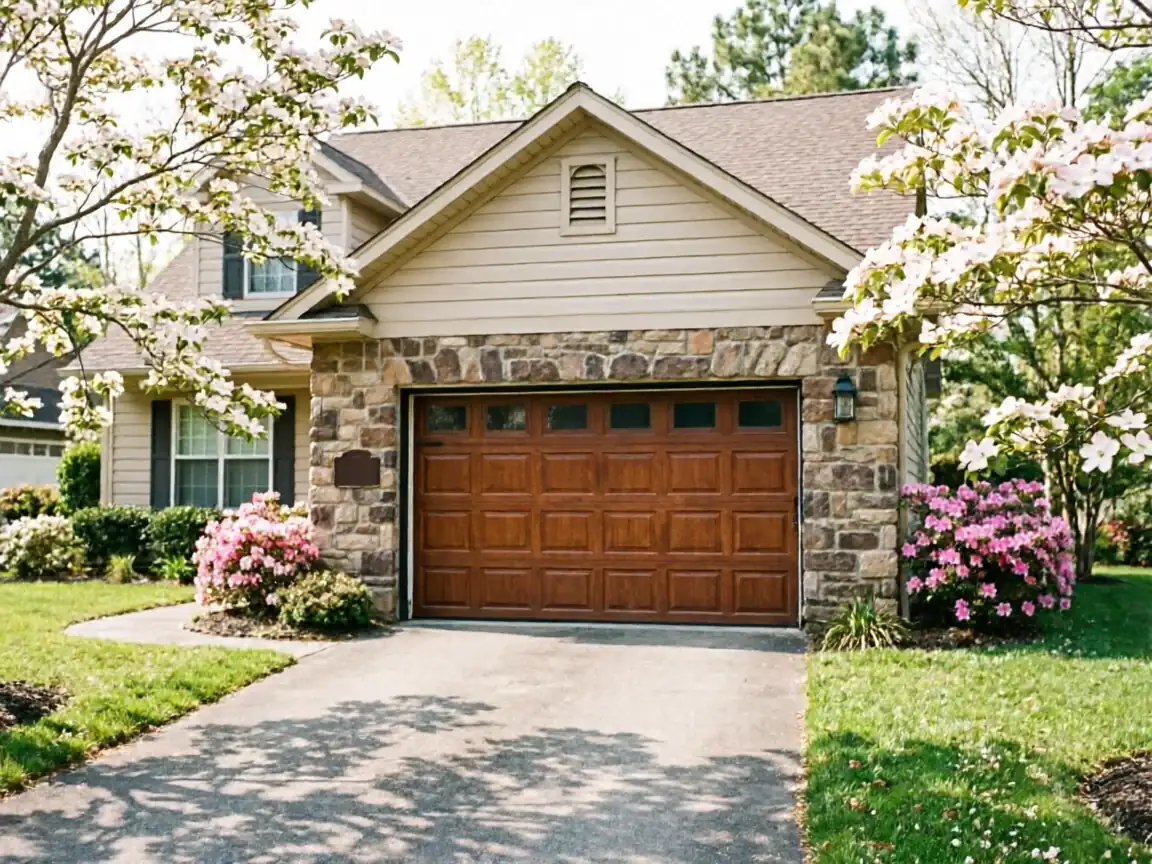
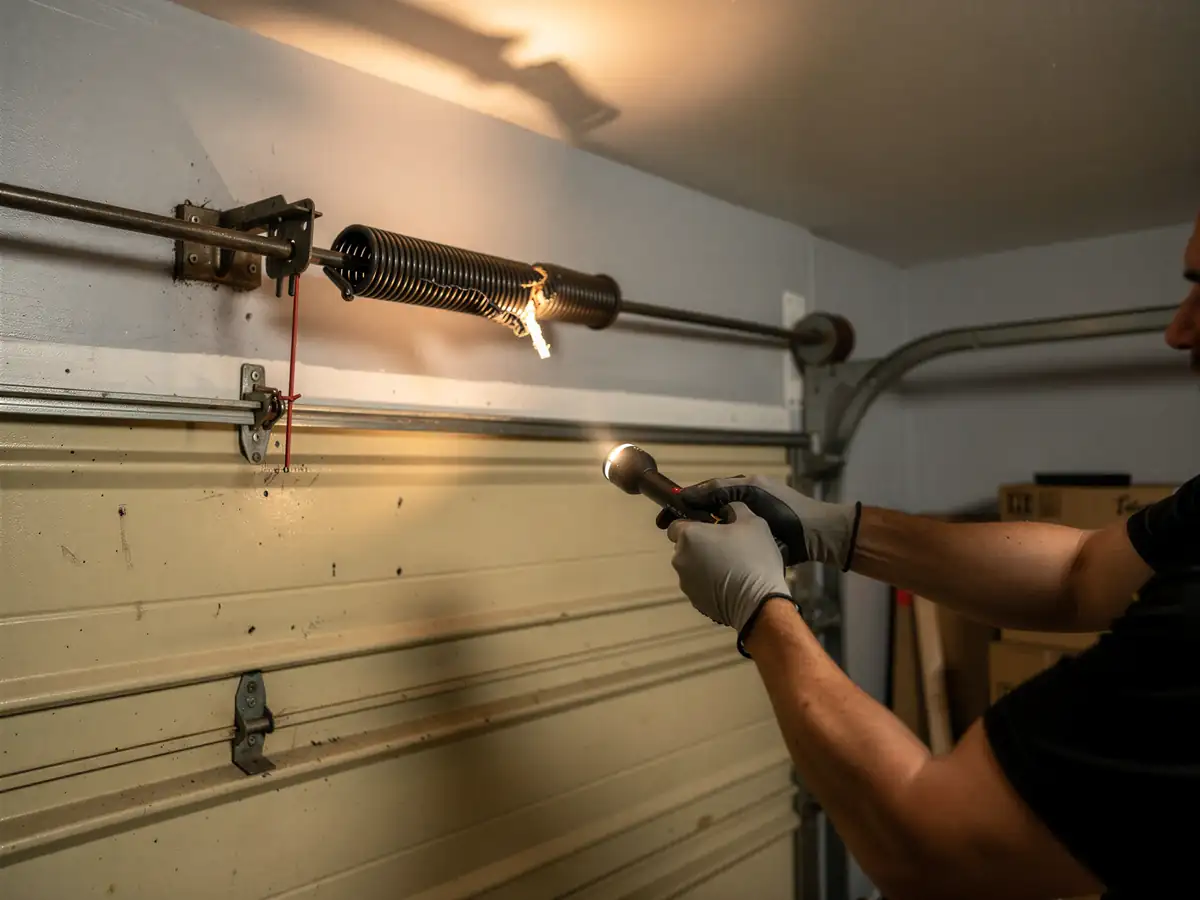
A torsion spring is rated for a cycle count, not a calendar date, but houses built in the early 2000s are now old enough that the original spring on most Villa Rica garages has hit or passed that number. Twenty years of daily openings adds up fast, and builder-grade springs weren't wound with much margin above the minimum. The climate here is cold-moderate, not the kind of freeze-thaw extreme that cracks concrete driveways, but temperature swings still stiffen steel and make a spring that's already near the end of its life more likely to snap on a cold morning than a mild afternoon. It's not rust that gets these springs first - it's fatigue from twenty years of normal use.
Where This Job Goes Sideways
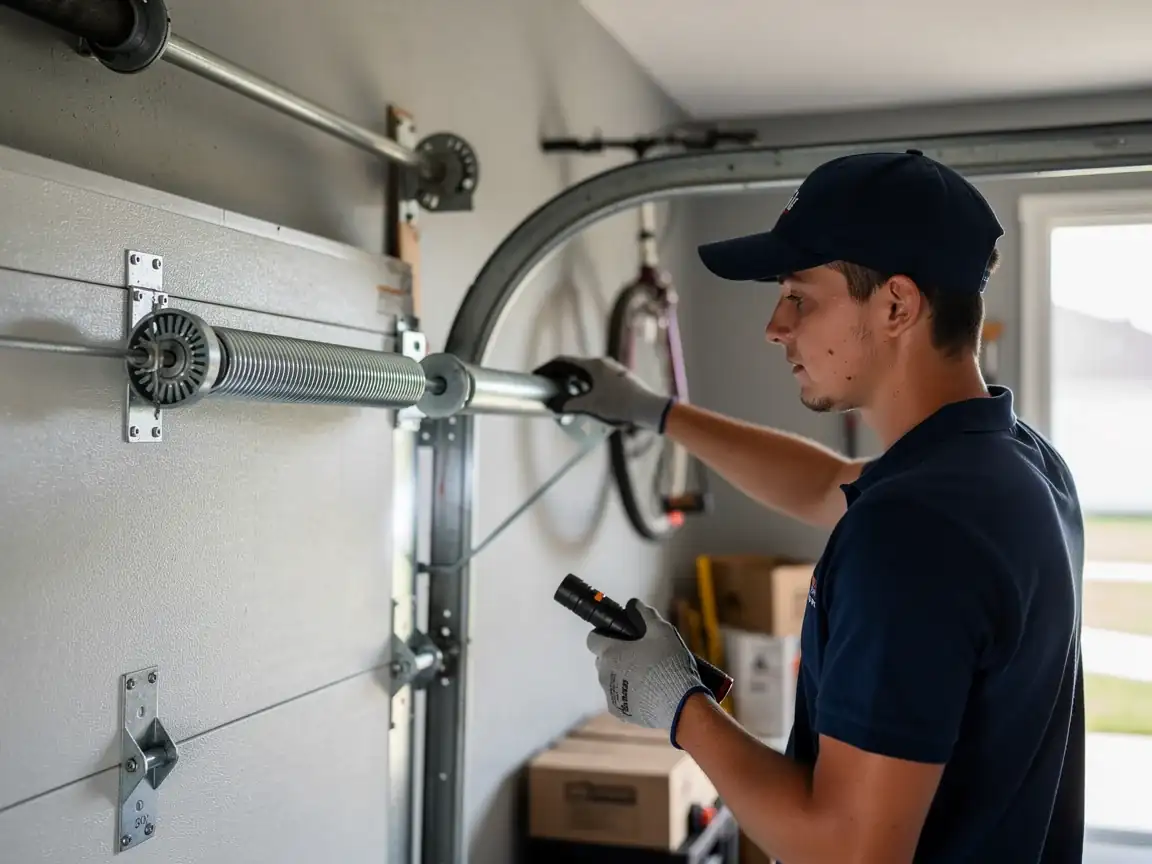
The trouble spot on a 2003-era door is usually the end bearing plate, not the spring itself. After two decades the plate bearing wears oval instead of round, and if we replace the spring without checking it, the new spring chews through the same worn bearing in a fraction of the time it should last. We check the bearing plate and the shaft every time, because skipping that step is the single most common reason a spring repair comes back as a second call. On a double-wide door with two springs, we also won't replace just the broken one - mismatched spring age on the same shaft throws the door out of balance and wears the opener early.
What the Repair Takes
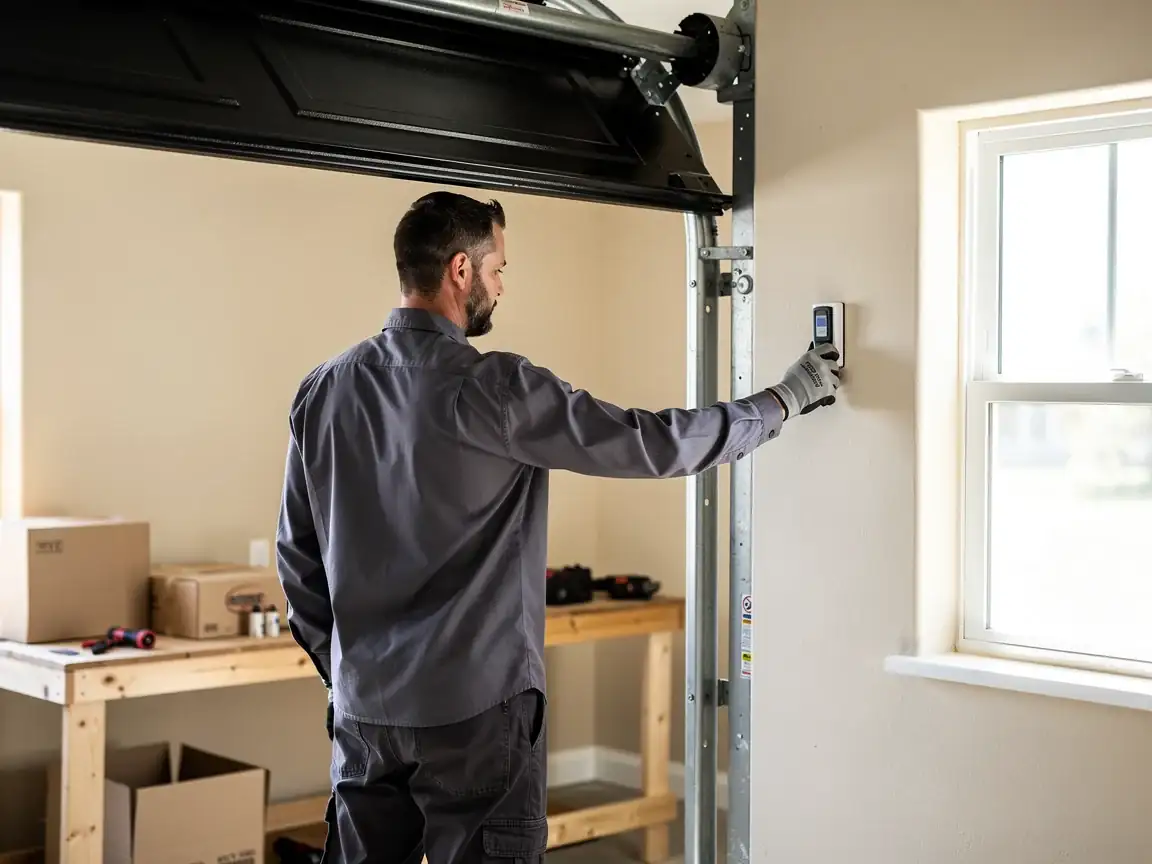
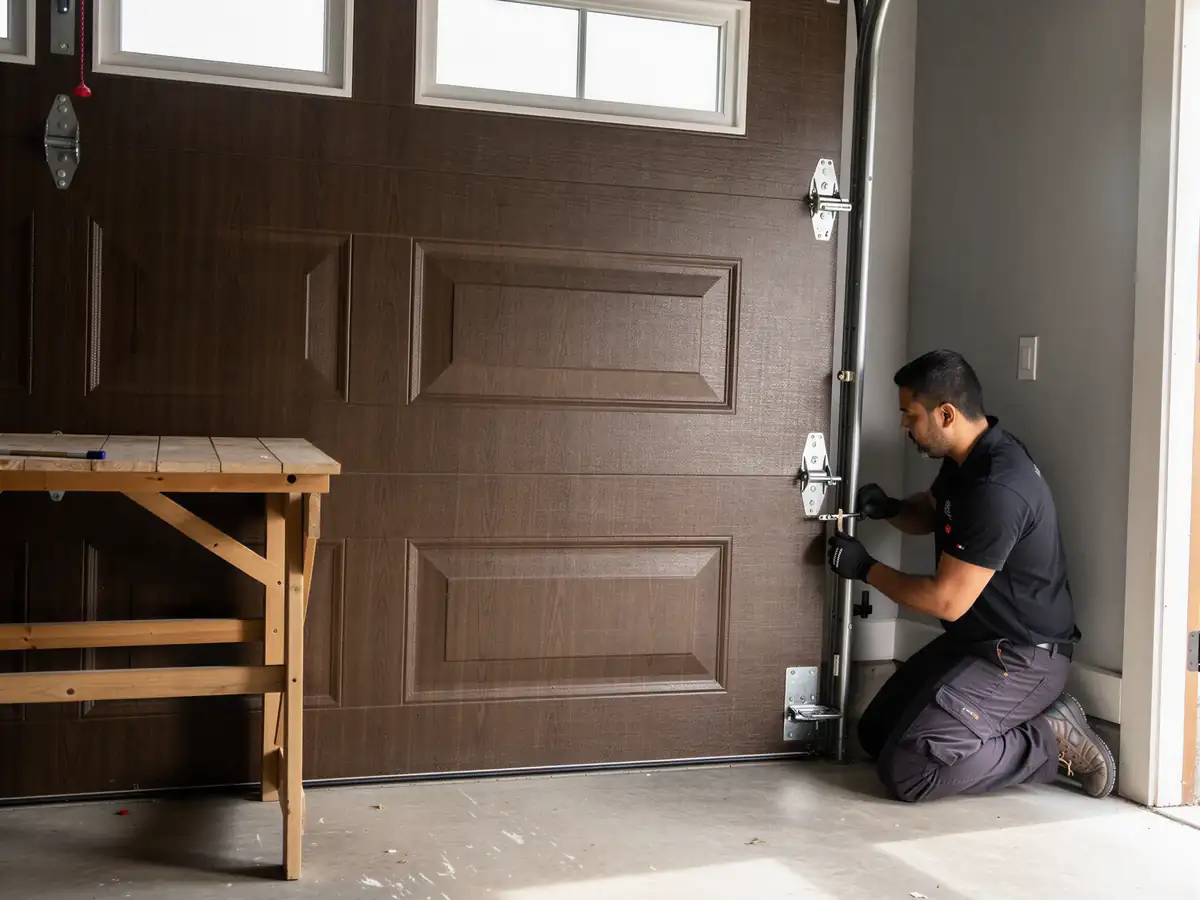
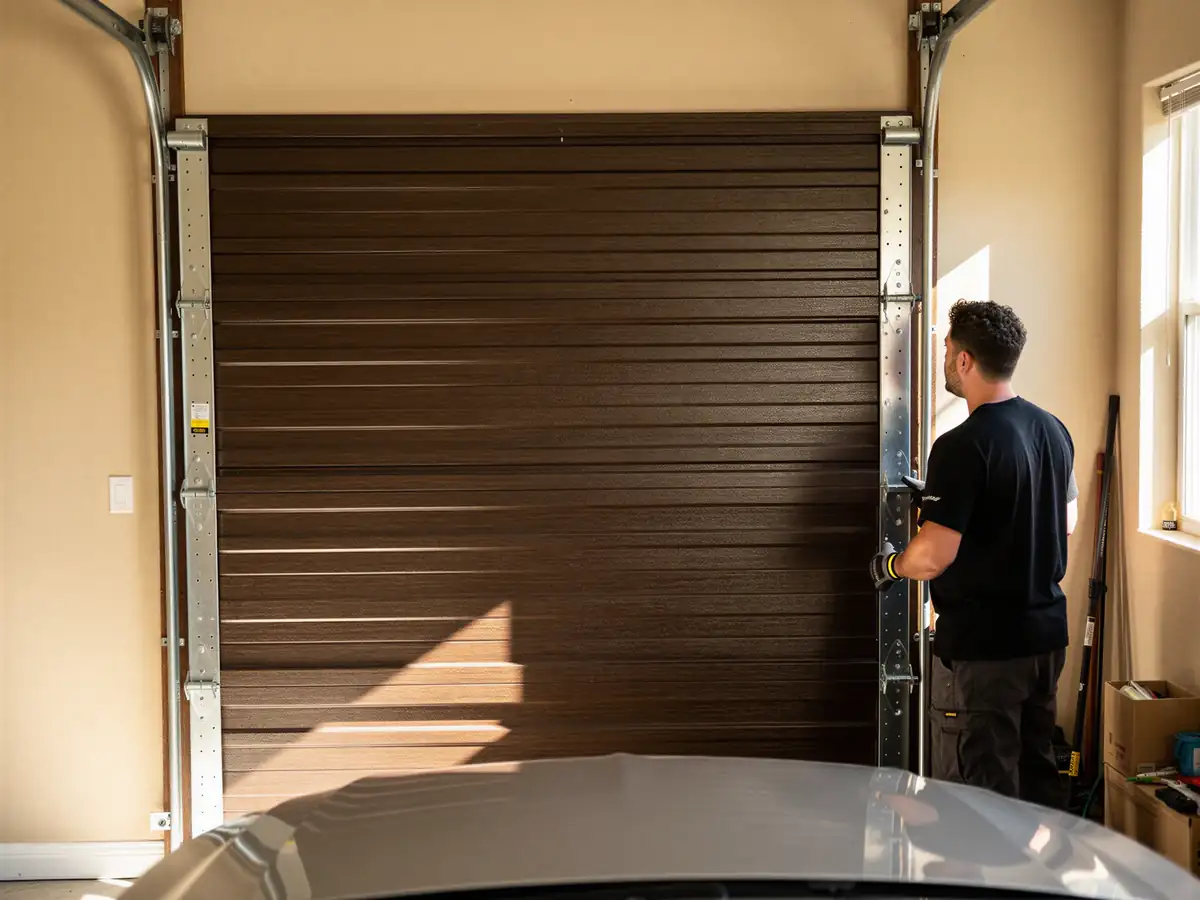
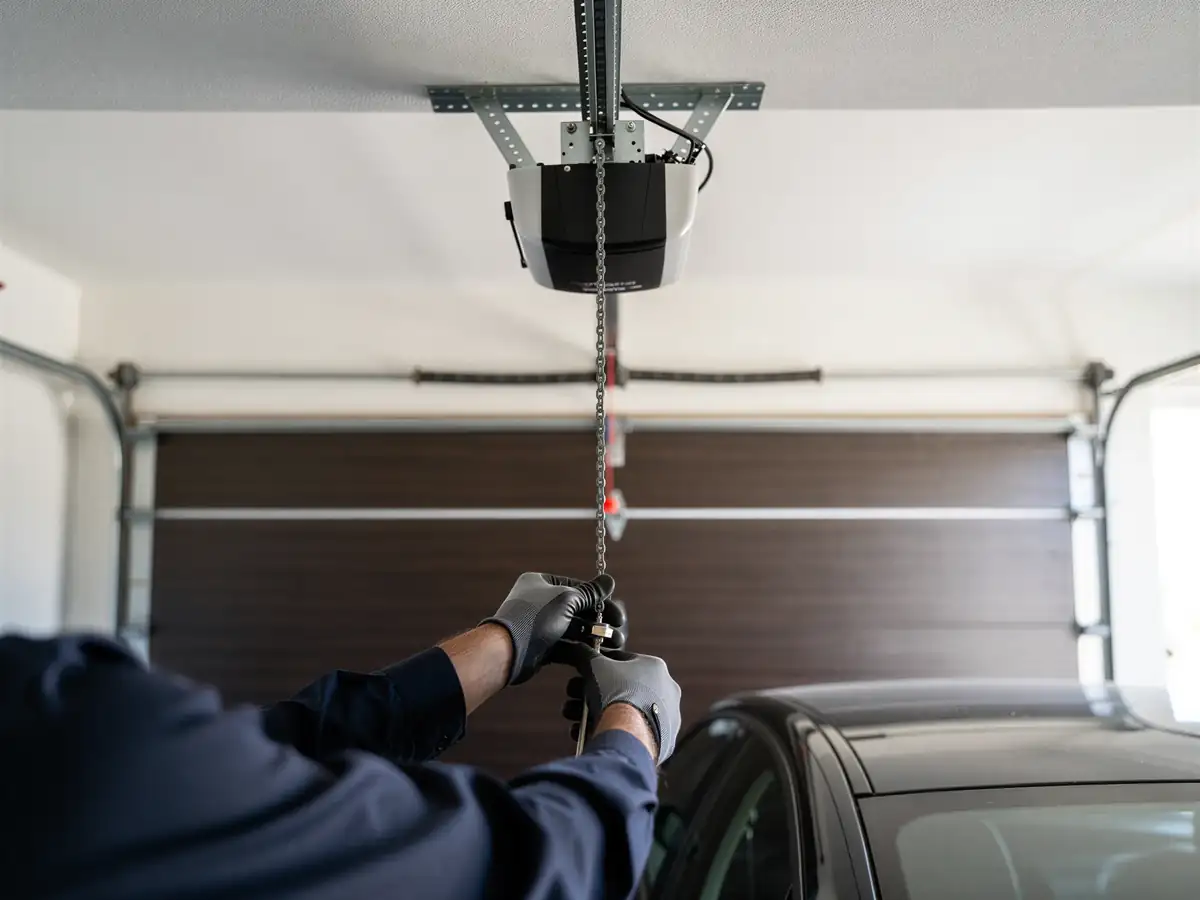
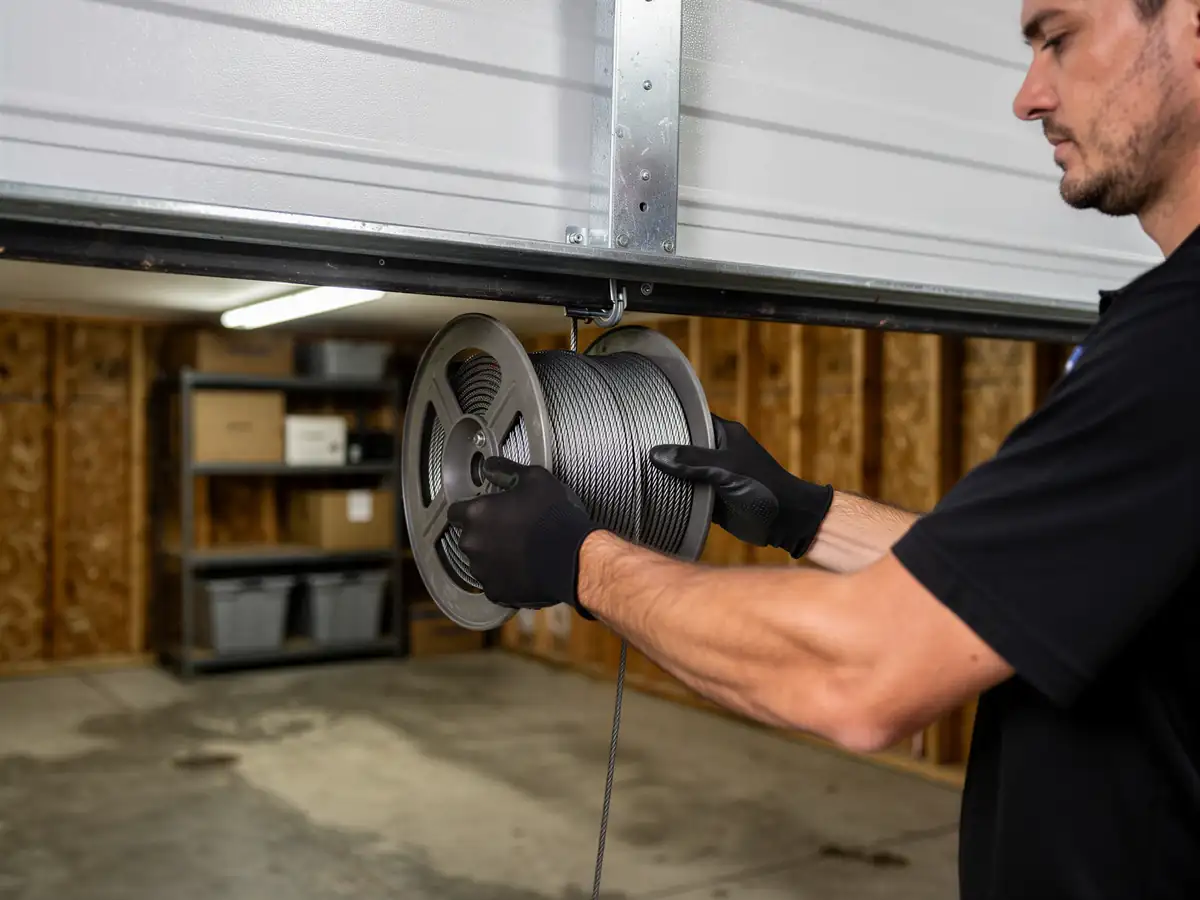
A straightforward torsion spring replacement needs the winding bars, a properly sized spring matched to door weight and track length, and a tech who checks the cable drums and bearing plates before calling it done. For the double springs common on wider Villa Rica garages, both springs get replaced together even if only one failed, because a mismatched pair just moves the next breakdown a few months closer. We also check whether the opener's travel limits need resetting after the spring swap, since a new spring changes the lift tension slightly and an opener left on old settings will strain against it.
What You Are Seeing
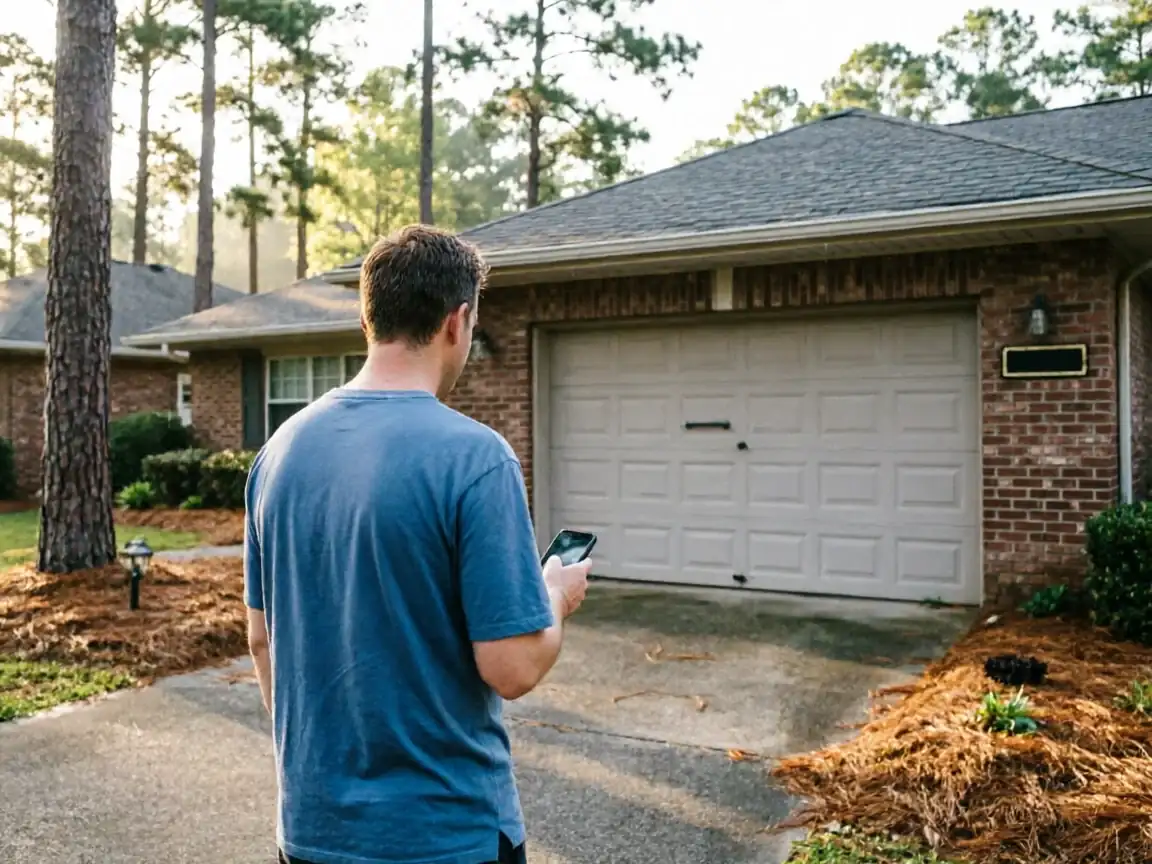
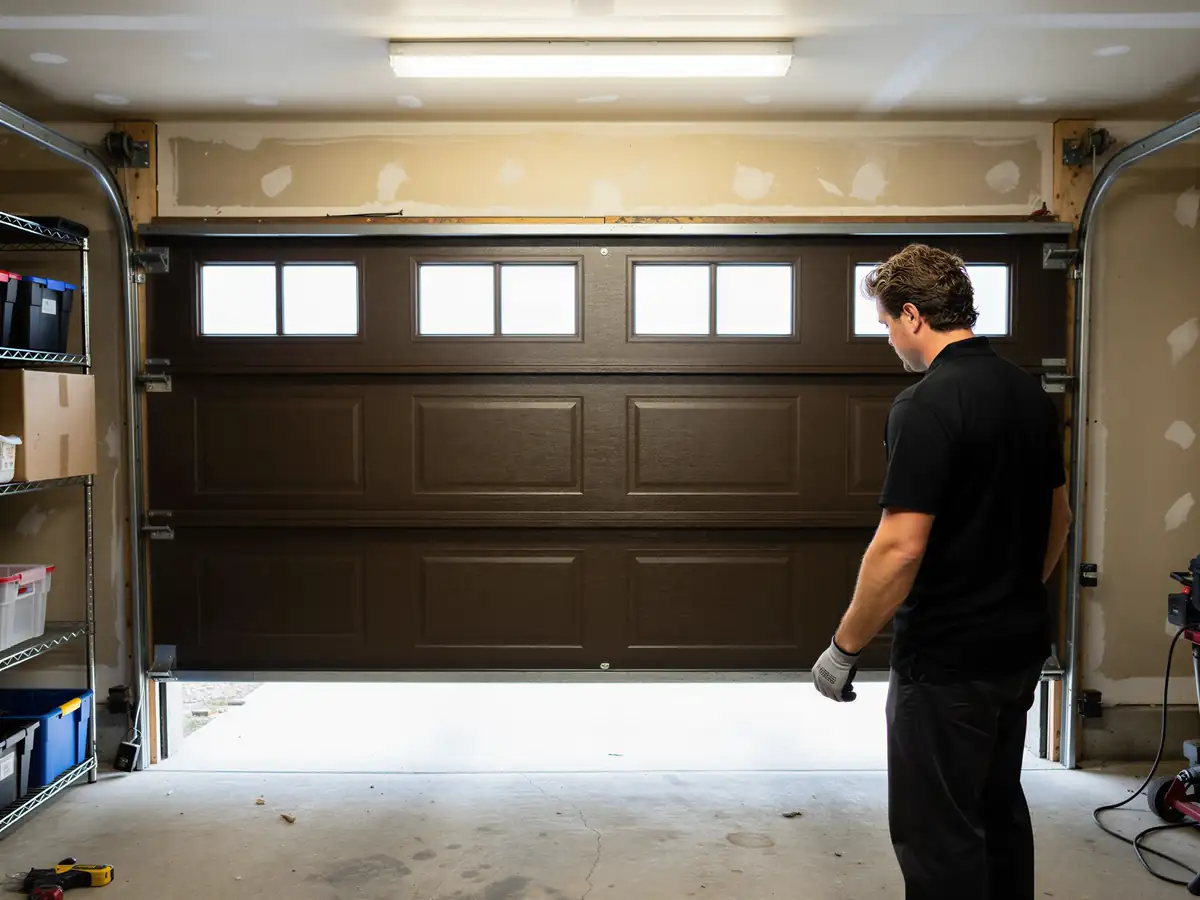
If the door won't lift past a few inches, or the opener strains and reverses itself, that's consistent with a torsion spring that's lost tension or already snapped - a loud bang from the garage earlier that day is usually the moment it let go. A door that closes unevenly, dropping faster on one side, points to one spring on a double-spring setup giving out while the other still holds some tension. None of this is a DIY fix; a torsion spring under load can cause real injury if you don't have the right bars and know how to use them. If your door is still under the original builder spring from 2003, don't wait for it to fail on a morning you need to get out.