Stocked Parts
The truck that comes out to Villa Rica is loaded for newer construction
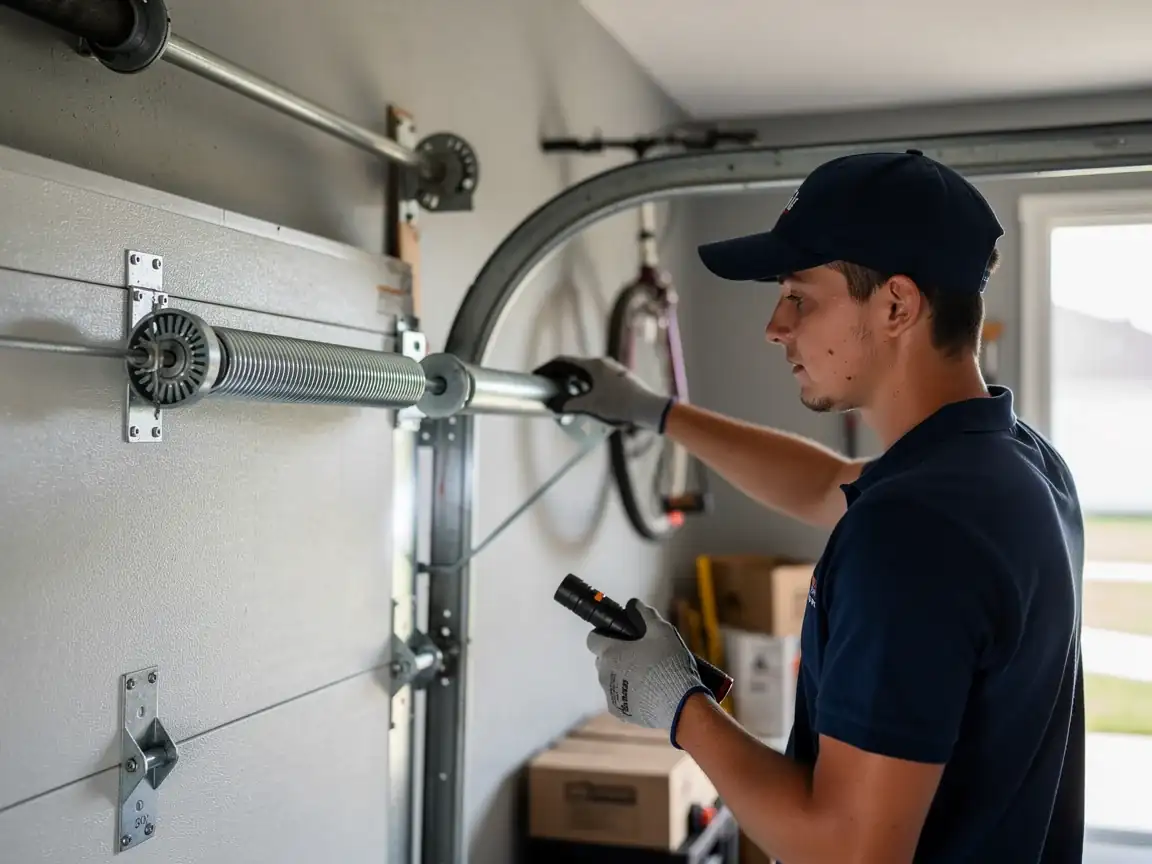
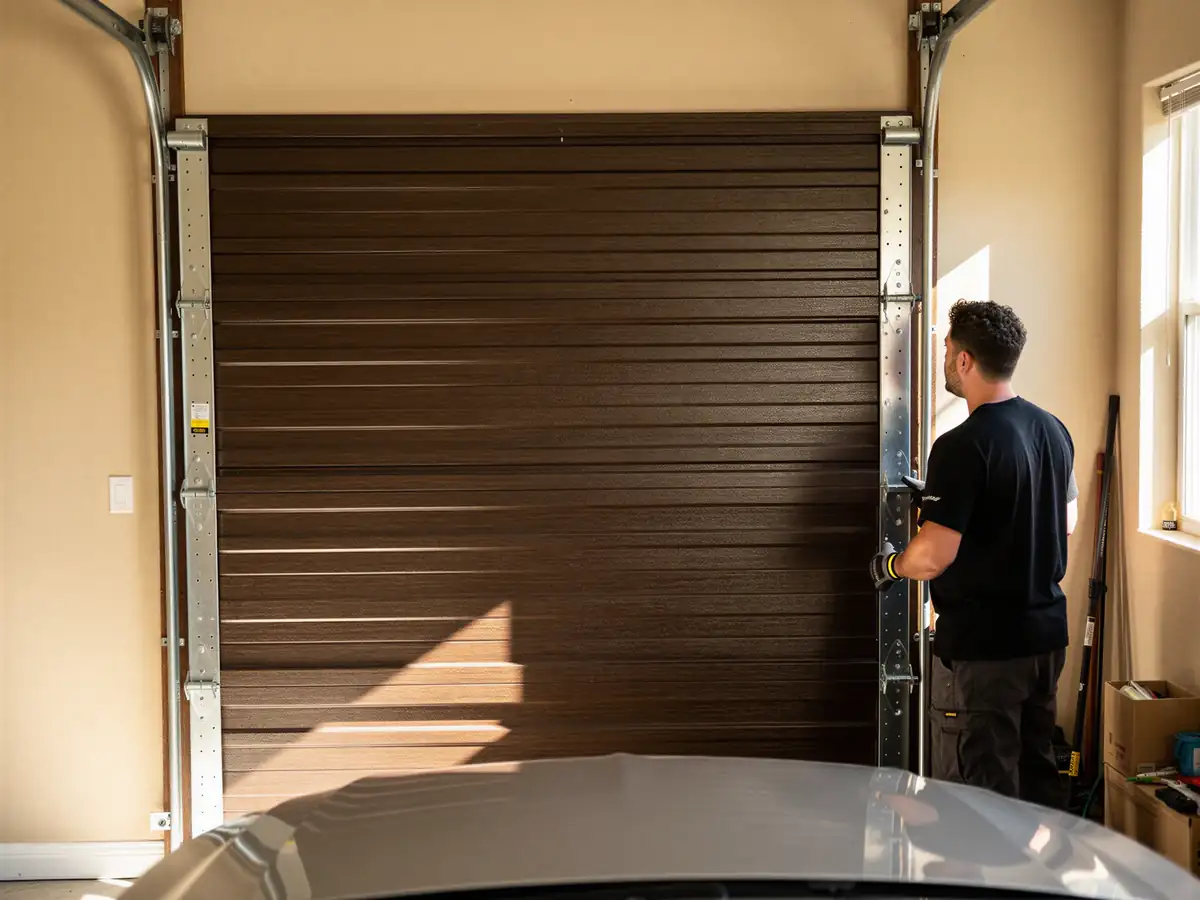
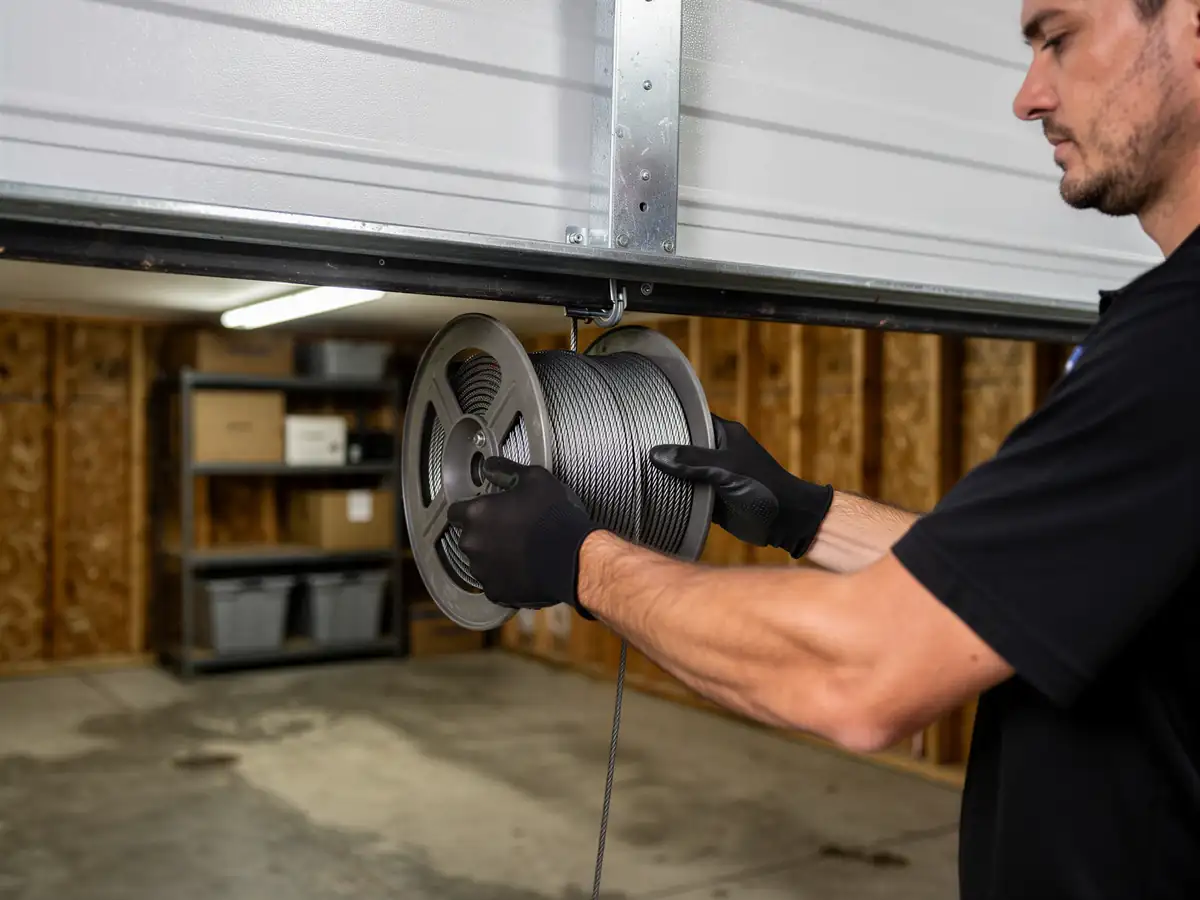
Not the oldest end of the service area. With a median build year around 2003 here, most doors are steel or composite-faced, wider double-car openings, and factory torsion springs sized for that weight - not the narrow single-car extension-spring setups you find in older pockets of the territory. We carry standard torsion springs in common wind and wire sizes, steel rollers, cable, and opener circuit boards and remotes that match the logic-board openers builders installed through the 2000s.
What we don't stock on the truck is anything custom
A composite overlay panel matched to a specific builder run, or a discontinued opener board from a model that's been out of production a while. If your door needs a factory-matched panel, that's usually a special order, and we'll tell you that before we quote the job, not after. For most Villa Rica calls - broken spring, dead opener, door off track - the parts are already on the truck when we leave Douglasville.
Why This Fails Locally
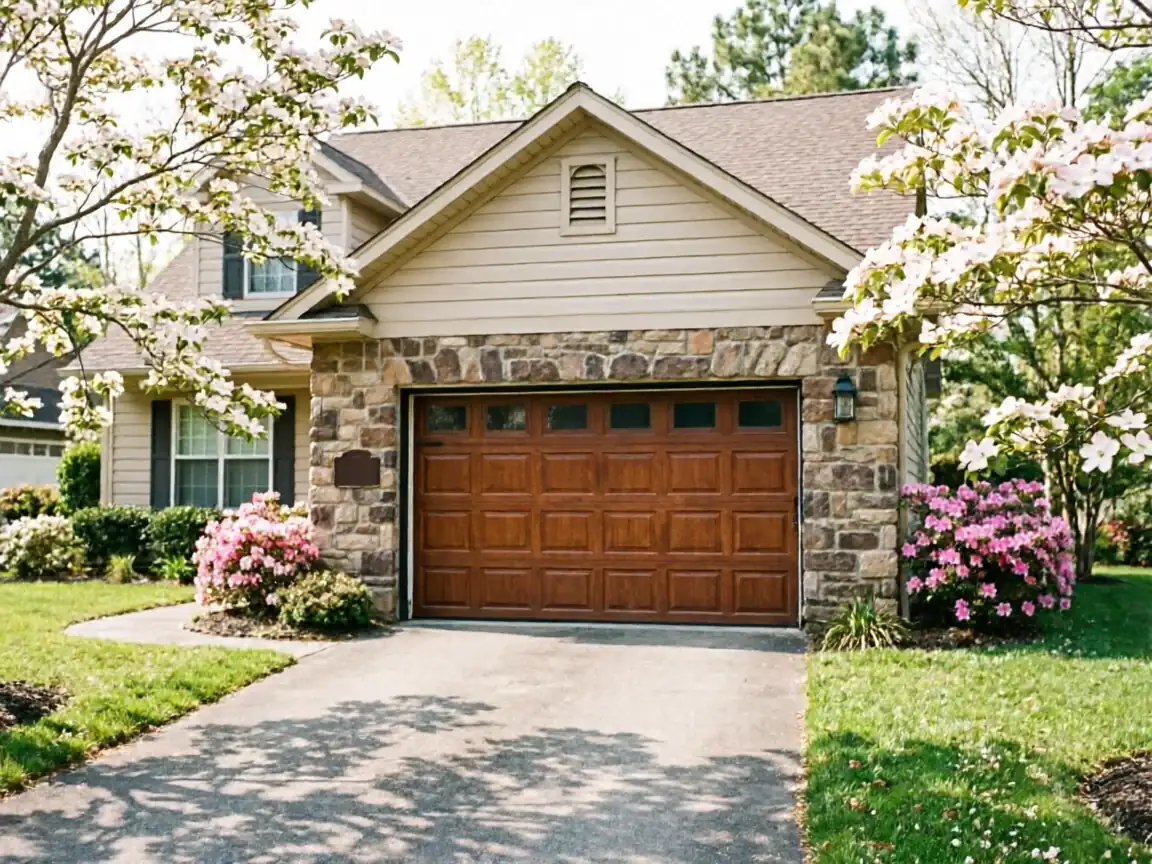
Villa Rica's housing stock centers on a 2003 median build year, a decade newer than the service area's overall 1966-2004 range. That matters because the failure pattern follows the door, and the door follows the year it went in. Newer double-wide garage openings use heavier steel doors on dual torsion springs, and those springs do more cycles per year carrying more weight than the single-spring setups on older, narrower doors.
The region sits in a cold-moderate climate band, and torsion springs lose tension gradually with repeated cold-to-warm swings over the years. On a newer double door that's already working near its rated cycle count, that fatigue shows up as a sudden snap rather than a slow sag - the spring holds fine for years, then goes all at once, usually on a cold morning when the garage hasn't warmed up. That's the call we get from this side of the service area more than any other: one spring broken clean, the door stuck halfway, and a homeowner who didn't see it coming because nothing looked wrong the day before.
Where This Job Goes Sideways
We drive 12 miles from Douglasville to reach Villa Rica, which is why we load the truck before we leave, not after we see the door. A job goes sideways when the spring size we brought doesn't match what's actually on the door - wrong wire diameter, wrong wind direction, or a door that turns out to be wider than a standard double. On a 12-mile run, a mismatched part means a second trip, and nobody wants that, us included.
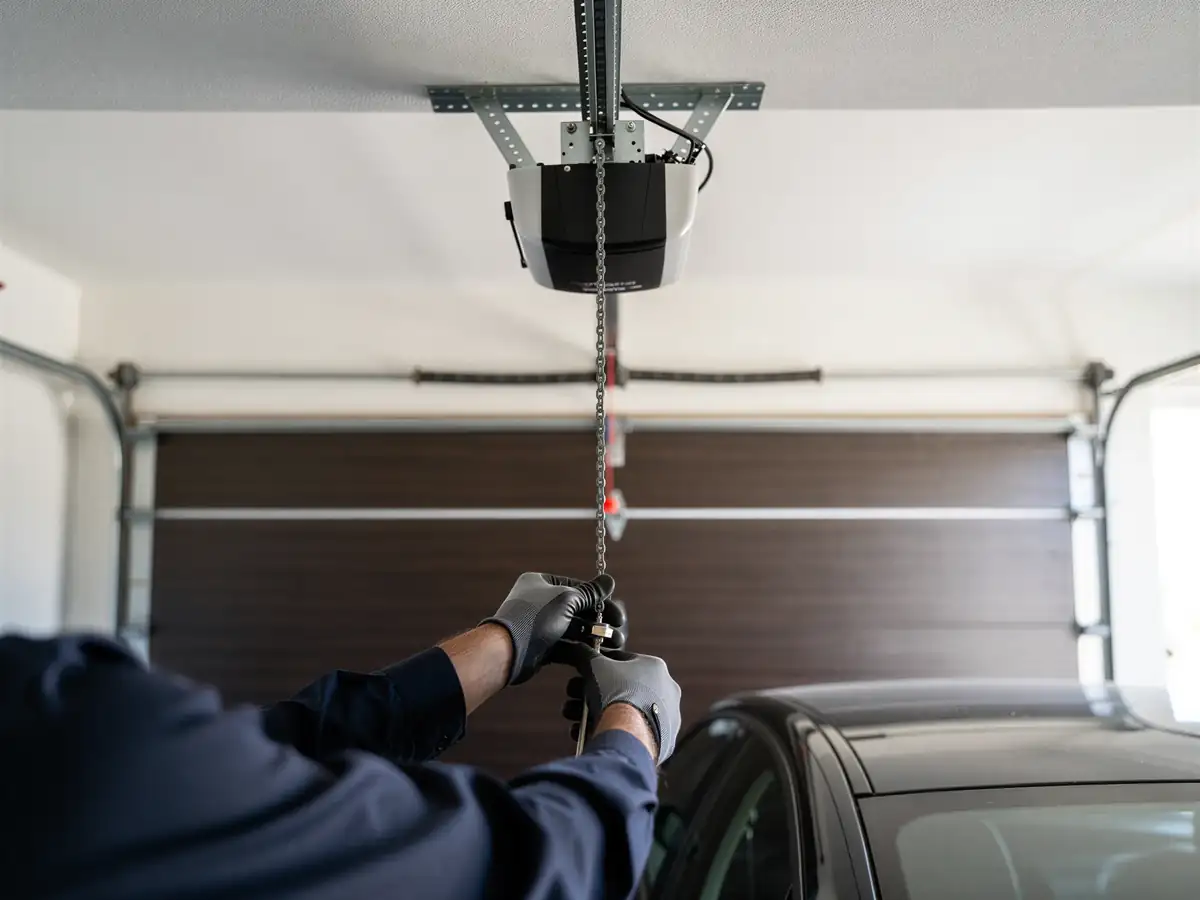
The other way it goes sideways is the opener. On a door built since 2003, a snapped spring sometimes also fries the opener's circuit board, because the motor tries to lift a dead-weight door and the board takes the strain. If we only fix the spring and the opener was already failing, you'll get a door that moves by hand but still won't respond to the remote. We check the opener logic board before we call the job done, because a return trip over the same 12 miles for something we could've caught the first time isn't a fair ask of either of us.
How Long It Takes
We don't quote a guaranteed arrival window for Villa Rica
Because we're driving in from Douglasville, not sitting idle nearby. Traffic and the job ahead of yours both affect when we show up, and we'd rather tell you that straight than promise a number we can't hold to every time.
Once we're at the door, a single broken torsion spring on a standard double door is usually a same-visit fix
An hour or so of work once the right spring is confirmed against the door's actual size and weight, which newer Villa Rica doors tend to run heavier than the older stock elsewhere in the territory. An opener board swap adds time on top of that, and a stuck door that's bent a track or torn a panel takes longer still, sometimes a return visit if a part needs to come from the manufacturer rather than off the truck. We'll tell you which situation you're in before we start, not after.
What the Repair Takes
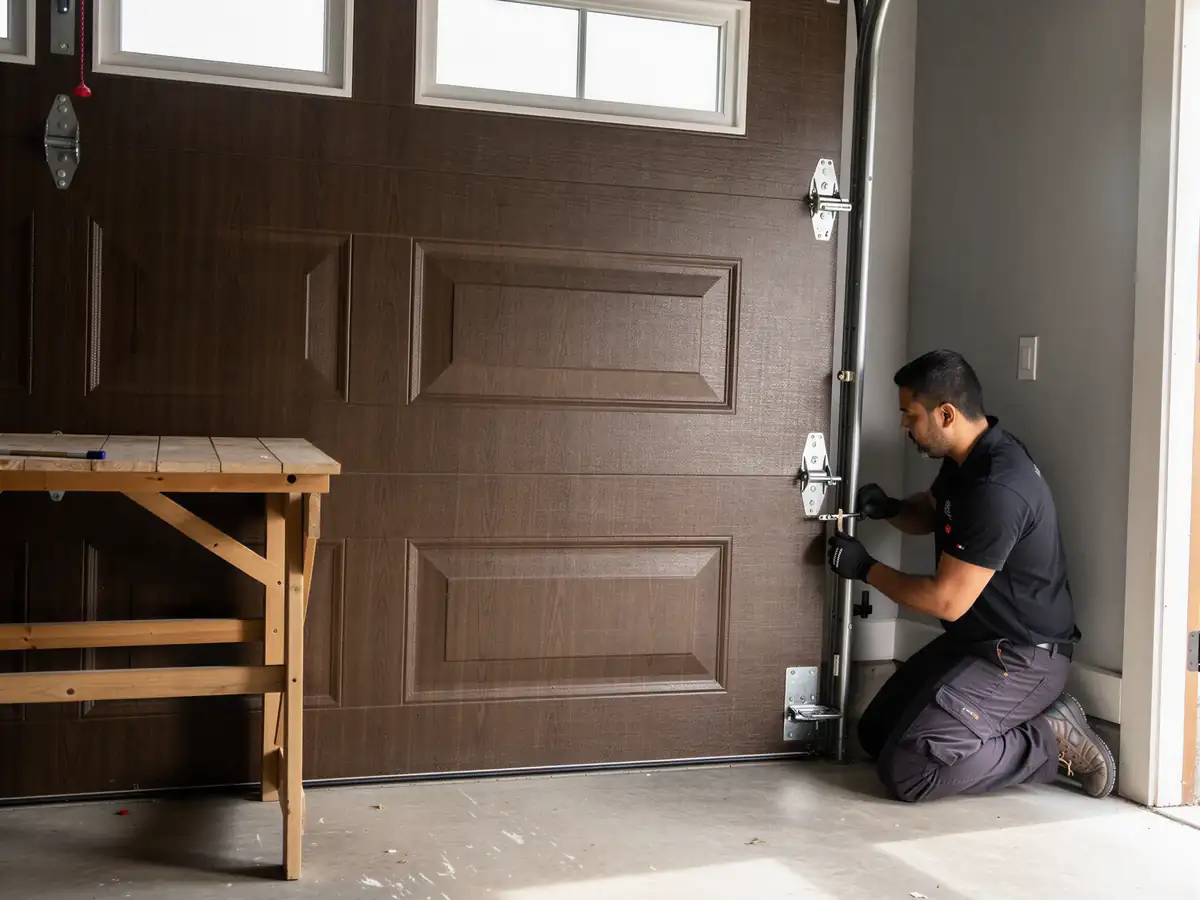
A torsion spring job on a Villa Rica double door starts with confirming the door's actual weight and the spring's wind and wire size - guessing here costs time, since the door is heavier than the single-spring doors common on older stock elsewhere in the service area. From there it's winding bars, a ladder, and the right torsion spring under tension, which is not a job to do without the tools for it; a spring under load that slips off a winding bar can break a hand.
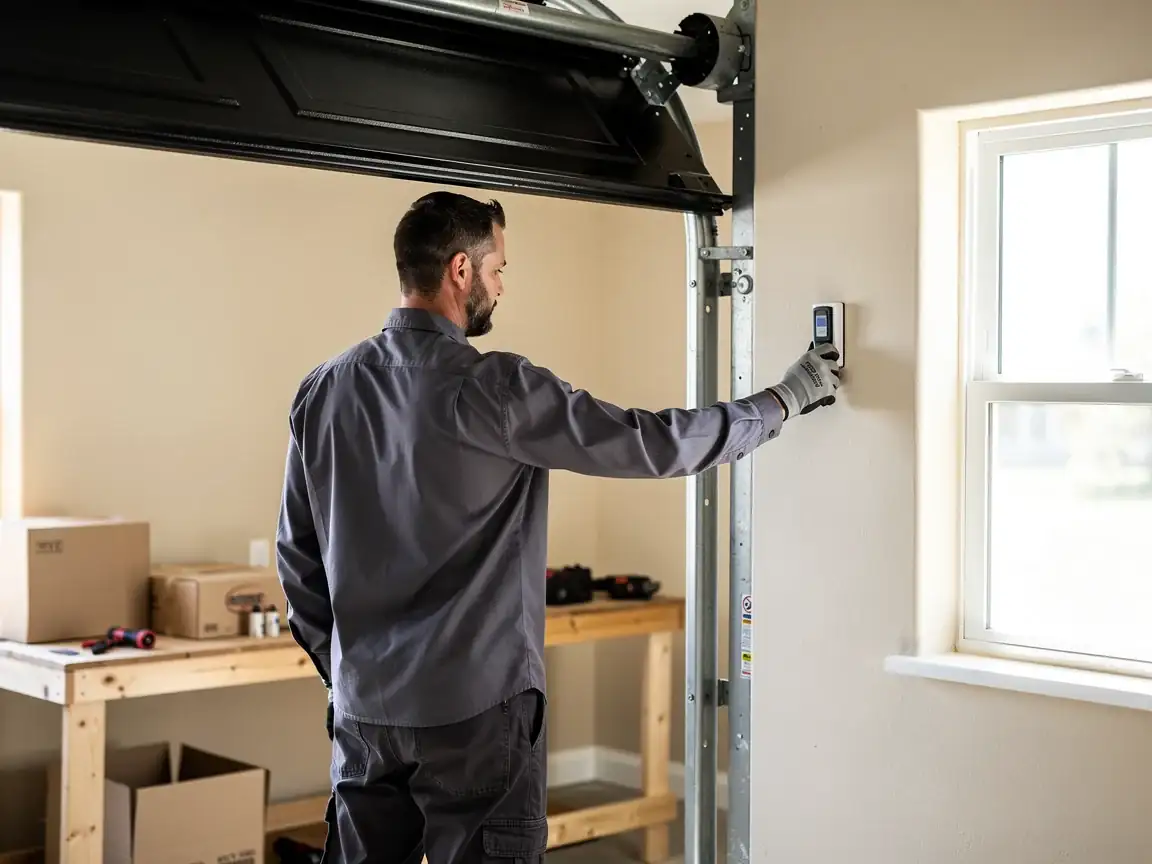
If the opener board tripped when the spring went, we test the board and the photo-eye sensors before replacing anything - sometimes it's just a reset, sometimes it's a board that took real damage and needs swapping. We also check the track and rollers while we're in there, since a door that's been running on a dying spring for weeks tends to have worn rollers from the extra strain on the motor side. We don't replace parts that test fine just to pad the ticket - if the track's straight and the rollers are round, we leave them.
What You Are Seeing
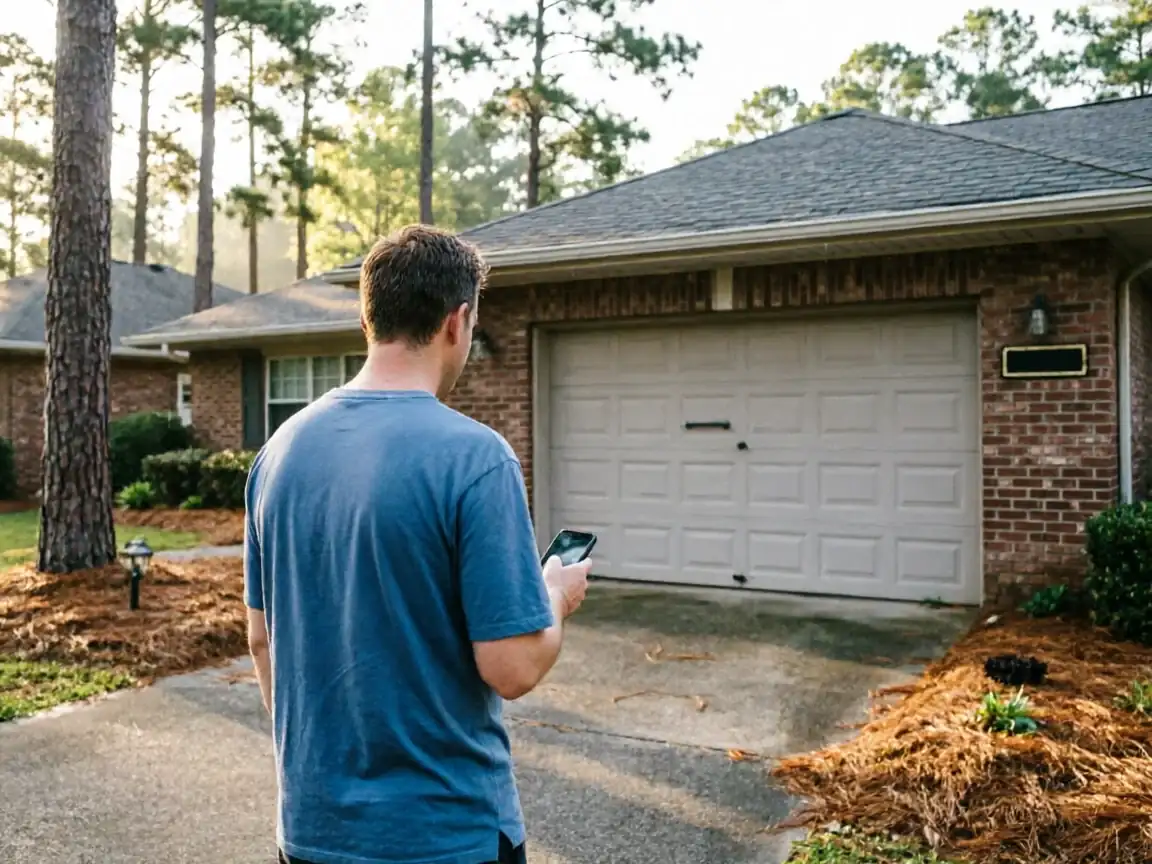
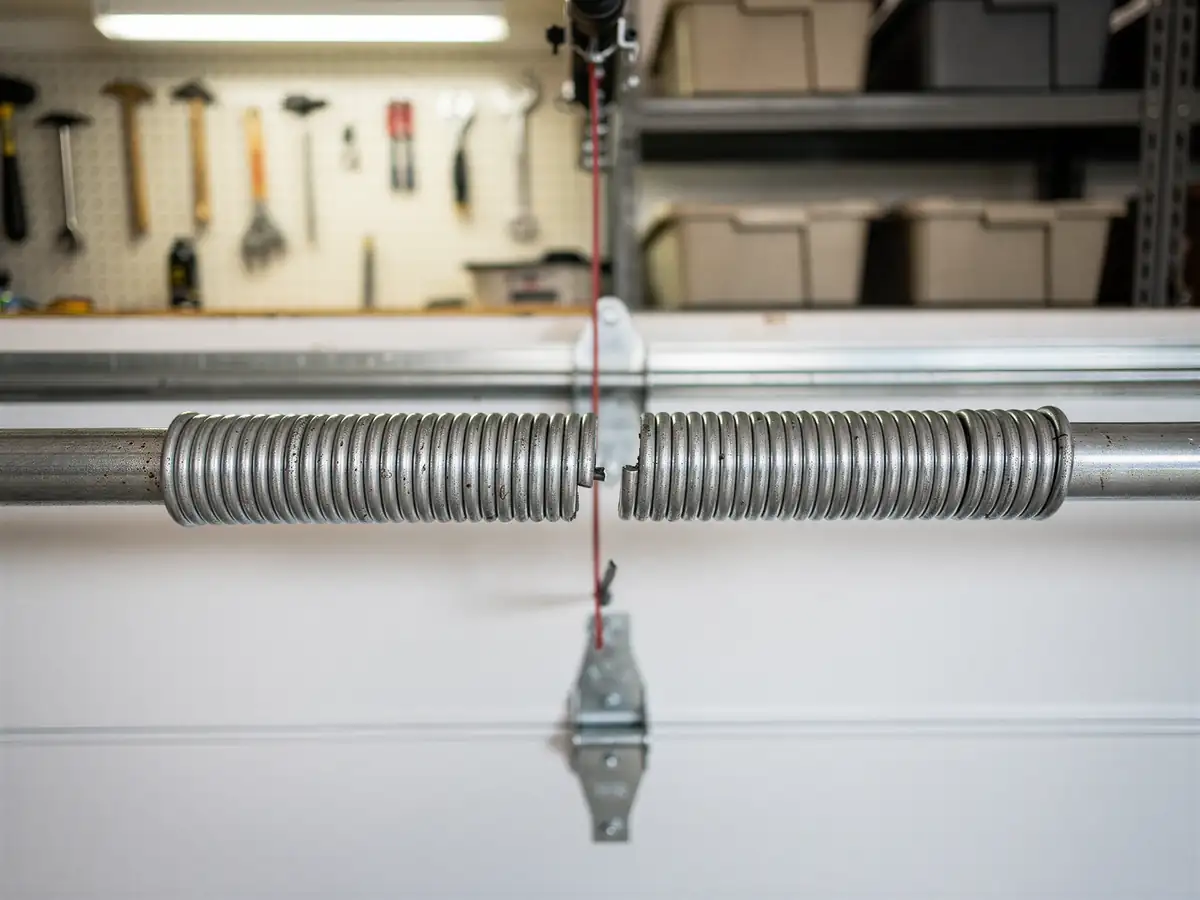
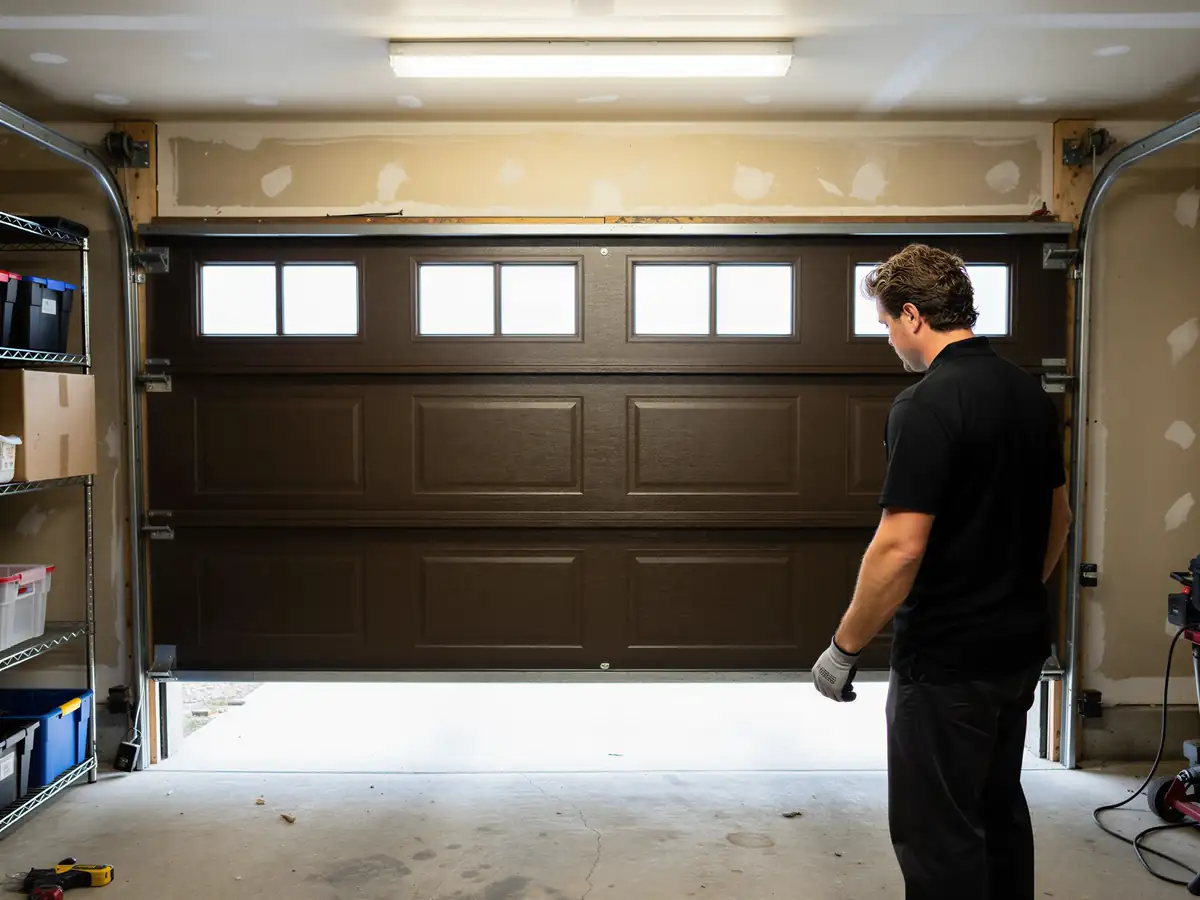
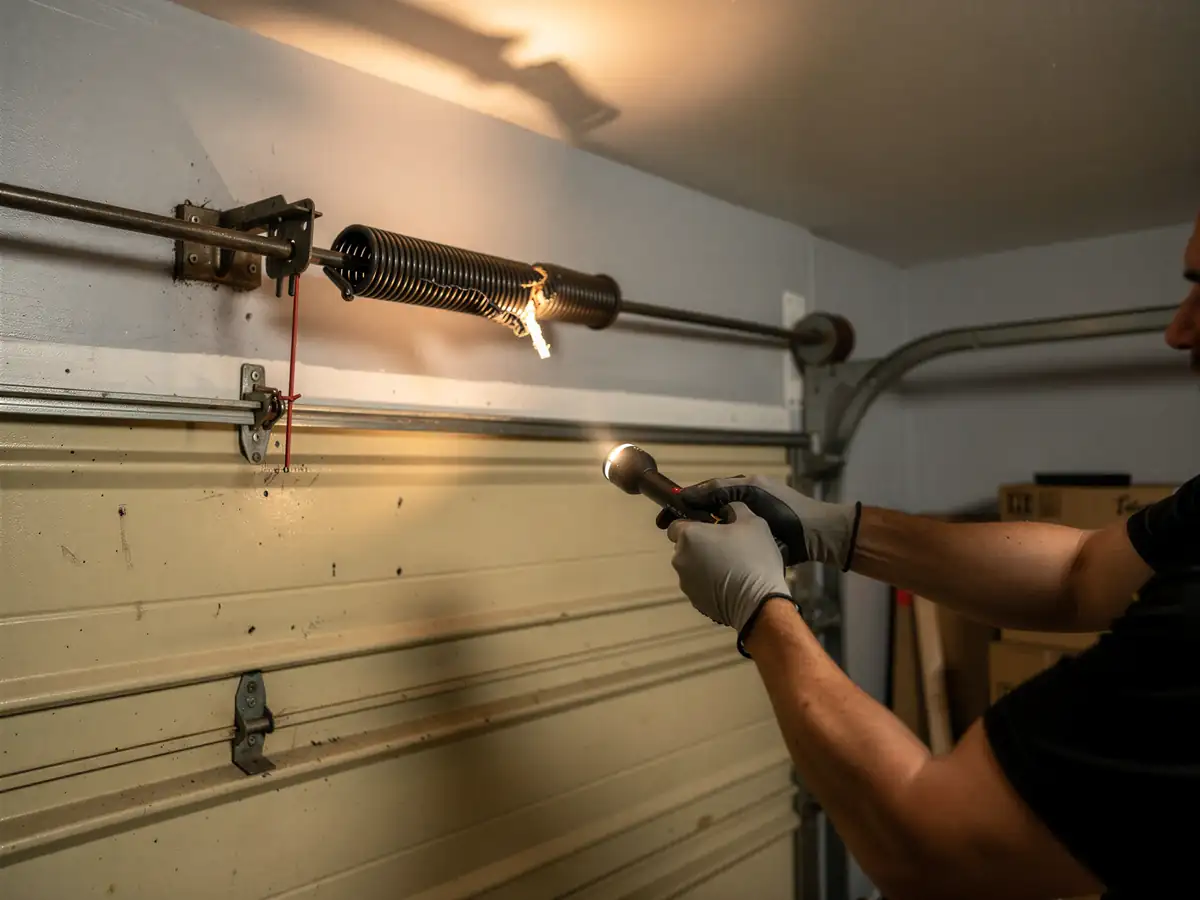
If the door won't budge and one side of the torsion bar looks twisted or gapped in the middle, that's a broken spring - common on the heavier double doors typical of Villa Rica's newer build stock. If the door moves a little by hand but the opener does nothing, or the wall button works but the remote doesn't, that's more likely the circuit board, not the spring, especially on a door built since the early 2000s with a logic-board opener.
A door that opens partway then reverses, or that the opener light blinks at without moving the door, usually points to the photo-eye sensors near the floor track, which can get knocked out of alignment by a bike, a trash can, or just time. Grinding or popping on the way up, without a full stop, is often a roller going bad rather than the spring. None of these need you to force the door - forcing a door on a bad spring is how a cable snaps next, and that's a bigger, pricier job than the one you started with.