The Problem
A torsion spring doesn't care that it's Tuesday
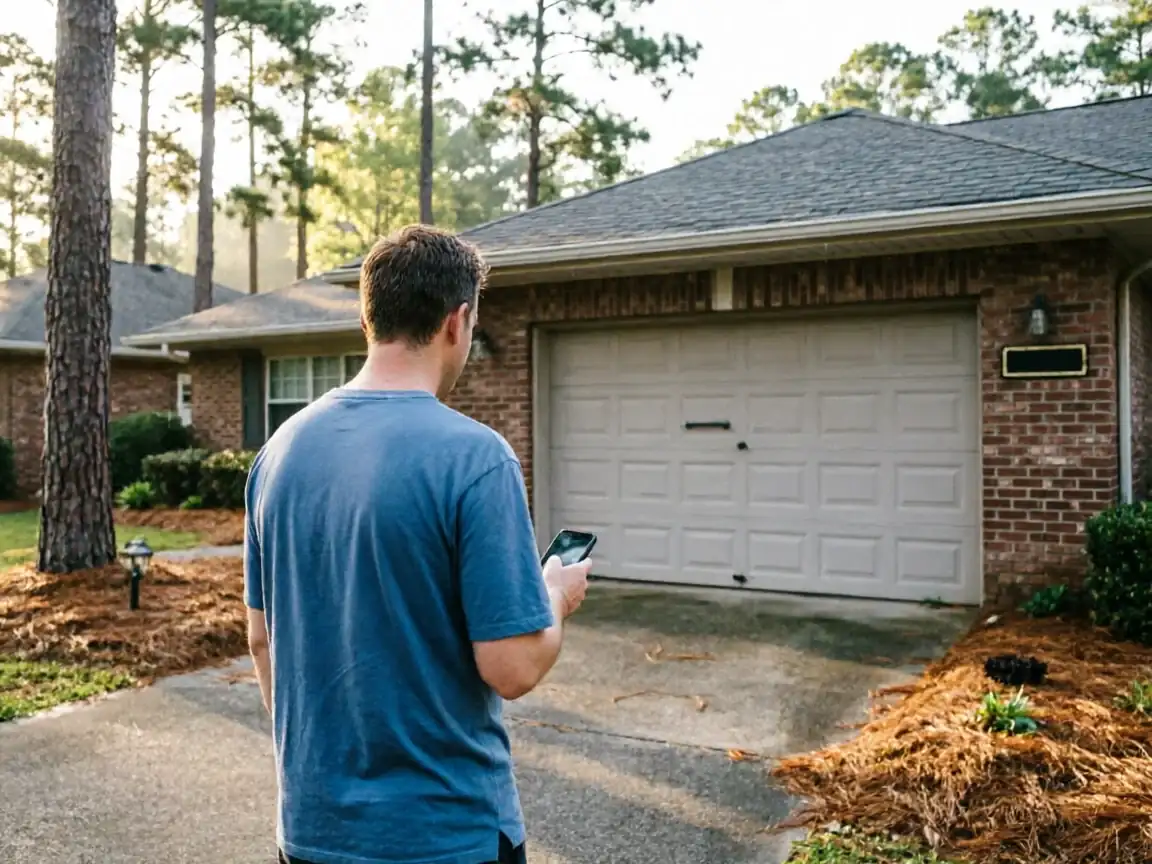
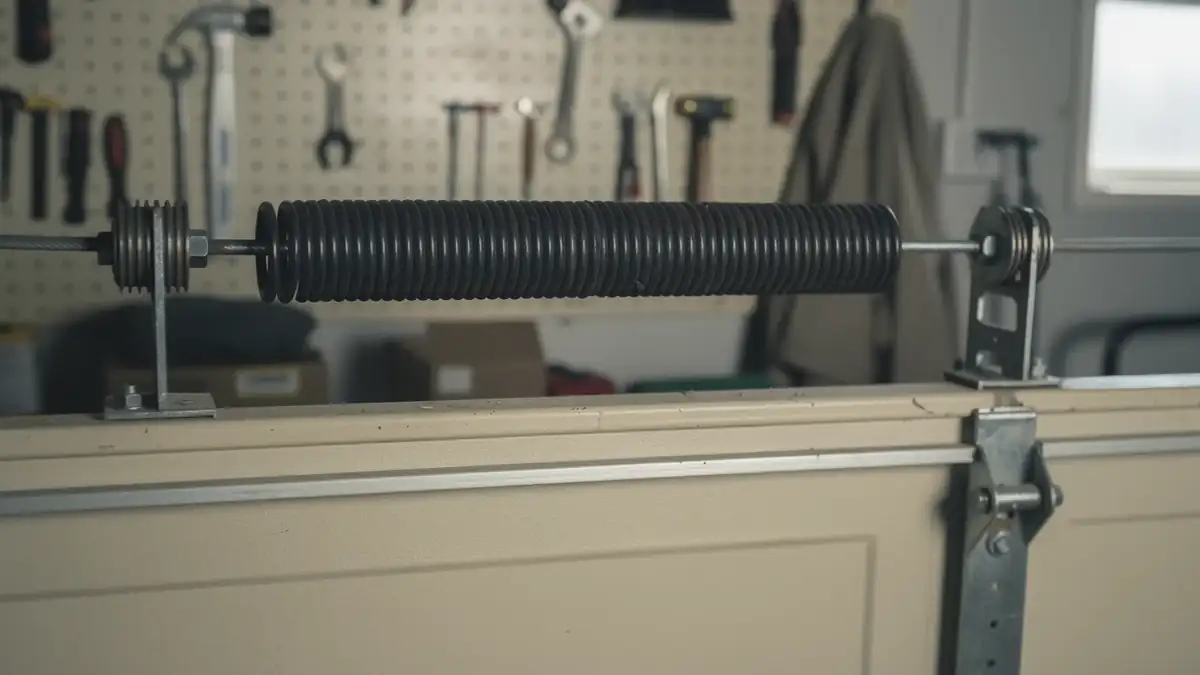
It cares about cycles and temperature, and cold is the thing that tips a spring near the end of its life into actually failing. Steel contracts in the cold, the coil loses a little flex, and the next time that door goes up, the spring that had maybe a hundred cycles left in it just doesn't have them anymore. You hear a bang, sometimes from inside the house, and the door either won't budge or comes down heavy and fast.
Most of the housing stock in this service area went up between 1966 and 2004
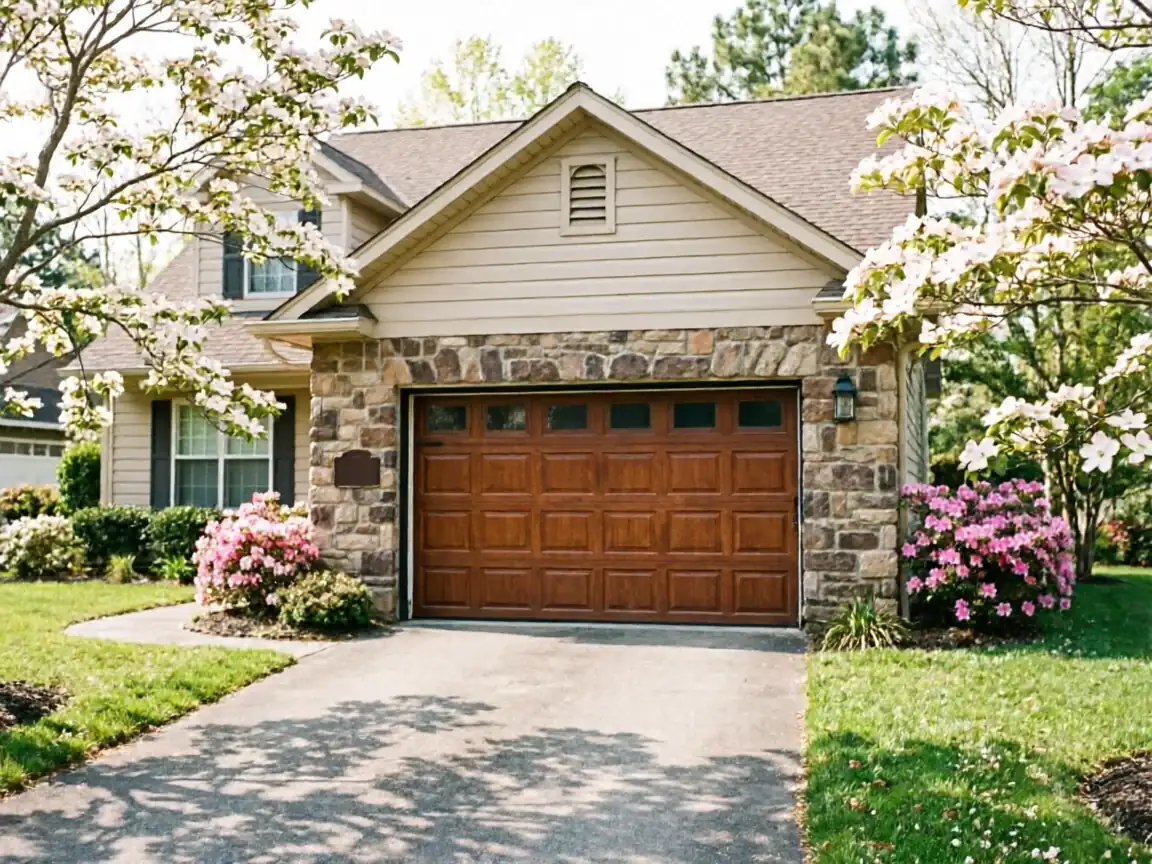
With a heavy concentration in 1980s and 90s construction spread across the 14 communities we work in. That matters here because a lot of those garages still have the original torsion hardware, or a second-generation spring installed 10-15 years ago that's now due. Age plus a cold morning is a common combination, not a coincidence.
- 14 communities
- 15 years
How Local Conditions Play In
This area sits in a cold-moderate climate band - not the deep-freeze conditions you'd get further north, but enough real cold mornings each winter to matter for steel under tension. The swings between a 60-degree afternoon and a 28-degree morning are what stress a spring that's already fatigued, more than steady cold would.
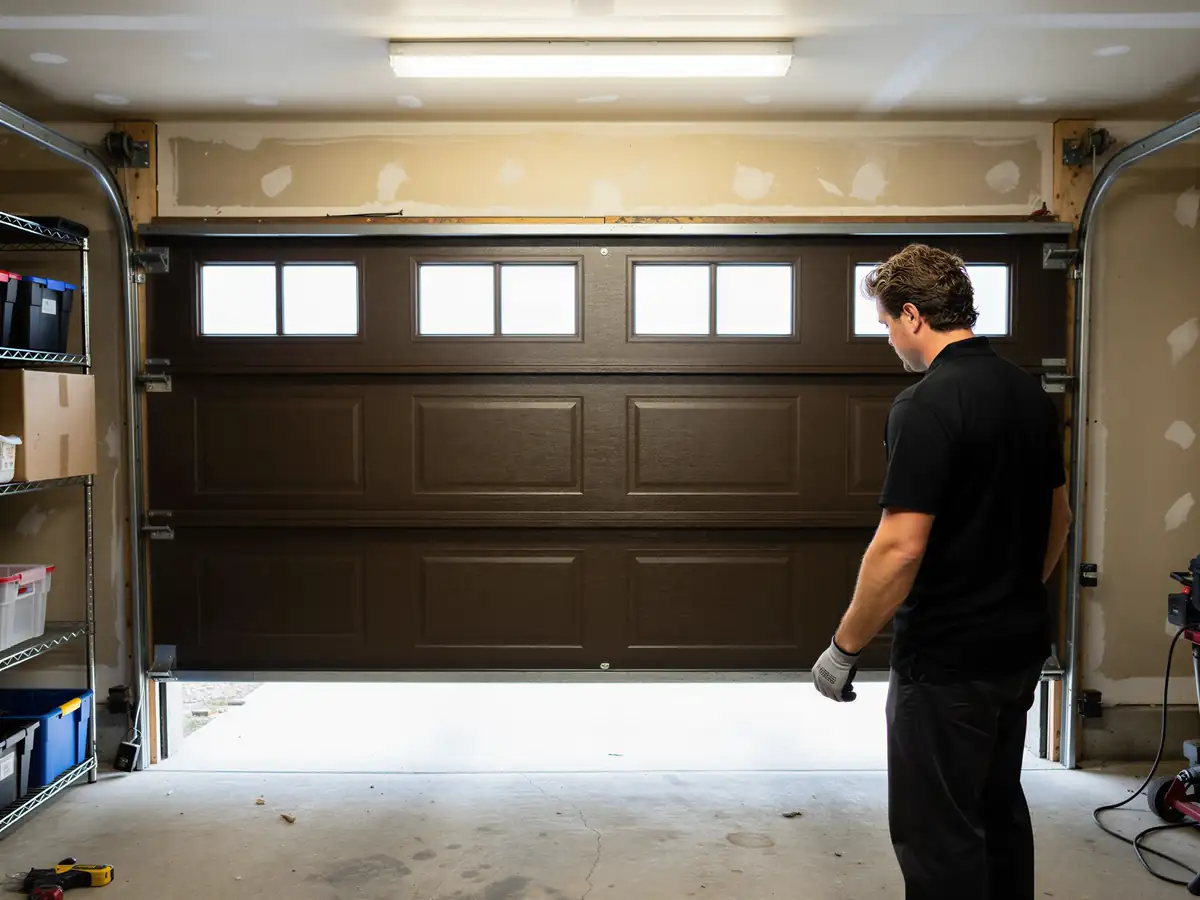
Houses built in the 1966-2004 window, which describes the bulk of garages we're called to, were built to codes and spring standards from whatever decade they went up in. A 1994-era double door with the original spring is carrying 30 years of open-close cycles on hardware that was never rated for that kind of lifespan. Pair that with a cold snap and you get the call we get most in January: a spring that let go overnight, with the door stuck shut and a car trapped behind it before work.
When It Stops Being a DIY Job
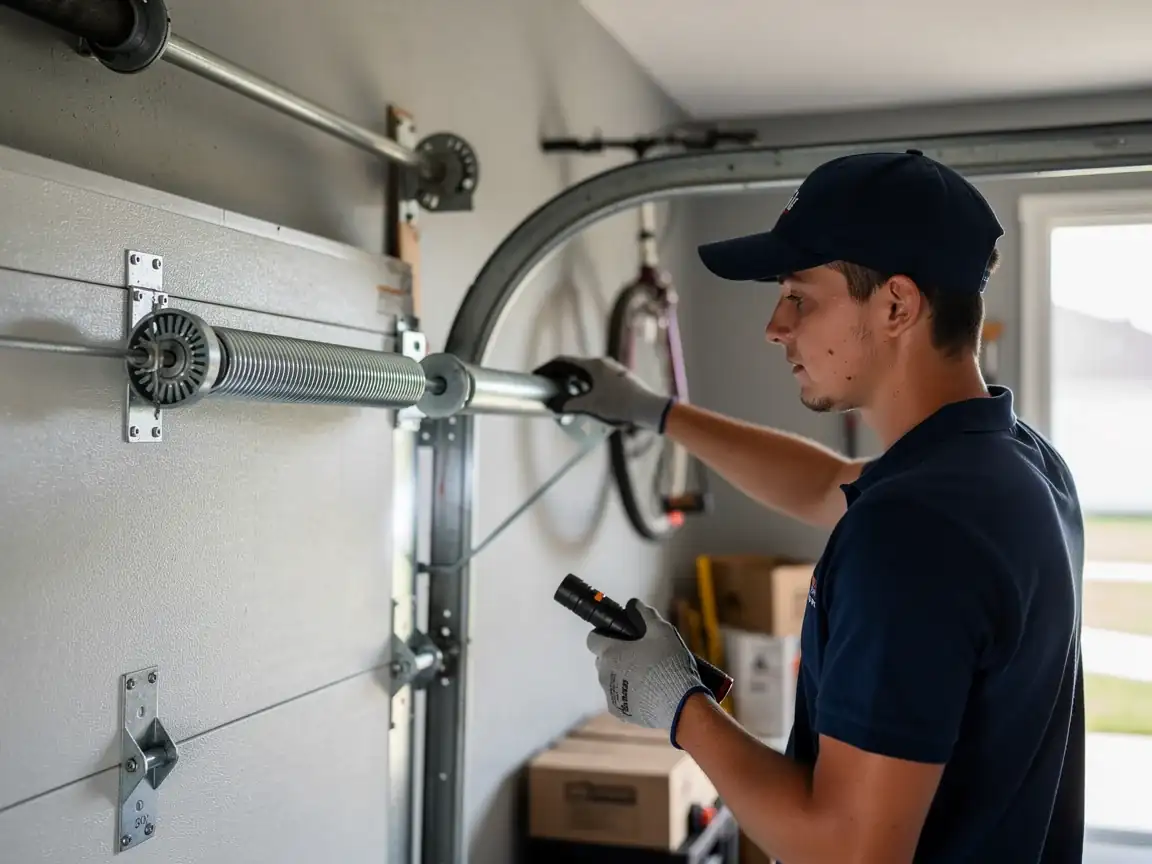
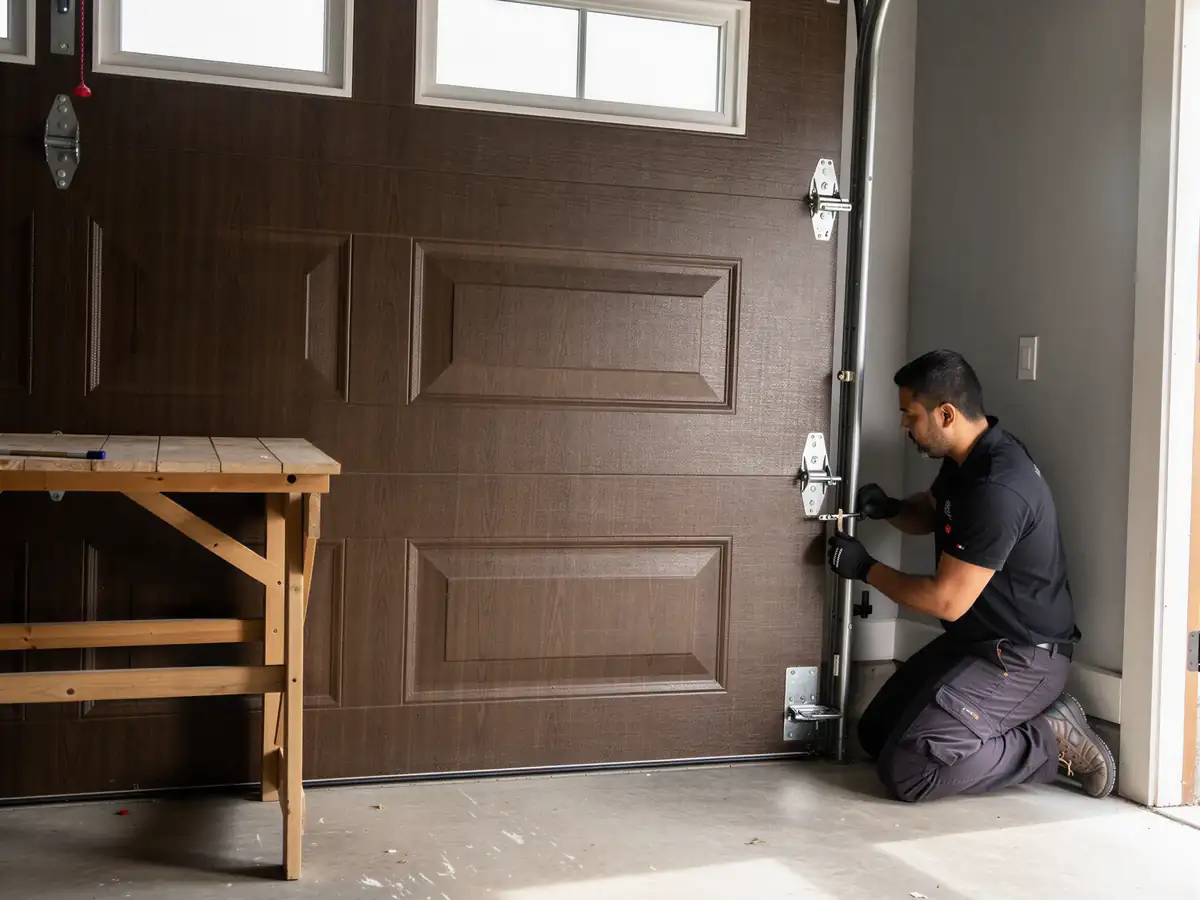
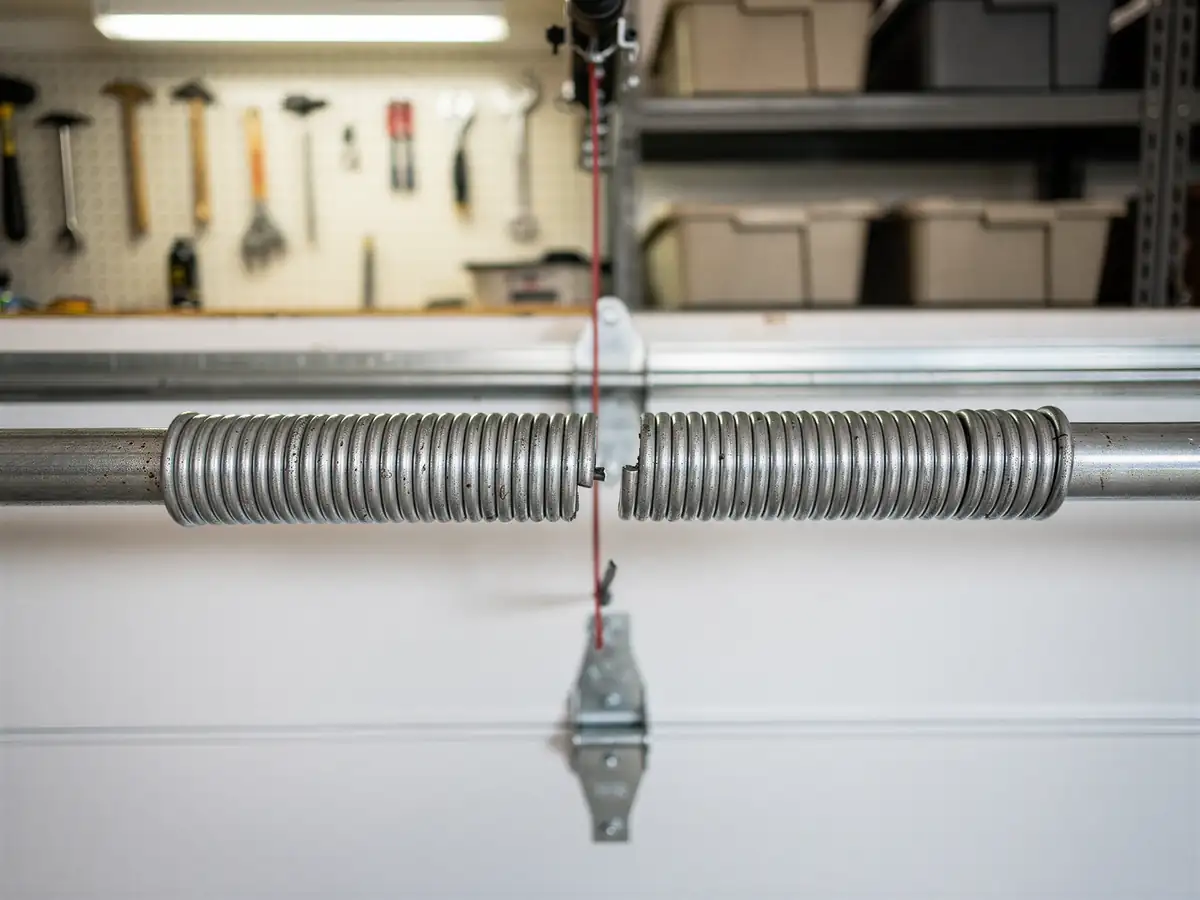
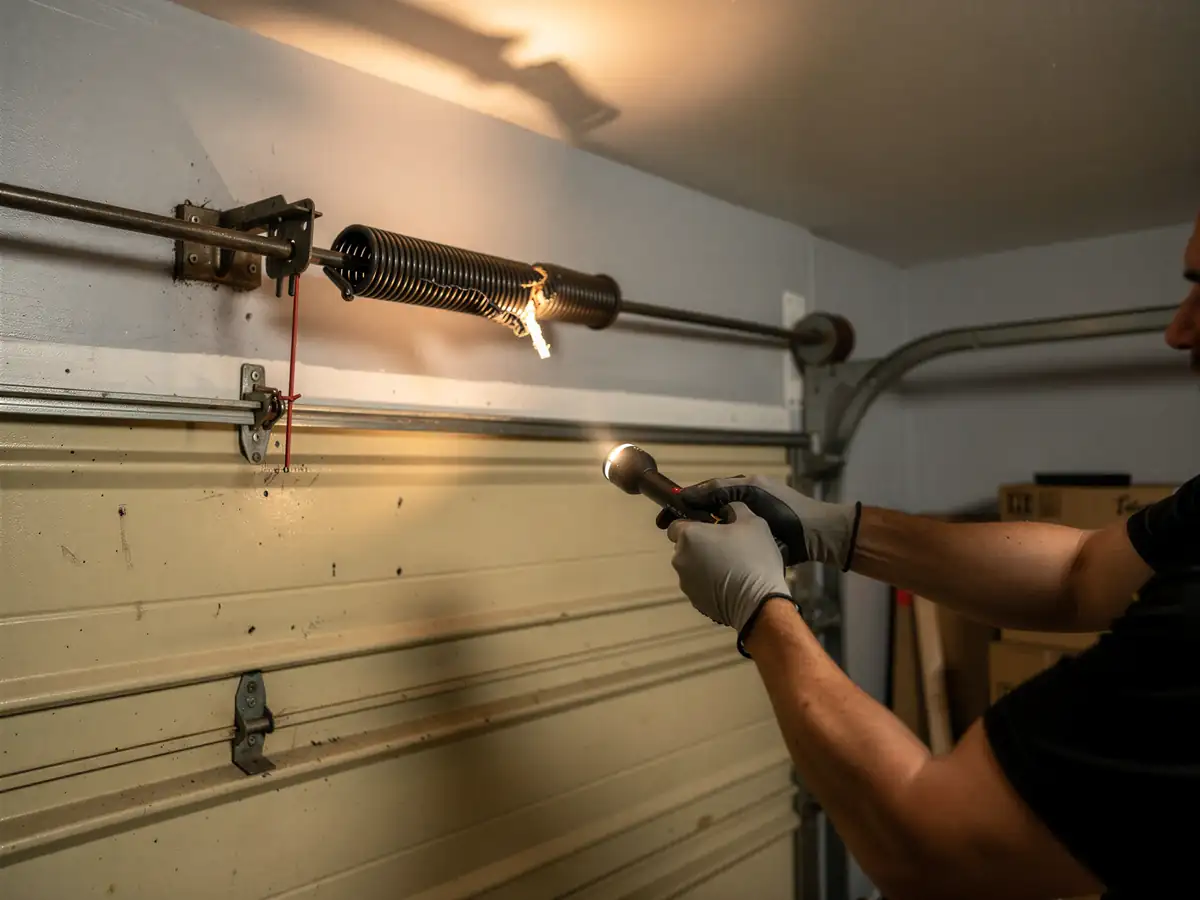
A torsion spring is under enough stored tension to break bones or worse if it lets go while you're working on it. That's true no matter how handy you are. If the spring itself has snapped - you'll see a visible gap in the coil - this isn't a tighten-a-bolt repair. It needs the right wind bar, the right winding cone, and knowing the torque spec for the door's weight, which varies by panel material and size.
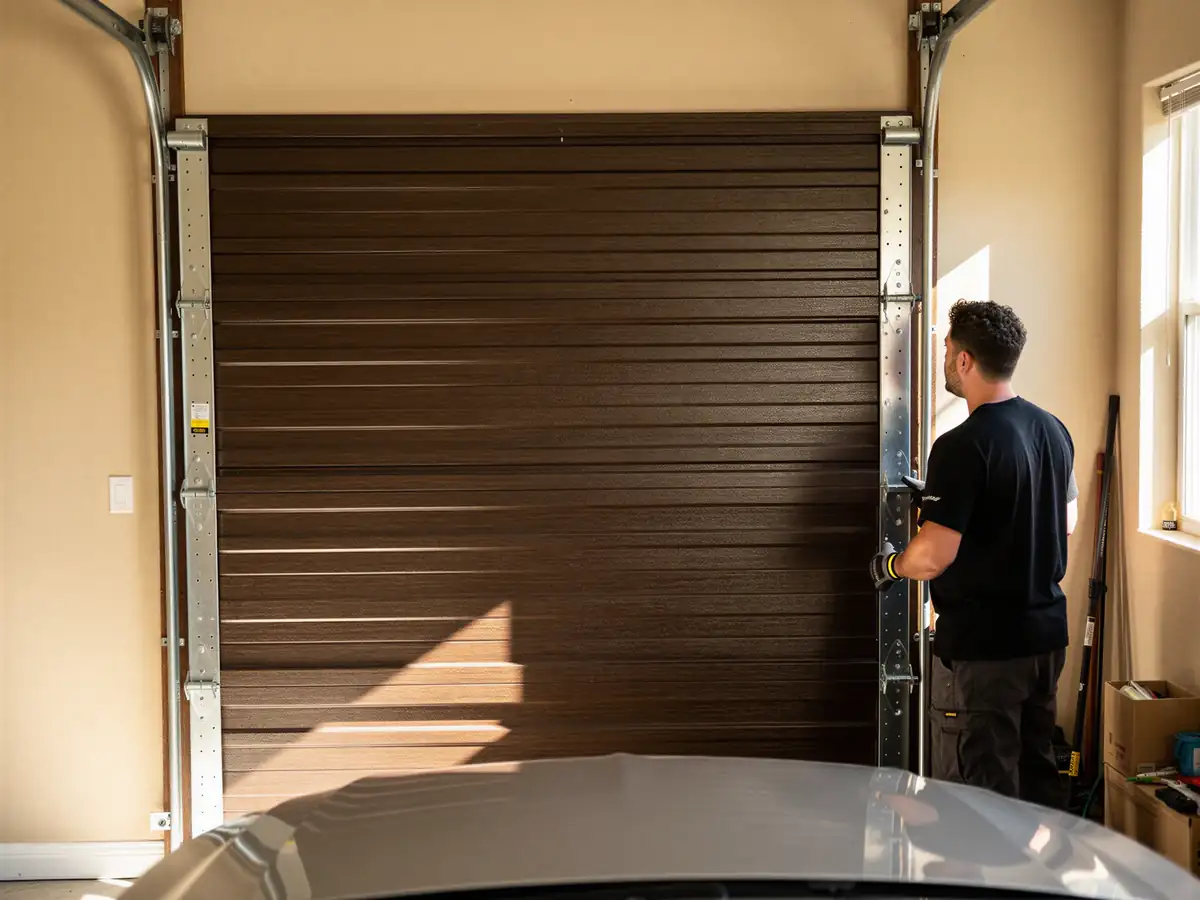
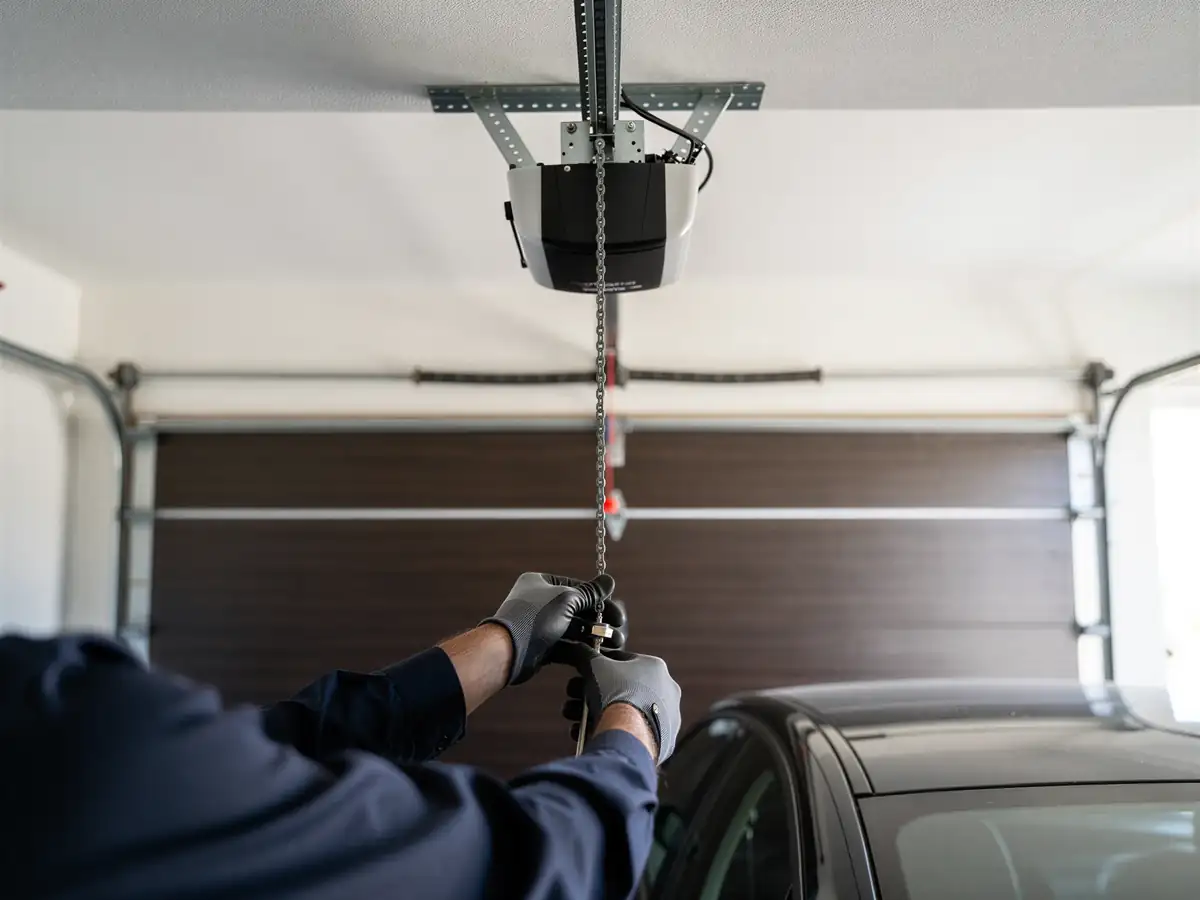
Where it's genuinely a judgment call is a door that's just gotten stiff or noisy in the cold without a full break. Lubricating hinges and rollers, checking for ice buildup on the track, tightening visible hardware - that's reasonable for an owner to do. But if the door is heavy to lift by hand with the opener disconnected, the spring is likely weakening, and that's worth a call before it fails on its own schedule, usually at the worst possible moment.
What You Pay
We don't have a flat number to quote here, honestly
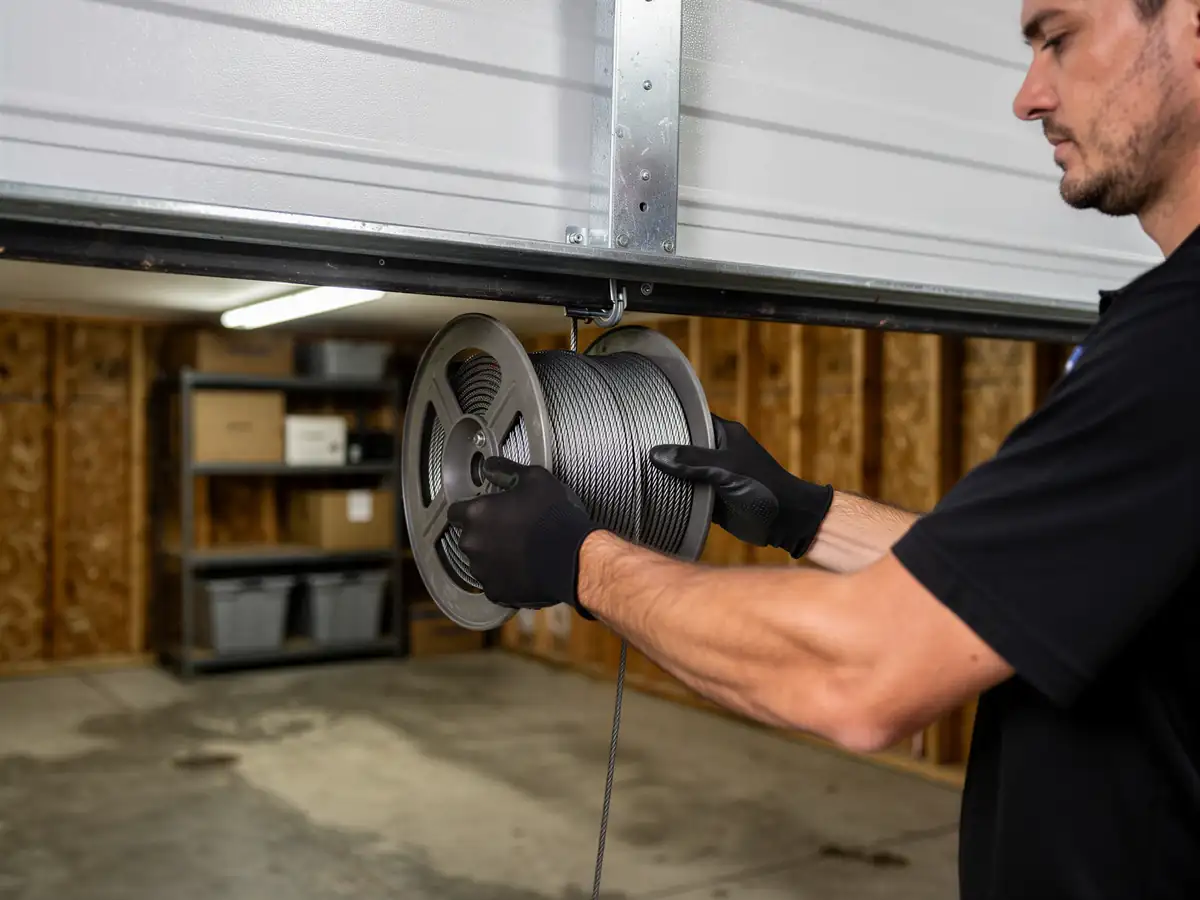
Because spring replacement cost depends on whether it's one spring or a pair, the door's weight and size, and whether the drums or cables need attention at the same time - which they often do once a spring has already failed and let the door drop. What we can tell you is that a cold-weather failure doesn't usually need anything more exotic than a standard torsion spring swap; it's not a sign something else is structurally wrong with the door.
If you're in Lithia Springs, Austell, Powder Springs, or anywhere else in this service area and a door went down hard this morning
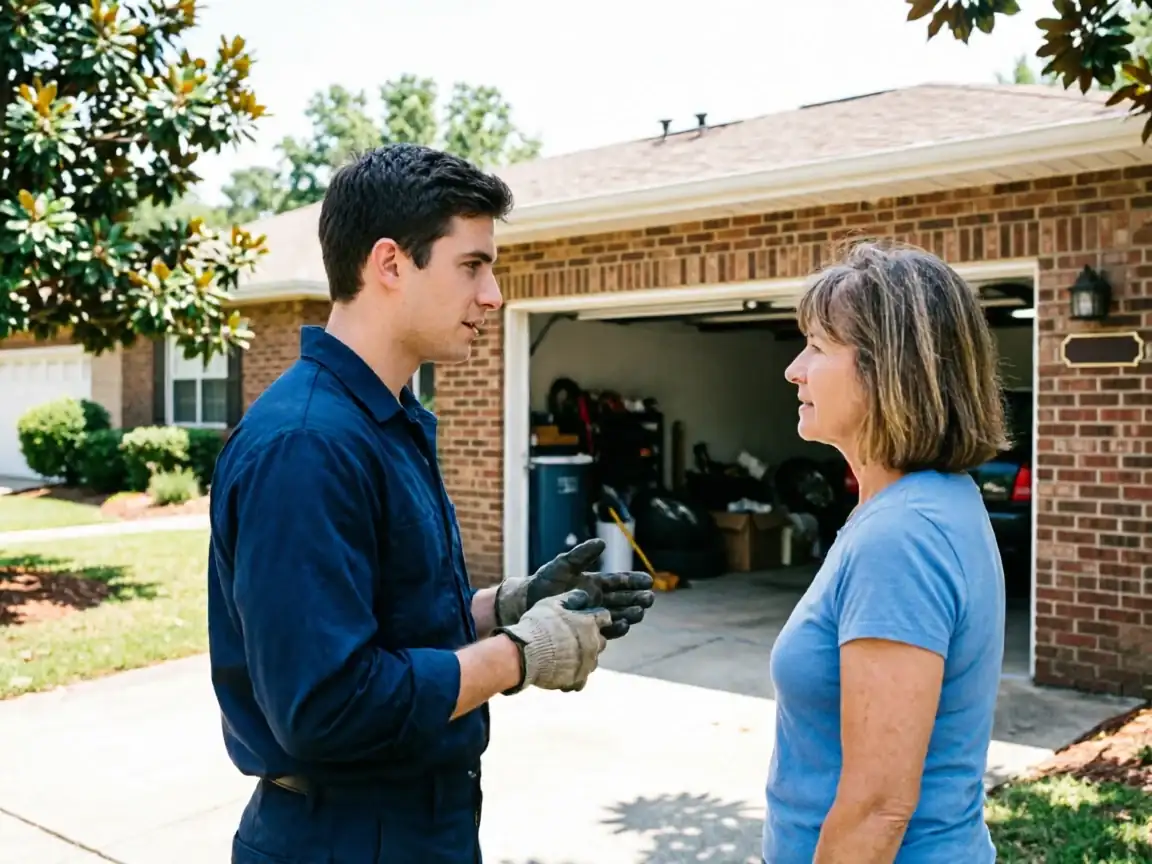
The honest move is a call and a look at the door before anyone guesses at a price over the phone.