The Problem
Most of the housing stock around Douglasville went up between 1966 and 2004
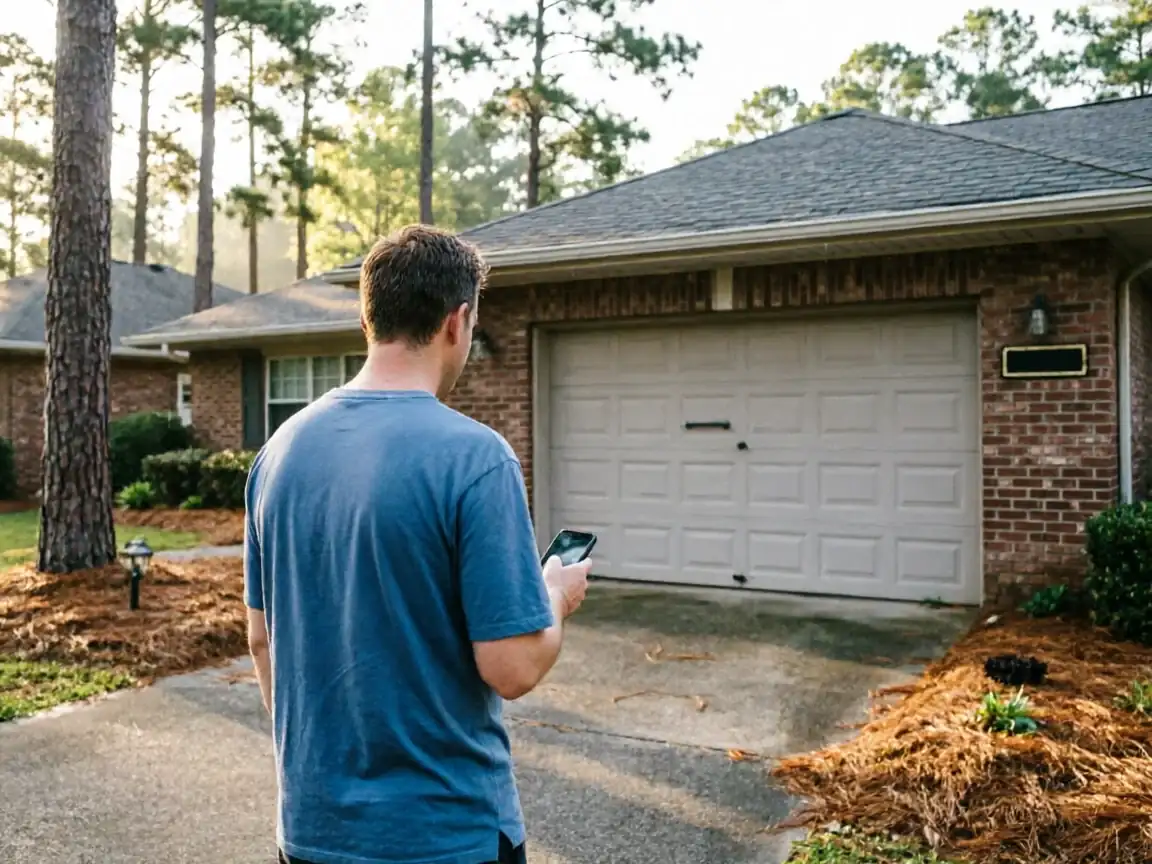
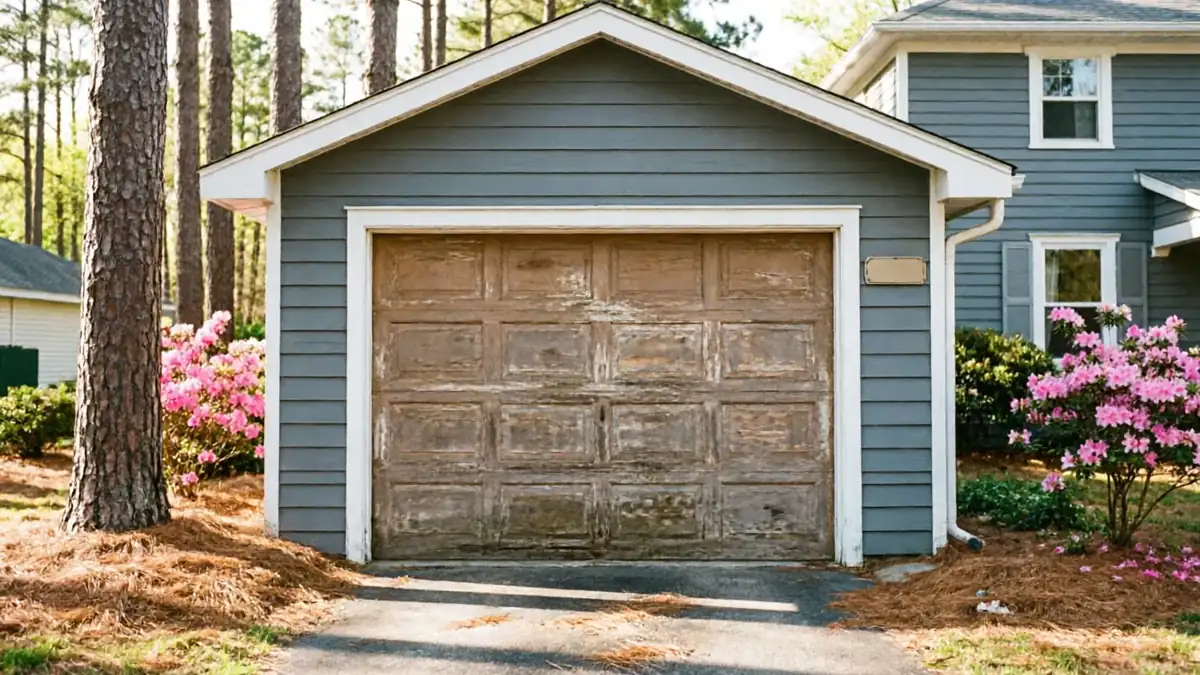
With the bulk of it clustering in the 1980s and 90s across the fourteen named areas we work in. That means a lot of doors out there are original to the house, or close to it - thirty, forty years old, still running on the hardware the builder put in. Owners call us asking if it's worth sinking money into a door that old, or if they should just replace it.
The honest answer depends on what's actually wrong
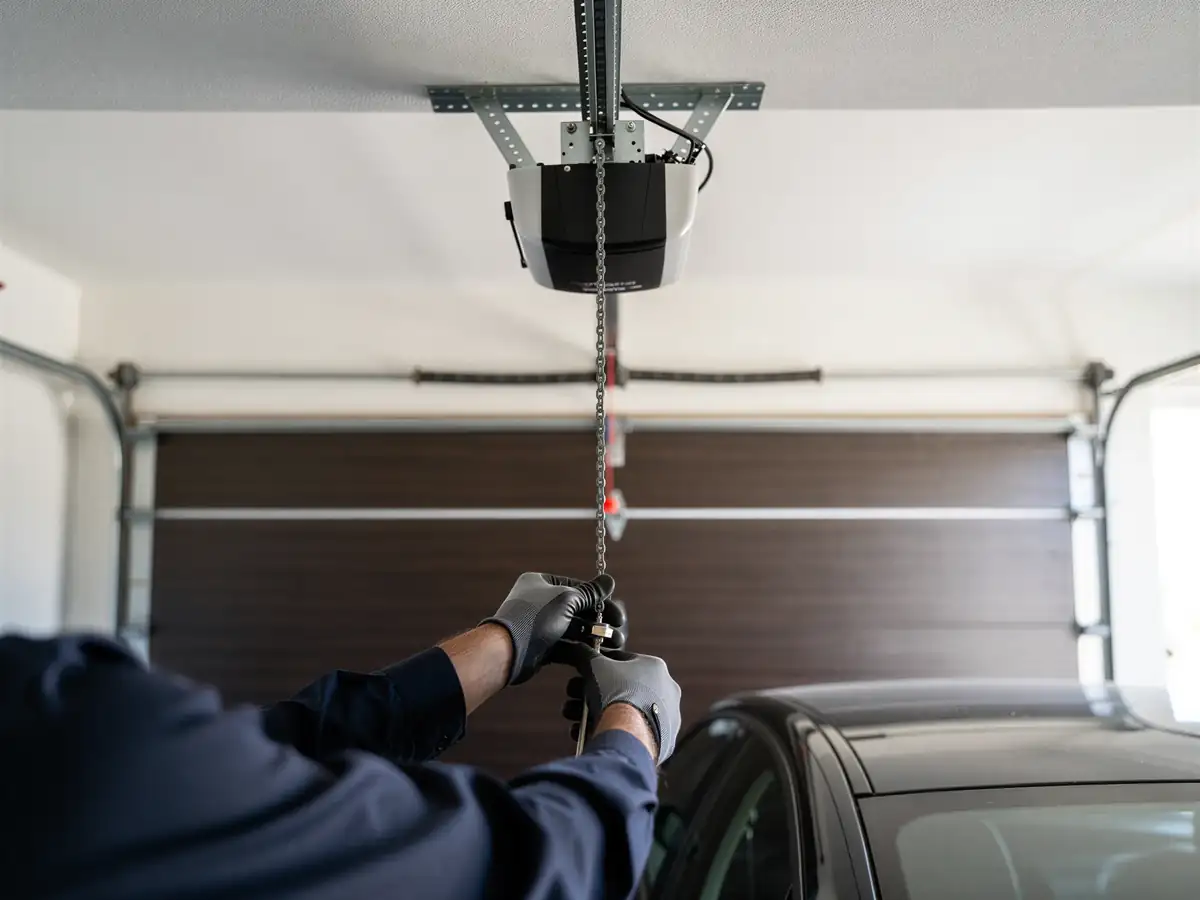
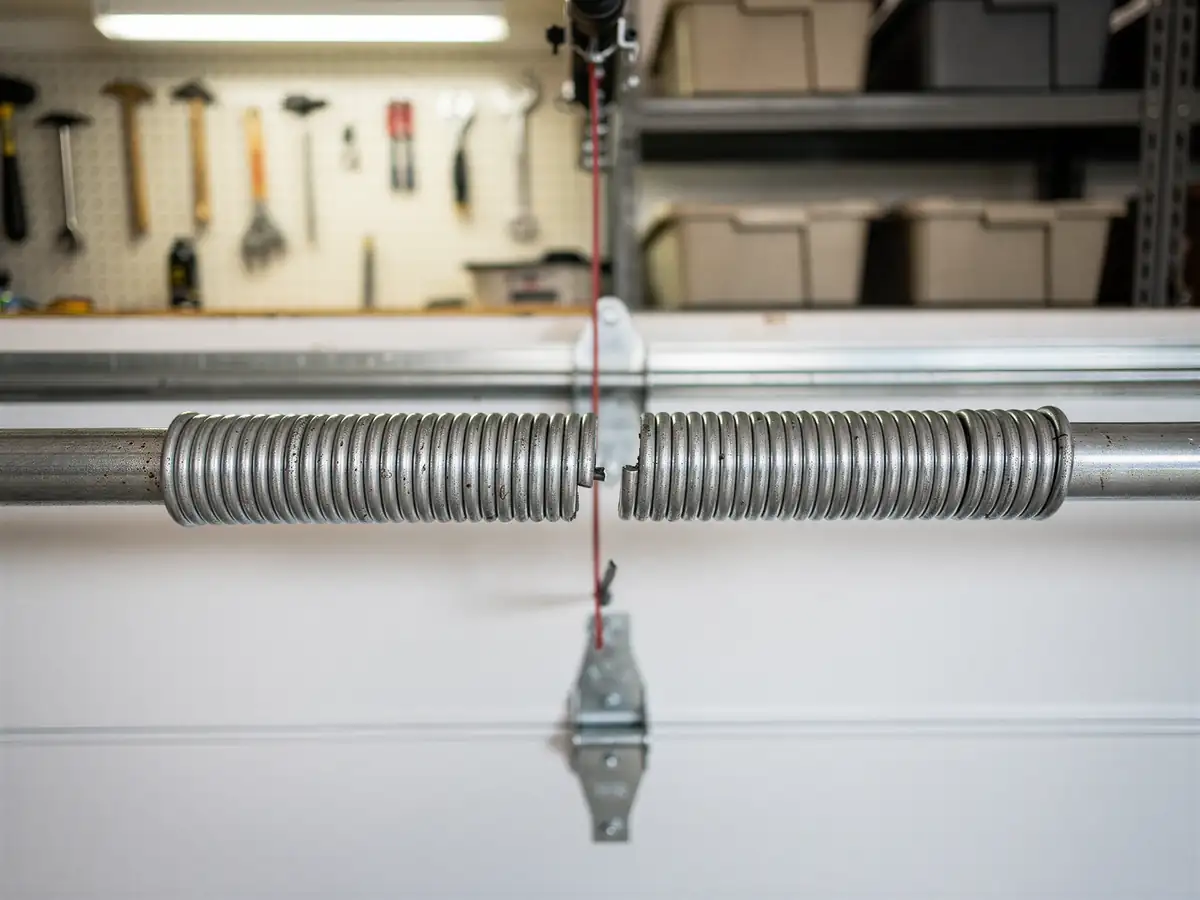
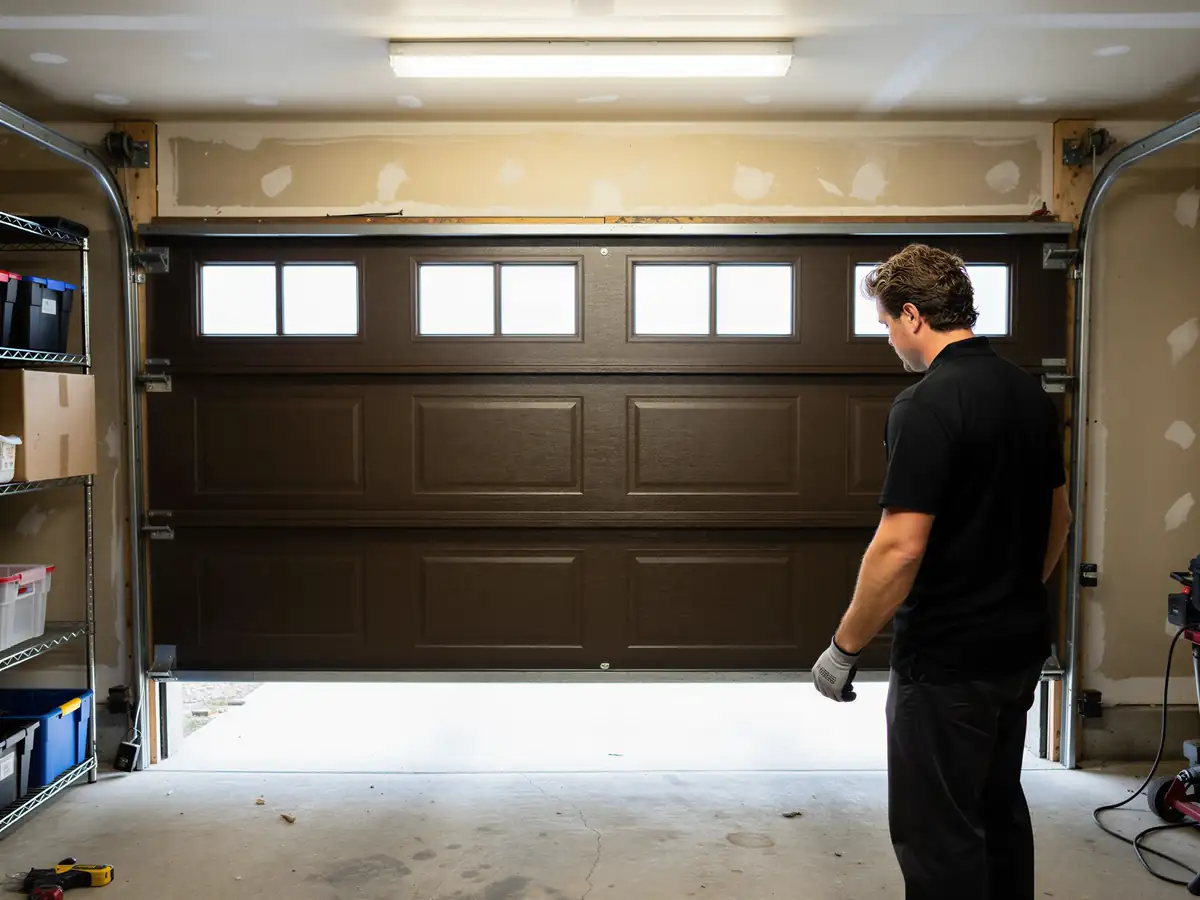
A worn-out opener motor or a bent bottom panel on an otherwise sound door is a repair. A door that's rusted through at the bottom corners, or has a torsion spring system that was never upgraded and is starting to show metal fatigue, is a different conversation. Age by itself doesn't condemn a door. What matters is whether the track is still true, the panels are structurally sound, and the spring system can be serviced without replacing the whole assembly.
How Local Conditions Play In
Douglasville sits in a moderate cold climate band, not the deep freeze-thaw cycling you'd see further north, but enough seasonal temperature swing to matter for steel hardware and wood composite panels built in the 80s and 90s. Doors from that era weren't always insulated to today's standard, and the steel gauge on a lot of builder-grade doors from that period is thinner than what goes in now.
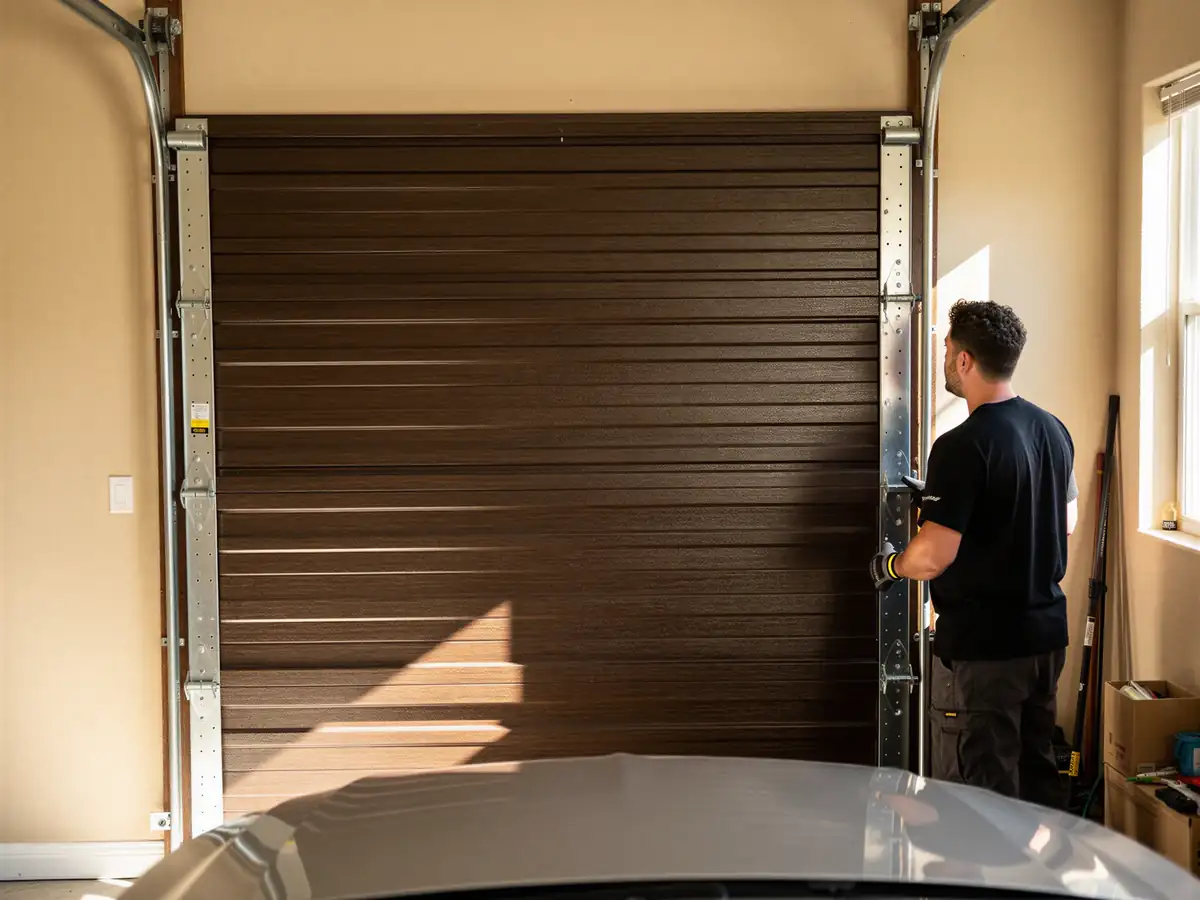
Over three or four decades of seasonal expansion and contraction, that thinner steel is where you see the problems first - hinges pulling loose, panel seams separating, weatherstripping that's hardened and cracked. None of that means the door is junk. It means the fasteners and seals need attention on a schedule that newer, heavier-gauge doors don't need as often. If the panels themselves are still flat and the track alignment hasn't drifted, a door from this era is often a good candidate for new hardware rather than full replacement.
When It Stops Being a DIY Job
A lot of what keeps a 1980s or 90s door running is routine - lubricating rollers, tightening hinge bolts, replacing weatherstripping. That part, a homeowner can handle.
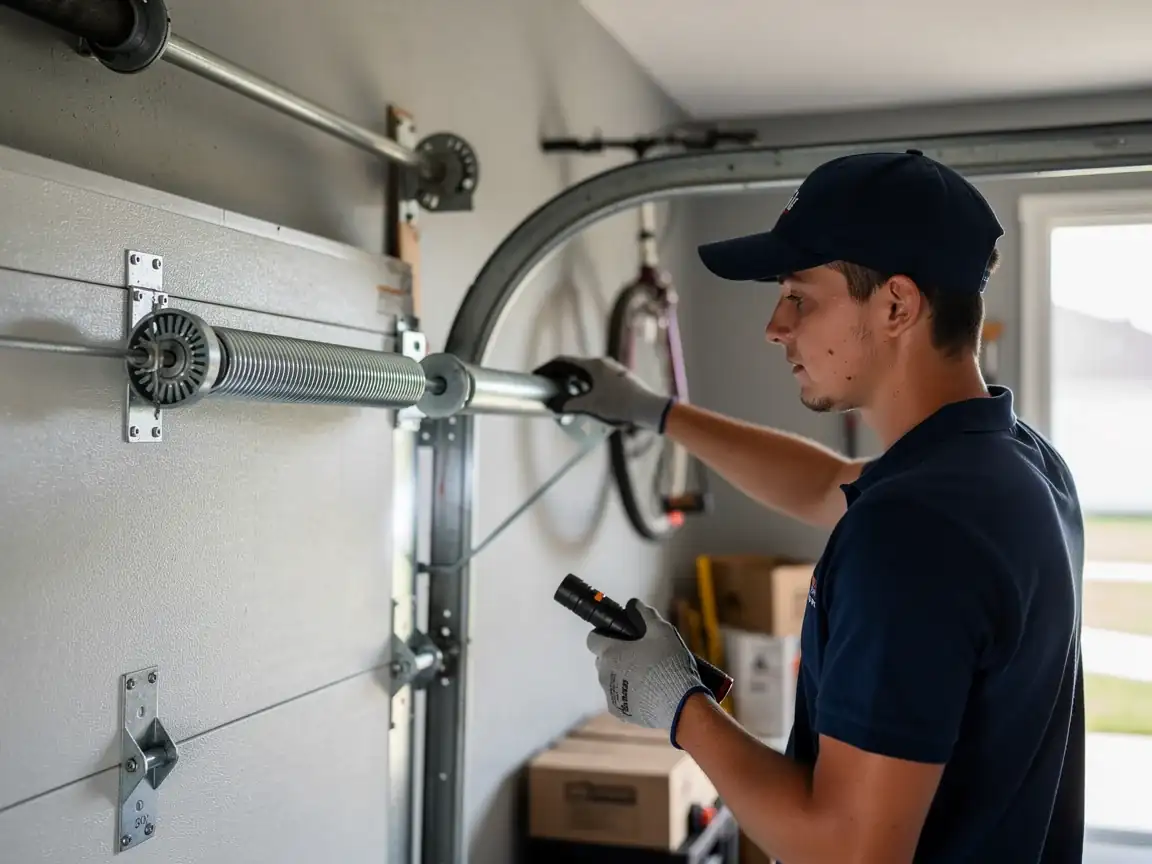
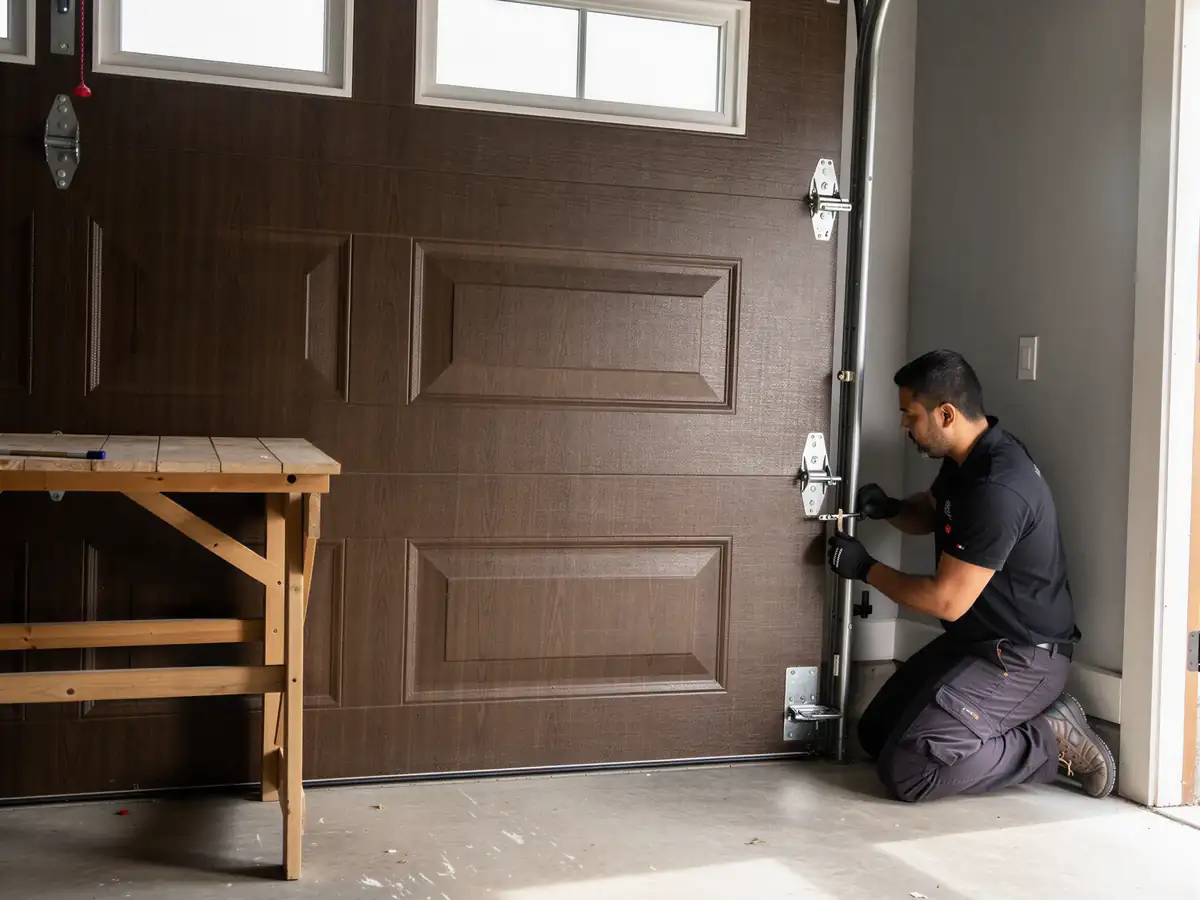
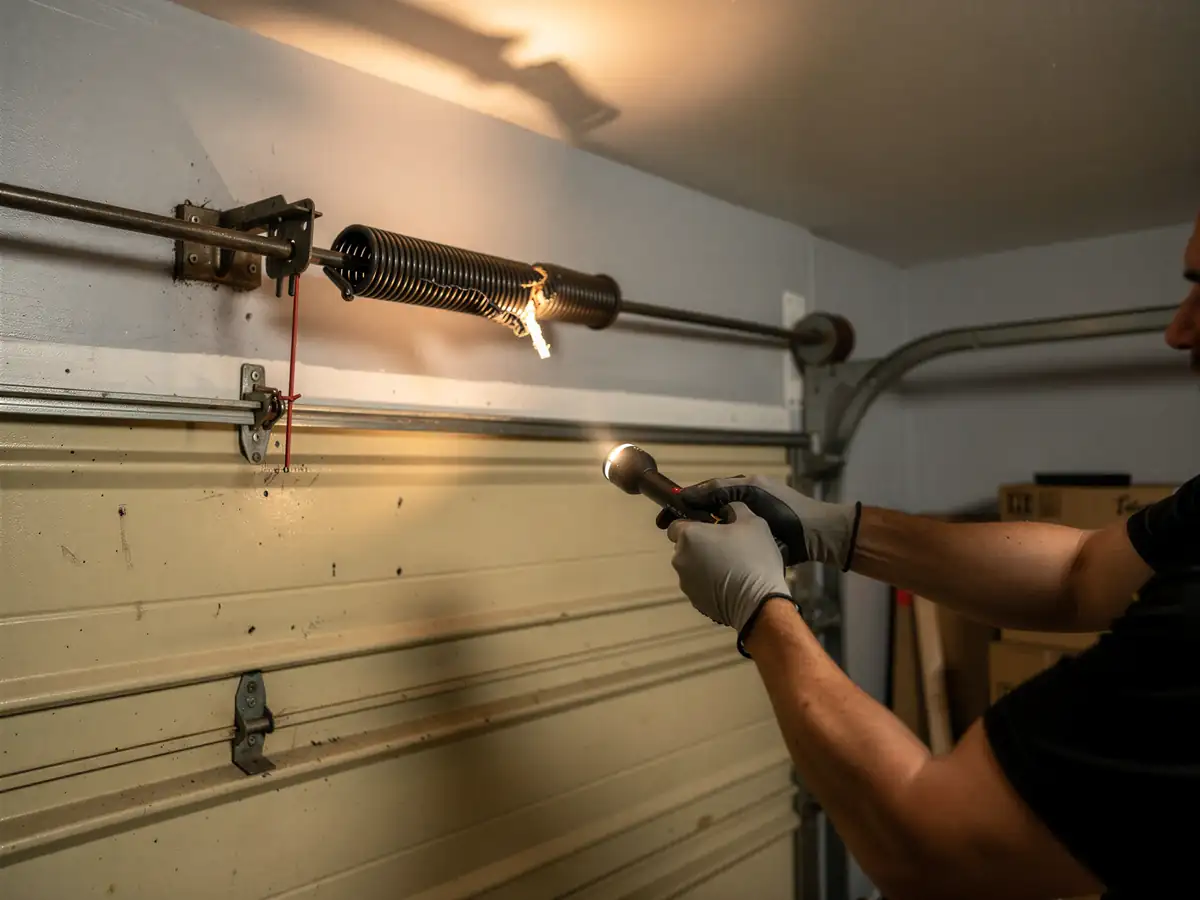
What isn't a DIY job is the torsion spring system on a door built before current safety standards were common. These systems were often undersized or installed without a containment cable, and a spring under tension that lets go can take a hand or worse. If your door is original to a house built in the 80s or 90s and nobody's touched the spring system since, that's the line where you call rather than wing it.
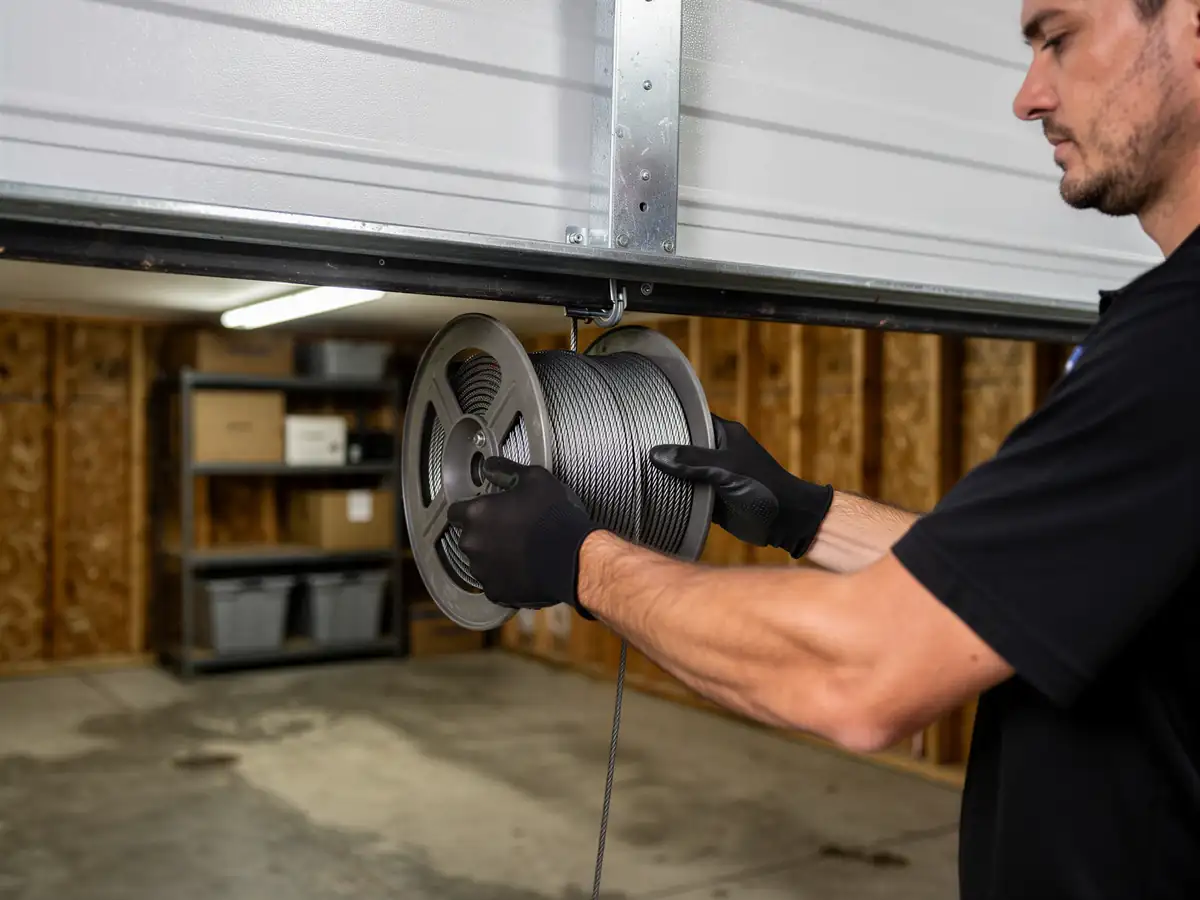
The same goes for anything involving the cable drums or the track where it bolts to the jamb - on a house this age, the lag bolts and jamb wood have had thirty-plus years to loosen or soften, and a track that looks fine standing still can fail under load. We'll tell you straight when a repair is simple enough to do yourself and when it isn't.
What You Pay
We don't have a flat number to quote here because it depends on what the door needs
A spring swap and hardware tune-up costs a lot less than a full section replacement or a new insulated door. What we can tell you is that for a door from the 1966-2004 era, replacing worn springs, rollers, and weatherstripping is almost always cheaper than replacing the whole unit, as long as the panels and track are sound.
Where it stops making financial sense is when the door is rusted through, the panels are warped, or the track has been bent and re-bent enough times that it won't hold alignment
At that point you're paying repair money toward a door that'll need replacing again in a year or two anyway. We'll give you a straight assessment of which side of that line your door is on before we start any work.