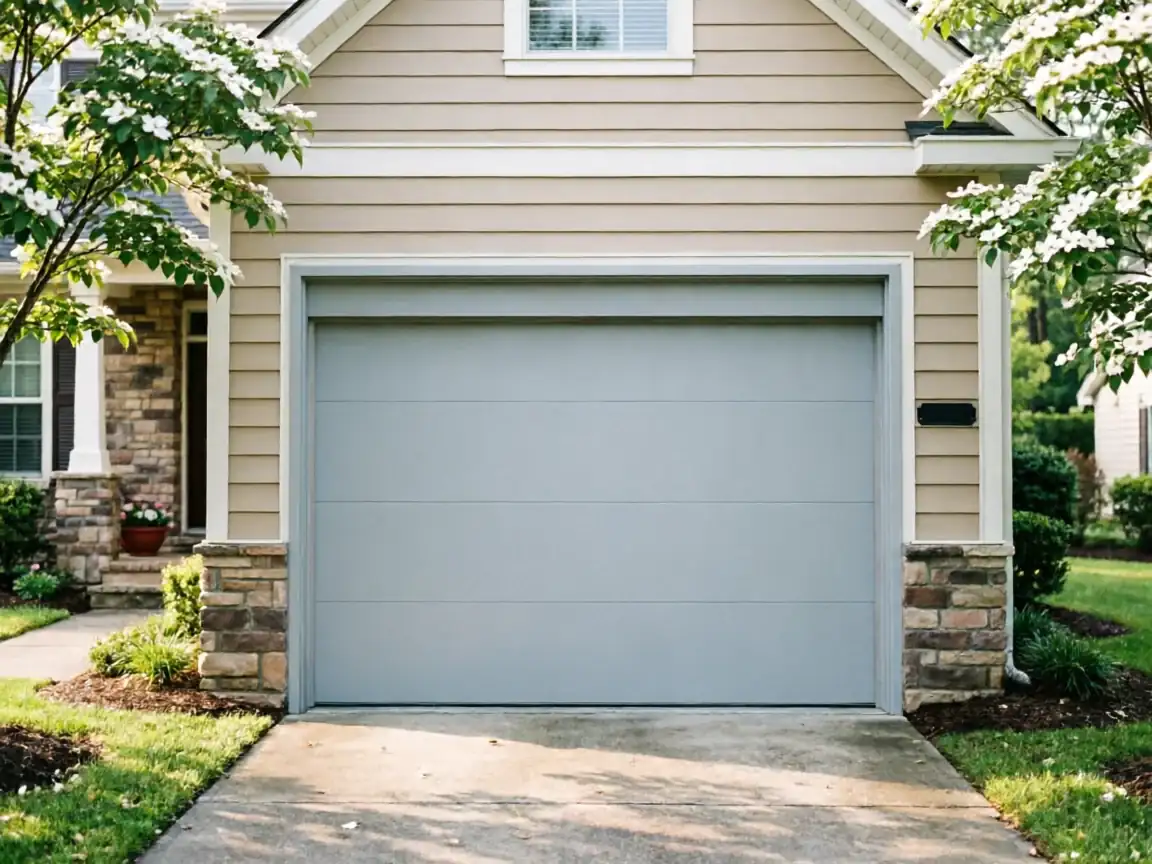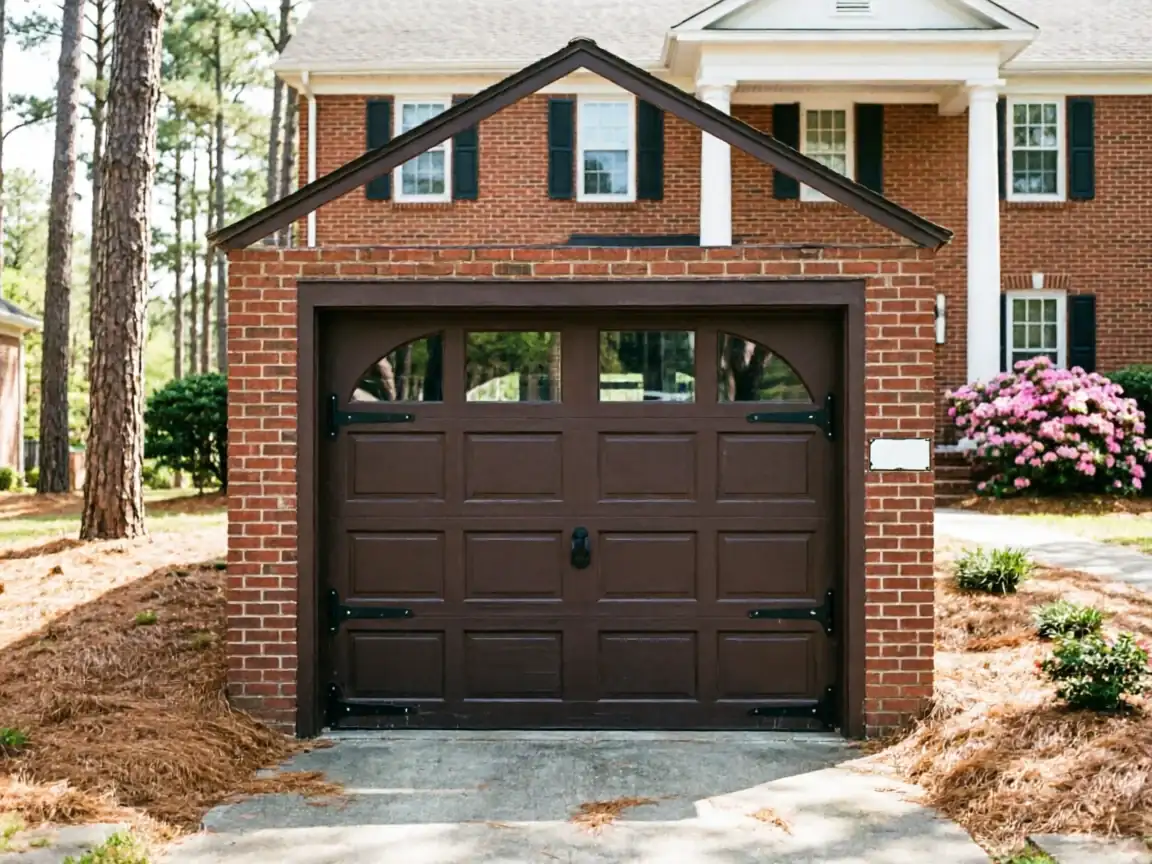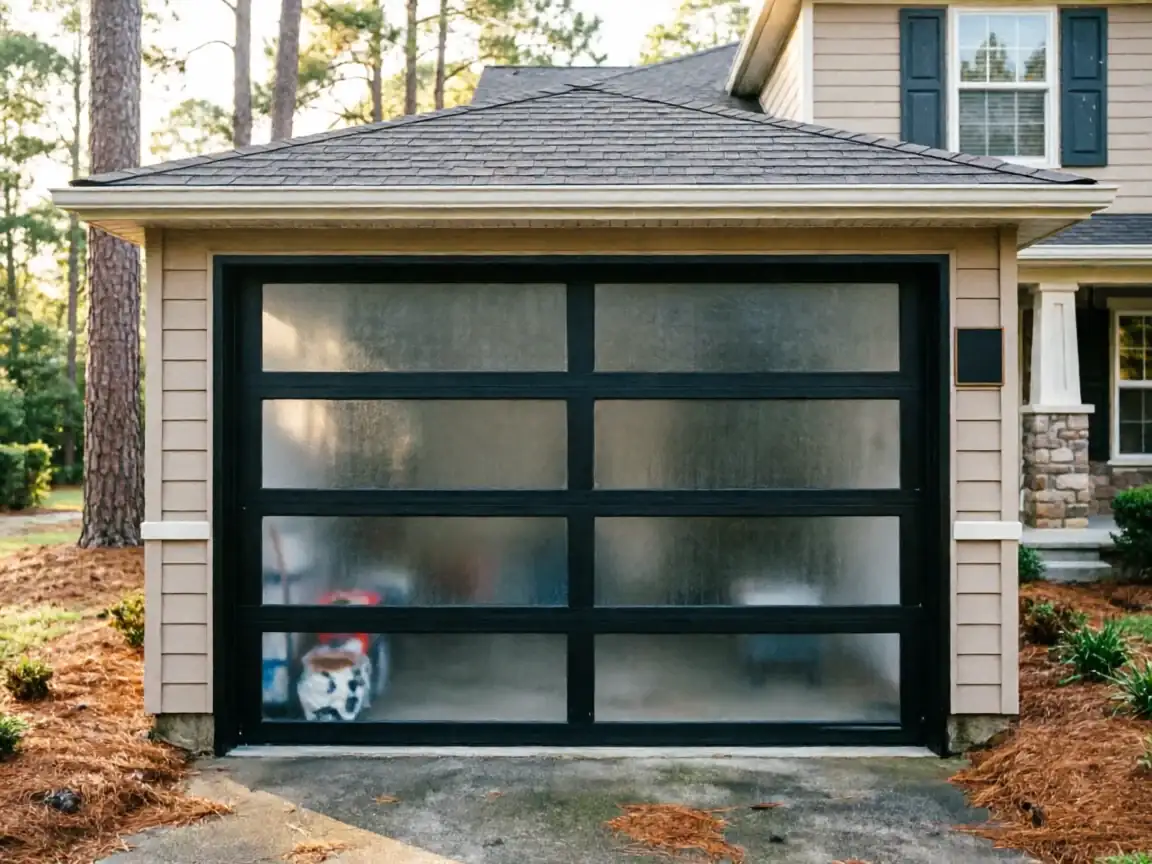
Why This Fails Locally
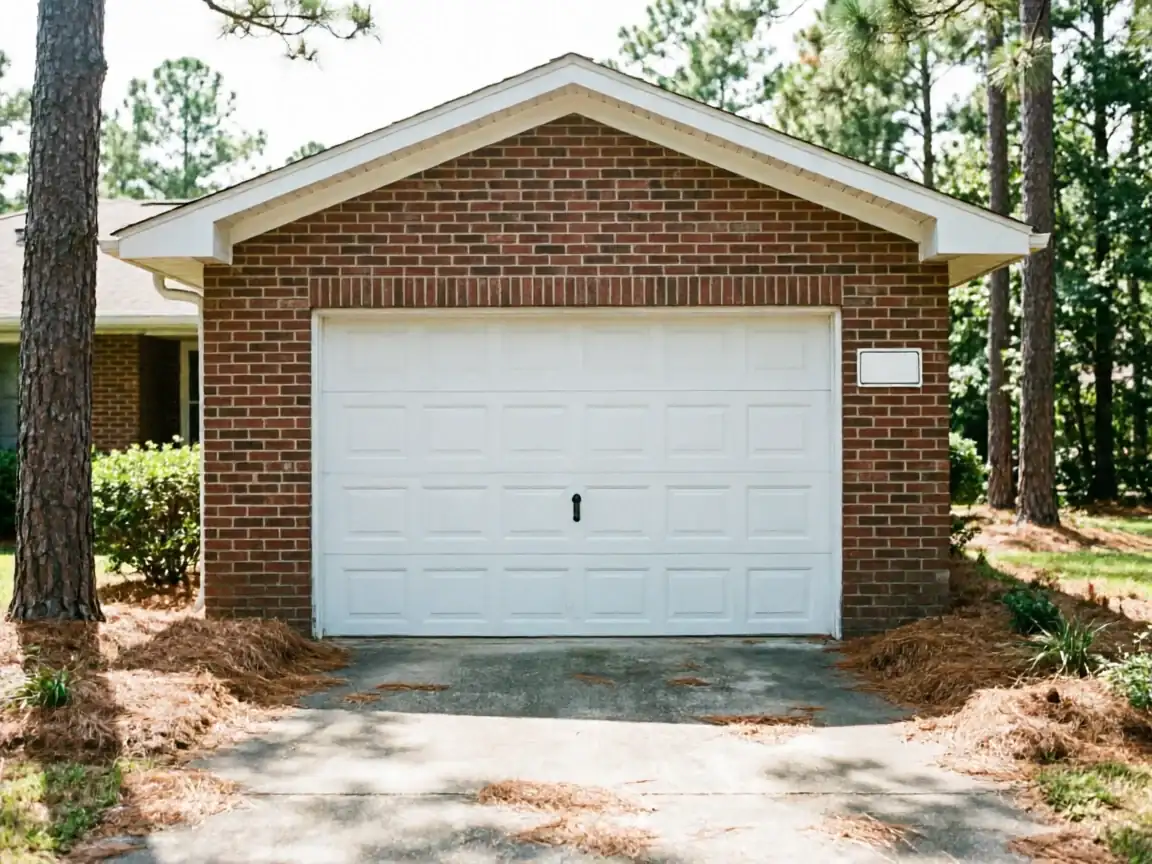
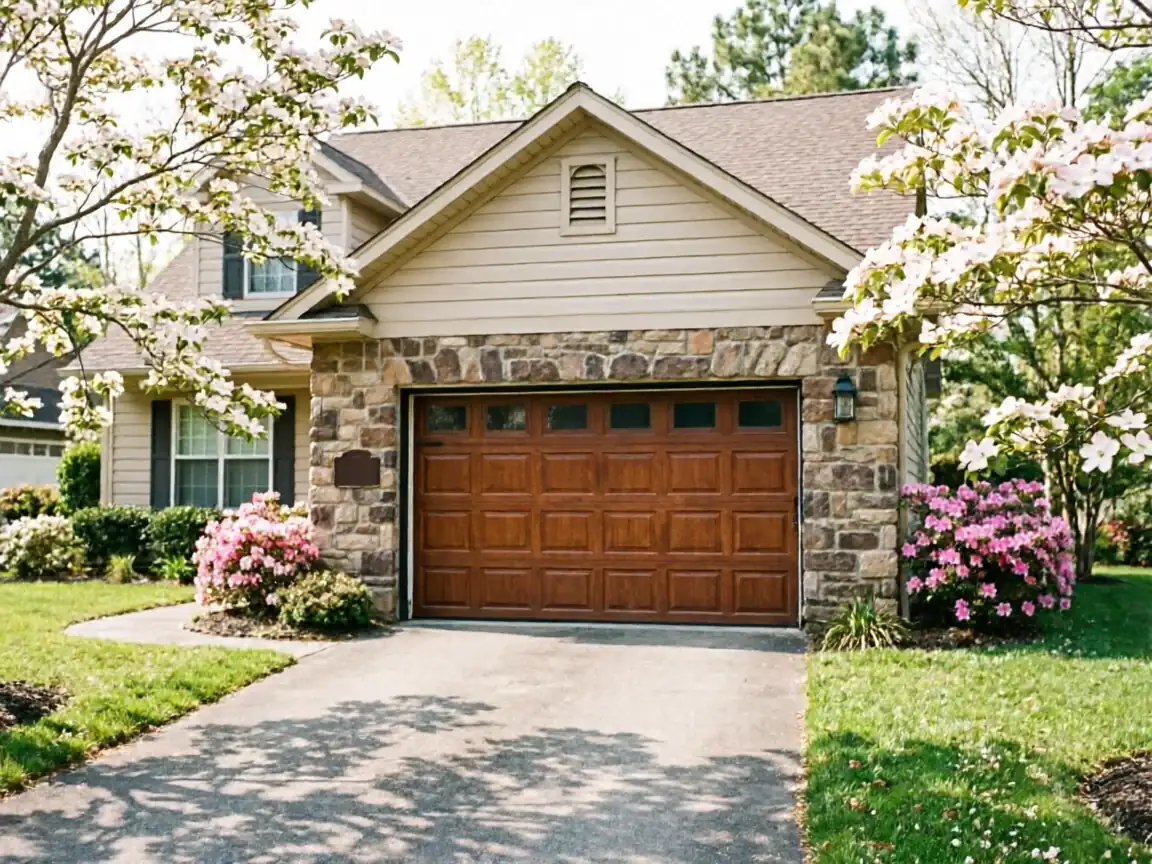
Most houses in this part of Douglasville went up between 1966 and 2004
With the bulk of that stock dating to the 1980s and 90s across the fourteen named areas we work in. That matters because a garage door from that era is pushing 25 to 45 years old. Steel panels delaminate, wood composite doors swell and crack, and the galvanized hardware that came standard back then wasn't built for the number of open-close cycles a door sees over four decades.
- 45 years
Add the climate band here
Cold-moderate, with real winter swings - and you get a second problem on top of age. Temperature cycling works on steel and on the weatherstripping at the bottom of the door. Seals that were fine in year ten are brittle by year thirty. On a lot of the 1980s and 90s builds we see, the door itself is original to the house, which means the track spacing and header clearance were set for a lighter door than what's available today. That's not something you fix with a new panel. It's why installation, not patch repair, is the right call once a door hits this age in this market.
What You Are Seeing
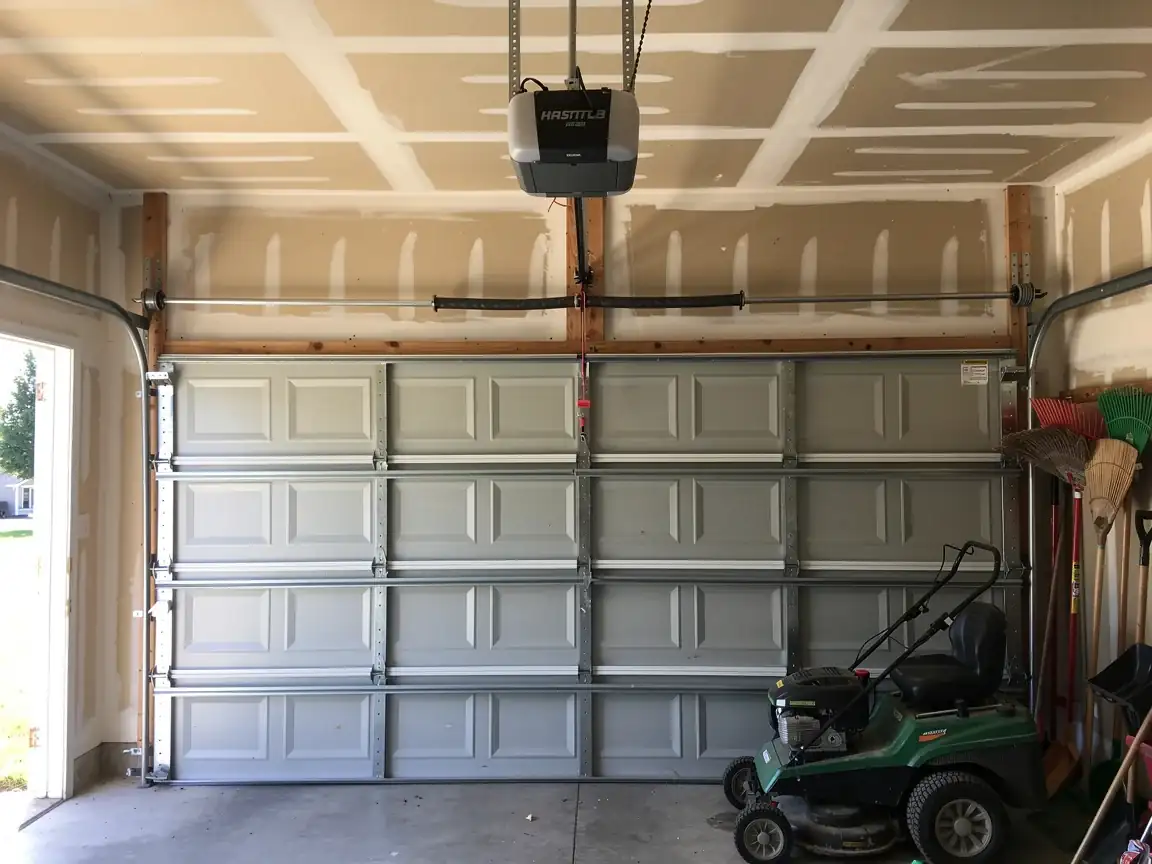
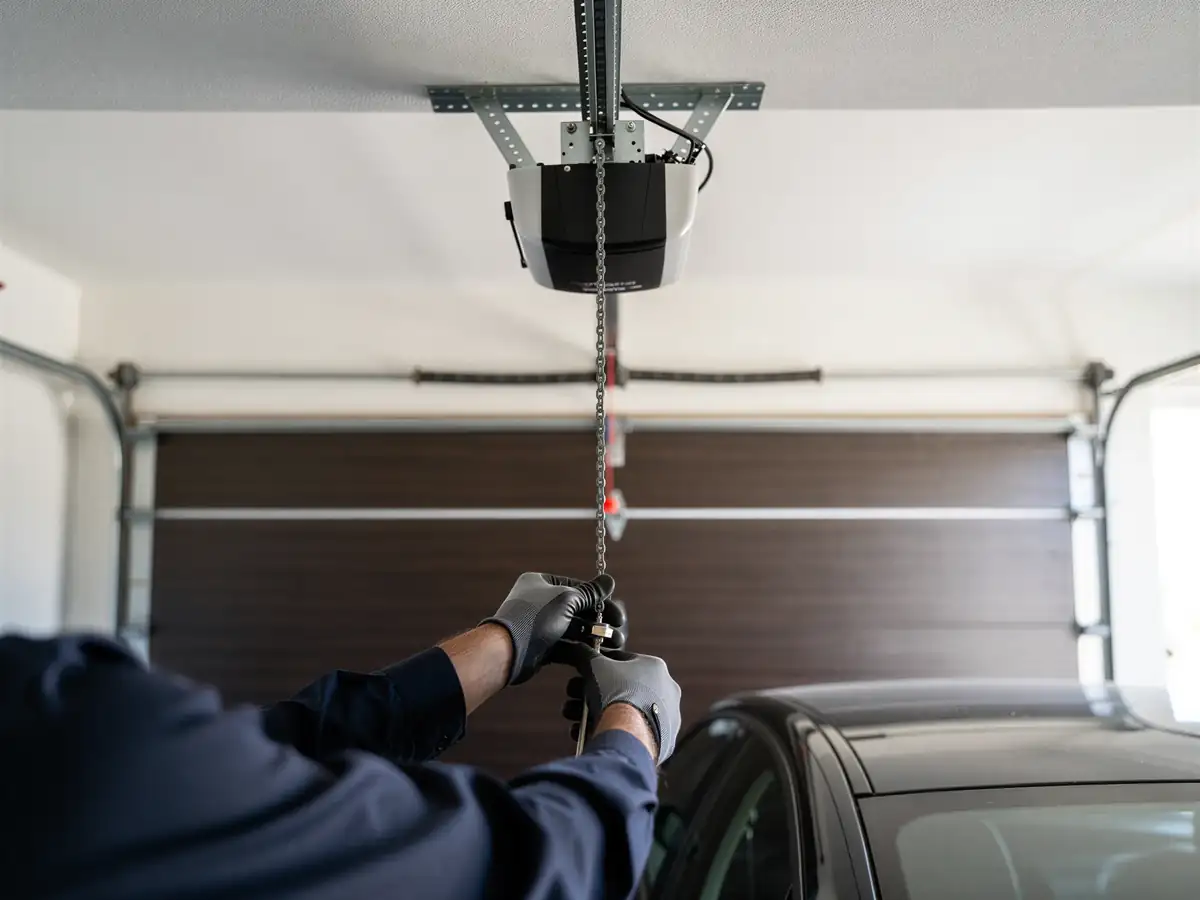
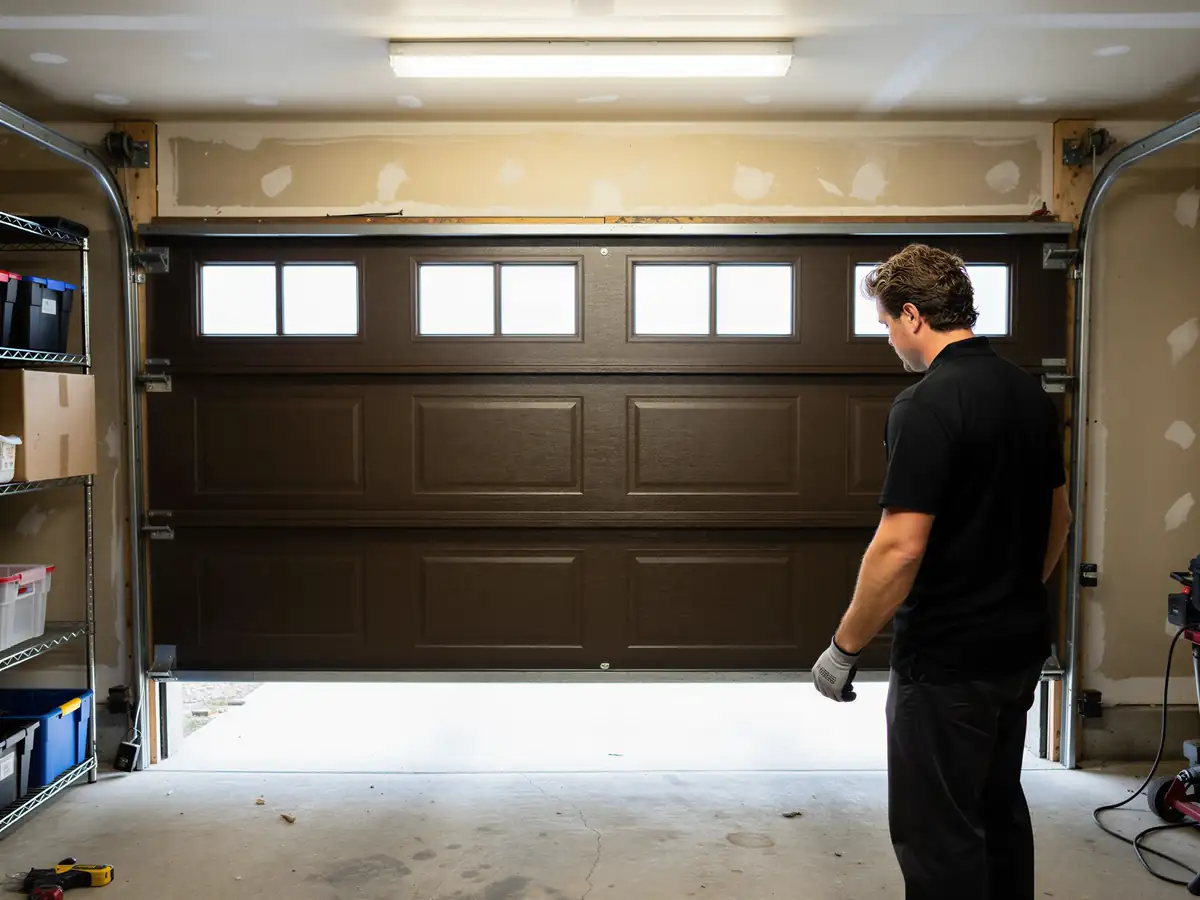
If your door is original to a house built in that 1966-2004 window, you're likely looking at one or more of: panels that no longer sit flush, a door that sags visibly in the middle when raised halfway, rust bleeding through the bottom section near the weatherstrip, or an opener straining and reversing on doors that used to lift clean. None of these are isolated opener problems - they're the door itself reaching the end of its service life.
On the 1980s-90s stock specifically, we also see non-insulated steel doors that were fine for the building codes of that era but do nothing for the temperature swings a cold-moderate climate puts on an attached garage. Homeowners sometimes notice this as a cold wall in the room next to the garage before they notice the door looks any different. If your door still raises and lowers smoothly and shows no rust or sag, you likely don't need a full installation yet - that's worth saying plainly before anyone spends money they don't need to.
Can You Do This Yourself
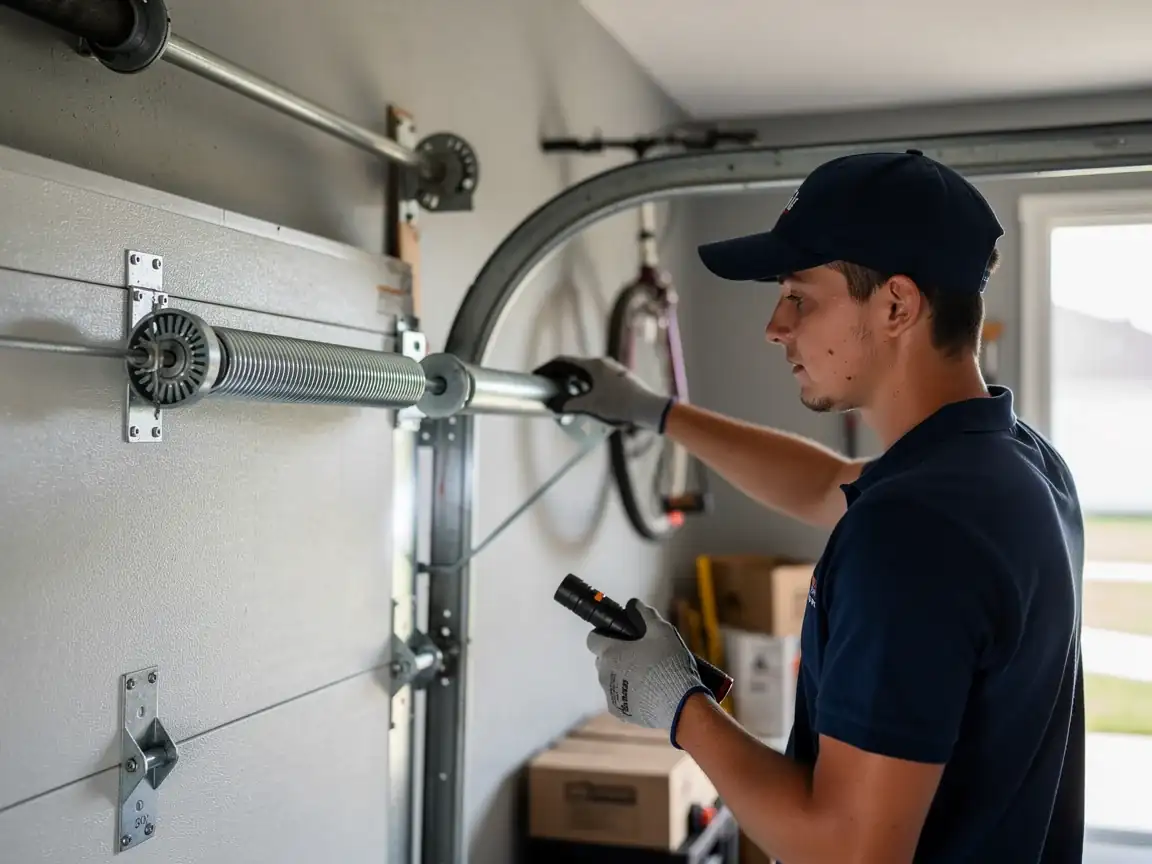
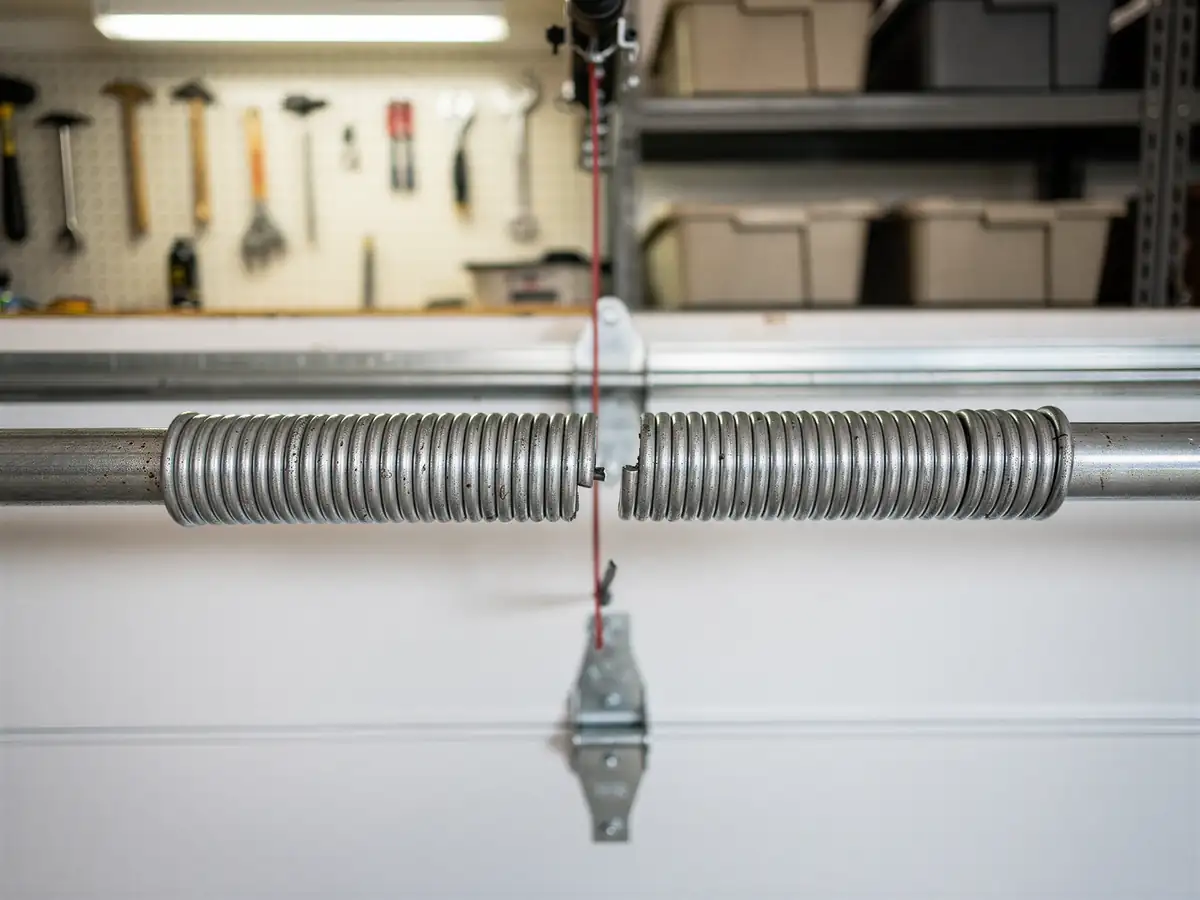
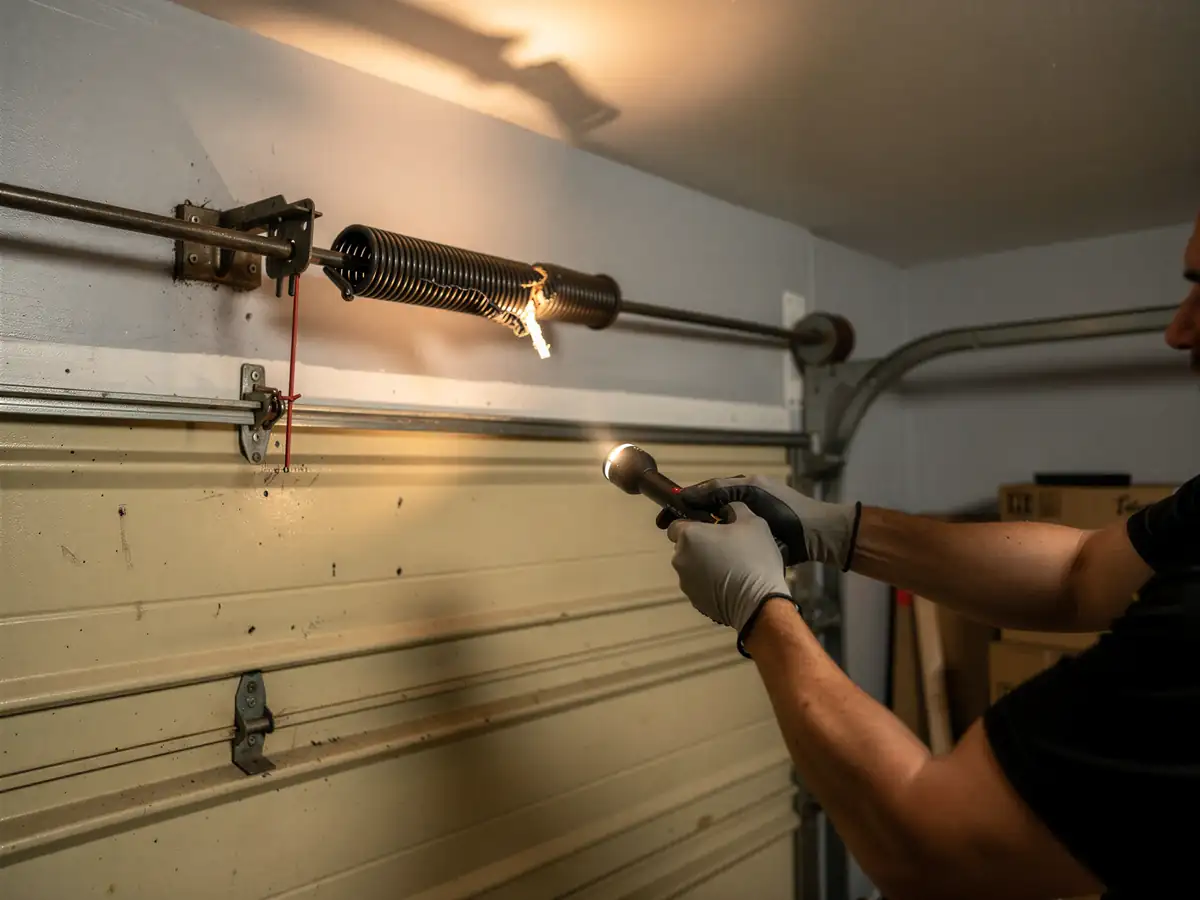
Swapping weatherstripping or a bottom seal is reasonable DIY territory. A full door installation is not, and this isn't us protecting the job - it's physics. A single garage door section can run over a hundred pounds, and the torsion spring that counterbalances it is under enough tension to break bones or worse if it lets go while you're working on it unsecured.
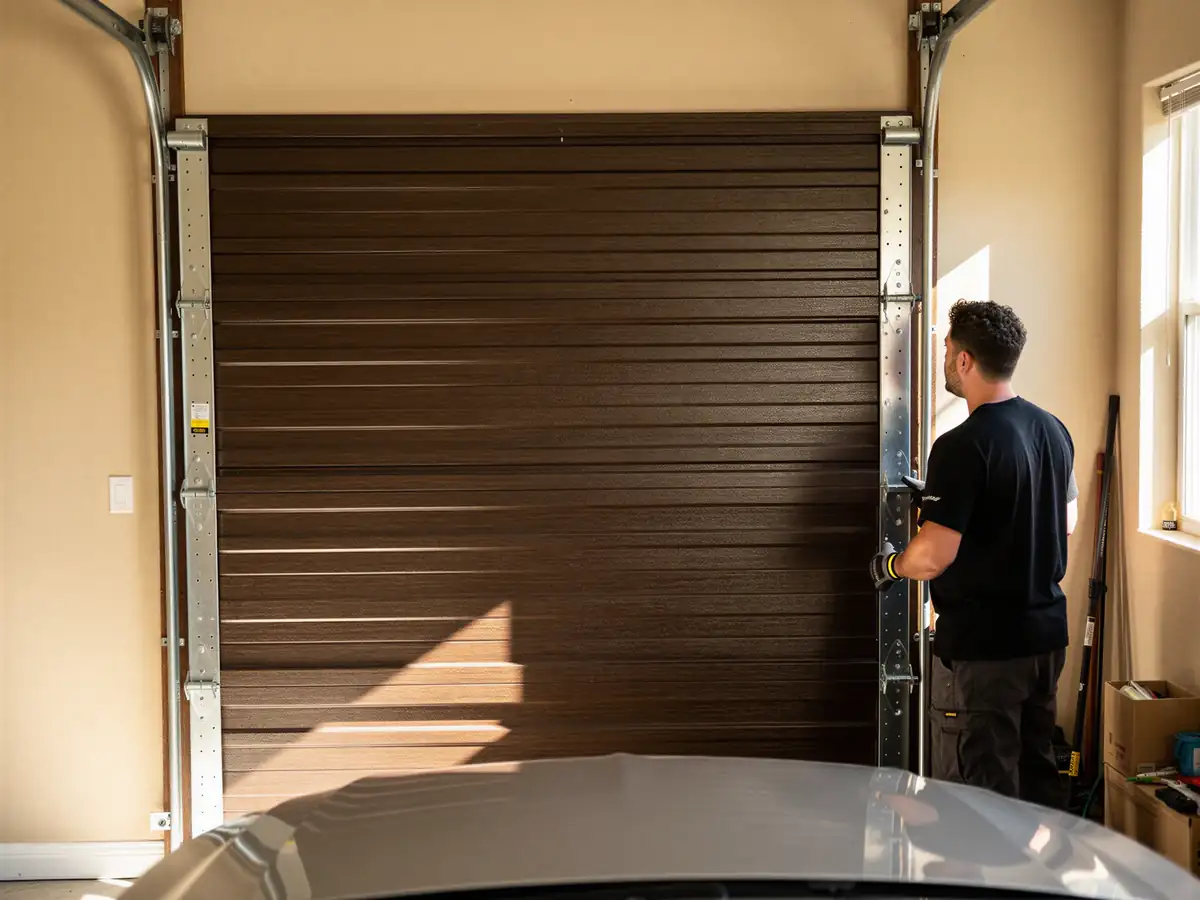
There's also a fit problem specific to older Douglasville houses. A door sized for a 1980s or 90s opening doesn't always drop into place without adjusting track brackets or header clearance, especially on houses where the opening settled slightly over 30-plus years. Getting that wrong means a door that binds, that an opener fights against, or that doesn't seal against the cold-moderate winters this area gets. If you've done structural carpentry before, you can prep the opening. The door hang and spring set is where we'd tell you to stop and call someone.
What the Repair Takes
An installation starts with checking whether the opening itself has shifted
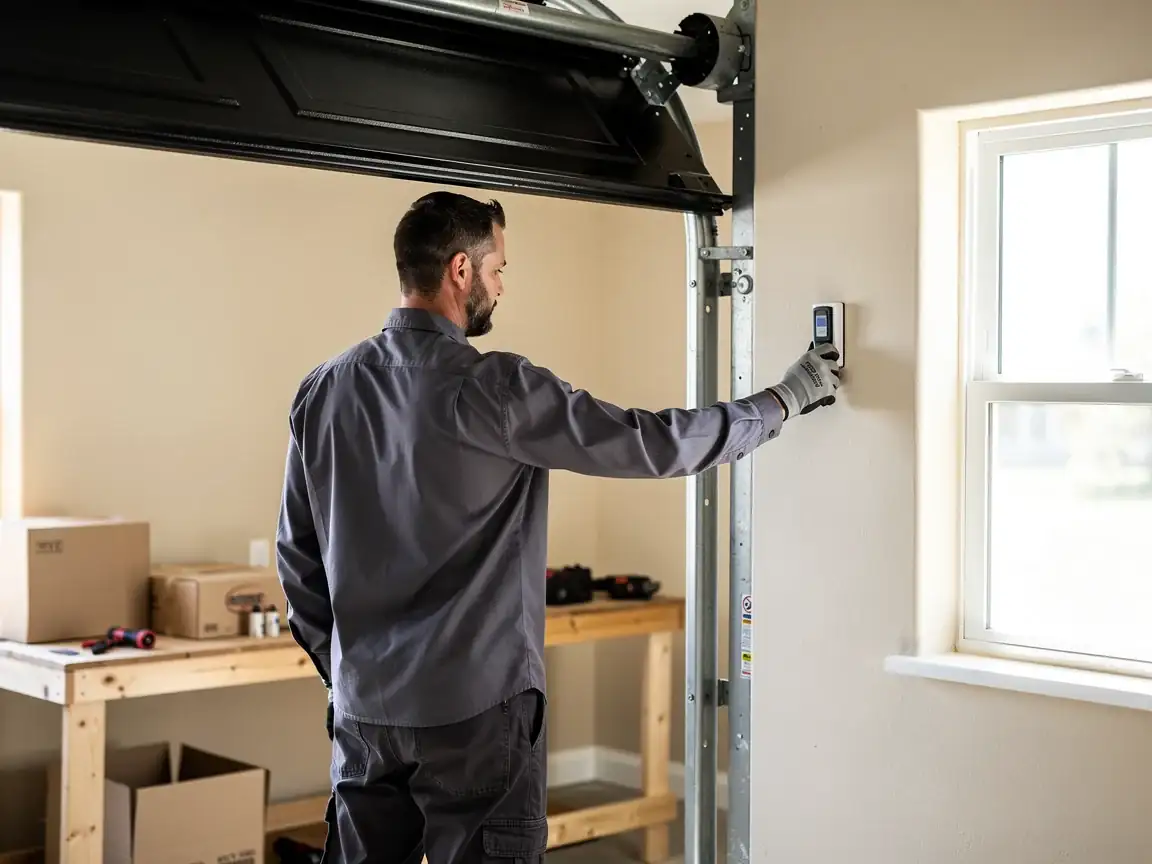
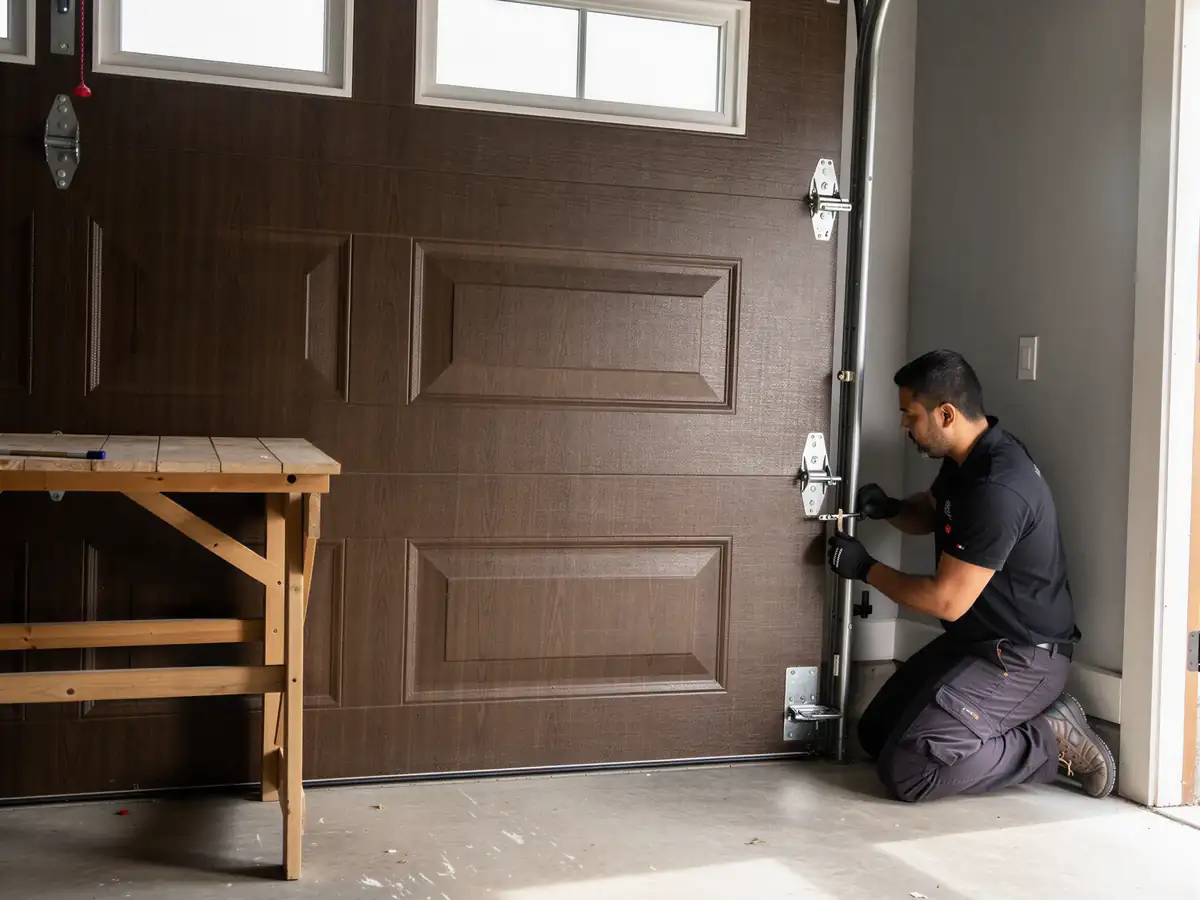
Common enough on houses from the 1966-2004 range - before the new door ever goes up. We match the door to the opening, set new tracks if the old ones are pitted or bent, and size the torsion spring to the actual weight of the new door rather than reusing an old spring that was matched to the original panel.
For houses in the cold-moderate band here, that usually means talking through insulated versus non-insulated panels
Since the difference shows up as a real line on a winter heating bill in a house with an attached garage. We're not going to tell you every door needs the top-tier insulated option - for a detached garage used for storage, it's money better spent elsewhere. One honest limit: if the opening itself needs framing work beyond the door and track, that's outside what a door installation covers, and we'll say so rather than quote a job that doesn't fix the actual problem.