What You Pay
Tyrone sits at a higher median household income than most of the Douglasville service area
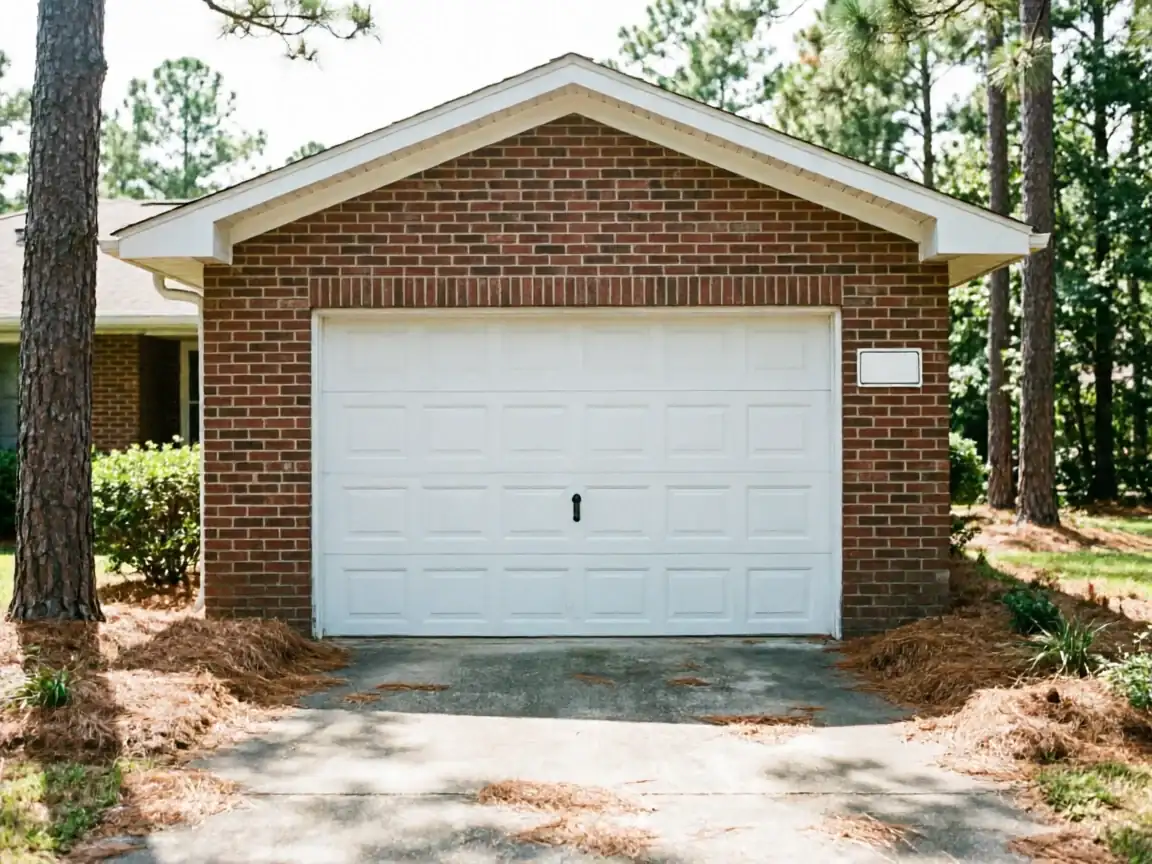
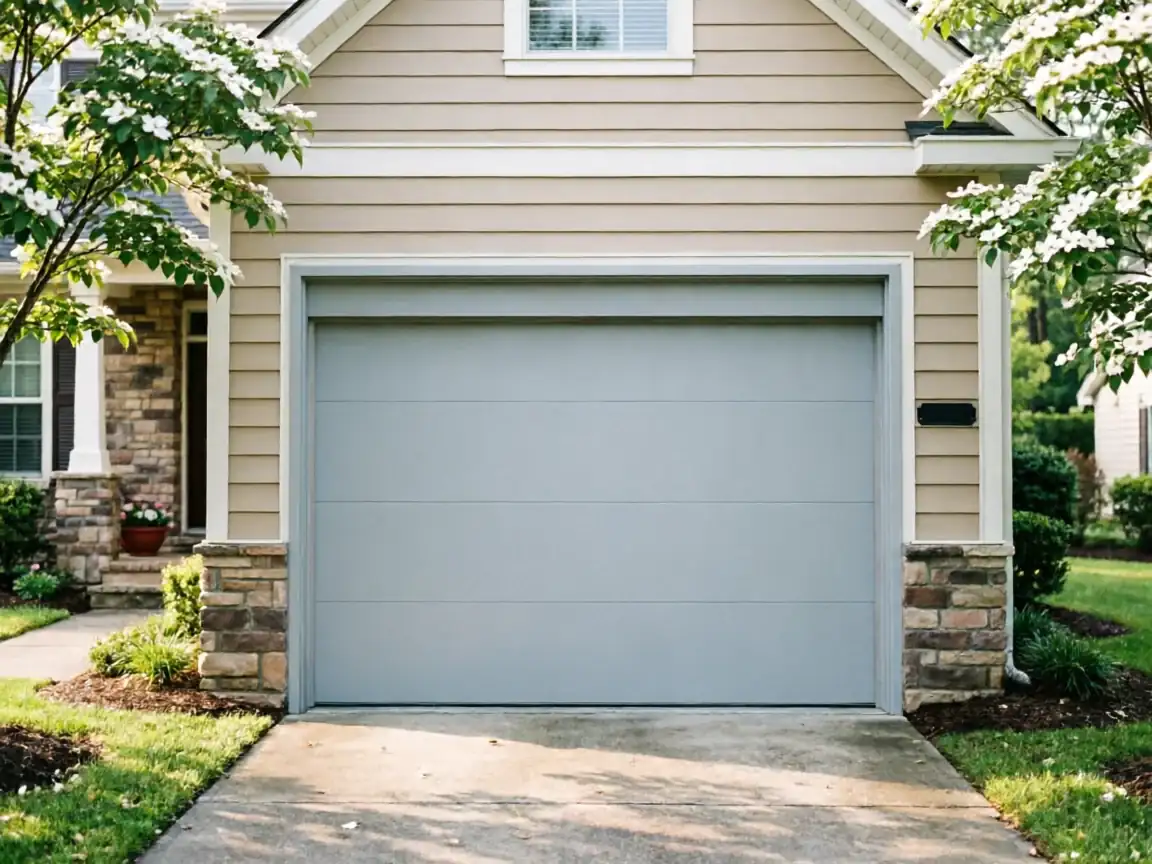
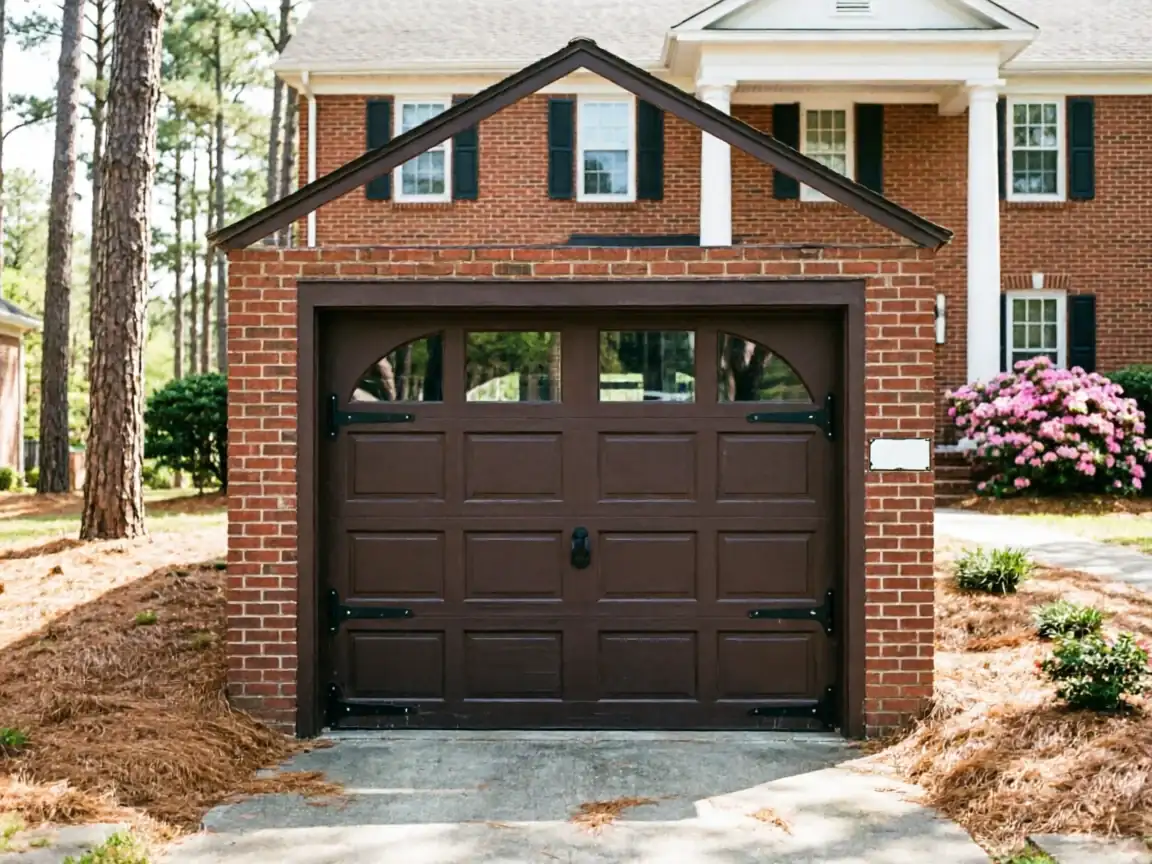
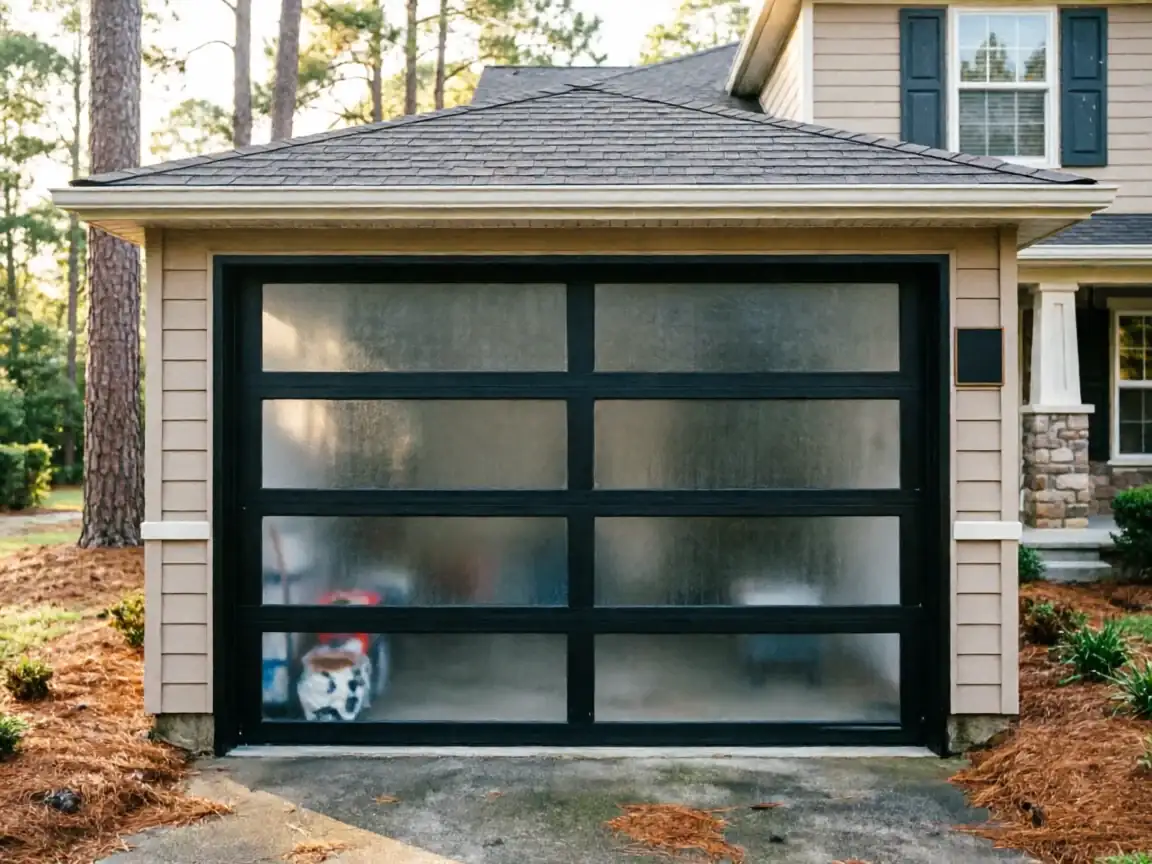
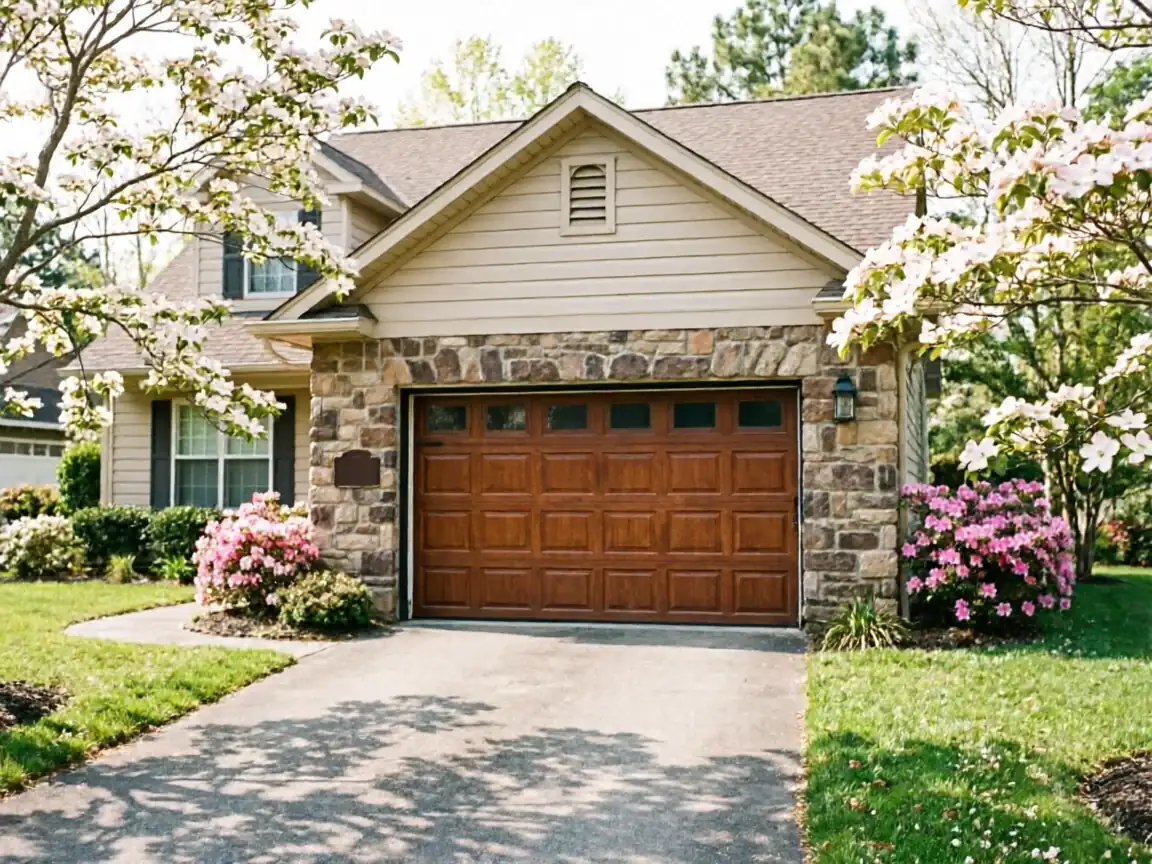
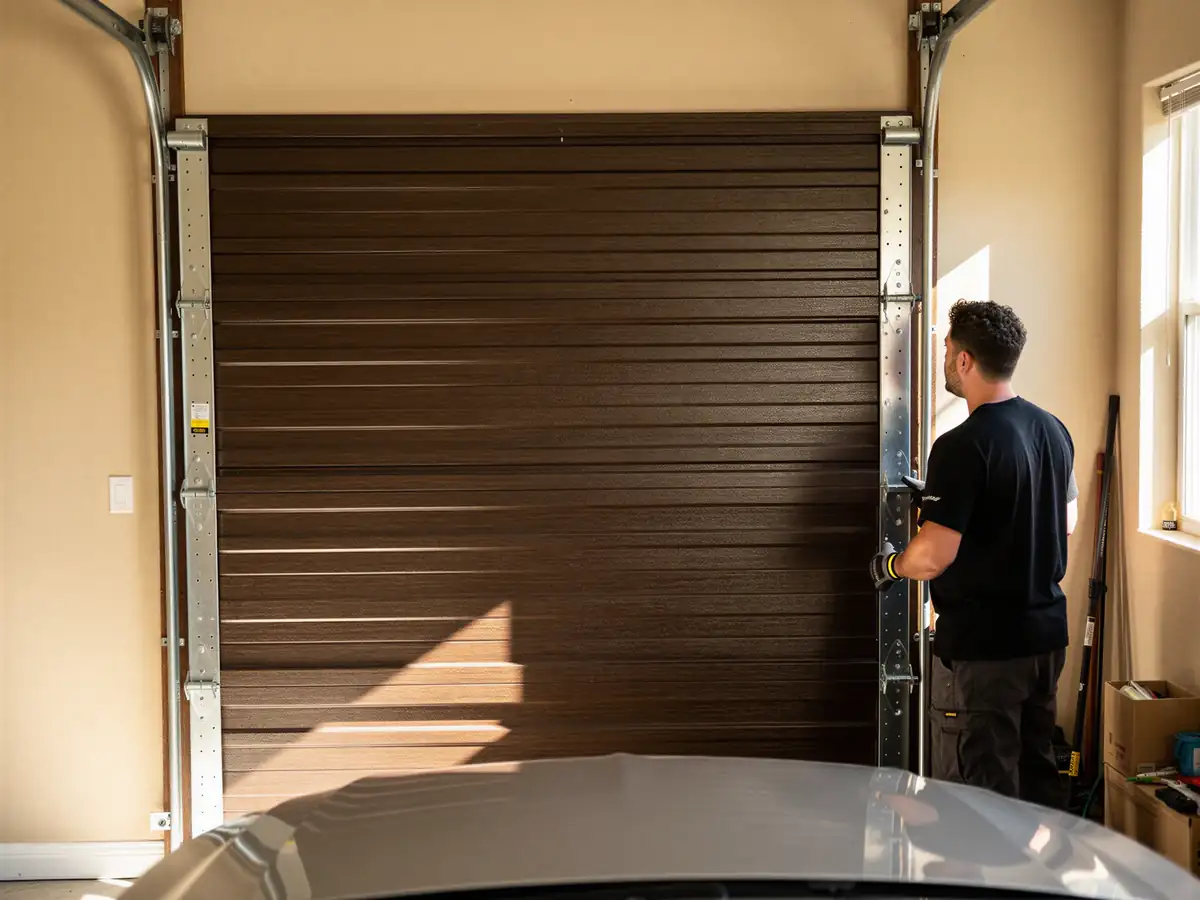
$133,773 versus the area-wide $73,889 - and that shows up in what homeowners here ask for. Fewer bare steel doors, more insulated two-layer panels and doors built to look like carriage-house wood without the upkeep. We don't quote a number on this page because the spread between a basic single-layer steel door and a heavier insulated model with a matching opener is wide, and your opening's width, headroom, and whether you want windows or a smart opener all move that number. What we can tell you is that a 2000-built Tyrone house usually has a standard 7-foot opening with enough headroom for a modern torsion setup, which keeps labor straightforward even when the materials are nicer. One honest limit: if you want a custom-width or oversized door, that's a special order, and it won't go in same week. Standard-size insulated doors we can usually get on the truck faster.
We travel the 19 miles out from Douglasville for every Tyrone install
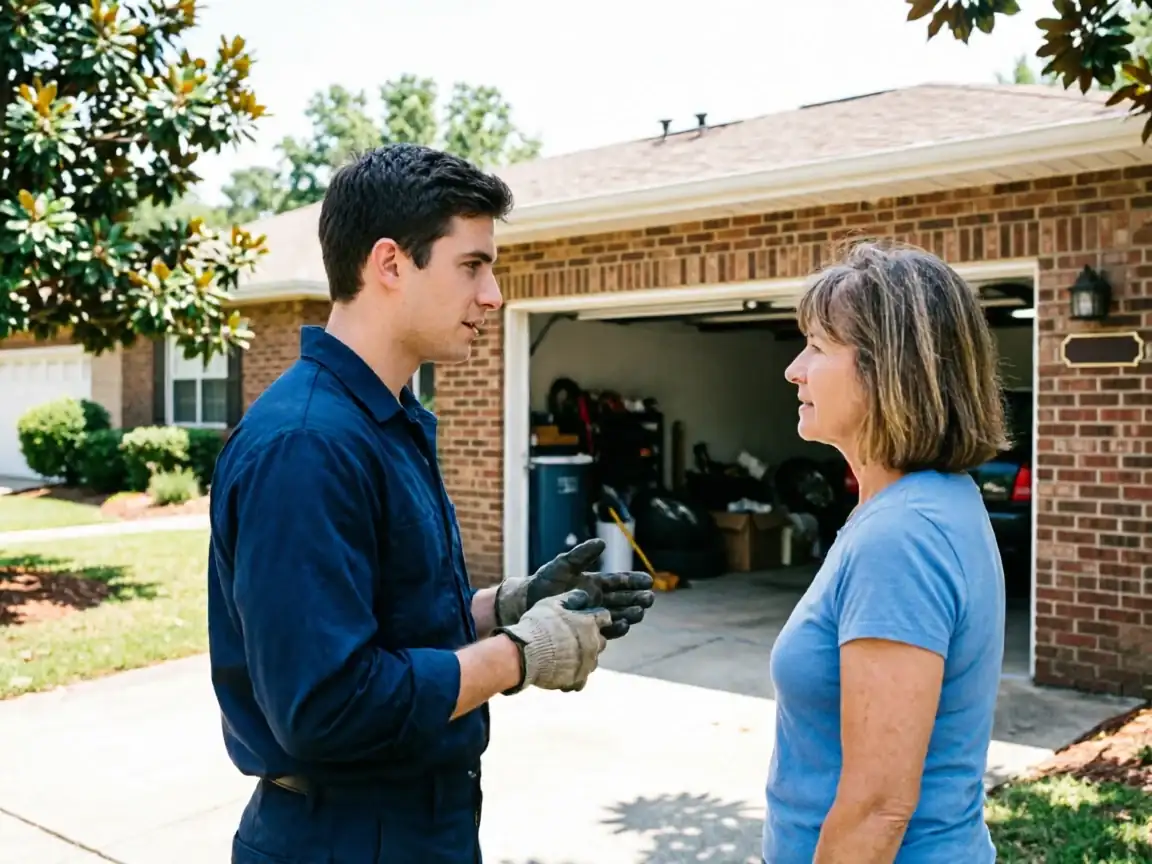
So the quote visit and the install day are usually two separate trips - plan for that when you're scheduling.
- 19 miles
Where This Job Goes Sideways
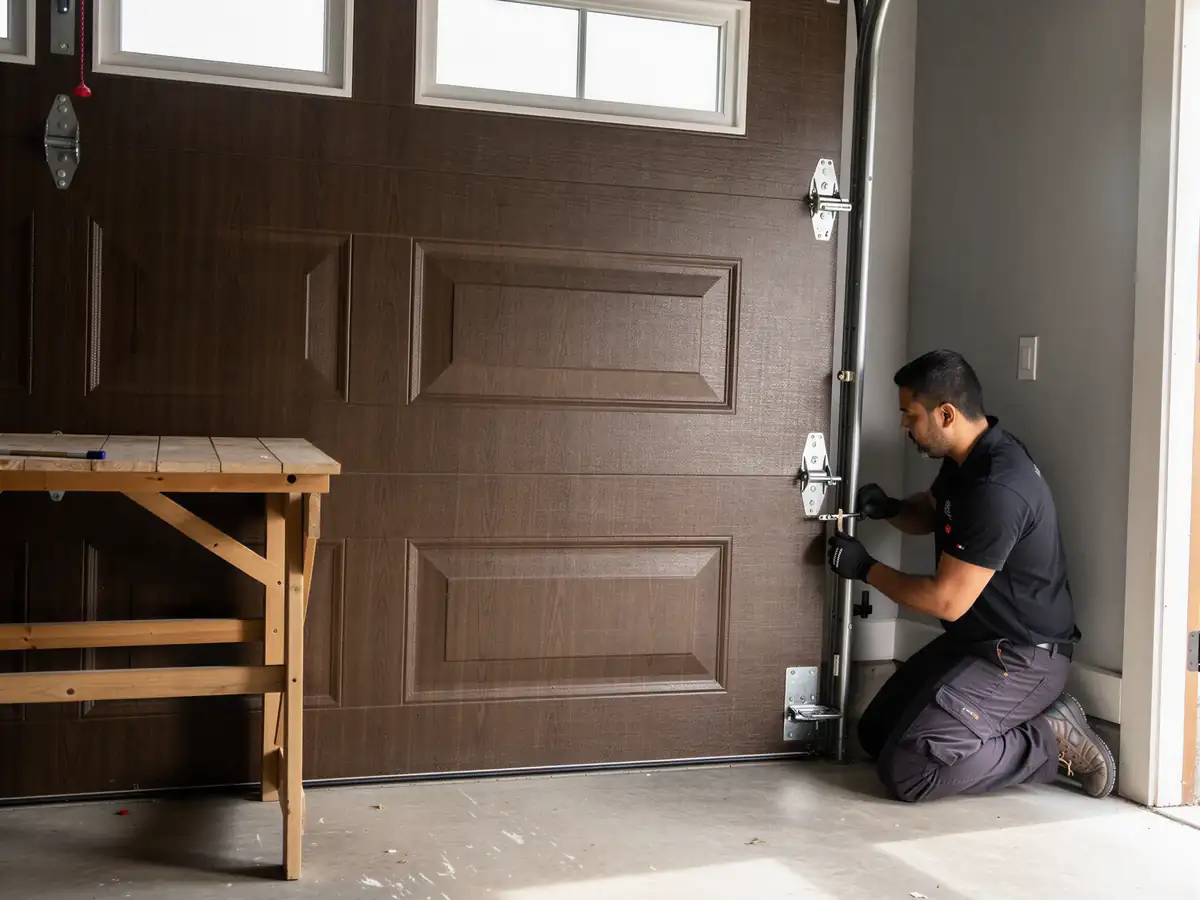
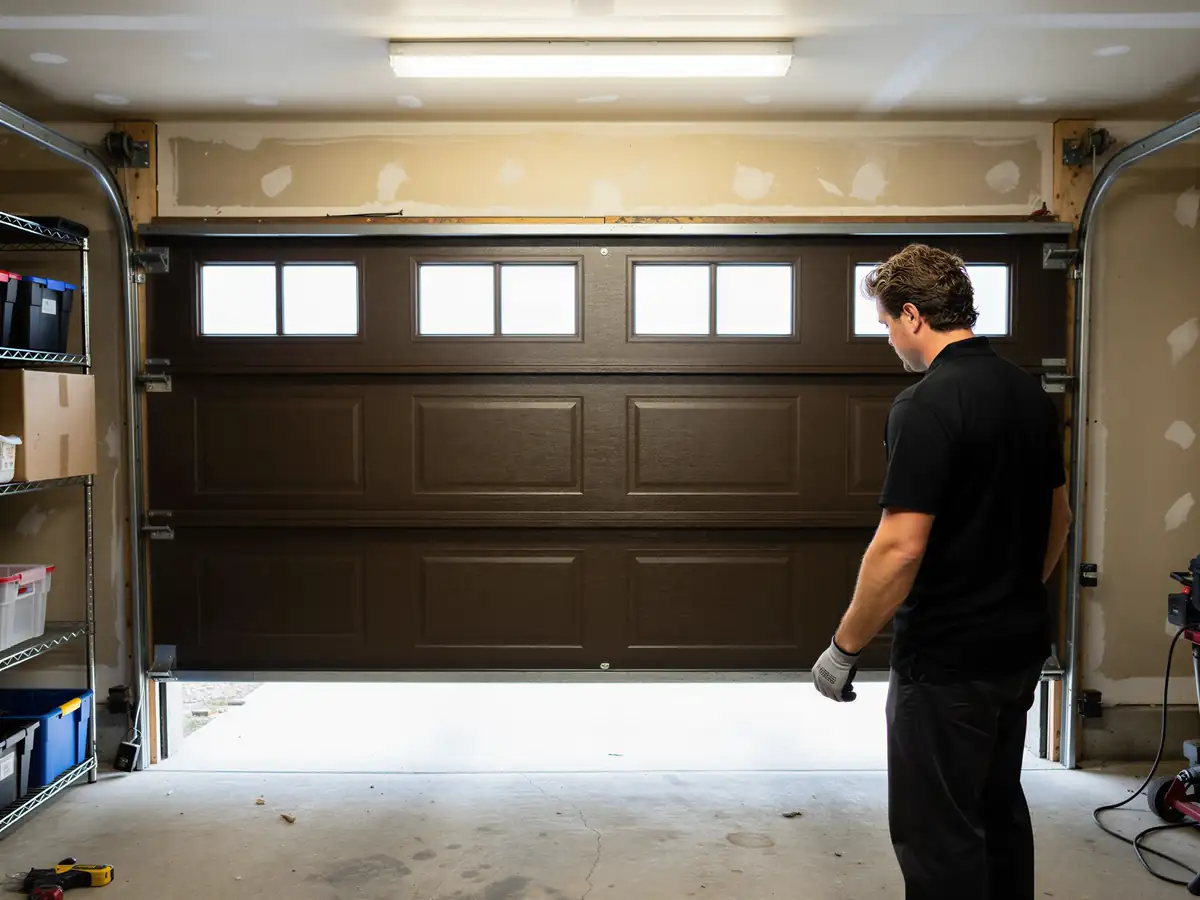
The houses going up around Tyrone in 2000 were framed to a fairly consistent opening size, which sounds like it should make installs easy. Where it actually goes sideways is the jamb. Twenty-five years of settling on a slab-on-grade foundation means the opening that was square in 2000 often isn't square now, even by a half inch, and a new door hung plumb to a level line instead of to the actual frame will bind on one side within the first few months.
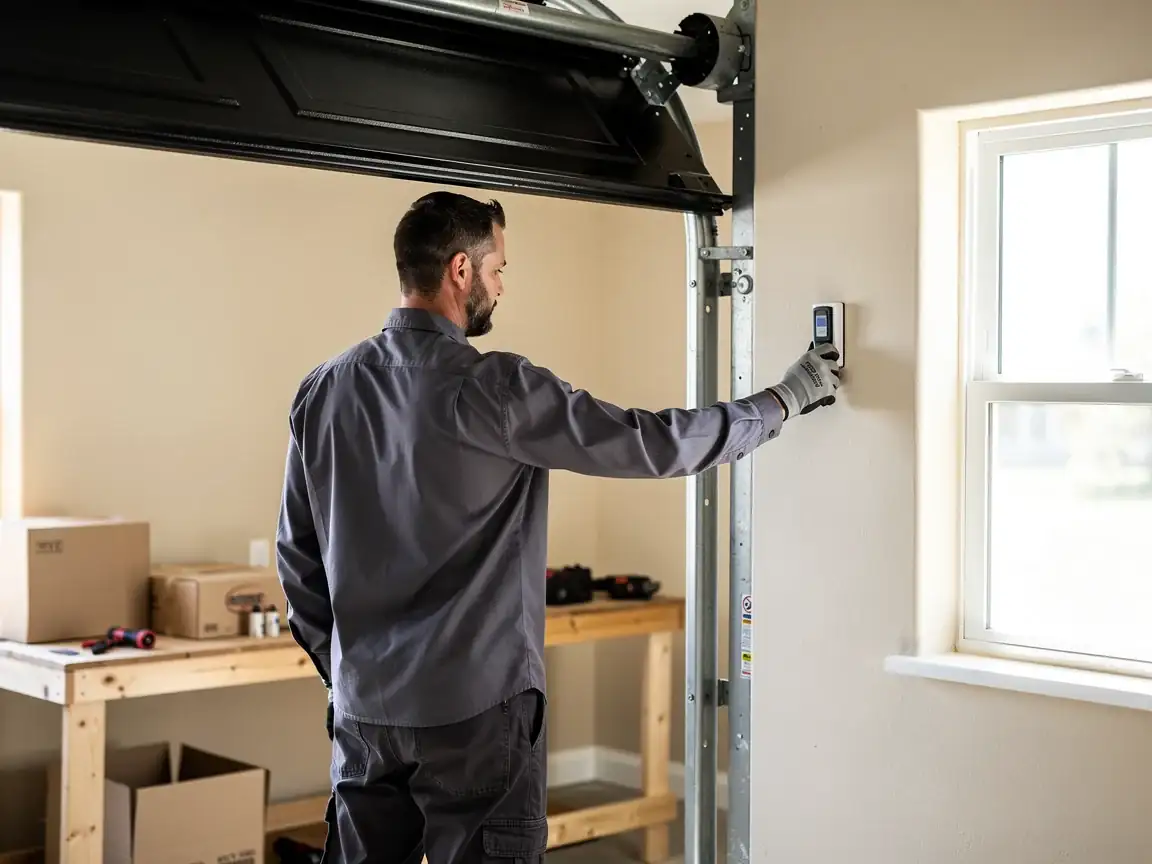
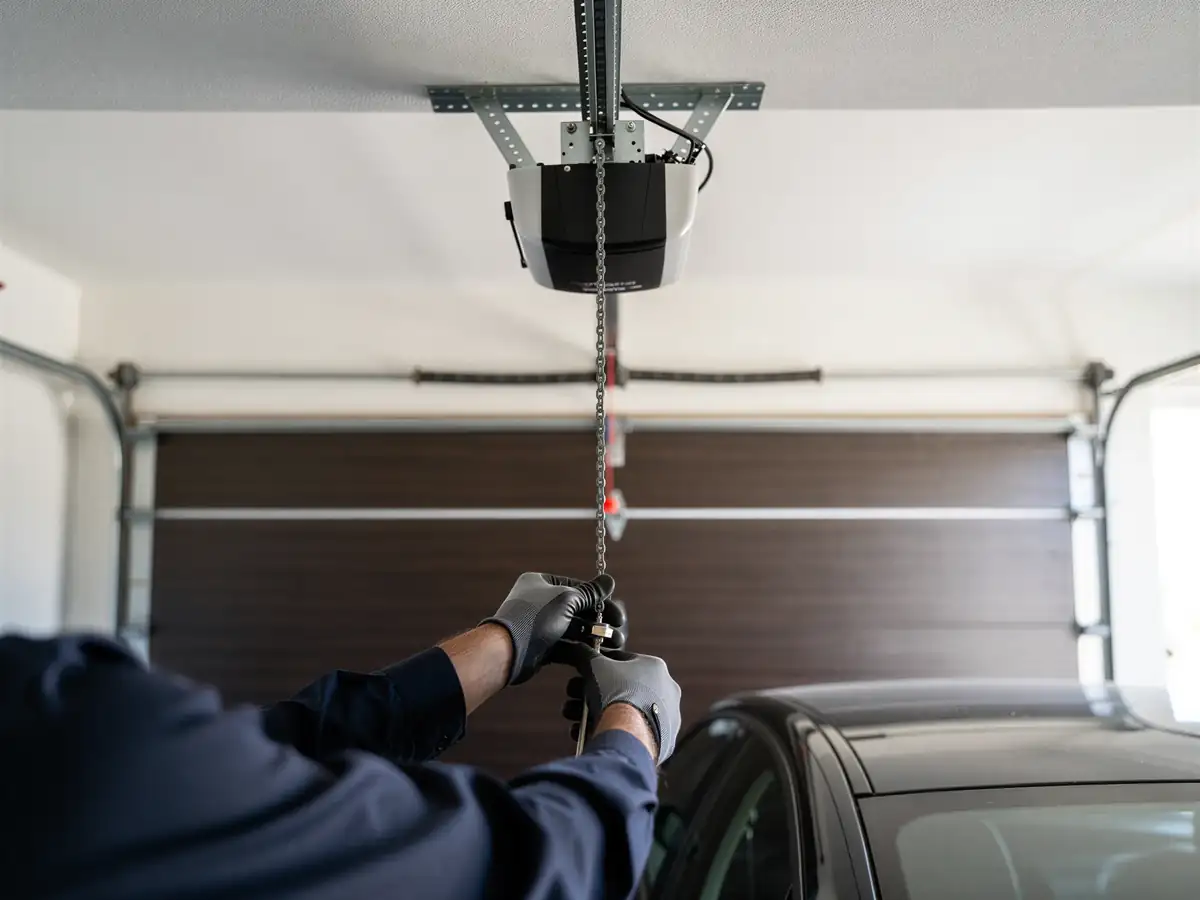
The other spot we see trouble is the opener circuit. A 2000-era garage almost always has safety reversal sensors required by the 1993 federal rule, but the wiring and the outlet behind the unit are original. Swapping in a heavier insulated door changes the weight the opener has to lift, and an undersized or tired motor from that era won't carry the new door reliably - it'll run, then stall, then burn out within a year. We check the opener's lift rating against the new door's weight before we hang anything, because replacing a door and finding out the opener can't handle it a month later costs you a second service call.
What You Are Seeing
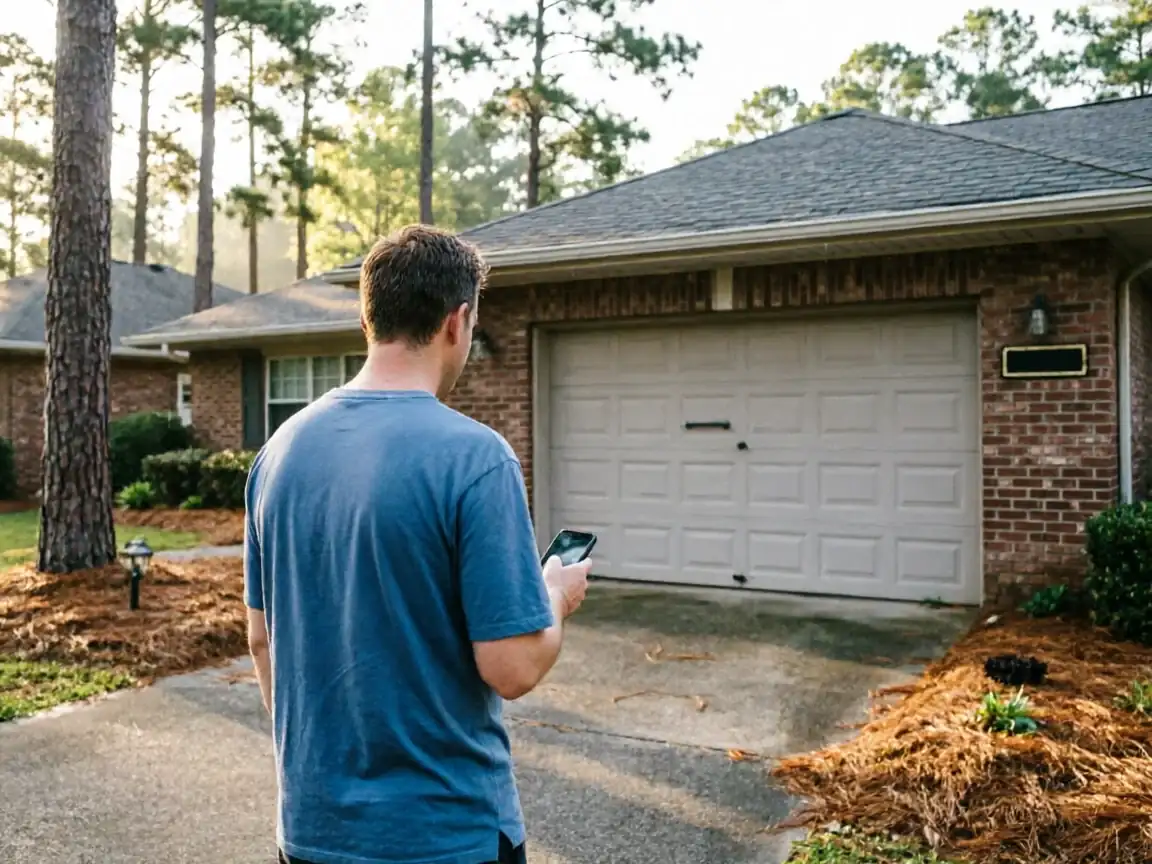
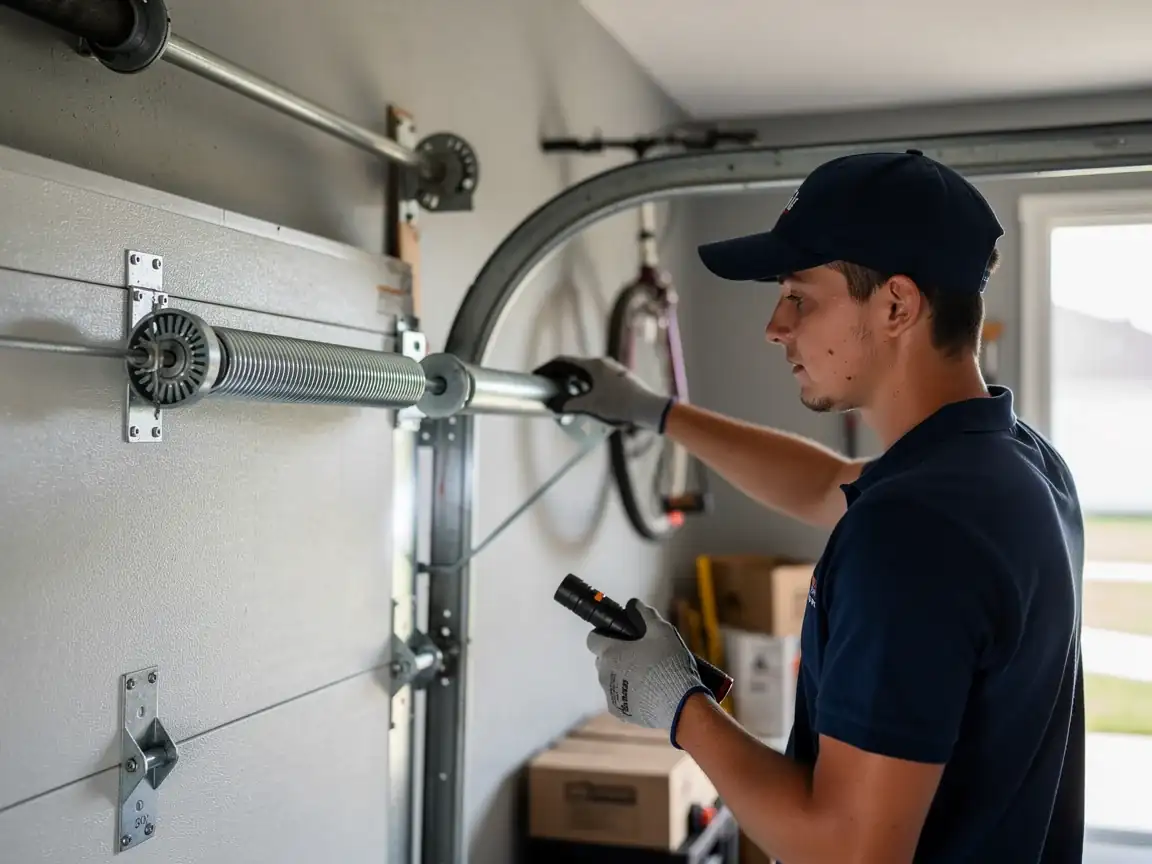
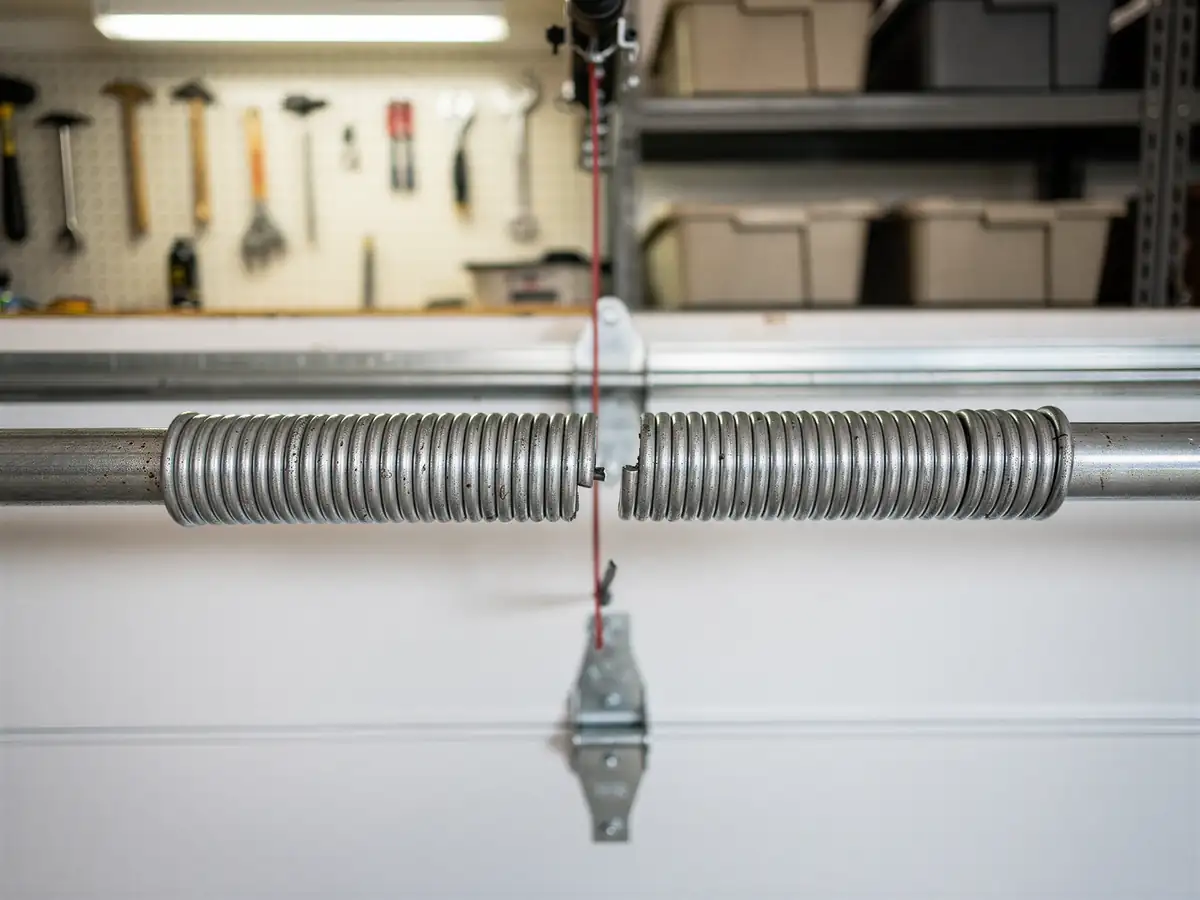
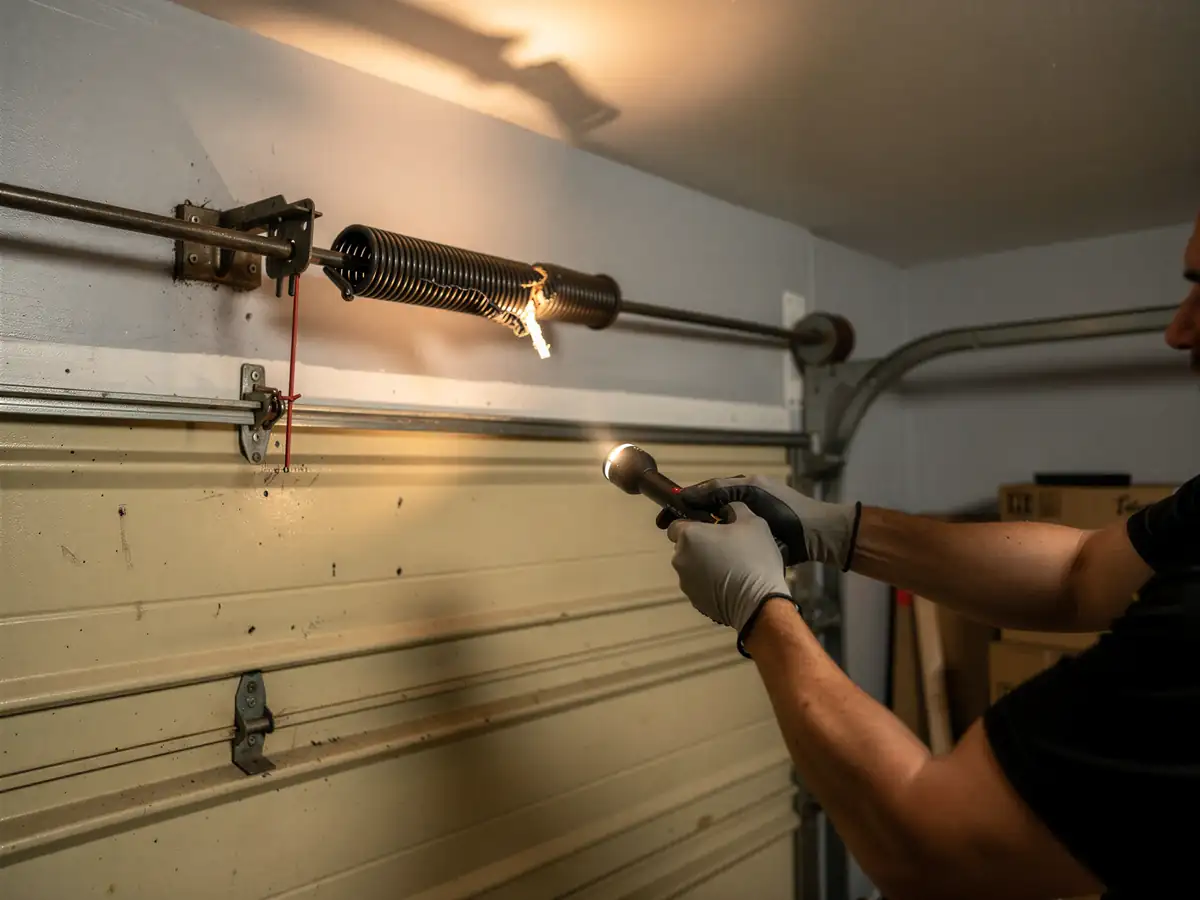
If your house in Tyrone was built around 2000 and the garage door has never been swapped, you're looking at hardware pushing 25 years old. Torsion springs rated for the thousands of cycles typical of that era are well past due - most fail between year 7 and year 12 of daily use, so a spring that's lasted this long is living on borrowed time, and it usually lets go without warning, often on the coldest morning of the year.
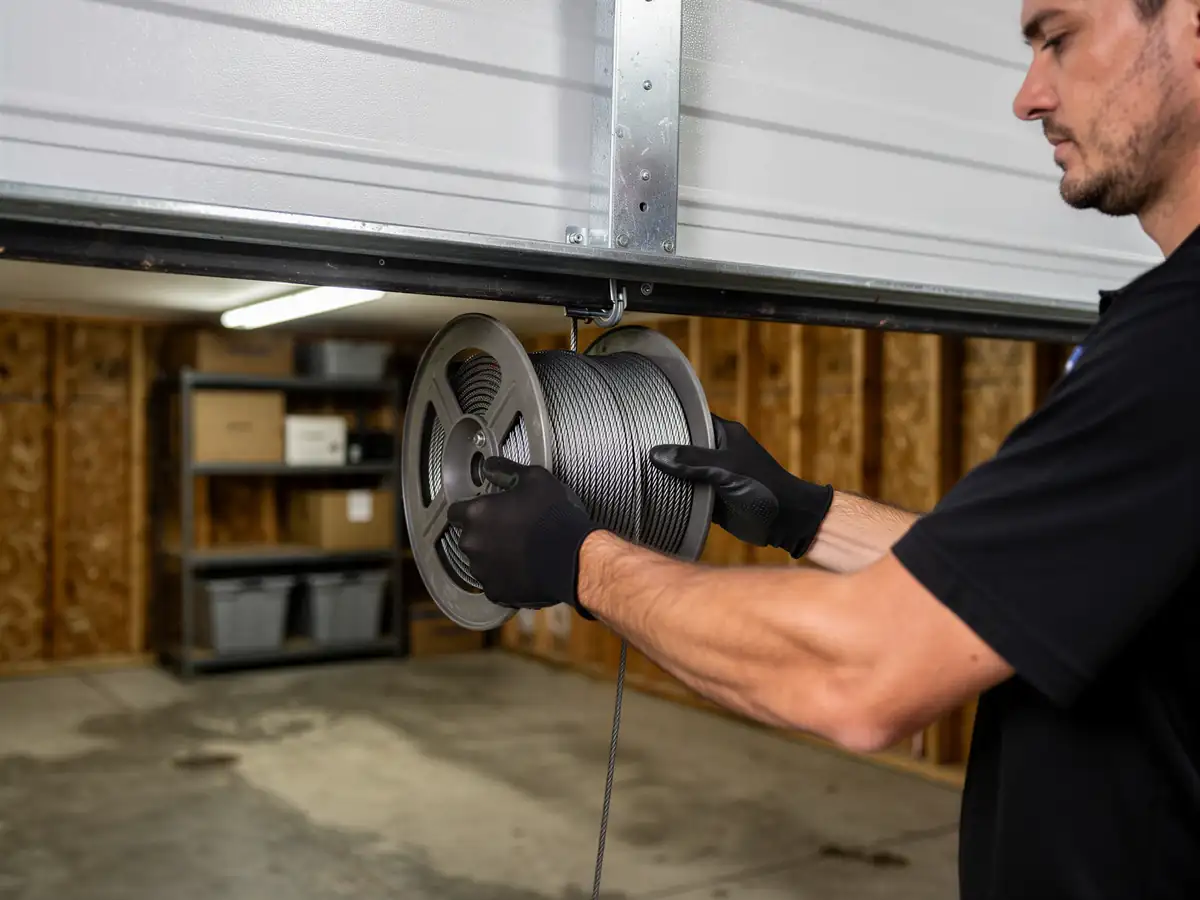
You'll also notice rollers that have gone from quiet nylon to a metallic grind, a bottom panel with surface rust at the seams where condensation collects, and cables with visible fraying at the drum. None of that is cosmetic - a frayed cable under spring tension is one of the more dangerous failure points in the whole system. If your opener is original, it's likely a chain-drive unit that's louder than current models and slower to respond, which is often the first thing people notice even before the door itself starts acting up.
Why This Fails Locally
Tyrone falls in the same cold-moderate climate band as the rest of the Douglasville service area
Which means winter mornings get cold enough that an uninsulated steel door turns the garage into an icebox and lets that cold transfer straight through an attached wall. Combined with the area's higher household income, we see more Tyrone homeowners asking for insulated doors specifically to keep a bonus room or laundry area over the garage from feeling the temperature swing - not just for the energy bill, but for comfort.
The other local failure pattern ties back to the build year
Because so much of Tyrone went up in a tight window around 2000, a lot of these original systems are hitting end-of-life within a few years of each other. Springs rated for a certain cycle count, openers built before today's rolling-code standards, and rollers that were never upgraded all wear out close together. That's not a coincidence of bad luck - it's just what happens when a neighborhood is built in one era and nobody's touched the hardware since.