Where This Job Goes Sideways
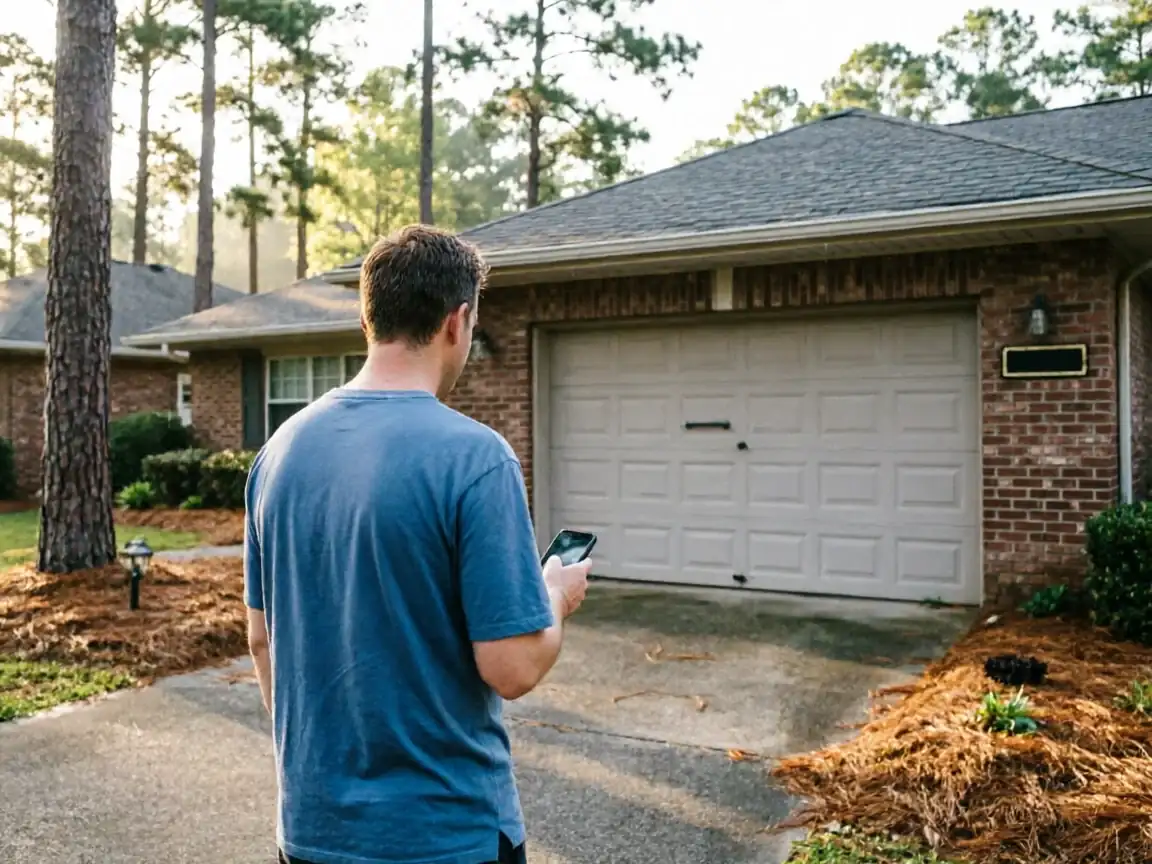
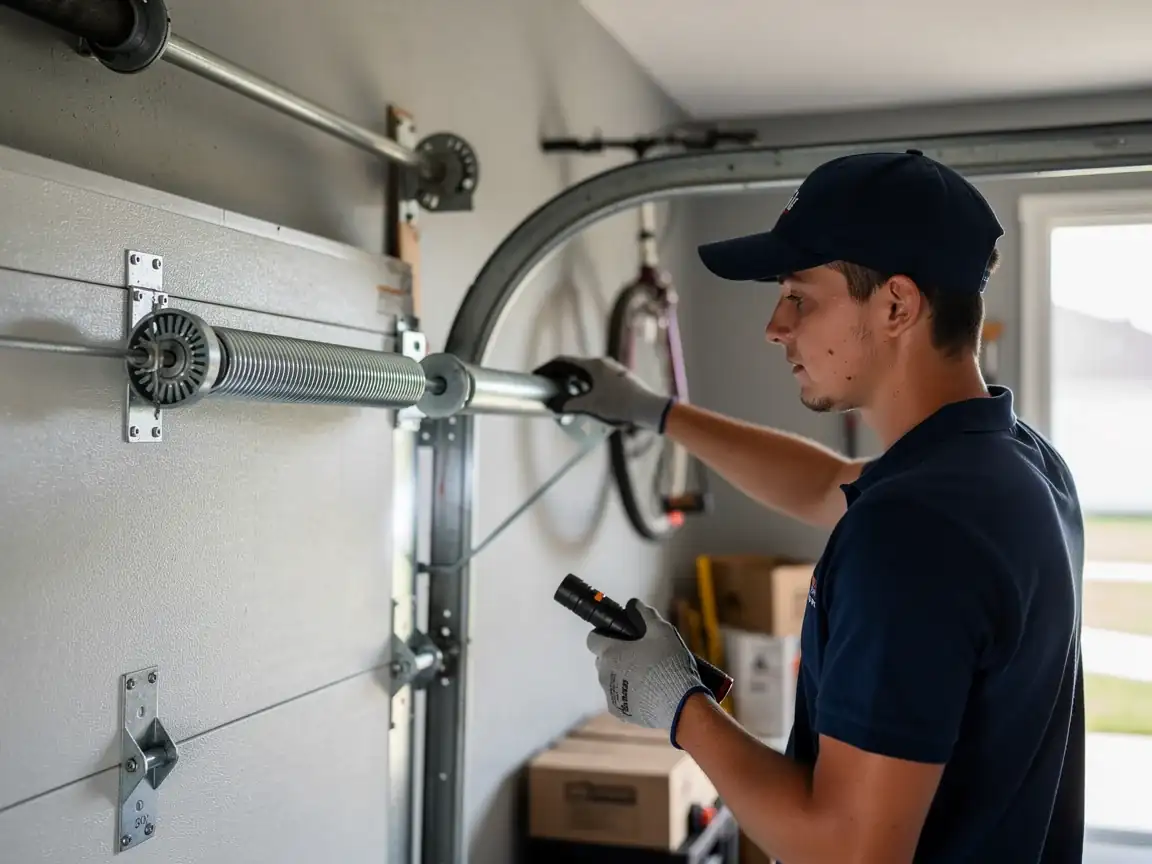
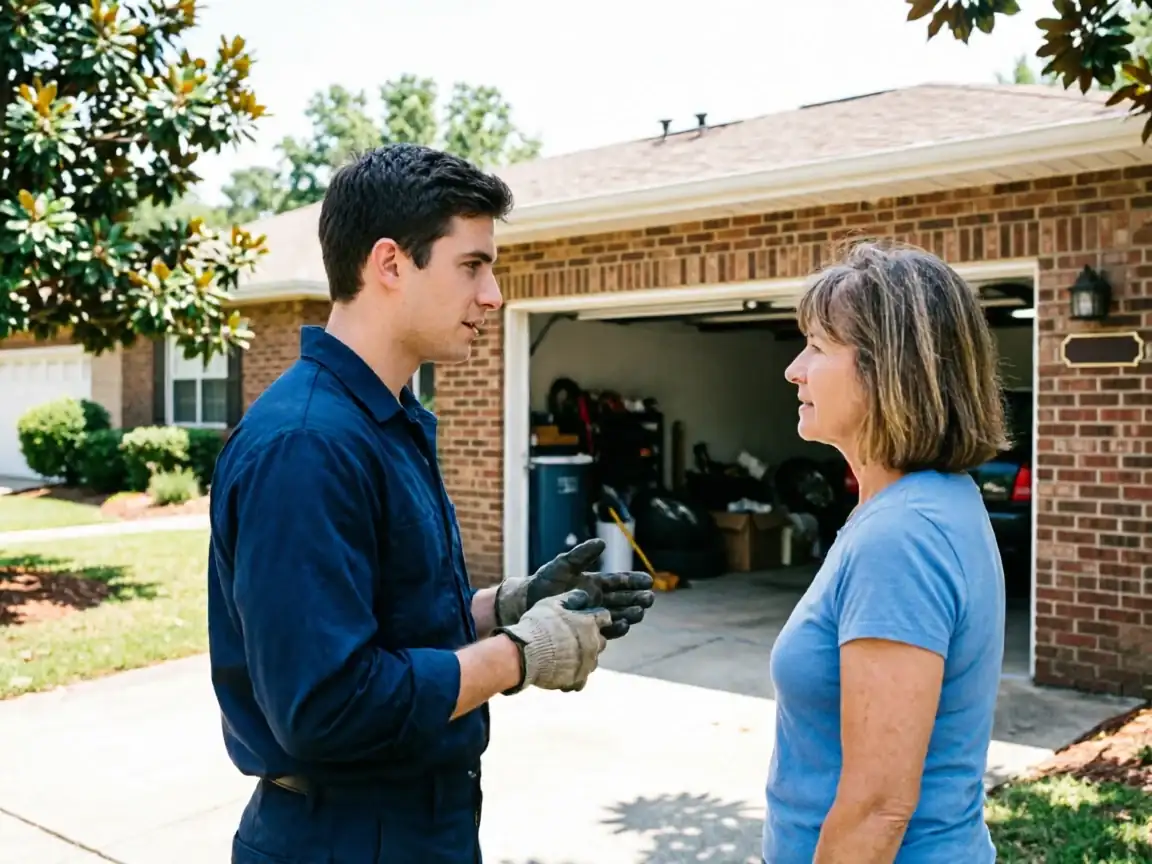
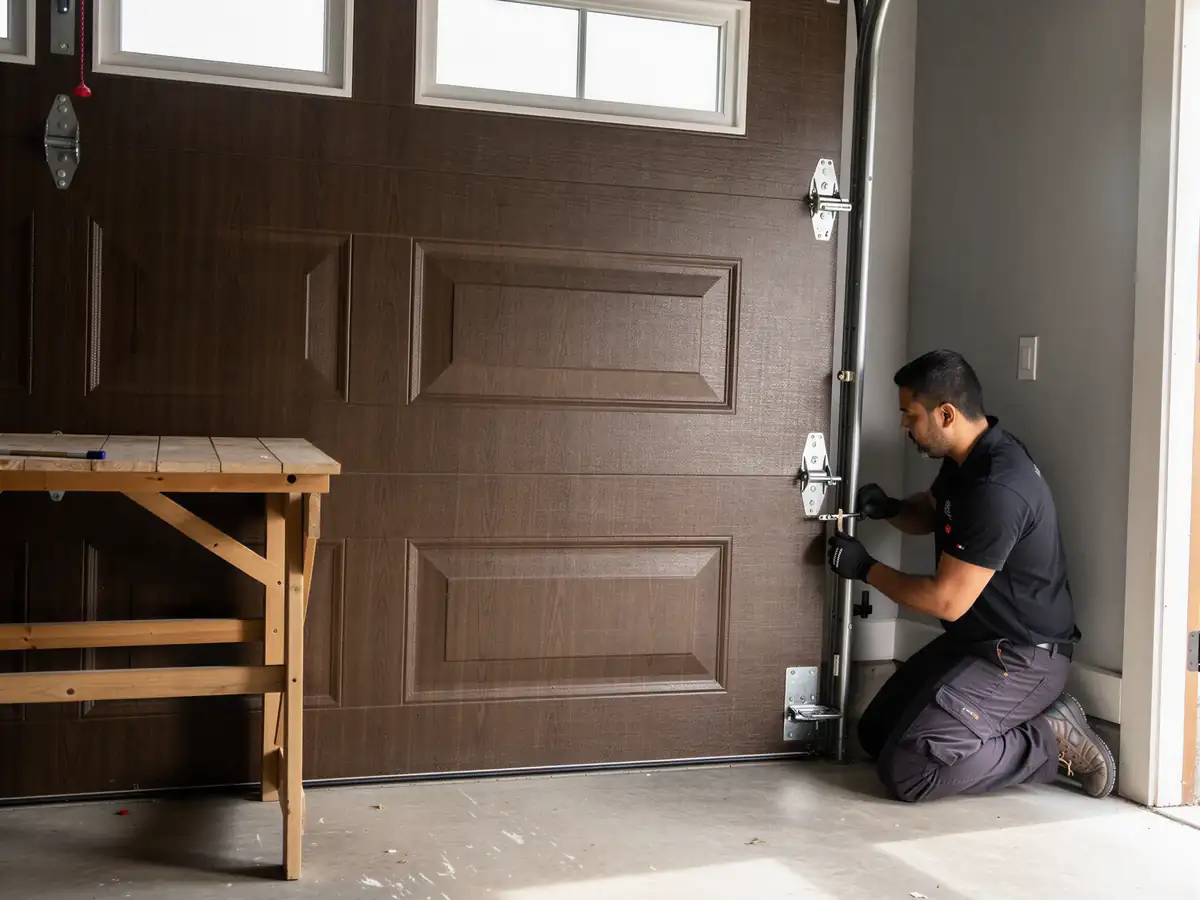
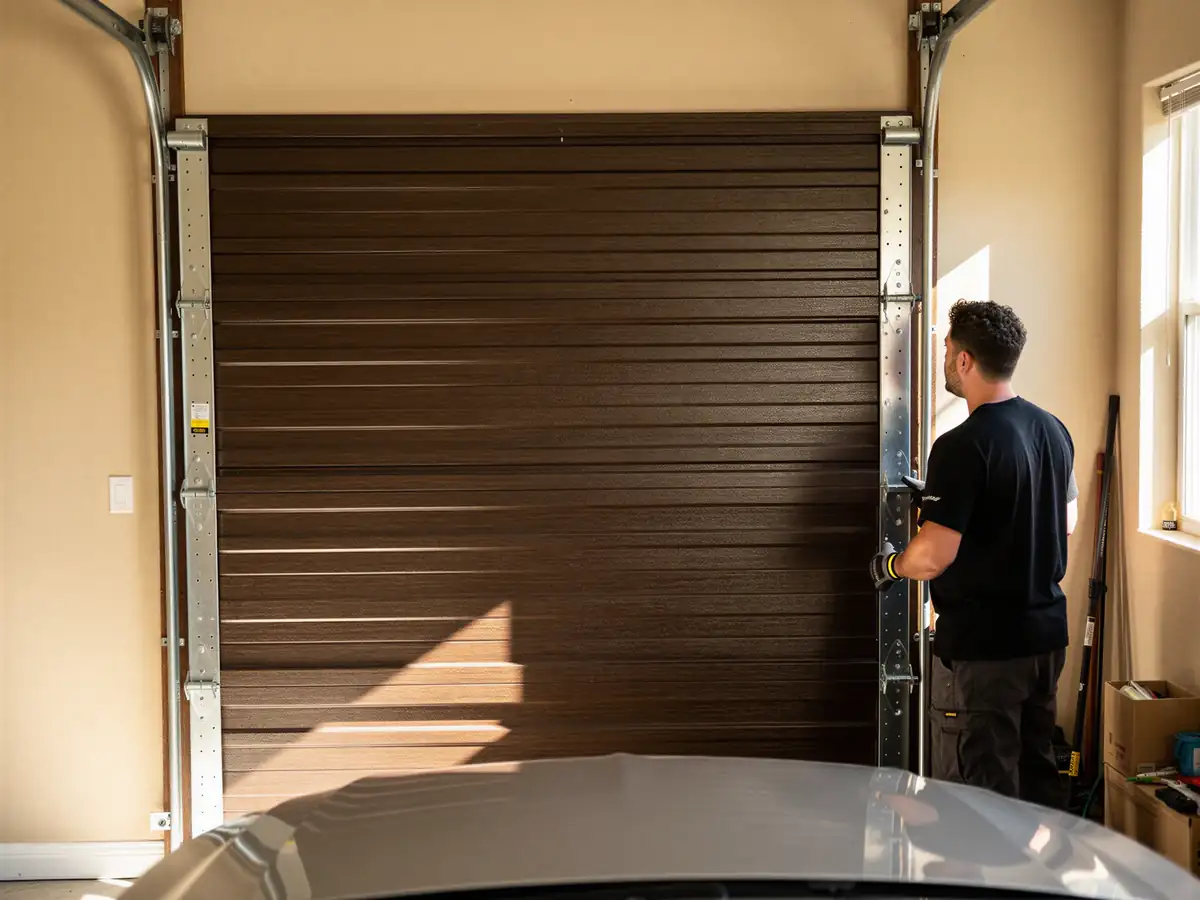
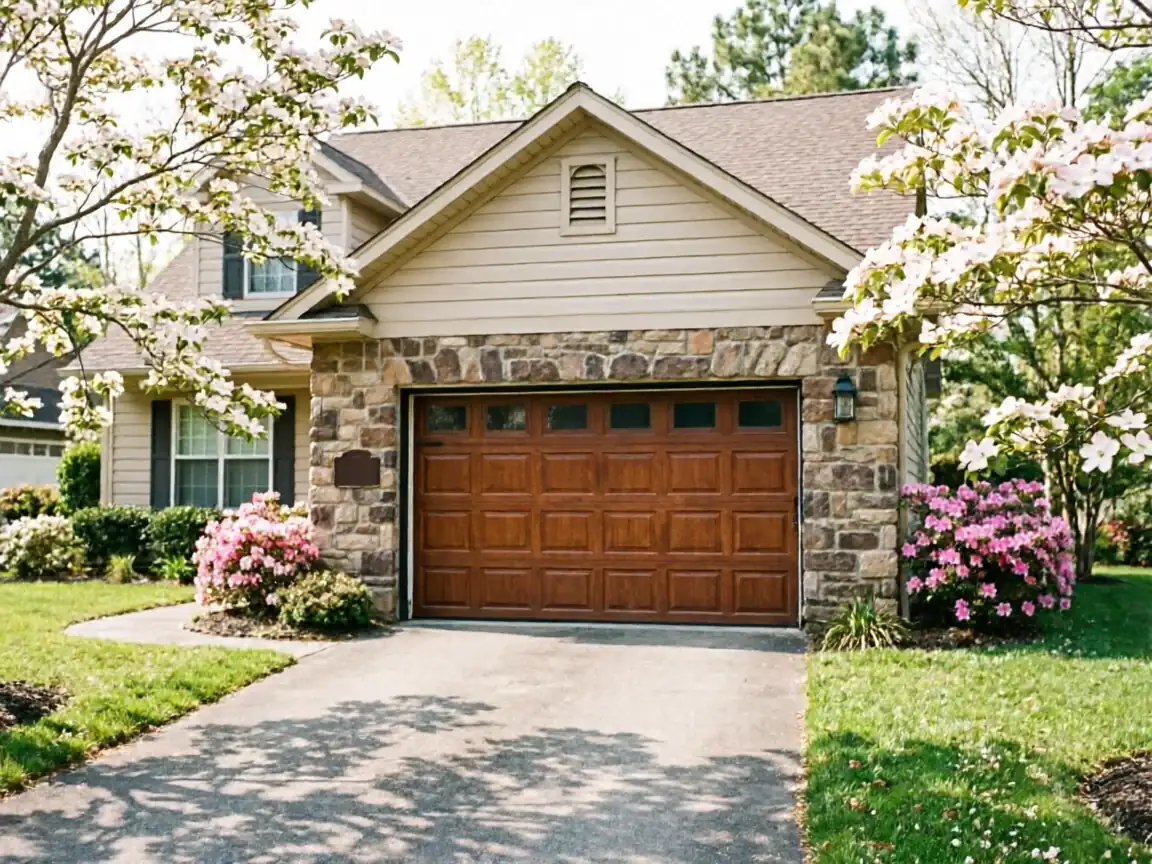
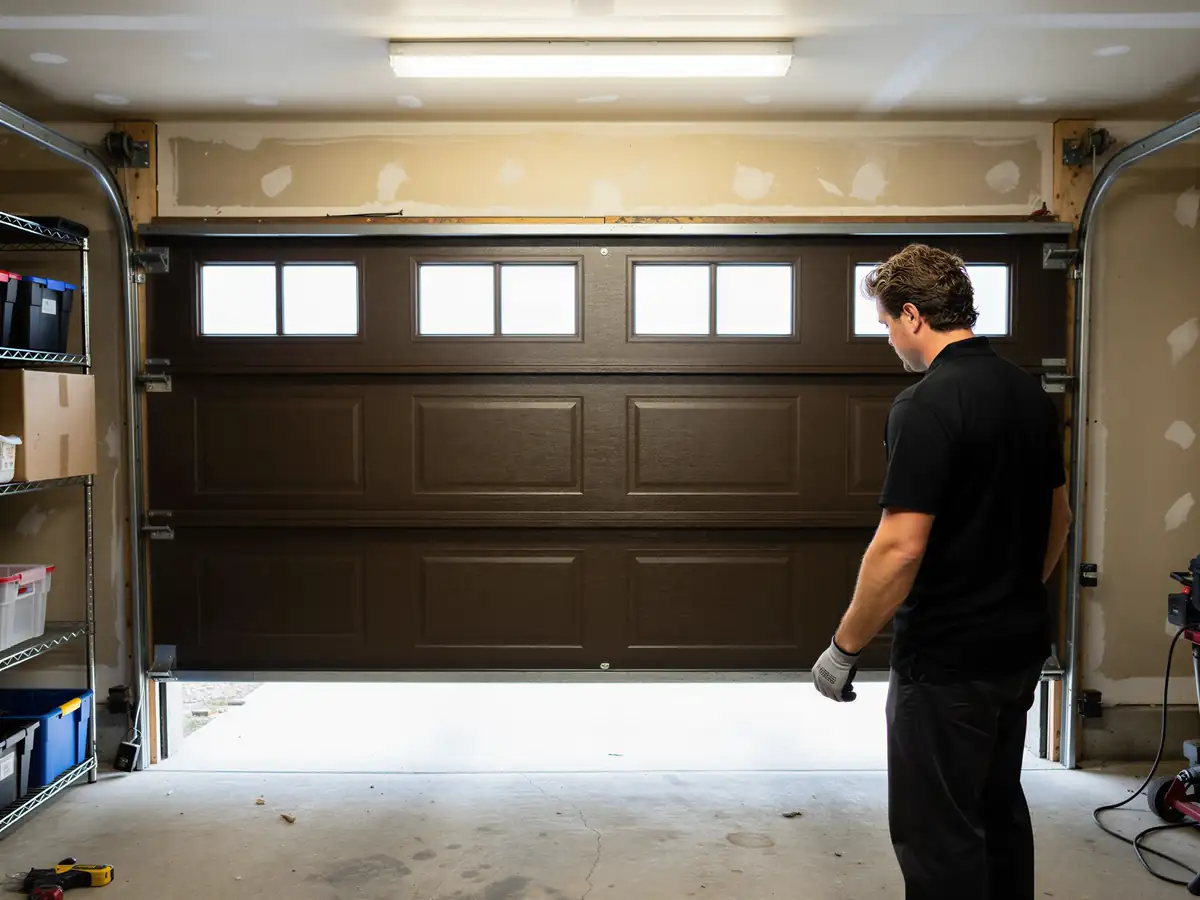
The honest limitation first: if a job calls for a part we don't carry on the truck - an obsolete opener logic board, a specialty panel in a nonstandard width - we're ordering it, and that can mean a return trip instead of a same-visit fix. Tyrone's low household count compared to denser parts of the service area means less day-to-day demand here, so we're not stocking every variant for this one town; we bring what fits the common 2000-era hardware and work from there. Where it actually goes sideways on-site is usually one of two things. First, a homeowner or a well-meaning neighbor has already tried to force a stuck door past a broken cable or a bound track, which turns a thirty-minute spring swap into an hour of straightening bent track and checking the opener's drive gear for stripped teeth. Second, on a bigger double door - more common in Tyrone's higher-end builds - both torsion springs are usually close to the same age, so if one snapped, the other is likely close behind it. Replacing one and leaving the other is a callback waiting to happen, and we'll say so plainly before we leave.
What You Are Seeing
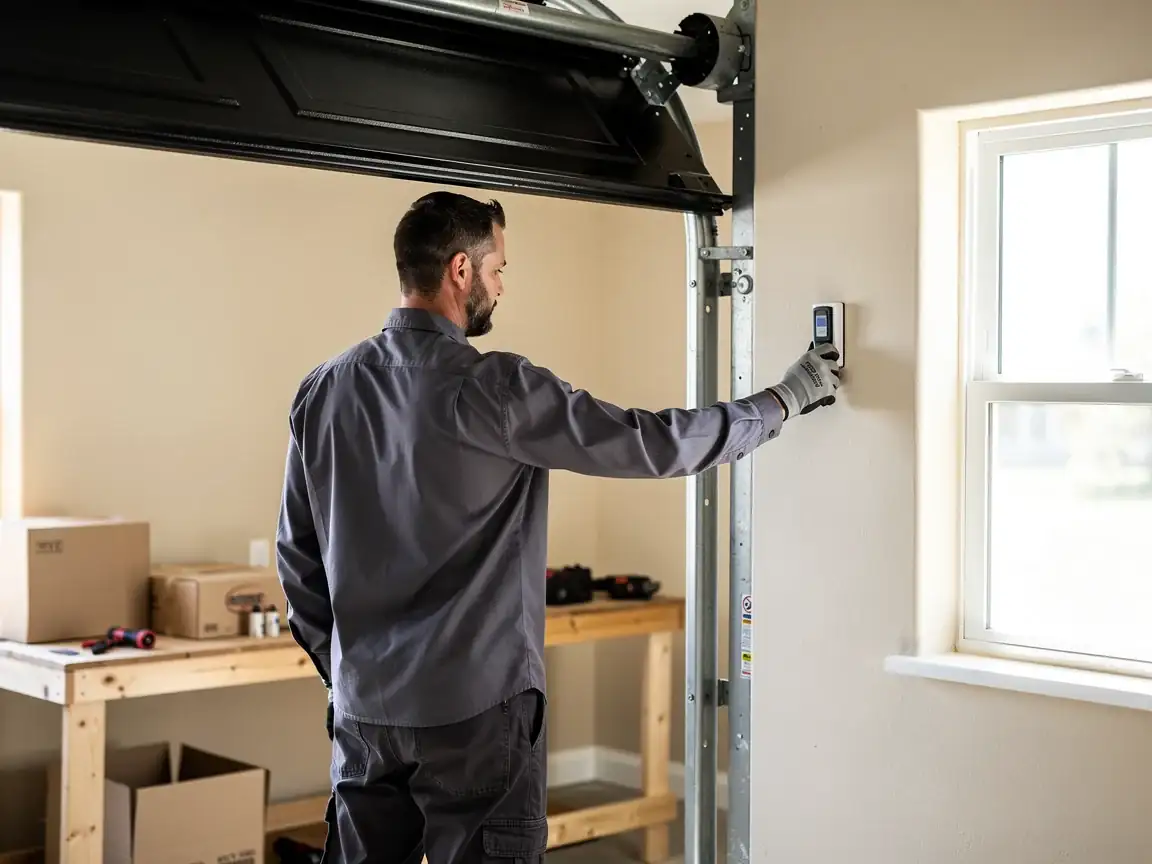
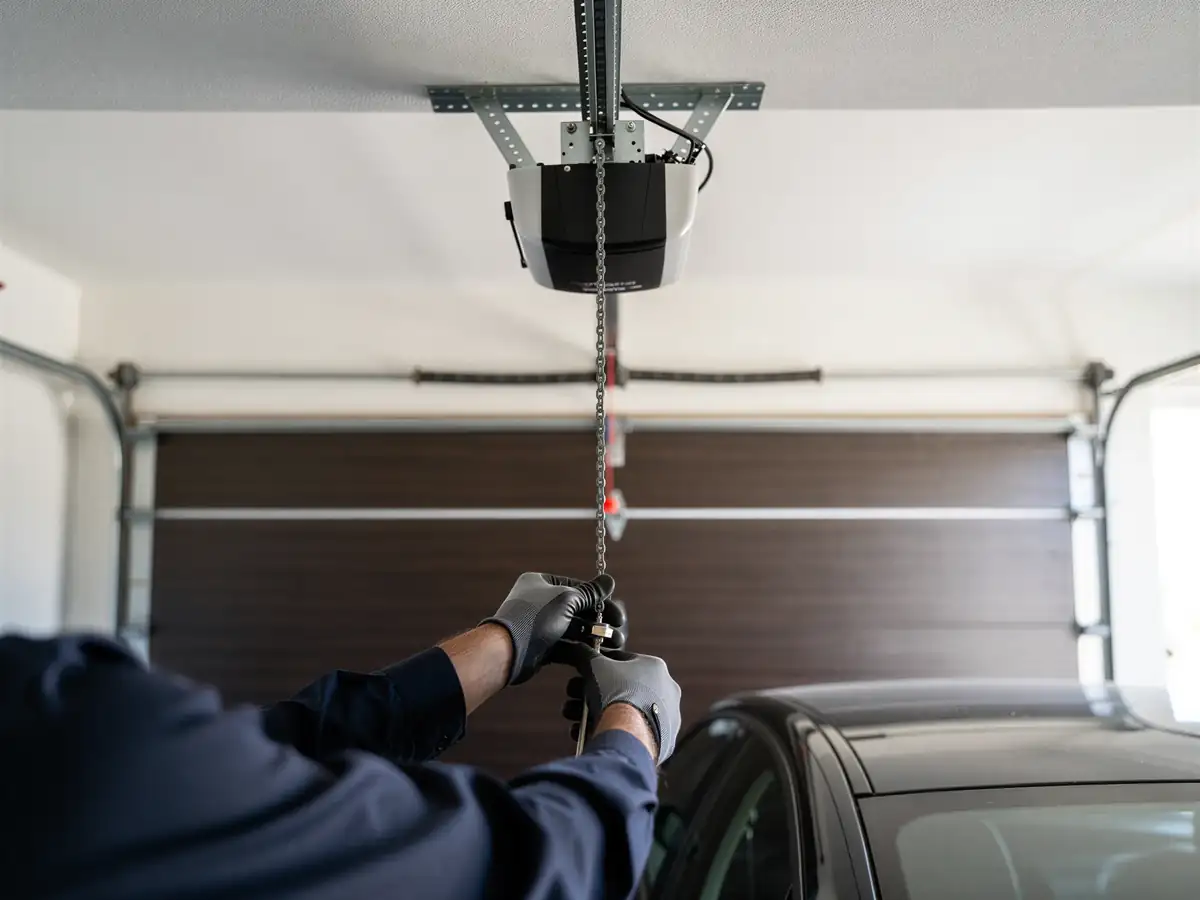
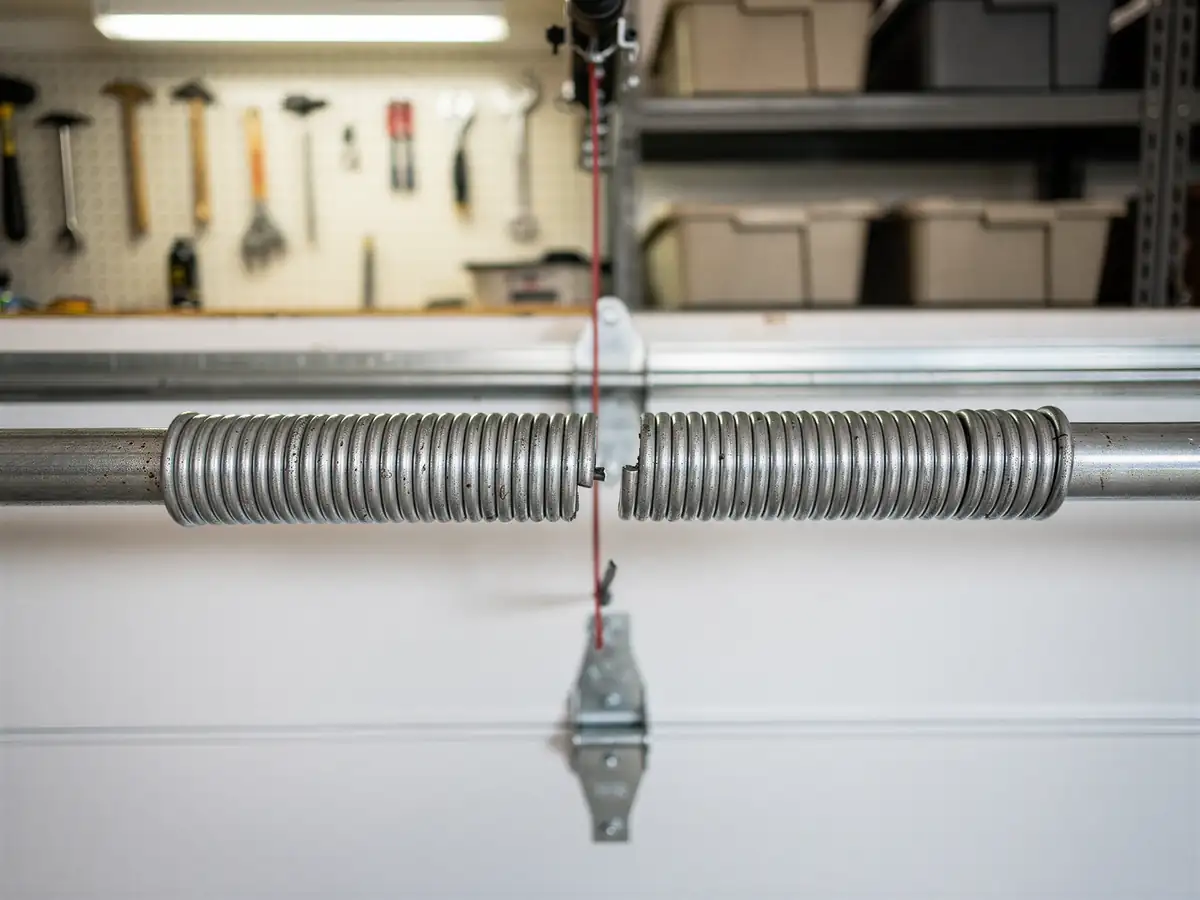
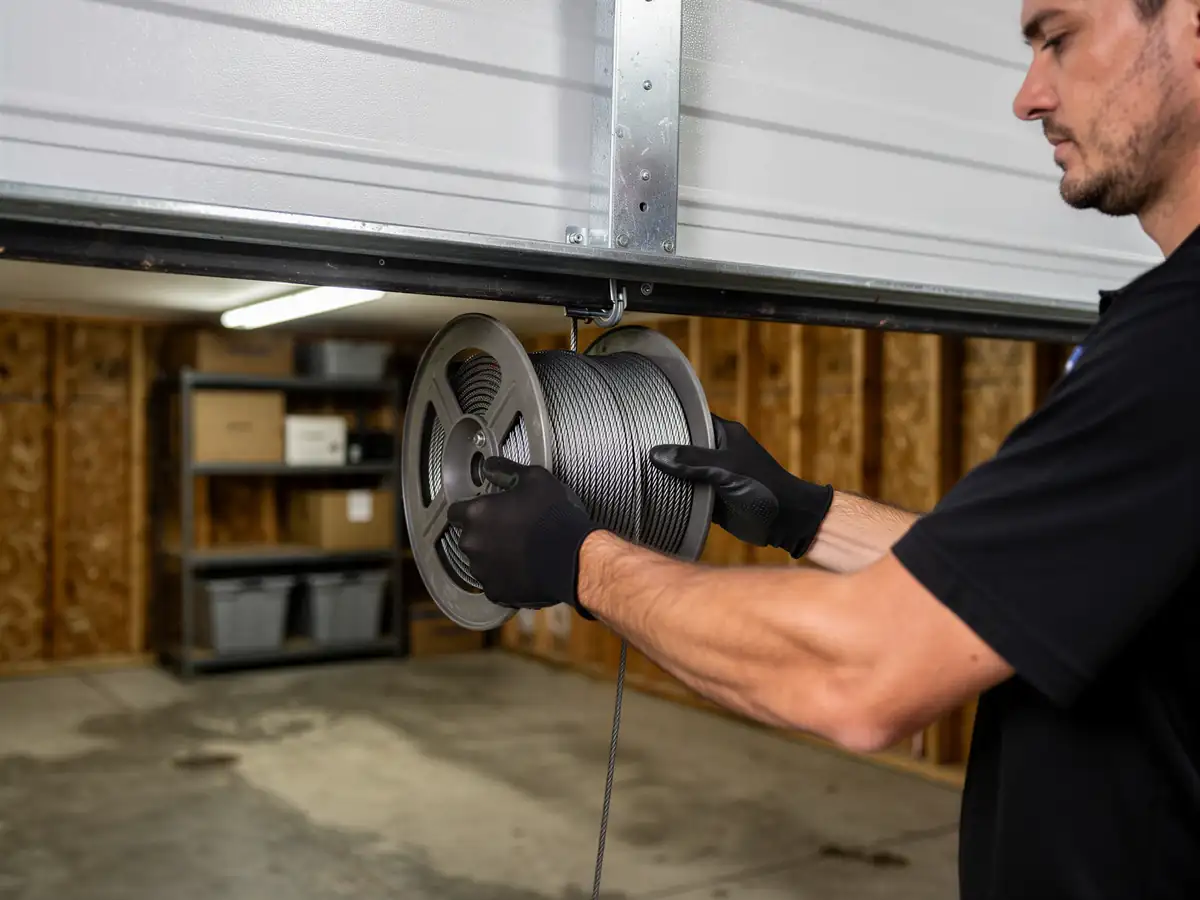
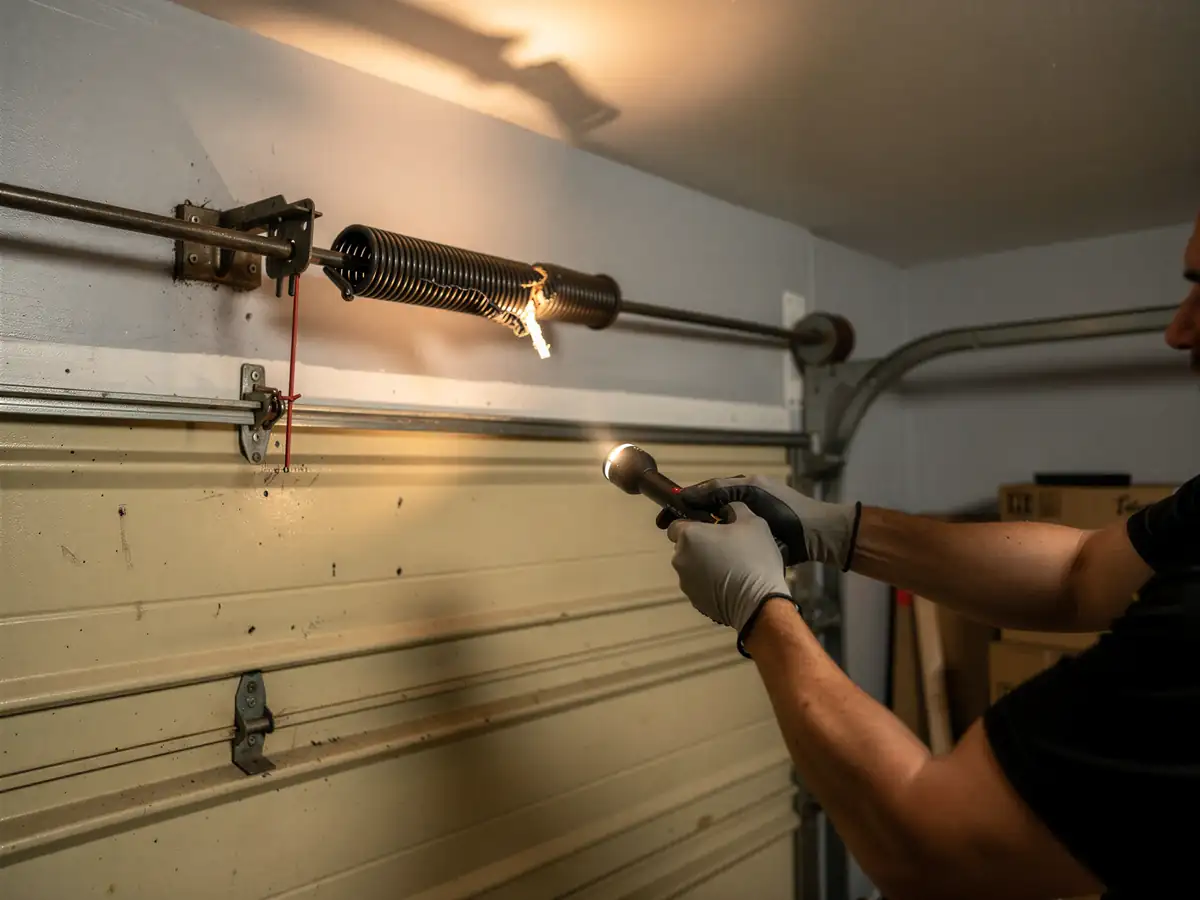
If the door won't move and you hear a bang before it happened, that's a torsion spring letting go - loud, usually at the top of a cold morning when the steel is tightest. If the opener runs but the door doesn't climb, or it climbs a few inches and stops, that's often the spring doing the opener's job for it and failing. A door that drifts back down on its own, or that one side sags lower than the other, points to a broken cable or a spring that's lost tension without fully snapping. On a 2000-built Tyrone house, the roller and hinge hardware is typically original, so after 24 years of cycles, worn rollers in the track can also cause grinding or a door that jumps and shudders partway through its run. Rust isn't usually the driver here the way it can be in older housing stock elsewhere in the service area - this area's climate runs cold-moderate, not wet-humid extreme - so corrosion-based failures show up less than straight fatigue failures do.