Where This Job Goes Sideways
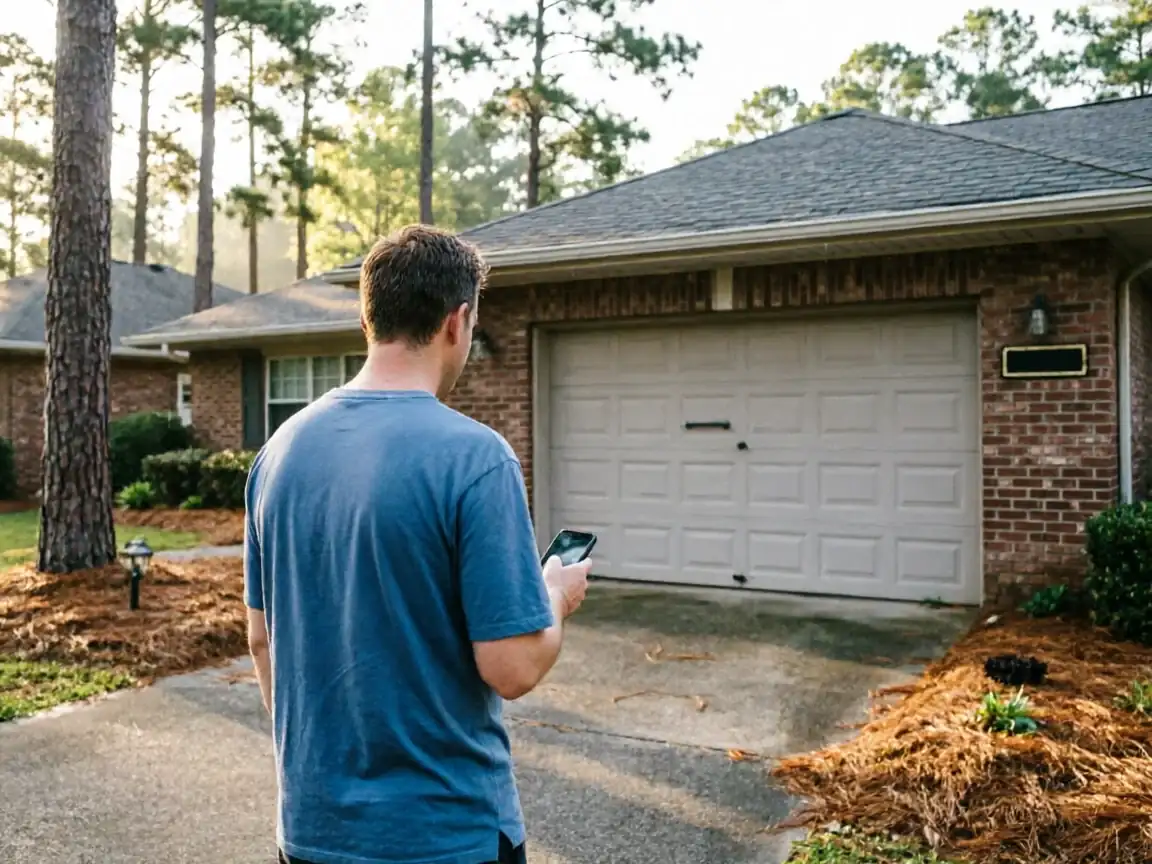
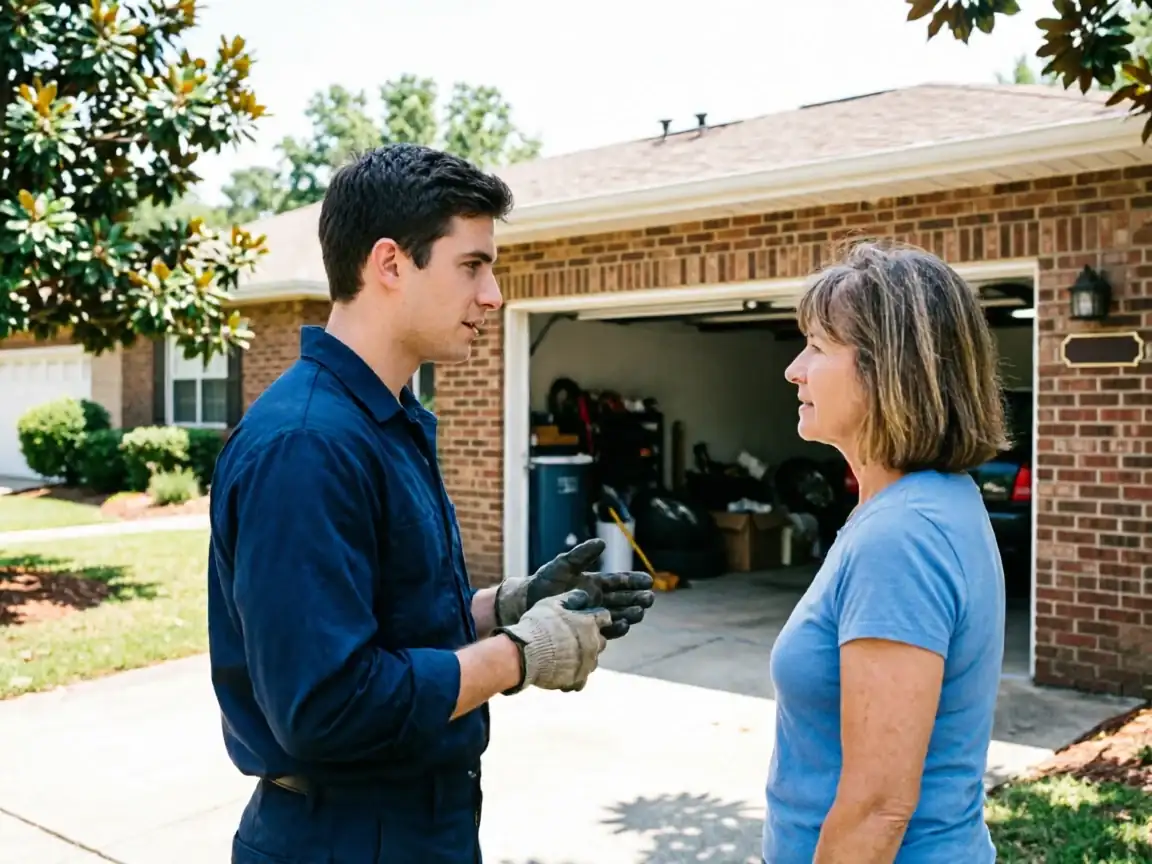
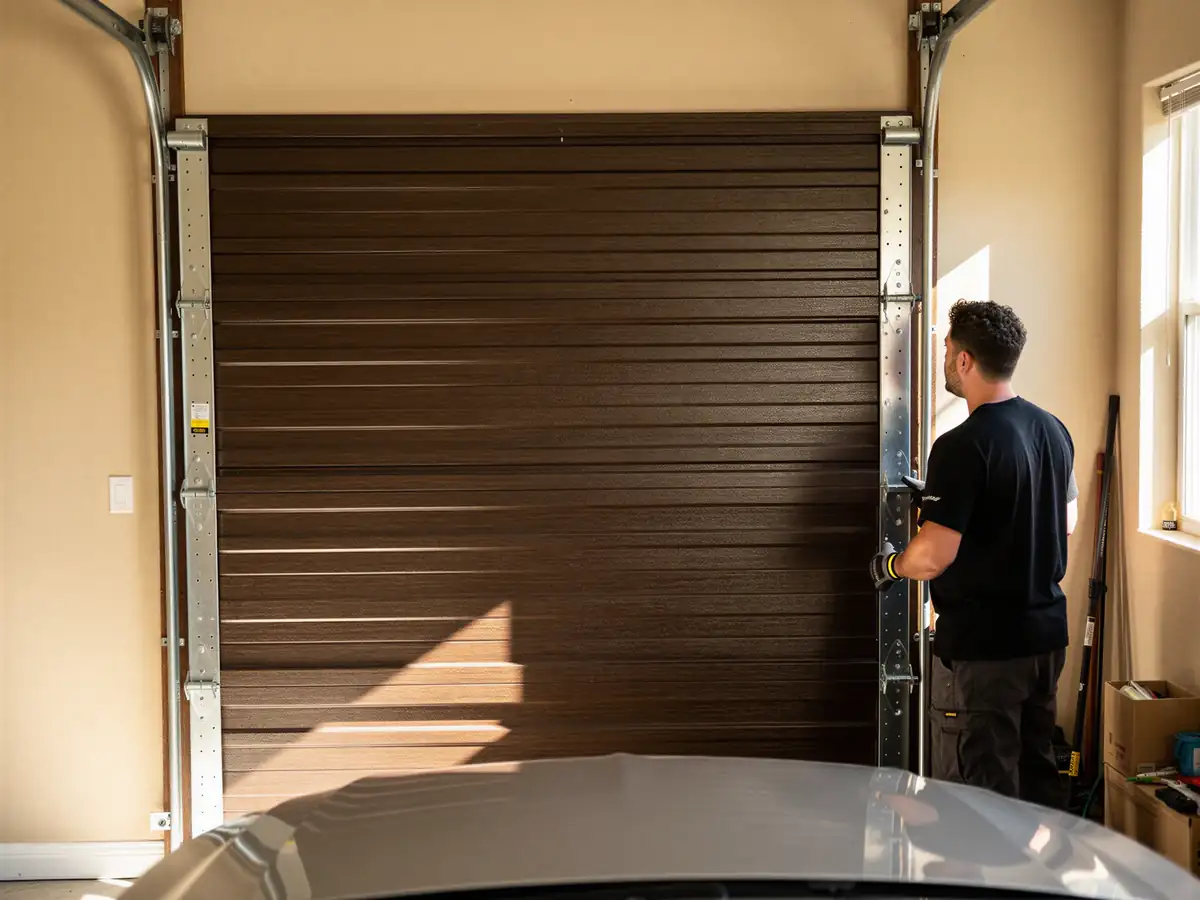
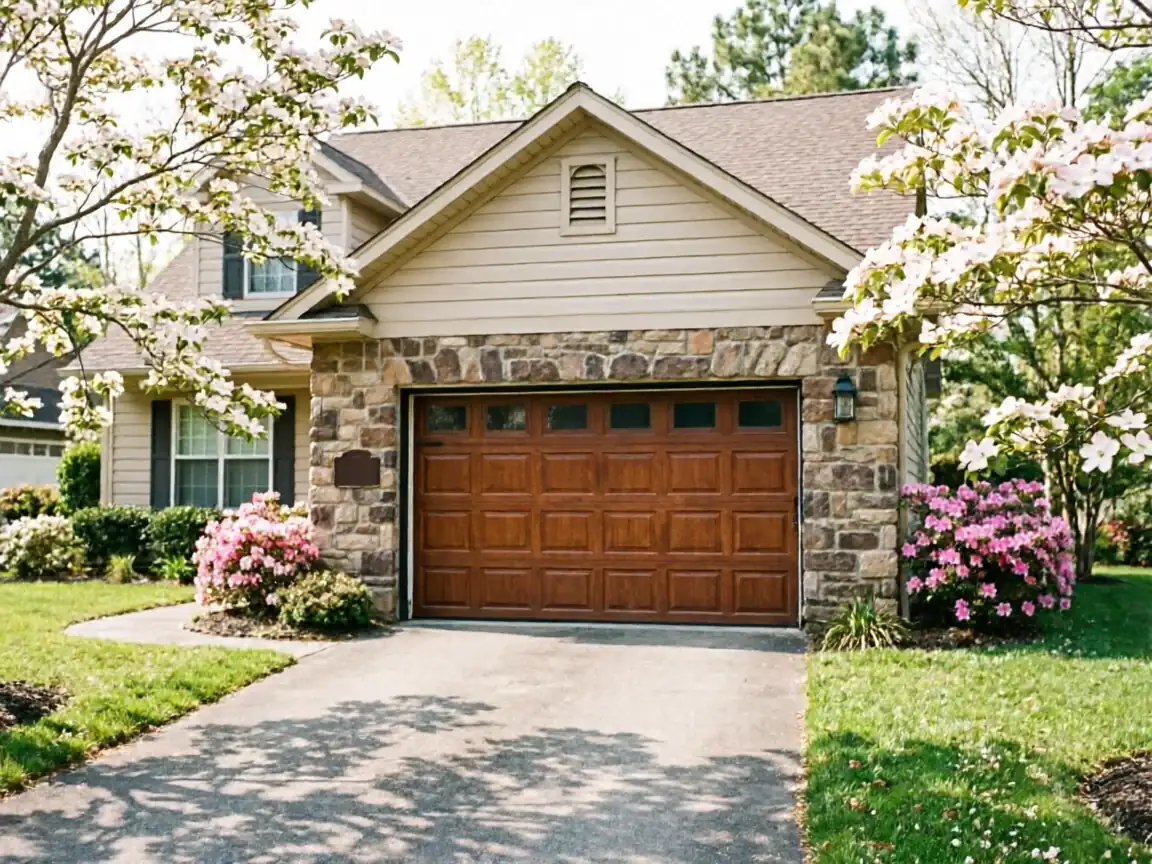
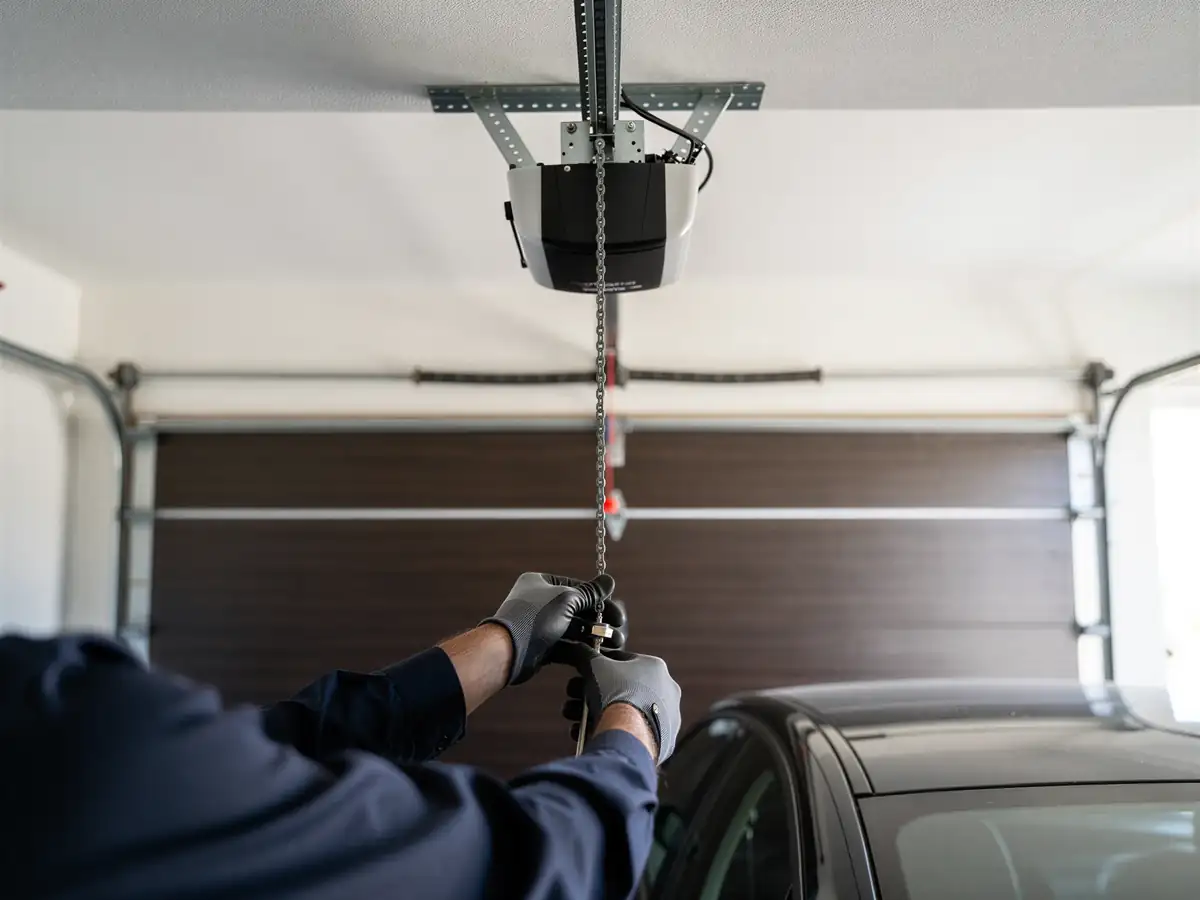
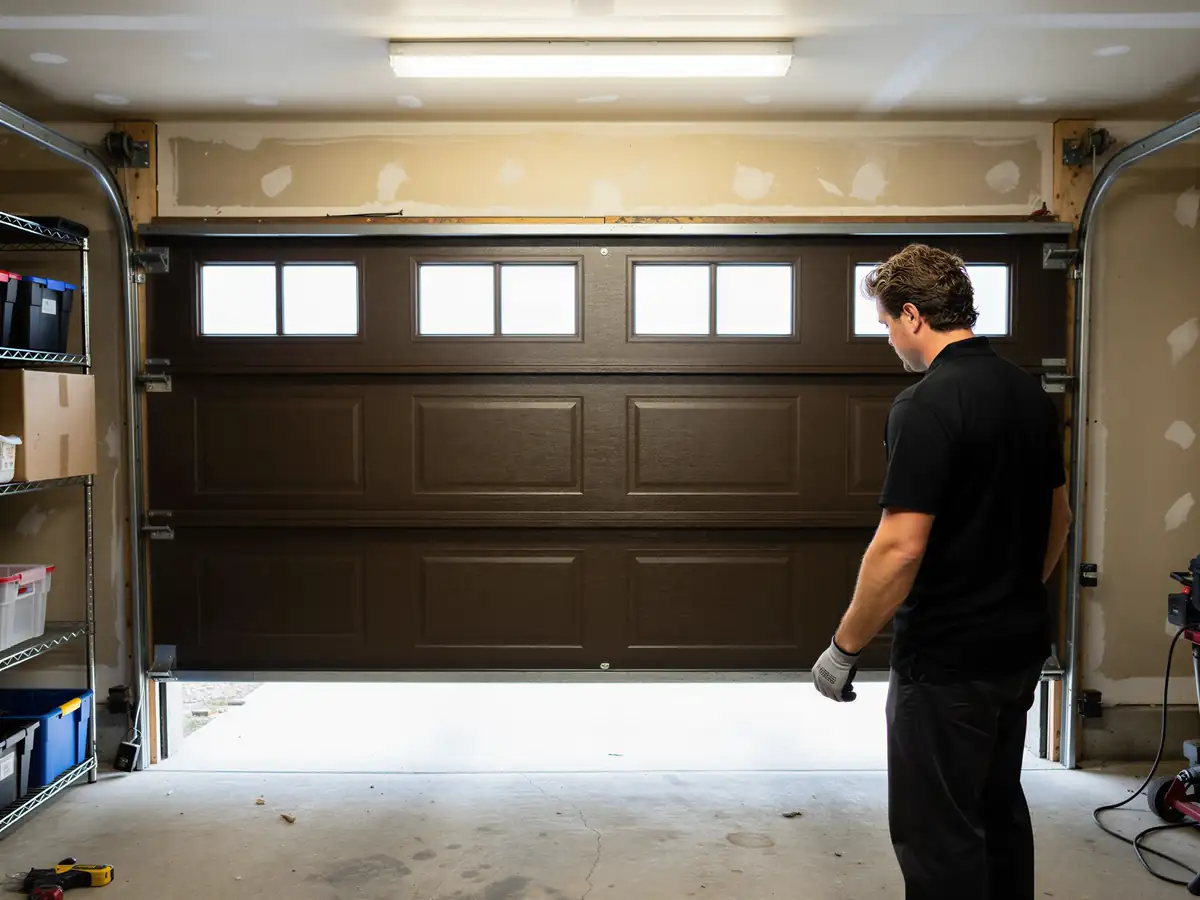
Techs who treat every call in the territory like it's the same 1994-median house get it wrong in Tyrone. A door built when this neighborhood went up in 2000 has different spring wind and a different opener generation than one from the 1970s or 80s sections closer to the city. We see this bite people two ways. First, a spring sized for an older, lighter door gets installed on a newer, heavier panel because the tech didn't check the door's actual build era against the cycle count on the coil - it works for a few months, then snaps under load. Second, homeowners order a universal remote or keypad off a shelf assuming it matches the chain-drive openers common elsewhere in the area, when their unit is a newer belt-drive model with a rolling code board that needs a matched replacement, not a generic one. The fix in both cases is the same: confirm the door's actual age and opener type before ordering parts, not after. We don't stock every board for every opener generation on the truck, so a mismatched part means a second trip. That's the honest limitation - on a newer opener with a less common board, we may need to order the part before we can finish the job in one visit.
What You Are Seeing
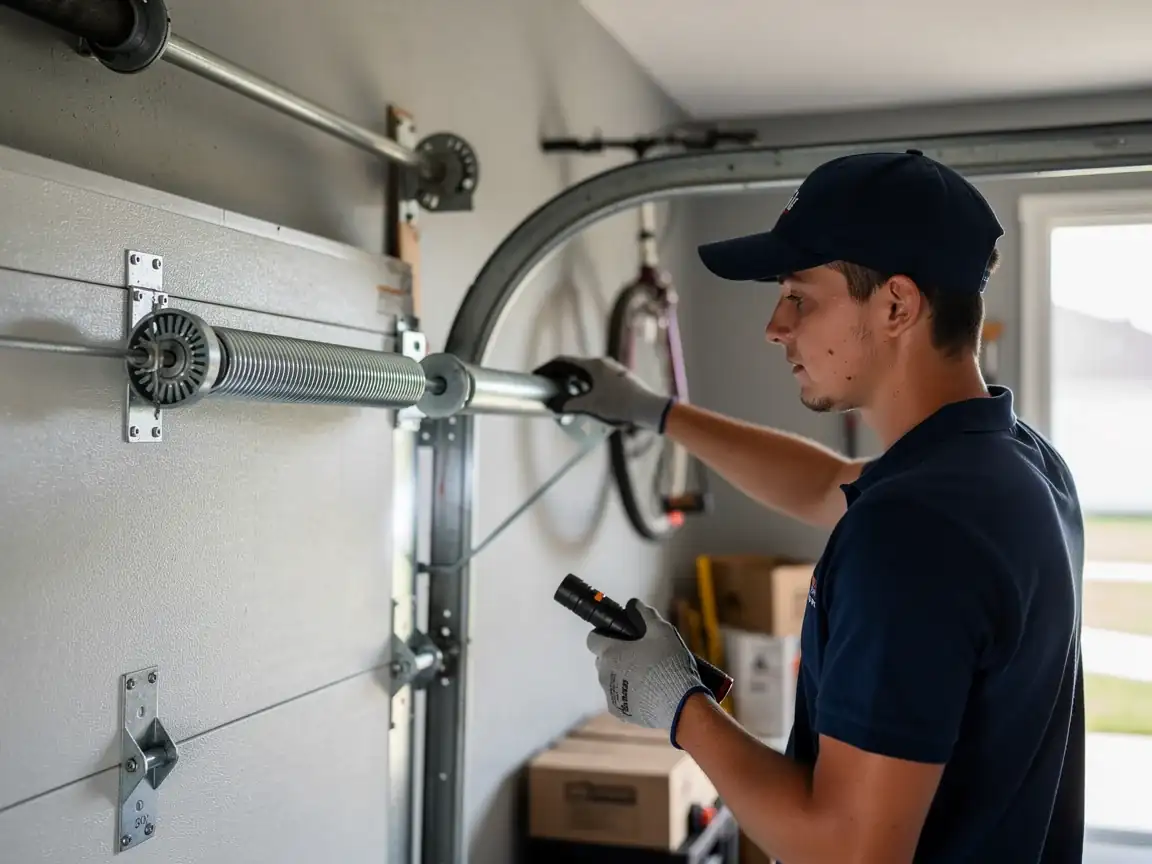
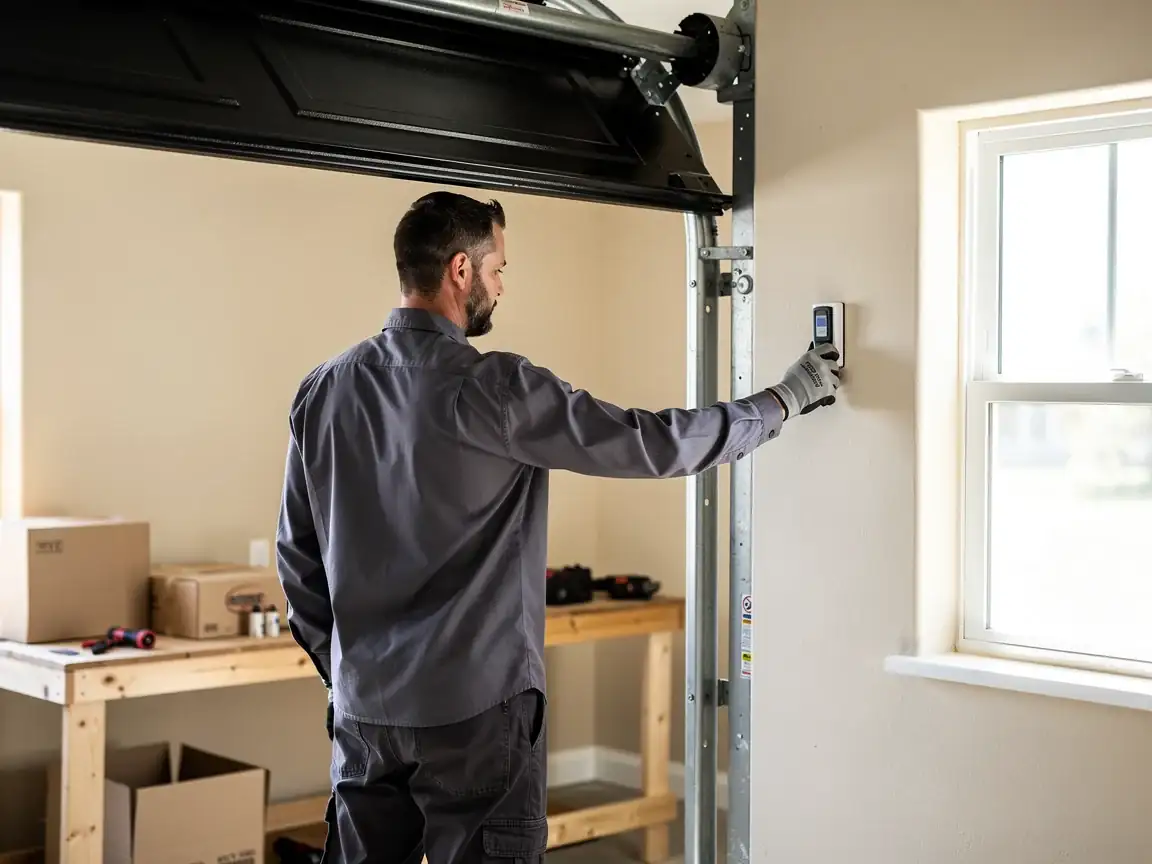
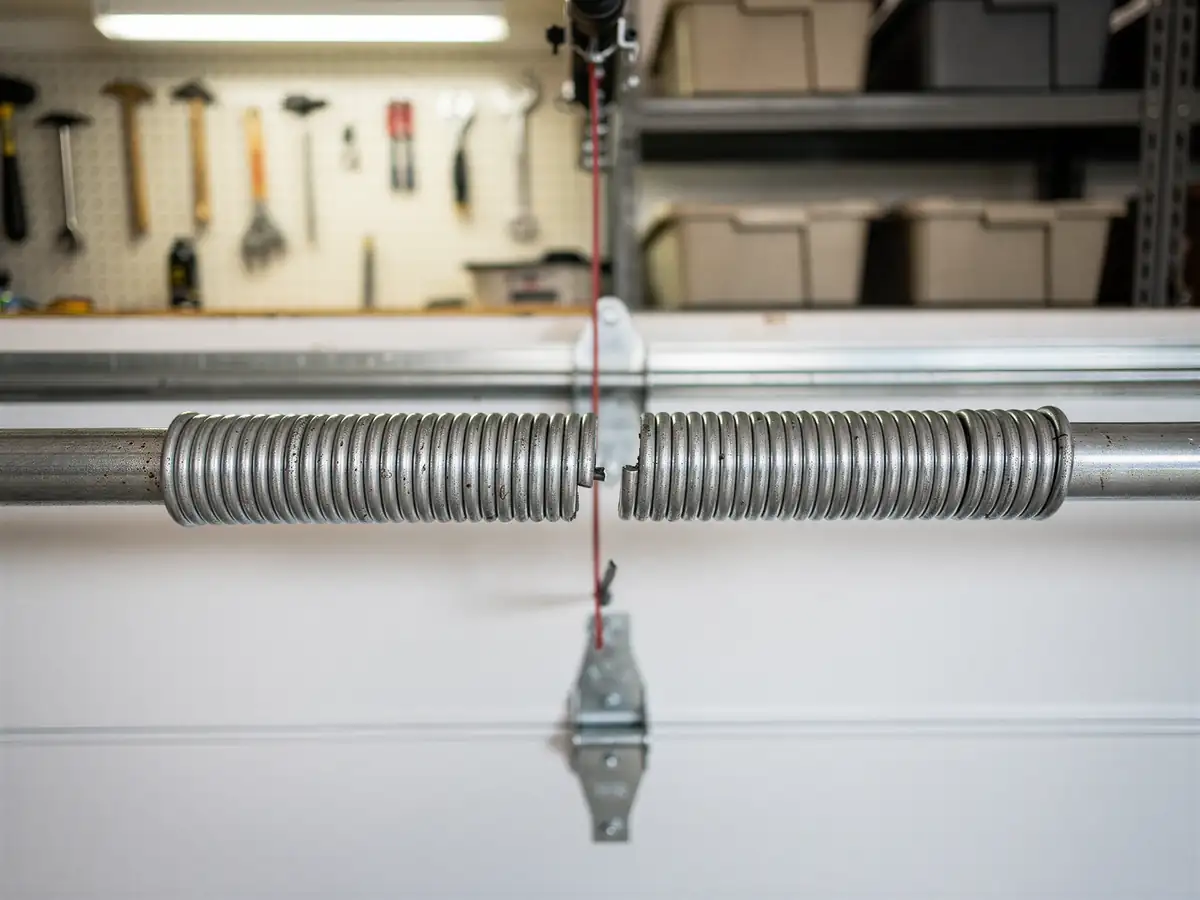
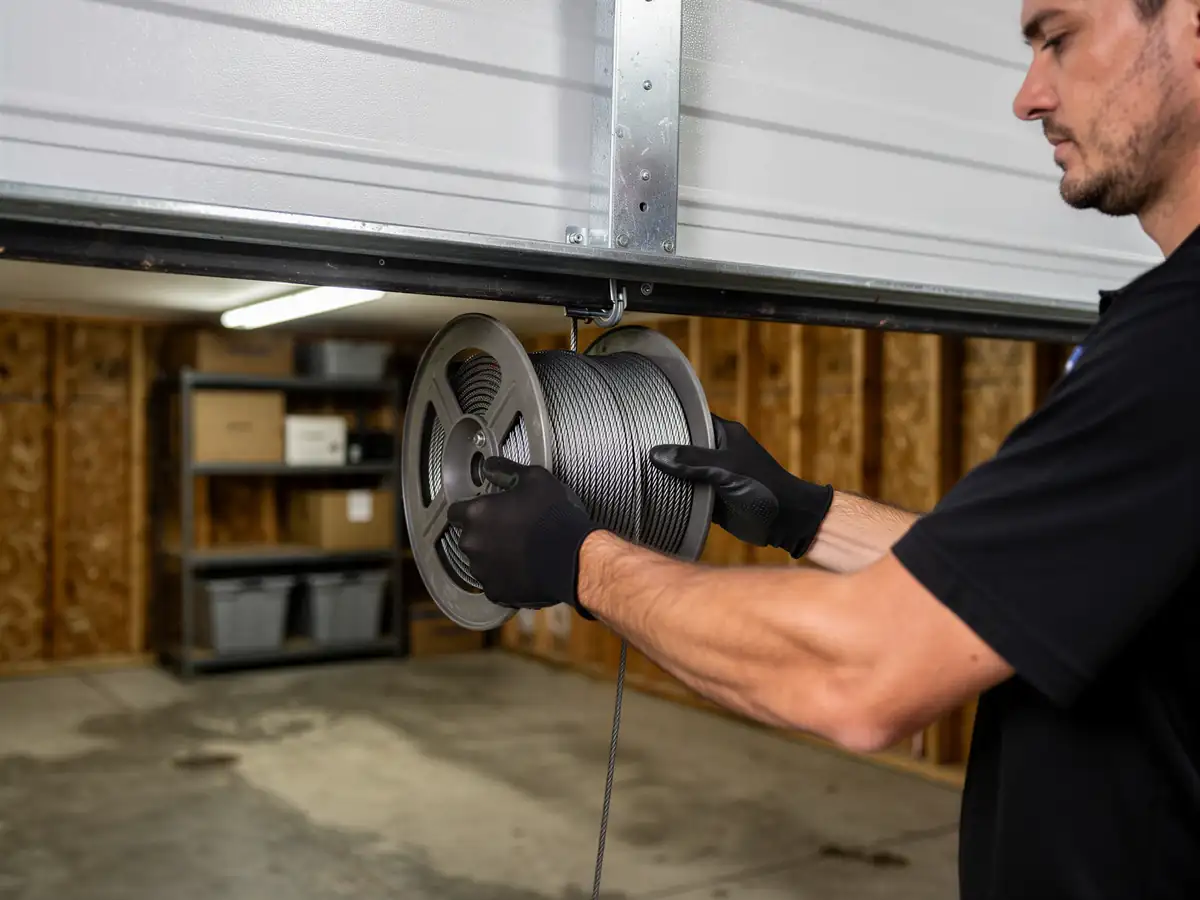
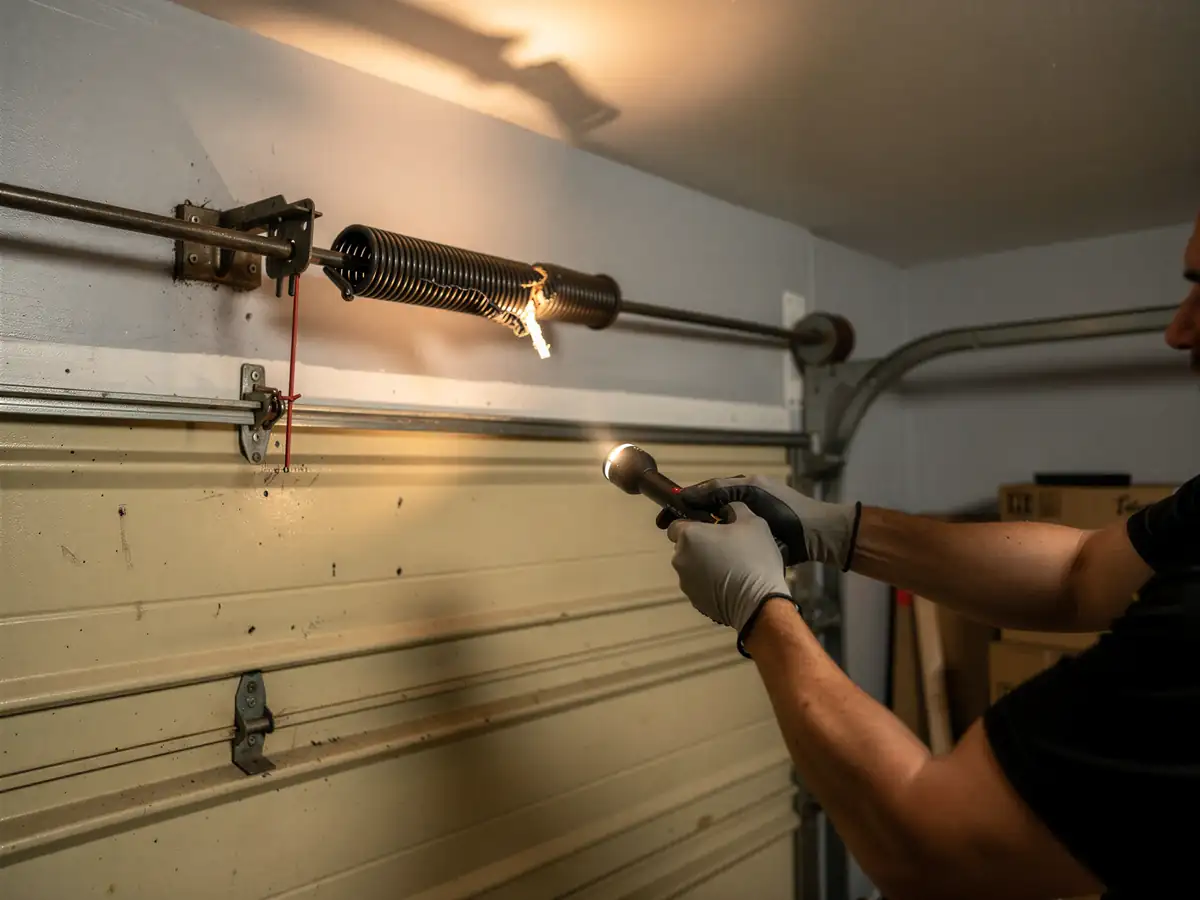
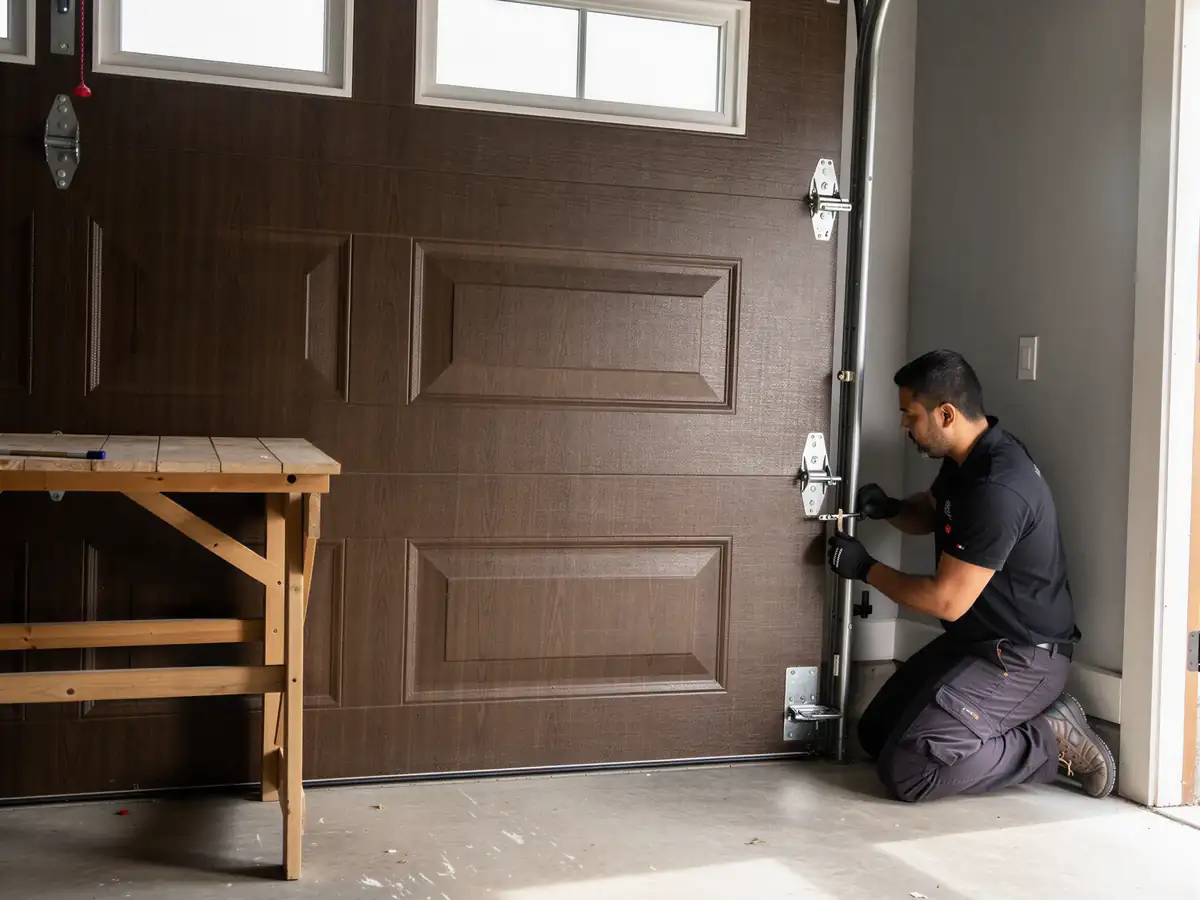
A door built around 2000 is now 24 to 25 years old, which puts most Tyrone garage doors right at the point where the original torsion spring is still on its first coil but nearing the end of its rated cycle life. If your spring hasn't been replaced yet, a sudden loud bang followed by a door that won't lift, or lifts crooked, is the spring giving out, not the opener. On the opener side, units from this era are old enough that circuit boards start failing from age rather than misuse - a door that reverses for no reason, or an opener light that blinks without a clear obstruction code, usually points to the board, not the sensors. The climate here runs cold-moderate, so steel hardware stiffens up in winter; a door that rolls smoothly in July and groans or sticks on the track in January is often just cold-tight rollers and dry track, not a structural problem. Cables fraying at the bottom roller bracket is common on doors that have never had the hardware lubricated, which is most of them. None of this is dramatic. It's the ordinary wear pattern of a 25-year-old door finally catching up with itself.