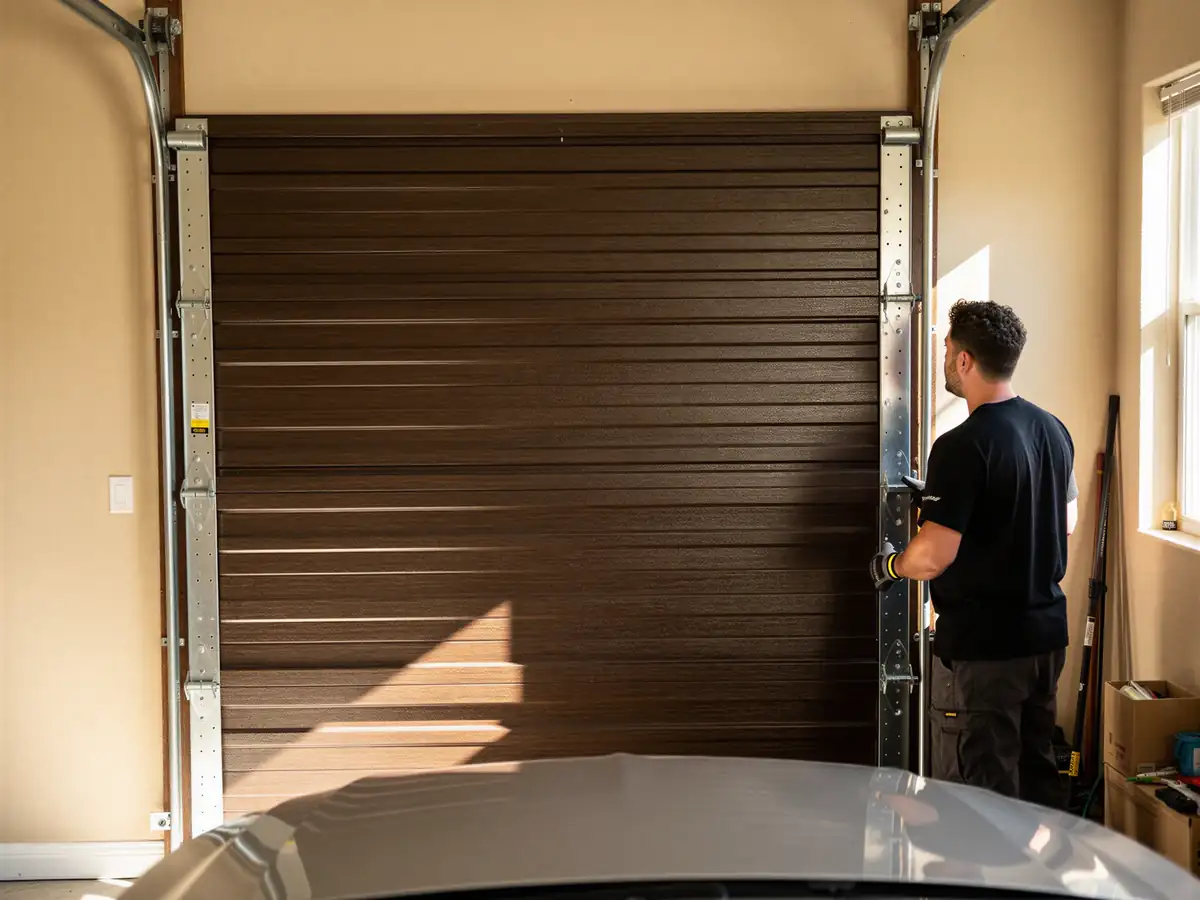
What You Are Seeing
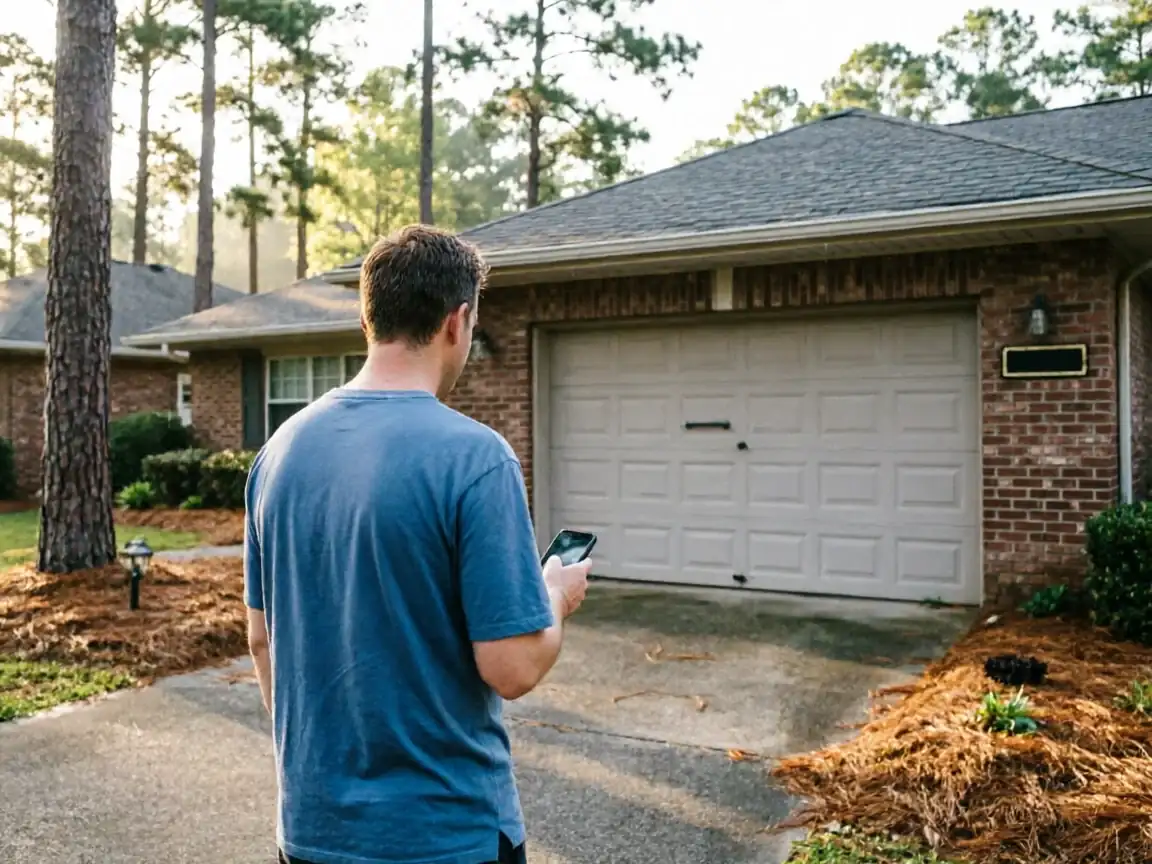
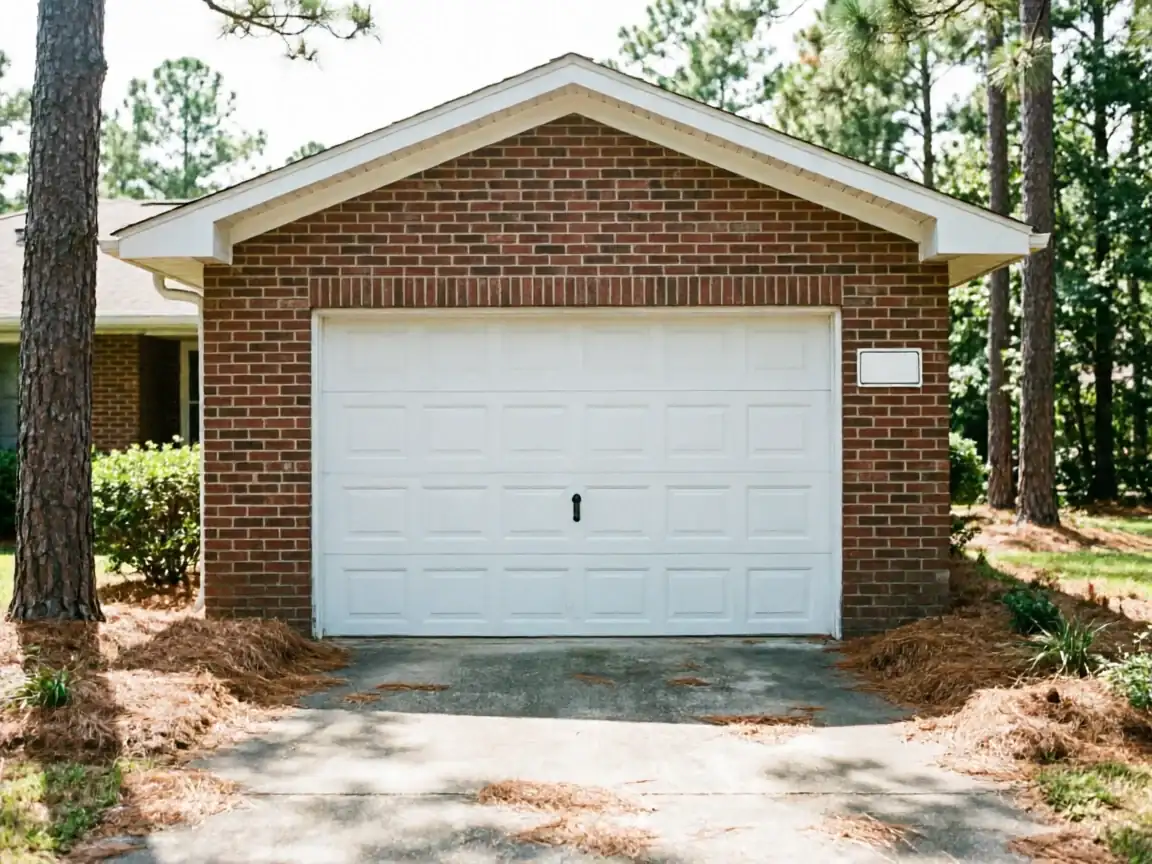
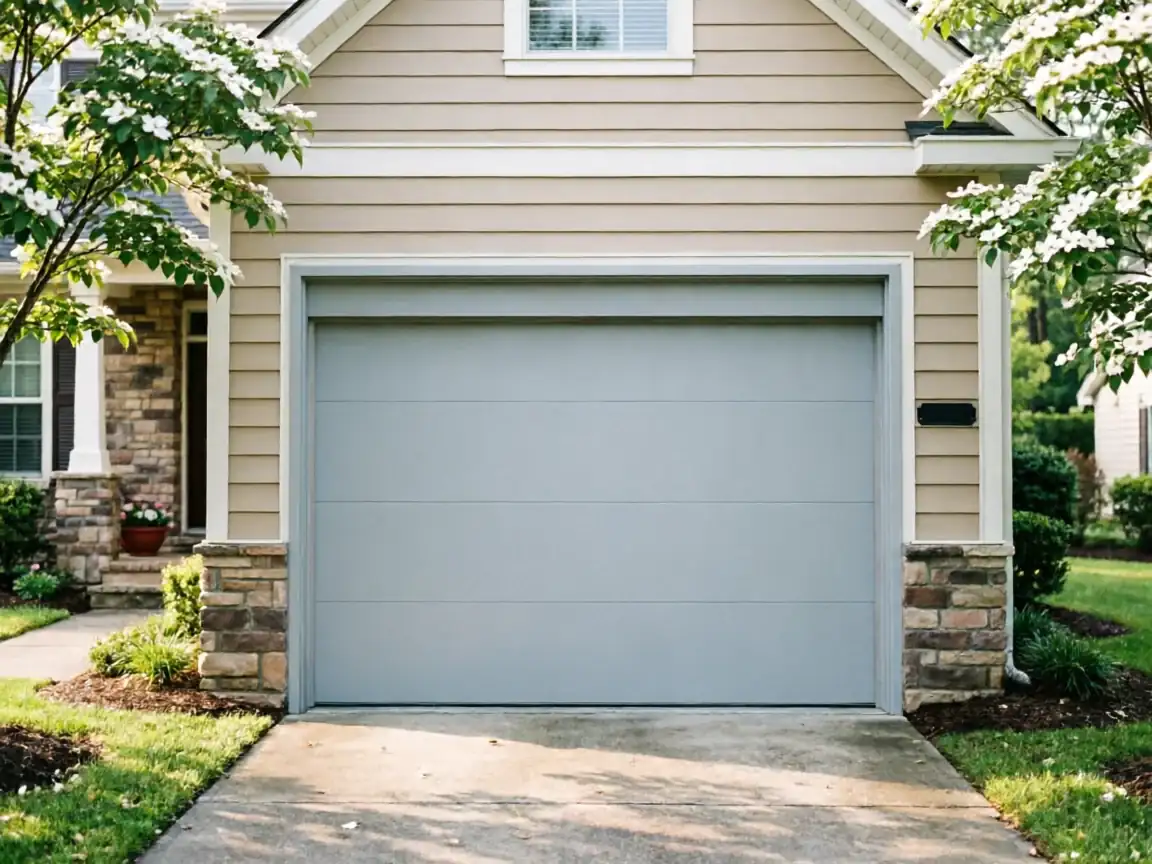
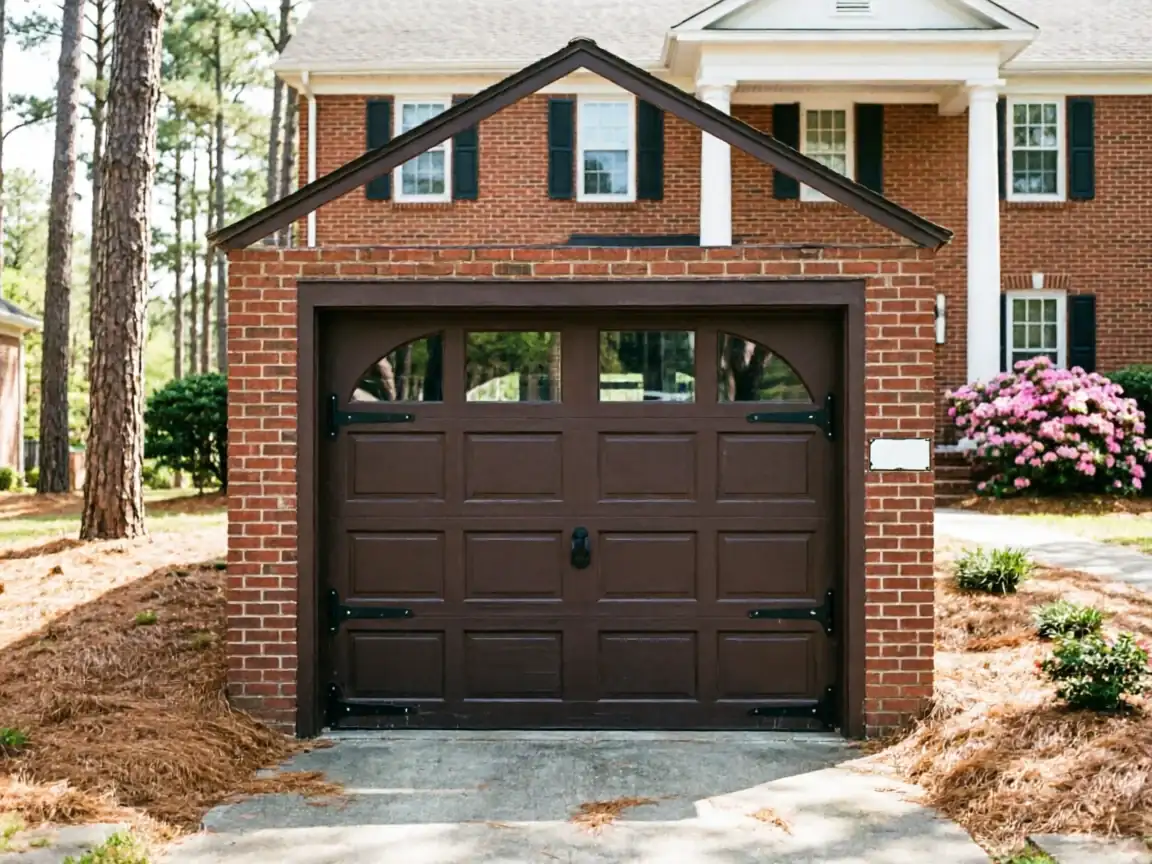
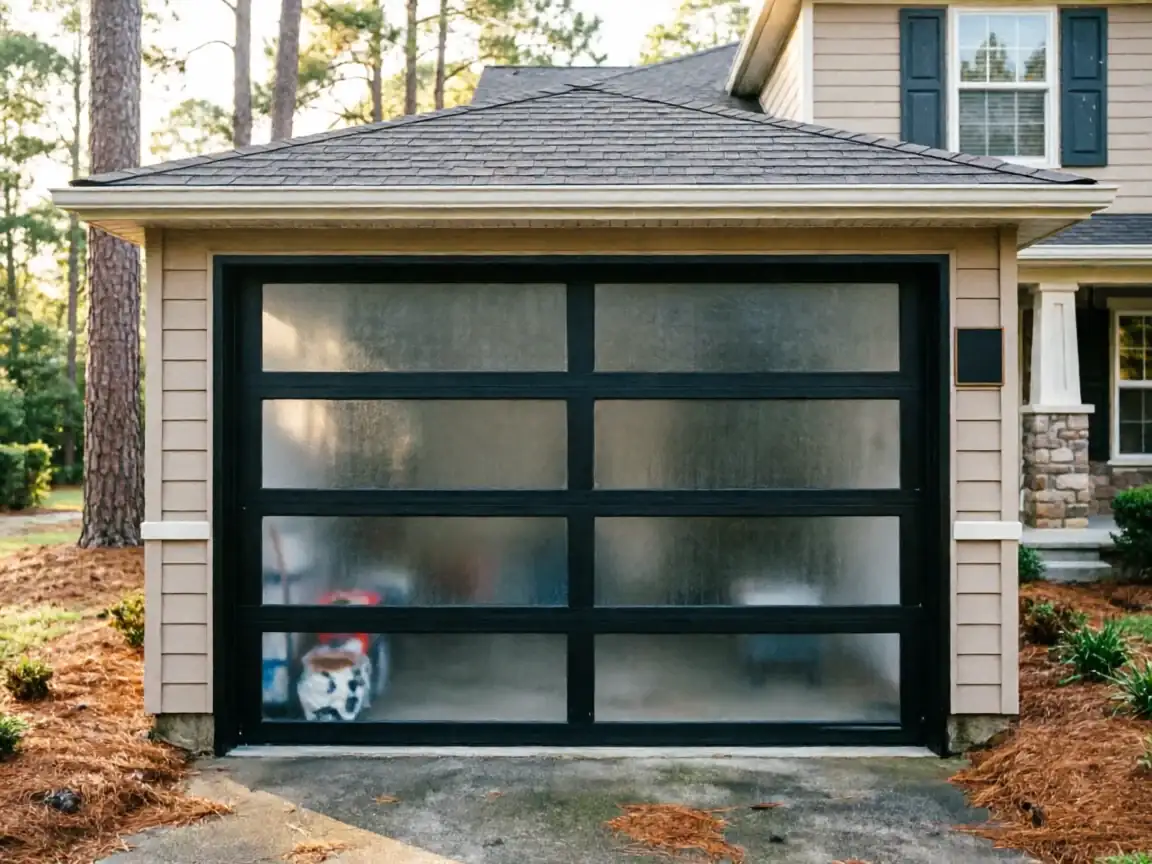
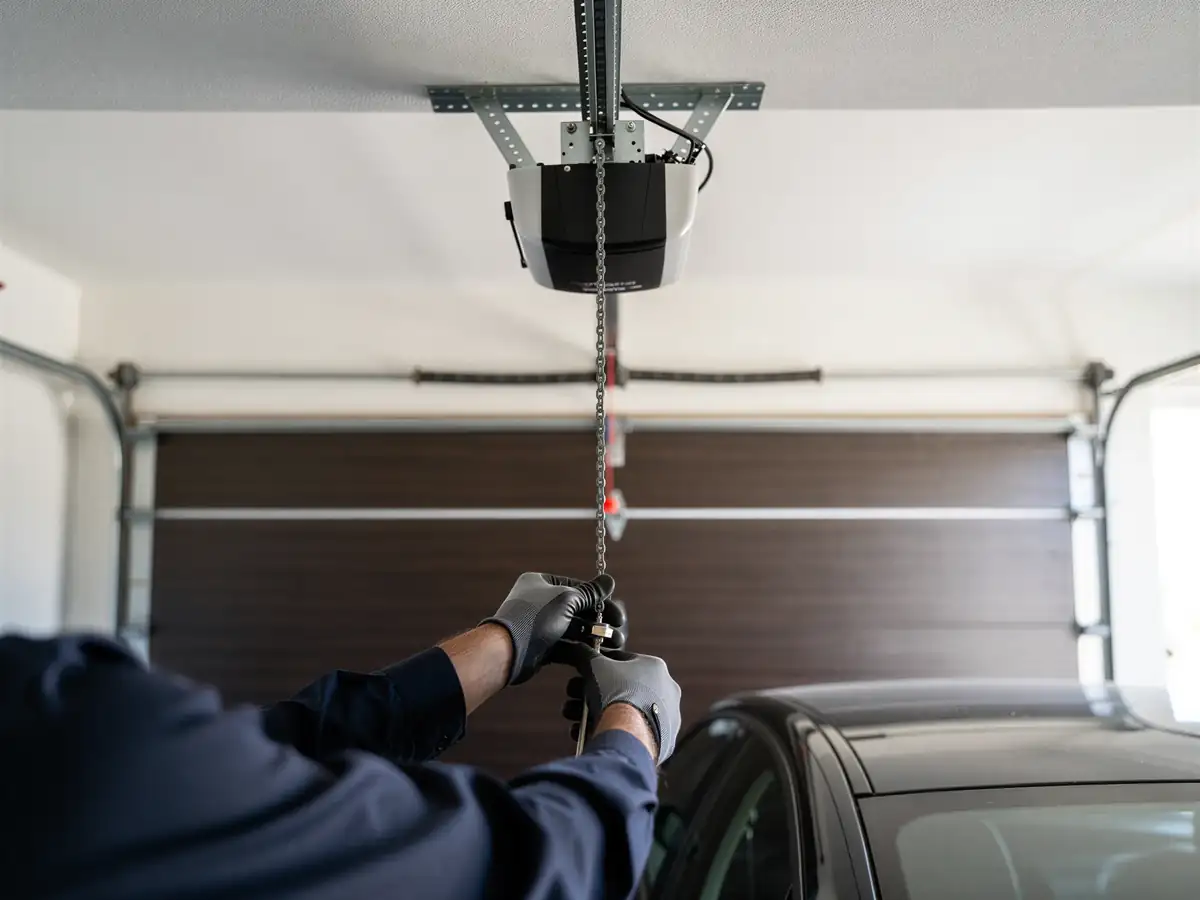
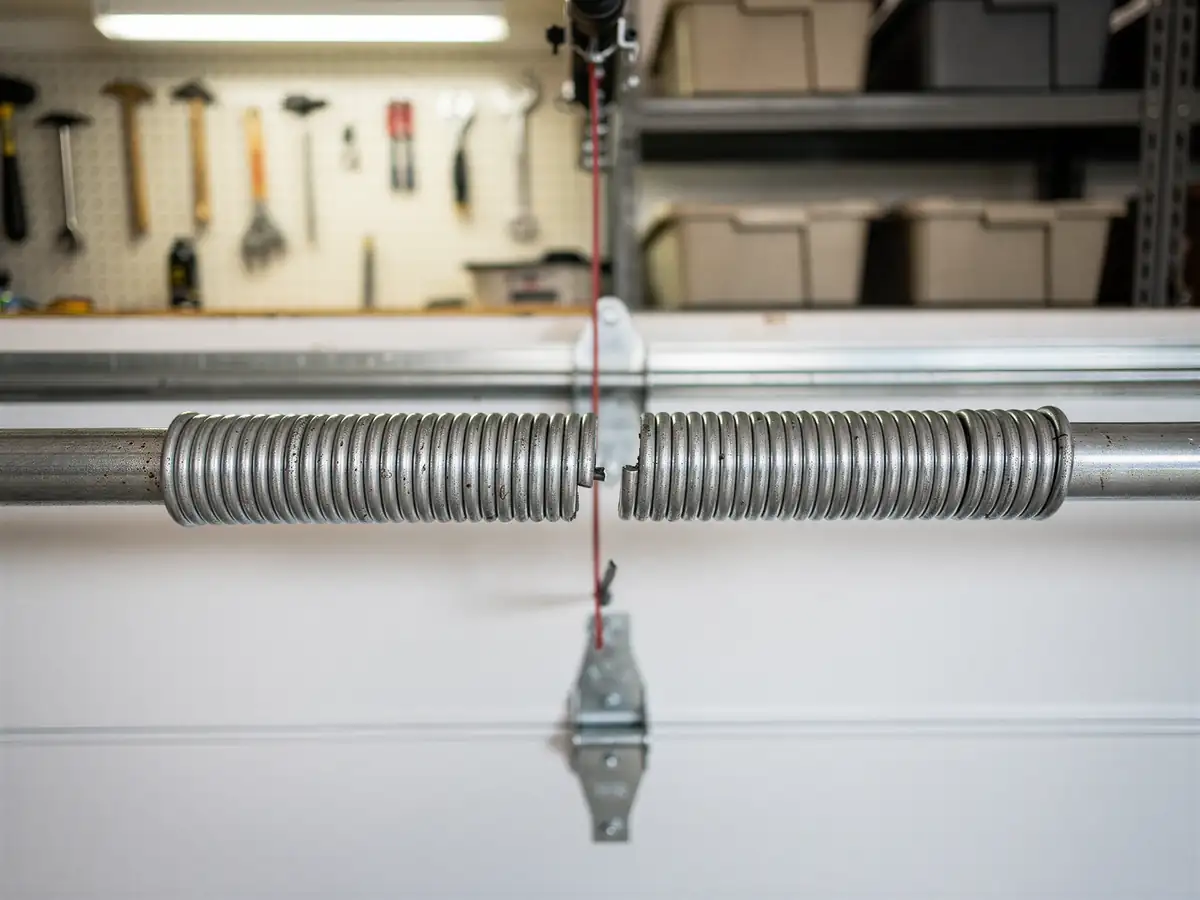
With a median build year of 2002, most garages in Temple are still running their original or first-replacement door and opener. At roughly 20+ years in, that's right around when torsion springs rated for a standard cycle count start failing - not because the door is old by national standards, but because that's simply the spring's working life regardless of town. You're also more likely to see chain-drive openers from that era losing their logic boards before the motor itself quits, which is a different failure than what you'd see on a 1970s door with worn-out galvanized track. Temple's median household income, $89,269, is well above the wider service area figure of $73,889, and homes at that income level more often went in with steel insulated doors rather than the thinner single-layer panels. That's relevant to installation because insulated doors are heavier, which changes spring sizing and sometimes opener horsepower.
Why This Fails Locally
The region sits in a cold-moderate climate band, which matters for a 2002-era door differently than it would for an older one. Original factory weatherstripping on doors from that build year is typically past its service life, and on an insulated steel door, degraded seals let in enough cold air to stress the panel's foam-to-steel bond over repeated freeze-thaw cycles. We're not going to tell you Temple gets some extreme weather event - we don't have that on file - but moderate cold, repeated over two decades, is enough to crack aging bottom seals and corrode galvanized hardware on anything that wasn't stainless or coated. On a town this size, with under 1,700 households, you're not going to find a installer with a depot in Temple itself; every job here is a dispatched trip, which is worth knowing when you're scheduling around a hard deadline.
Can You Do This Yourself
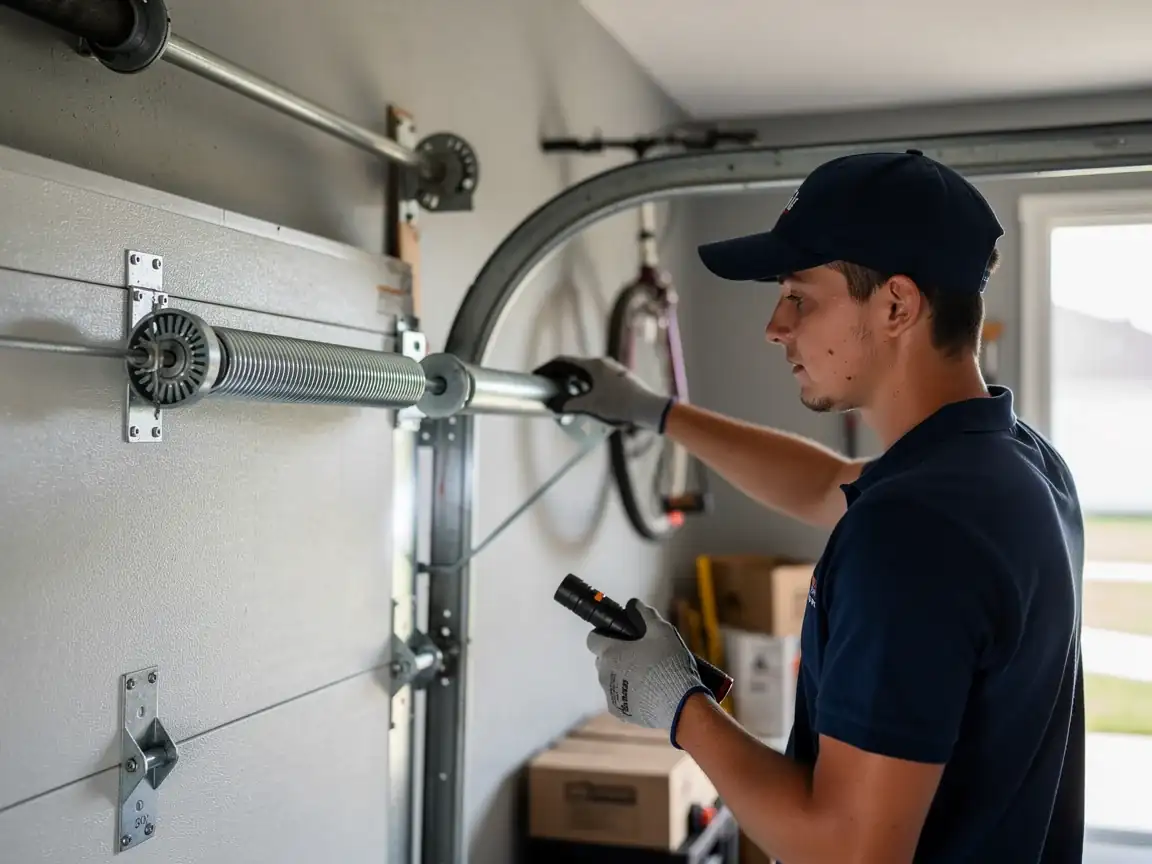
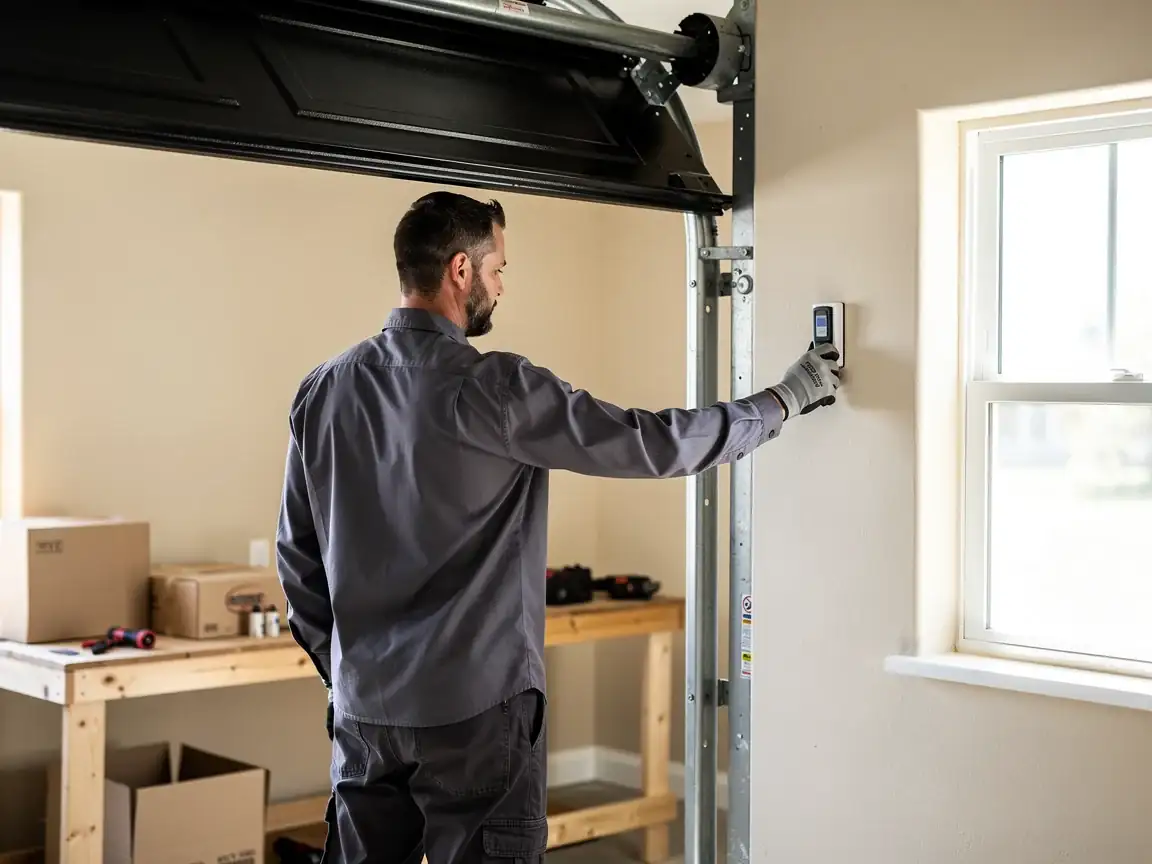
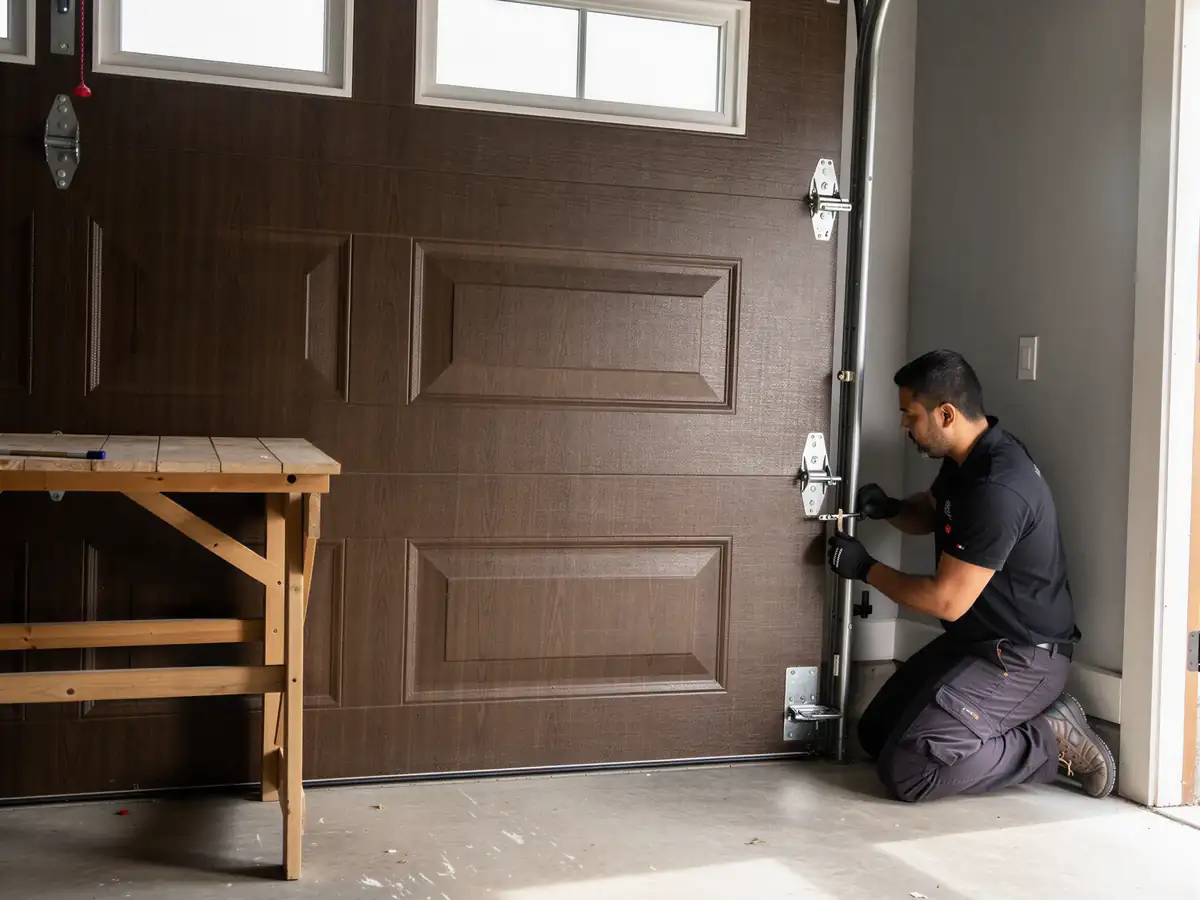
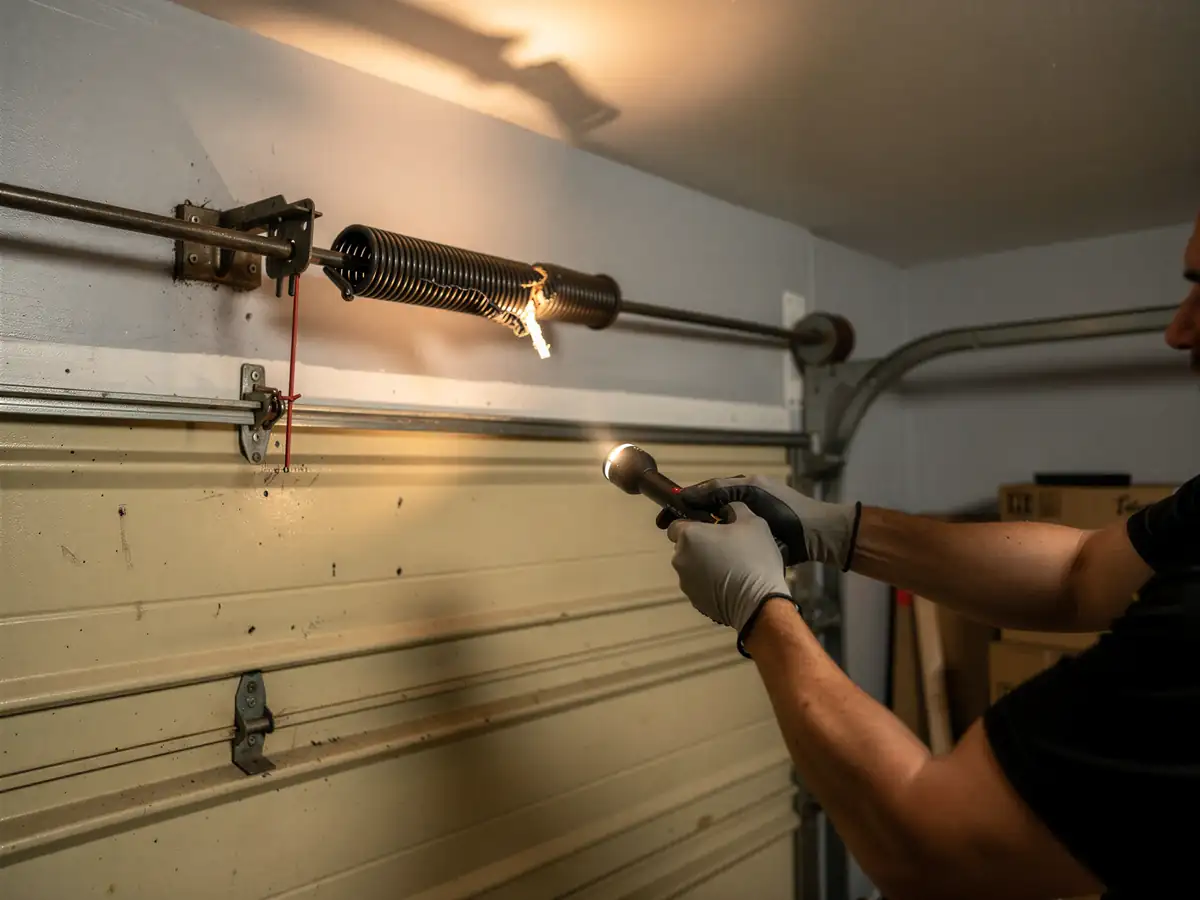
Swapping a garage door panel-for-panel on a 2002-era opening is more doable than on an older, nonstandard frame, because the rough opening and track spacing follow a more predictable spec. That said, the torsion spring system is still the part that puts people in the ER - a wound spring under tension doesn't care what year your house was built. If you're comfortable with the mechanical side and just need the new door set and track aligned, that's reasonable DIY territory for a handy owner. Where we'd tell you to stop and call someone: disconnecting or winding a torsion spring, or anything involving the opener's safety reversal sensors, since getting those out of alignment creates a door that doesn't stop on an obstruction. We won't pretend every job needs a pro, but spring work on any door, in any town, isn't a place to save money.