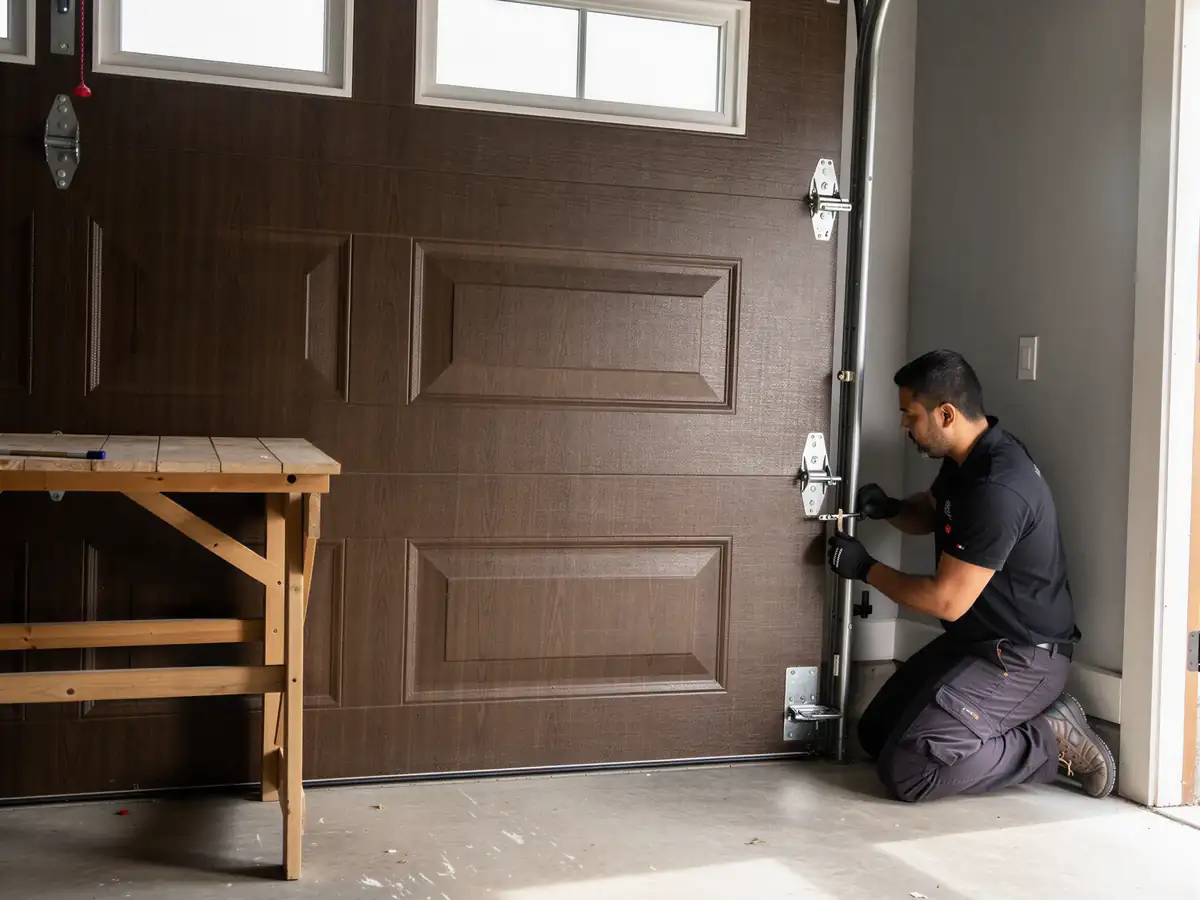
What You Are Seeing
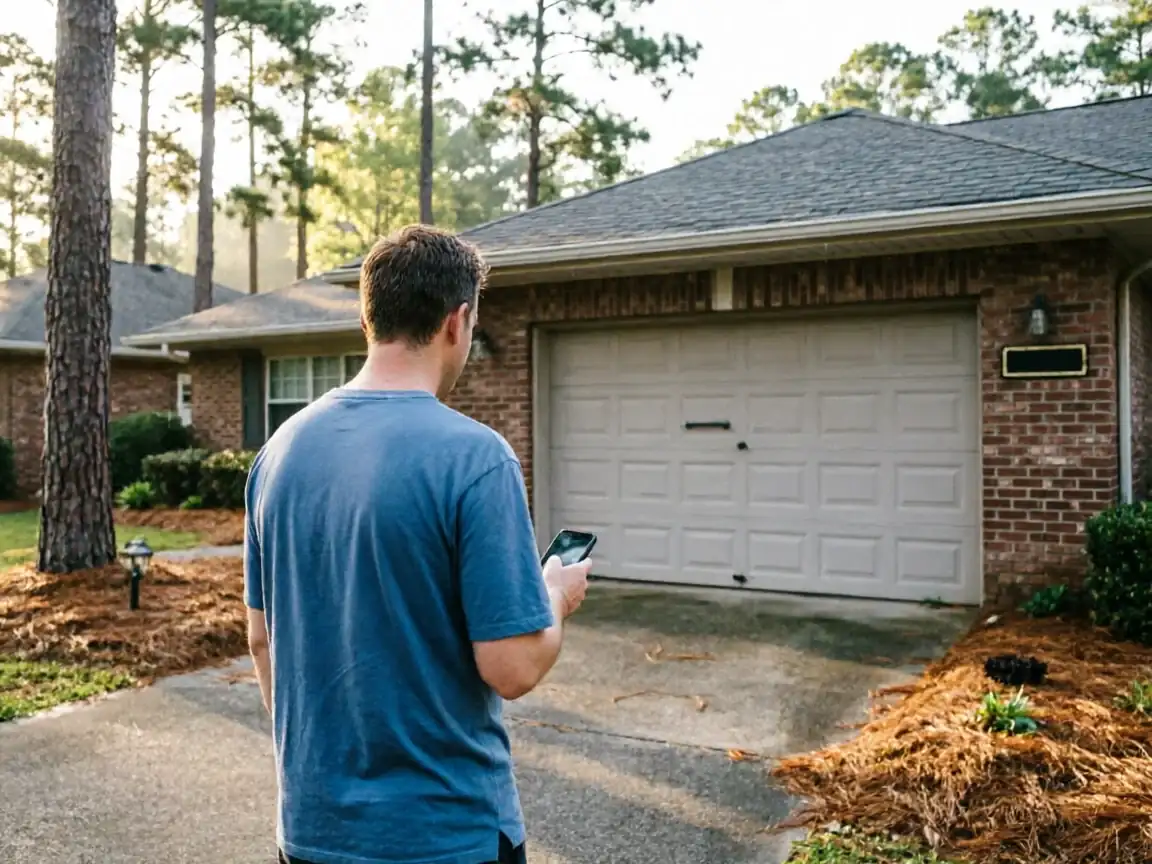
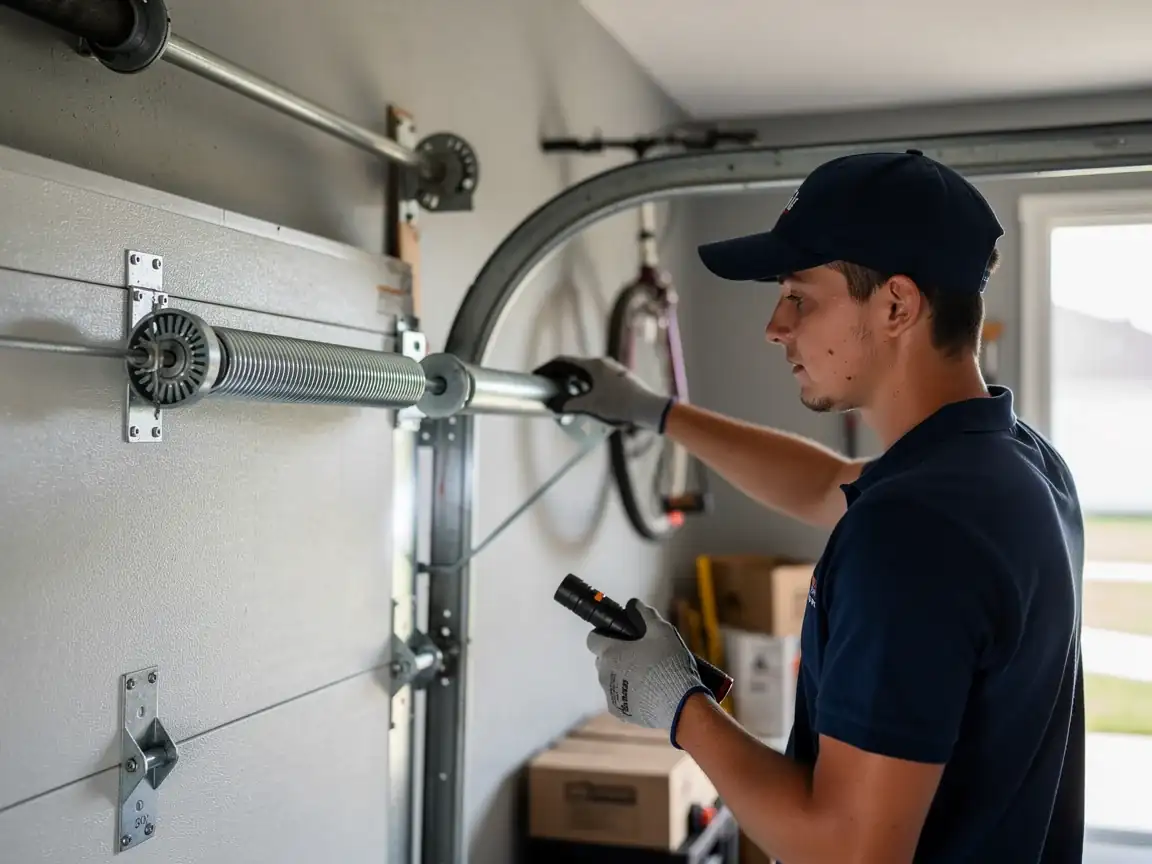
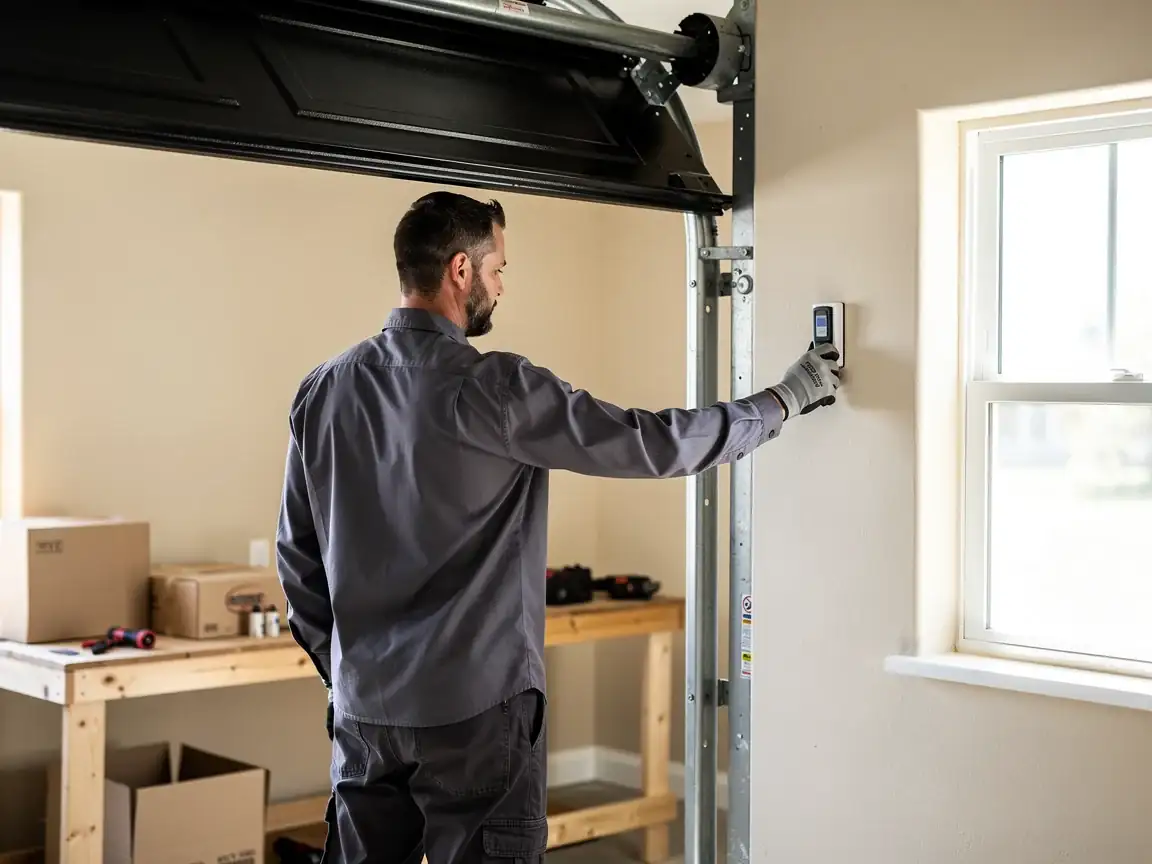
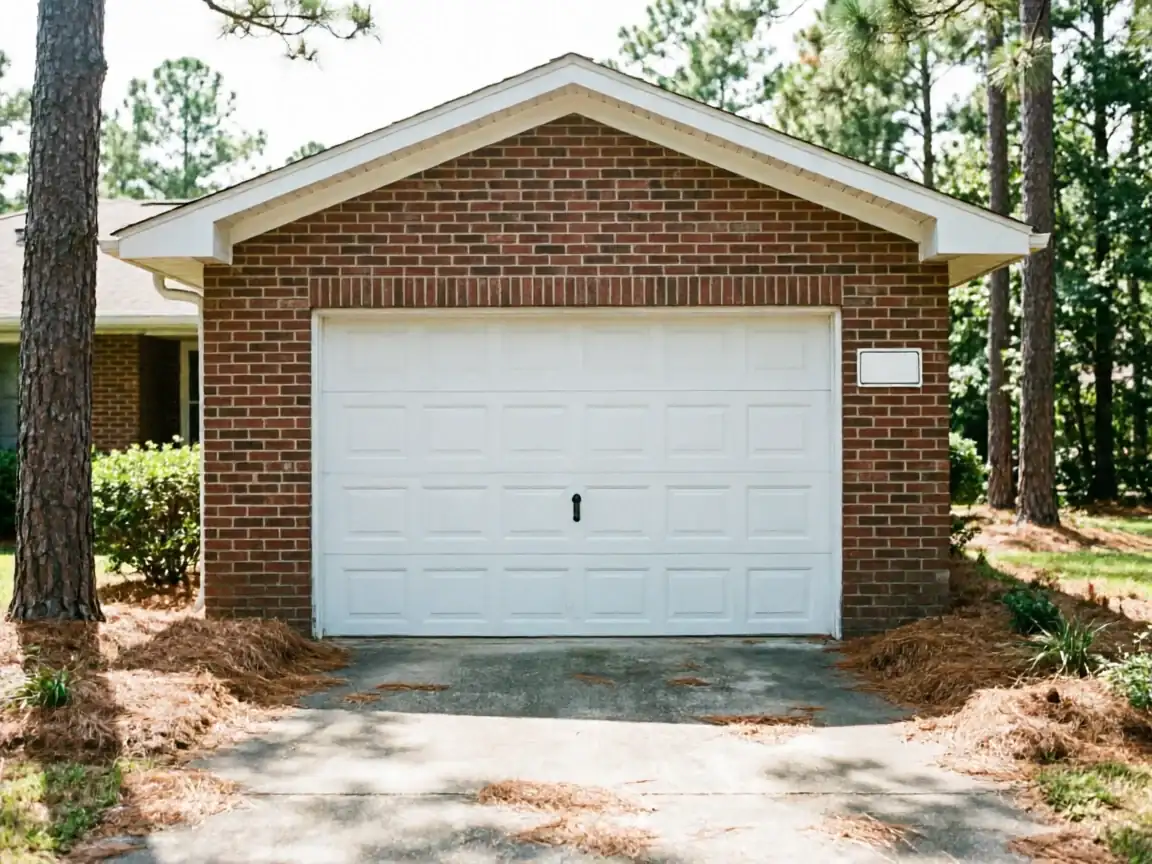
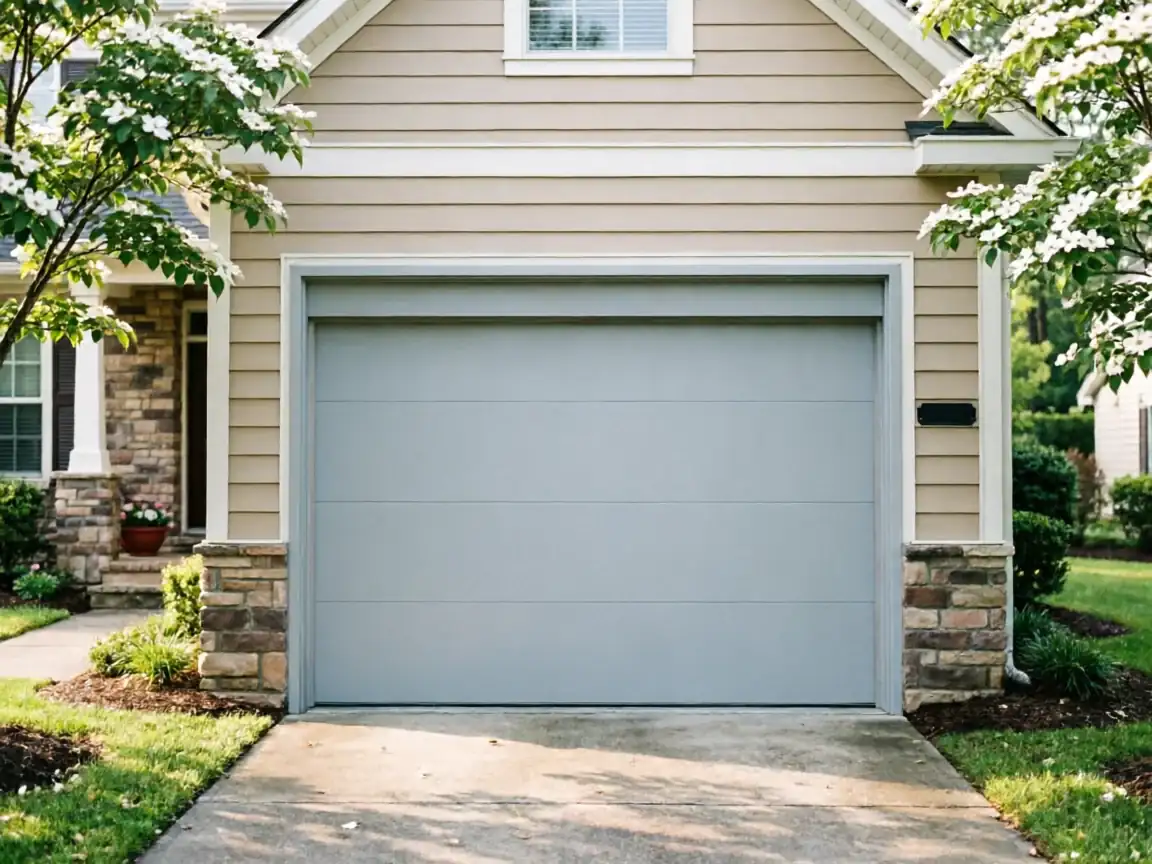
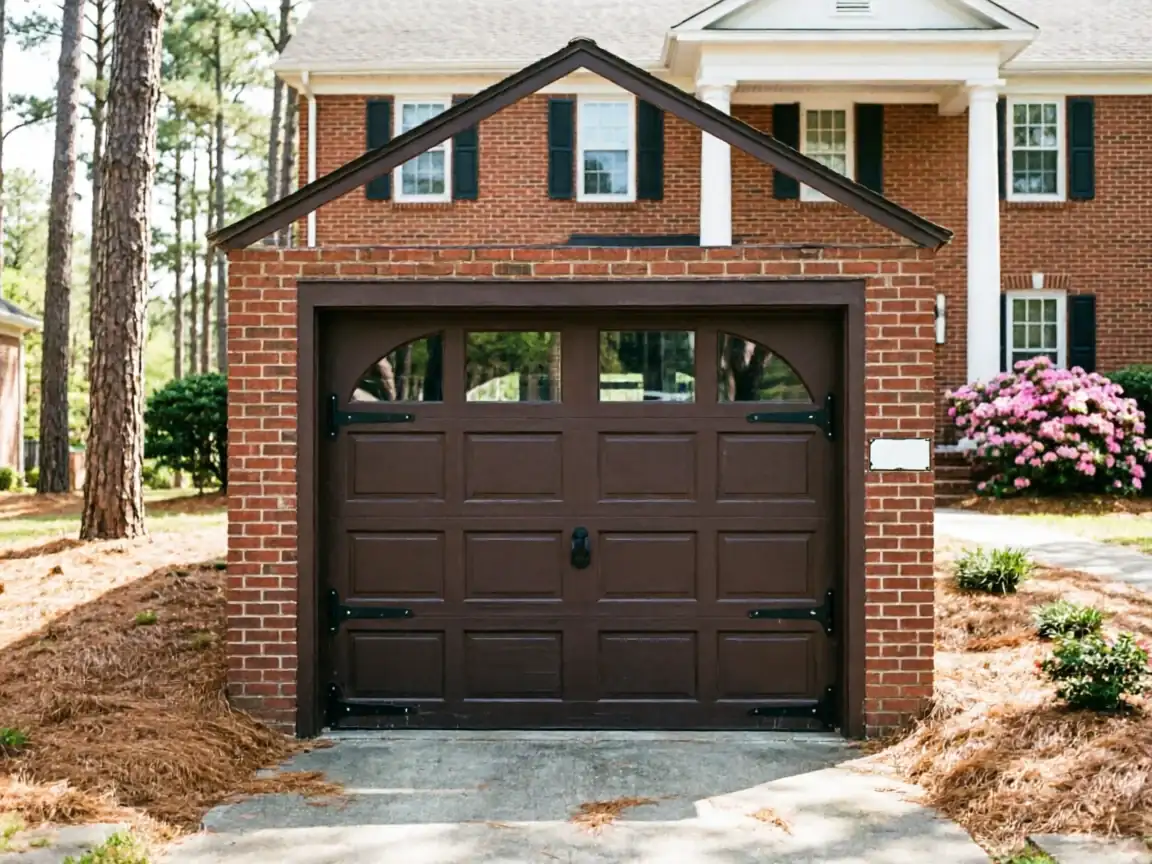
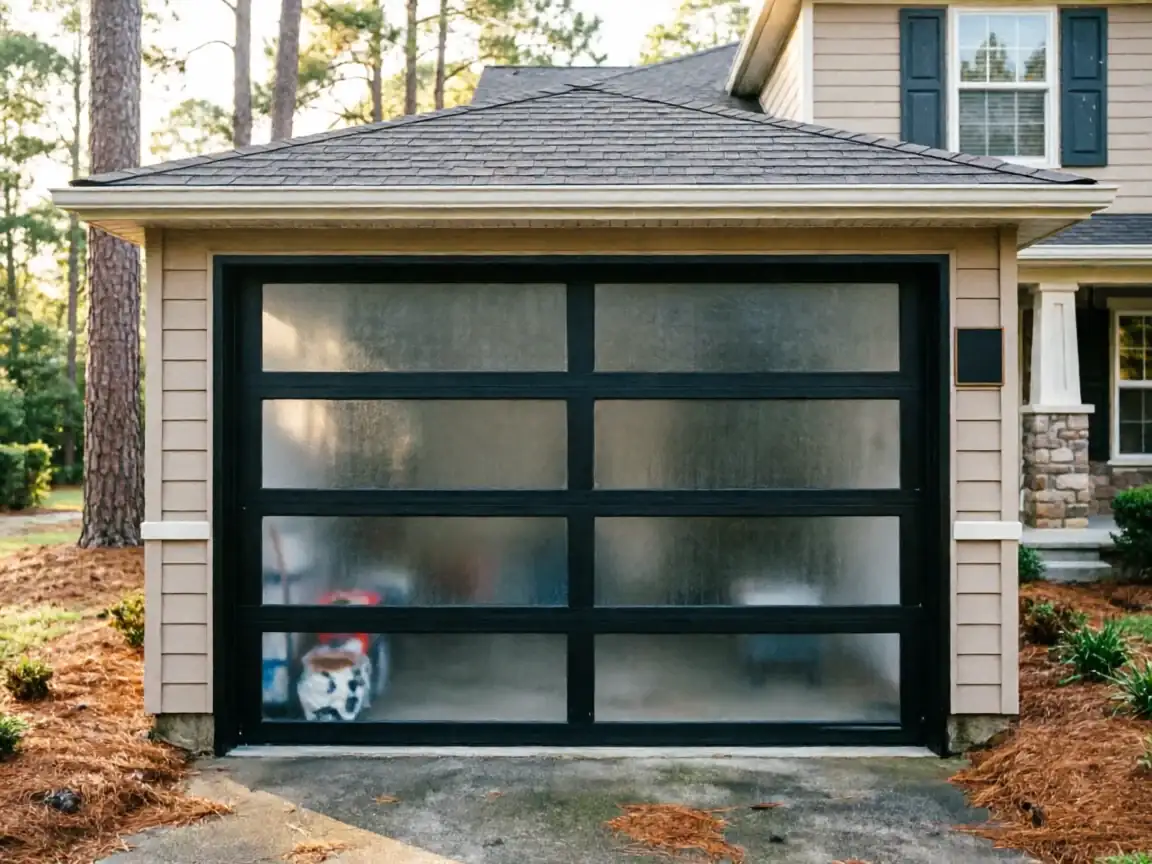
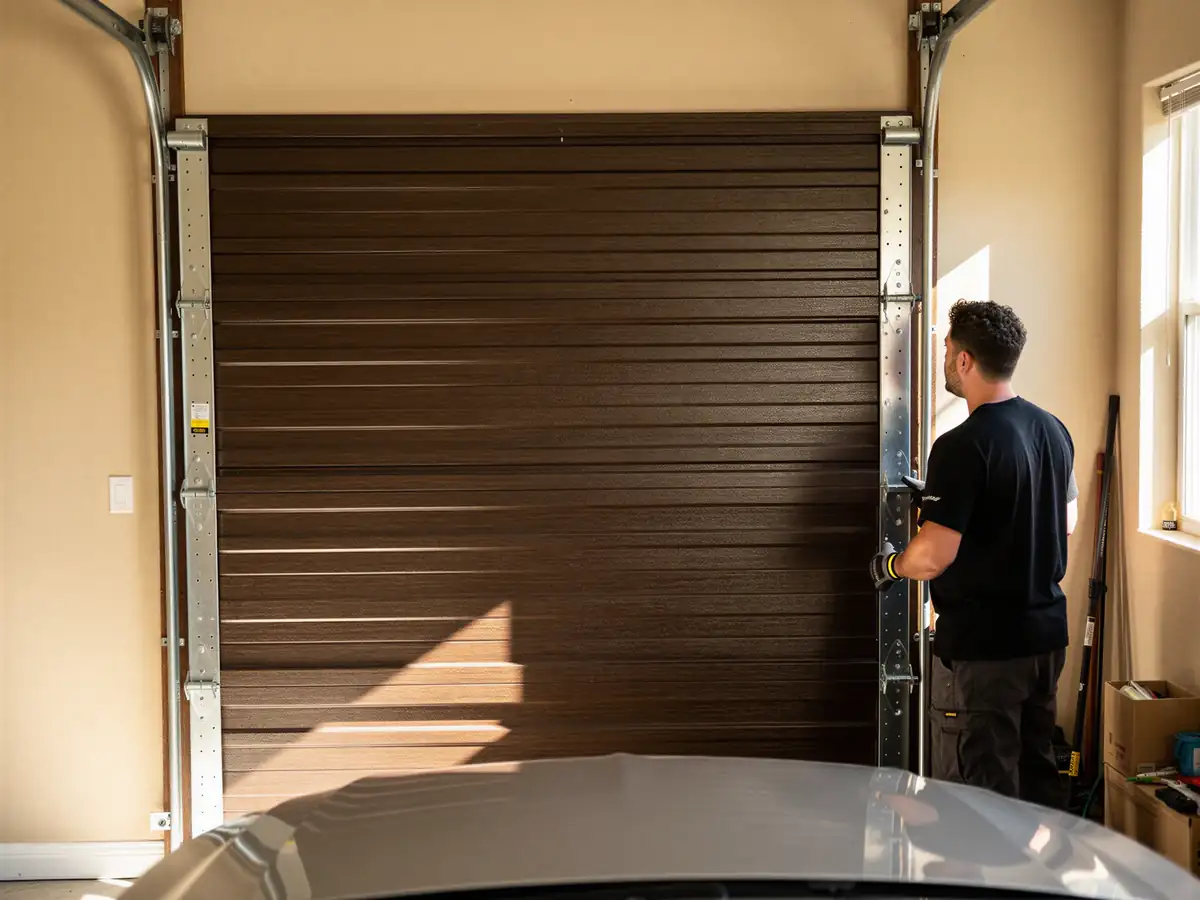
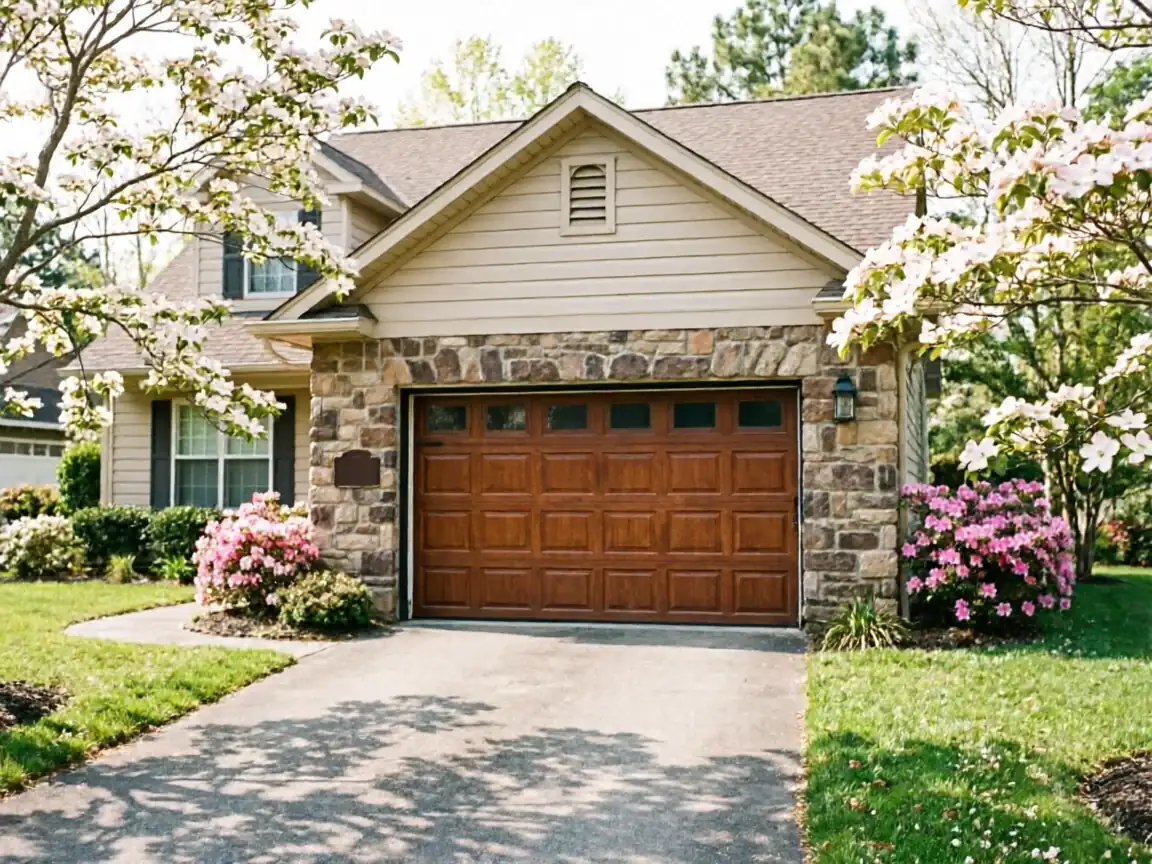
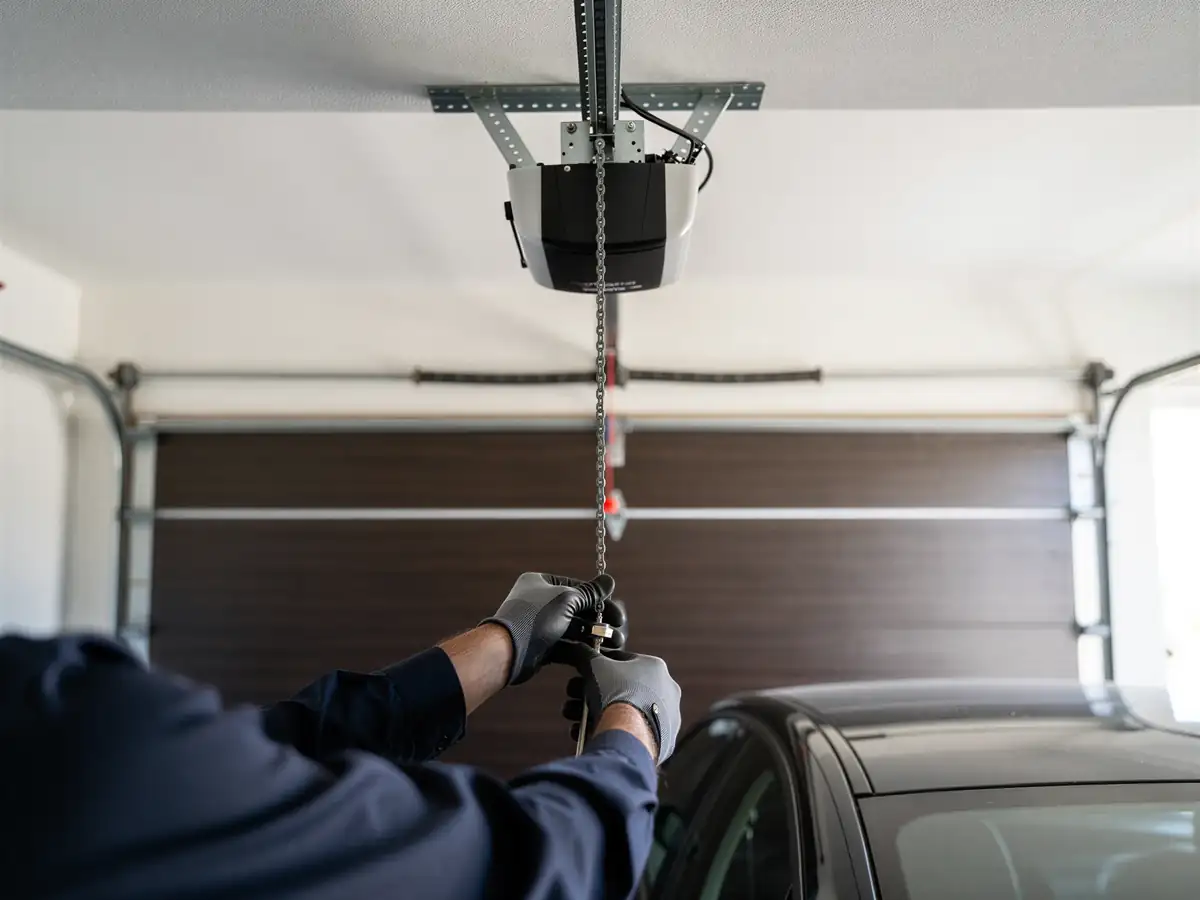
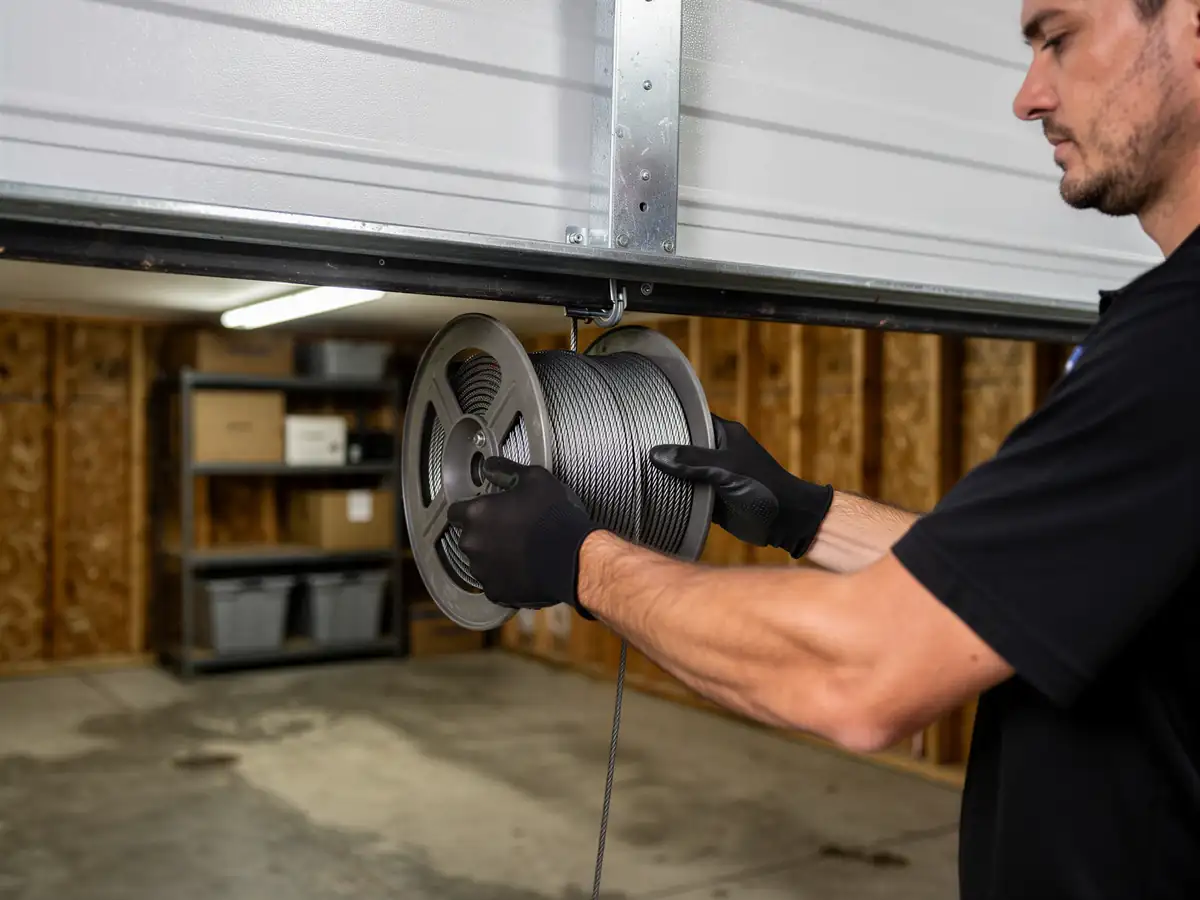
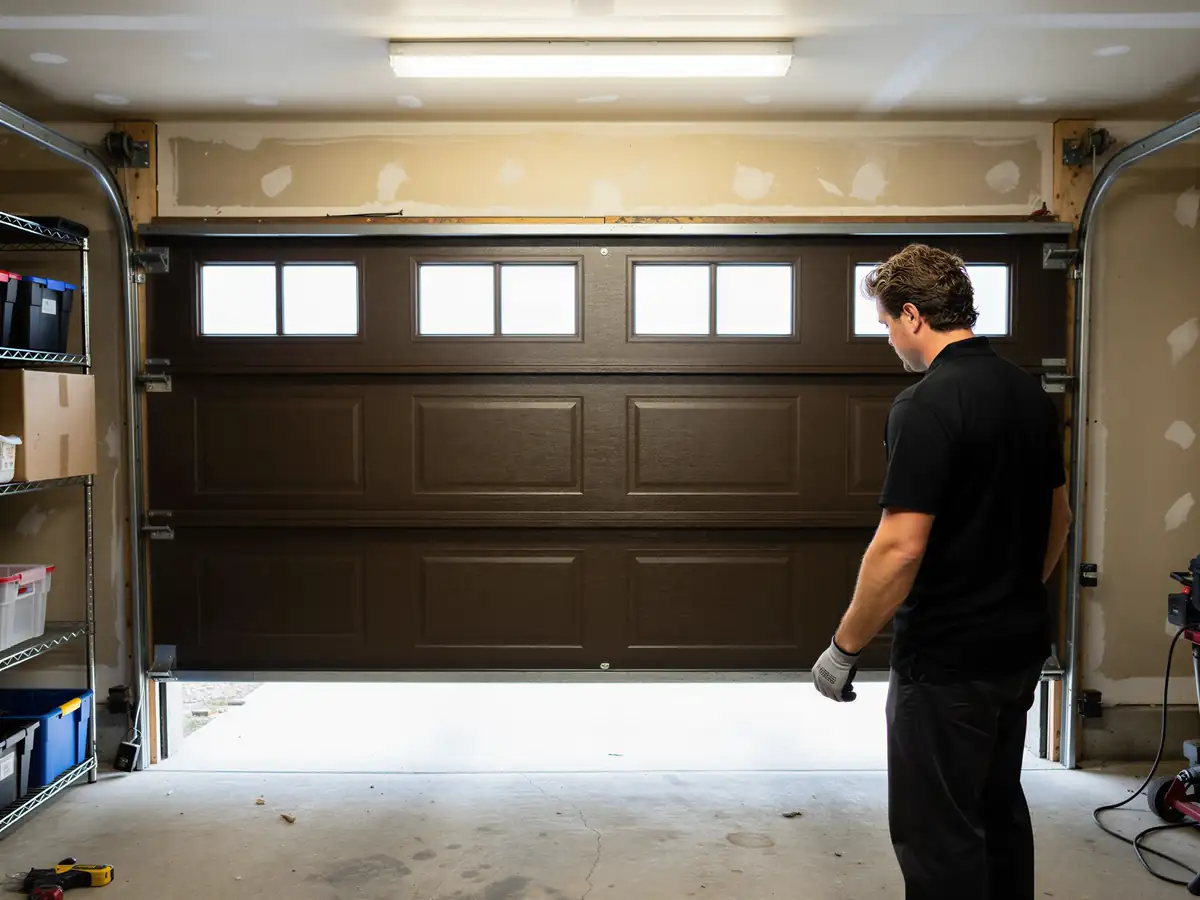
With a median build year around 2002, Temple's garage doors are mostly steel sectional panels on torsion spring hardware - the standard setup builders were installing by the late 90s and early 2000s, a step up from the older extension-spring doors still common on the 1960s-80s stock elsewhere in the wider service area. What fails on a door this age, over twenty years in, is usually wear rather than obsolescence: torsion springs that have hit their cycle count, nylon rollers that have gone brittle, cables starting to fray at the drum. You're less likely to be dealing with a door that's structurally outdated and more likely dealing with one that's simply put in its years. Openers from this build era are often chain-drive units that are now due for a drive gear or logic board replacement rather than a full swap. The cold-moderate winters this area gets do add wear to the weatherseal and can stiffen grease on tracks and hinges, which shows up as a door that's noisier or slower to open on the first cold mornings of the season.
Why This Fails Locally
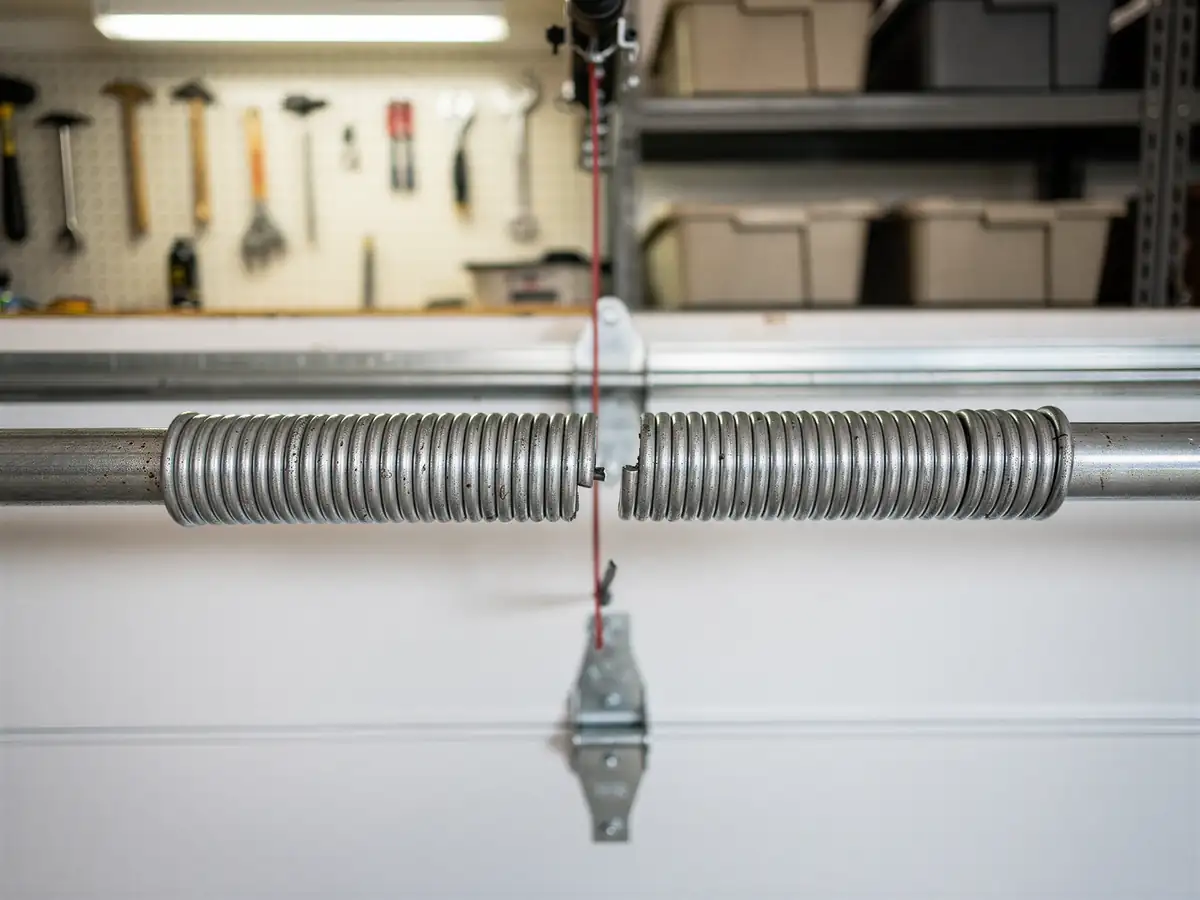
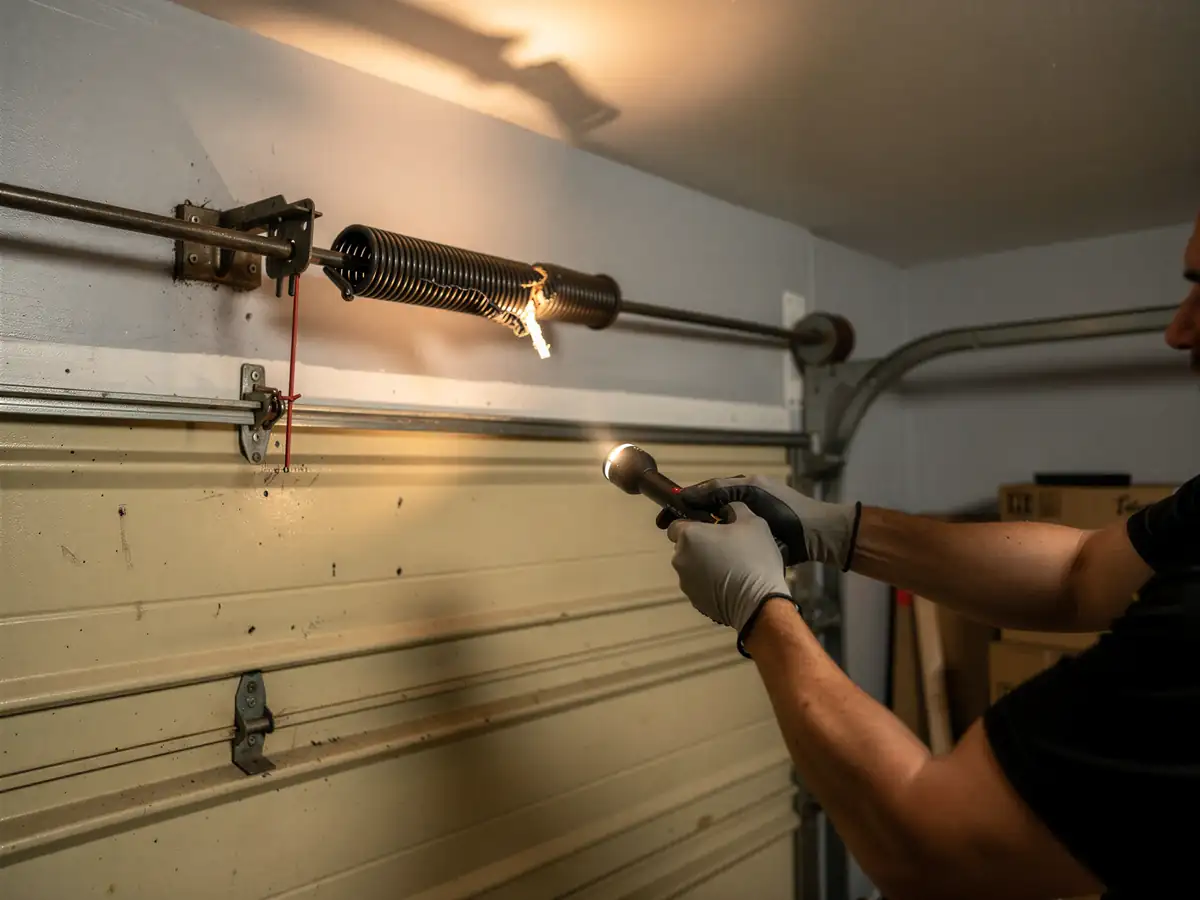
A torsion spring rated for a certain cycle count behaves differently depending on when it was installed and what it's been doing since. In Temple, with most doors going in around 2002, a spring failure now usually means the door has simply reached the end of a normal service life - two decades of daily cycles is enough to fatigue steel, even good steel. That's different from the pattern you'd see on an older 1970s door closer to Douglasville, where the hardware itself may be outdated or mismatched after a prior repair. With a median household income of $89,269 here, we also see more requests for insulated replacement panels and heavier doors than on older, lower-value housing stock - a heavier door puts more load on the same-age spring and opener, and that mismatch is often what actually triggers the service call, not just age on its own. The cold-moderate climate plays a role too: metal contracts in winter, and a spring already near its limit is more likely to snap on a cold morning than a warm afternoon.
Can You Do This Yourself
Rollers, weatherseal, and tightening loose hardware are reasonable DIY jobs on a door this age, and there's no reason to pay someone to do them. Torsion springs are not on that list. A spring under tension on a door built in 2002 is still storing the same amount of force as one on a brand-new door, and the tools to do it safely - winding bars, a properly secured ladder, clamps - aren't things most homeowners own or want to learn on their own garage. We'll also say plainly: if your opener is original to a 2002 build and it's the logic board that's failed rather than the motor, sometimes replacing the whole opener costs about the same as sourcing an obsolete board, and we'll tell you that instead of chasing a part that costs more than it's worth. For anything involving the spring, the cable, or the drum, call it in rather than climb the ladder yourself.