Why This Fails Locally
A spring rated for 10,000 cycles doesn't care what town it's in, but the climate it sits in changes how fast it gets there. Powder Springs sits in the same cold-moderate band as the rest of the area, which means the garage sees real temperature swings between winter mornings and summer afternoons. Steel fatigues faster with that kind of swing than it would somewhere with a flatter climate, and a spring installed when the house was built in the mid-90s is now closer to 30 years old. That's past the point where most torsion springs are still rated to perform, regardless of how many cycles are actually left on the counter. The failure isn't random - it's a spring that's simply outlived its metal.
What You Are Seeing
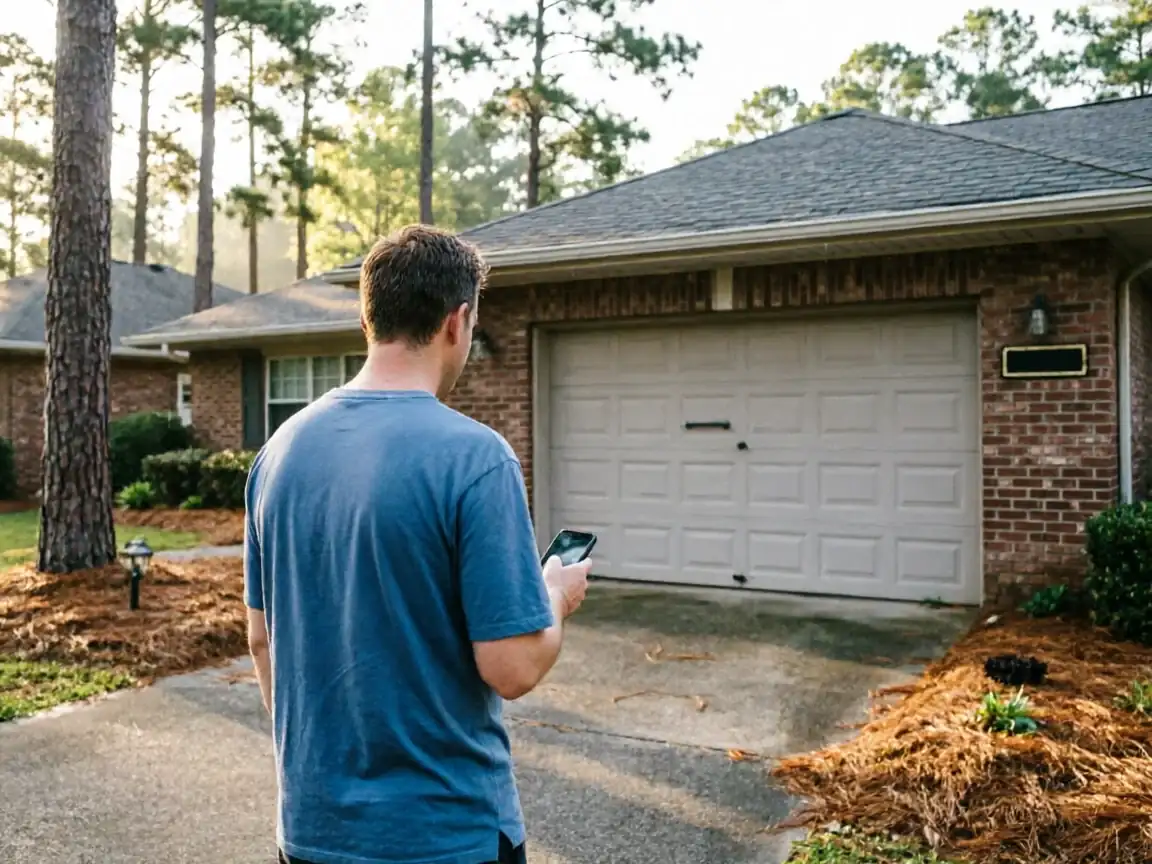
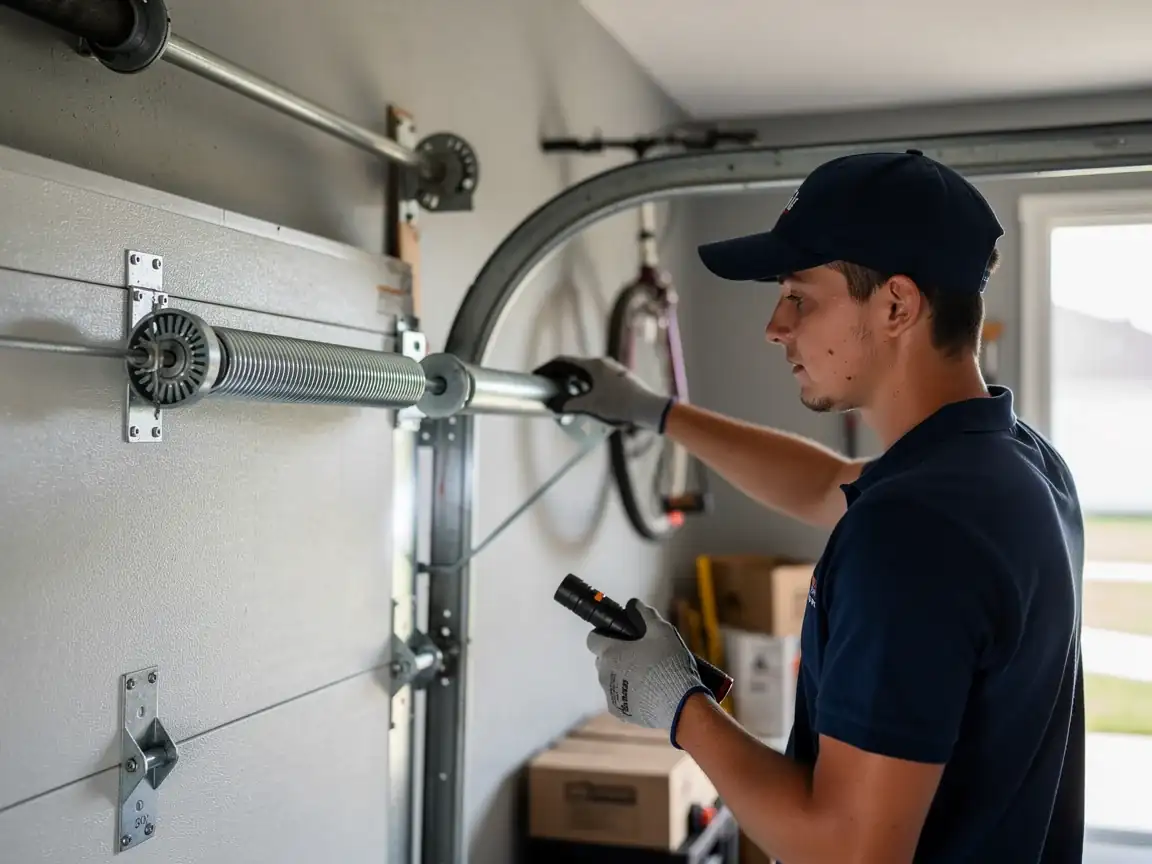
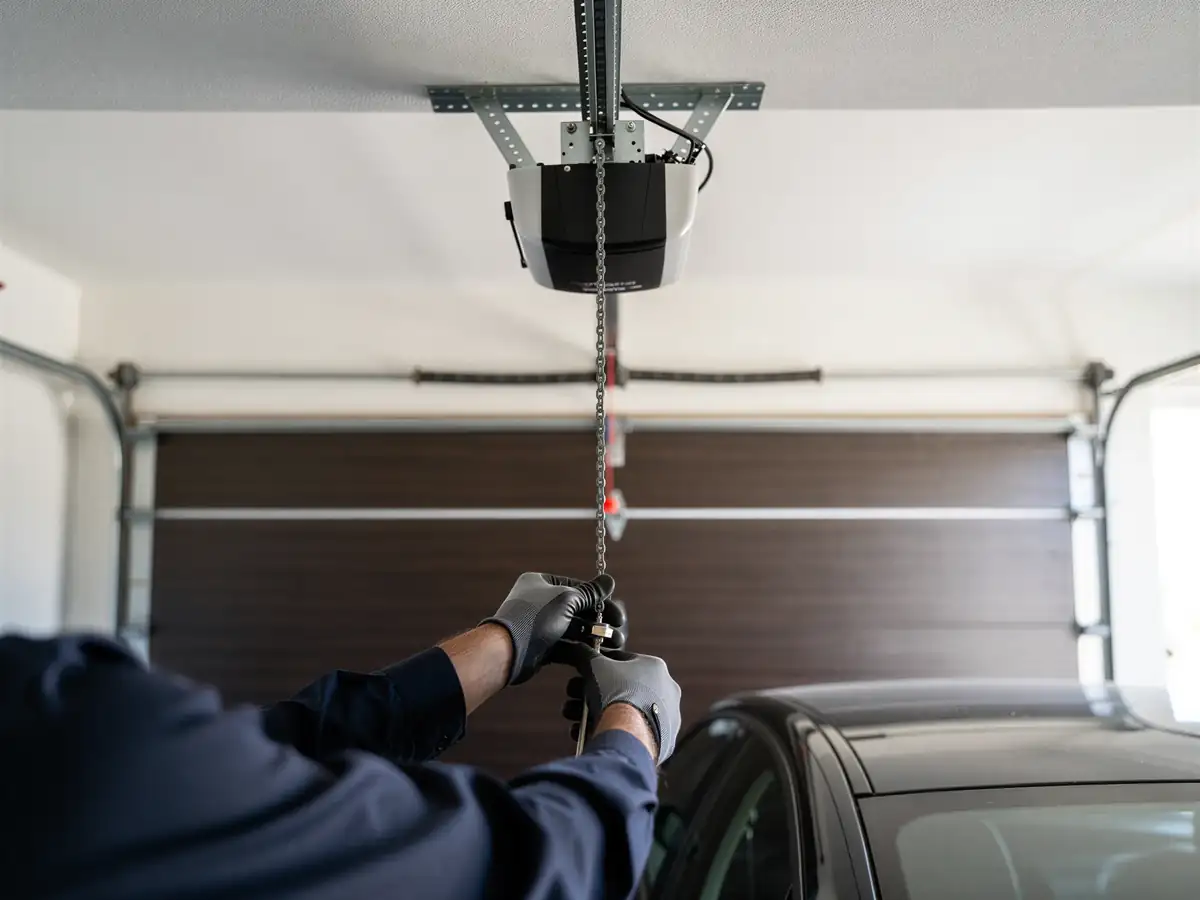
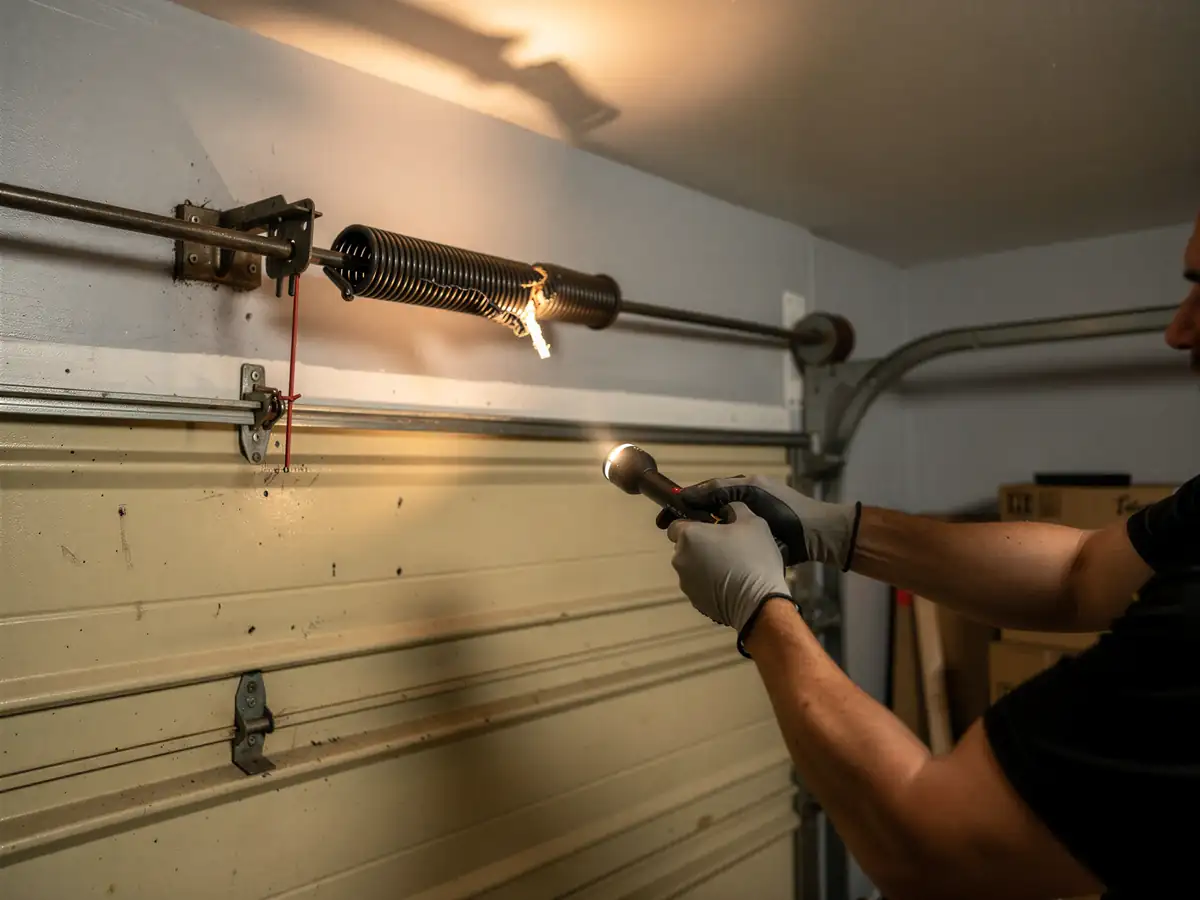
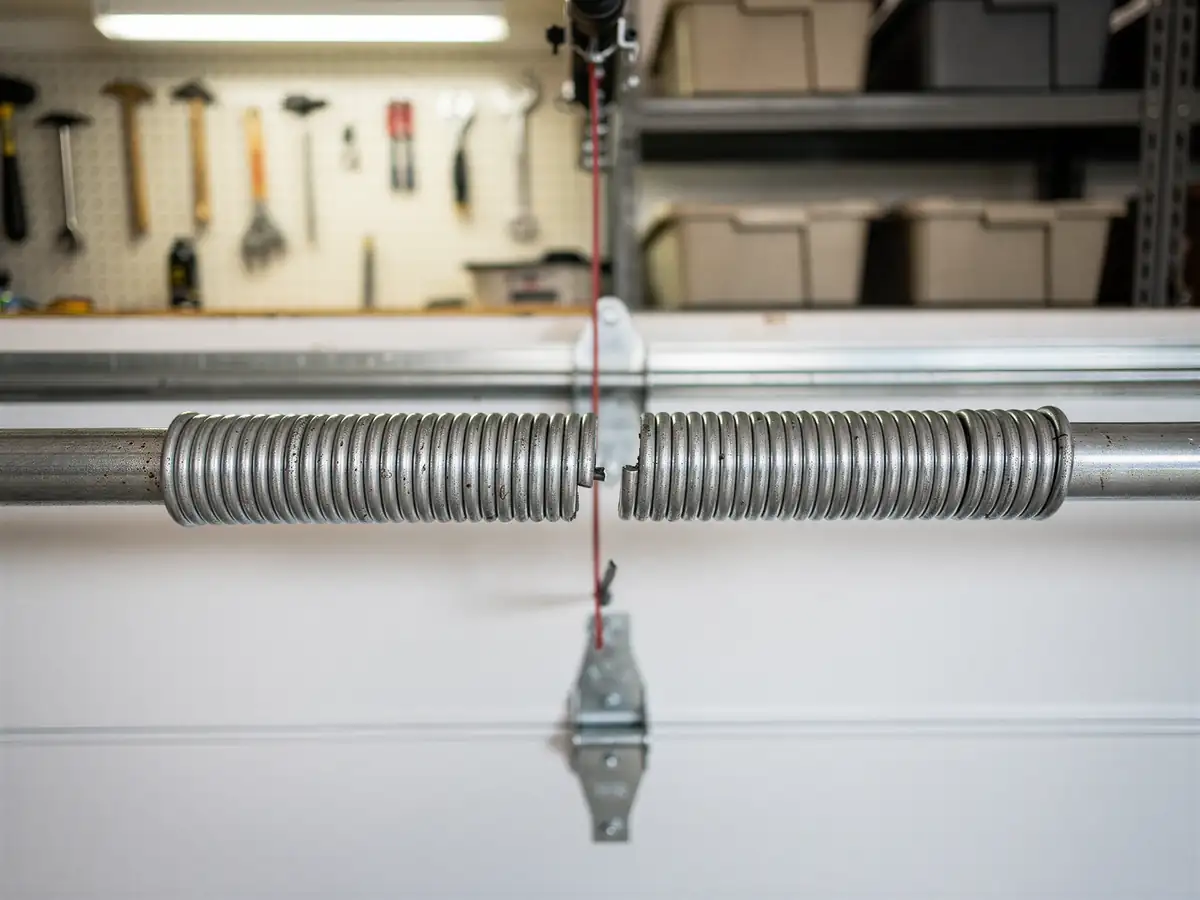
The door won't budge, or it only goes up a few inches before the opener strains and stops. Sometimes there's a loud bang from the garage first - that's the spring letting go, usually a torsion spring snapping clean in the middle. You might see a gap in the coil above the door, or notice the door is noticeably heavier to lift by hand than it used to be. On older extension-spring setups, which show up less often in this part of town given the 1995 median build year, you'd instead see a stretched or hanging spring along the upper tracks. Either way, the door is not safe to force open with the opener once a spring is gone - the opener isn't built to lift that weight alone and will burn itself out trying.
What You Pay
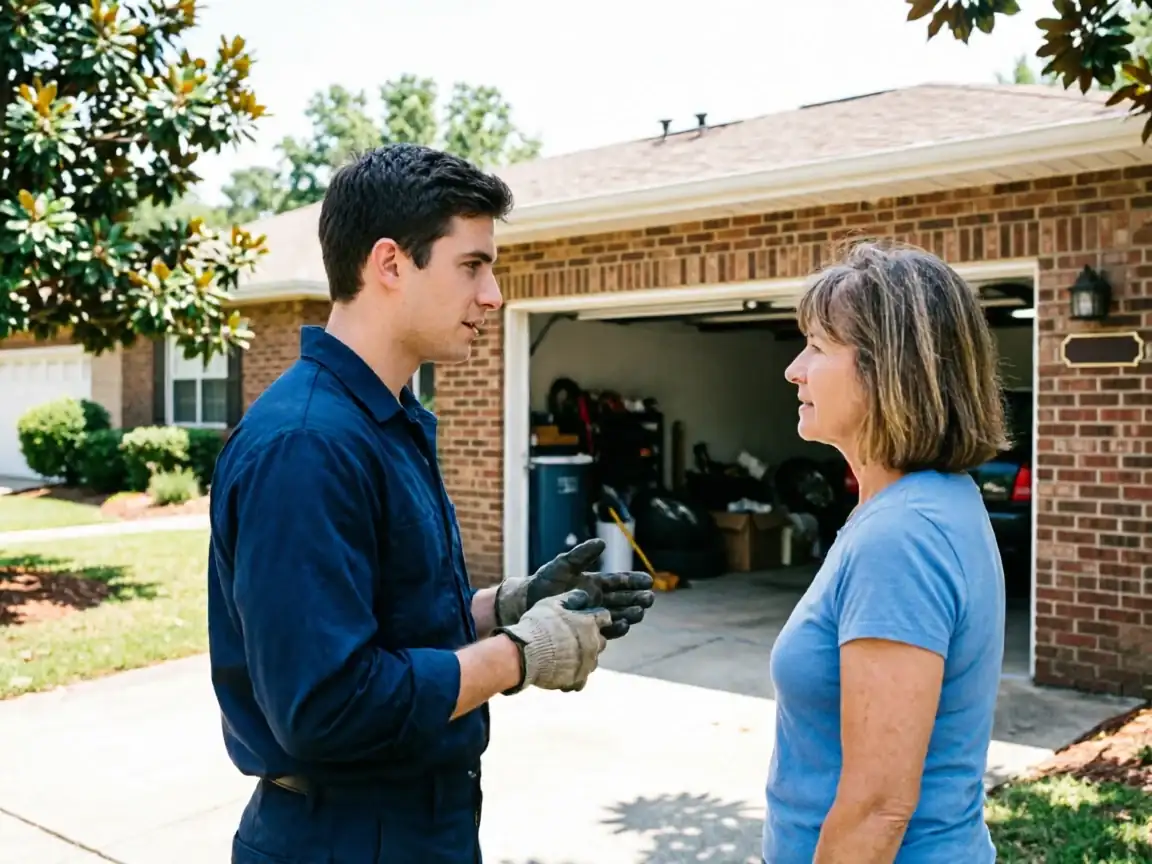
We don't post a flat number here because spring jobs vary by door weight, whether it's one spring or a pair, and what shape the drums and cable are in once we're looking at it in person. What we can tell you is that most Powder Springs calls fall within a predictable range once we're on site and can see the door - a single garage door's springs cost less than a double's, and a clean break with no secondary damage is the cheapest version of this job. We quote before any work starts, not after.
Can You Do This Yourself
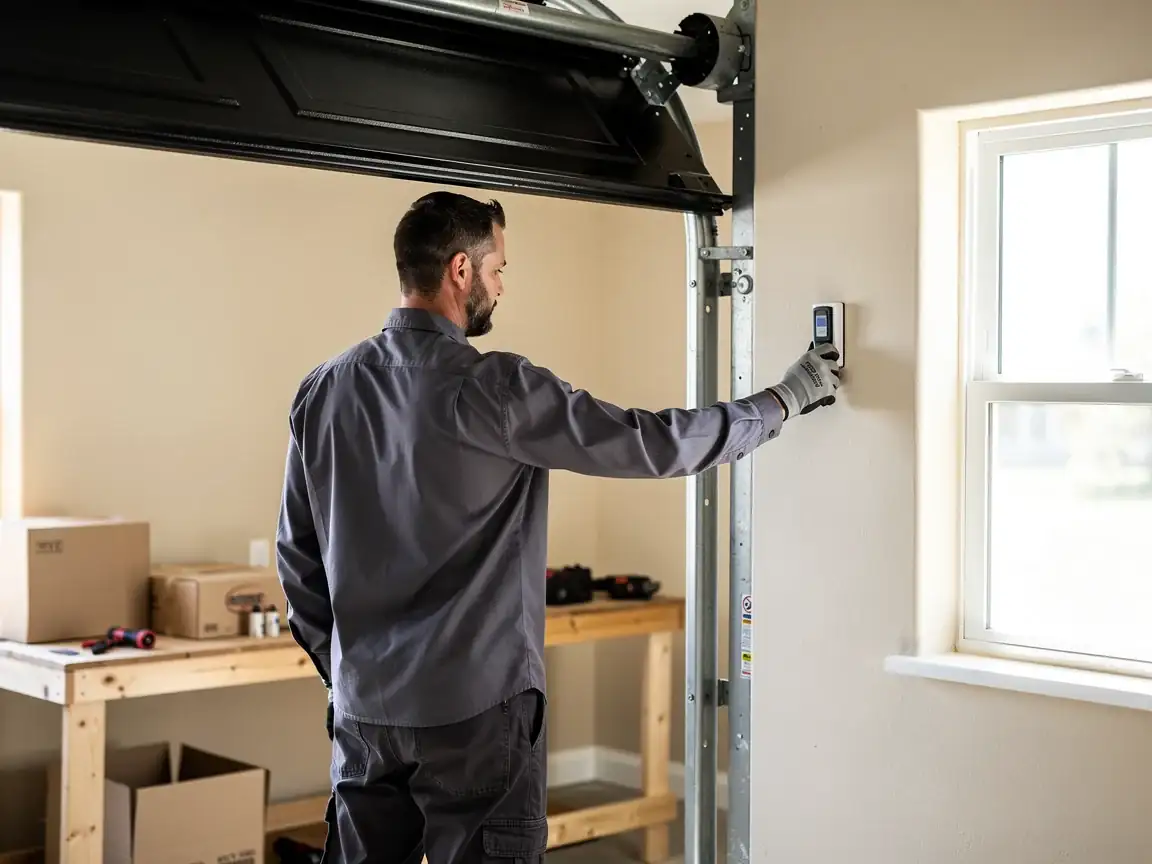
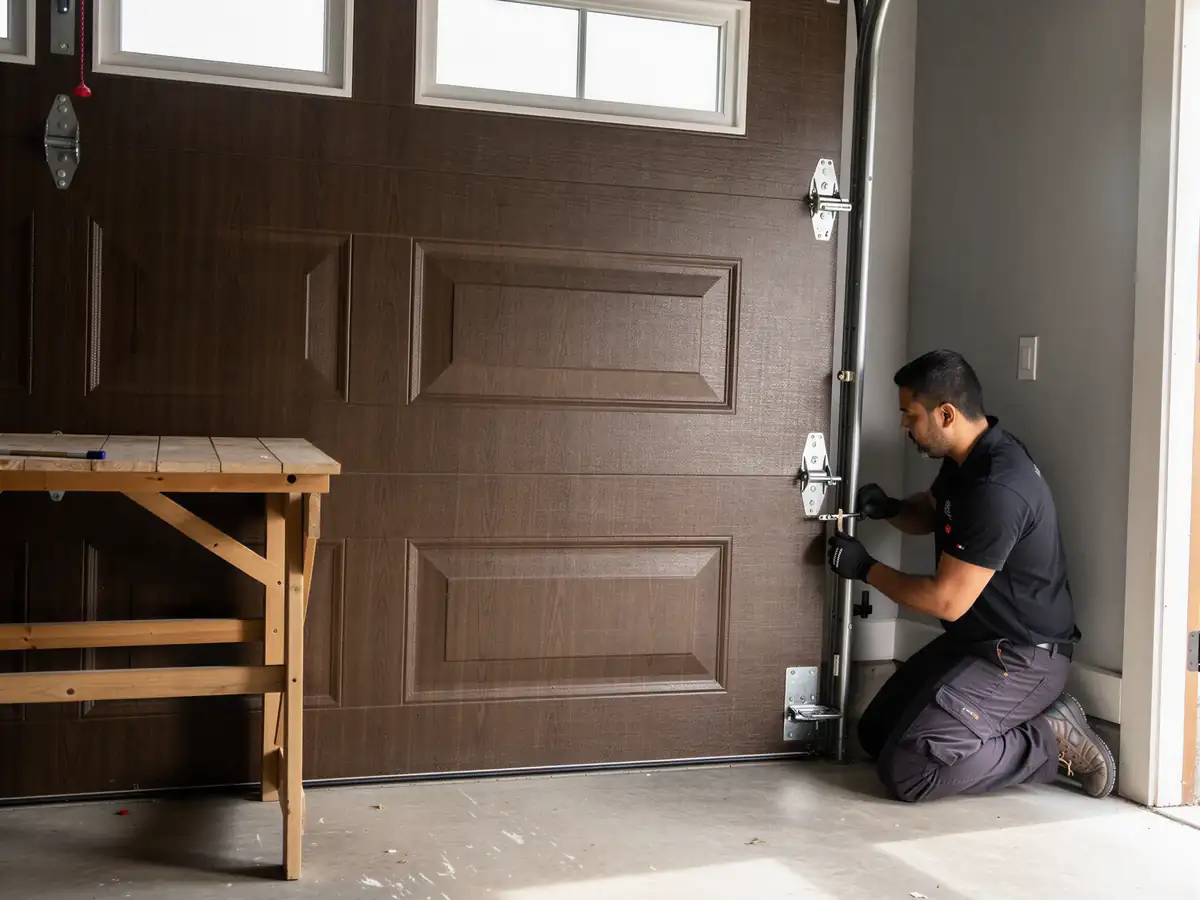
A torsion spring holds enough tension to cause serious injury if it lets go while you're working on it, and winding it back down safely takes the right bars and a steady hand - this isn't a job we'd recommend for a first attempt in your own garage. Extension springs are a little more forgiving but still carry real tension. If you're comfortable with it, you can check whether the issue is actually the spring versus a worn roller or a misaligned track, which saves a wasted trip. Beyond that diagnostic step, we'd rather come out from Douglasville and do the spring swap properly than have you learn the hard way what 30 years of wound steel can do.