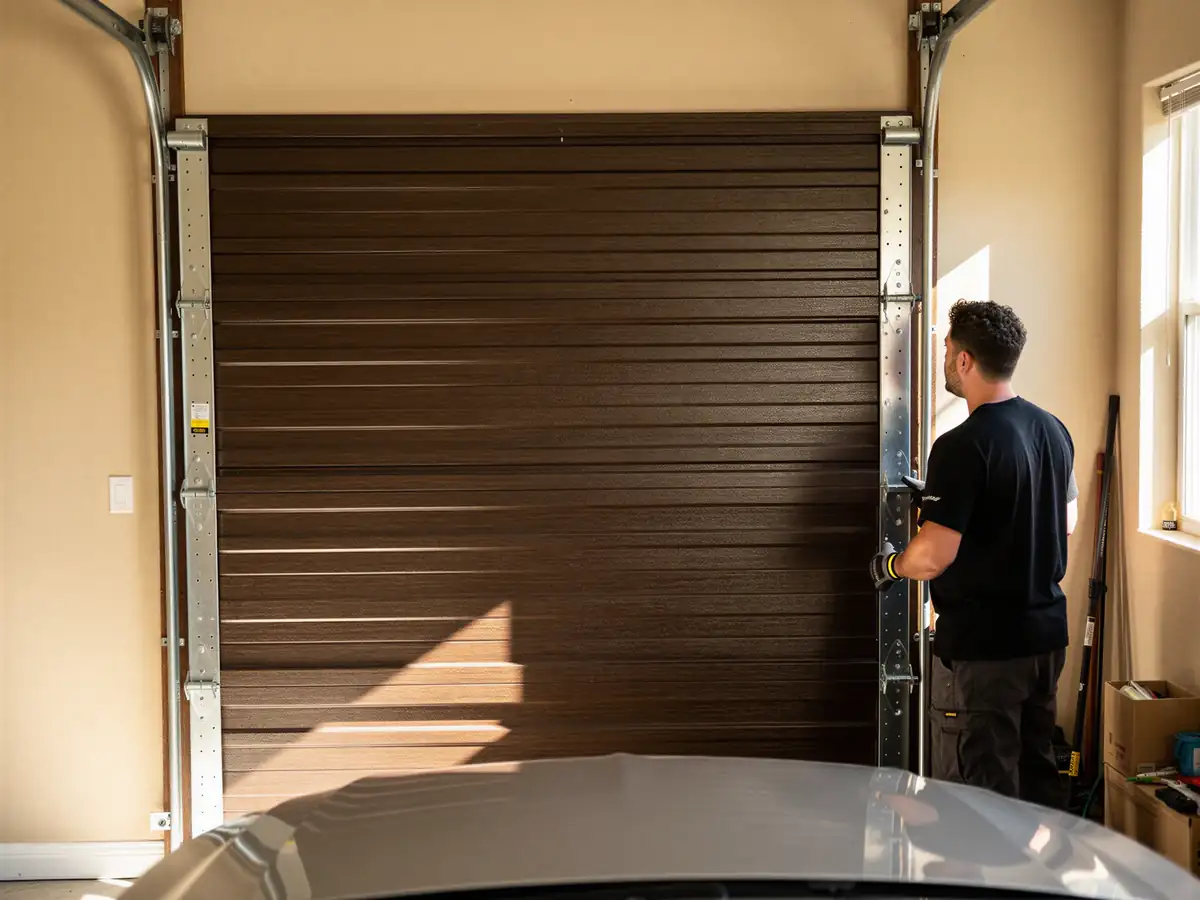
What the Repair Takes
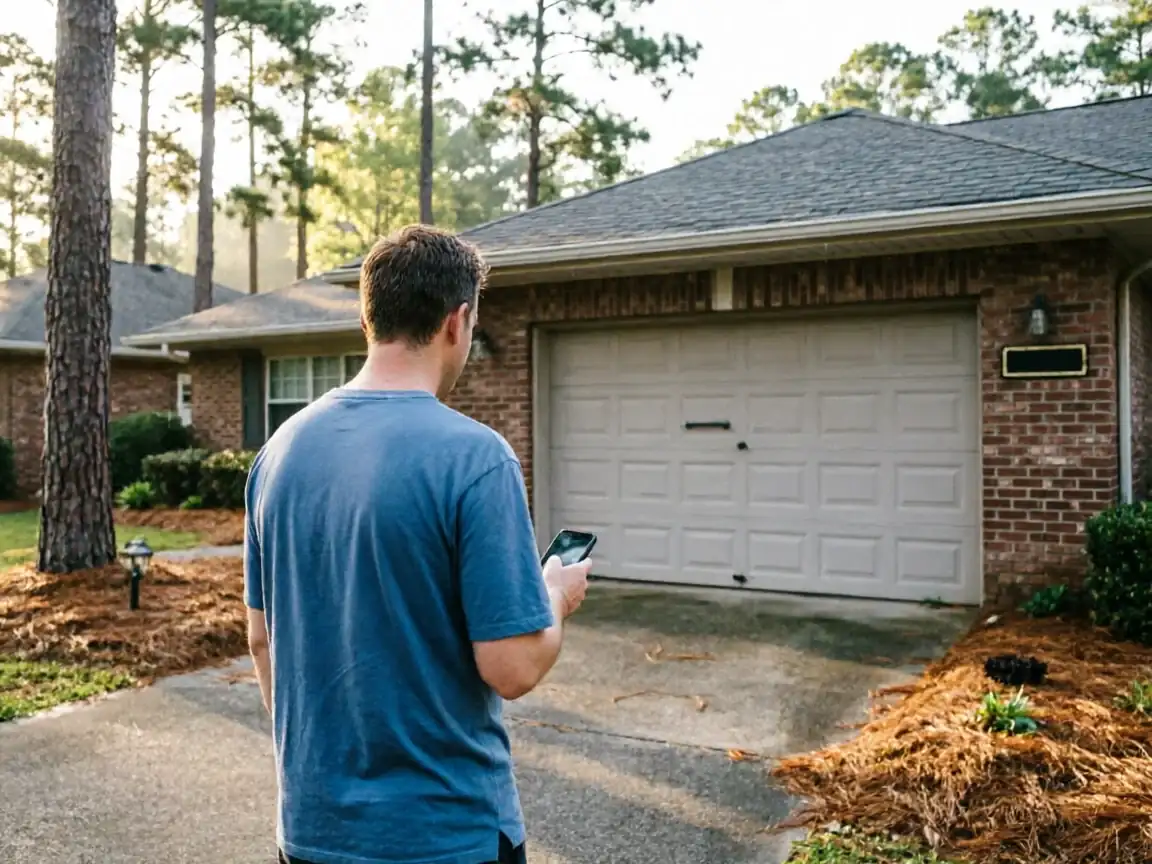
When a homeowner in Powder Springs calls about a door that won't open right
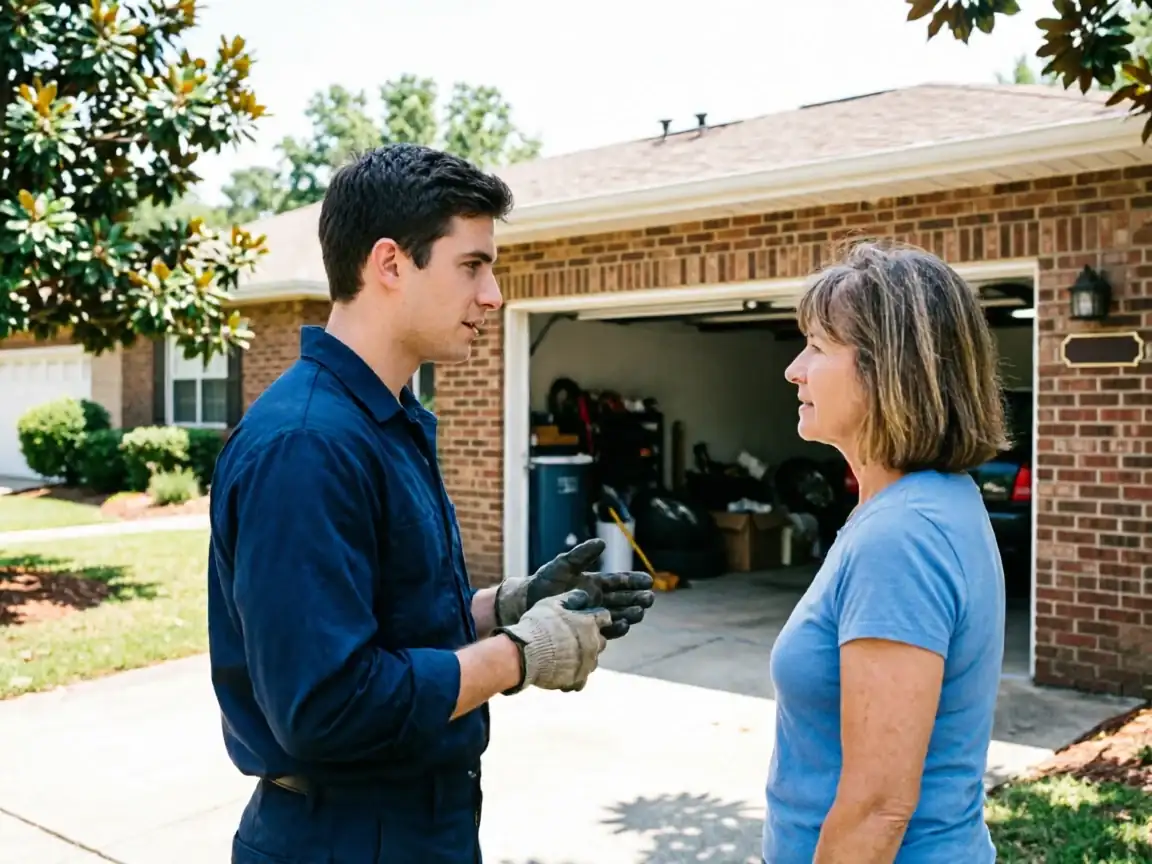
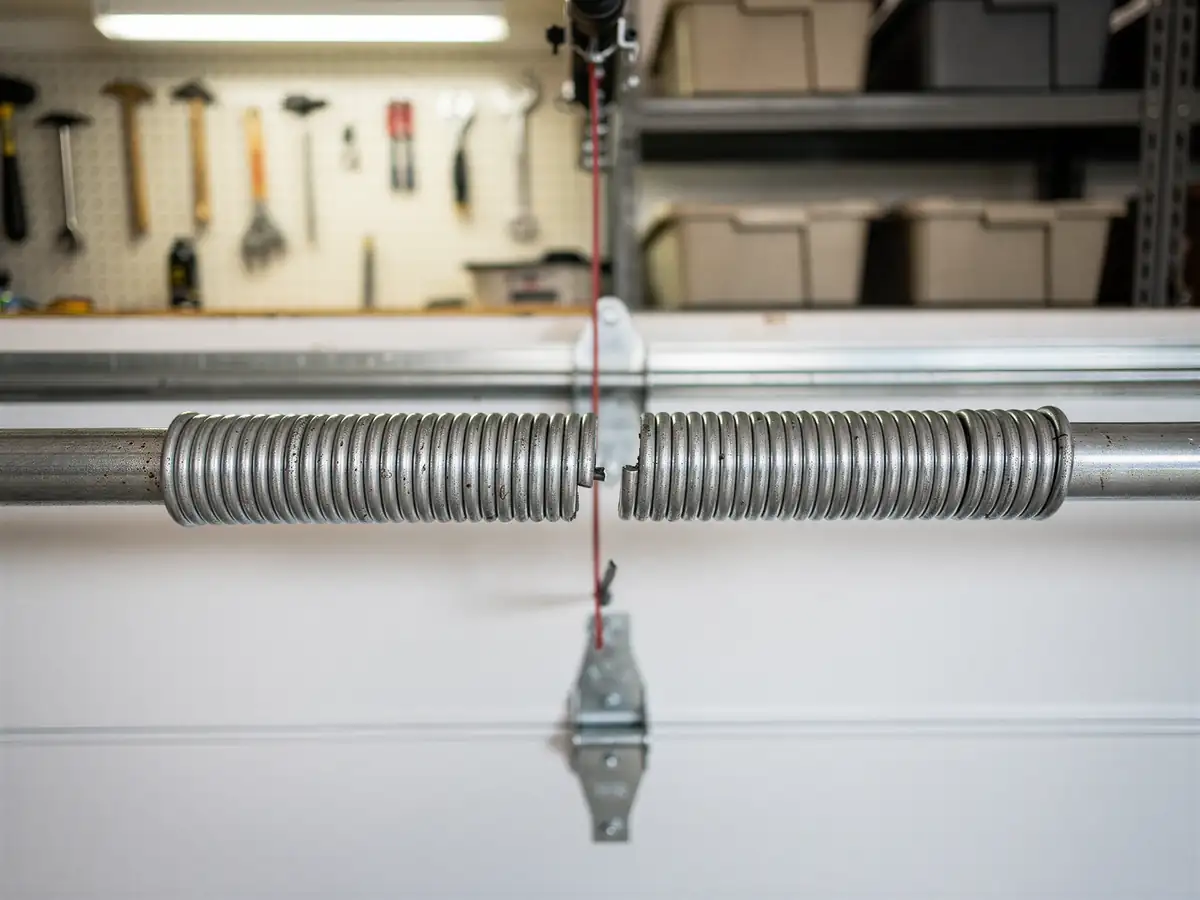
The conversation usually ends somewhere other than where it started. You called about a noisy opener or a spring that let go, and you leave with a quote for a new door instead. That's not an upsell - it's the math of a door built around 1995.
Most houses in this part of the service area went up in that same stretch, the mid-1990s
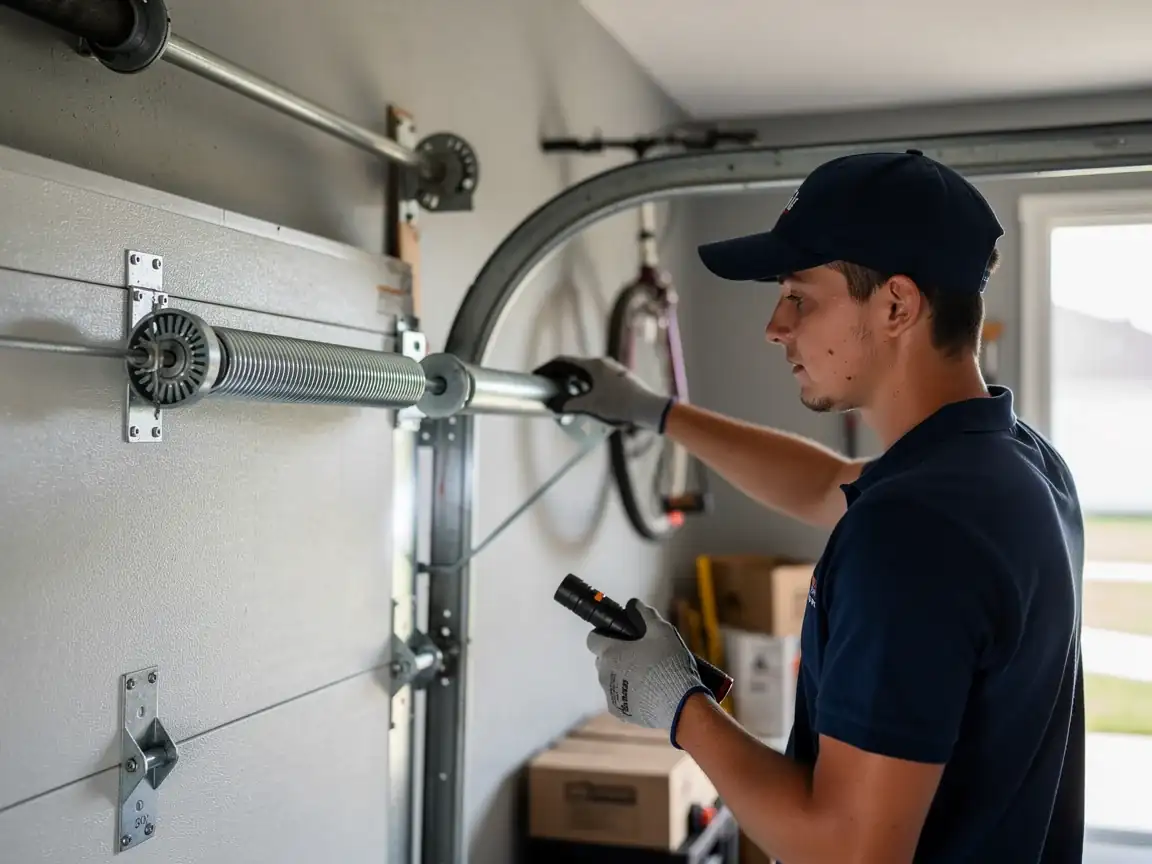
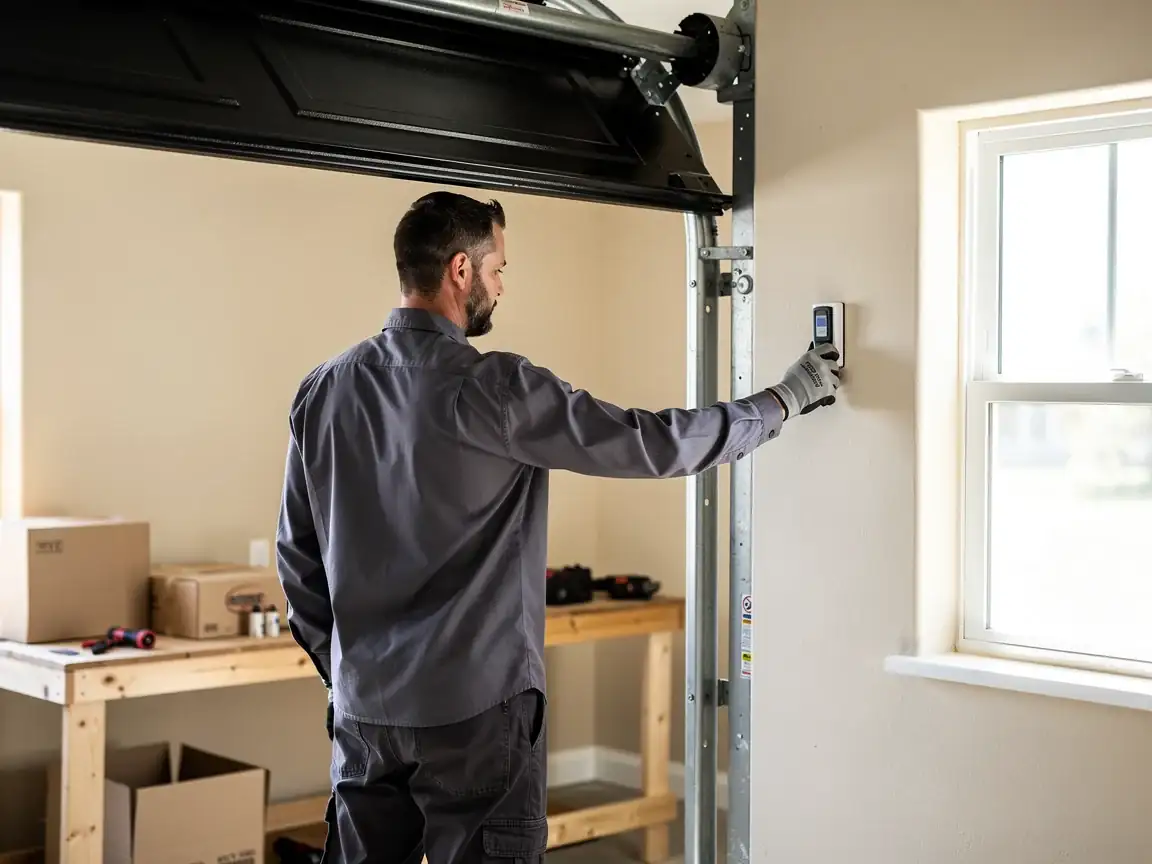
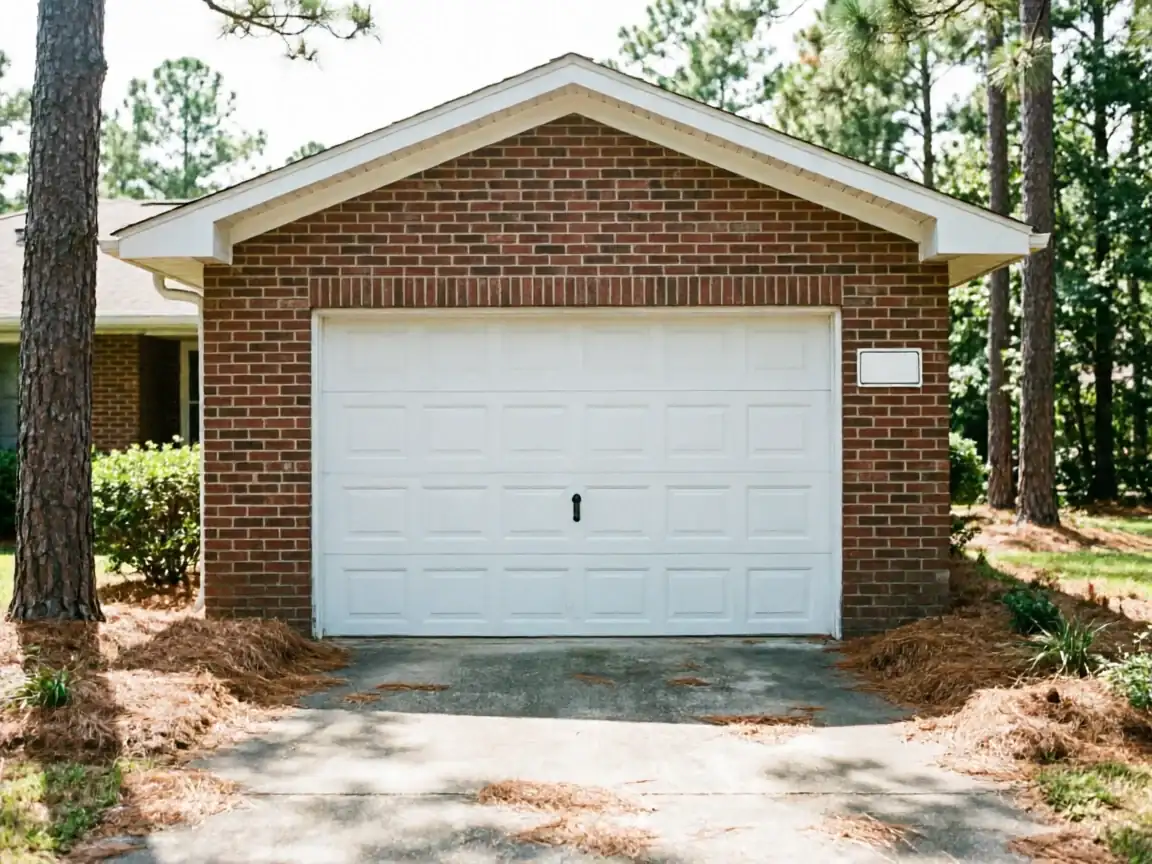
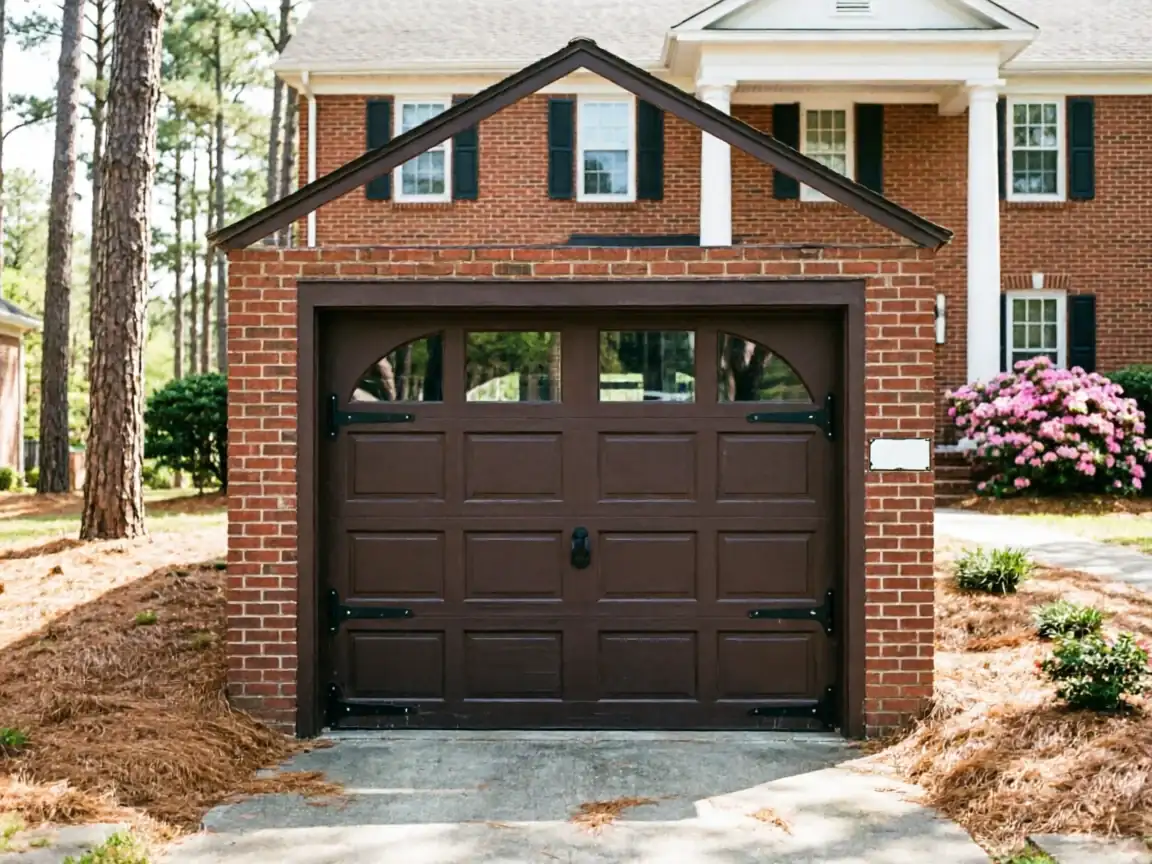
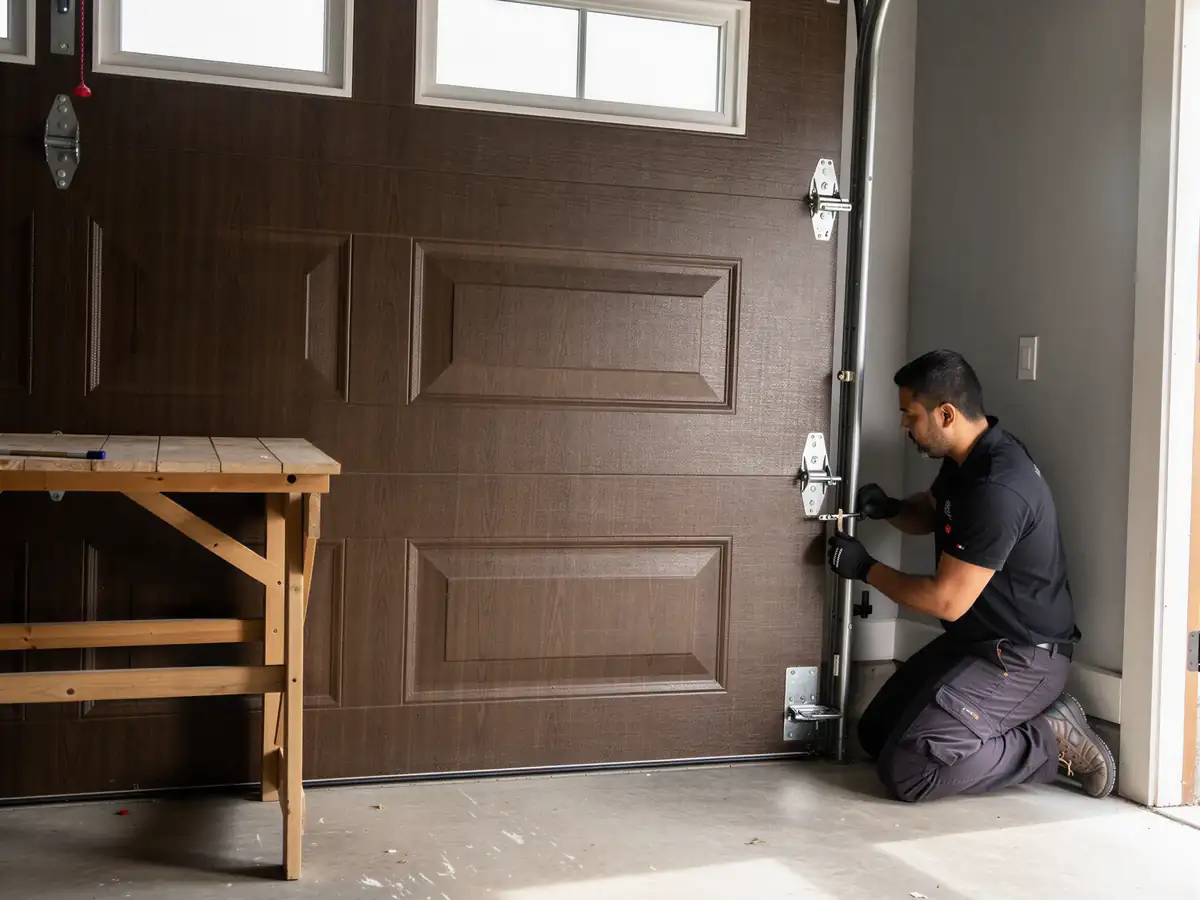
Which puts the original door and torsion hardware close to thirty years old. Steel sections from that era weren't insulated the way current doors are, the track is often the narrower profile builders used before 2000, and the opener - if it's original - predates the safety sensors that are now standard. A new install here means matching a 1990s-era rough opening to current door and track widths, which sometimes means shimming the jamb rather than just bolting up a stock size. It's an afternoon job, not a five-minute swap, and we tell people that up front rather than let the first hour surprise them.
Why This Fails Locally
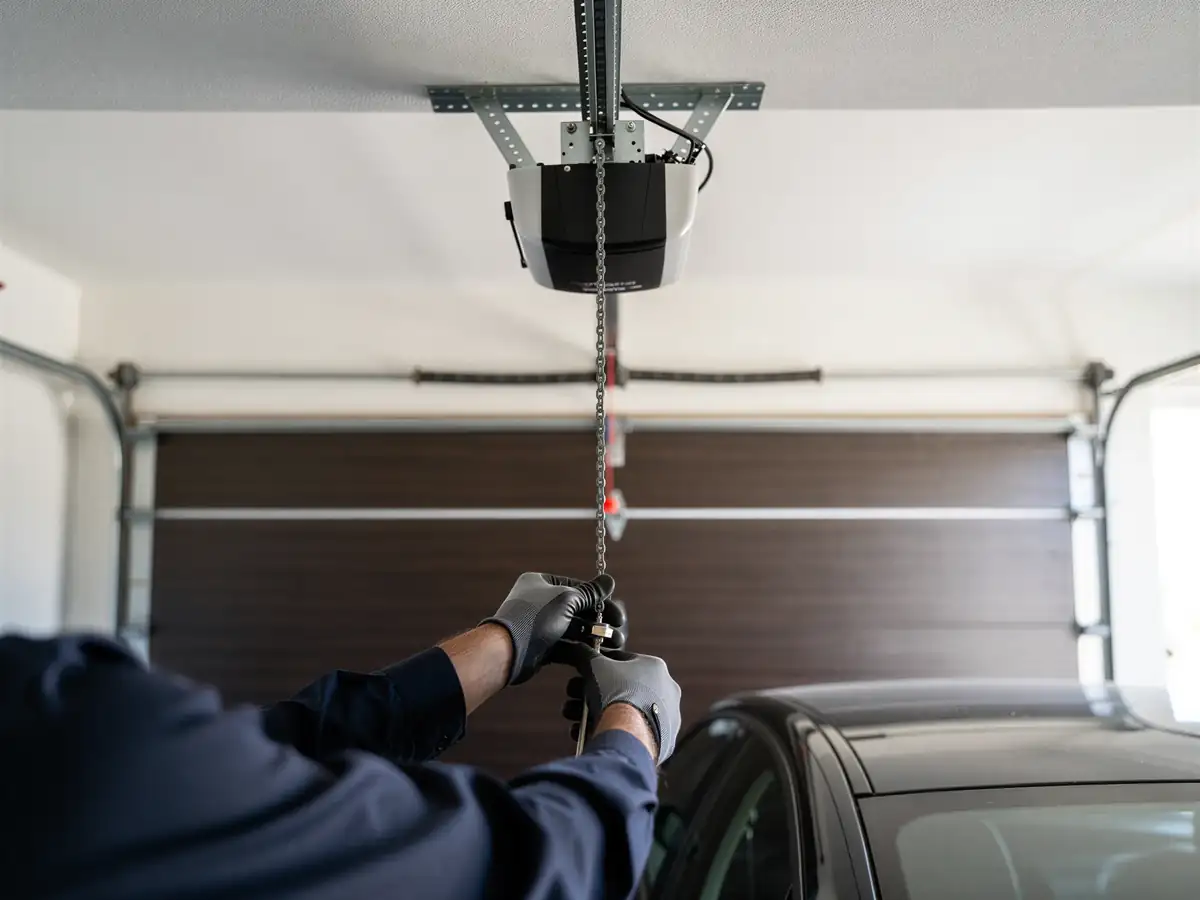
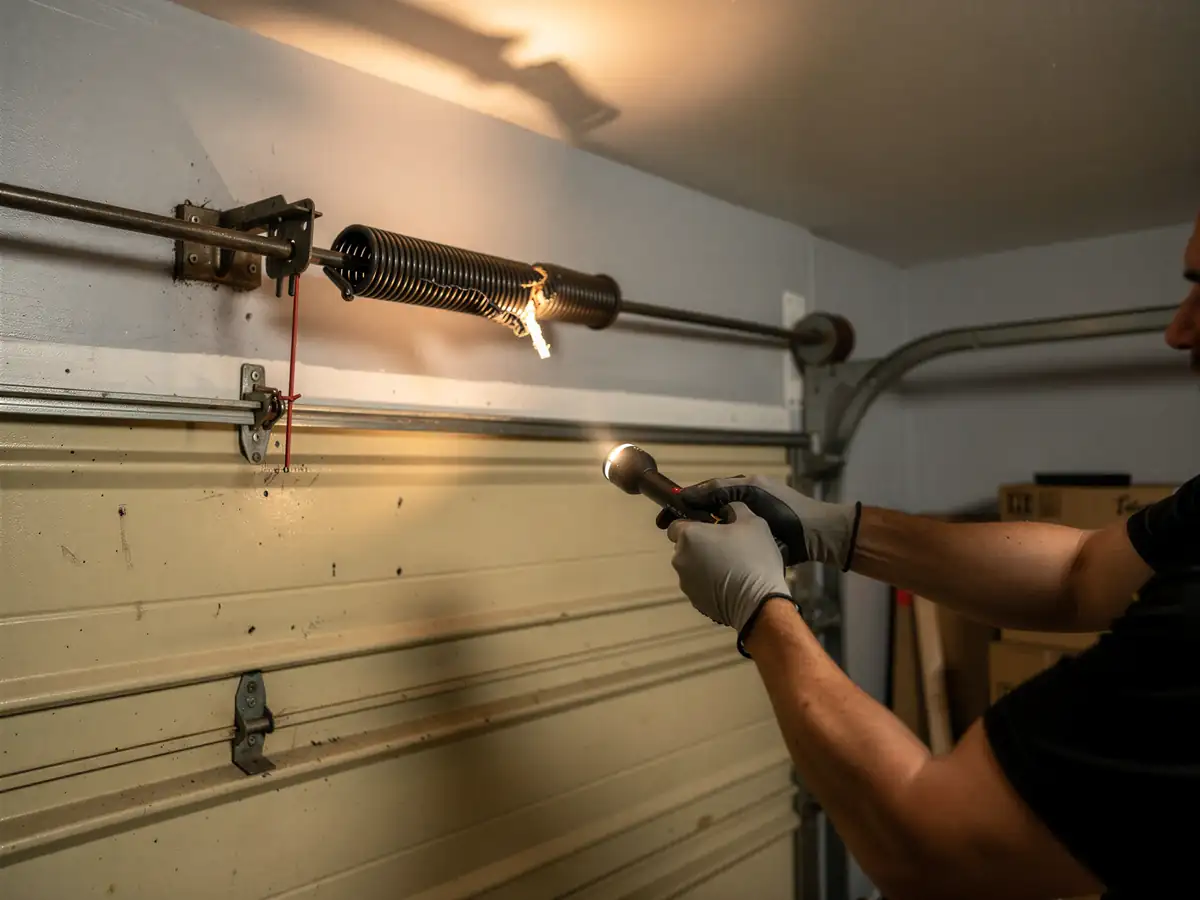
The failure point in Powder Springs isn't usually the door skin - it's the spring and the opener drivetrain, because both were sized for a lighter door than what's often installed as a replacement today. A heavier insulated steel door on a thirty-year-old torsion spring rated for the old door's weight will lift hard, slam down, or burn out an opener motor trying to compensate.
Across the wider service area the housing stock runs 1966 to 2004 with a median around 1994, and Powder Springs sits almost exactly on that median at 1995. That matters because it means the hardware generation here is consistent - not a mix of 1970s and 2000s doors like you'd see in an older or newer pocket. When we quote a new door here, the spring and opener get resized together, not left over from the old setup.
What You Are Seeing
The usual signs: a door that's noticeably heavier to lift by hand than it used to be, an opener that strains and clicks before the door moves, or a panel that's started to bow at the bottom where water sits. None of that means something is broken today - it means the door is past the point where another repair buys you more than a year or two.
With 6,195 households in this part of the service area, we see this pattern repeat: original 1990s door, original or one-time-replaced opener, spring that's never been swapped because nobody noticed it sagging. If your door predates a repair receipt you can find, that's usually the original unit, and at this age that's reason enough to quote new rather than patch again.
Where This Job Goes Sideways
The part that catches people off guard is the opening itself
Houses built in this window sometimes have a rough opening that's a half-inch or inch off from today's standard door widths, which means the installer is shimming jambs or trimming trim rather than just hanging a stock door. We won't know which until we're standing in front of it with a tape measure - it's not something we can quote sight unseen.
The other place it goes sideways is the opener bracket
A lot of original 1990s openers mounted to framing that a new, heavier insulated door's extra weight will flex over time if the bracket isn't reinforced during install. We check that as part of the job, not as an add-on surprise, but it's worth knowing it's a real possibility before you budget the smallest number you saw online.
What You Pay
We don't have a flat number to give you here - door size, insulation level, and whether the opener needs replacing too all move the total, and we're not going to invent a figure that doesn't hold up once we're on site. What we can tell you is the local context: median household income in this part of the service area runs $96,961, noticeably above the broader county figure of $73,889, and that tends to show up in what homeowners choose - more insulated doors, fewer bare steel options, than in lower-income pockets of the same service area.
We travel from Douglasville, about 9 miles out, to quote every job in person before anyone commits to a number. That's the only honest way to price a thirty-year-old opening.
Can You Do This Yourself
Hanging a garage door yourself isn't impossible, but torsion spring tension is genuinely dangerous to set without the right bars and experience - more fingers and worse get lost to that step than almost anything else in home repair. If you're comfortable swapping weatherstripping or rollers, do it. Setting the spring and squaring a new door to a thirty-year-old opening is a different level of job.
One honest limitation: we don't stock every door size and style on the truck, and a custom width for an odd 1990s opening sometimes means a short order wait before install day. We'll tell you that at the quote, not after you've committed.