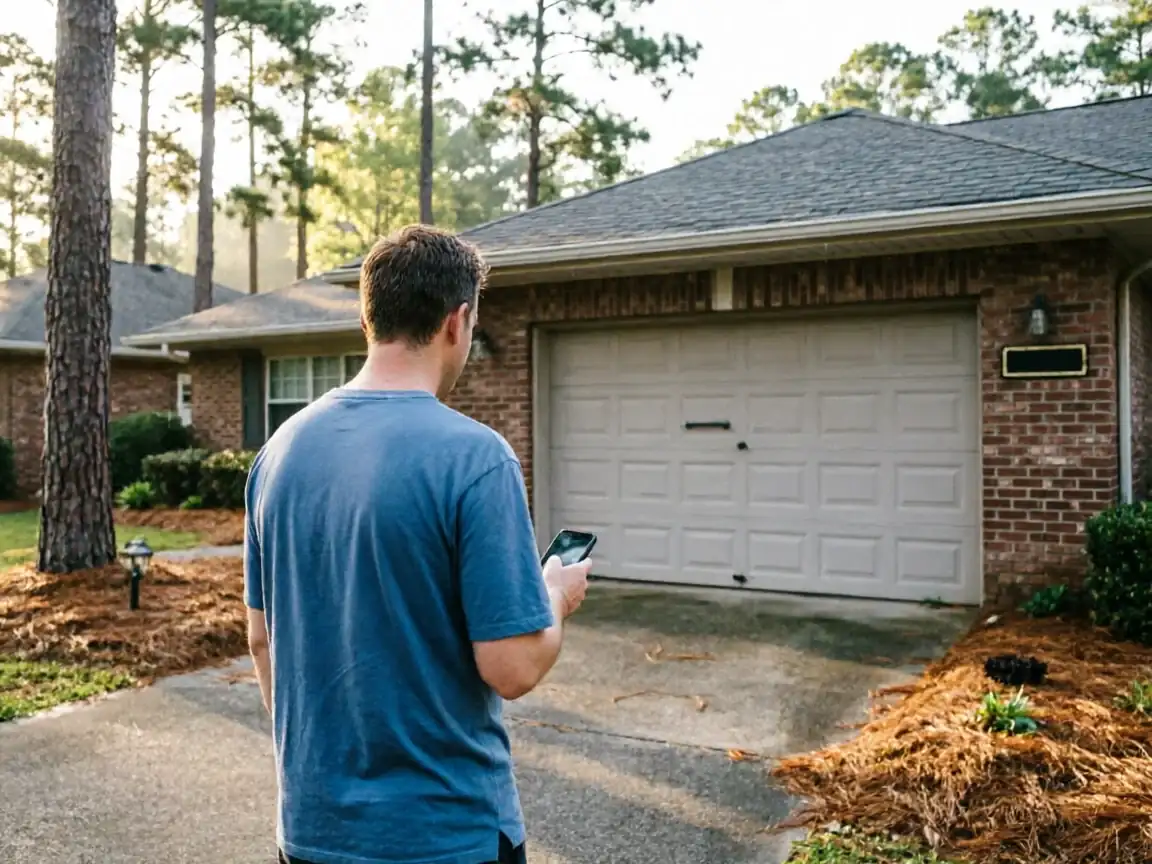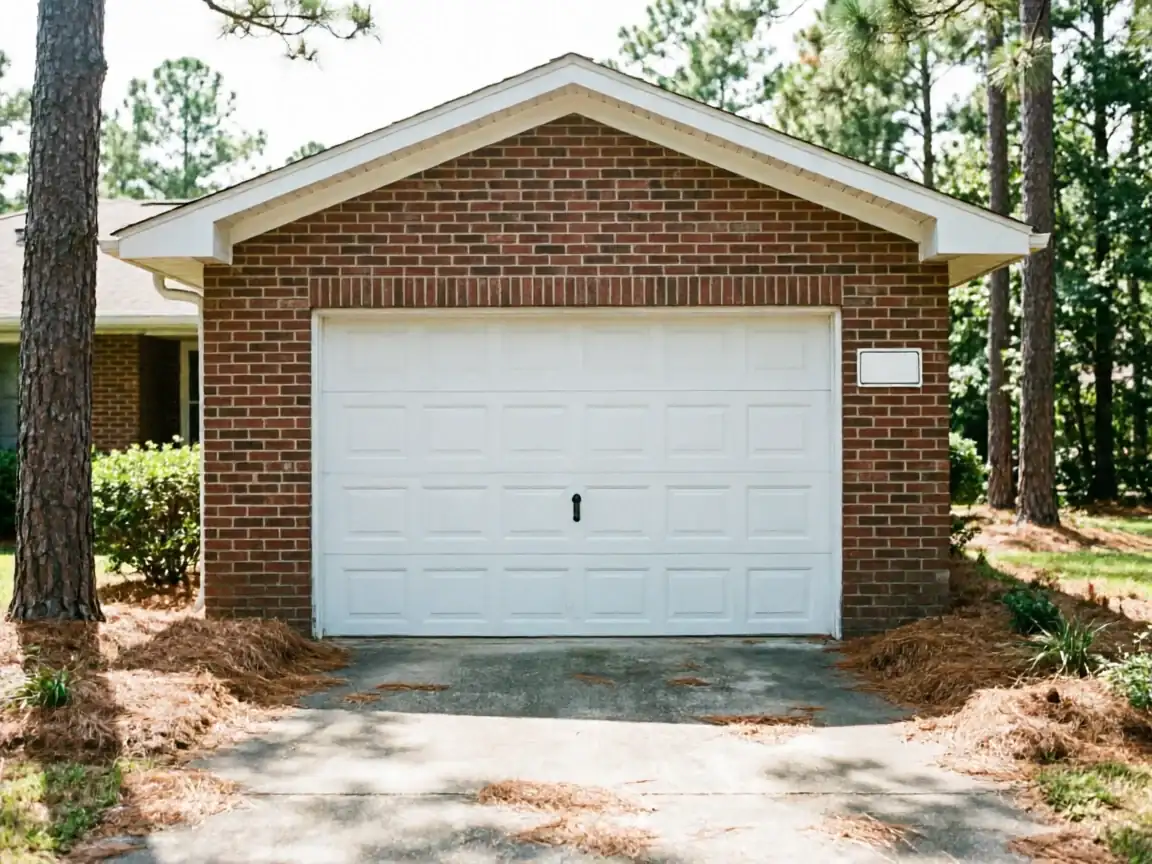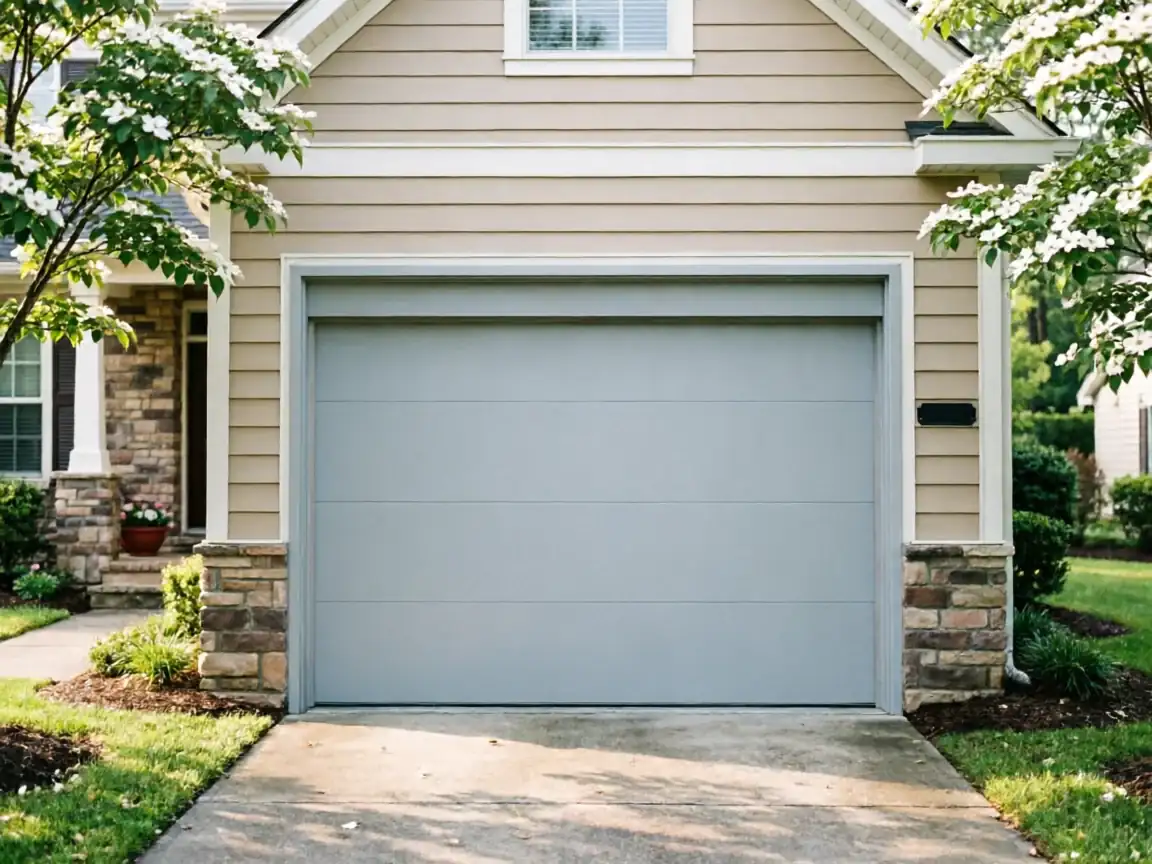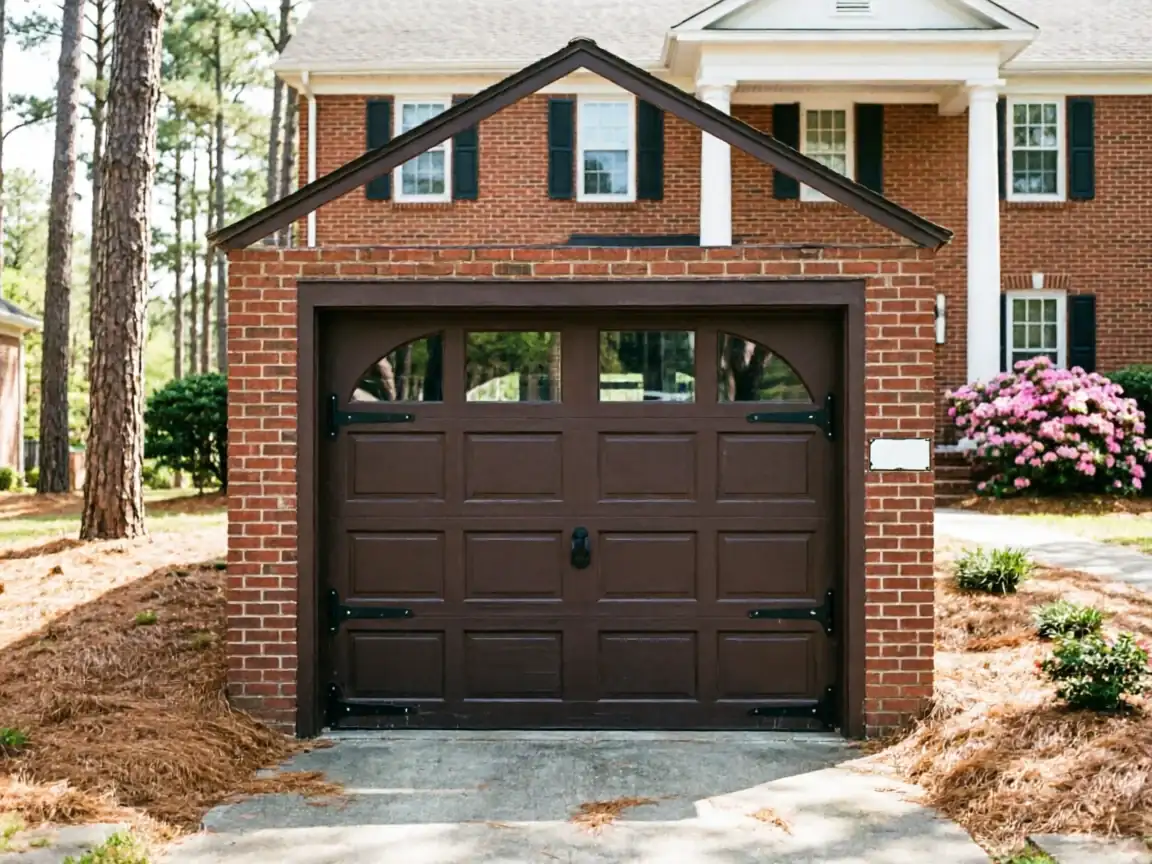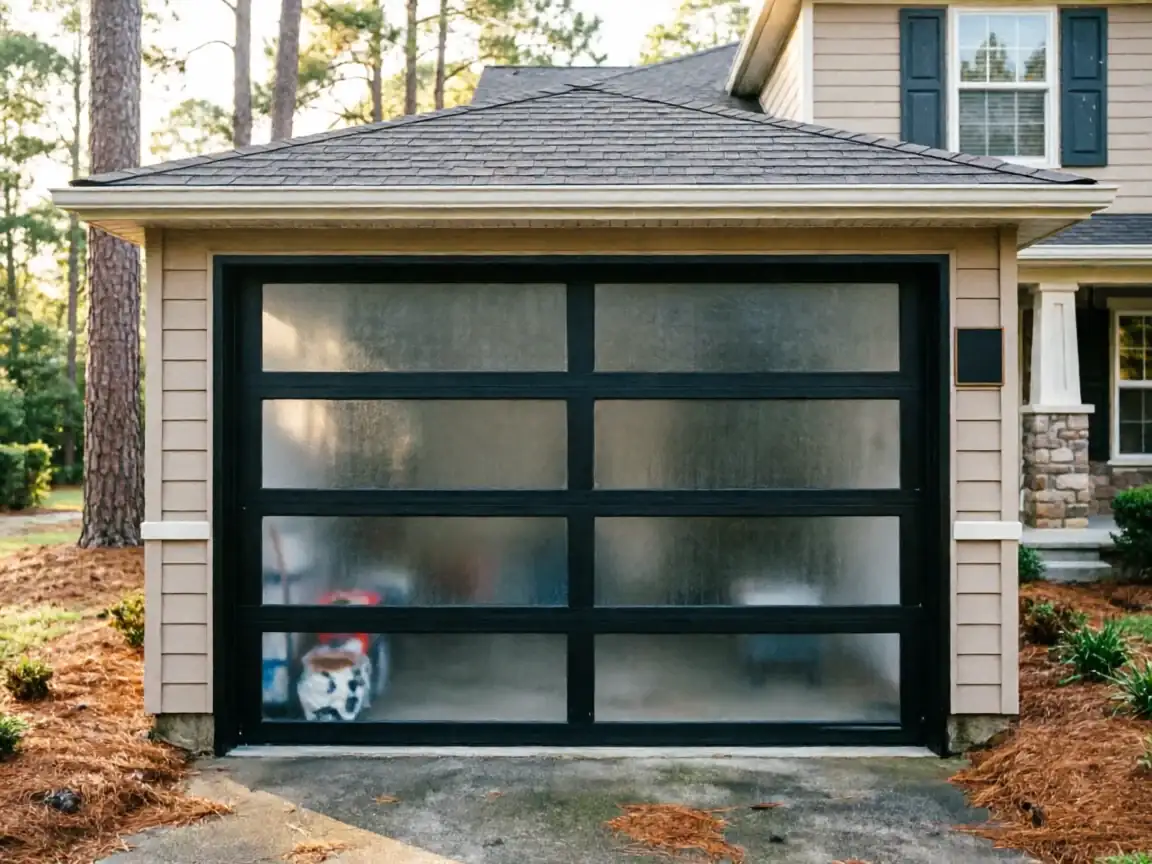
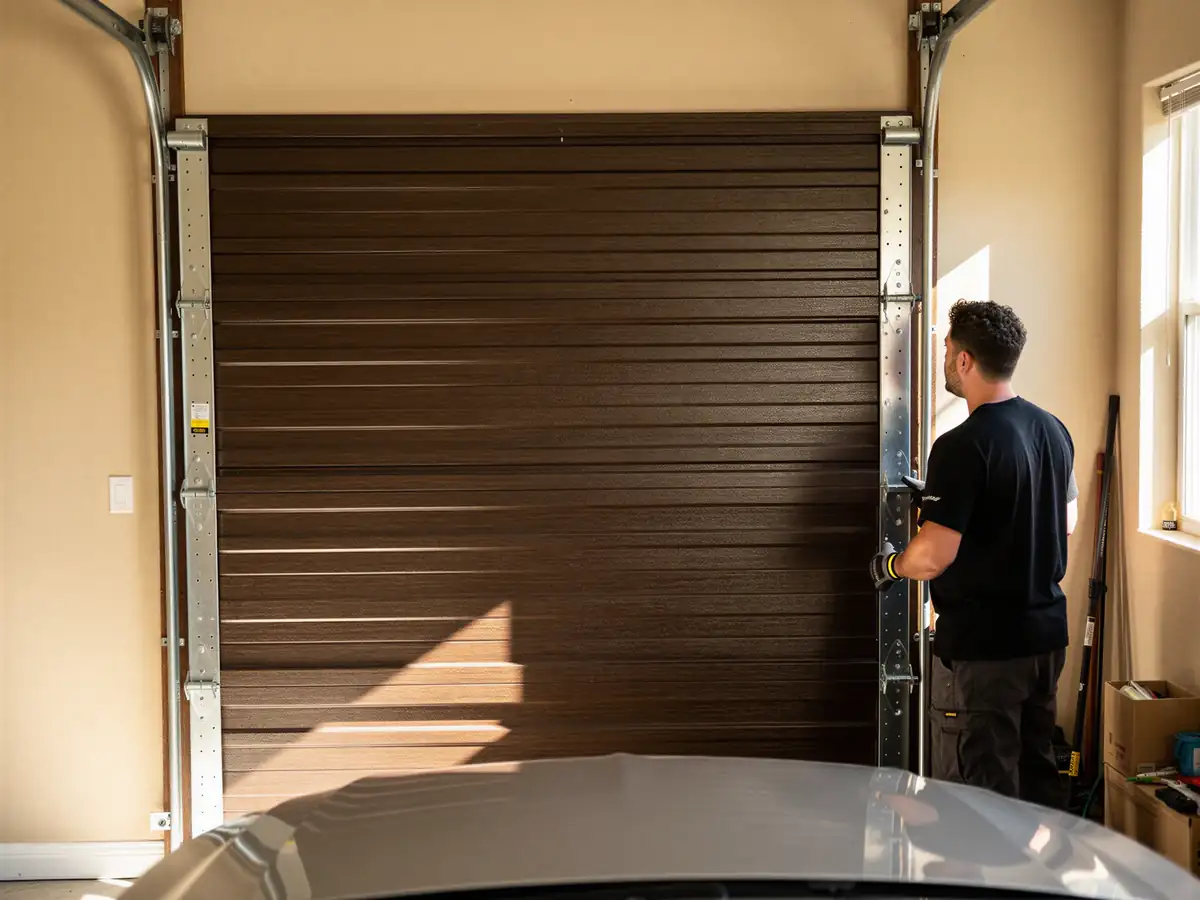
Where This Job Goes Sideways
Fairburn is a smaller piece of the territory we cover out of Douglasville
With around 5,813 households. That size matters more than it sounds like it should. A town this compact doesn't generate the volume of odd, one-off installs that a bigger market does, so when a job does come up, it's usually a straightforward swap-out on a standard builder opening rather than something custom.
- 5,813 households
What trips people up here isn't the door itself, it's the age mismatch
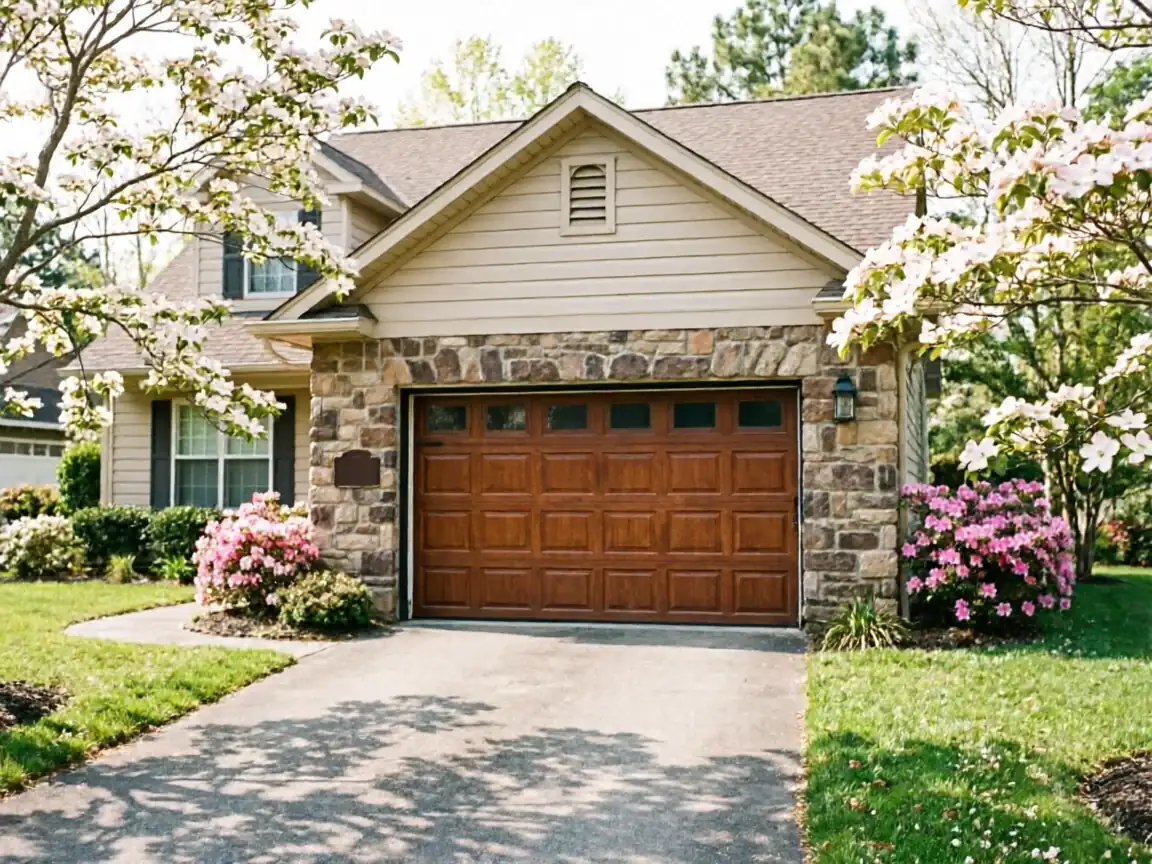
Fairburn's median year built runs around 2004, noticeably newer than the broader service area, where the median lands closer to 1994 with stock going back to 1966 in older pockets. A newer build means your opening is more likely to be a standard 16-by-7 or 9-by-7 double, framed to current lumber sizes, with factory-set clearances. The sideways moment comes when someone tries to reuse hardware from a different era of house, or assumes the track and spring specs that work on a 1980s Douglasville house will fit a 2004 Fairburn frame. They often don't.
What You Are Seeing
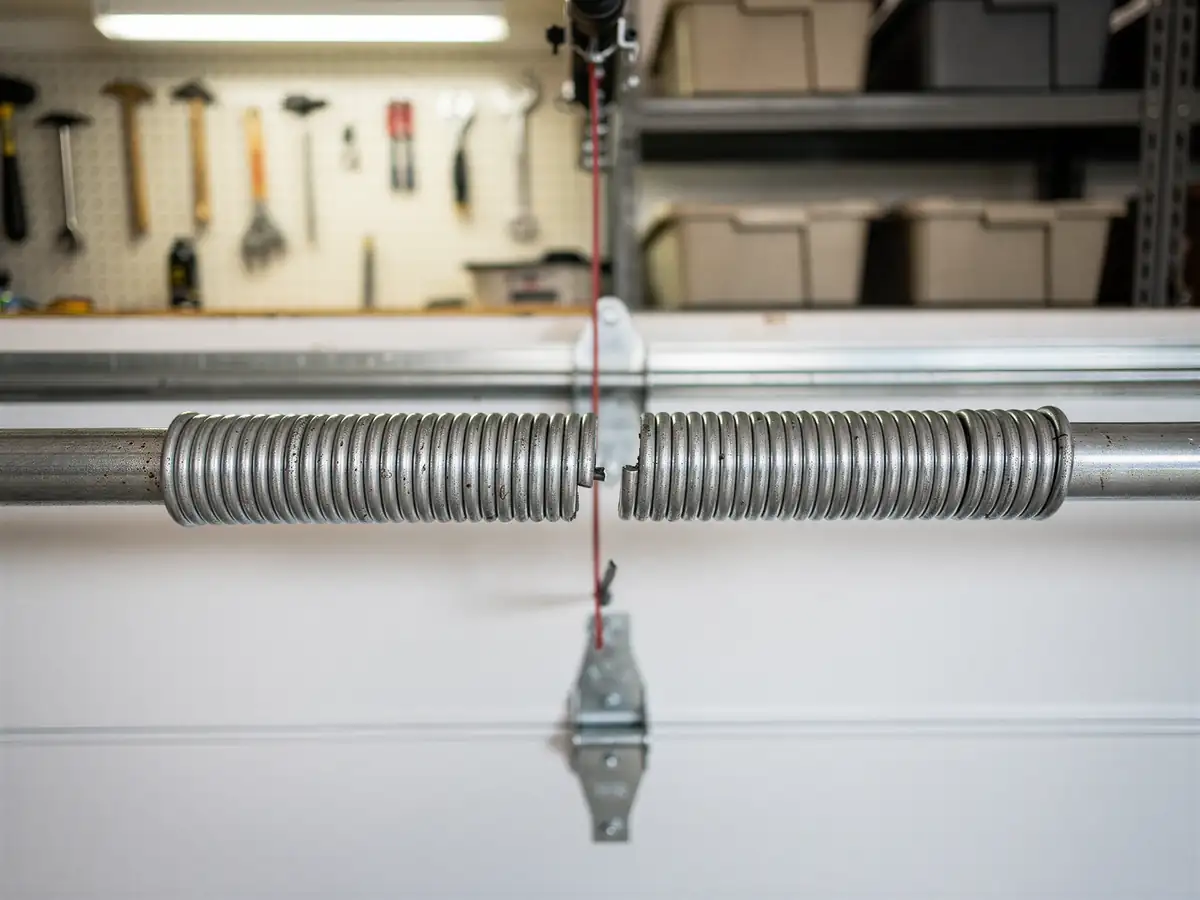
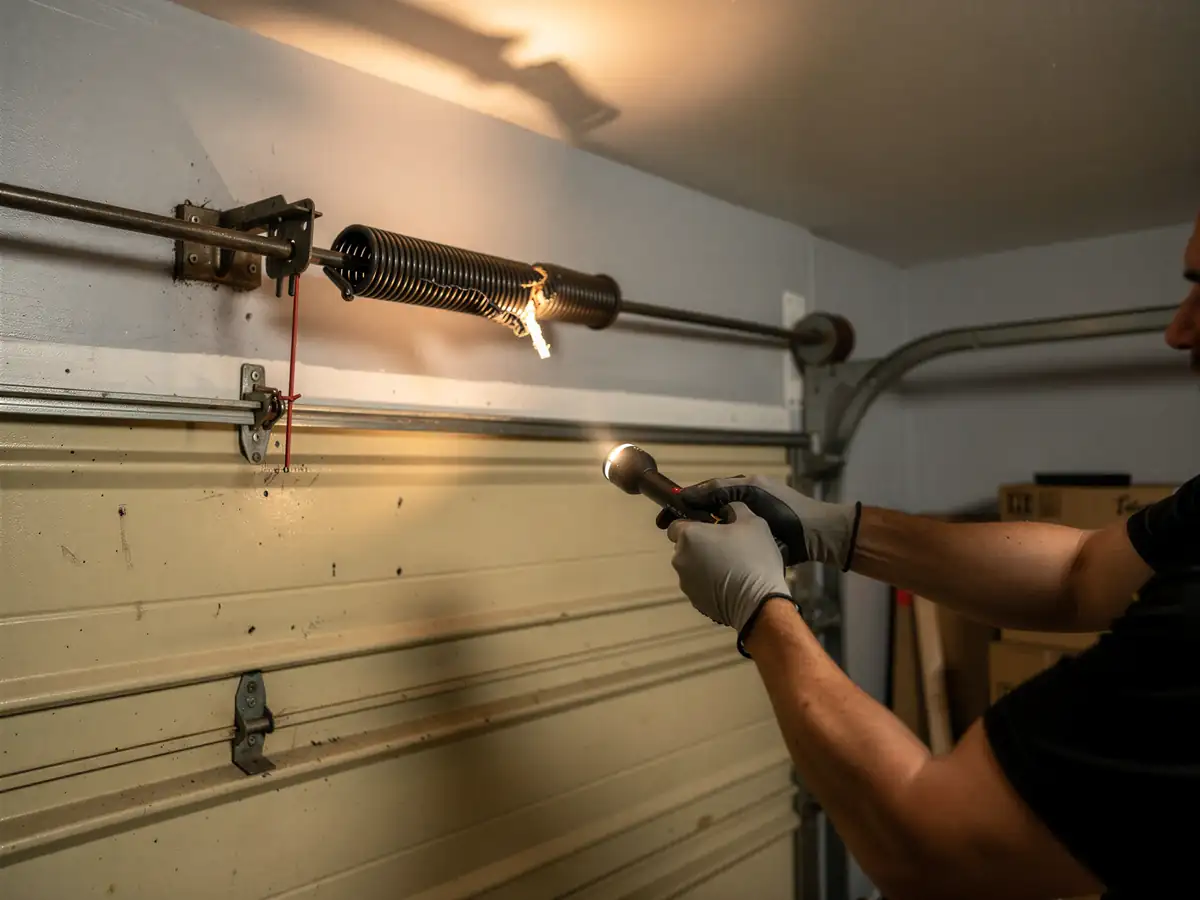
Because most Fairburn houses were built after 2000, the garage doors going bad now are mostly original builder-grade doors reaching the end of their service life, not doors replaced once already. You'll see steel panels with foam backing starting to dent or bow, torsion springs rated for a lighter original door working harder than they should, and openers from the original build cycle losing lift strength.
The climate here is cold-moderate, which doesn't beat up doors the way a harsher freeze-thaw region would, but it still means insulation and weatherstripping matter for keeping a conditioned garage comfortable through winter. If your door is original to a 2004-era Fairburn build, it's old enough now that replacement parts for that specific spring and track combo are getting harder to match exactly, which is often the point where installing a new door costs about the same as patching the old one.
How to Book
We run this job from Douglasville, about 15 miles out, so Fairburn installs get scheduled around that drive rather than treated as a same-town call. Check the Fairburn service area page for what we cover here, or look at the Douglasville installation page if you want the full rundown on how we handle new door jobs generally.
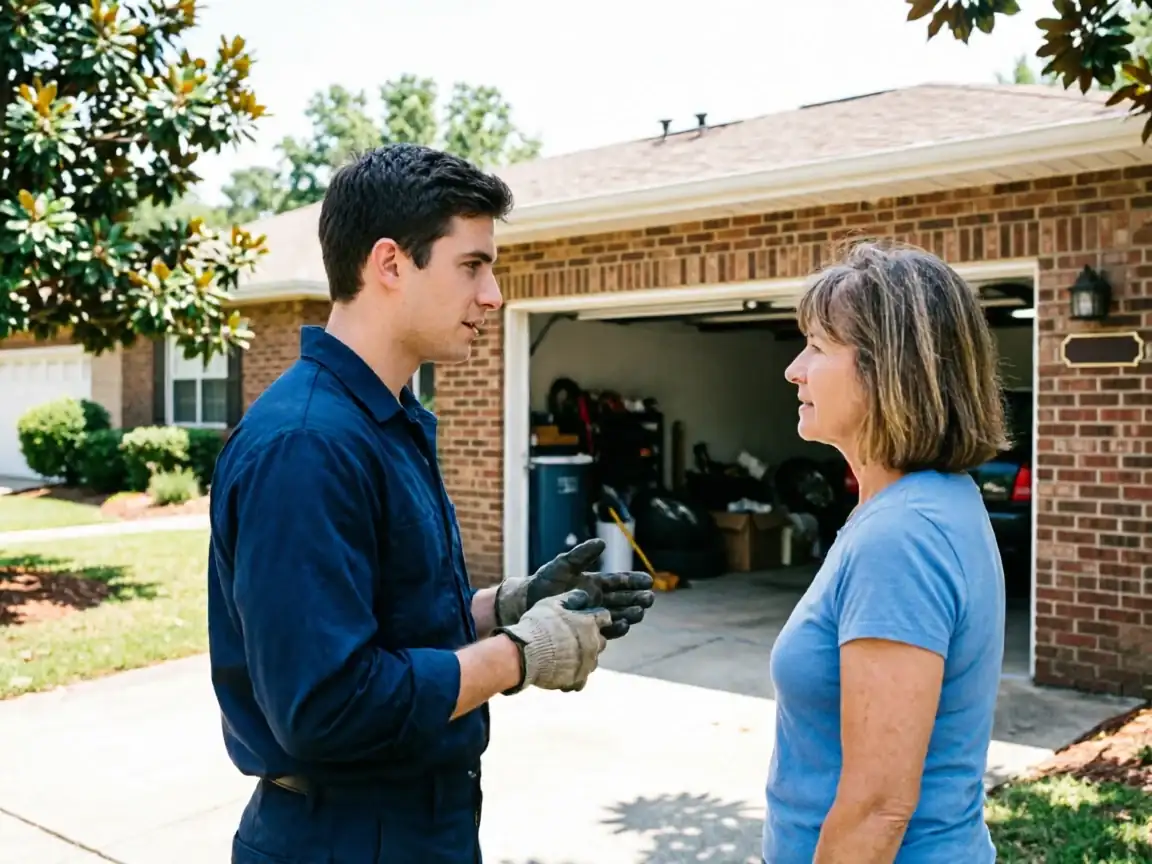
When you call, have your garage door's rough opening size and the age of the house handy if you know it. For Fairburn specifically, telling us whether your home was part of an early-2000s build phase helps us bring the right track hardware and spring rating on the first trip instead of a second one.
How Long It Takes
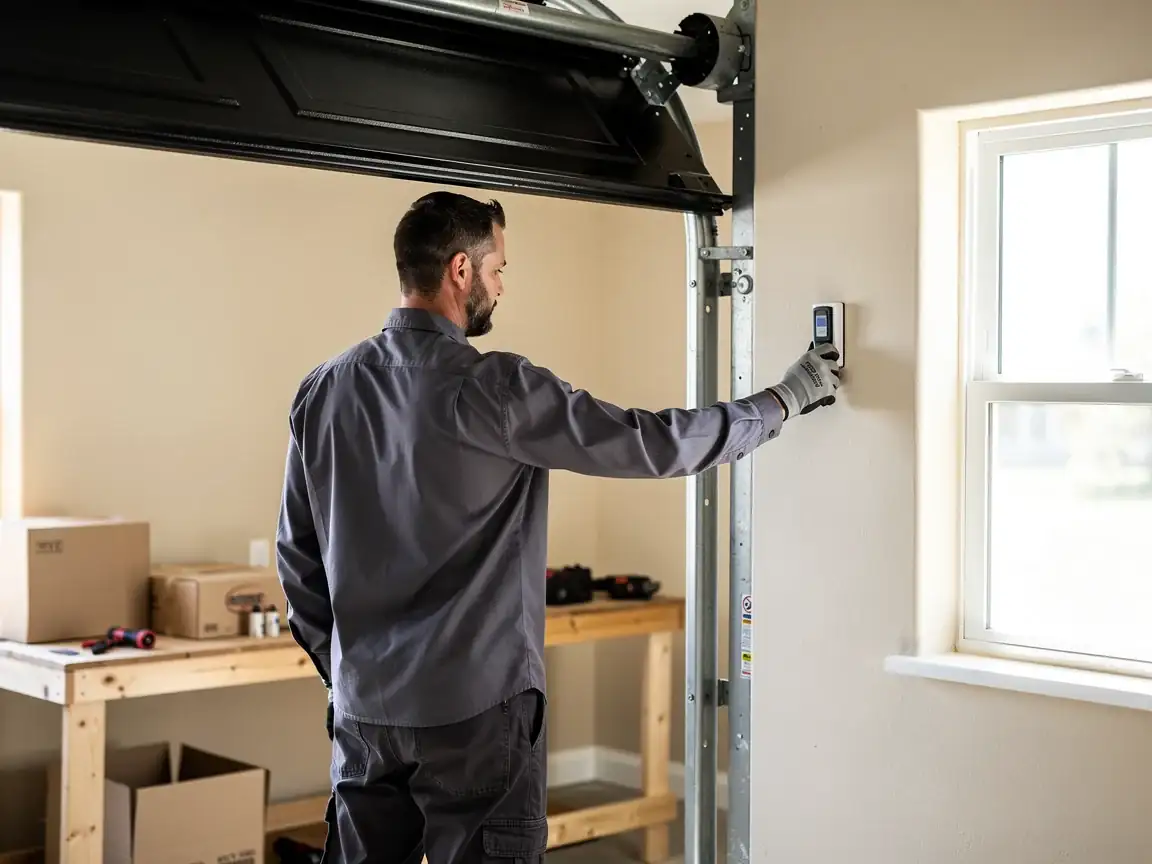
A standard single or double door swap on a 2000s-era opening is a one-visit job once the door and hardware are on the truck
The 15-mile run from Douglasville adds to the front and back end of the day more than it adds to the actual install time at the house.
Where it stretches out is parts
If your opening doesn't match standard dimensions, or you want a specific panel style that isn't something we stock, that part has to be ordered first, and that lead time is outside our control. We'll tell you up front if your job falls into that category rather than guess.
What the Repair Takes
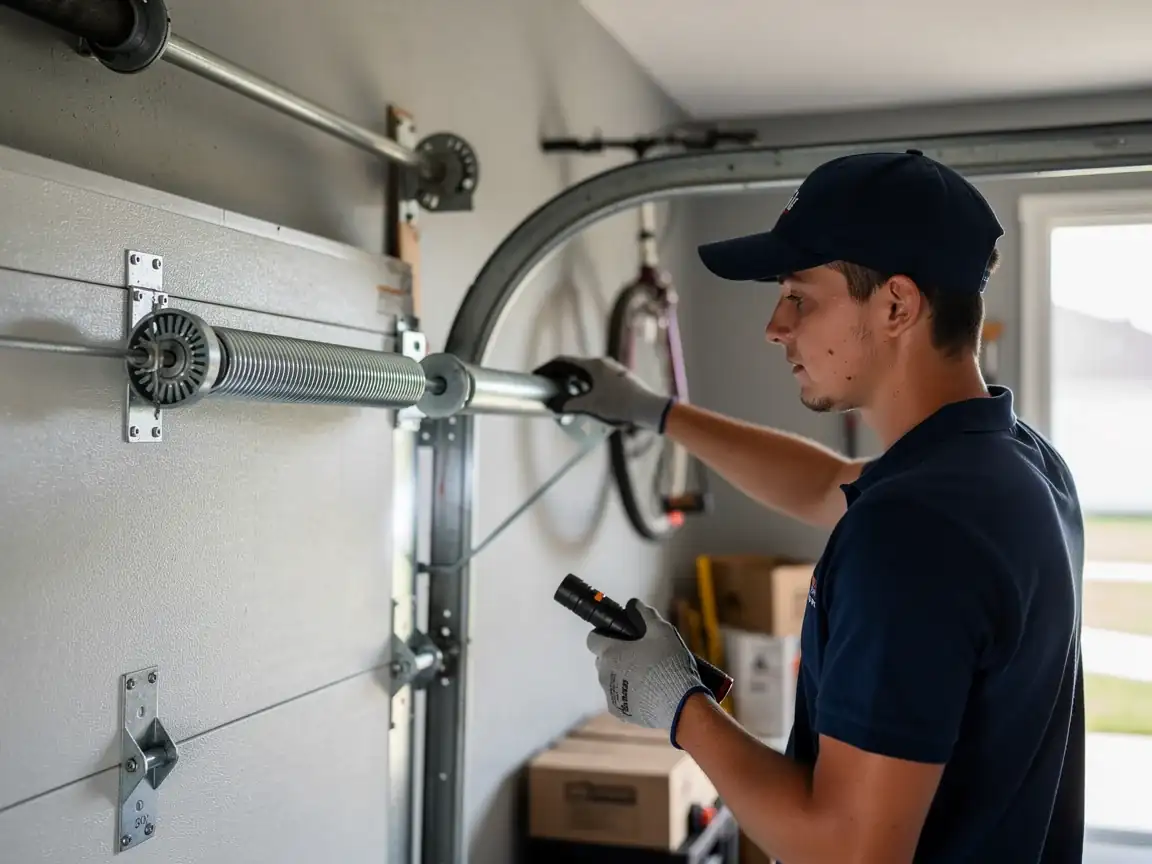
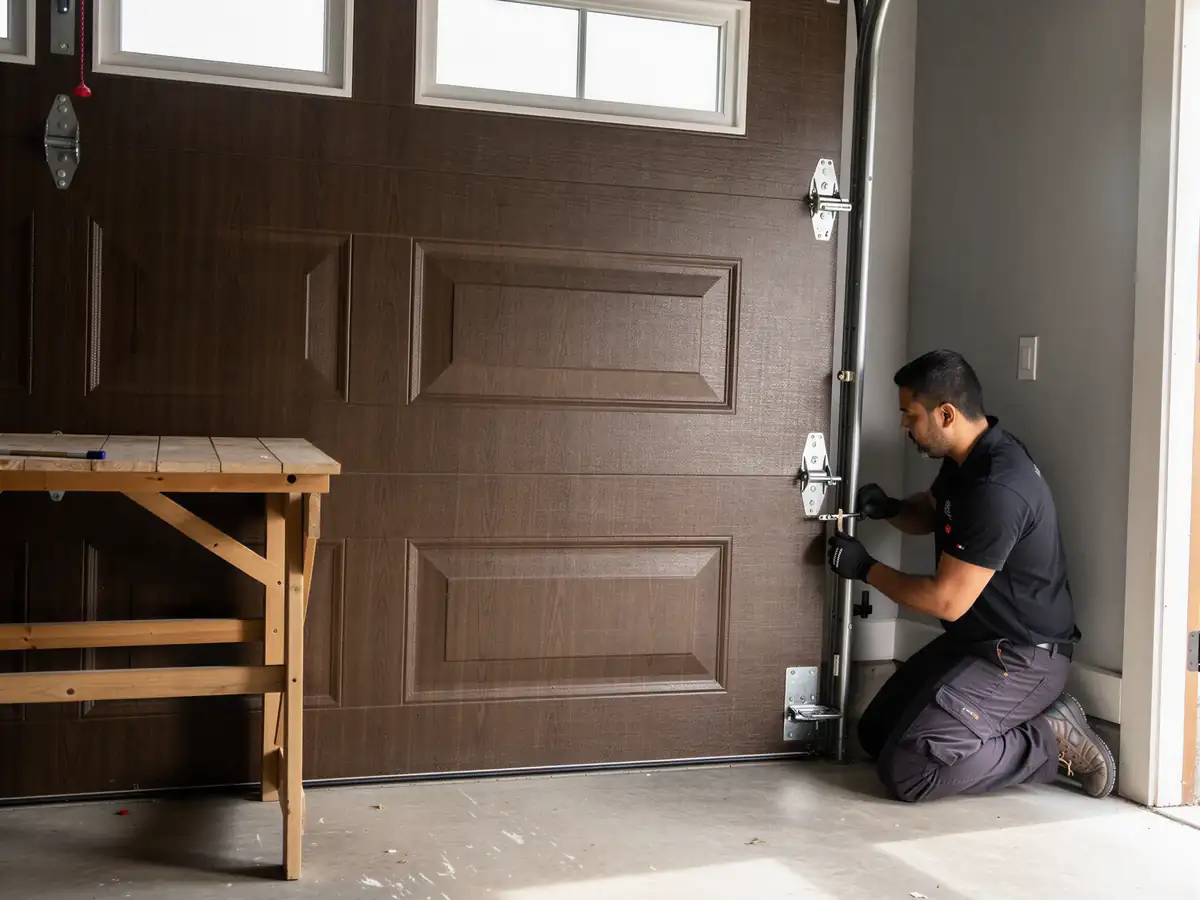
For a Fairburn house built in the early 2000s window, a full door replacement usually means pulling the old torsion spring system, swapping tracks if the new door's rail height differs even slightly from the old one, and setting a new opener bracket if the existing opener is being reused. Most of these homes have standard 7-foot door heights, which keeps parts selection simpler than it would be on an older or custom-built house.
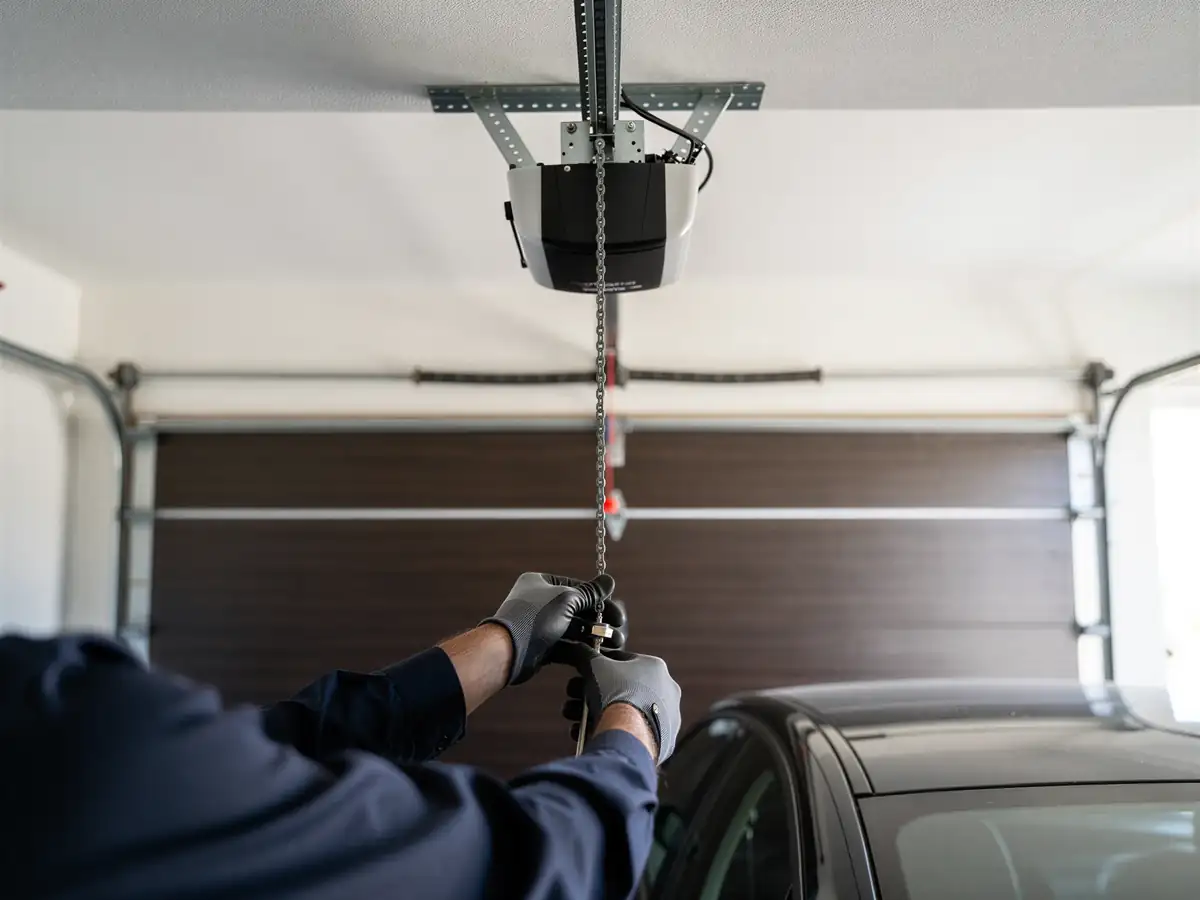
One honest limitation: if your opener is original to the house and already 15-plus years old, we'll flag it during the job. We don't push a new opener on every install, but we'll tell you if the one you have is close to done, because pairing a brand-new door with a tired opener motor just moves the next service call closer.
Stocked Parts
Because Fairburn's housing stock skews newer than much of the service area, the torsion springs, standard-width tracks, and steel panel sections we keep stocked on the truck cover the openings we run into here more often than not. That's a direct result of the 2004 median build year - less variation in rough opening sizes means fewer special orders.
What we don't carry on the truck is anything outside standard dimensions or a less common panel finish. If your door falls outside what's typical for a house built in that window, we'll note it during the quote so there's no surprise on install day.