Where This Job Goes Sideways
Fairburn sits about 15 miles from our shop in Douglasville
Which changes how a call here gets handled before anyone shows up. We're not dispatching from around the corner, so the first conversation on the phone matters more than it would for a closer job - we need the make of the opener, whether the spring is one or two, and what the door is doing (or not doing) before the truck leaves. That extra few minutes of questions up front is what keeps a 15-mile drive from turning into two trips.
- 15 miles
It also means we're not the crew pulling up in ten minutes for a door that won't budge
If you're stuck outside with the car trapped, that's worth knowing going in. What we can do is get the diagnosis right the first time and bring the part that actually fits, because most of Fairburn's housing stock is newer than what we see in older parts of the service area - homes here commonly date to around 2004, well past the median build year of 1994 across the wider territory. That means different hardware, different failure points, and a different parts list on the truck.
What You Are Seeing
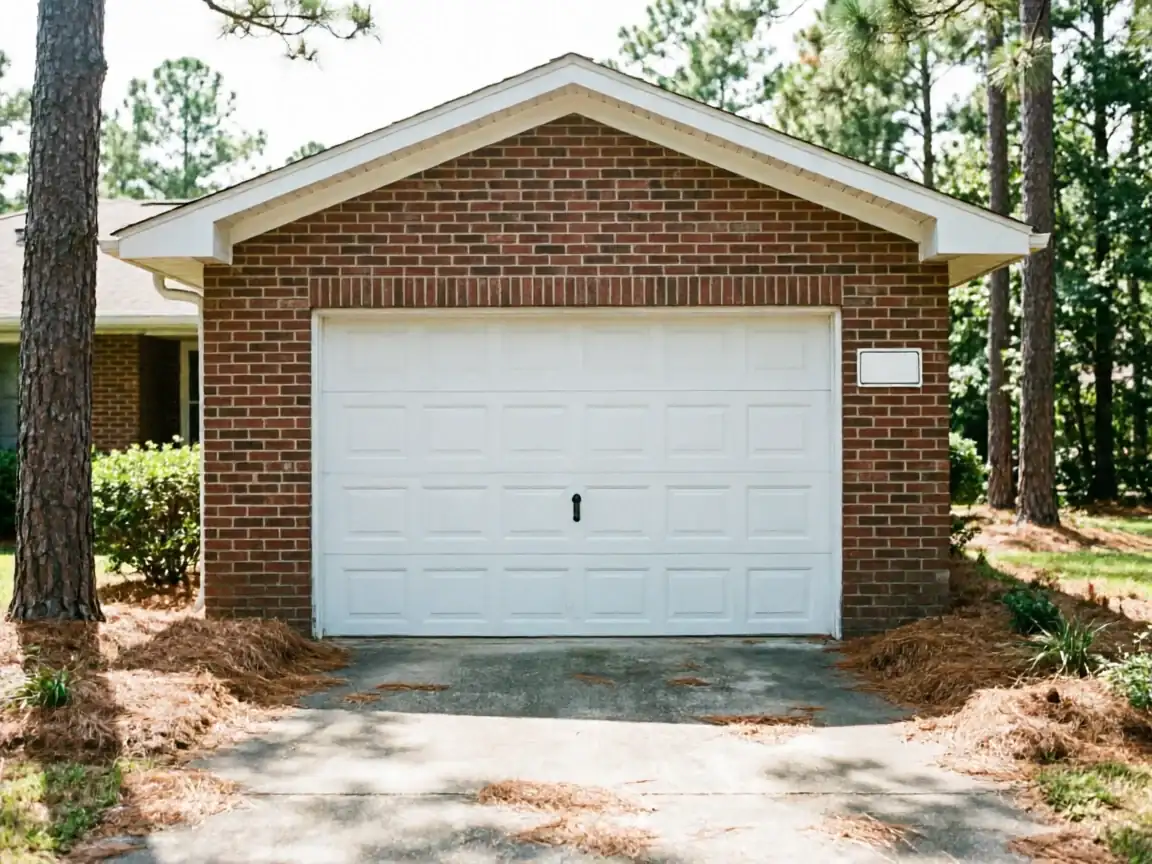
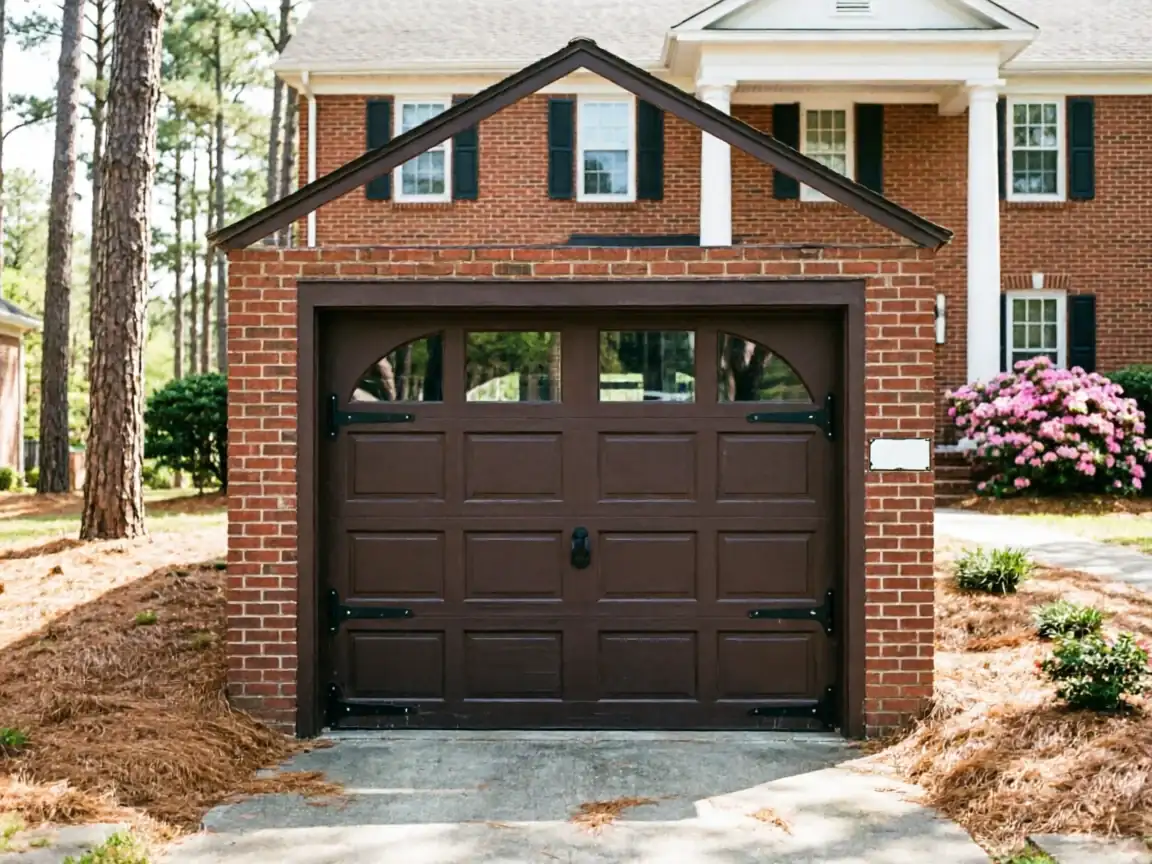
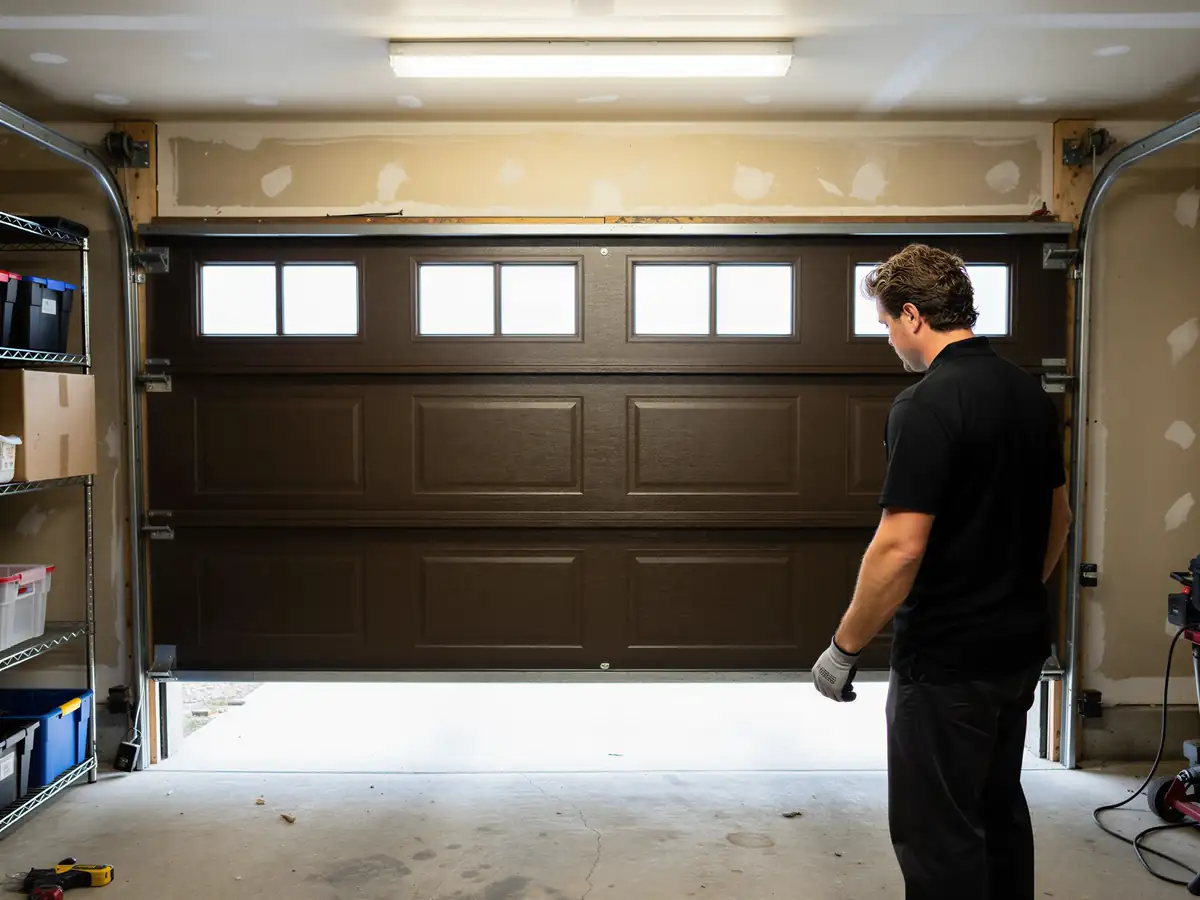
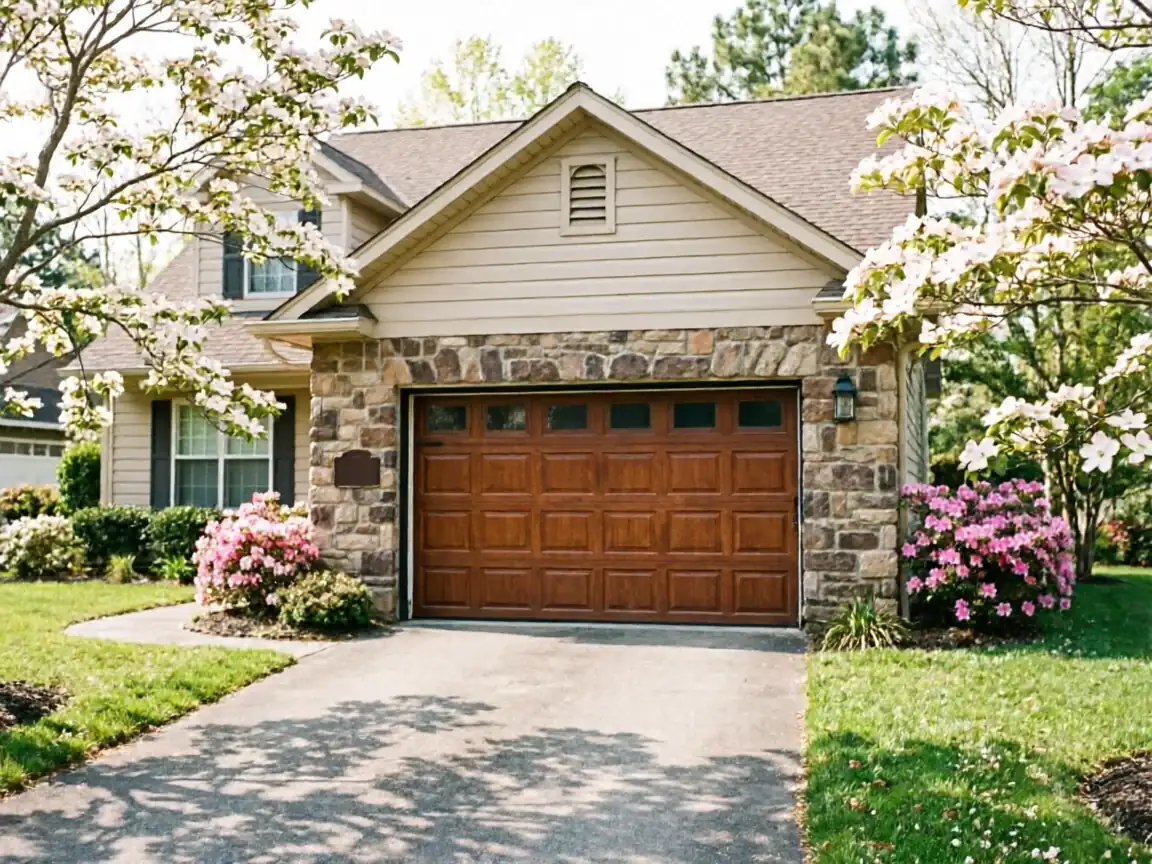
Doors built around 2004 are past the one-piece, hand-crank era - these are sectional steel doors on extension or torsion springs, almost always paired with a factory chain or belt-drive opener from the original build. The common complaints we hear from this stretch of homes: openers that grind but don't lift, a door that reverses halfway up, or rollers that have started chattering in the track after close to two decades of cycles.
Georgia's cold-moderate climate doesn't put extreme stress on a door the way a harsher winter zone would, but two decades of humidity swings and daily temperature changes still take a toll on weatherstripping, lubrication, and the nylon rollers that came standard on builder-grade doors from that era. If your door is loud going up or down and it wasn't a year ago, that's usually rollers or hinges losing their factory grease, not something structural.
How to Book
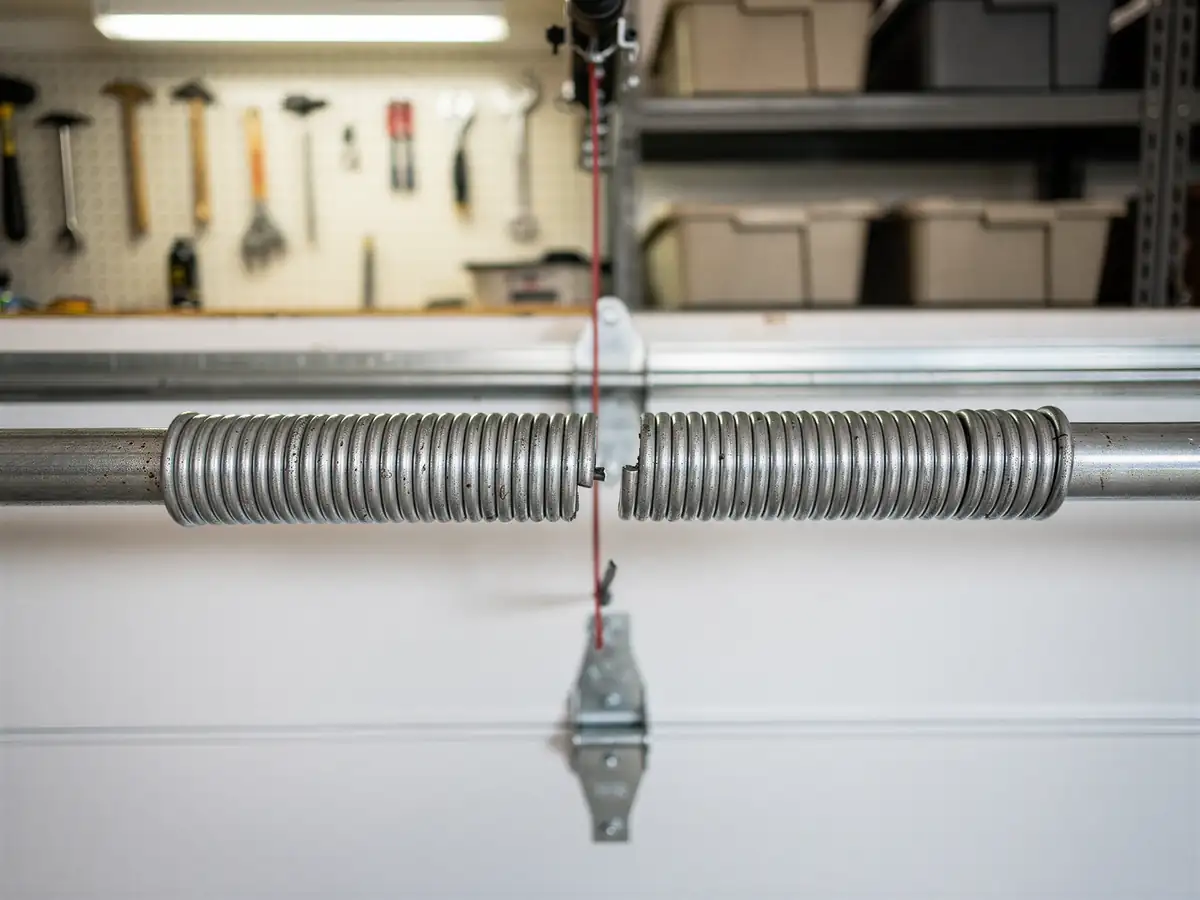
Call and describe what the door is doing - stuck, off track, noisy, opener not responding - and we'll ask a few questions to figure out what to bring. Because we're coming from Douglasville, getting the right spring size or opener part confirmed on the phone saves a second visit. If you know the brand on the opener or whether the springs are torsion (mounted above the door on a bar) or extension (stretched along the tracks), that detail shortens the call. You can also check our Fairburn service area page for what we cover out this way.
What the Repair Takes
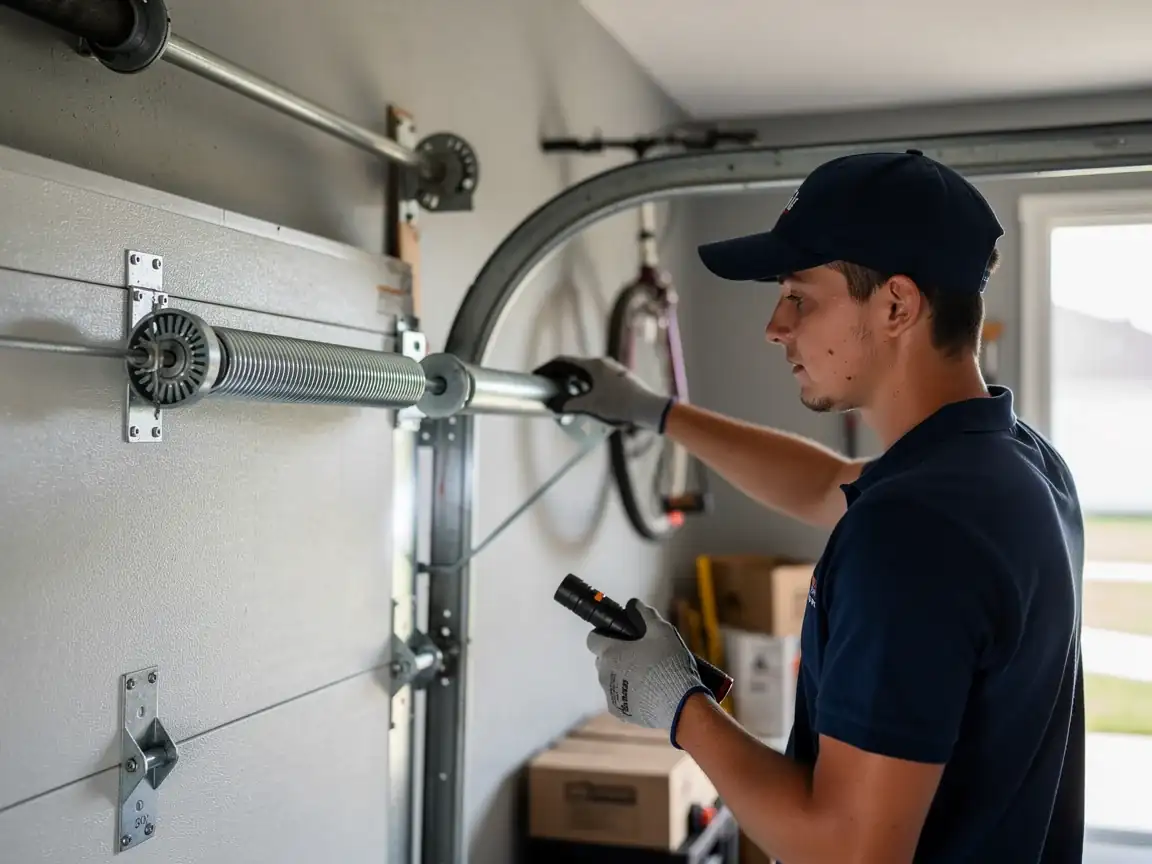
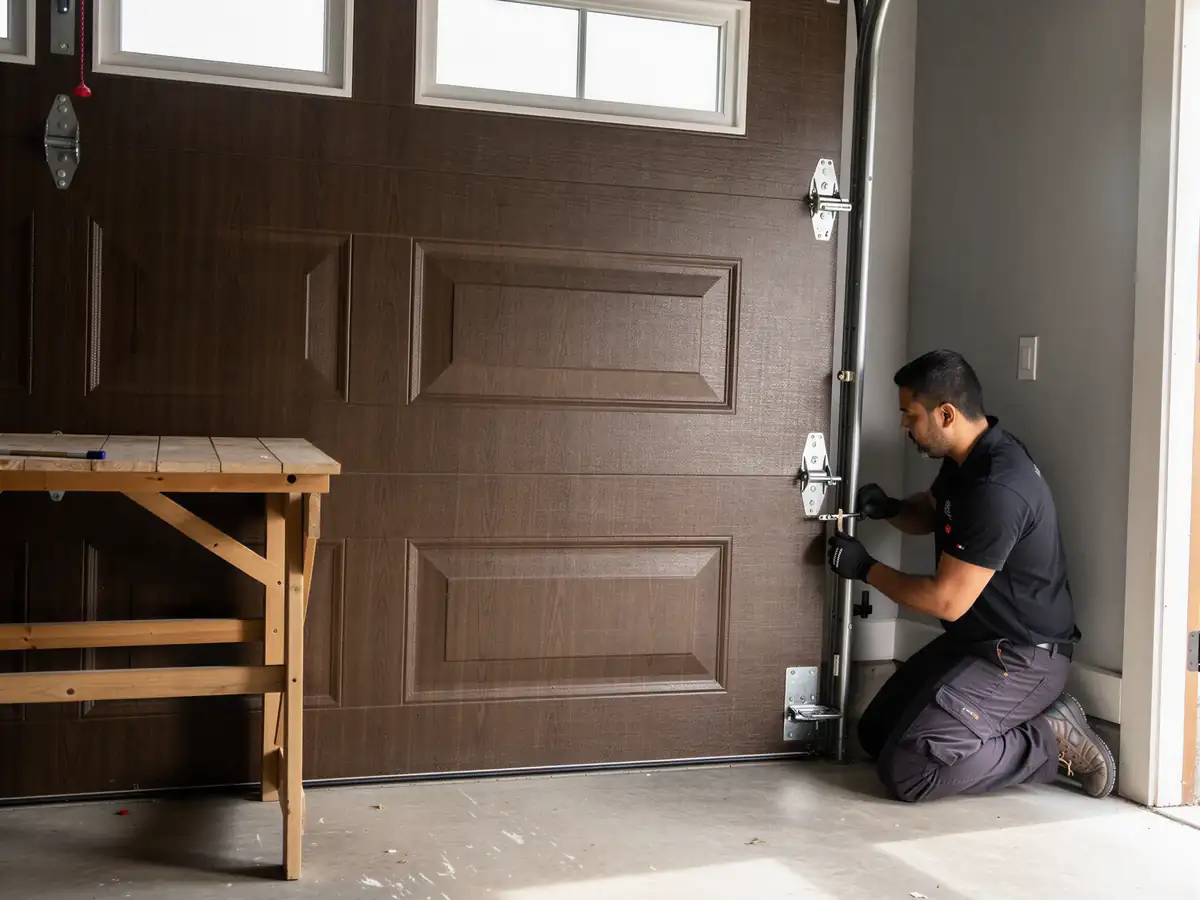
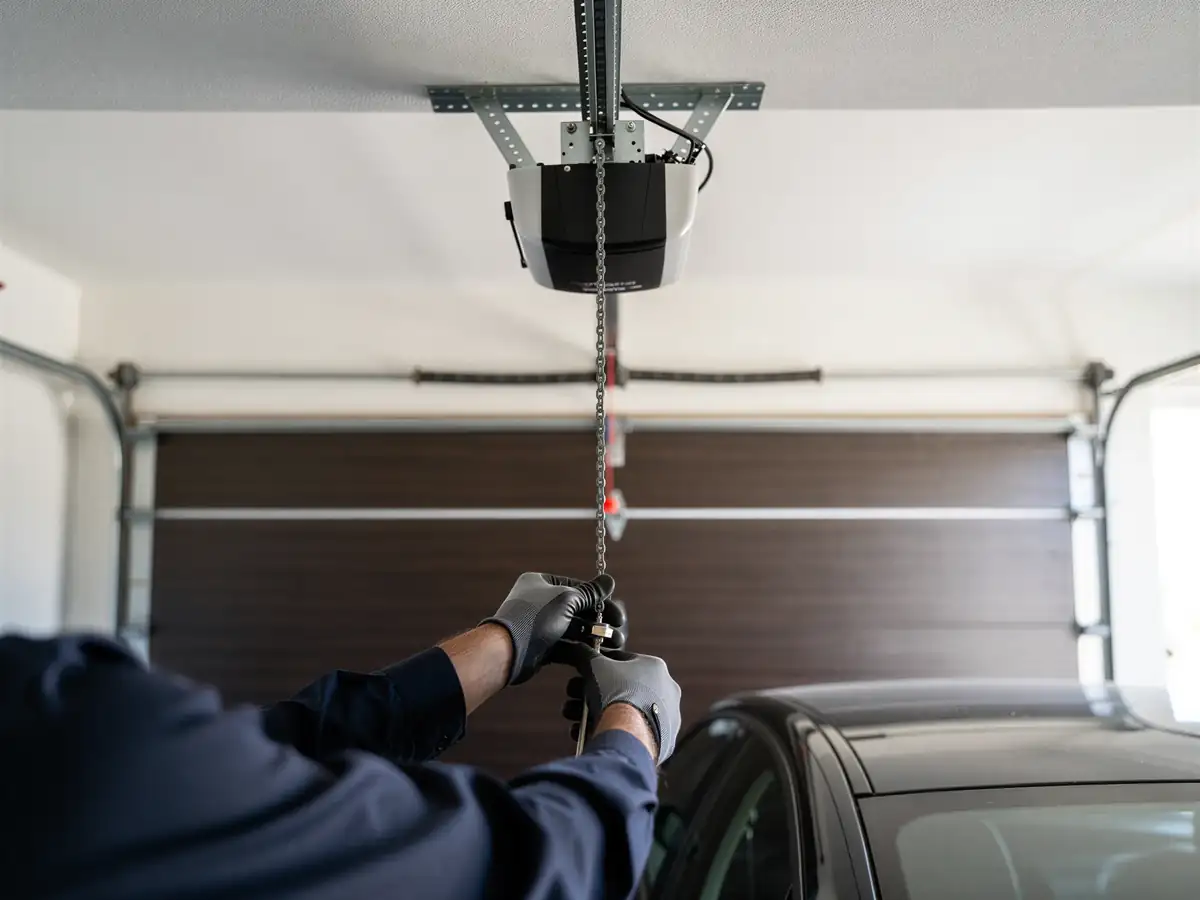
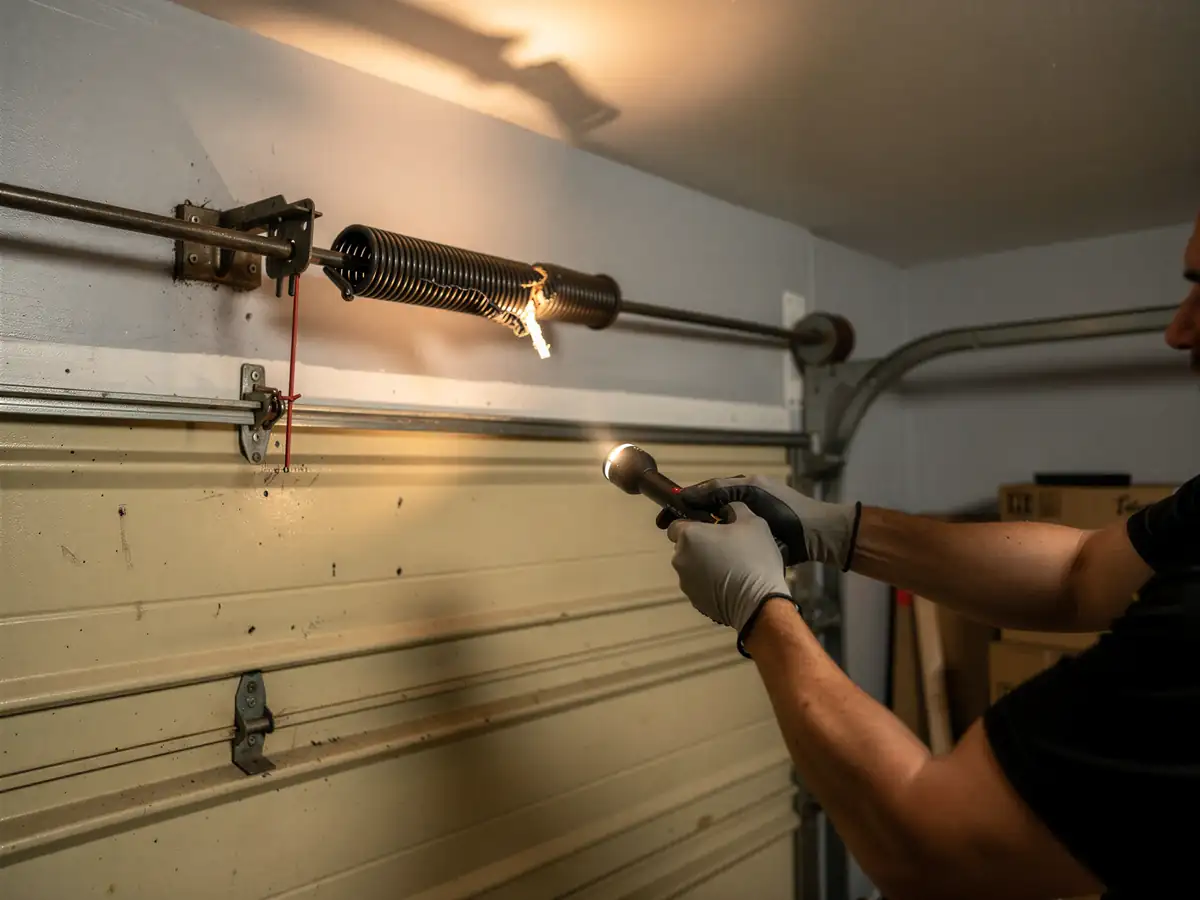
A straightforward torsion spring replacement means unwinding the old spring safely, measuring the door's weight and drum size, and setting a matched spring under correct tension - this isn't a job to do yourself, the spring is under enough force to cause real injury if it slips. An opener issue usually comes down to the logic board, the drive gear, or the safety sensors at the bottom of the track; we test each in order rather than replacing the whole unit on a guess.
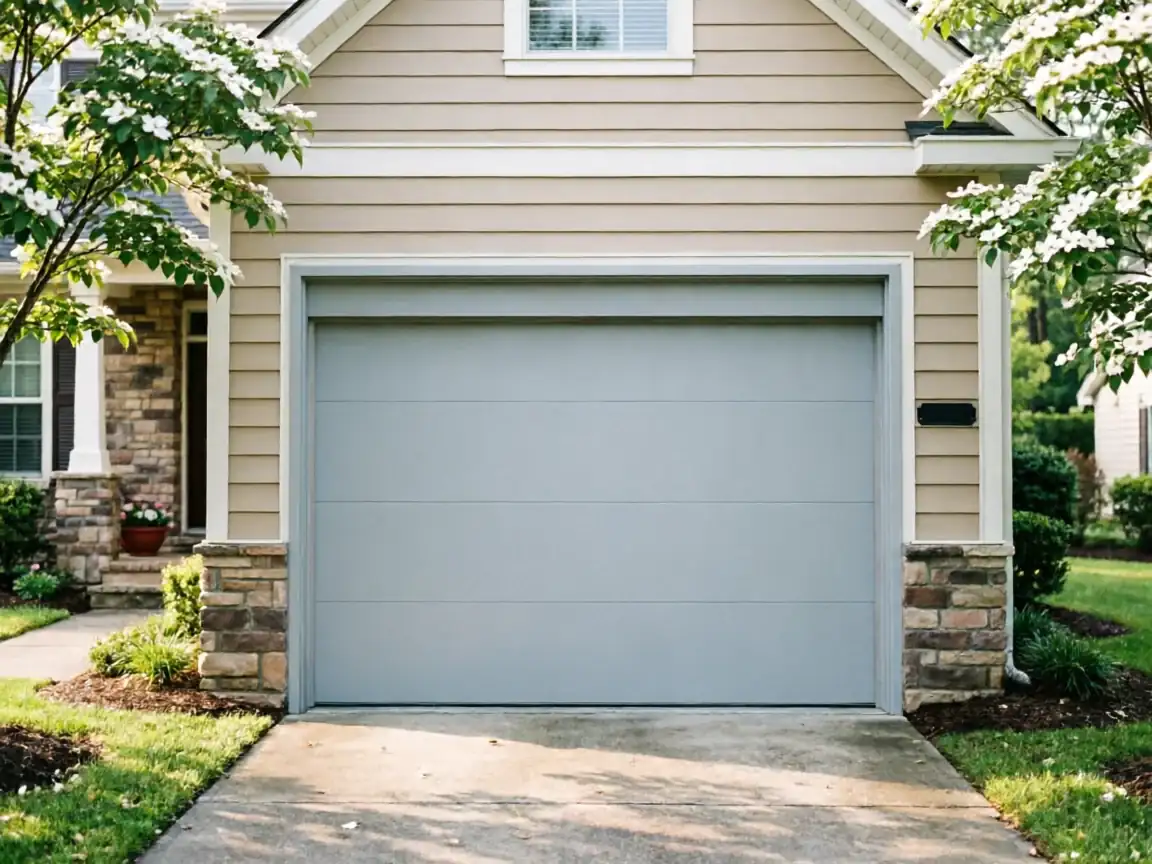
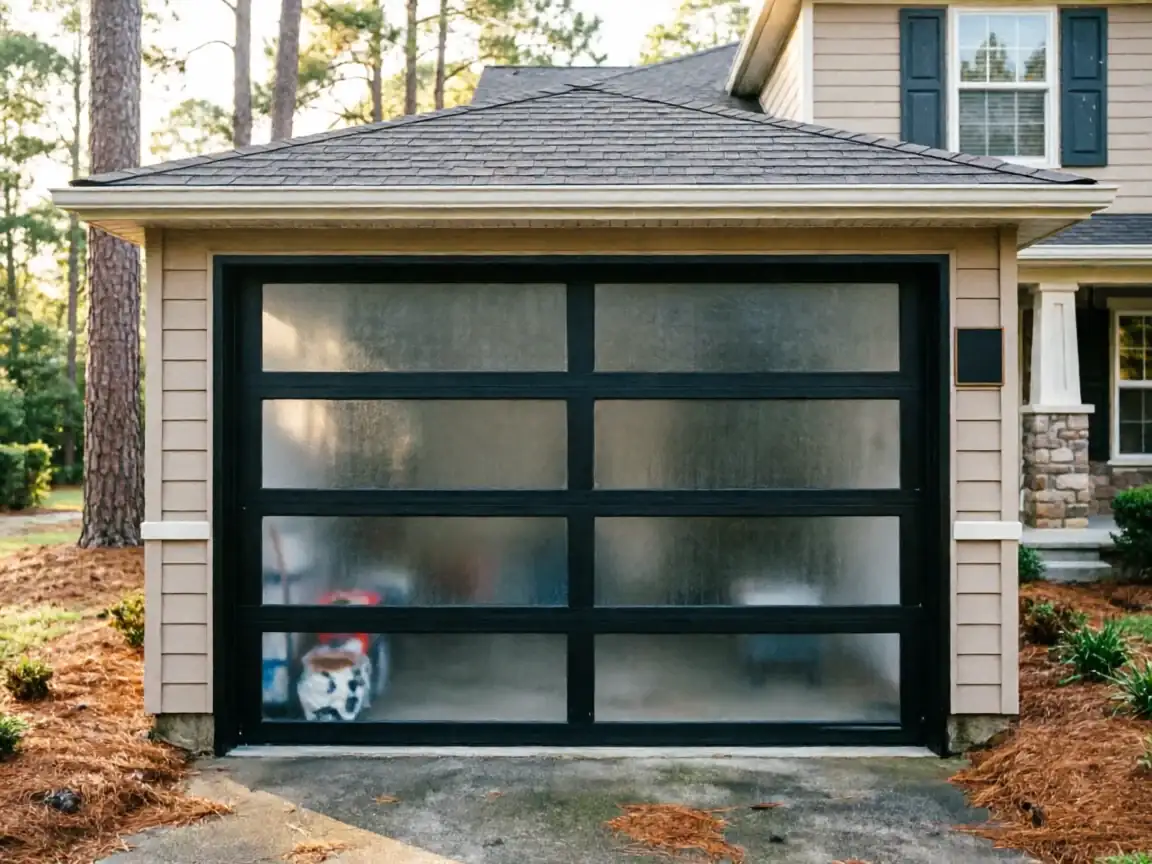
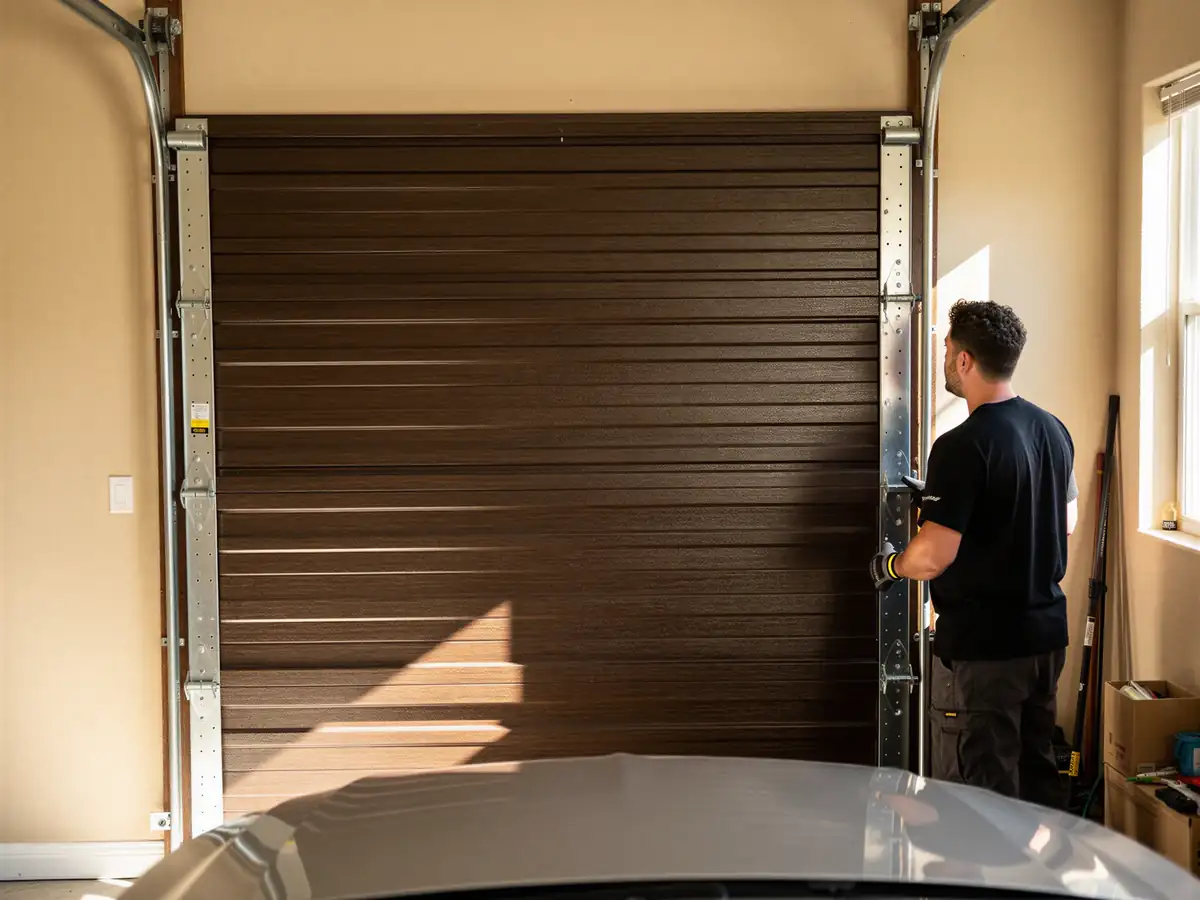
For the newer sectional doors common in Fairburn, the tracks and rollers are usually in decent shape structurally even after years of use - it's the moving parts that wear, not the panels. That's good news for cost: a roller and hinge service runs far less than a full door replacement, and on a 2004-era door, replacement is rarely the right call unless the panels themselves are dented or rusted through.
Stocked Parts
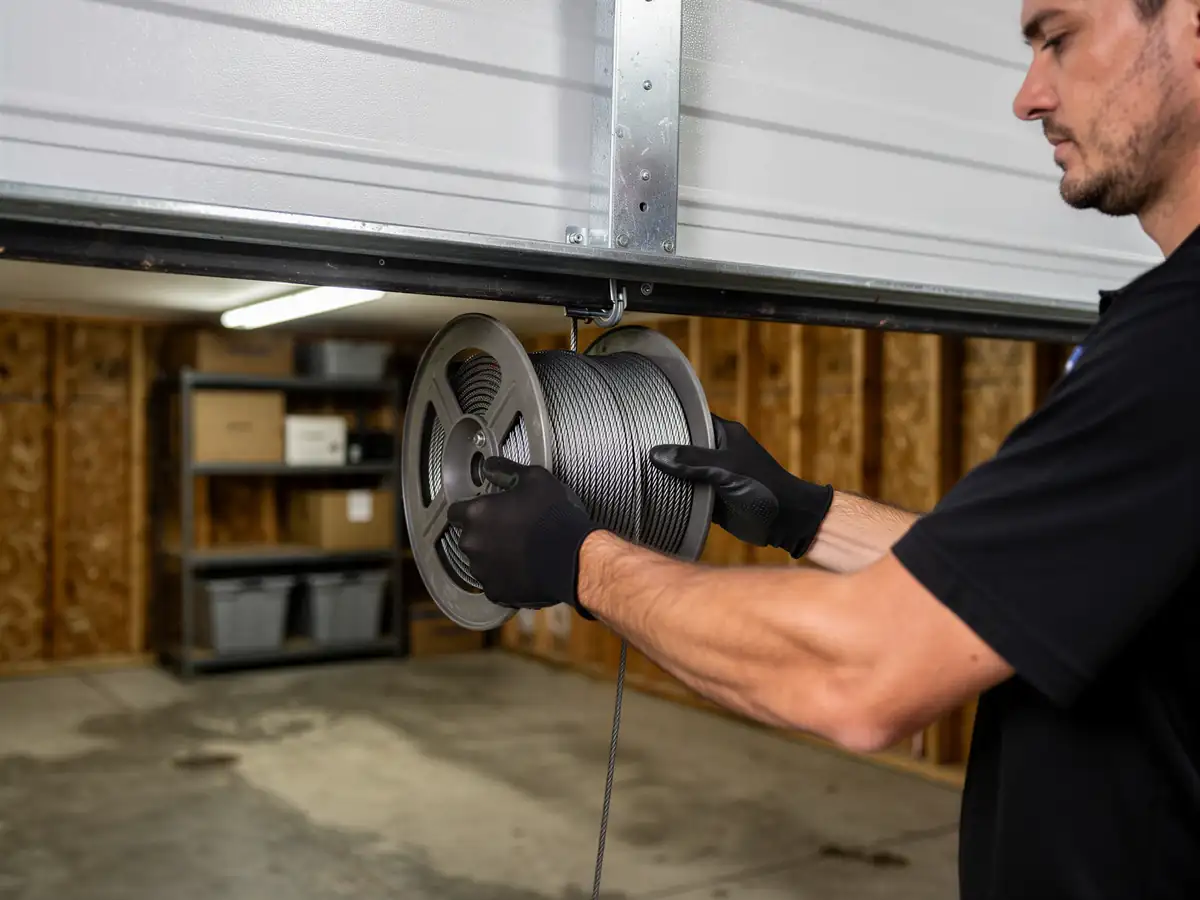
The truck carries standard torsion and extension springs sized for typical residential doors, nylon rollers, hinges, cables, and safety sensor pairs - the parts that fail most often on doors from the 1990s-2000s building era that makes up most of this service area. What we don't carry for every job is opener-specific circuit boards for less common brands; those sometimes need to be ordered, which can add a day or two. If your opener is acting up, mentioning the brand when you call helps us know up front whether it's a same-visit fix or a short wait on a part.