Where This Job Goes Sideways
Fairburn's median household income runs about $89,276
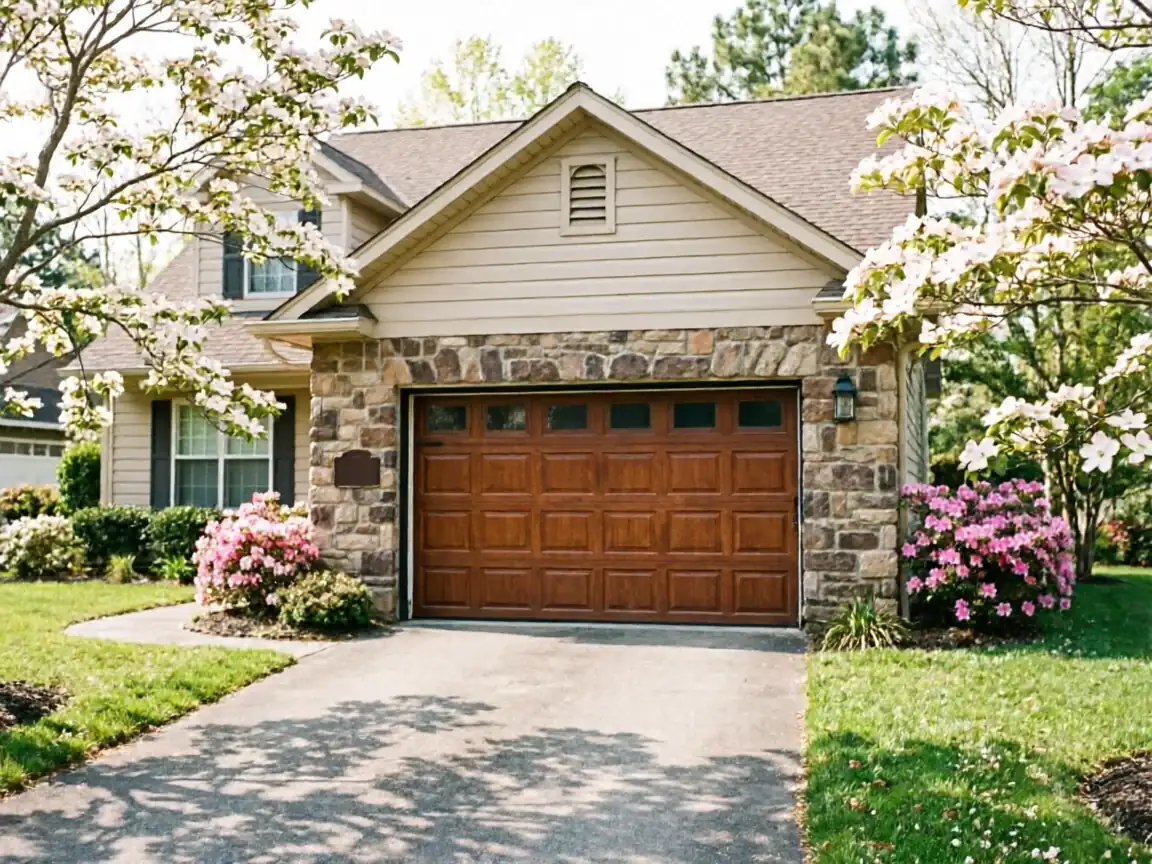
Well above the service area average of $73,889. That number matters here because it changes the math on repair versus replace. On a newer door - and Fairburn's housing stock skews newer, with a median build year around 2004 against the service area's 1966-2004 range - a cable job almost always stays a cable job. You're not fighting rust-seized drums or a track bent from decades of settling. The door is young enough that the drums, rollers, and hinges around the cable are usually still true, so there's no reason to upsell a full door when two new cables and an hour of labor solve it.
Where it goes sideways is when someone lets a frayed cable ride too long
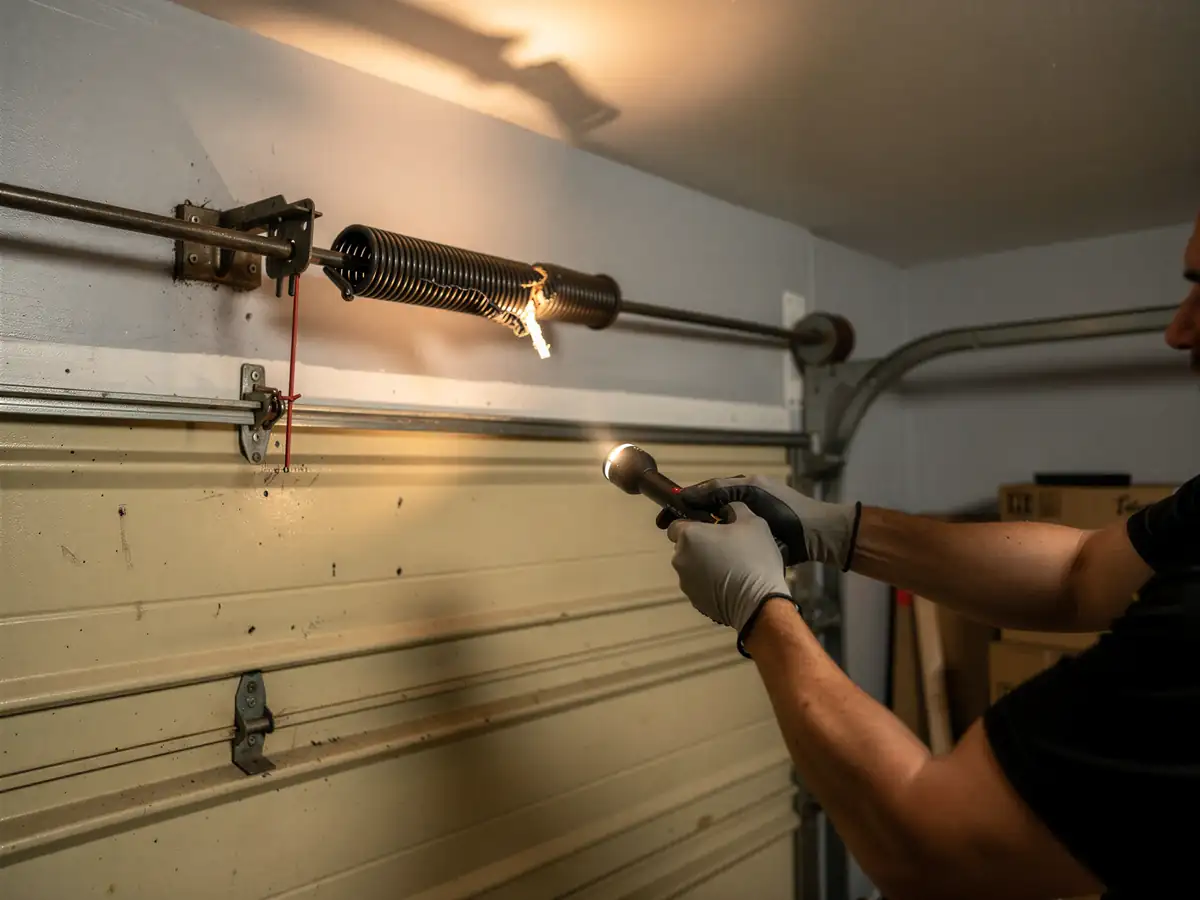
A cable doesn't usually snap clean - it frays, strand by strand, until one side gives out under spring tension and the door racks sideways in the track. On a newer door that's still a fixable afternoon. On an older one with corroded hardware underneath, the cable failure can be the symptom, not the problem, and that's a different conversation.
What You Are Seeing
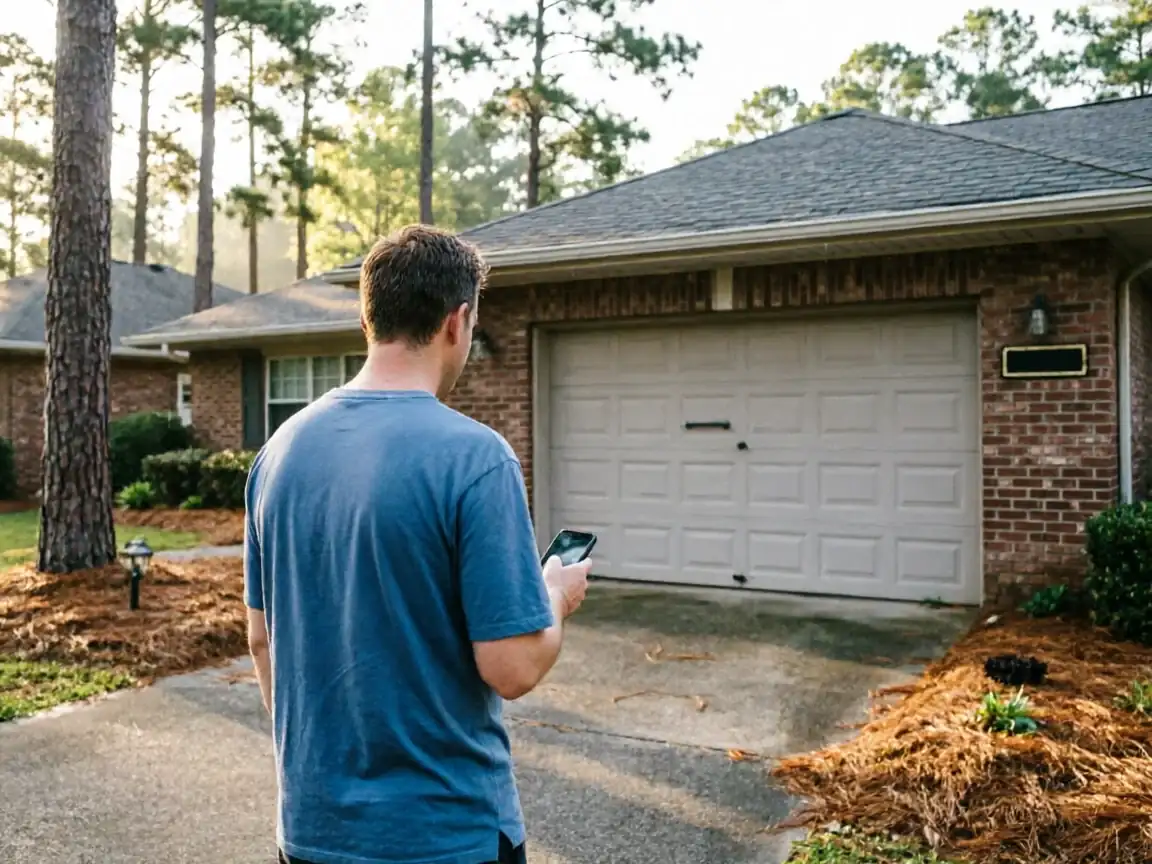
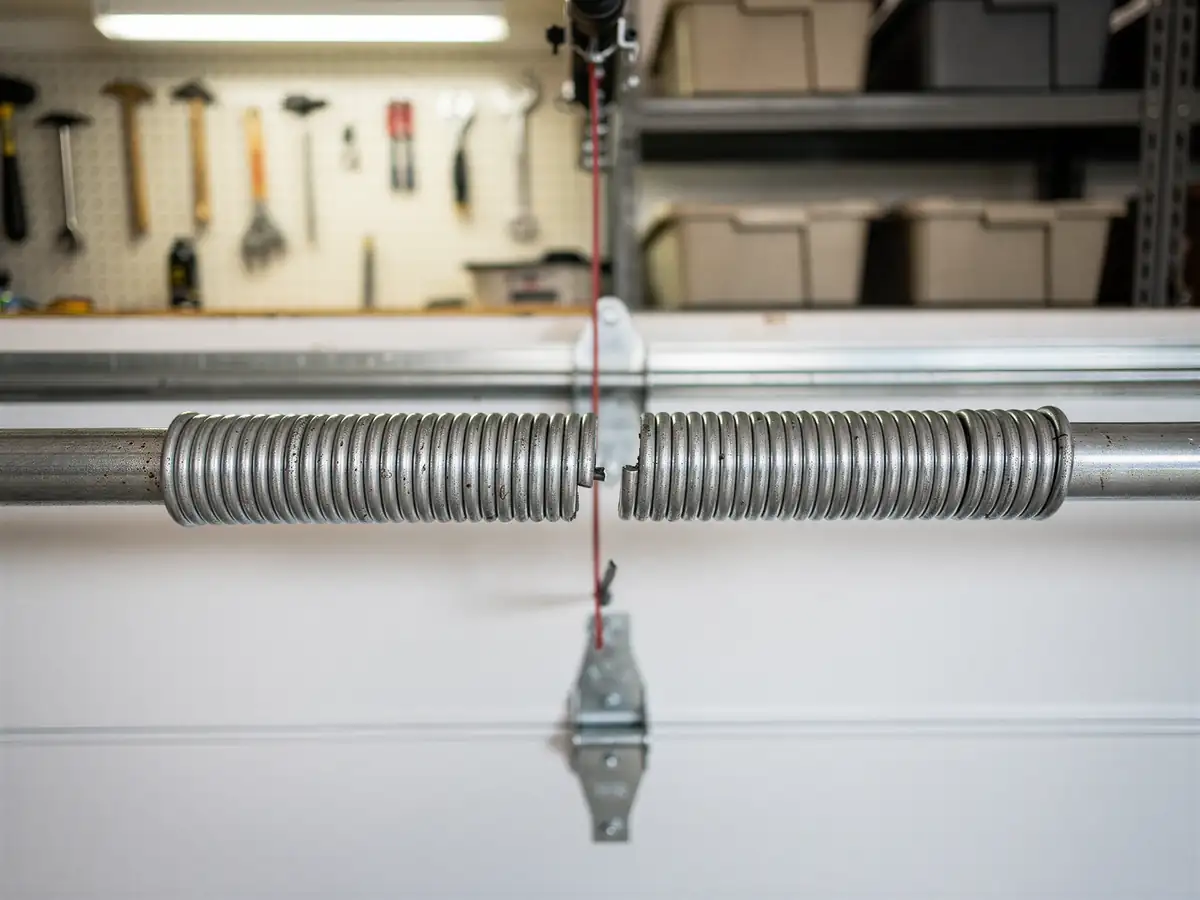
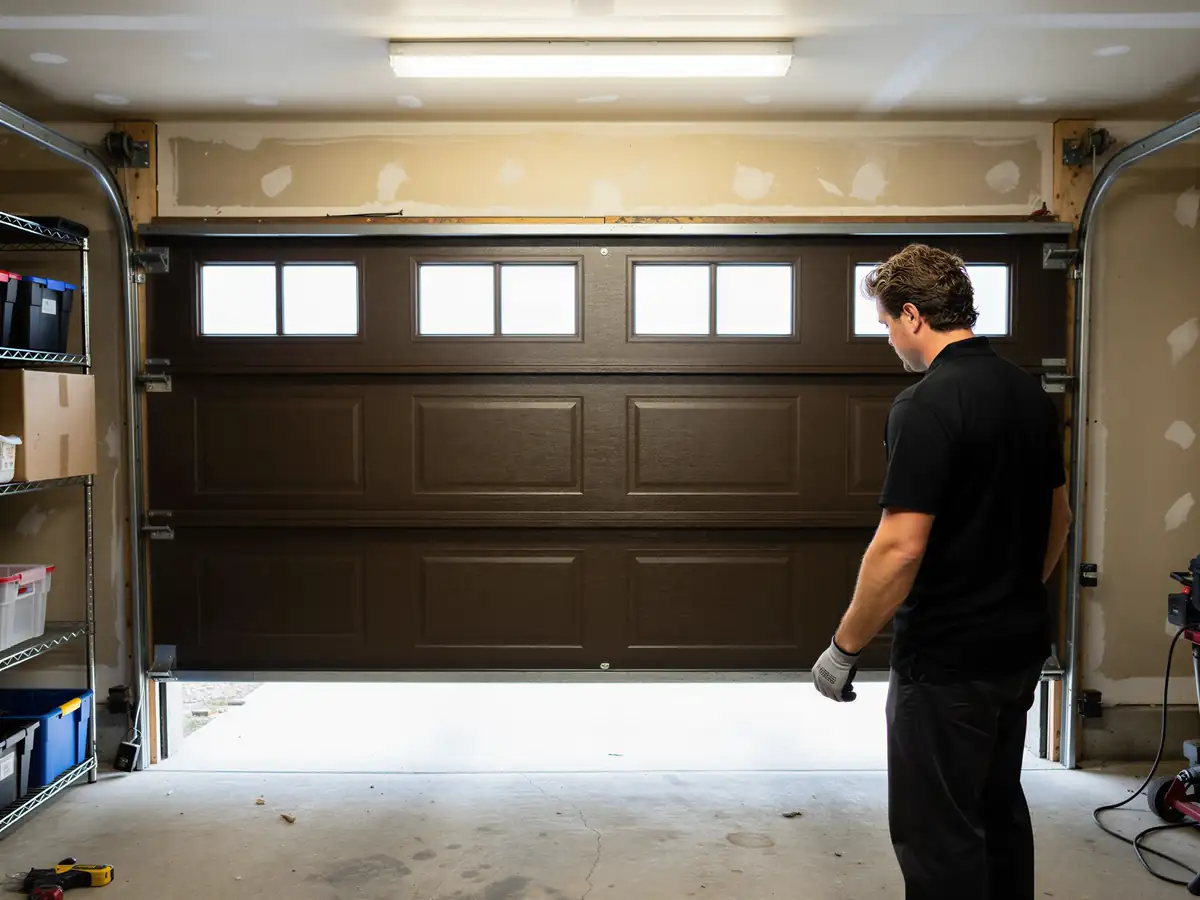
A door that drops crooked, catches on one side, or comes down hard and fast usually means one cable has let go while the other is still holding. You might see the loose cable wound off the drum, or hanging slack at the bottom bracket. Sometimes it's not a full break yet - just visible fraying where the cable rides the drum, or a door that sounds different coming down, a light scraping or ticking you haven't heard before.
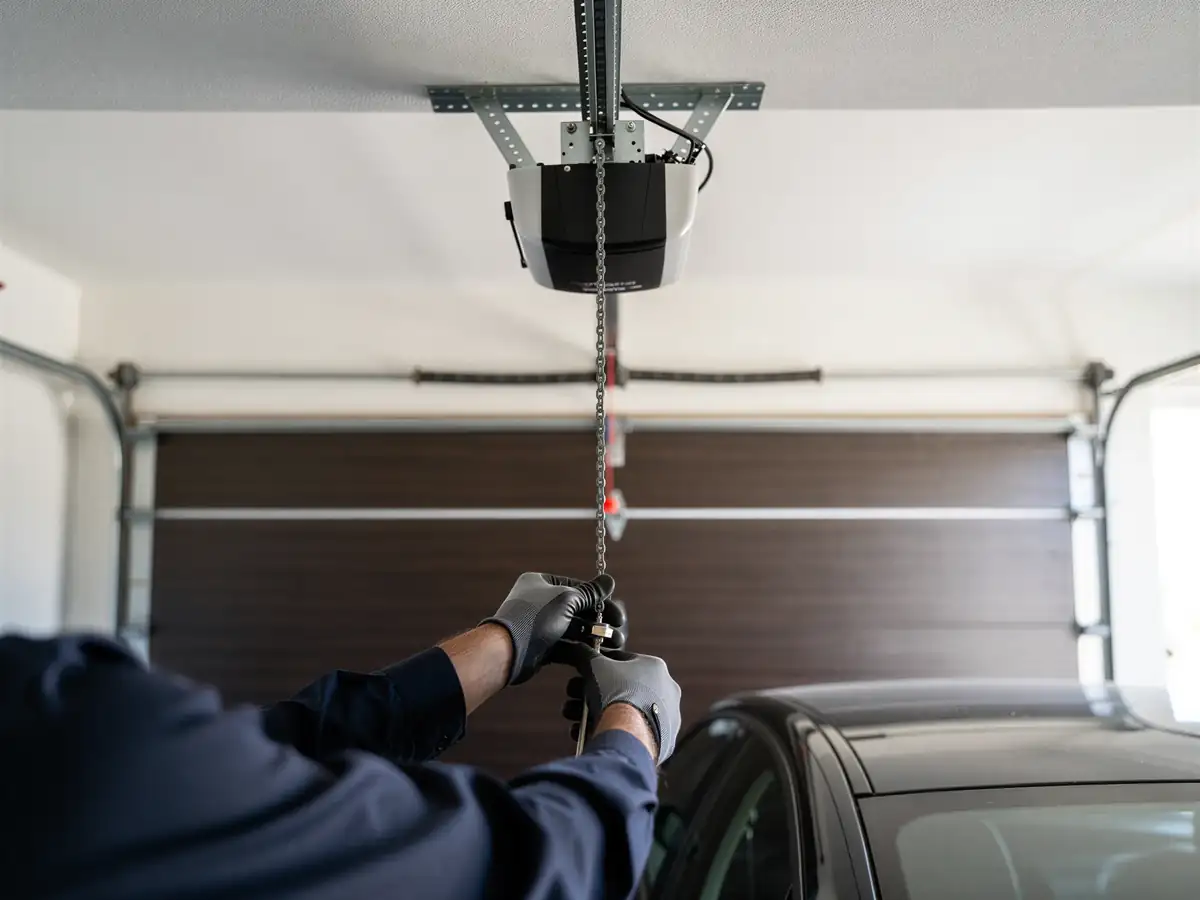
Fairburn's climate band is cold-moderate, which isn't brutal on galvanized cable the way deep freeze-thaw cycles are, but moisture and temperature swings still work on any exposed wire over years. On a 2004-era door, that's two decades of cycling, which lines up with when a lot of original cables start to go. If your opener is straining, reversing, or the door won't budge at all, don't keep hitting the button - that's usually a cable or spring under load, and running the opener against it can bend the track or strip the gears.
How to Book
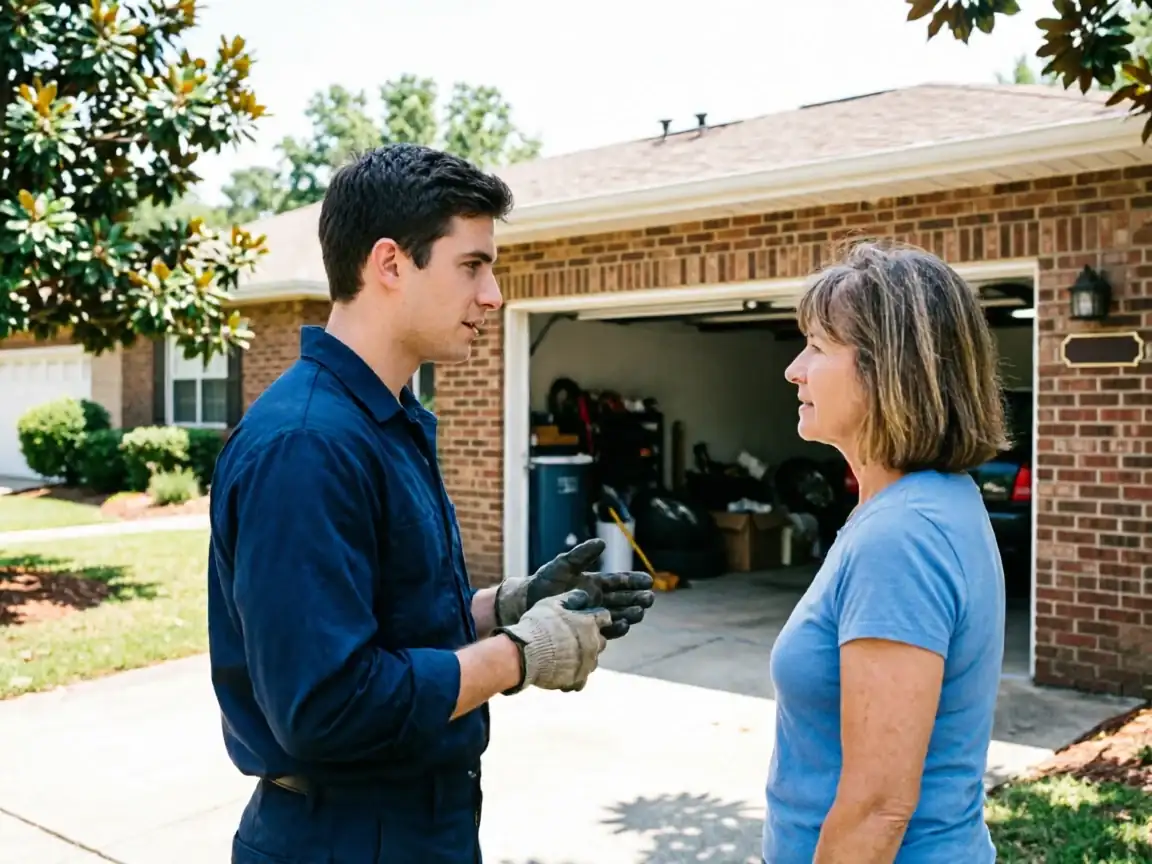
We cover Fairburn from Douglasville, about 15 miles out, along with the other communities in that same stretch - Lithia Springs, Austell, Powder Springs, and the rest of the named service area. Call and describe what the door is doing: crooked drop, loose cable, grinding noise, won't move. That tells us what to load on the truck before we leave, which matters more for cable jobs than most, since cable gauge and length vary by door weight and track type.
We don't keep a branch or staging location in Fairburn itself - every job here is a drive from Douglasville, so give us a clear description up front rather than waiting until we're on site to figure out what's wrong. For the broader list of what we handle beyond cables, the Douglasville cable repair page covers the full service, and the Fairburn service area page has the rest of what we cover out this way.
How Long It Takes
A standard two-cable replacement on a residential door is a same-visit job once we're on site
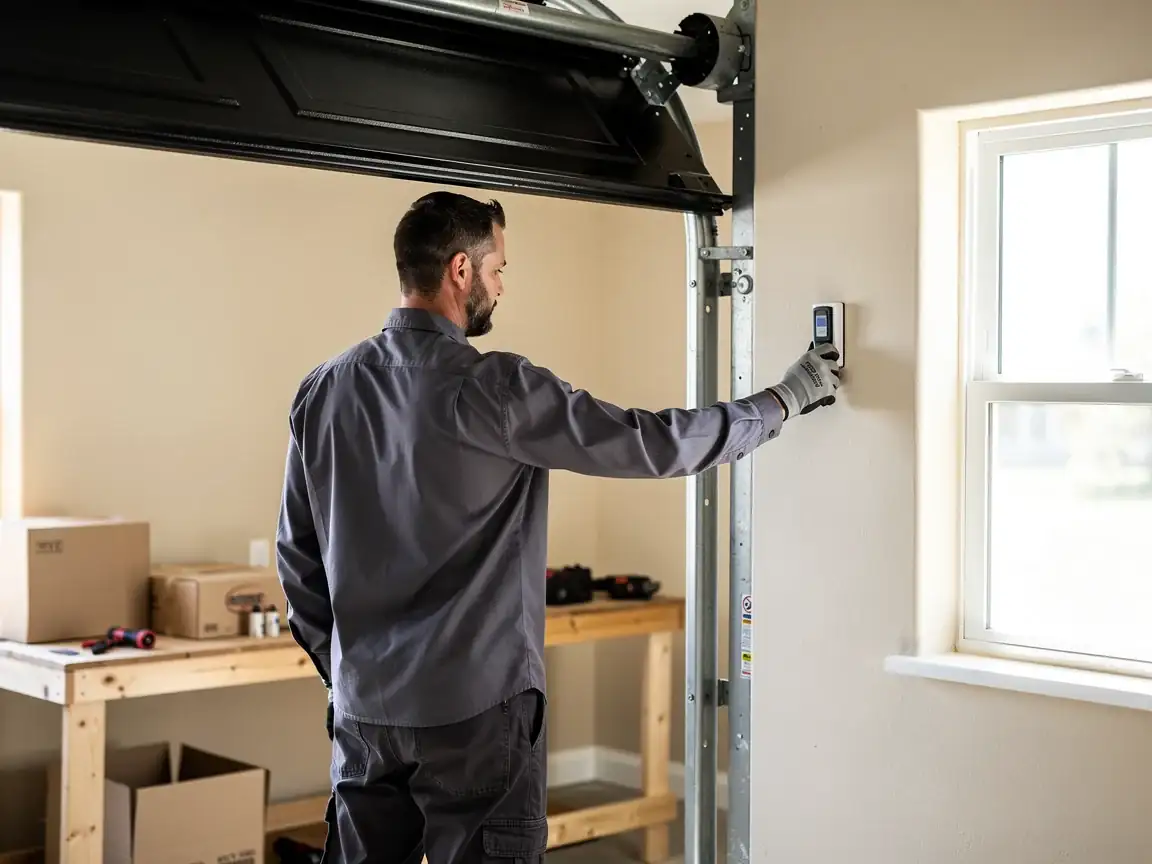
It doesn't involve ordering parts for the vast majority of doors built in the 2004 era, since cable sizing for that period is standard. The time sink isn't the cable itself; it's making sure the drums are seated right and the spring tension is reset so both sides lift evenly. Rush that step and the door comes back crooked within weeks.
What we can't promise is a same-day slot purely because of distance
Fairburn is the far edge of a run that starts in Douglasville, so timing depends on where else we're routed that day. We're straightforward about that rather than promising a window we can't hit from 15 miles out.
- 15 miles
What the Repair Takes
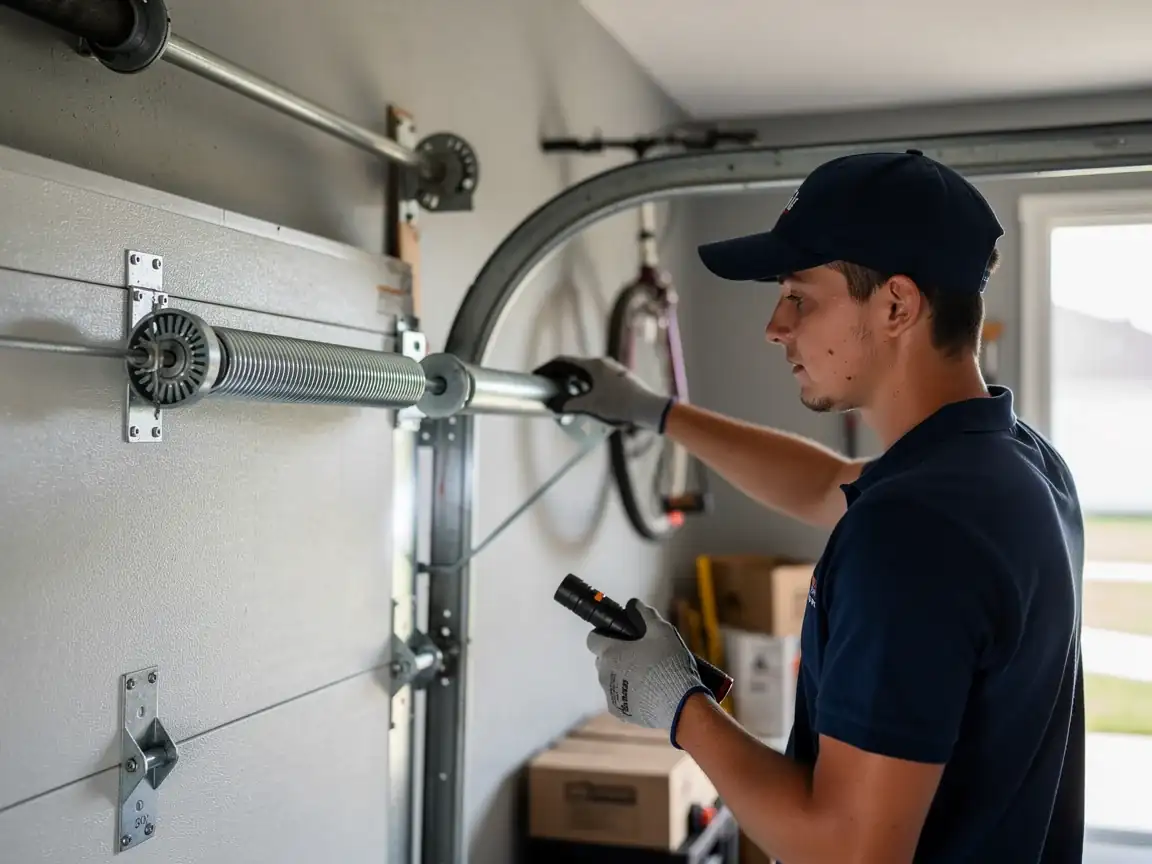
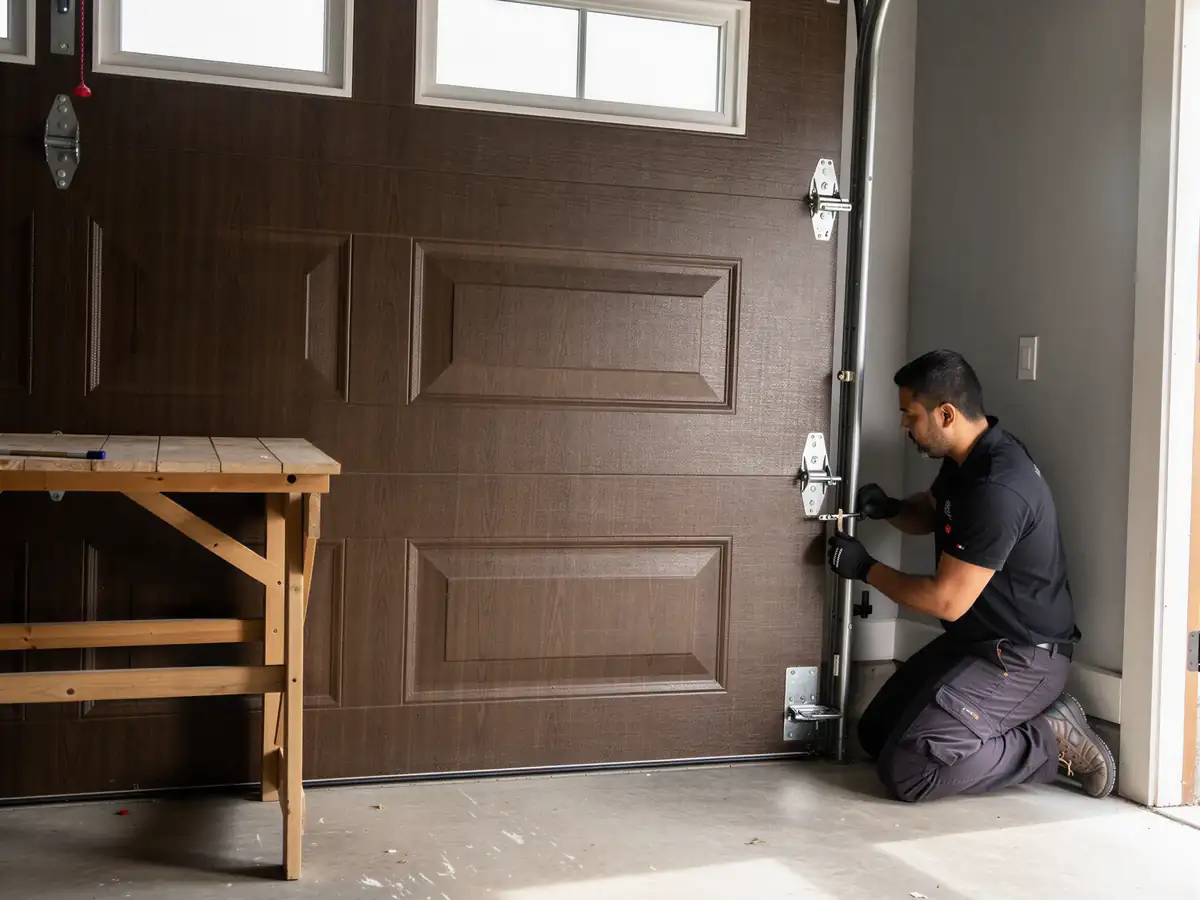
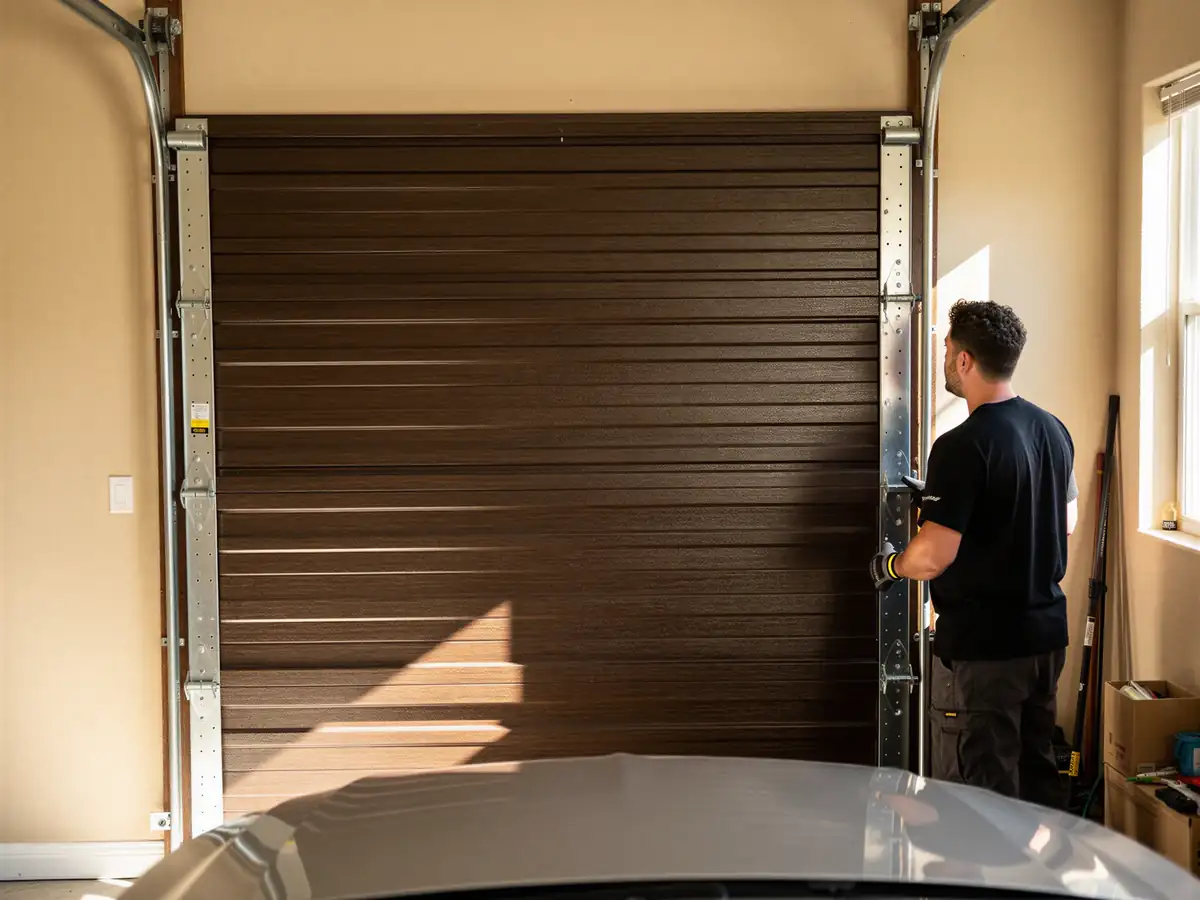
Replacing a snapped or frayed cable means releasing spring tension safely first - this is not a job to do with the door under load. From there it's pulling the old cable off the drum, seating the new one at the correct wrap, and reconnecting at the bottom bracket, then resetting tension evenly on both sides so the door tracks straight. On a door from the 2004 era, that's usually a clean swap since the hardware underneath hasn't had decades to corrode or warp.
We always replace both cables together, even if only one failed. The other side has seen the same years of cycling and is close behind. One honest limitation: if the drums or bottom brackets are already bent from running on a frayed cable too long, that's added labor beyond the cable itself, and we'll tell you that cost before starting, not after.
Stocked Parts
We carry standard-gauge extension and torsion cables sized for residential doors in the lengths common to homes built from the 1990s through the 2000s, which covers most of what we see in Fairburn given the roughly 2004 median build year here. Matching drums and standard bottom brackets ride on the truck too, since a cable job sometimes reveals a bent bracket underneath.
What we don't carry on every truck is cable for unusually tall doors, custom carriage-style doors, or commercial-grade tracks - those get special-ordered after we see the door in person. For a typical single or double garage door from this build era, though, the cable and the fittings it needs are already on the truck when we arrive.