Stocked Parts
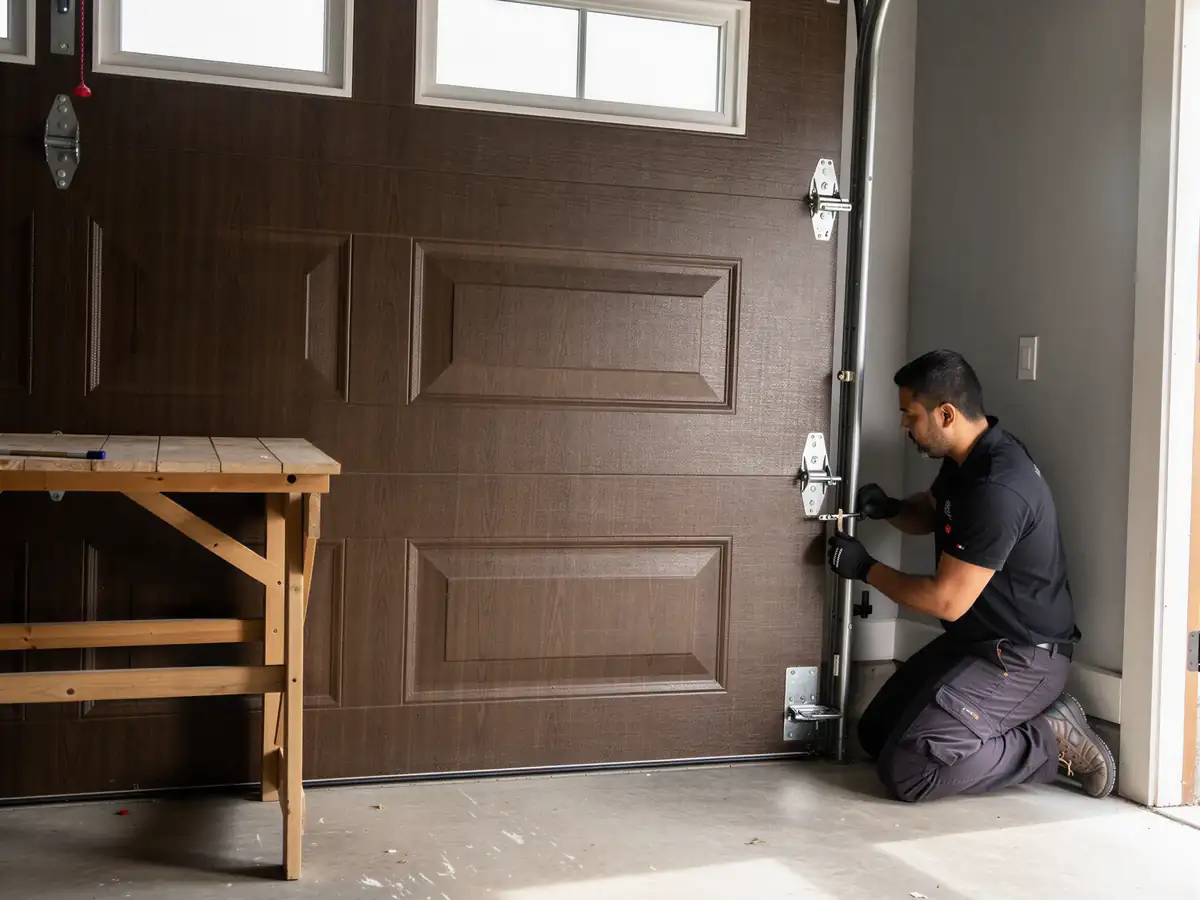
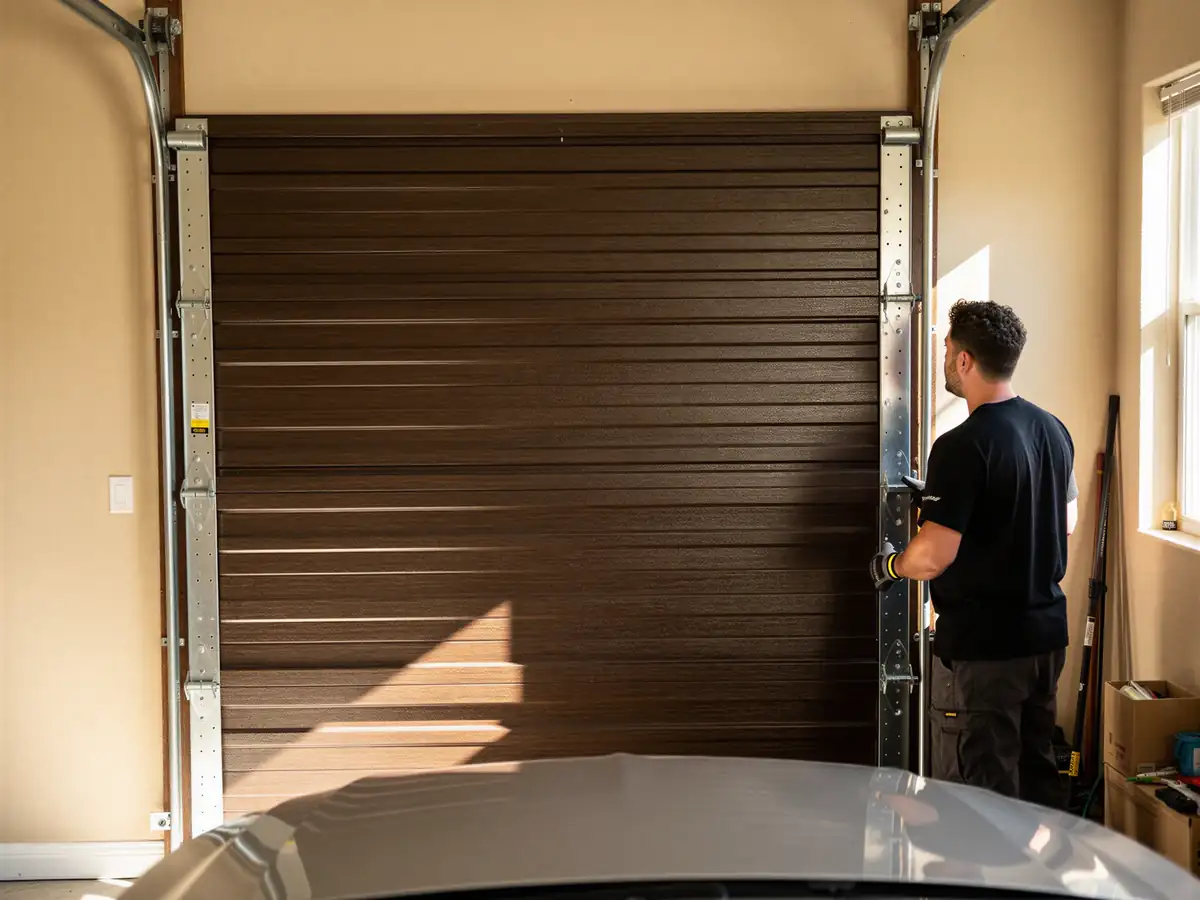
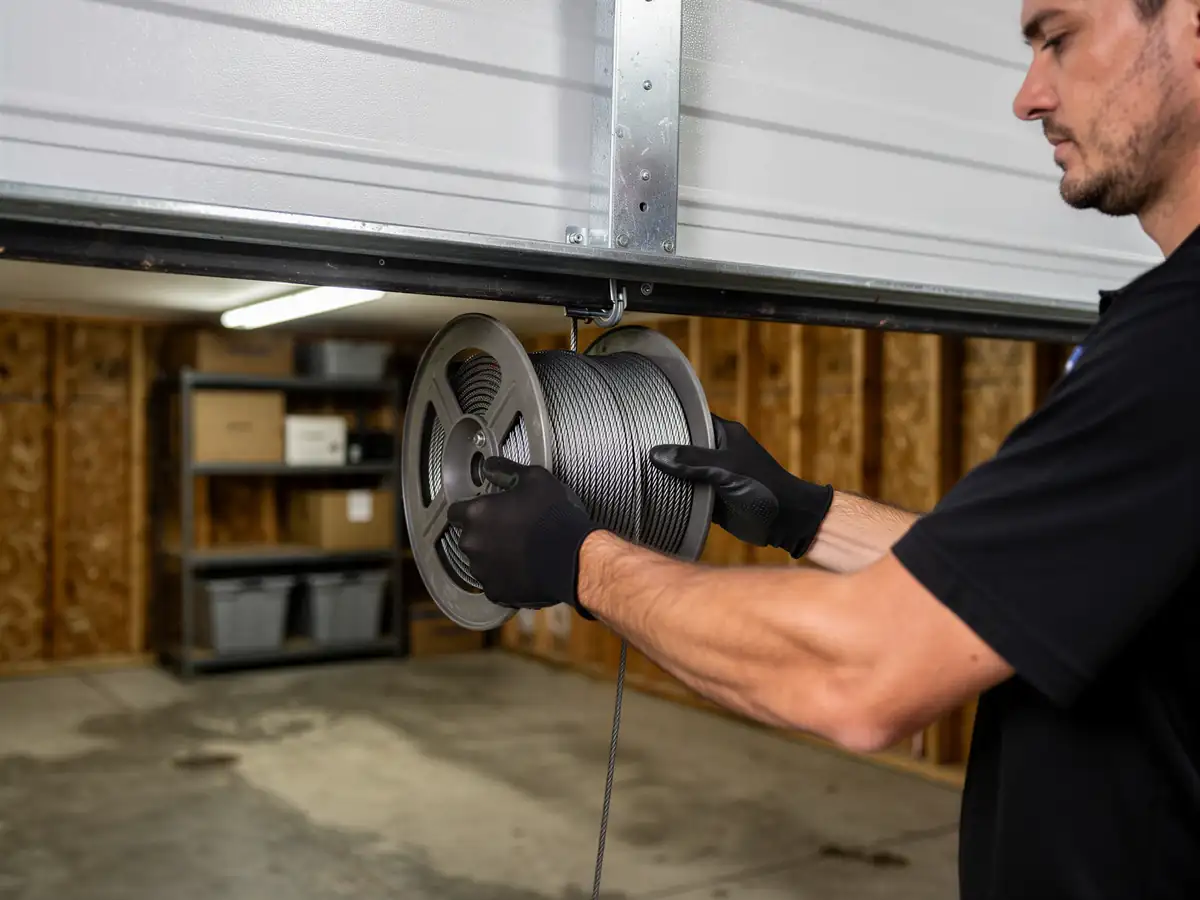
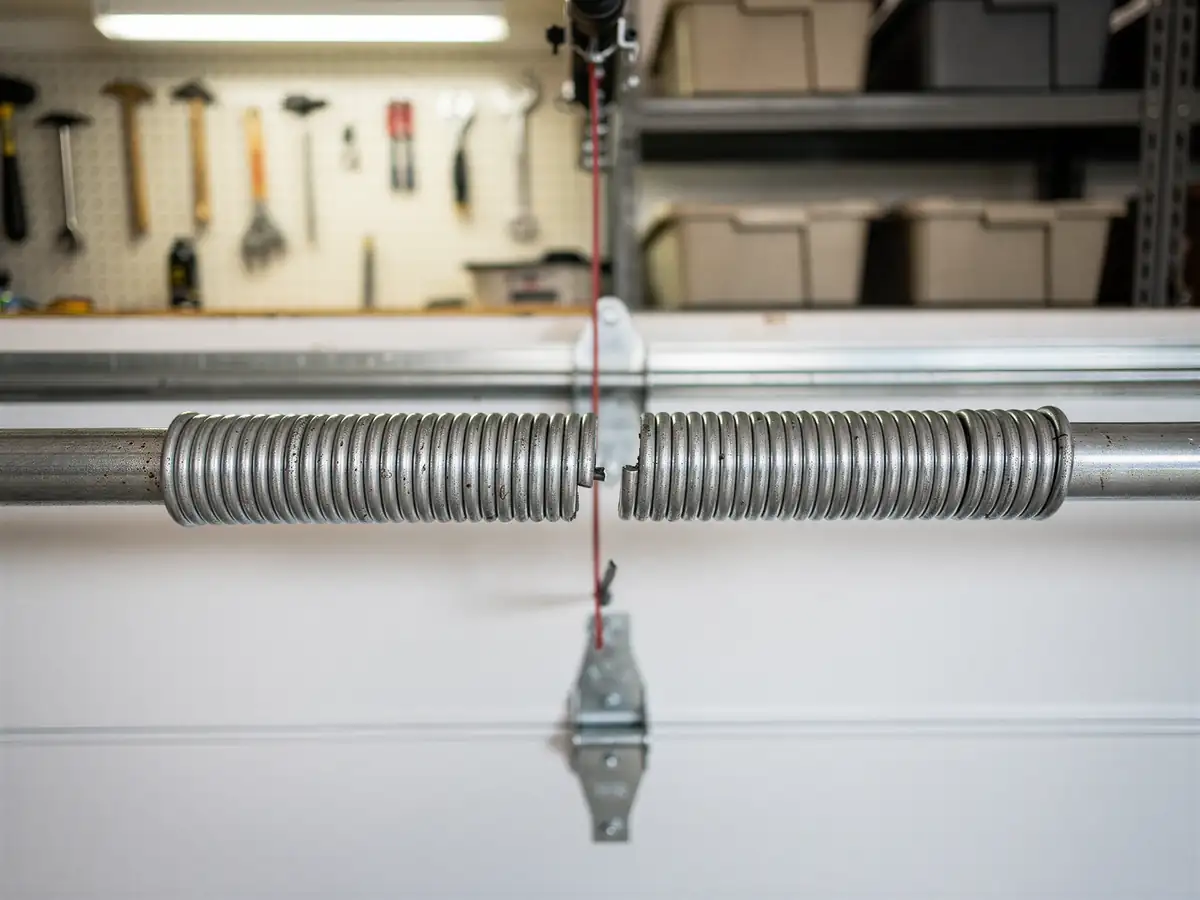
Austell sits inside a service area covering 14 named communities with housing built mostly between 1966 and 2004, and the truck carries springs sized for that whole spread - standard torsion springs in the wire sizes that cover single and double doors from that era, plus the extension springs still found on older side-mount setups. What we don't carry is a wall of every obscure size ever made. If your door takes an odd-length spring or a discontinued drum, that part may need to come from a supplier, and that's a real lead-time hit we won't pretend doesn't exist. Most Austell jobs don't hit that wall, because most of the housing stock here falls in a narrow enough window that the common sizes cover it. But on an older or oddly-modified door, expect us to say so on the first visit rather than promise a same-day fix we can't back up.
Can You Do This Yourself
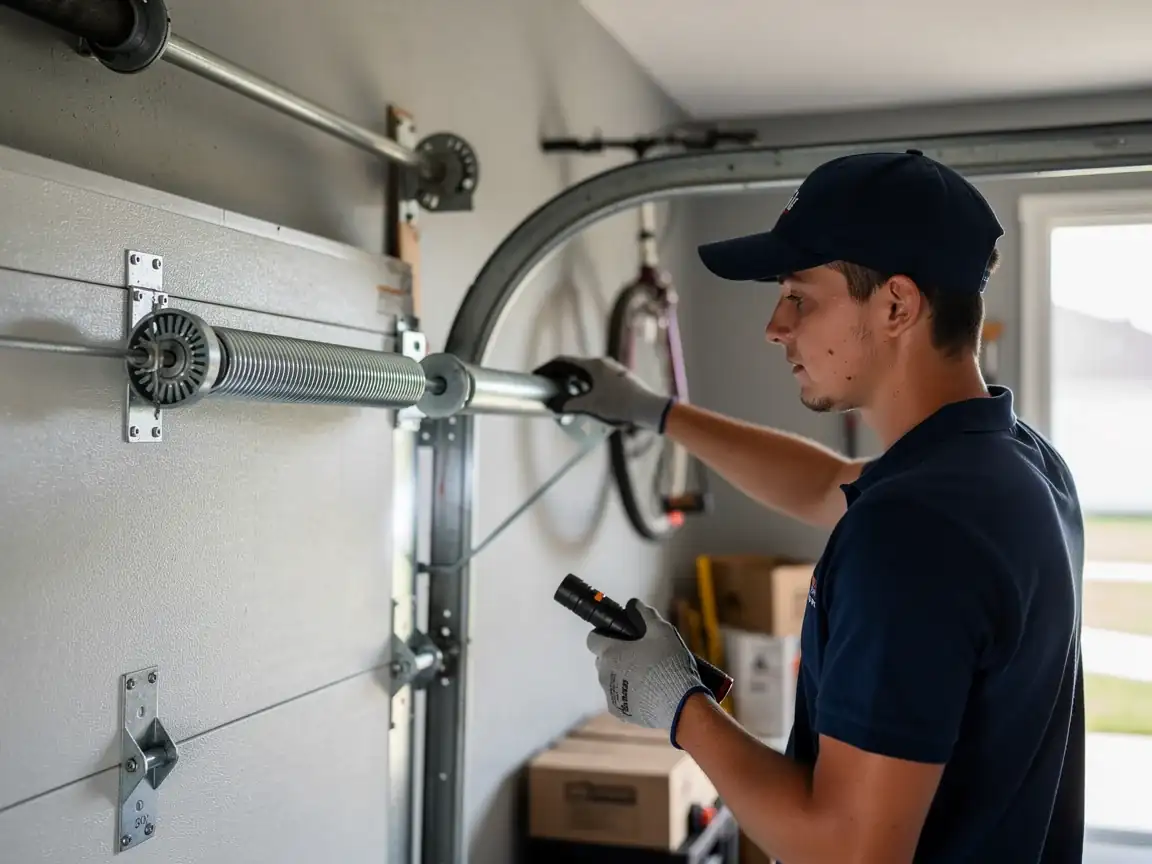
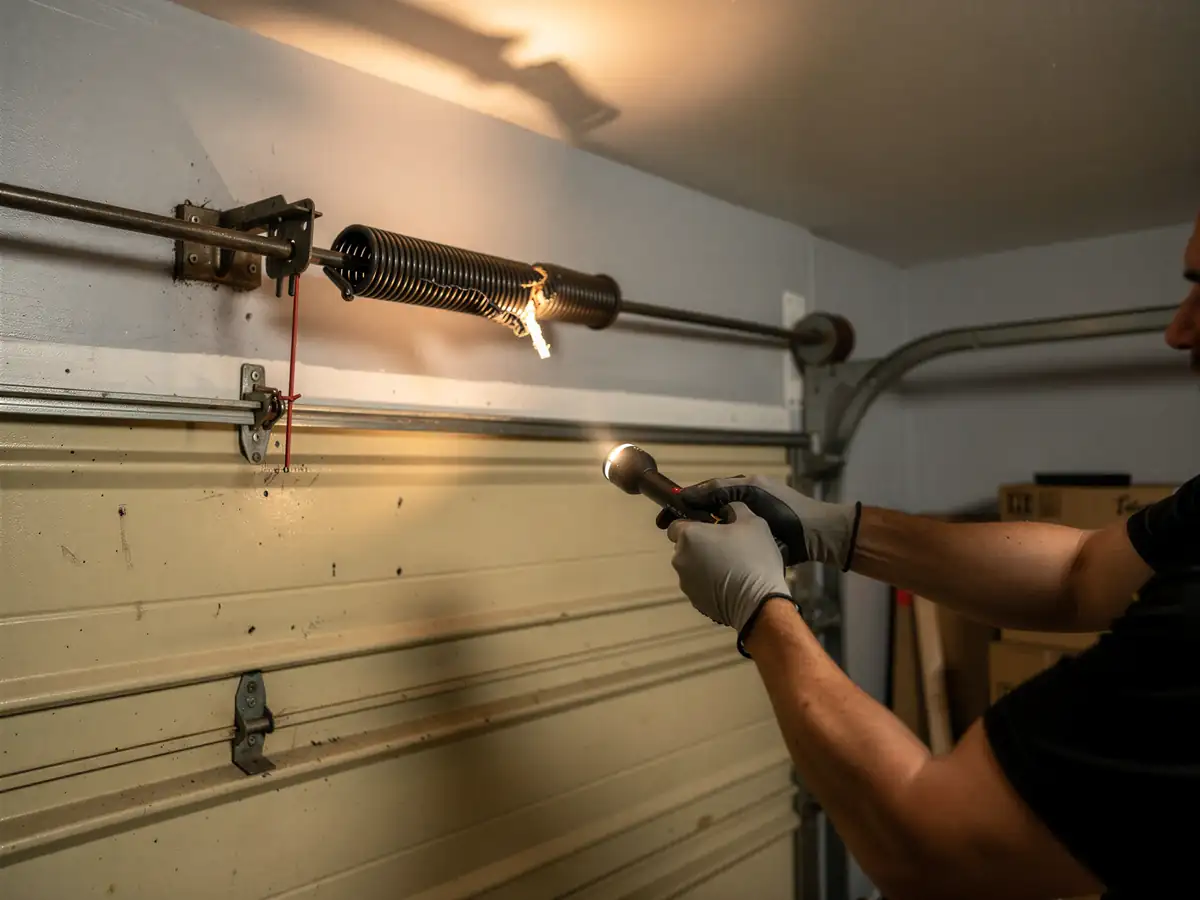
A torsion spring is under enough stored tension to break a wrist or worse if the winding bars slip, and that's true whether the door is in Austell or anywhere else - this is the one part of the job that isn't local at all. What is local: knowing that a lot of Austell garages still run the stock hardware that shipped with a late-1980s door, which means older winding cones and a drum style that doesn't match the torsion spring kits sold at most hardware stores today. Buying a generic kit and finding it doesn't fit is a common way this job goes from a repair to a bigger mess. Extension springs, the kind on some of the older side-mount setups out here, are a little more forgiving to look at but still dangerous to swing under load. If you're comfortable with winding bars, vice grips, and a door that weighs more than you'd guess, some homeowners do manage it. Most don't try twice.
Why This Fails Locally
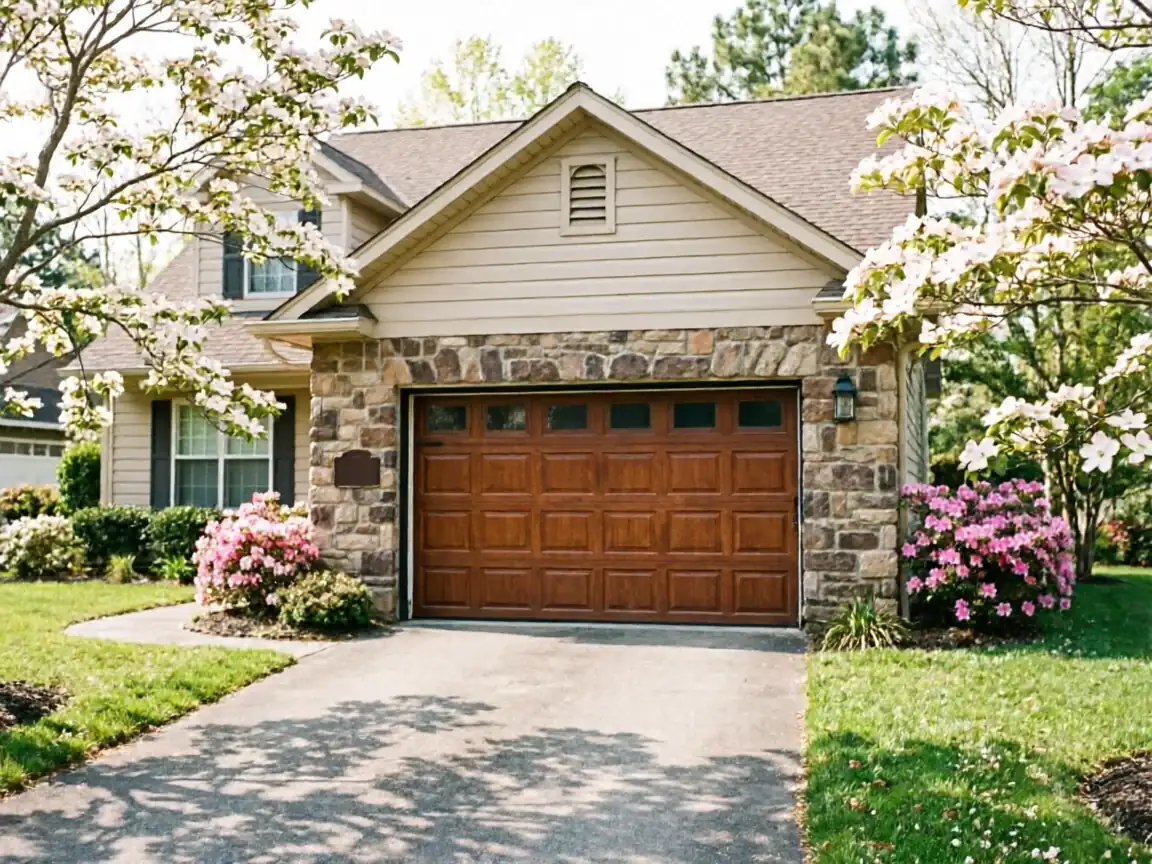
Austell's housing runs a median build year around 1988, which puts a lot of doors here into a specific failure window: steel doors, torsion or extension springs original to the house, and openers that have likely been swapped once already but the spring hardware never touched. A spring rated for maybe 10,000 open-close cycles doesn't care what year it is, but a 1988 door has had three and a half more decades to run through that cycle count than a house built in 2004. That's the core of it - age, not geography. Add the climate: this area sits in a cold-moderate band, and the swing between a humid summer and a dry cold snap works on the spring's coating and the steel underneath it over enough years. It's not dramatic weather damage, just steady wear that catches up with older springs first. Houses in the newer end of the territory's 1966-2004 build range see this failure later. Austell's stock, sitting closer to the middle of that range, is already there for a lot of owners.
How Long It Takes
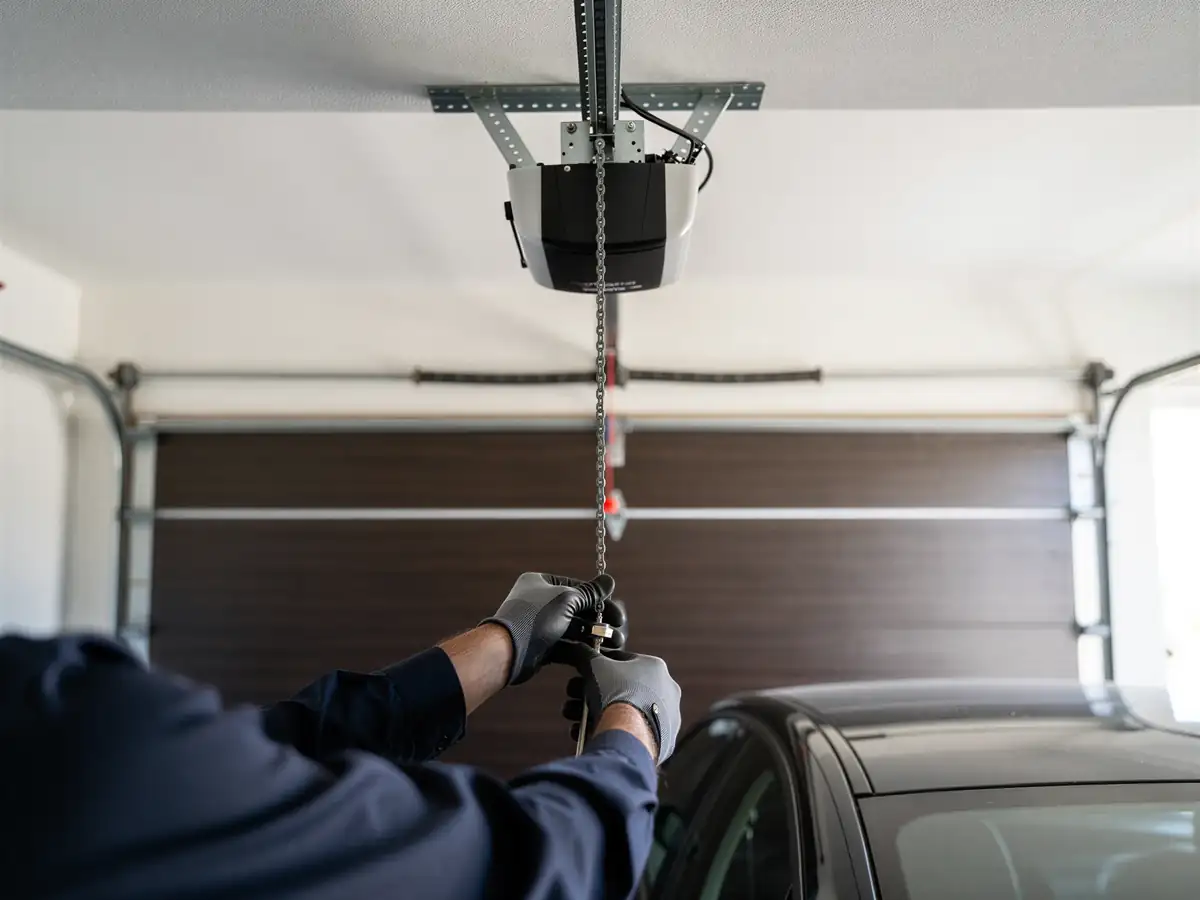
We run this out of Douglasville, and Austell is about 7 miles out - closer than Powder Springs at 9 miles or Hiram at 11, farther than Lithia Springs at 4. That distance doesn't change what's in the truck or how the repair goes; it's just the drive. We're not going to promise a response window here, because that's not a number we have for this page - what we can tell you is the job itself, once we're on site, usually runs under two hours for a single-spring swap and a bit longer for a double-door job with cable or drum replacement added in. Scheduling depends on what else is on the truck's route that day, same as it would for any suburb this far out from the base. If the part needed isn't one we stock - an unusual size or an old discontinued drum - that adds real time on top, and we'll say so before we start, not after.