Where This Job Goes Sideways
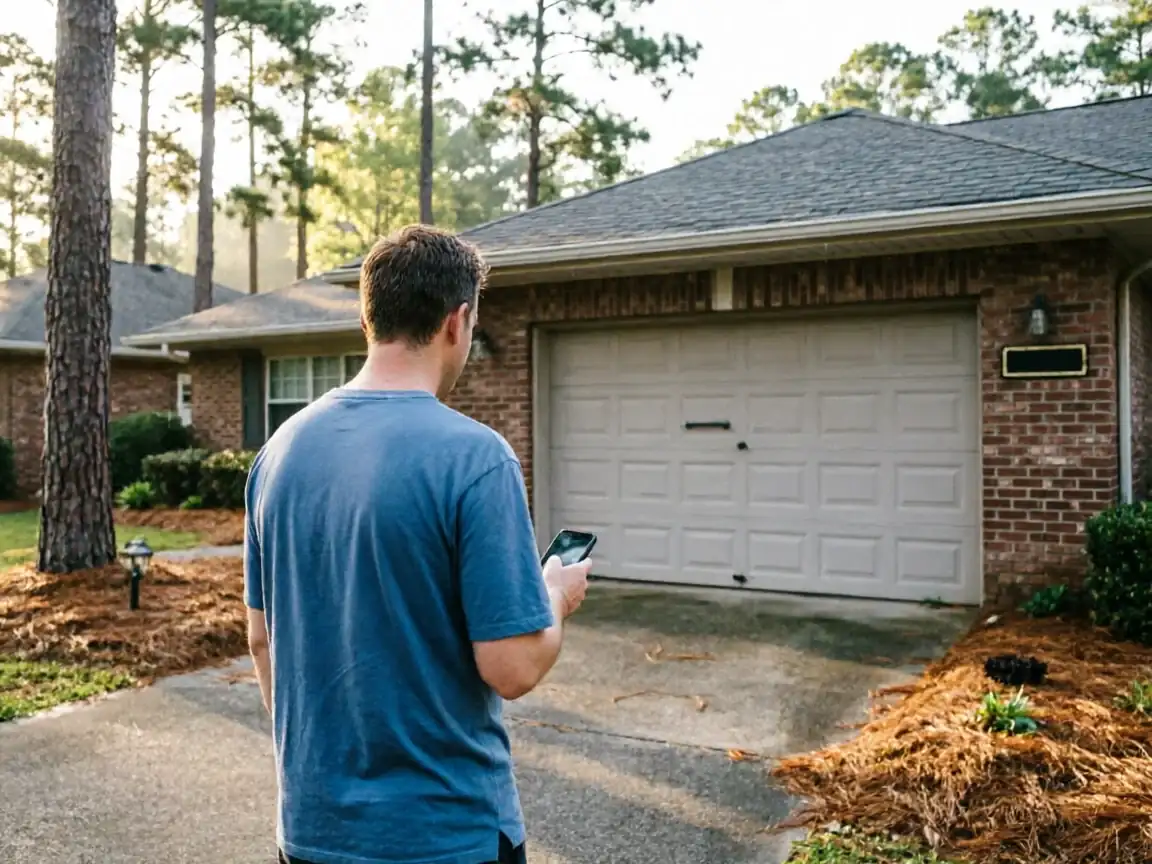
Most of the calls we take in Austell start the same way
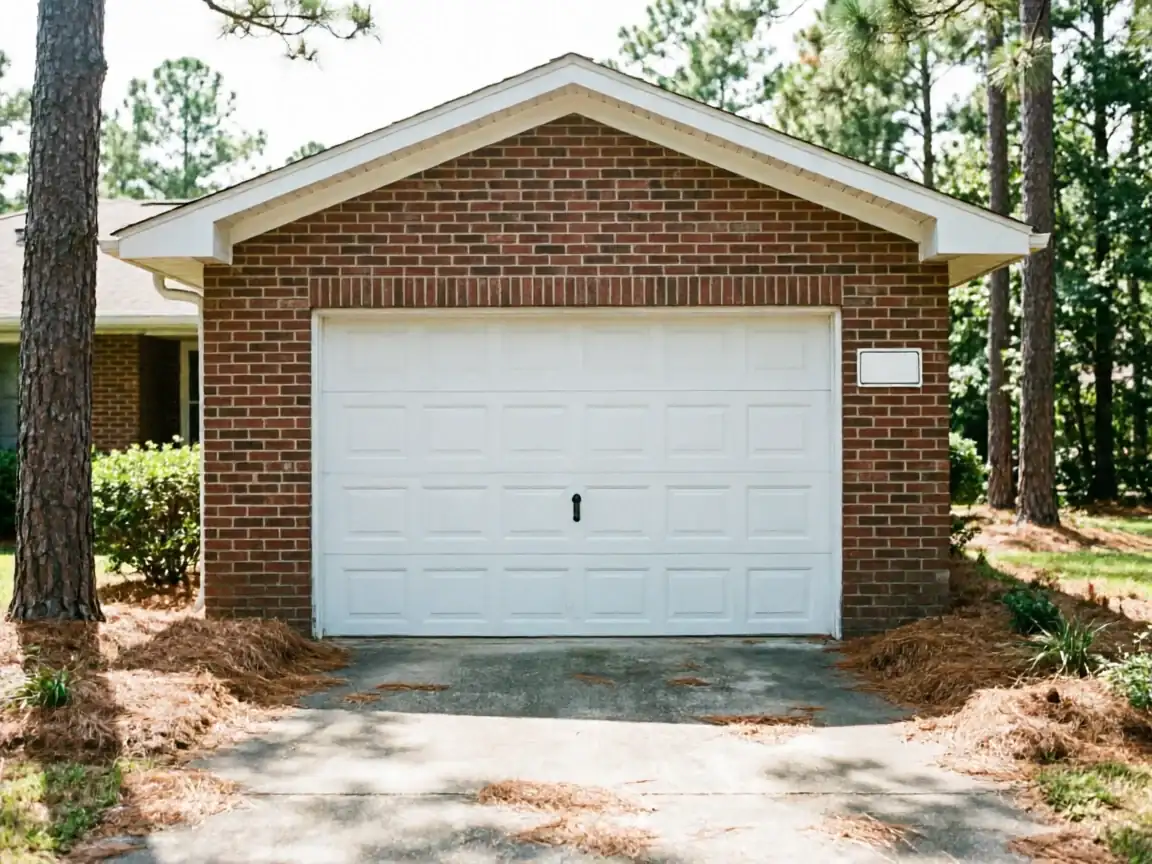
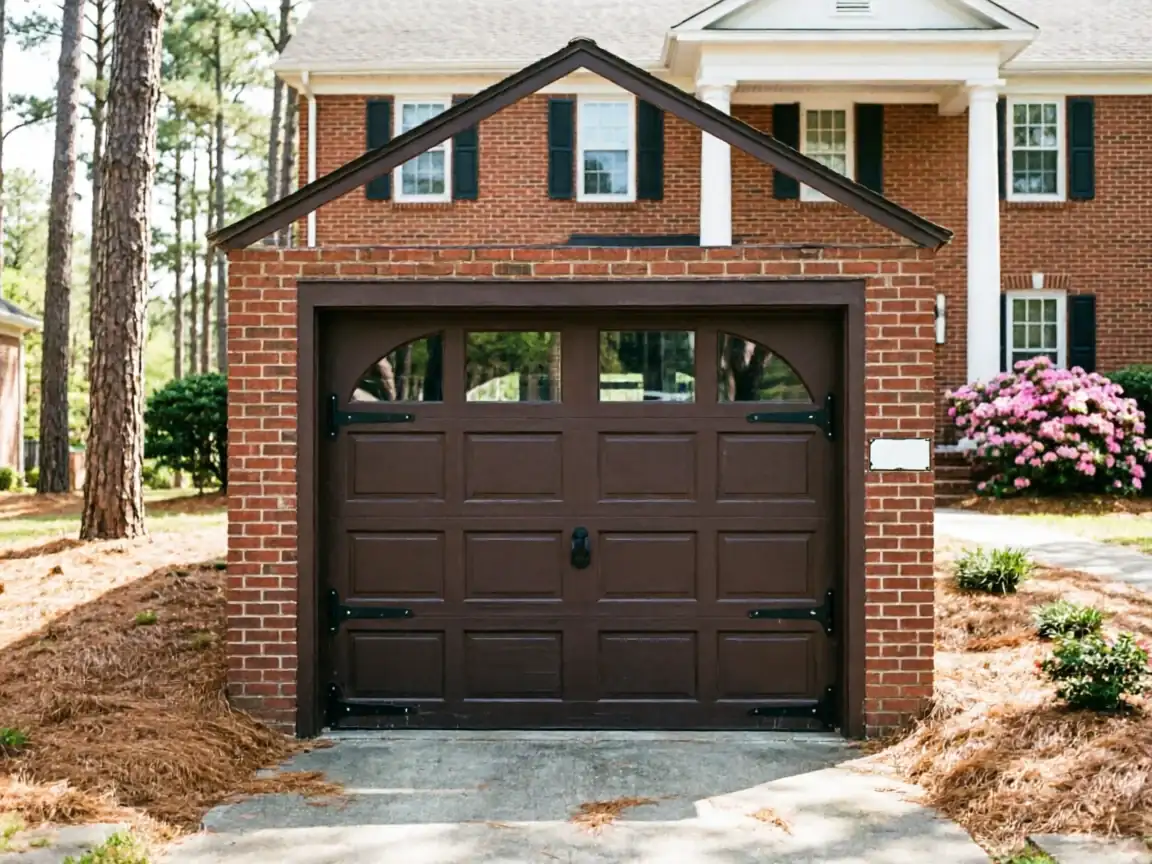
A door that used to run quiet now grinds, hesitates, or drops the last foot before it seats. That's not random wear. Austell's housing stock centers on 1988, which puts most garage doors and openers here into their third decade of daily cycles - two openers' worth of life if the first one was ever replaced, one opener's worth if it wasn't.
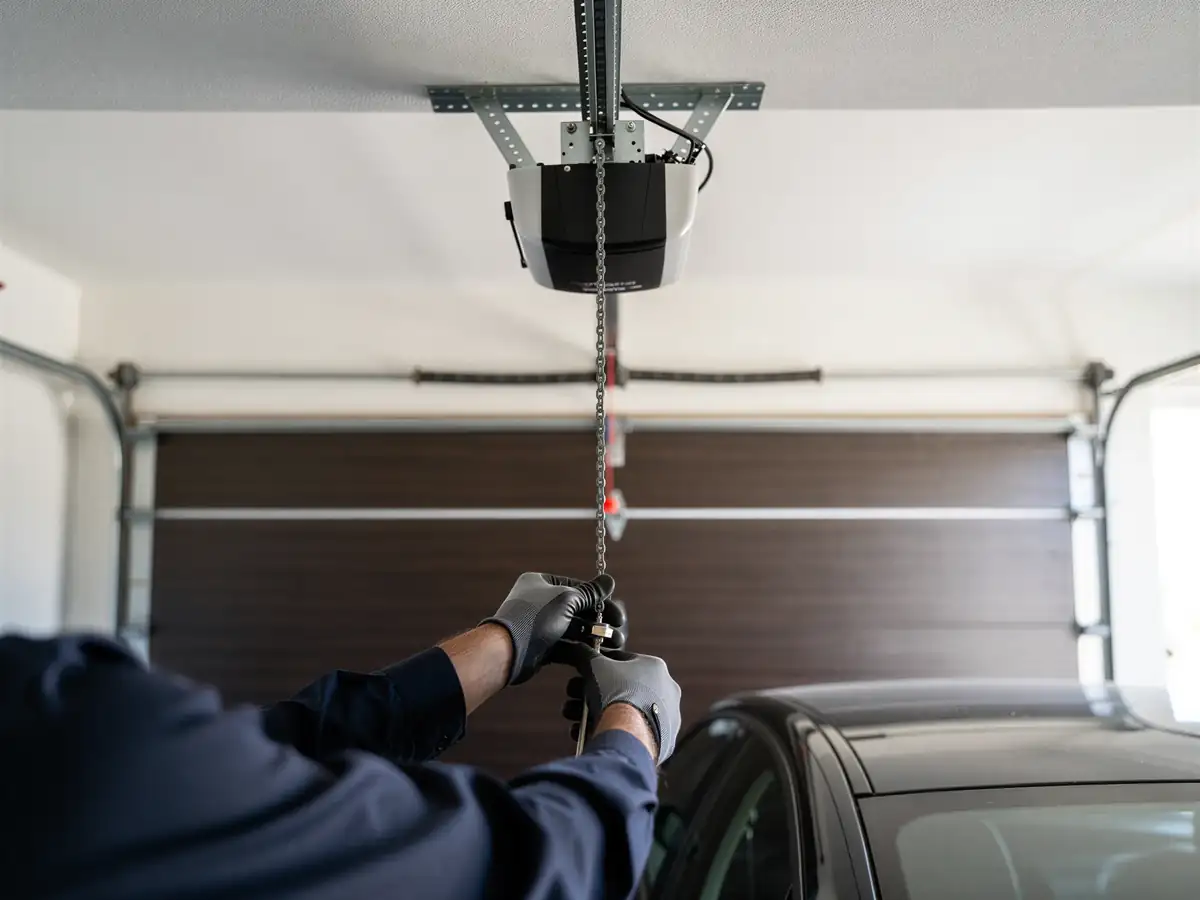
A door built in that window usually came with a chain-drive opener on a steel rail
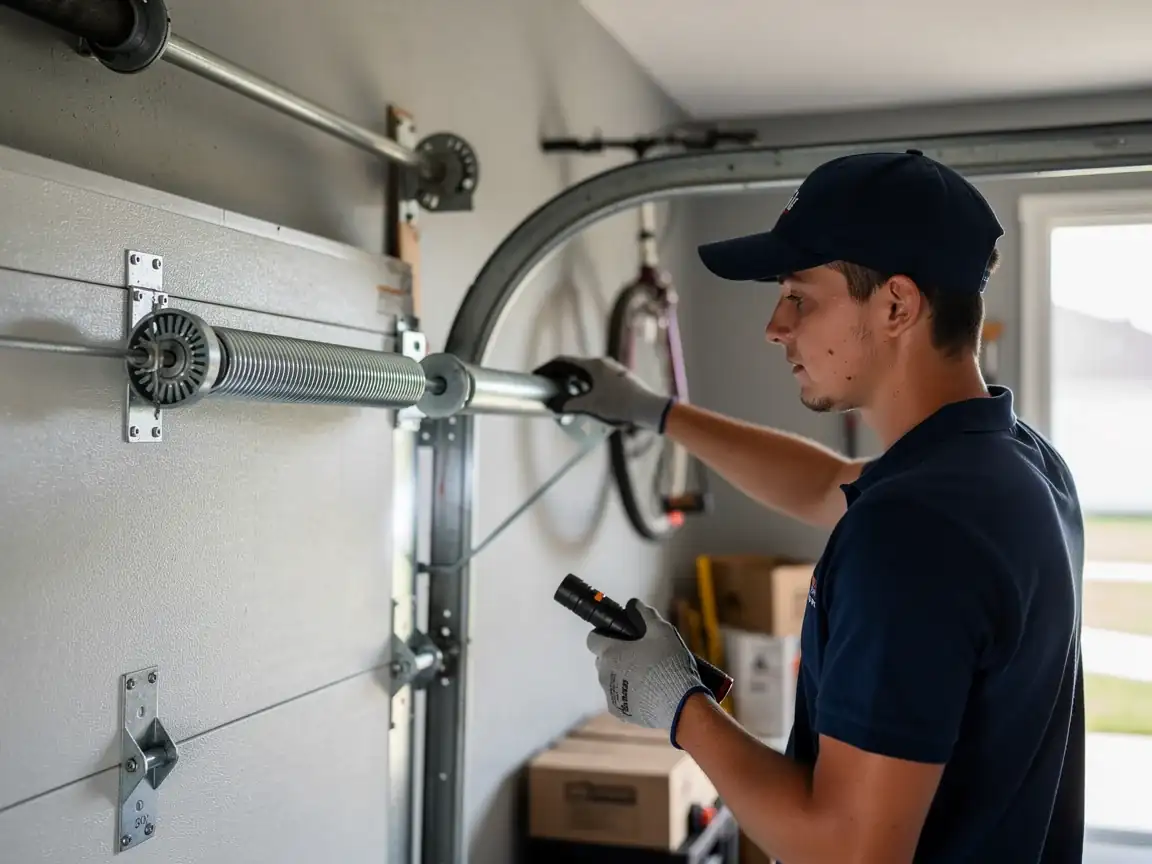
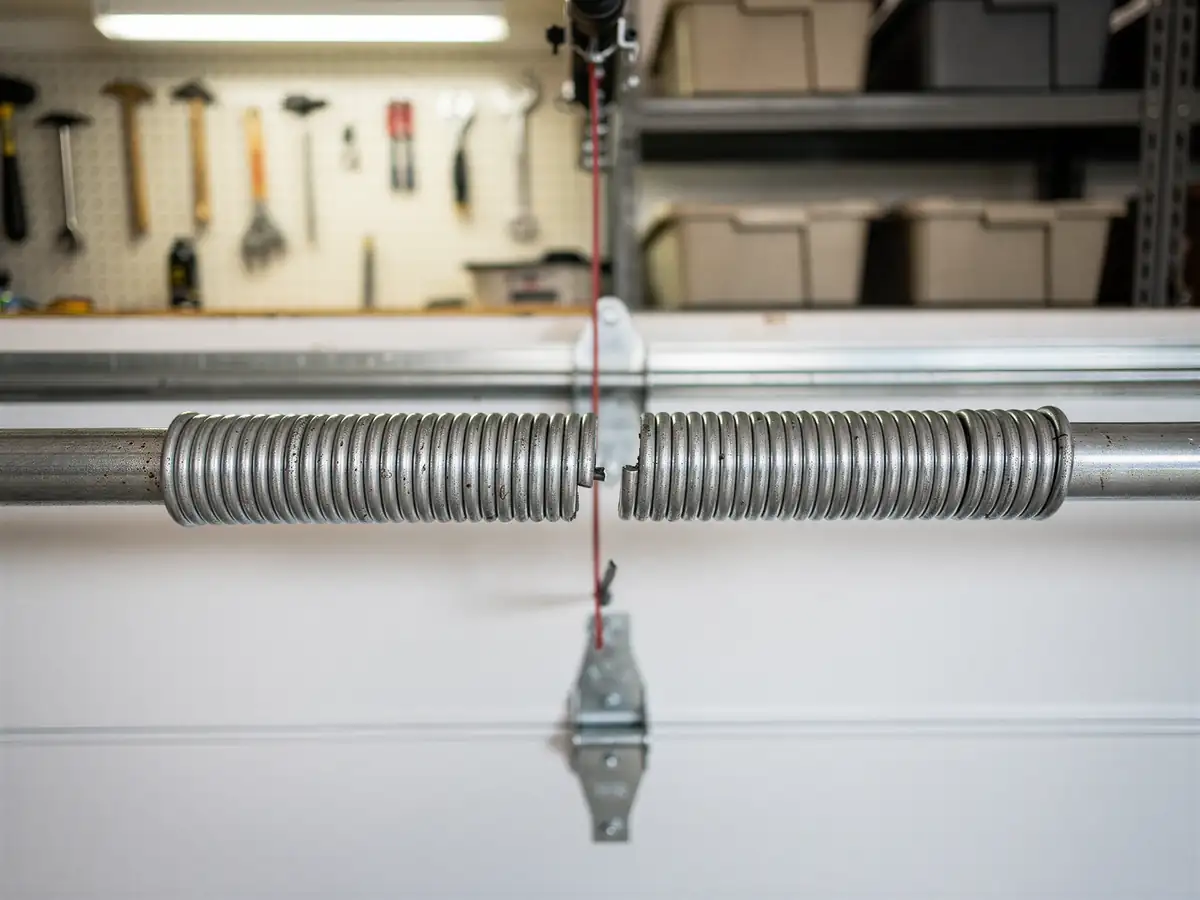
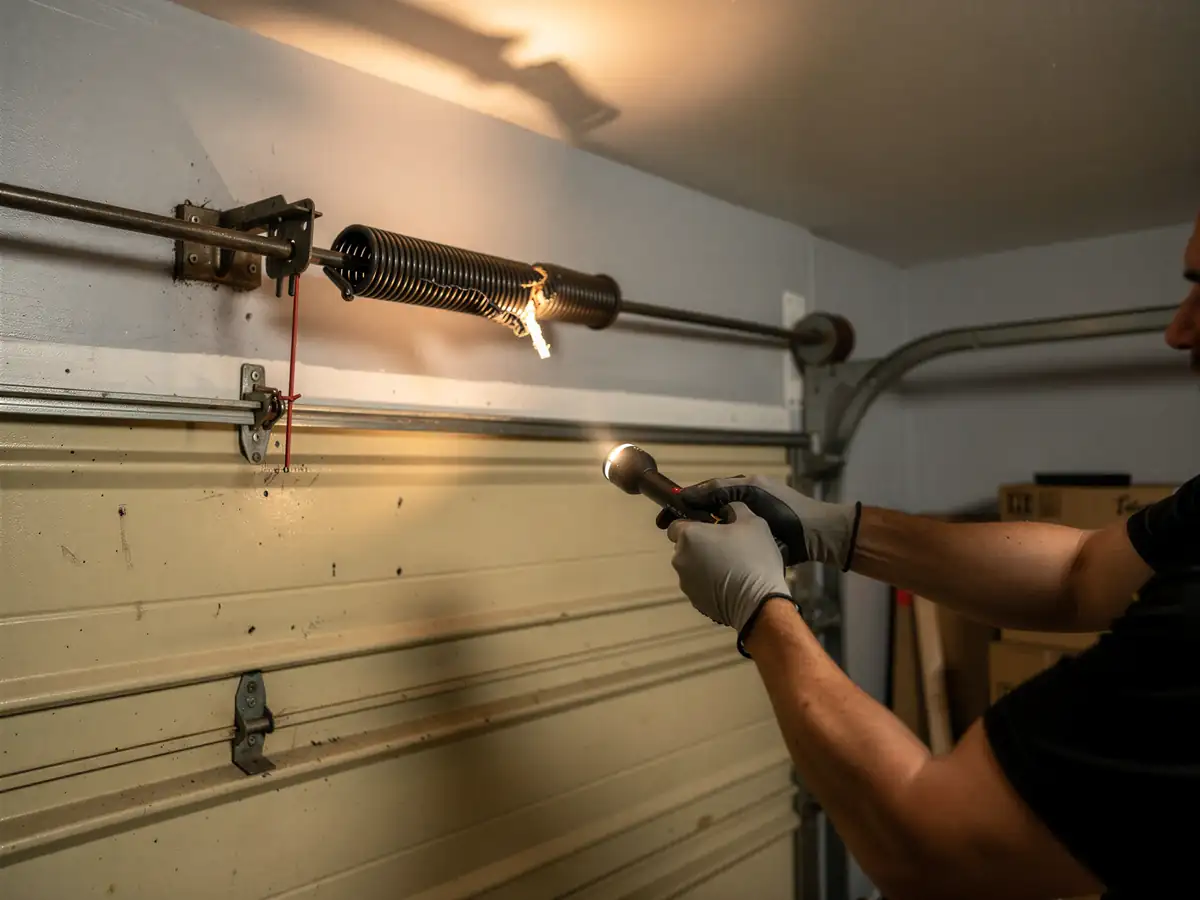
A torsion spring sized for the original door weight, and nylon rollers that were never meant to outlast the house. By year twenty-five, the rollers have flat spots, the chain has stretched past its last adjustment, and the spring is either near its cycle limit or already past it. The fault isn't one part - it's that all three are aging on the same clock, so when one goes, the others aren't far behind.
Stocked Parts
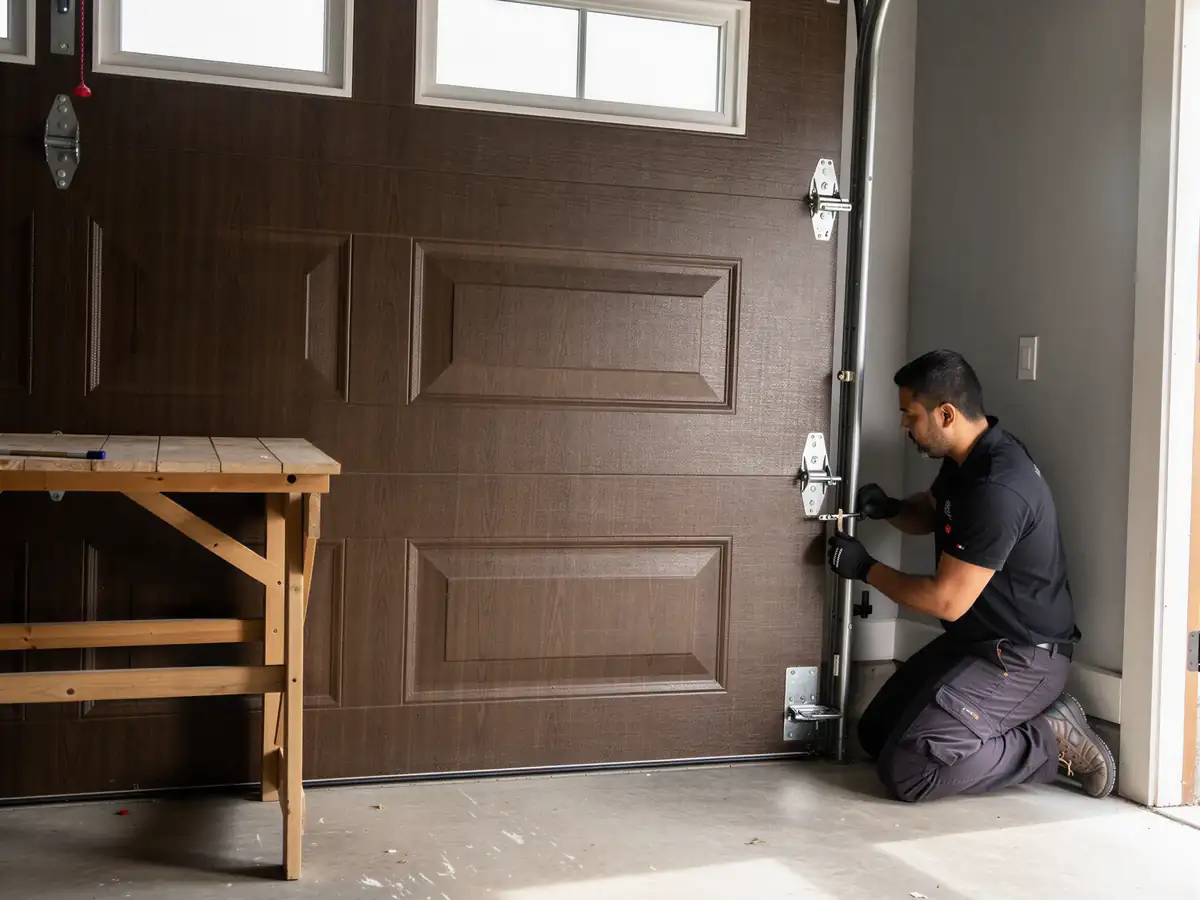
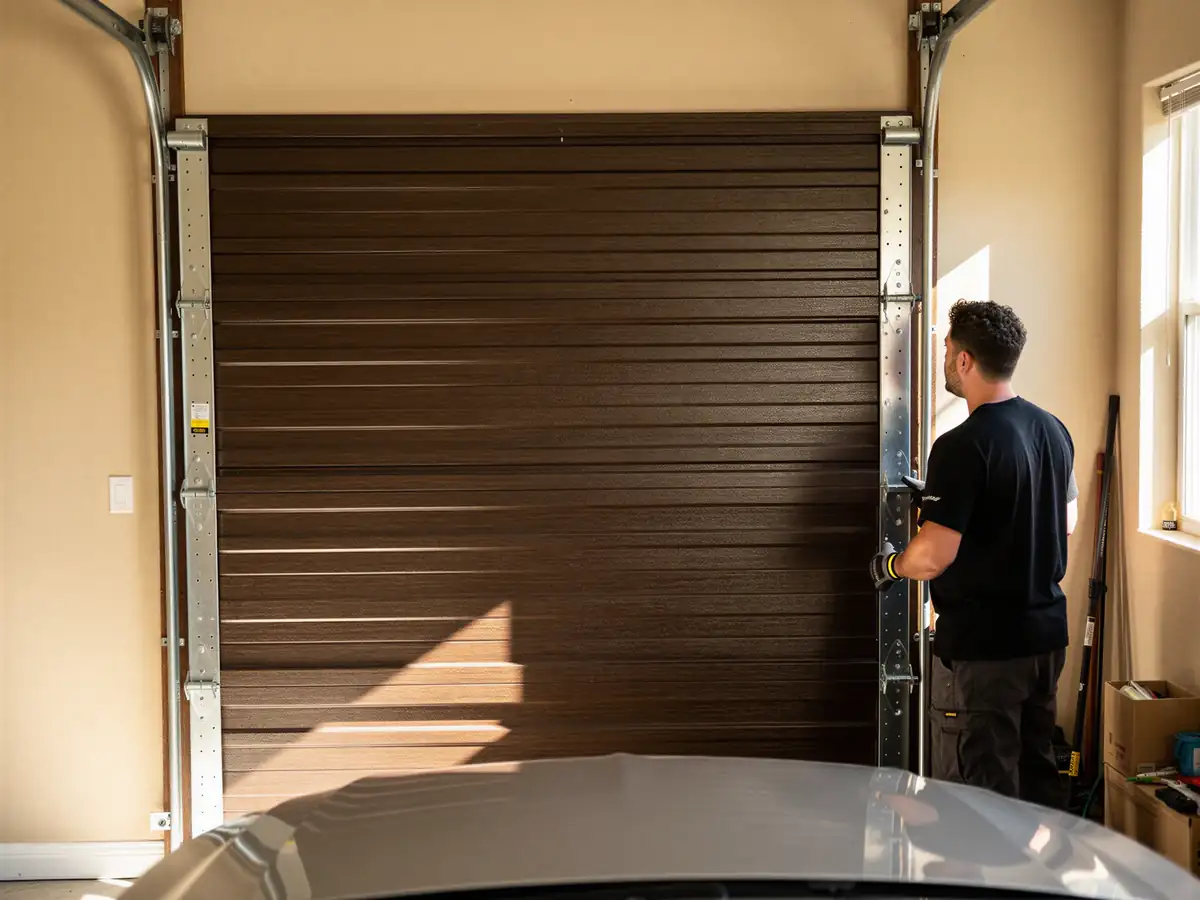
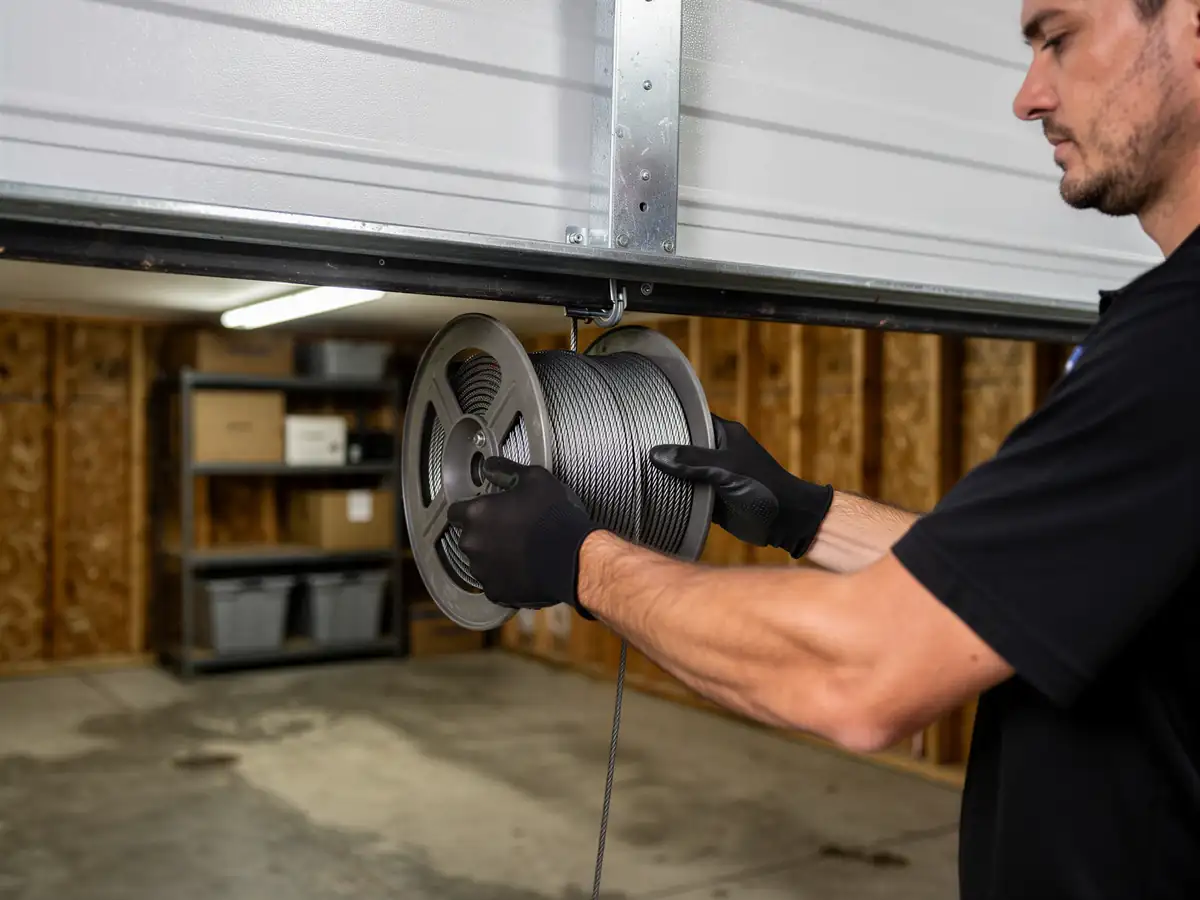
For doors from this era we carry the parts that actually fail on them: torsion springs sized for standard 16x7 and 9x7 doors, steel rollers to replace the original nylon ones, and chain-drive opener gear kits for the drive systems still running in Austell garages from the late 80s and 90s. Cables and end bearing plates are routine stock too - they go out together more often than either one alone.
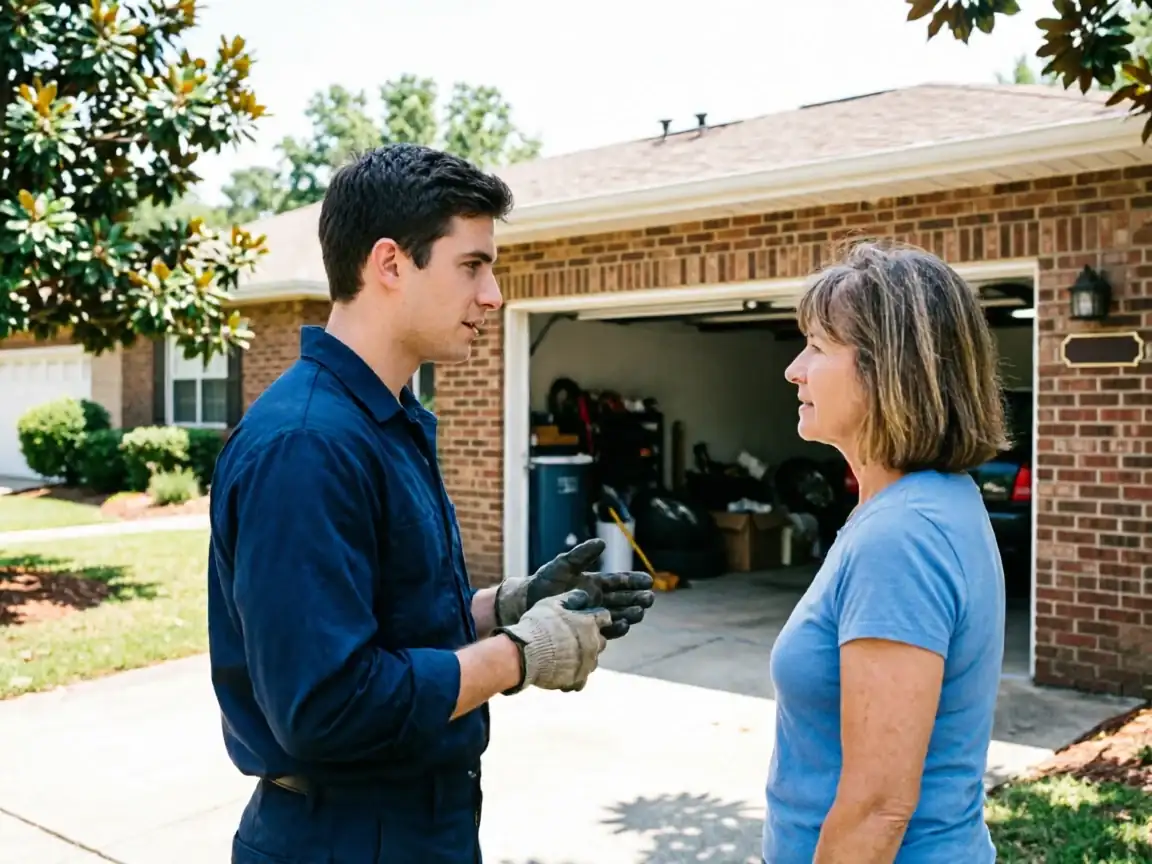
What we don't carry on the truck is anything for a door we haven't seen. If your opener is a less common model, or the door itself turns out to be a custom size, that part gets ordered and the job becomes a two-visit repair instead of one. We'll tell you on-site if that's where your job is headed, not after we've already started.
Can You Do This Yourself
Rollers and weatherstripping, sure - those are maintenance, not repair. A torsion spring is a different matter. It's wound under enough tension to break a bone or worse if the winding bars slip, and the tension on a spring old enough to have been original to a 1988 build is no more forgiving than a new one. We'd rather you call for that one.
Opener logic boards and safety sensor issues are worth a look yourself first - a dirty or misaligned sensor eye is a five-minute fix and costs nothing. If the door reverses, won't close, or the remote works but the wall button doesn't, that's usually sensor alignment, not a dying opener. Check that before you assume the worst.
What the Repair Takes
A spring replacement on a standard door means removing the old spring under controlled tension
Matching wire size and wind to the door weight, and running the door through a full cycle test before we call it done. On a door this age we also check the cable drums and end bearings while we're in there, since they wear on the same schedule as the spring and replacing one without checking the others just means a second call later.
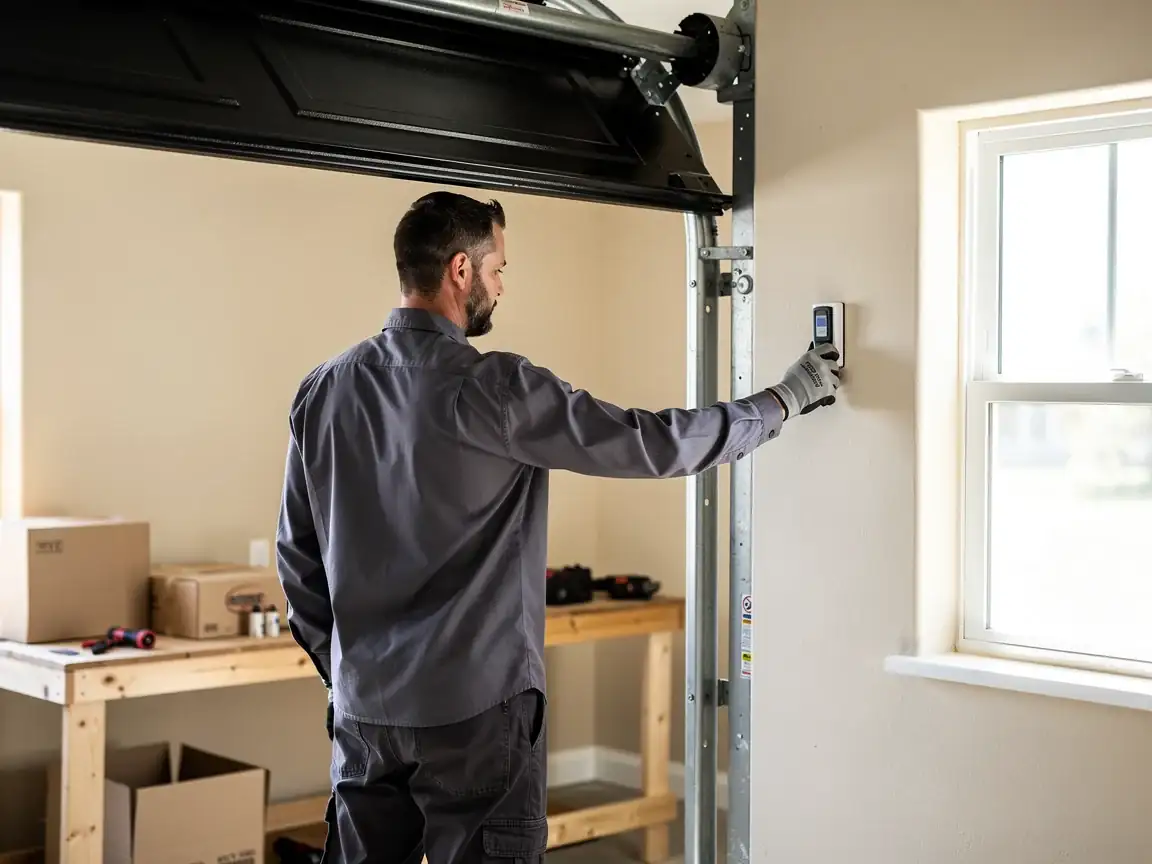
Opener work depends on what's actually wrong
A gear kit swap on a chain-drive unit is a same-visit job. A dead logic board on an opener old enough to have been installed alongside a 1988-era door usually means the opener gets replaced rather than repaired - parts for boards that old aren't something we stock or can always source quickly.
Why This Fails Locally
Austell sits in the same cold-moderate climate band as the rest of the service area, which means steel garage door panels here go through real freeze-thaw cycling every winter, not the mild version some parts of the country get. That cycling is hard on anything with a seam or a seal - bottom weatherstripping cracks and lets water in, and un-insulated panels from the late 80s flex more than newer insulated ones, which loosens the hardware screws holding roller brackets over time.
With roughly 3,010 households in Austell and a median income of $67,500, this is a town of owned, lived-in houses with original garage doors still doing the job they were built for - not a market full of recent new-construction doors. That means the hardware failing now is original hardware, not something installed in the last decade, and it fails at a predictable rate tied to the 1988 build year rather than to any one household's habits.
How Long It Takes
We run out of Douglasville, about 7 miles from Austell, so travel time is part of scheduling but it's not the bottleneck - the parts on the truck are. A spring and roller job is usually done in one visit once we're on-site. An opener that needs a part we don't stock means a return trip, and we'll tell you that up front rather than let you assume it's a same-day fix.
We don't promise a response window for Austell specifically, since the job comes from Douglasville rather than a local base. What we can tell you is what the repair itself takes once we're there, and we'd rather undersell the timeline than have you waiting on a truck that was never coming that fast.