Stocked Parts
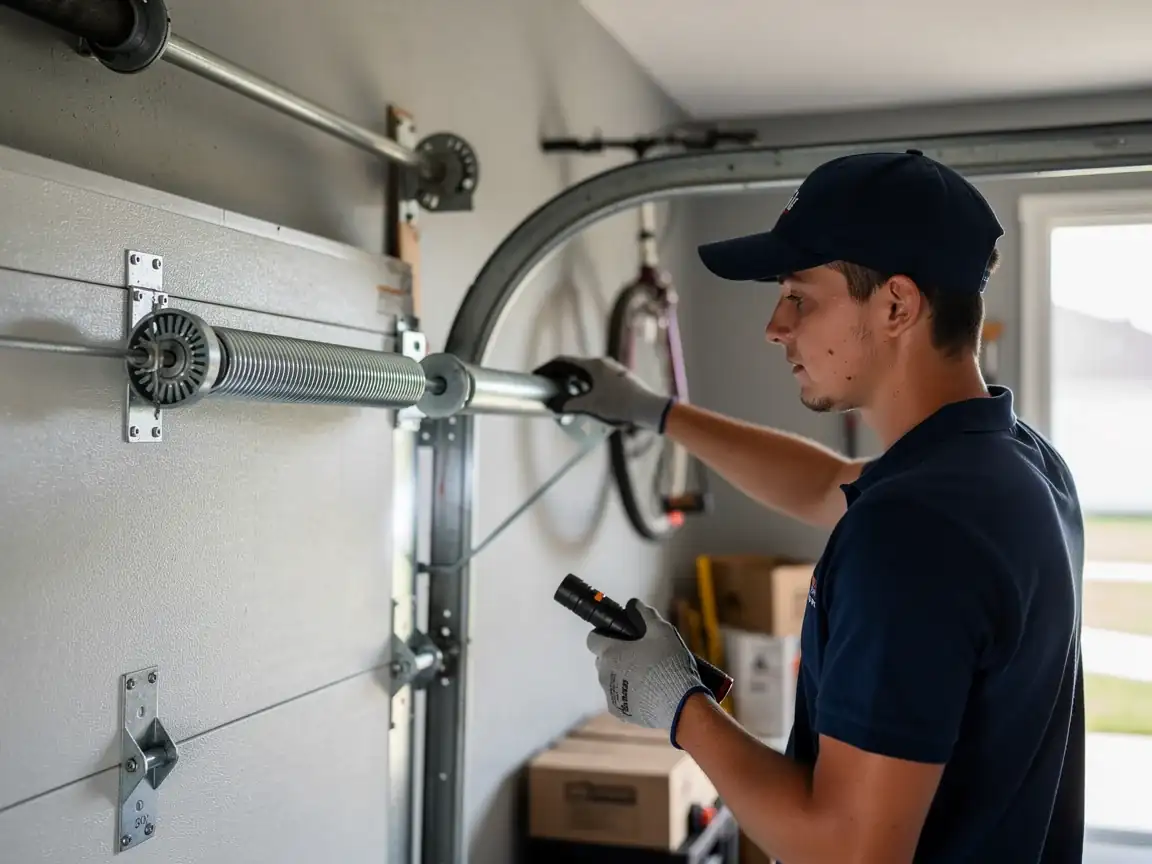
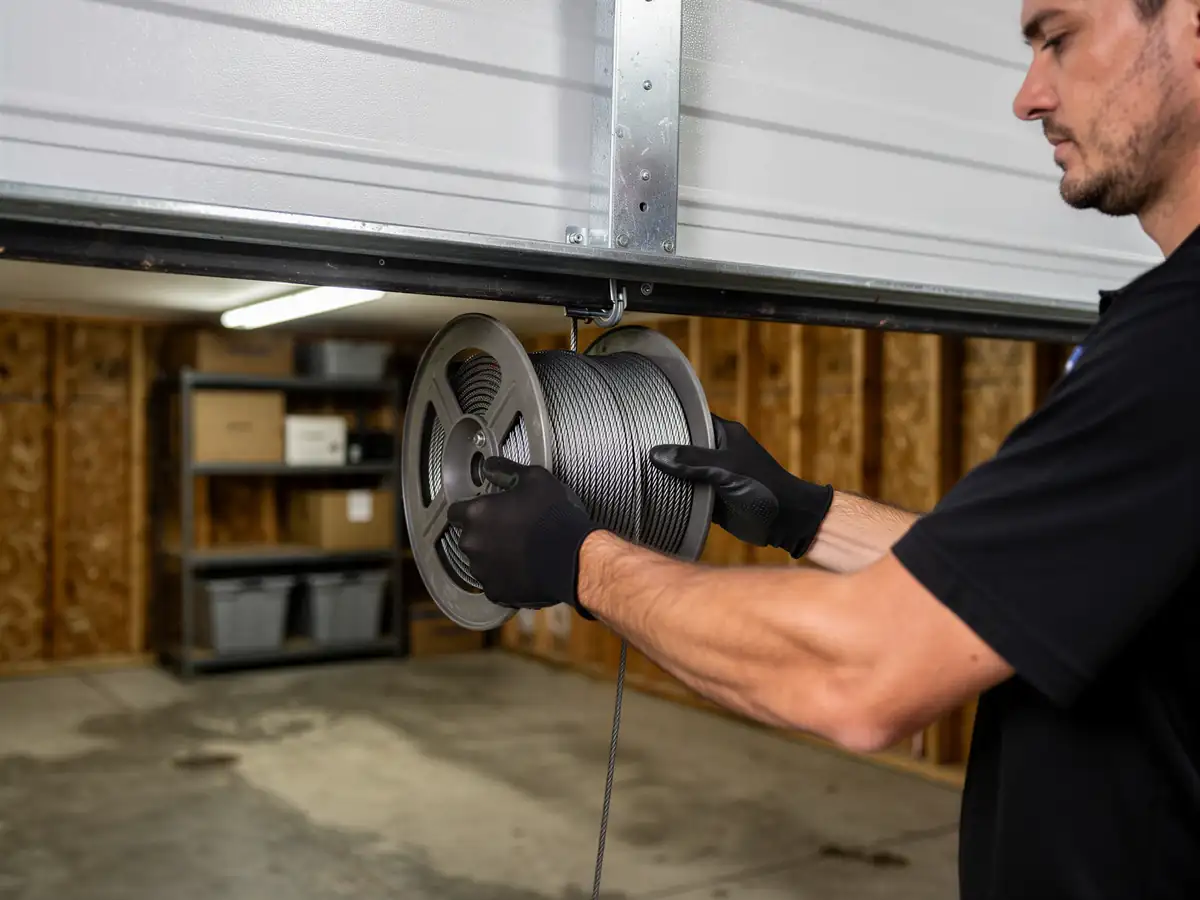
The truck runs from Douglasville, so what's on it is what's standard for the 1966-2004 housing stock across this service area - common torsion spring sizes, nylon and steel rollers, standard-lift cable, and the lubricant we use is rated for the cold-moderate swings this region gets, not a warm-climate grease that gums up in January. For a door built to the late-1980s spec that's common in Austell, that covers most calls without a special order. Here's the honest part: if a door's had an odd retrofit - a heavier panel added without a spring upgrade, or an opener bracket that's not original to the door - the exact spring or bracket isn't always on the truck, and that's a second trip while it's ordered in. We'd rather say that upfront than pretend every job closes in one visit. For the stock hardware that most Austell garages actually have, we carry it.
Can You Do This Yourself
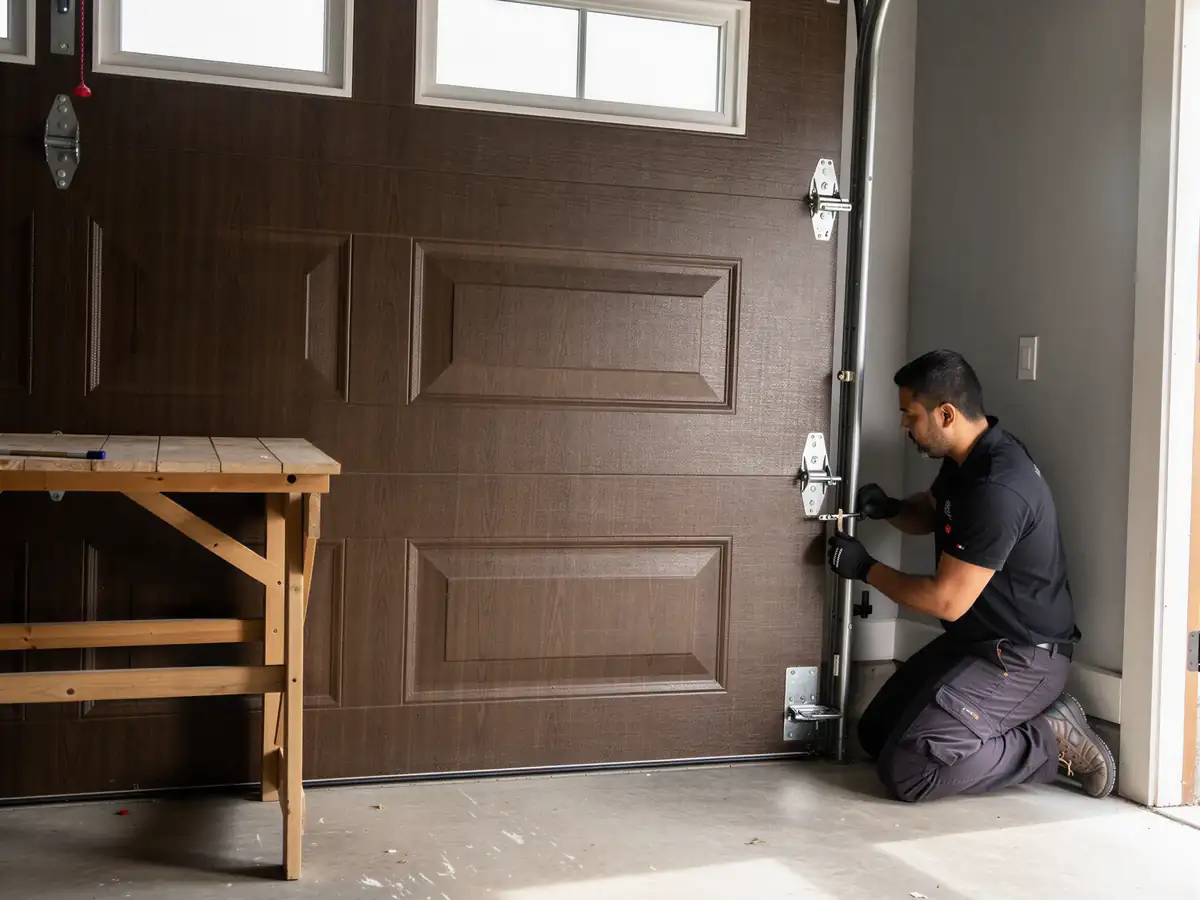
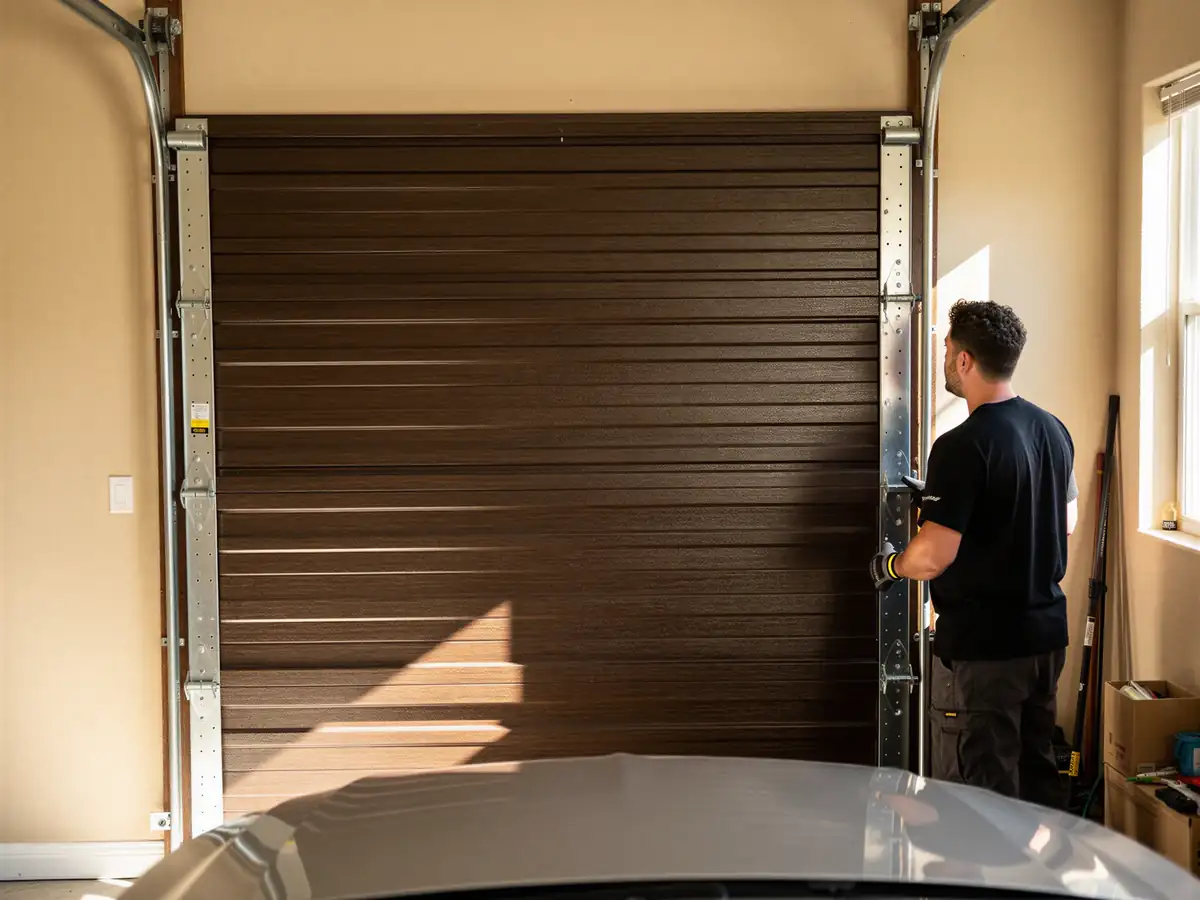
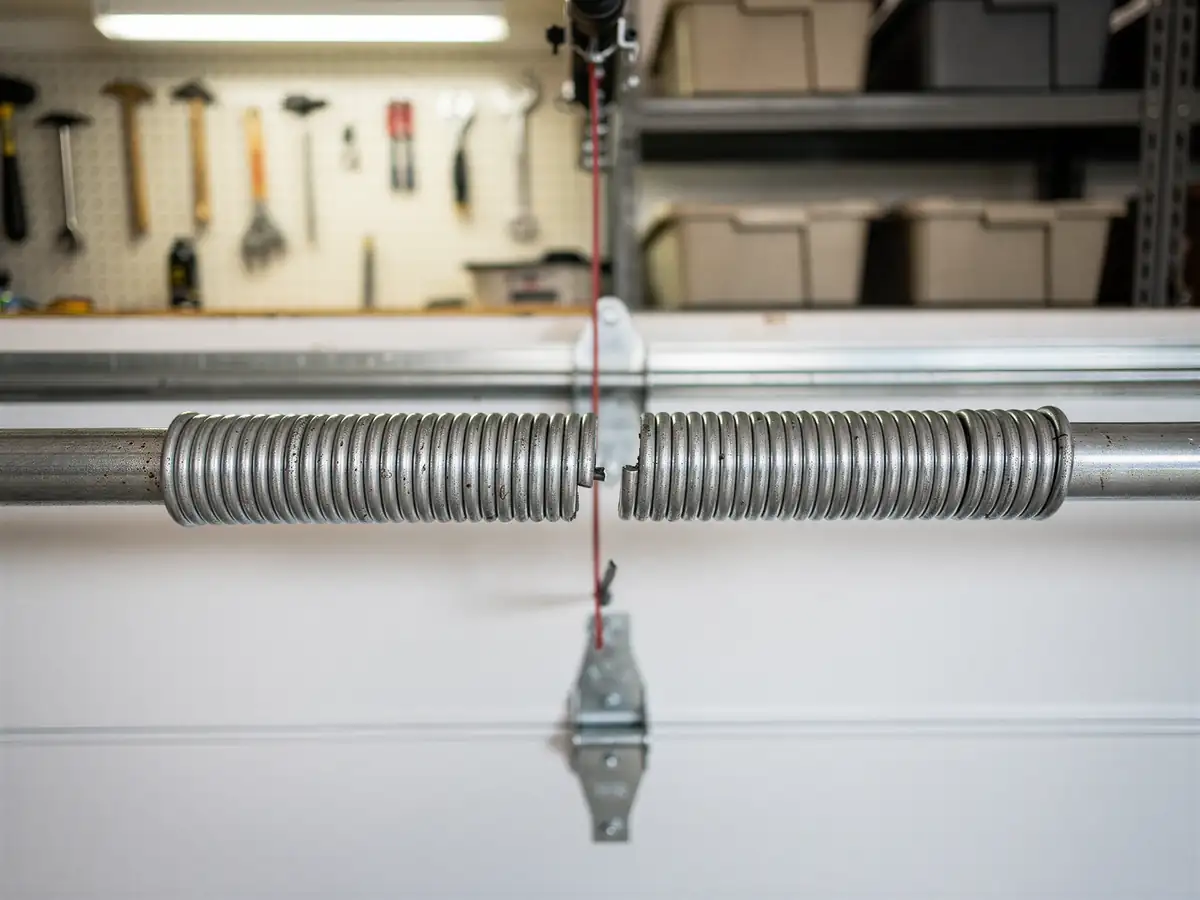
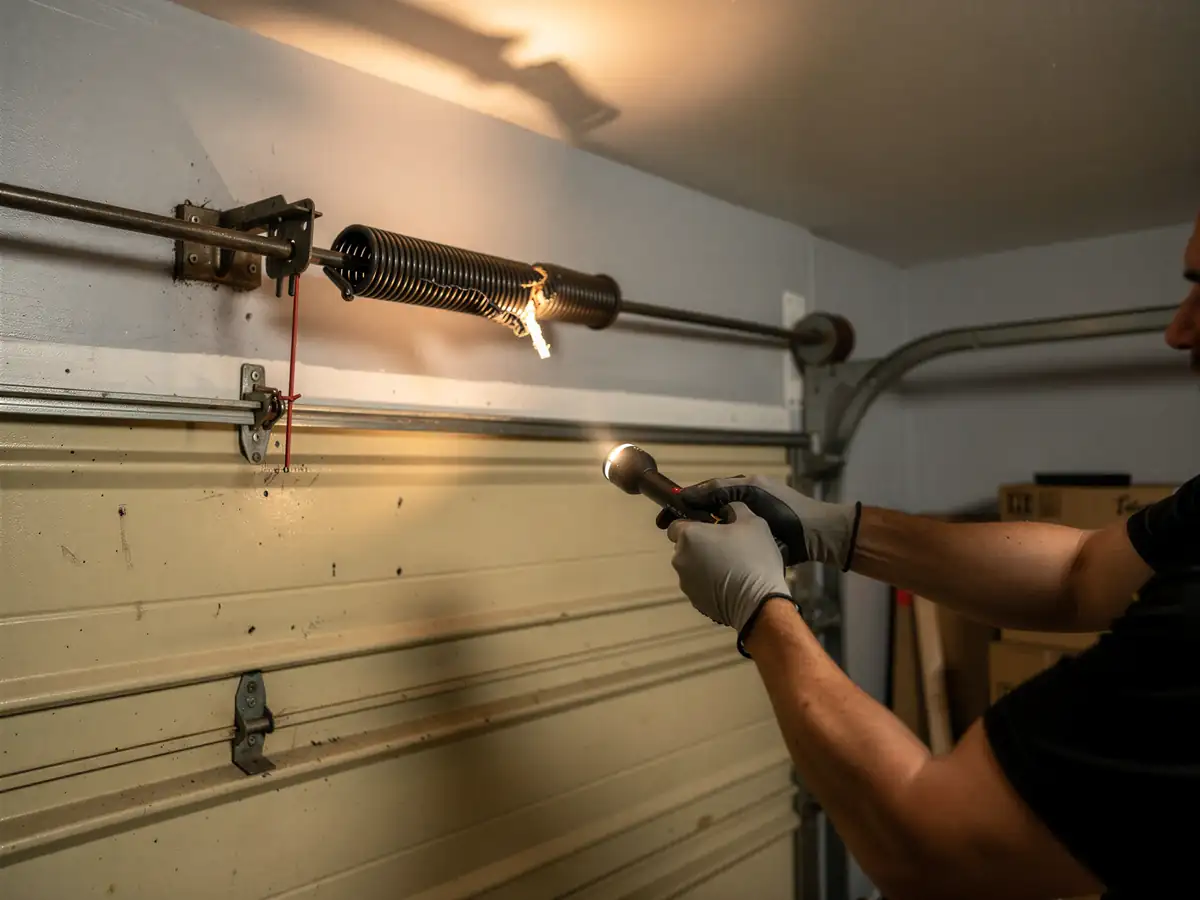
Some of it, yes. Wiping down and lubricating the tracks, checking that the weatherstrip at the bottom isn't cracked, listening for a grinding roller instead of a smooth roll - any owner can do that on a Saturday with the door open. What we don't recommend you touch is the torsion spring. On a door built around 1988, that spring has been under full tension for over three decades, and loosening or tightening the winding cones without the right bars is how people lose fingers, not a figure of speech. Track alignment is the other one - a quarter-inch off at the top can look fine and still bind the door, and fixing it wrong usually means replacing a bent track instead of a straightened one. If you can reach the hardware with a rag and a can of garage-door lubricant, do it. If it needs a wrench on the spring, that's the call.
Why This Fails Locally
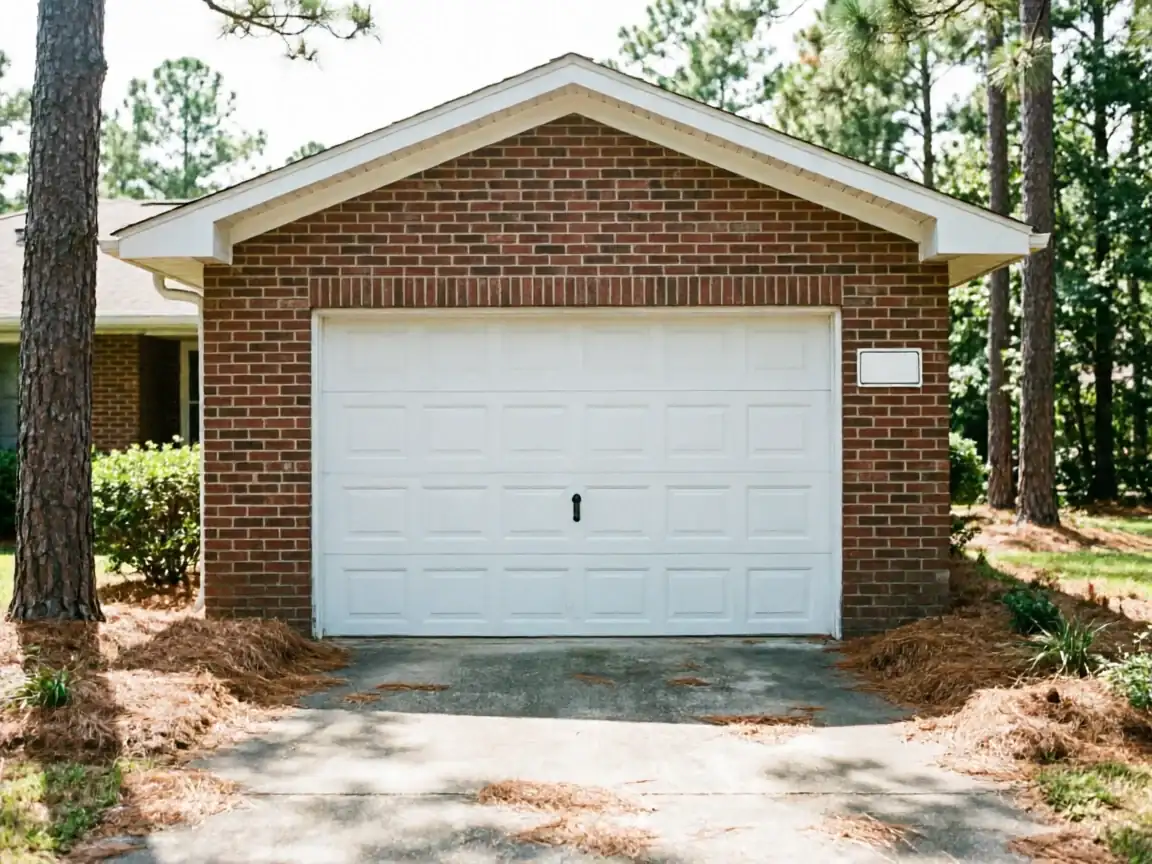
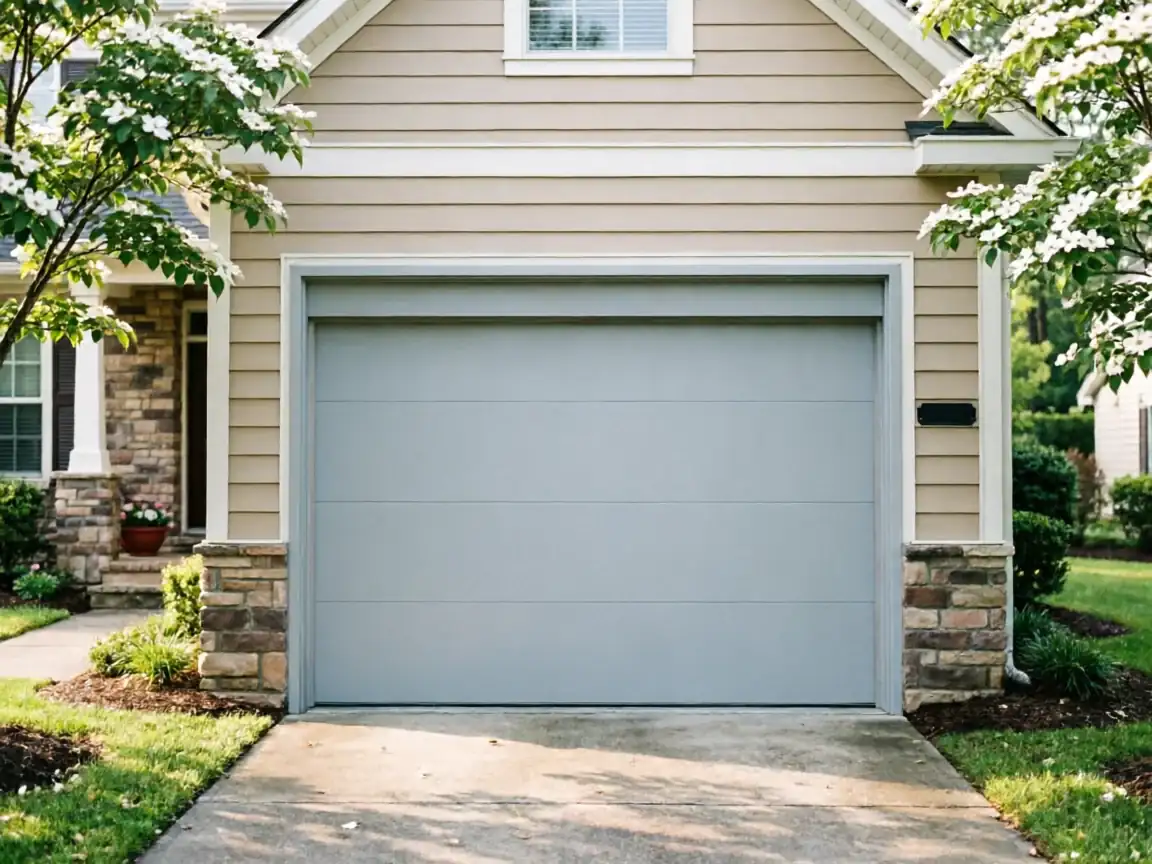
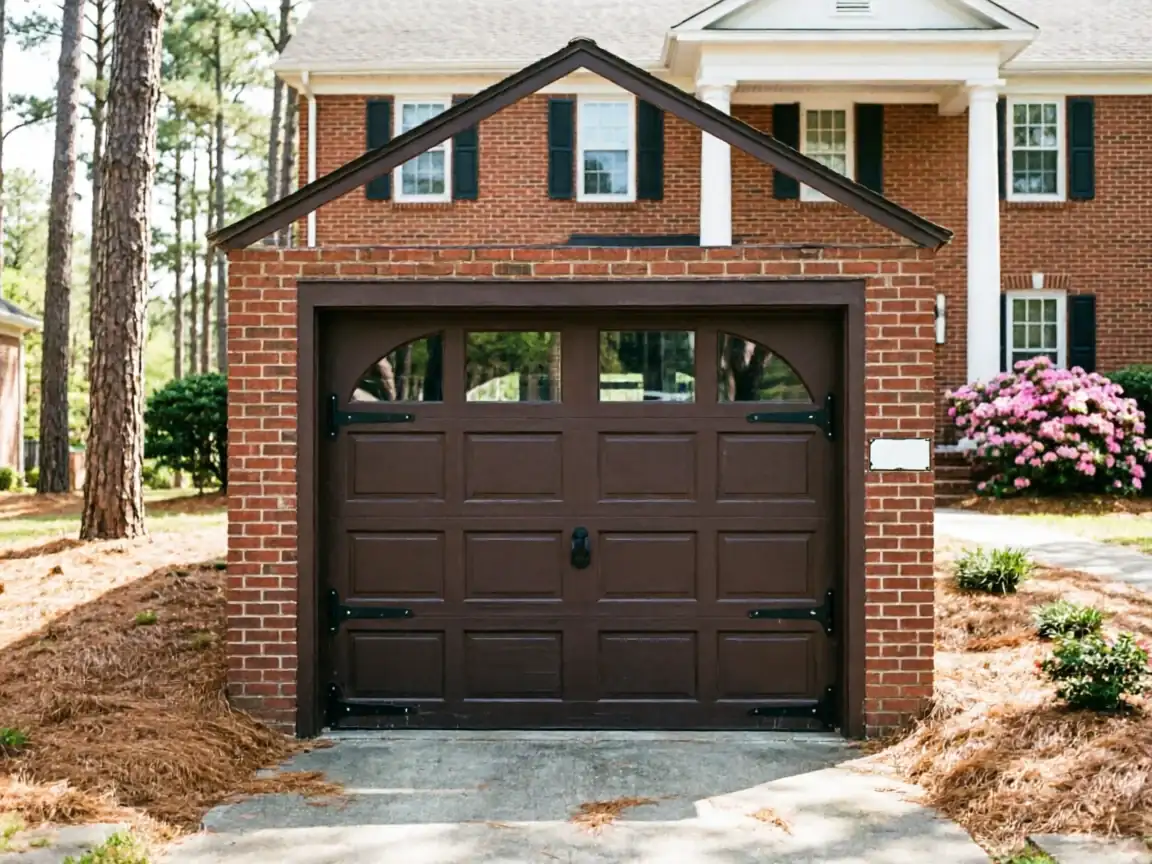
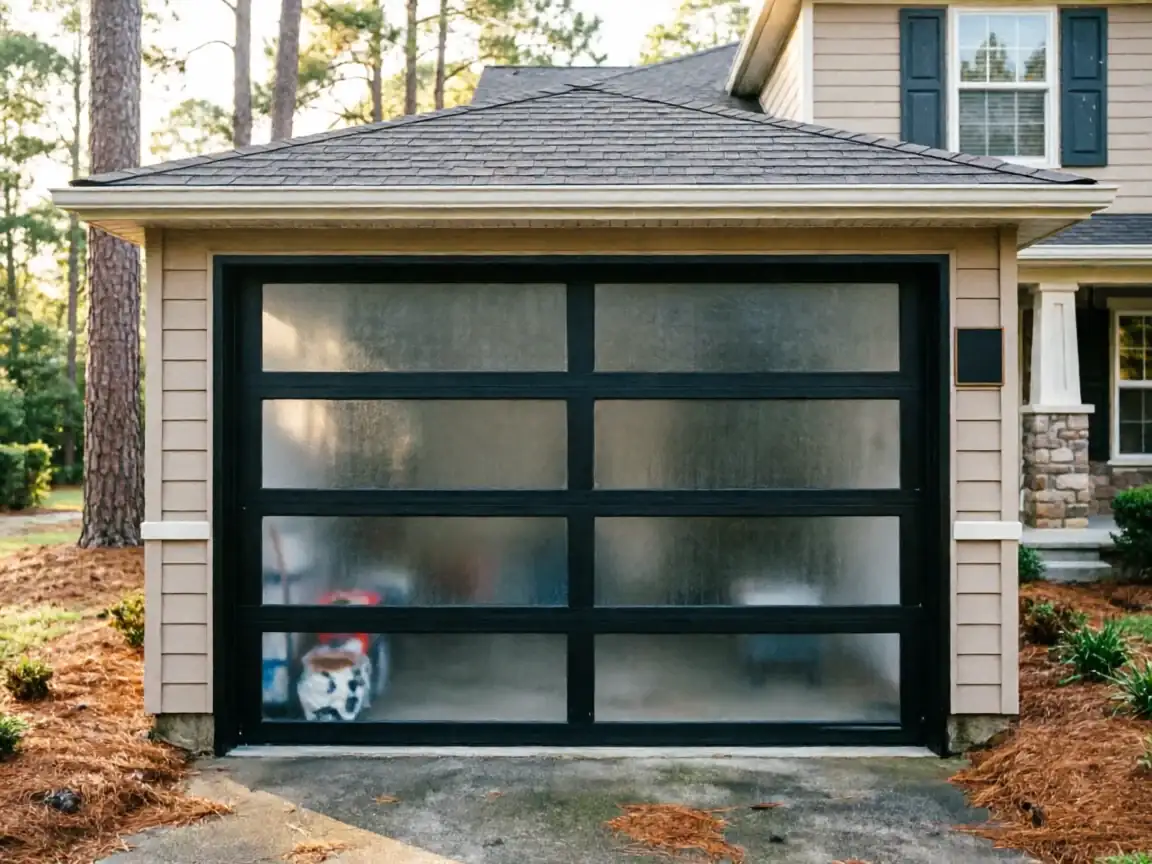
The 24,043 owner-occupied houses across this service area carry a wide range of ages, but Austell's own stock clusters tighter, mostly 1980s builds like the 1988 median here. That generation of garage door came standard with steel rollers, a single torsion spring on most single doors, and hardware sized to the lighter wood or thin steel panels that were standard then. Decades of Georgia humidity followed by cold-moderate winter swings work on galvanized coating and roller bearings in a specific way - not catastrophic, just steady wear that shows up as noise first, then stiffness, then a stuck door. It's a different failure pattern than you'd see on a house built in the 2000s with a heavier insulated door and double springs from the start. Maintenance on an Austell door is largely about catching 35-year-old hardware before it finishes failing, not about chasing a defect in a newer build.
How Long It Takes
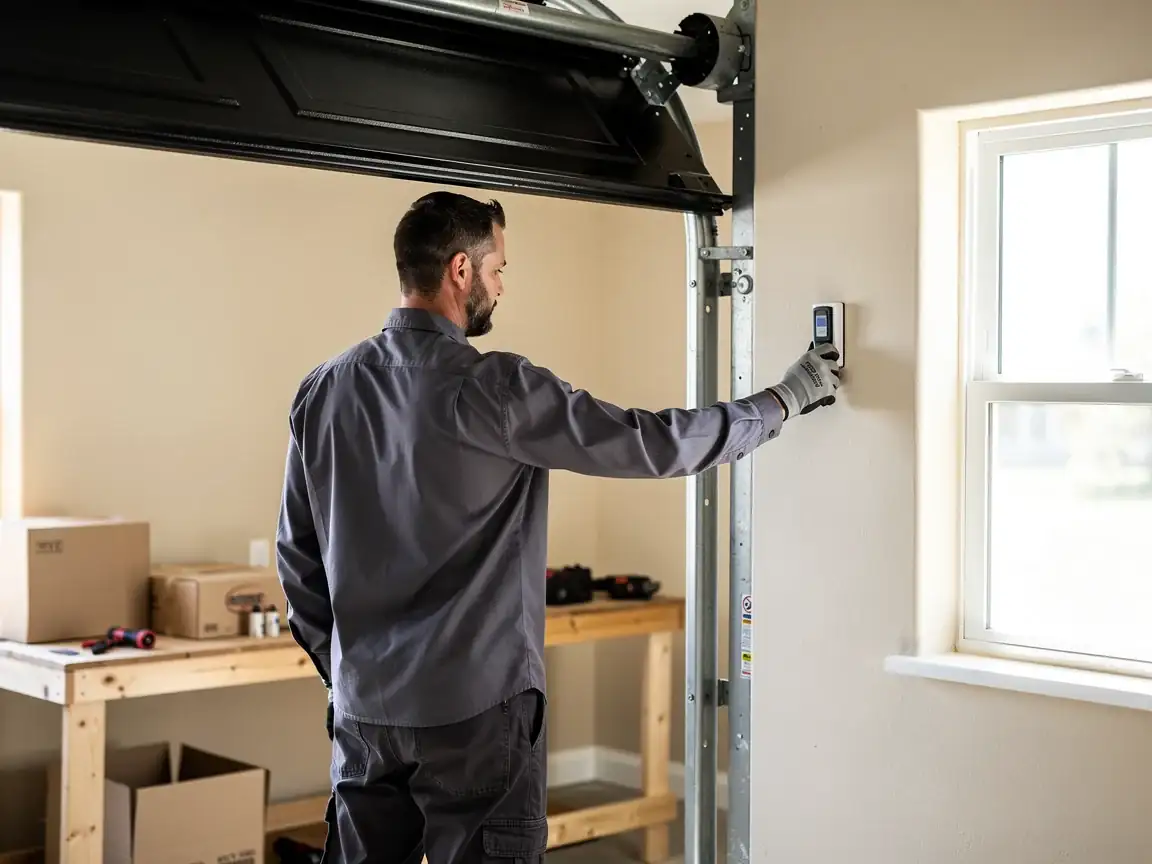
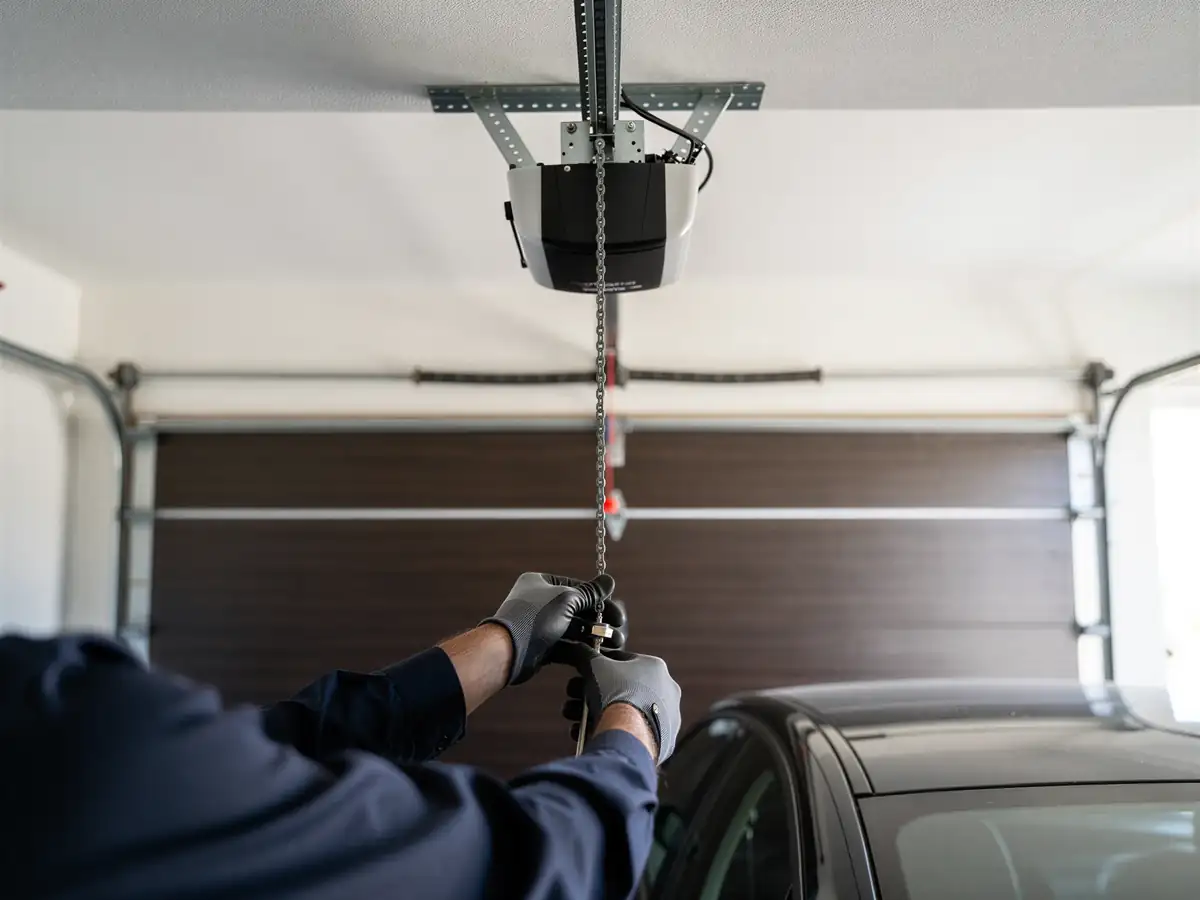
Because the truck comes from Douglasville, seven miles out, we schedule Austell maintenance visits in the same window as other calls on this side of the service area rather than as a standalone trip - it keeps the visit itself affordable instead of padding the bill with drive time. The maintenance check itself, on a standard single or double door, usually runs under an hour once we're on site: spring tension, roller and hinge condition, track bolts, opener force, and the bottom seal. If something turns up that needs a part not on the truck - an oddly sized spring from a past retrofit, for instance - that's a second, shorter visit once the part's in. At a median household income of $67,500 here, a little under the wider service area's $73,889, most owners we see want the maintenance call precisely because it's the cheaper path compared to a cold spring failure turning into a same-week replacement.