How Long It Takes
Lithia Springs sits about 4 miles from our shop in Douglasville
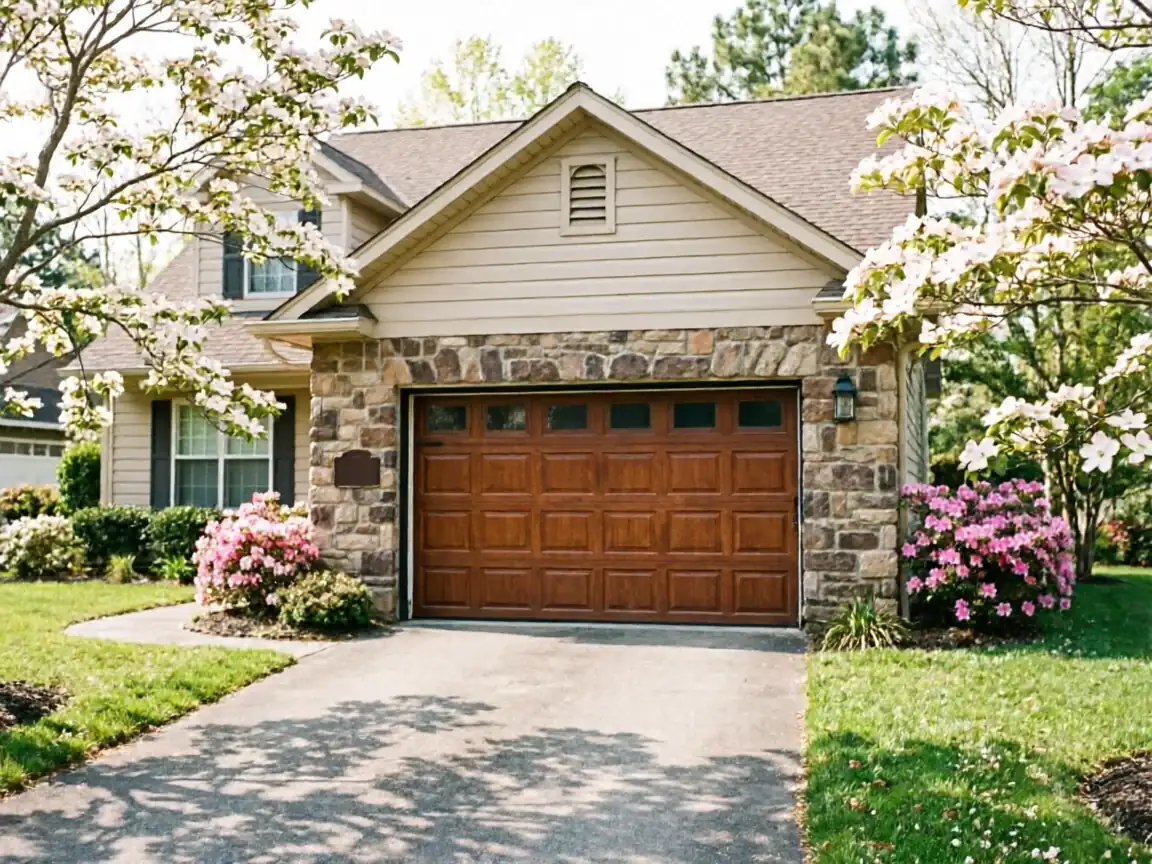
And most of the houses out here went up around 1990 - a few years newer than the 1994 median across the rest of the area we cover. That gap matters more than it sounds like it should. A door and opener installed in 1990 is at a different point in its hardware life than one from the mid-90s: springs are a few winters further along, and the steel tracks have had a few more years of the same cold-moderate swings to work loose at the brackets.
- 4 miles
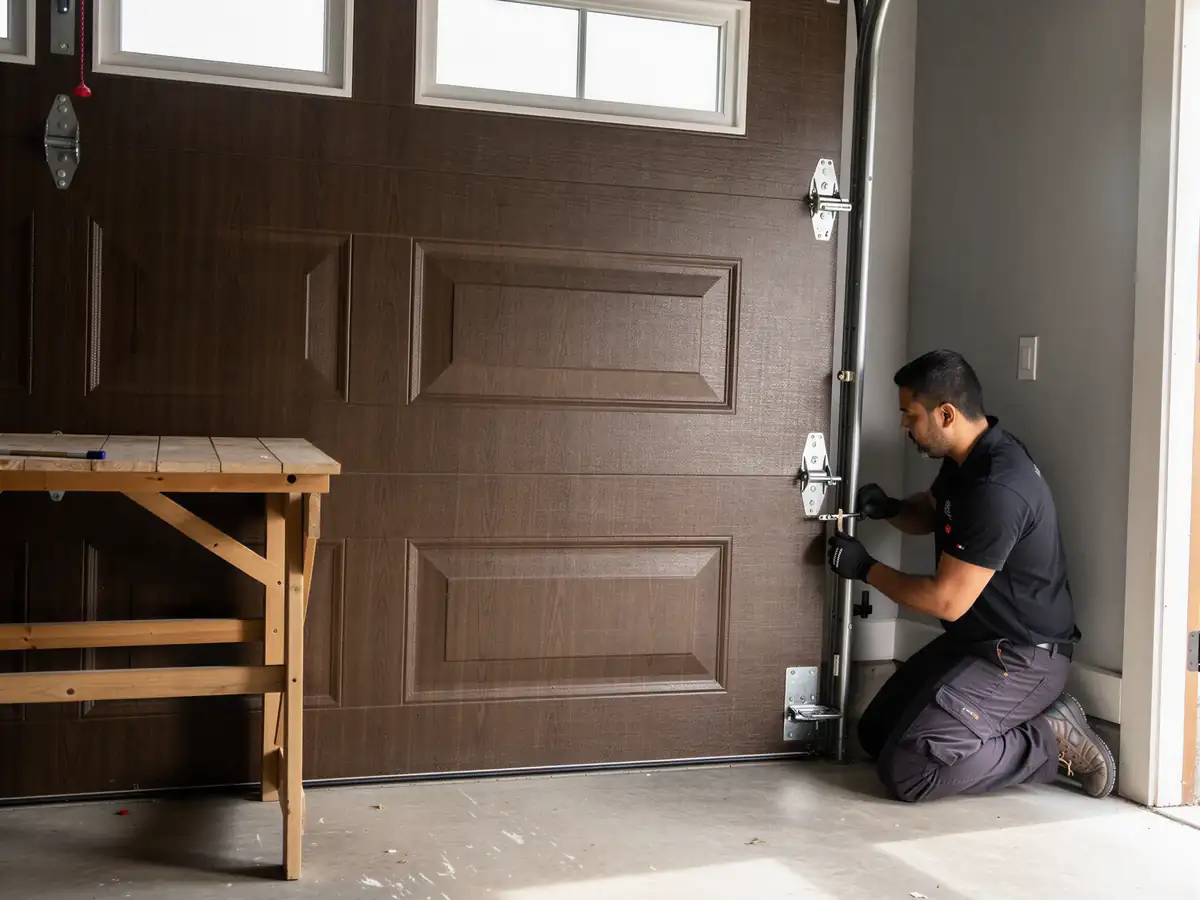
A standard maintenance visit
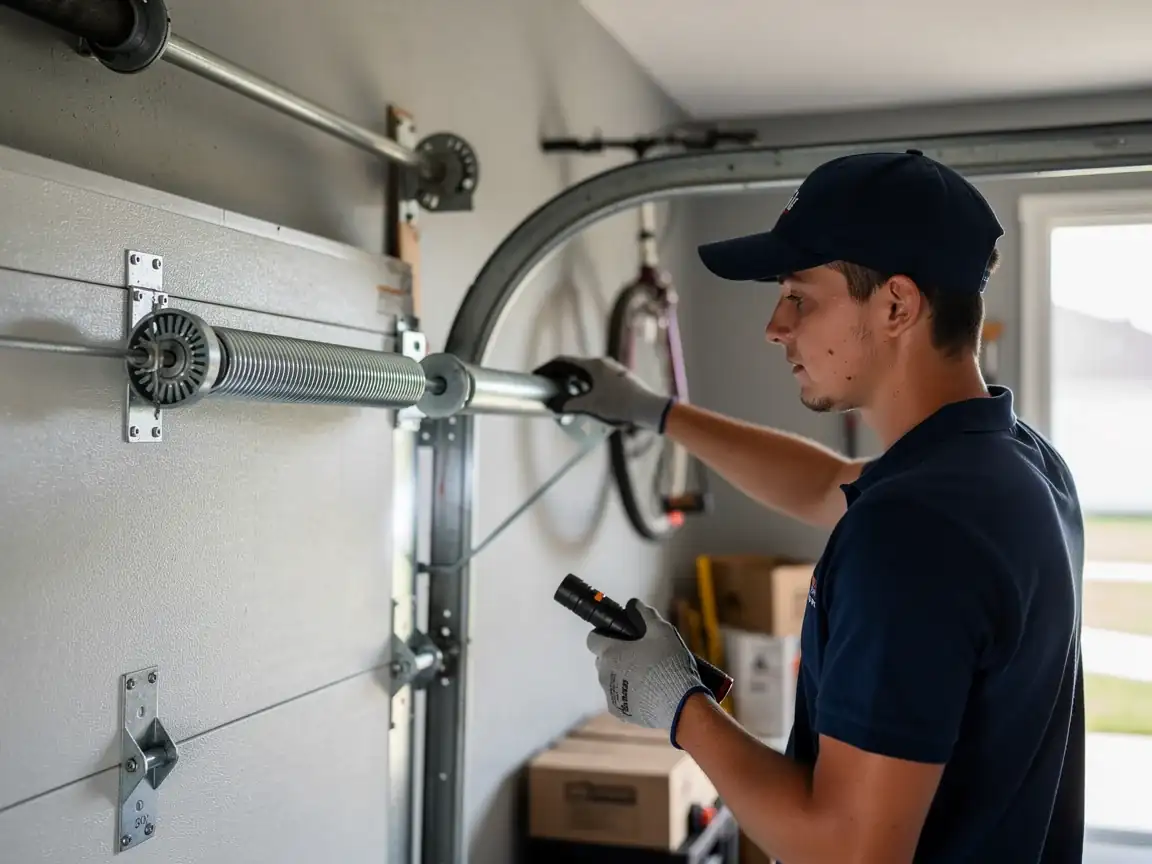
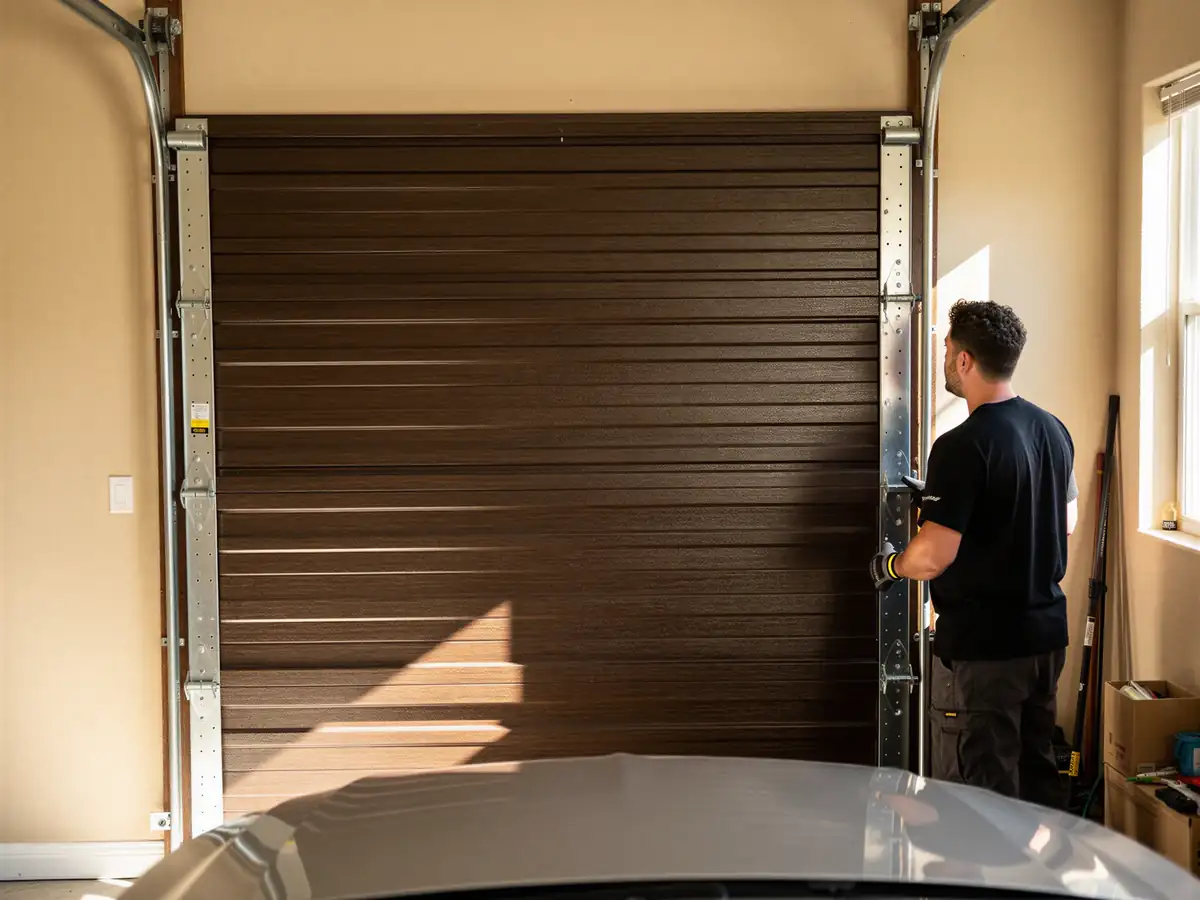
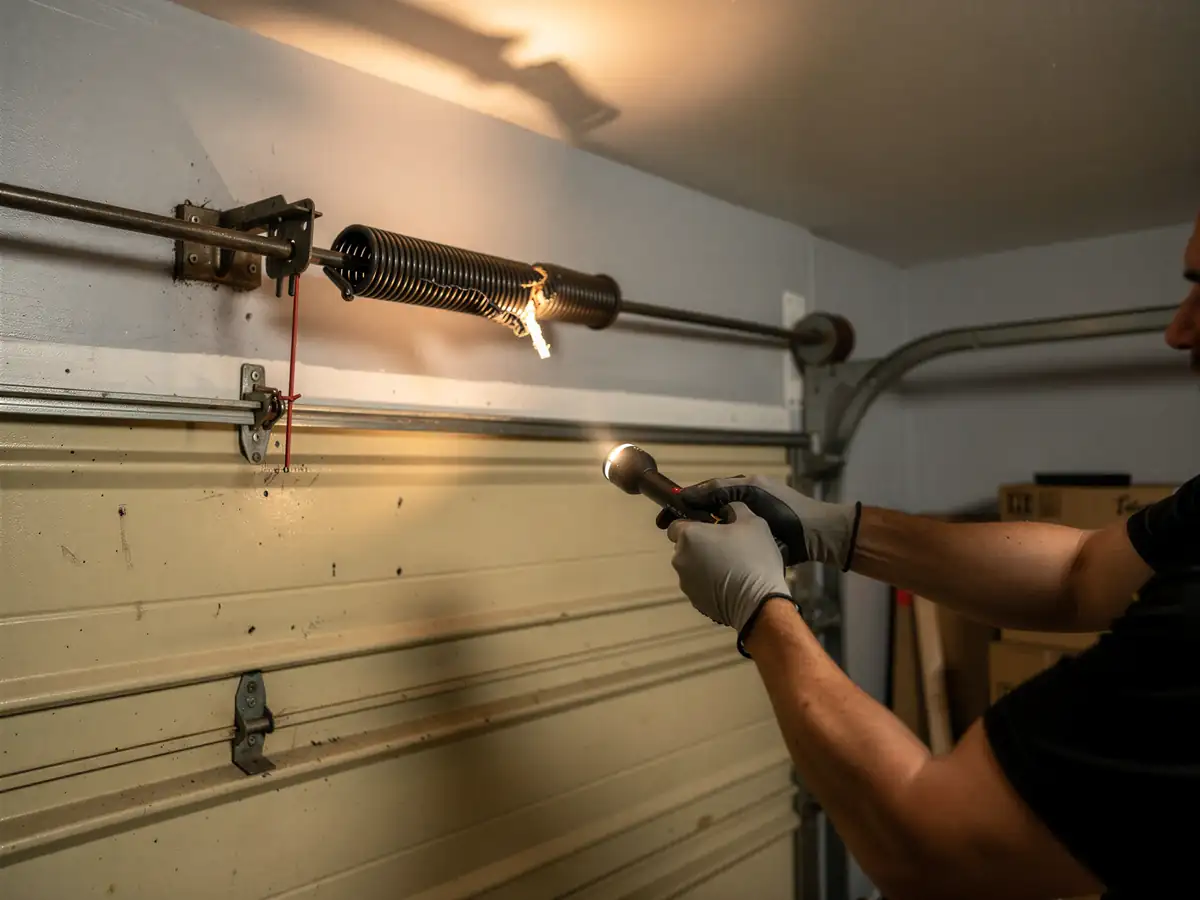
Lube, hardware check, balance test, opener inspection - runs about 30 to 45 minutes once the truck is on site. We don't add drive time to that window; the 4 miles from Douglasville doesn't change what the job itself takes. What can stretch it is what we find: if a spring is already showing surface rust at the coil ends or a roller is cracked, we'll walk you through it before doing anything beyond the original scope. We won't quietly turn a maintenance call into a repair invoice without telling you first.
- 45 minutes
- 4 miles
How to Book
Booking a maintenance visit for a Lithia Springs address works the same way it does anywhere else we cover from Douglasville - you tell us the address and roughly how old the door is, and we schedule the truck out. There's no separate Lithia Springs crew or depot; this is one company working out of Douglasville, and Lithia Springs is one of the closer stops on the route at 4 miles out.
If you're not sure whether you need maintenance or a repair, say so when you book. A door that's slow to open, that reverses on its own, or that sounds like metal grinding on metal isn't a maintenance call anymore - that's something we'll want to look at sooner rather than scheduling into a routine visit. For general upkeep on a door that's just due for its yearly check, a standard appointment is the right call. You can see the areas we cover from Douglasville on our service area page, and if you're after other work - opener swaps, panel replacement - that's covered on our Douglasville maintenance page.
Can You Do This Yourself
Some of it, yes. Wiping down tracks and vacuuming out the dust and dead leaves that build up along the bottom rail is fine to do yourself, and so is checking that the photo-eye sensors near the floor are clean and aimed at each other. Lubricating rollers and hinges with a silicone-based spray a couple times a year is reasonable homeowner work too.
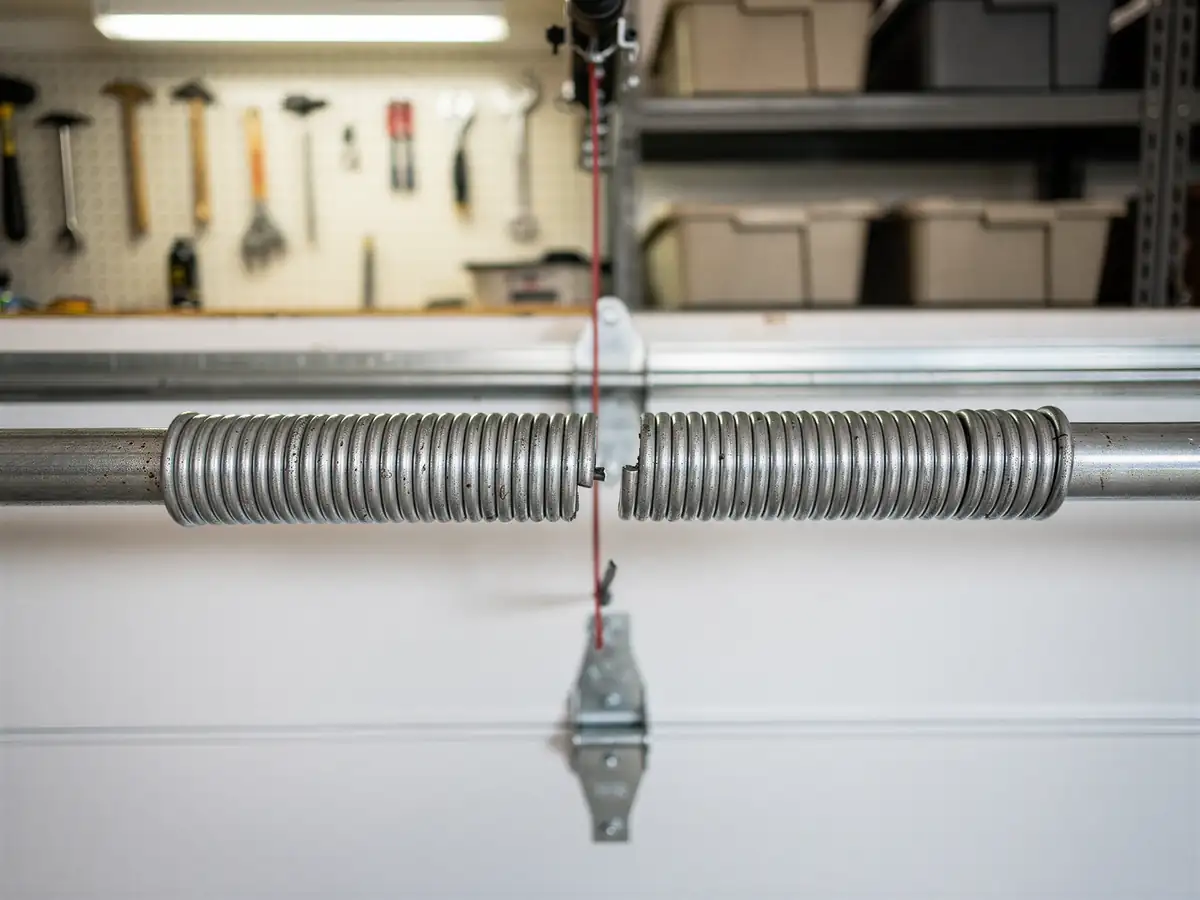
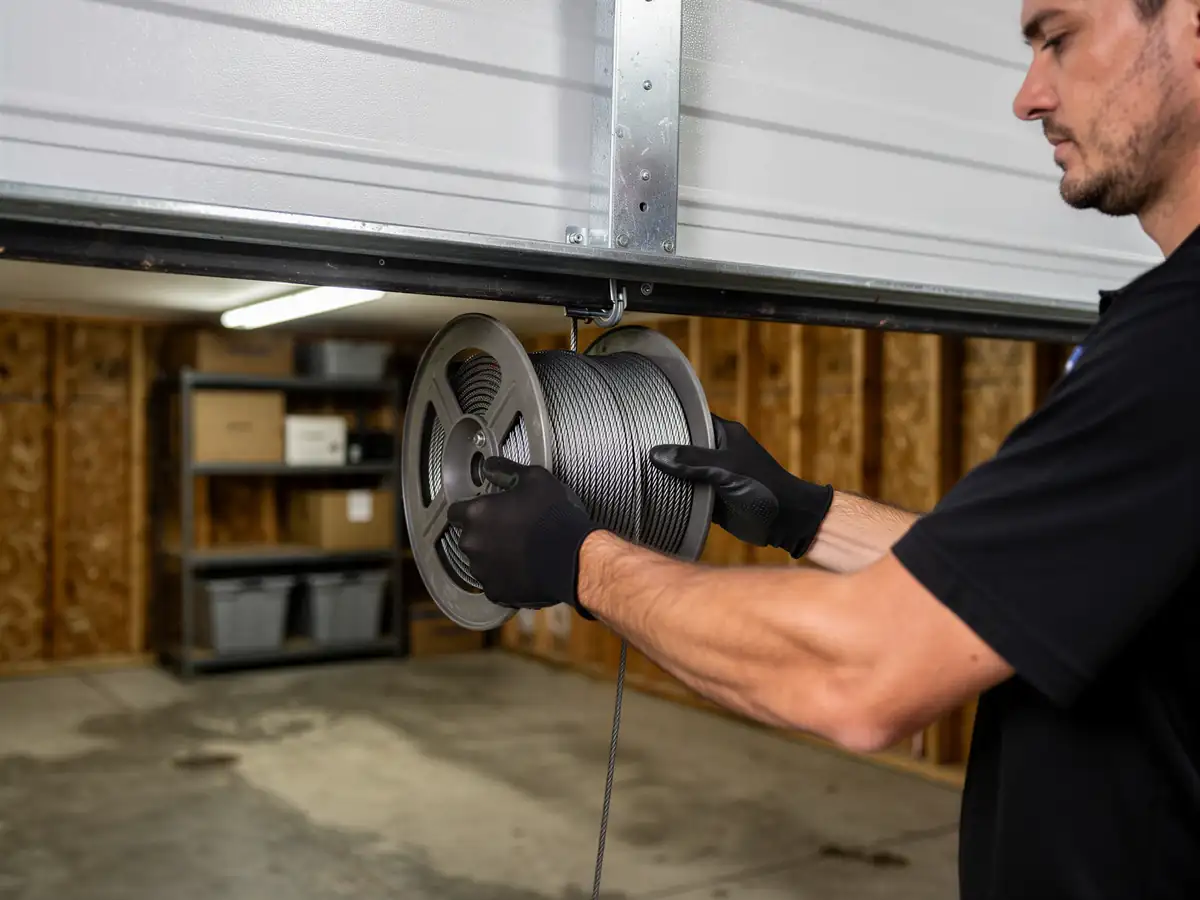
What we'd stop you on is anything involving the torsion spring above the door or the cables running down to the bottom brackets. On a house built around 1990, that spring has likely never been replaced, and a spring under full tension that lets go while someone's hands are on it causes real injuries - that's not us being cautious for the sake of it. Balance testing also isn't a solo job; disconnecting the opener and lifting the door by hand to see where it holds takes a second person watching the spring, not operating it. If you're comfortable with the sensor and track work and leave the spring alone, you're doing the right half of it yourself.
What the Repair Takes
When a maintenance visit turns up something that needs fixing on a Lithia Springs door
The most common finds on stock from this era are worn end bearings, stretched extension springs on older two-spring setups, and weatherstrip that's cracked along the bottom seal from UV and years of cold-weather contraction. None of those are same-visit guesswork - we'll show you what we found and what it costs before doing the work.
A torsion spring swap on a standard double door typically takes under an hour once the part is in hand
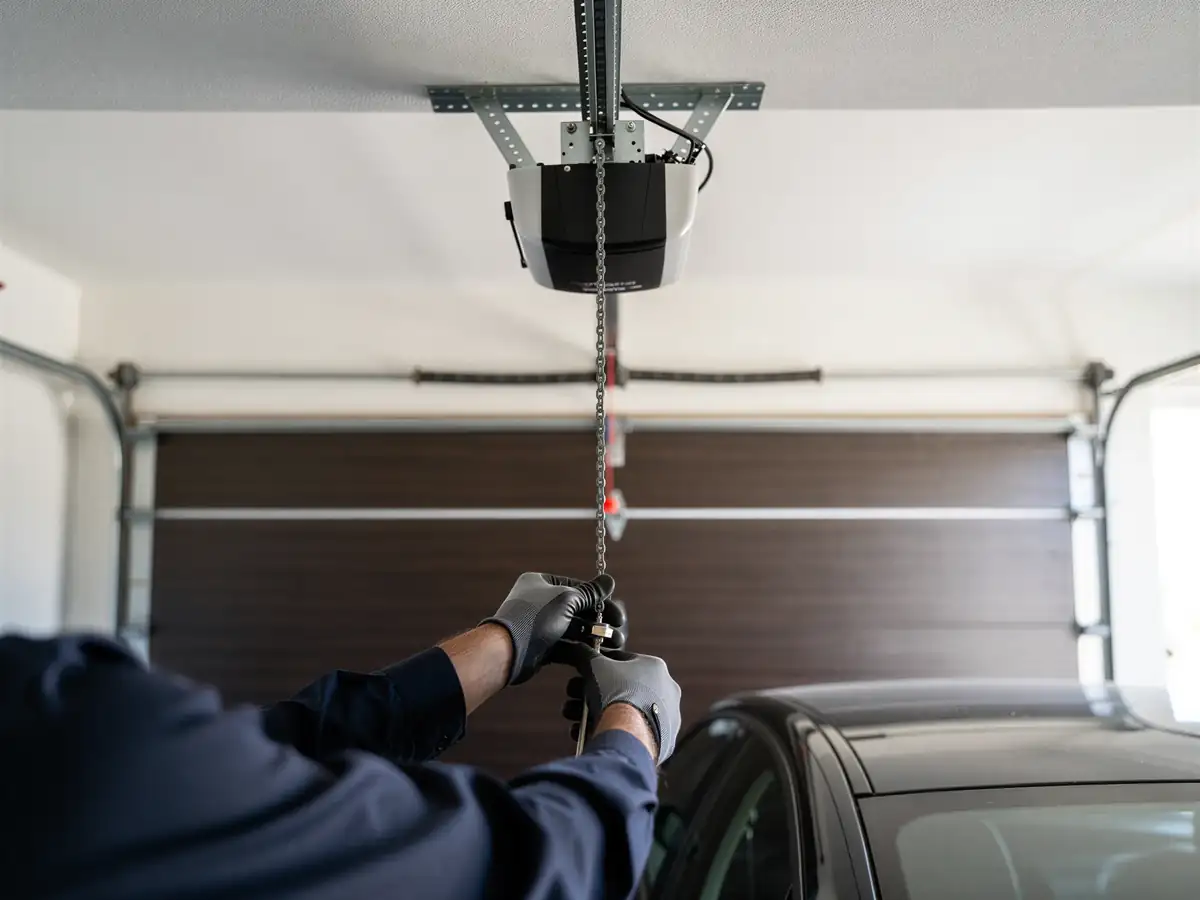
Opener issues take longer to diagnose than to fix in most cases - a logic board problem can take real time to isolate, while a worn drive gear is a quick swap once we know that's the cause. One honest limit here: if a door's hardware is original from around 1990 and multiple components are failing at once, we'll tell you when replacement is the better money than chasing parts one at a time. We'd rather say that upfront than keep billing small repairs on a door that's at the end of its run.
Stocked Parts
We carry the parts that fail most often on doors from the late-1980s through mid-1990s build era that makes up a lot of Lithia Springs housing stock: standard torsion springs in common wire sizes, extension spring sets, nylon and steel rollers, end bearing plates, and bottom-seal weatherstrip in standard track widths. Those cover the bulk of what a routine maintenance visit turns up as worn.
What we don't carry on the truck is anything proprietary to a specific opener brand's control board or a cable drum sized for a track width we haven't seen on the job yet. If a door needs one of those, we'll order it rather than guess, and that means a second trip once the part's in. It's not the answer anyone wants to hear mid-visit, but it beats installing the wrong part and having it fail again in six months. For the most part, though, a house in this area built in the 1990-ish range has fairly standard hardware, and standard hardware is what we stock.
What You Pay
We don't post flat prices for maintenance here because the number depends on what the door needs beyond the basic check - a clean inspection with no part replacement costs less than a visit where we're also swapping a spring or a set of rollers. What we can tell you is that the 4-mile drive from Douglasville doesn't add a trip charge on top of the service itself; the price is for the work, not the distance.
Lithia Springs runs a median household income of $54,982, noticeably below the roughly $73,889 median across the wider area we serve from Douglasville, and we price maintenance the same way here as anywhere else on the route rather than adjusting by neighborhood. If cost is the main question, ask for the breakdown before we start - parts and labor listed separately - so you know exactly what you're paying for and can decide whether a repair is worth doing now or holding off.